Mint

Michelin Plate
Our verdict
A Michelin Plate recipient for 2024 and 2025, Mint sits on Carrer de Sant Josep in Granollers and applies contemporary technique to Catalan Mediterranean foundations. The €€ price point and well-structured set menus make it one of the more considered options in the city, delivering ingredient-led cooking that reads as both rooted and current.

Pearl is the En Primeur Club membership app, where members save venues, book tables and use the concierge.
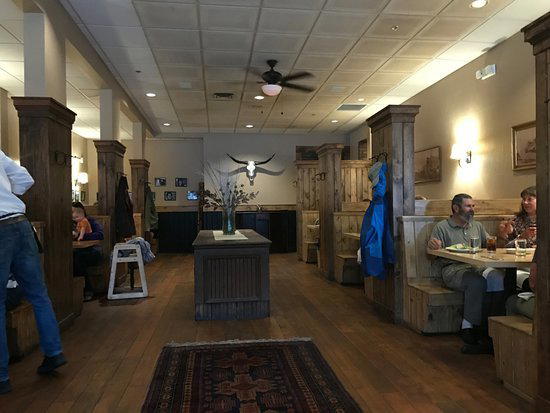
Where Granollers Meets the Mediterranean Table
Carrer de Sant Josep runs through the older core of Granollers, a mid-sized Catalan city roughly 30 kilometres north of Barcelona that rarely makes regional dining headlines despite sitting inside one of Spain's most produce-rich corridors. The Vallès Oriental comarca, which Granollers anchors, sits between the coast and the pre-Pyrenean foothills, giving local kitchens access to market garden vegetables, pork and charcuterie from inland farms, and the full Mediterranean seafood chain via suppliers who work the Costa Maresme. That agricultural context matters when reading a menu described as fresh, updated Mediterranean cooking with its roots in Catalan gastronomy, because it signals an ingredient logic rather than a style exercise.
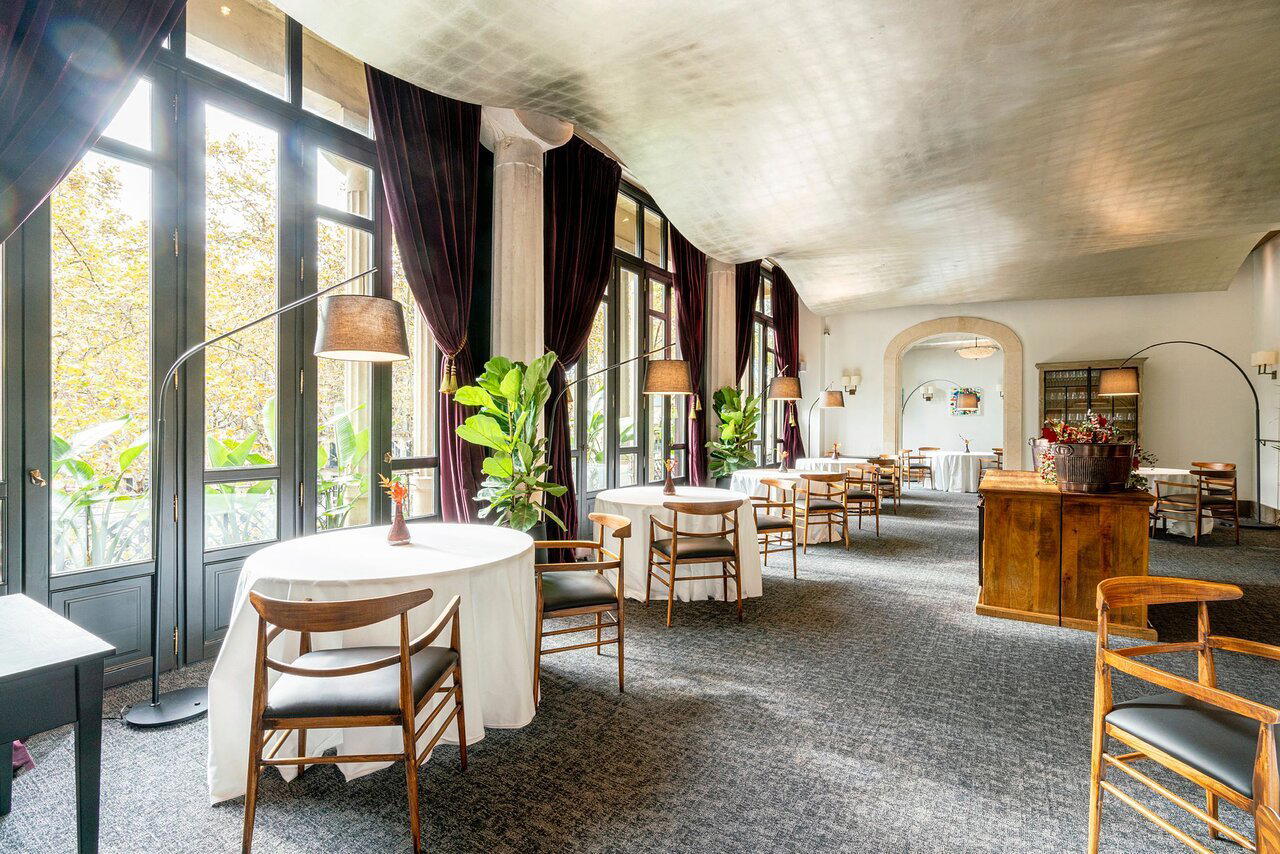
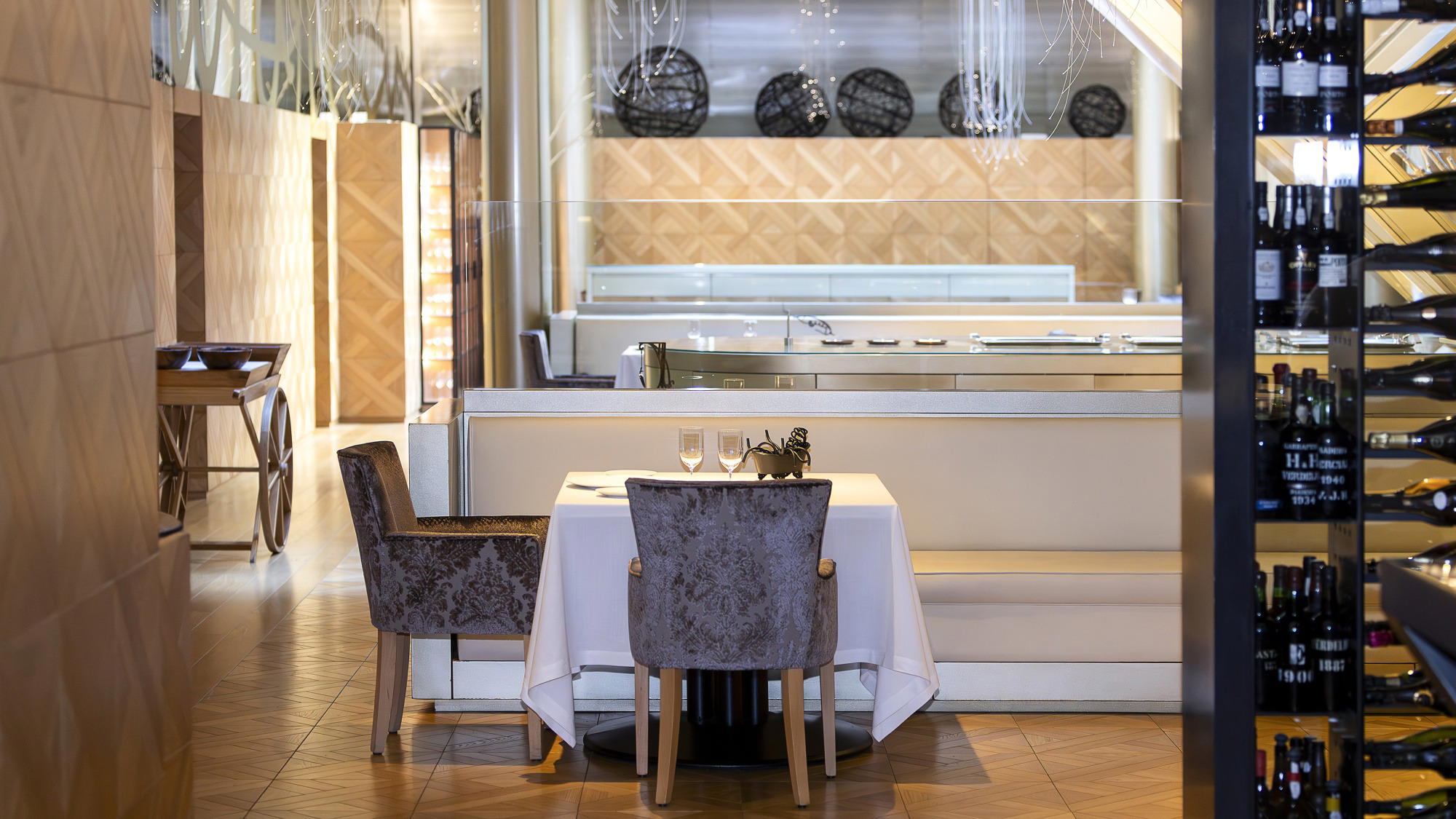
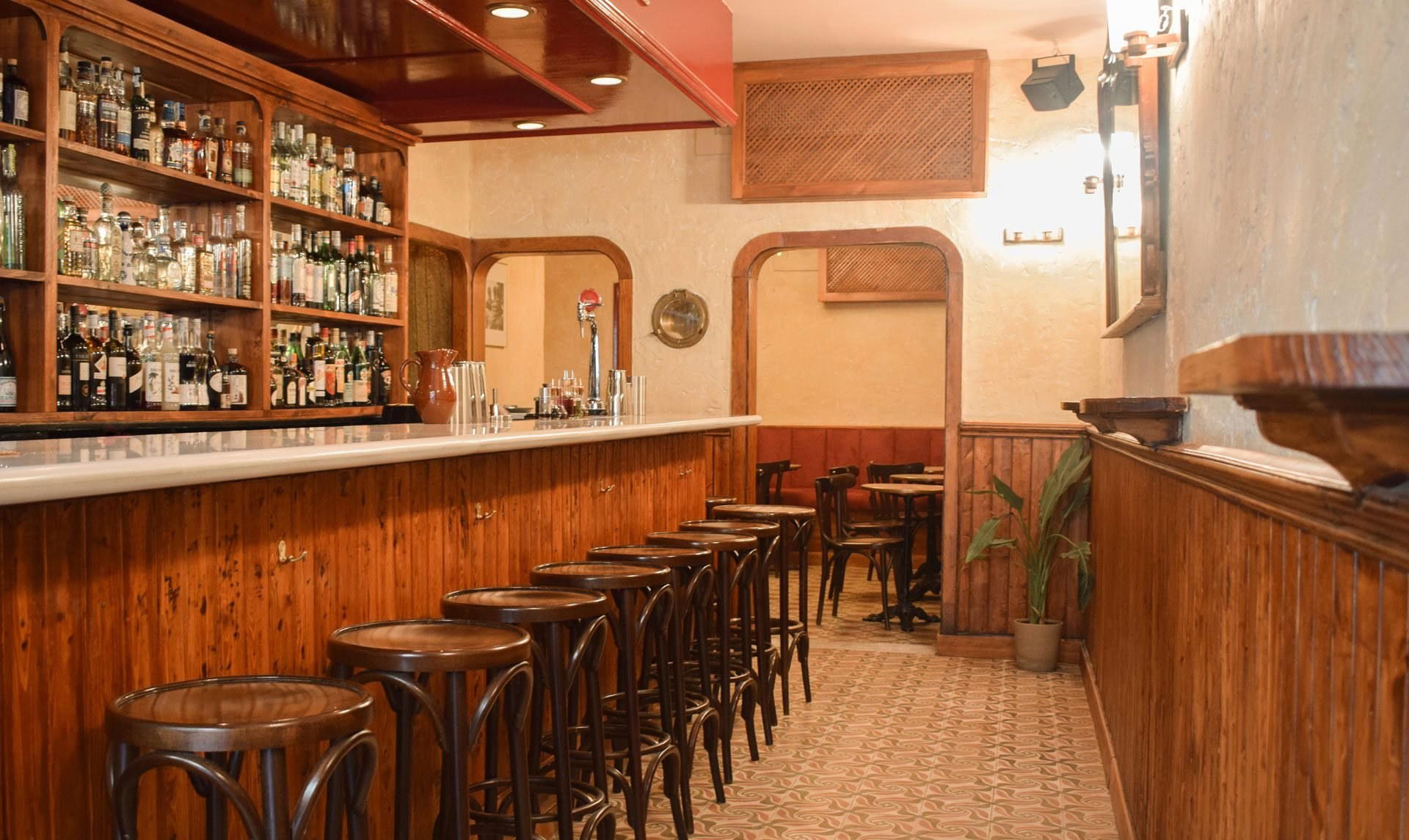
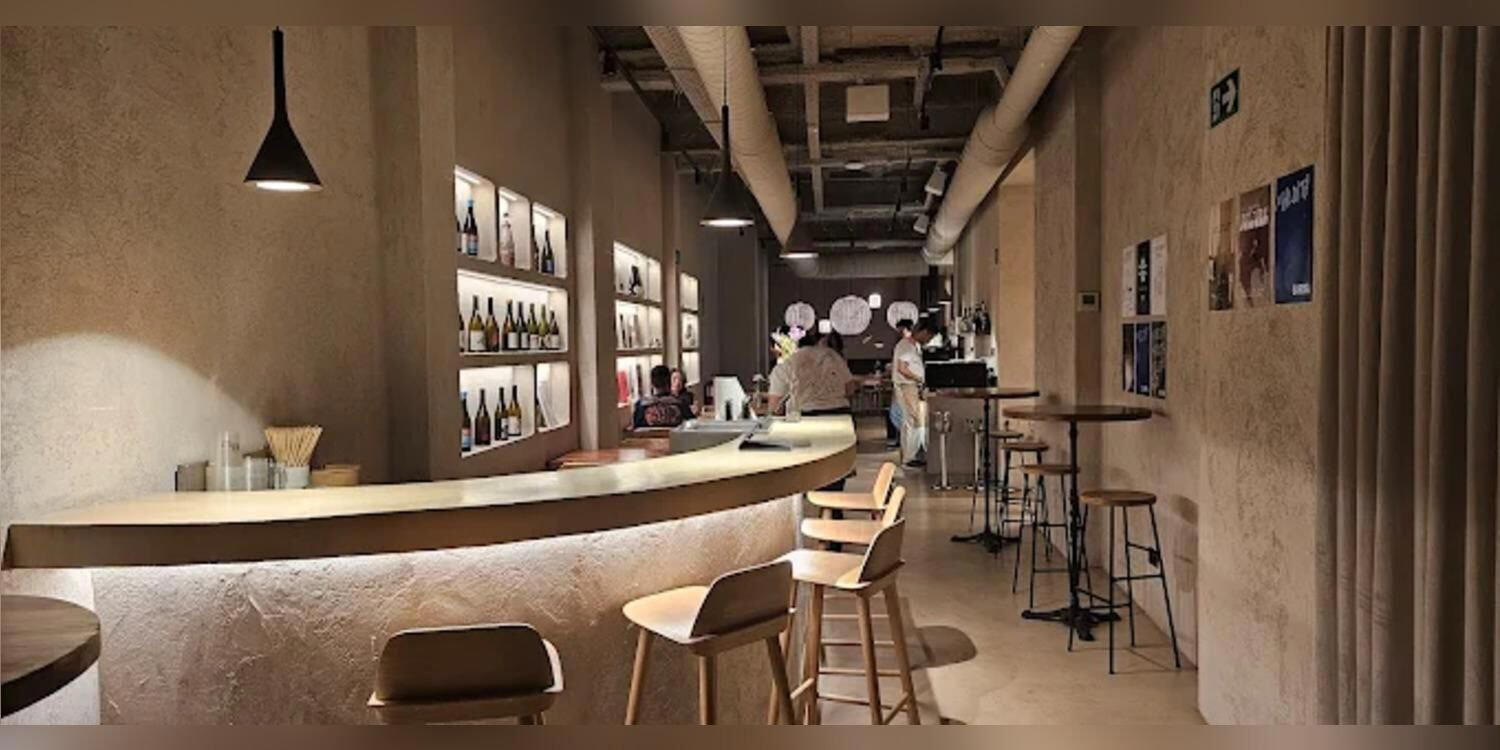
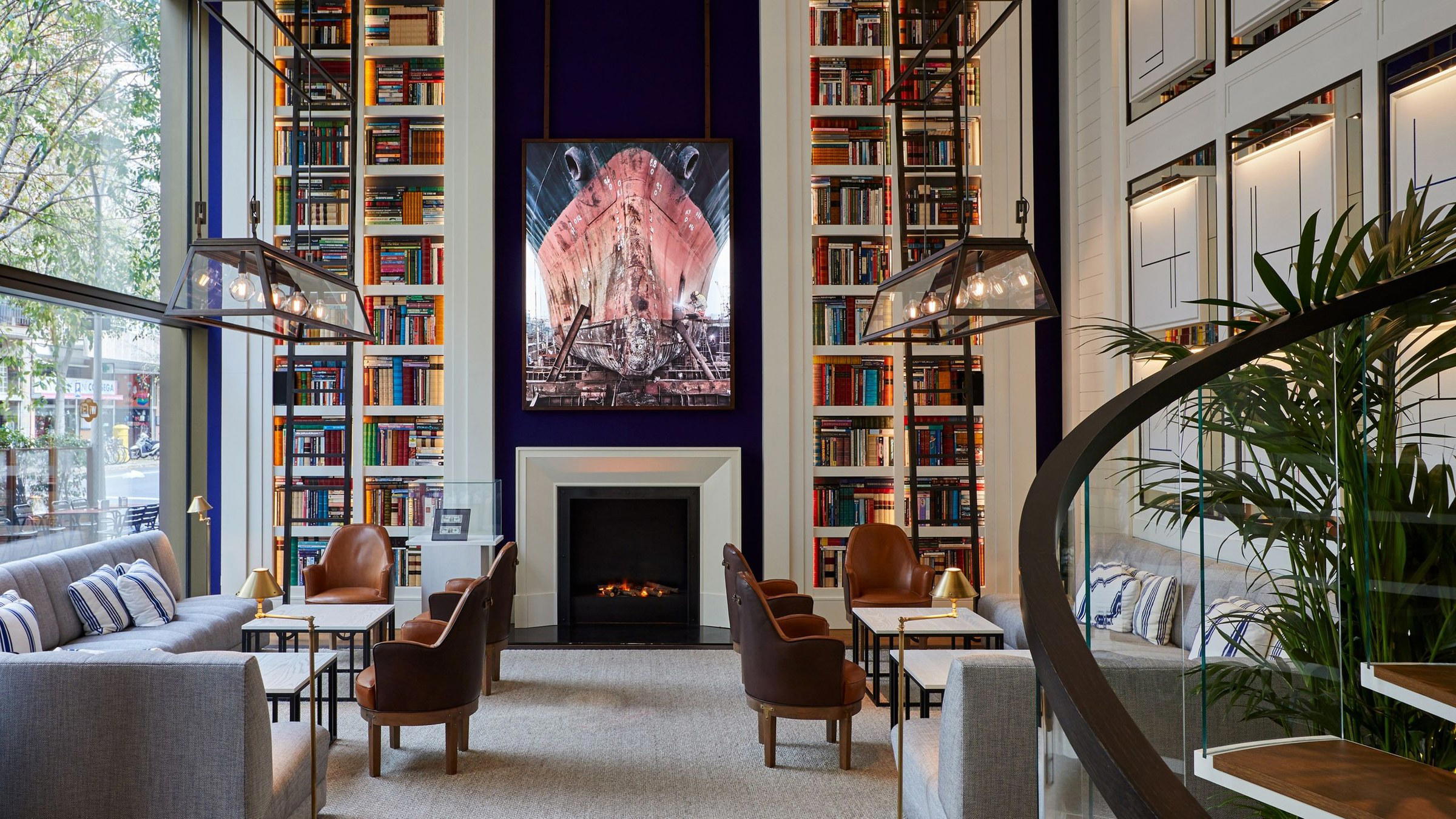
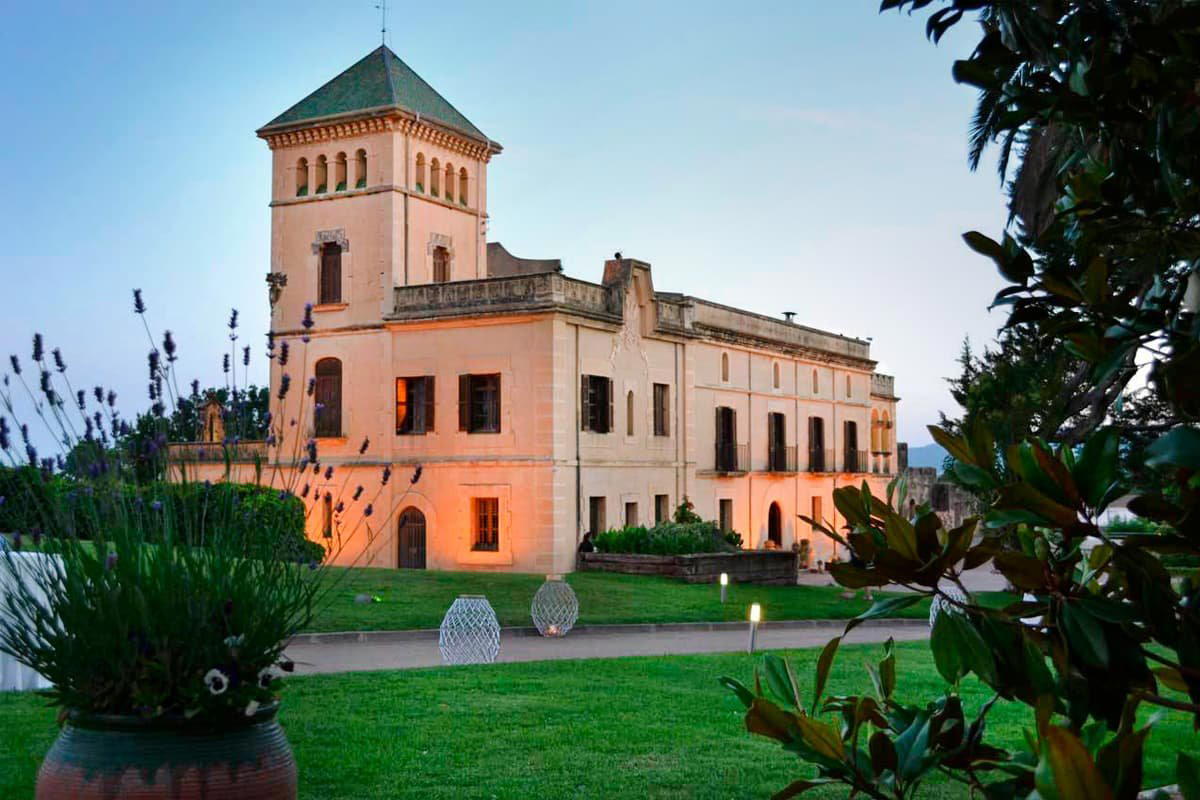
Mint's contemporary decor reads clearly on approach: clean lines, considered without being cold, the kind of interior that announces a kitchen taking itself seriously without performing ambition. In a city where the dining offer spans traditional Catalan family restaurants and mid-market Spanish staples, the contemporary register Mint occupies is a relatively small niche. Its name is itself editorial shorthand for the cooking philosophy: something bright, aromatic, and grounded in the garden.
The Catalan Ingredient Framework
Updated Mediterranean cooking in a Catalan context means navigating a specific canon. The base ingredients are well-established: olive oil, tomàquet de penjar (the hung tomatoes used for pa amb tomàquet), pulses and legumes from the Garrotxa and Osona regions, salt cod carried over from centuries of Atlantic trade, and seasonal vegetables that shift hard between growing periods. What distinguishes contemporary Catalan kitchens from their predecessors is the application of technique to these foundations rather than their replacement. The leading expressions of this mode keep the sourcing local and the presentation current without losing the legibility of the underlying tradition.
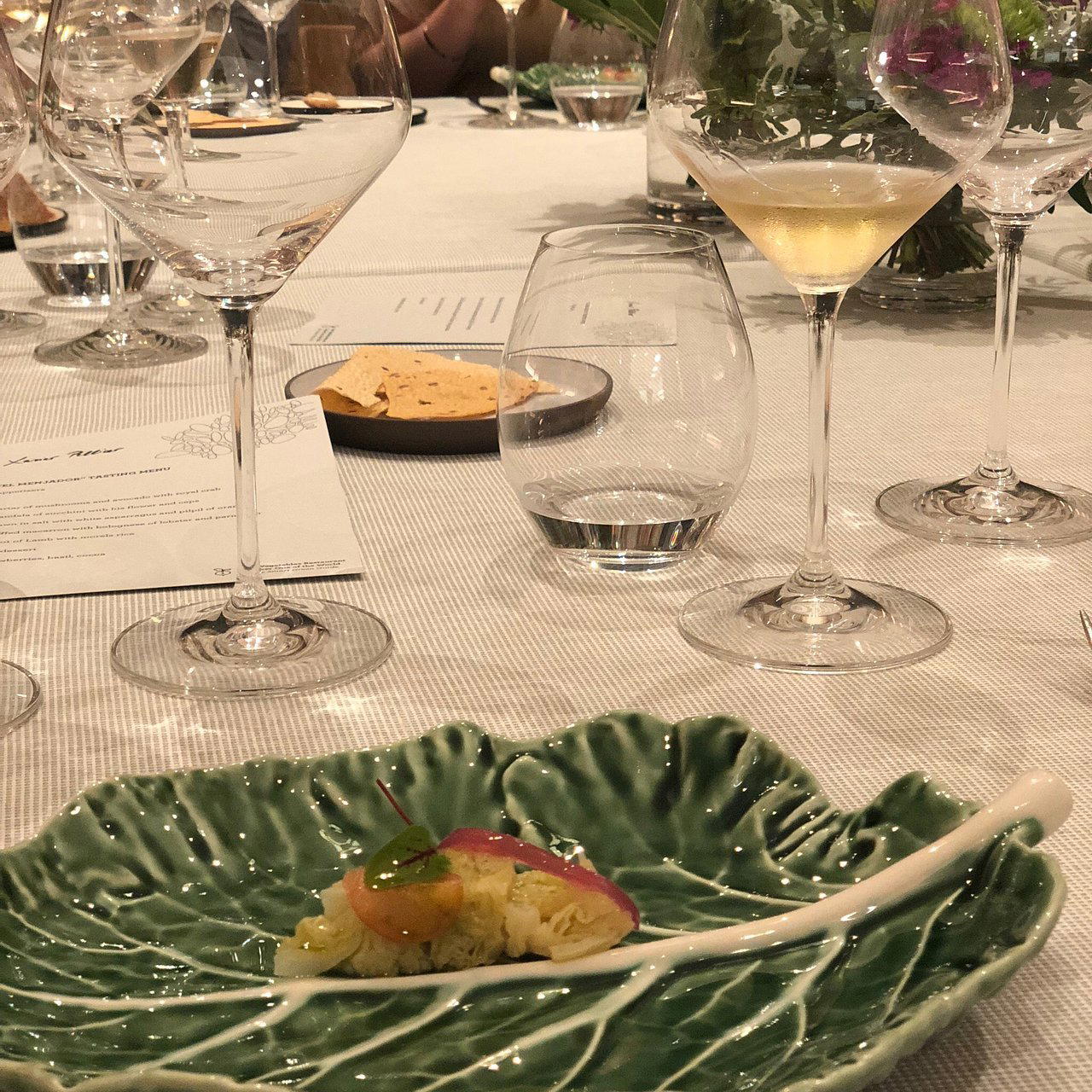
Mint sits inside that framework. The set menus, which Michelin's coverage specifically flags as strong, are the structural vehicle through which that ingredient logic is delivered most clearly. Set menus in this register tend to prioritise sequence and seasonal coherence over à la carte variety, giving the kitchen control over what is freshest and most honest on a given day. At a €€ price point, Granollers diners are getting that curatorial approach at a fraction of what similar seasonal menus would cost in Barcelona, let alone at the higher tiers of the Spanish restaurant hierarchy represented by venues like El Celler de Can Roca in Girona or Disfrutar in Barcelona.
Michelin Recognition in Context
The Michelin Plate, awarded to Mint in both 2024 and 2025, is a designation that functions differently from stars. Where stars denote exceptional cooking at a defined level, the Plate signals a restaurant that Michelin inspectors consider to serve good food, a baseline credential that distinguishes a kitchen from the broader, unrecognised tier. In smaller Catalan cities, that recognition carries specific weight: it positions Mint as a reference point within its local market, not just a neighbourhood option. Across Spain, Michelin Plate restaurants occupy an important mid-tier role, bridging the accessible and the aspirational in cities that lie outside the primary dining circuits anchored by Barcelona, San Sebastián, and Madrid.
The contrast in scale and ambition between Mint and the country's most decorated kitchens is significant but instructive. Arzak in San Sebastián, DiverXO in Madrid, and Azurmendi in Larrabetzu operate within entirely different economic and creative frameworks. What Mint offers is a different proposition: the application of thoughtful, contemporary technique to Catalan ingredients in a city where that approach is not taken for granted.
Mediterranean Cooking and the Question of Origin
Set menu format at Mint connects to a wider argument about how ingredient sourcing shapes dining value. Across Spain's contemporary restaurant tier, the most interesting kitchens at every price point tend to treat proximity as a form of quality signal, not as a marketing claim, but as a discipline that forces seasonal thinking and penalises complacency. Catalan cooking has the advantage of a particularly well-documented larder: the Mercat de l'Escorxador in Granollers gives local kitchens direct access to regional produce, and the wider network of Catalan agricultural markets is one of the denser produce-sourcing infrastructures in southern Europe.
In that context, a menu described as rooted in Catalan gastronomy is making a geographic commitment. The herbs, aromatics, and vegetables that define Catalonia's cooking character, thyme, fennel, escalivada's charred peppers and aubergines, the romesco-adjacent nut-and-pepper sauces of the coastal belt, carry a specificity that travels poorly if the sourcing does not hold. A name like Mint, with its emphasis on freshness and herb-led flavour, frames the kitchen's identity against that tradition clearly. Comparable contemporary approaches to Mediterranean sourcing and technique appear in venues like Ricard Camarena in València and Quique Dacosta in Dénia, though both operate at significantly higher price brackets and with a different creative register.
Planning a Visit
Mint sits at Carrer de Sant Josep, 10, in the centre of Granollers, within walking distance of the city's main market and the RENFE train connection to Barcelona's Sants and Passeig de Gràcia stations, a journey of roughly 40 to 45 minutes. That rail link makes Granollers a realistic lunch or early dinner destination from Barcelona without requiring a car. The €€ pricing positions a meal at Mint as accessible rather than budgeted: expect mid-range expenditure more consistent with a considered neighbourhood restaurant than with the expense-account dining associated with Spain's three-star tier. Booking in advance is advisable given the size typical of restaurants in this category and the local recognition the Michelin Plate carries. For context on where to drink before or after, and on how Granollers fits into a broader visit to the region, see our full Granollers restaurants guide, our full Granollers bars guide, and our full Granollers hotels guide. Those planning a wider exploration of Catalonia's food and wine producers should also consult our full Granollers wineries guide and our full Granollers experiences guide.
Frequently asked questions
Is Mint good for families?
What is the atmosphere like at Mint?
at Mint?
A Quick Peer Check
| Venue | Cuisine | Price | Awards | Notes |
|---|---|---|---|---|
| MintThis venue (the venue you are viewing) | Modern Mediterranean | $20–30 | Michelin Plate | Not listed |
| Aponiente | Avant-Garde Marine Seafood | $200–300 | 3 Michelin Stars · World's 50 Best #84 | Progressive - Seafood, Creative |
| Arzak | Contemporary Basque Fine Dining | $300–500 | 3 Michelin Stars · World's 50 Best #31 | Modern Basque, Creative |
| DiverXO | Avant-Garde Spanish Tasting Menu | $300–500 | 3 Michelin Stars · World's 50 Best #4 | Progressive - Asian, Creative |
| El Celler de Can Roca | Creative Catalan Fine Dining | $300–500 | 3 Michelin Stars · World's 50 Best #2 | Progressive Spanish, Creative |
| Quique Dacosta | Avant-Garde Spanish Fine Dining | $300–500 | 3 Michelin Stars · World's 50 Best #65 | Creative |
Recognition history
Dated appearances from independent guides and award organizations, with the underlying list record or original source where available.
Michelin Plate
Michelin
Full recognition history (3 entries)
Michelin Plate
Michelin
Michelin Plate
Michelin
Continue exploring
More in Granollers
Restaurants in Granollers
All restaurants in Granollers →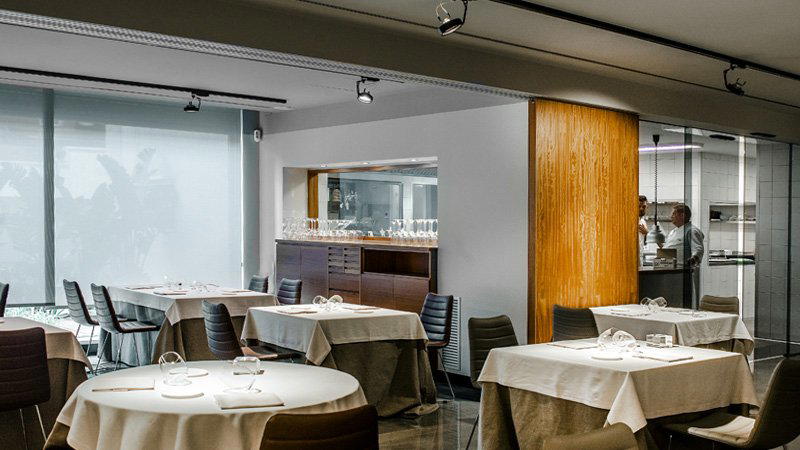
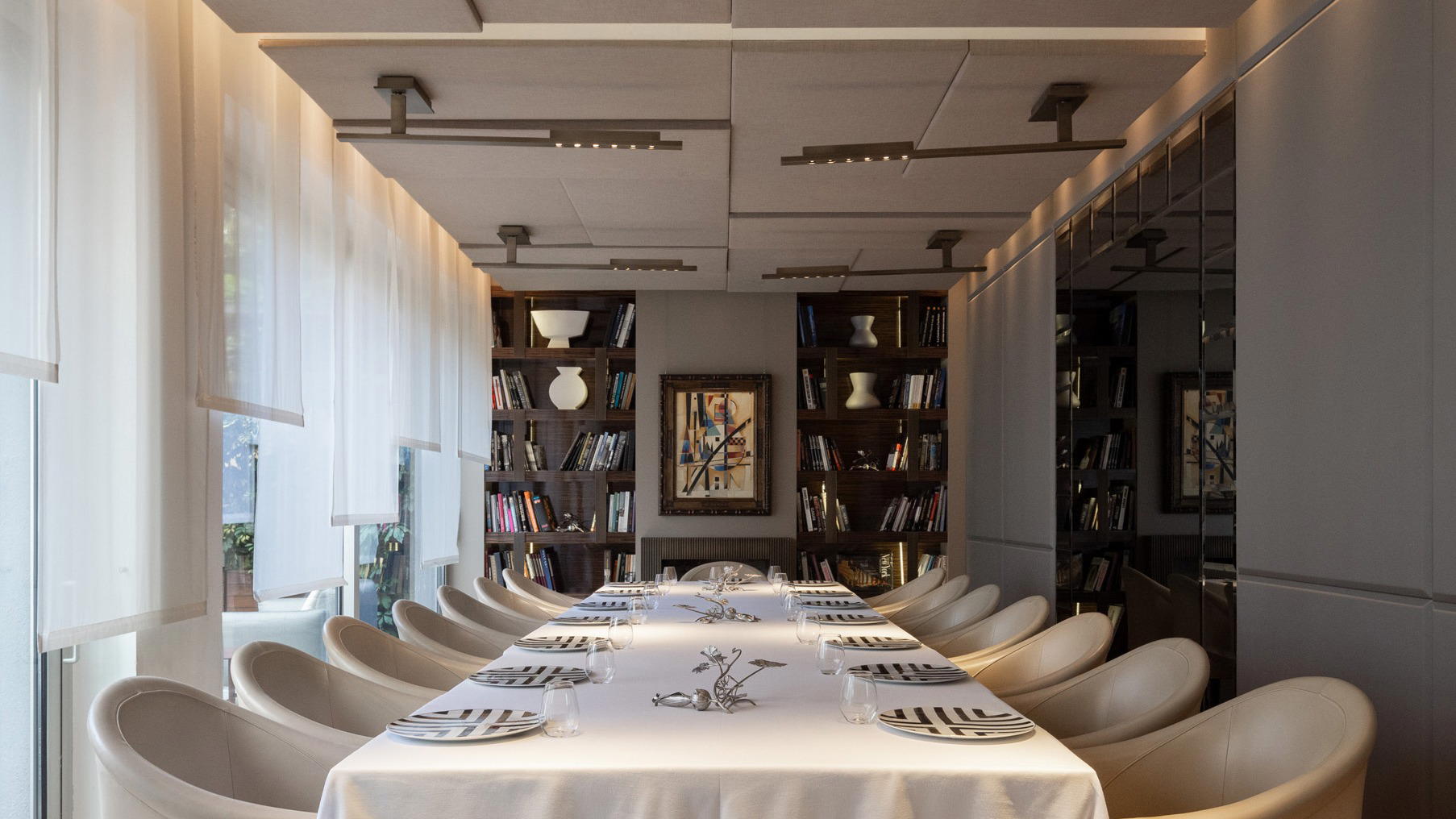
Bars in Granollers
Browse all →

Details
- Modern
- Elegant
- Date Night
- Special Occasion
- Open Kitchen
- A La Carte
- Vegetarian Friendly
Current opening hours
- Monday
- 1–5 PM
- Tuesday
- 1–5 PM
- Wednesday
- 1–5 PM
- Thursday
- Closed
- Friday
- 1–5 PM, 8:30 PM–12 AM
- Saturday
- 1–5 PM, 8:30 PM–12 AM
- Sunday
- Closed
Hours can change for holidays and private events. Hours as of .
Calm, fresh, and well-designed modern interior with pleasant contemporary decor.