Located in Chuo Ward's Fushimimachi district, 伊賀俳諧茶屋末山 sits within one of Osaka's most concentrated corridors of traditional dining. The address places it among a comparable set of counter-format establishments where booking discipline and local knowledge determine access. Details on format, pricing, and cuisine type remain sparse in the public record, which itself signals a venue operating closer to word-of-mouth than mass visibility.
 Discover on Pearl
Pearl is the En Primeur Club membership app — saves, bookings, and concierge access live there. Same editors, same standards.
- Address
- 2 Chome-4-12 Fushimimachi, Chuo Ward, Osaka, 541-0044, Japan
- Phone
- +81662283007
- Website
- kakoiyama.jp
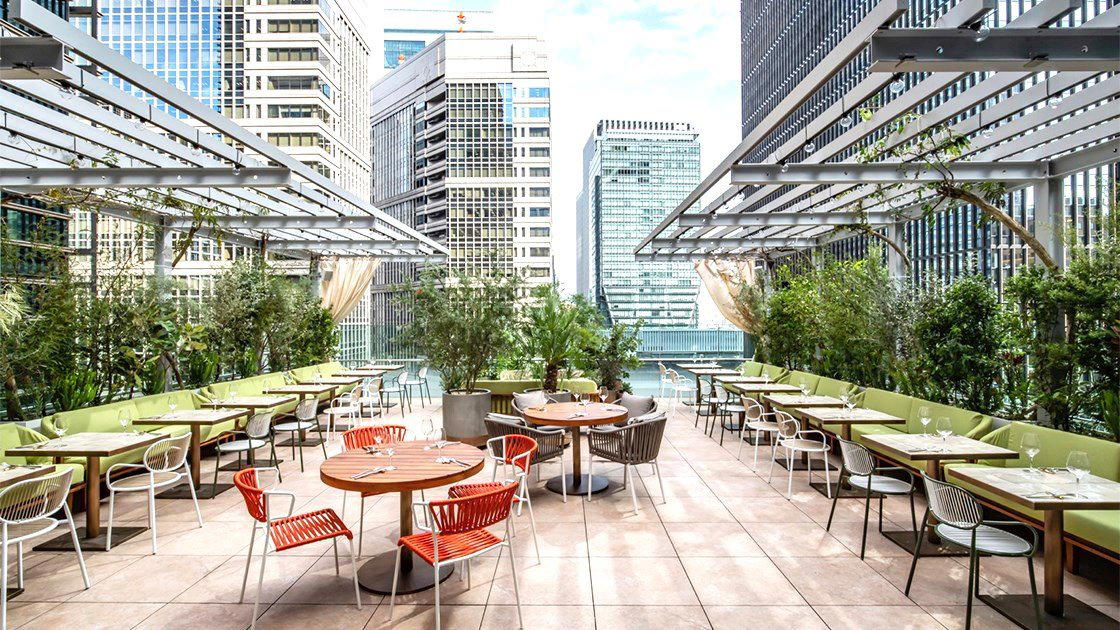
Fushimimachi and the Logic of the Quiet Address
Chuo Ward's Fushimimachi district operates differently from Osaka's more trafficked dining corridors. The streets around 2 Chome are lined with low-signage buildings, a mix of older merchant-era architecture and postwar infill, and the restaurants that survive here tend to do so without the help of street-level theatre. 伊賀俳諧茶屋末山 is a Traditional Japanese Restaurant at 2 Chome-4-12 Fushimimachi, Chuo Ward, Osaka, 541-0044, Japan.
This pattern is common across Osaka's older restaurant stock. Chuo Ward contains a disproportionate share of the city's longstanding counter-format and kaiseki-adjacent establishments, many of which have never courted international review cycles or aggregator listings. The result is a tier of dining that remains largely private to first-time visitors and familiar to those with deeper local networks.
Planning Around Limited Public Information
The booking experience for 伊賀俳諧茶屋末山 reflects the venue's positioning. With no phone number, no website, and no aggregator listing, the standard digital approach to reservations does not apply here. This is not unusual for traditional Japanese dining establishments in Osaka's older commercial districts, where guests often arrive through introductions or hotel concierge networks.
For travellers arriving without local connections, hotel concierge services can help with introductions. This is worth factoring into accommodation decisions: a hotel concierge who can reach out on a guest's behalf carries more weight at venues like this than a booking platform. The effort required to secure a table is itself a signal about what kind of room you are entering.
Seasonality can affect availability at traditional dining establishments in Osaka. Arriving with a booking already confirmed for this window requires lead time of at least several weeks, more if the initial outreach is cold rather than through an introduction.
Where This Venue Sits in the Osaka Dining Structure
Osaka's dining scene divides broadly into two registers that rarely overlap. The first is the city's celebrated street-food and casual eating culture, the takoyaki counters, kushikatsu bars, and ramen shops that define the city's public food identity. The second is a quieter stratum of traditional and formal dining that operates on different terms entirely, one where the absence of visible marketing is a feature rather than an oversight. 伊賀俳諧茶屋末山 occupies the latter register, at a Fushimimachi address that places it within walking distance of several of Osaka's more formally recognised establishments.
Ajikitcho Bunbuan and HAJIME in Osaka represent the Michelin-anchored end of the city's formal dining tier, with substantial public attention. Ajihei Sonezaki and Calendrier occupy a mid-tier that balances accessibility with technical seriousness. 伊賀俳諧茶屋末山, with its minimal public footprint, sits in a different position: venues at this level of opacity tend to attract a guest profile that already has significant dining depth in the city, and for whom the absence of a Michelin star or a booking app integration is entirely beside the point.
Across the Kansai region, this pattern repeats. Gion Sasaki in Kyoto and akordu in Nara both operate with booking processes that require some degree of advance planning and local knowledge, though both carry more public documentation than is currently available for 末山. The comparison is useful in framing expectations: the Kansai region sustains a category of dining that resists easy classification and resists easy access in equal measure.
Beyond the immediate region, the broader comparable set includes venues like Harutaka in Tokyo and, further afield, Goh in Fukuoka, both of which operate with limited public documentation relative to their actual standing among serious diners. Internationally, the dynamic has parallels at Le Bernardin in New York City and Atomix in New York City, where the booking process itself is a designed part of the experience, though those venues operate with considerably more public information than 末山 currently carries.
What the Address Tells You
The Fushimimachi address is worth parsing. This part of Chuo Ward was historically a merchant and financial district, and the built fabric retains traces of that era, including streets scaled for commerce rather than tourism. Restaurants that have operated here across multiple decades have done so without depending on tourist footfall, which tends to produce a specific kind of institutional confidence: the room is arranged for guests who are there by choice and foreknowledge, not for guests who need orienting. Aka to Shiro and Az operate in adjacent parts of the Chuo Ward dining corridor and give some indication of the neighbourhood's range, from technically rigorous modern formats to more traditional counter approaches.
For those with broader itineraries across Japan, 末山's address works well as an anchor for a Chuo Ward evening. Venues like Birdland in Sakai represent the kind of destination-specific dining worth building time around in the wider Osaka area, and the planning logic is similar: lead time, local contacts, and a willingness to treat the booking itself as part of the trip's structure.
Practical Notes for Visiting
The address is 2 Chome-4-12 Fushimimachi, Chuo Ward, Osaka, 541-0044. No phone number or website is publicly listed. Booking through a hotel concierge may help with arrangements. Walk-in visits may be uncertain, and the venue's format remains traditional Japanese. Travellers with access to Japanese-language dining networks or local contacts in Osaka's restaurant industry are better positioned to confirm operational details in advance.
Peers You’d Cross-Shop
Comparable venues nearby, for context on price, style, and recognition.
| Venue | Cuisine | Price | Notes |
|---|---|---|---|
| ä¼è¦çº æ «å±±This venue — the venue you are viewing | Traditional Japanese Restaurant | , | |
| Yakiniku Rikimaru Sennichimae | All-You-Can-Eat Yakiniku | $$ | Chūō |
| 食堂たのし | Modern Japanese Izakaya | $$ | Kita |
| 焼鳥 市松 | Japanese Omakase | $$ | Kita |
| Az | Japanese Teppanyaki Steakhouse | , | Kita |
| Unagi Nishihara | Kanto-Style Unagi (Eel) | $$$ | Chūō |
Continue exploring
More in Osaka Shi
Restaurants in Osaka Shi
Browse all →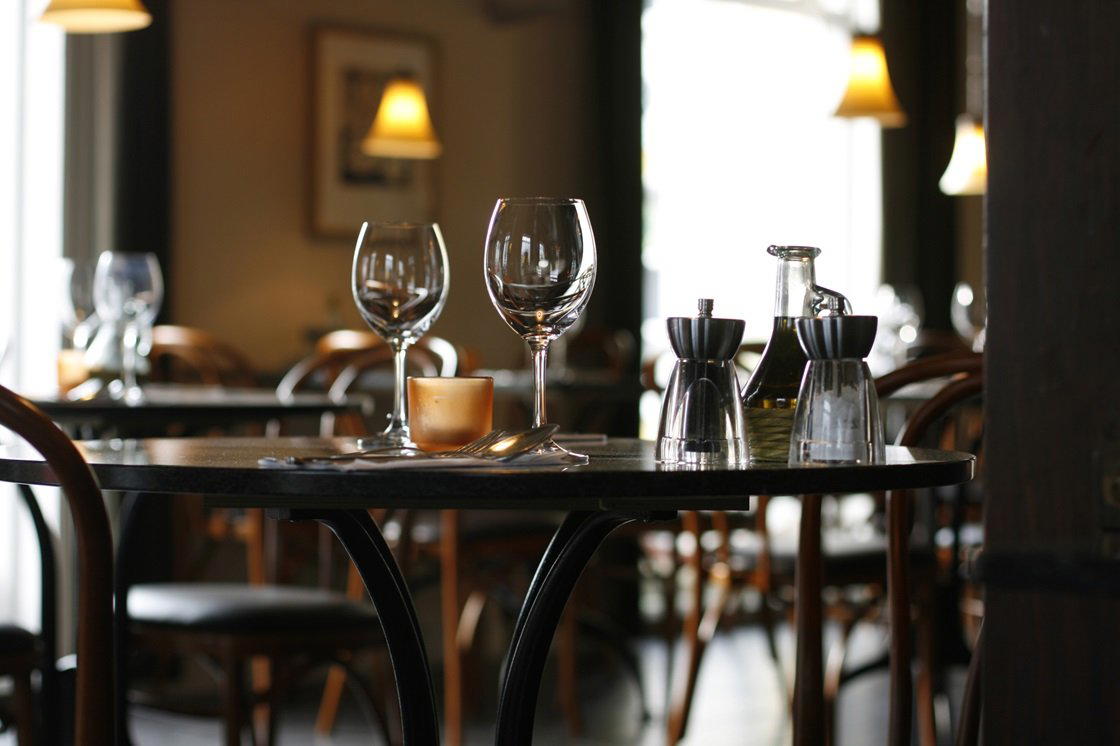

Bars in Osaka Shi
Browse all →

Hotels in Osaka Shi
Browse all →




Wineries in Osaka Shi
Browse all →
At a Glance
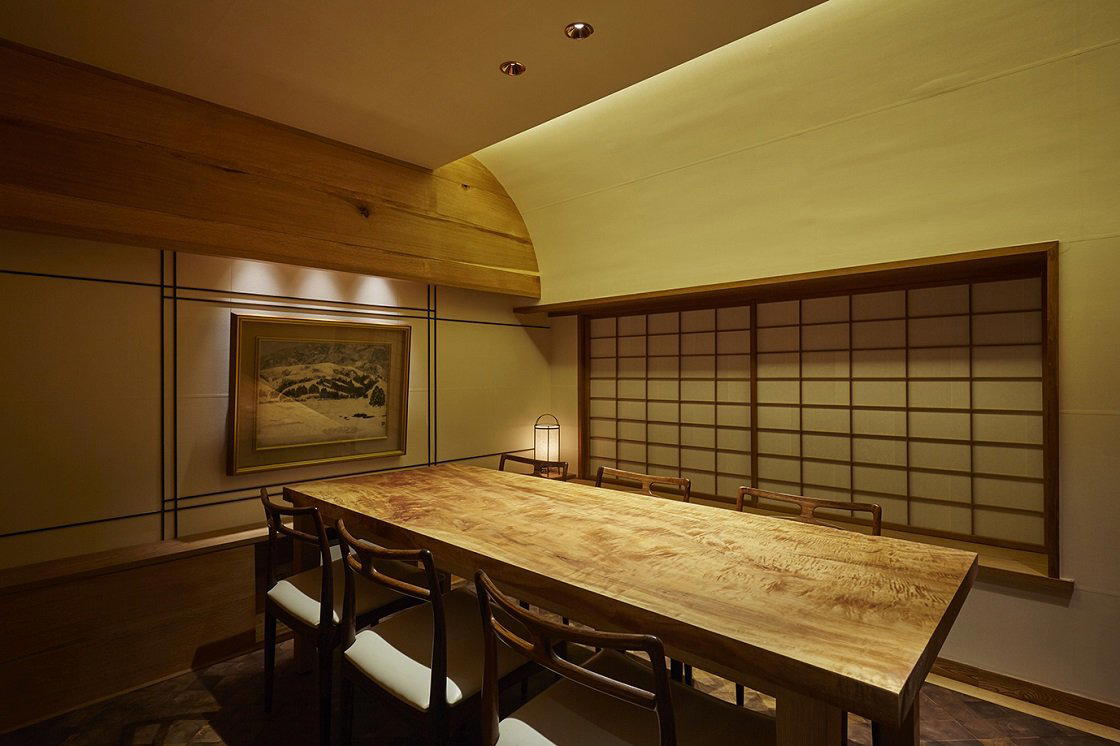
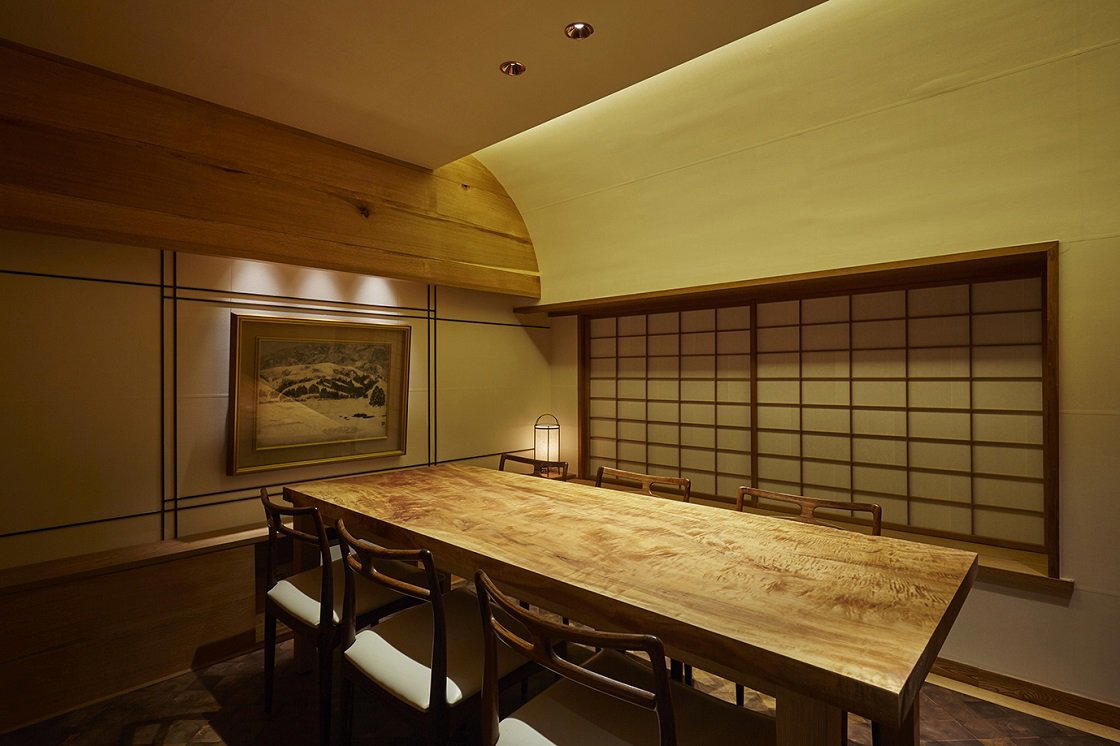
Cozy and classic Japanese atmosphere.