On the second floor of a Sennichimae address in Osaka's Chuo Ward, Yakiniku Rikimaru occupies a position within one of Japan's most competitive grilled-meat districts. Osaka's yakiniku scene has evolved sharply over recent decades, and Rikimaru Sennichimae sits within that ongoing shift, drawing visitors who come specifically for the format rather than passing trade.
Pearl is the En Primeur Club membership app — saves, bookings, and concierge access live there. Same editors, same standards.
- Address
- Japan, 〒542-0074 Osaka, Chuo Ward, Sennichimae, 2 Chome−9−17 1000 2F
- Phone
- +815054872536
- Website
- booking.ebica.jp
- Directions
- Get directions
 Saves & bookings on Pearl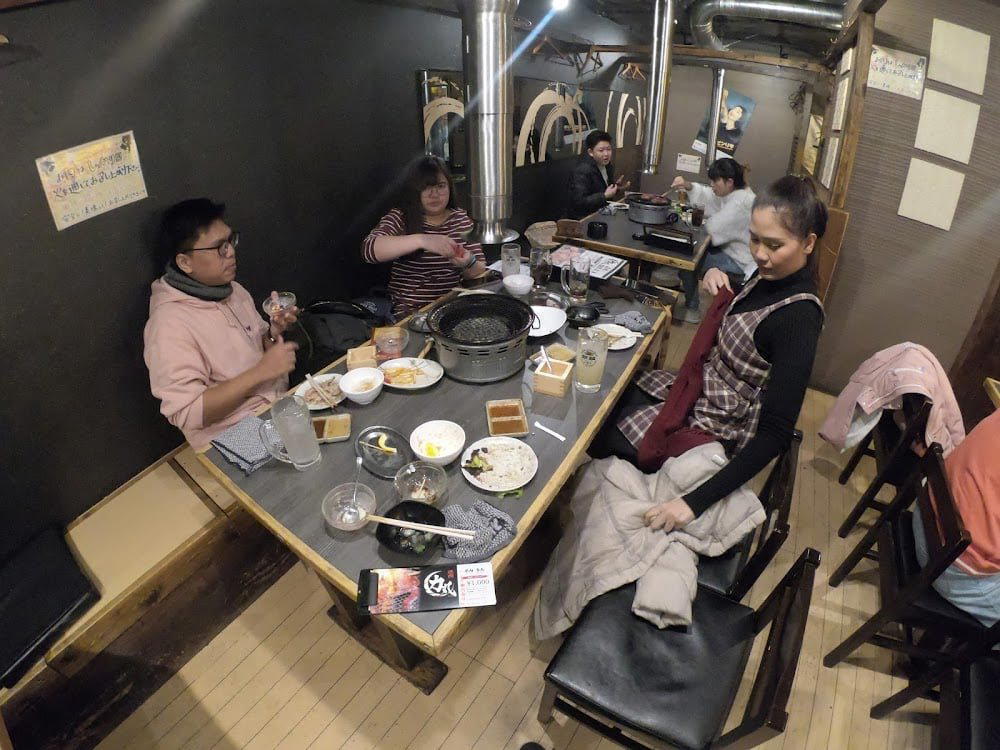
Sennichimae and the Weight of Osaka's Yakiniku Tradition
Osaka's Chuo Ward has long functioned as a proving ground for yakiniku. The neighbourhood around Sennichimae, a stretch of the city with deep roots in popular eating culture, has accumulated decades of grilled-meat restaurants layered atop one another, each generation refining what the one before established. In this part of the city, yakiniku is not a casual import or a trend borrowed from neighbouring prefectures. It is a format that Osaka has made its own, calibrated to local appetite, local sourcing instincts, and a dining public that holds quality to a precise standard. Yakiniku Rikimaru Sennichimae sits within that tradition, operating from a second-floor address at 2-chome, 9-17, Sennichimae, Chuo Ward, with all-you-can-eat yakiniku priced at about $25 per person.
How the Room Reads
Second-floor yakiniku in Osaka carries a specific set of associations. The format removes diners from the street, creates a degree of separation between the grill smoke and the public, and signals a certain intentionality in the visit. You arrive because you have decided to arrive, not because you walked past a window. The approach to Rikimaru Sennichimae follows this convention: the climb to the second floor marks a transition from the district's commercial density below to a more focused eating environment above. In Osaka's grilled-meat culture, this spatial arrangement has historically corresponded with tighter service ratios and more considered meat programmes, where the sourcing conversation happens behind the scenes before it reaches the grill.
Yakiniku as a format demands a particular kind of atmosphere management. The grill at the table shifts the room's dynamic continuously, and the leading operators in Osaka have learned to design around that fact. Ventilation, table spacing, the timing of meat presentation, these are the variables that define whether a yakiniku room feels chaotic or controlled. The Sennichimae addresses that have endured in this district have generally done so by attending to these details over time rather than arriving fully formed.
The Evolution of a Grilled-Meat Address
Yakiniku in Japan has undergone a meaningful structural shift over the past two decades. What was once positioned primarily as accessible, high-throughput eating has bifurcated into distinct tiers. At the lower end, chain operations standardised the experience and drove down price. At the upper end, a generation of independent operators moved toward premium domestic beef programmes, smaller capacity, and a service approach borrowed more from kaiseki than from the casual grill houses of an earlier era. The middle of that market has, in many Osaka districts, thinned considerably.
Sennichimae has tracked this shift closely. The addresses that have maintained relevance in this neighbourhood are those that made a clear decision about which tier they were serving. Rikimaru Sennichimae's positioning within that bifurcated market is the lens through which its current direction is most usefully read. For a restaurant in this district to hold an audience in the current period, it must earn repeat visits through sourcing, service cadence, or atmosphere. That corridor now contains some of the more ambitious yakiniku operations in western Japan, and the diners moving through it are accustomed to choosing precisely.
Osaka's broader dining scene has grown considerably more internationally legible in recent years. Restaurants like HAJIME in Osaka and operations featured in our full Osaka Shi restaurants guide point to a city where the upper tier of dining is now in active conversation with global standards. That rising waterline affects yakiniku too. Diners who have eaten at Ajikitcho Bunbuan or Calendrier bring those reference points to a yakiniku counter. The expectation of precision does not stop at the edge of any single cuisine category.
Yakiniku in Context: What the Sennichimae Address Signals
A yakiniku address in Sennichimae is, in practical terms, an address in one of Osaka's densest eating districts. The area sits within Chuo Ward, walkable from the Namba transport hub, and accessible from both the Midosuji Line and the Sennichimae subway line. For visitors already spending time in central Osaka, the location adds no meaningful detour. For those cross-referencing with kaiseki or French destinations further into Minami, it fits naturally within a multi-day Osaka eating itinerary.
The question of when to visit matters in this format. Yakiniku operations in Osaka's Chuo Ward tend to run harder on Friday and Saturday evenings, when the leisure dining population from across the metropolitan area converges on the Namba–Sennichimae zone. Midweek visits, particularly on Tuesday and Wednesday evenings, have historically offered quieter conditions and more attentive service ratios at the better independent operators in the district. Those planning to visit Rikimaru Sennichimae should apply the same logic: the format rewards a visit when the room is not at pressure capacity, and midweek timing in this district is the clearest path to that condition.
For visitors building a broader Kansai itinerary, the range of reference points in the region is wide. Gion Sasaki in Kyoto and akordu in Nara represent the kind of rigorous culinary programming that now defines the region's upper tier. Within Osaka itself, venues like Aka to Shiro, Ajihei Sonezaki, and Az fill adjacent parts of the dining map. Internationally, the parallel for a technically serious grilled-meat programme that operates against a dense competitive comparable set might be found in the approach taken by destination-grade operators like Atomix in New York City, where format discipline and sourcing credibility define the tier more than any single dish.
Planning a Visit
Yakiniku Rikimaru Sennichimae is located on the second floor at 2-chome, 9-17, Sennichimae, Chuo Ward, Osaka. The address is within comfortable walking distance of the Namba and Nipponbashi subway stations, making it direct to incorporate into an evening that begins or ends in the Minami district. As with most serious independent yakiniku operators in this part of Osaka, arriving with a reservation rather than walking in is the safer approach, particularly on weekends. The restaurant is recommended for reservations, and its regular hours run Monday 4 PM to 1 AM; Tuesday through Sunday 11:30 AM to 1 AM.
Cuisine Lens
Comparable venues nearby, for context on price, style, and recognition.
| Venue | Cuisine | Price | Notes |
|---|---|---|---|
| Yakiniku Rikimaru SennichimaeThis venue — the venue you are viewing | All-You-Can-Eat Yakiniku | $$ | Not listed |
| Okonomiyaki Izakaya Gen | Osaka-Style Okonomiyaki Izakaya | $$ | Chūō |
| Osaka chuo oroshi-uri Ichiba | Japanese Seafood Market Dining | $$ | Fukushima |
| Usamitei Matsubaya | Traditional Osaka Kitsune Udon | $$ | Chūō |
| 本湖月 | japanese | Not listed | Chūō |
| 米増 | Japanese Restaurant | Not listed | Kita |
Continue exploring
More in Osaka
Restaurants in Osaka
Browse all →




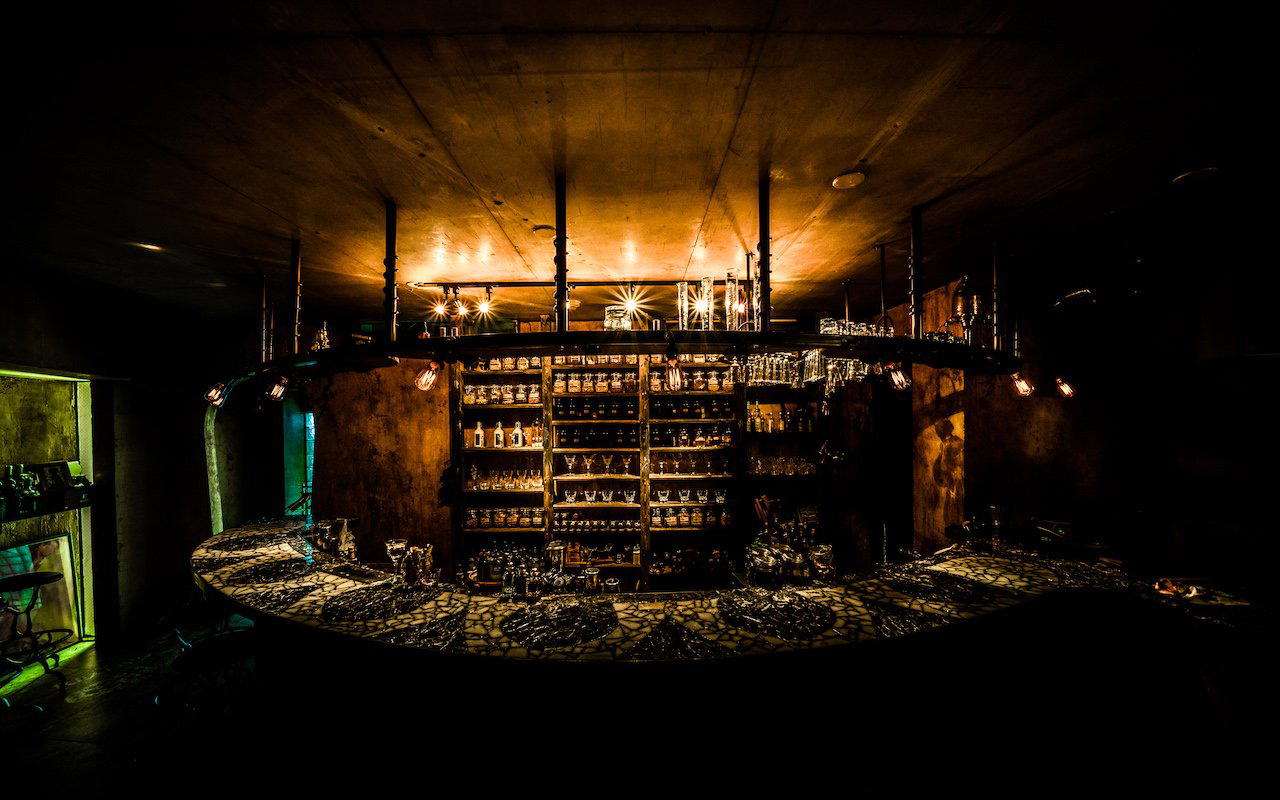
Bars in Osaka
Browse all →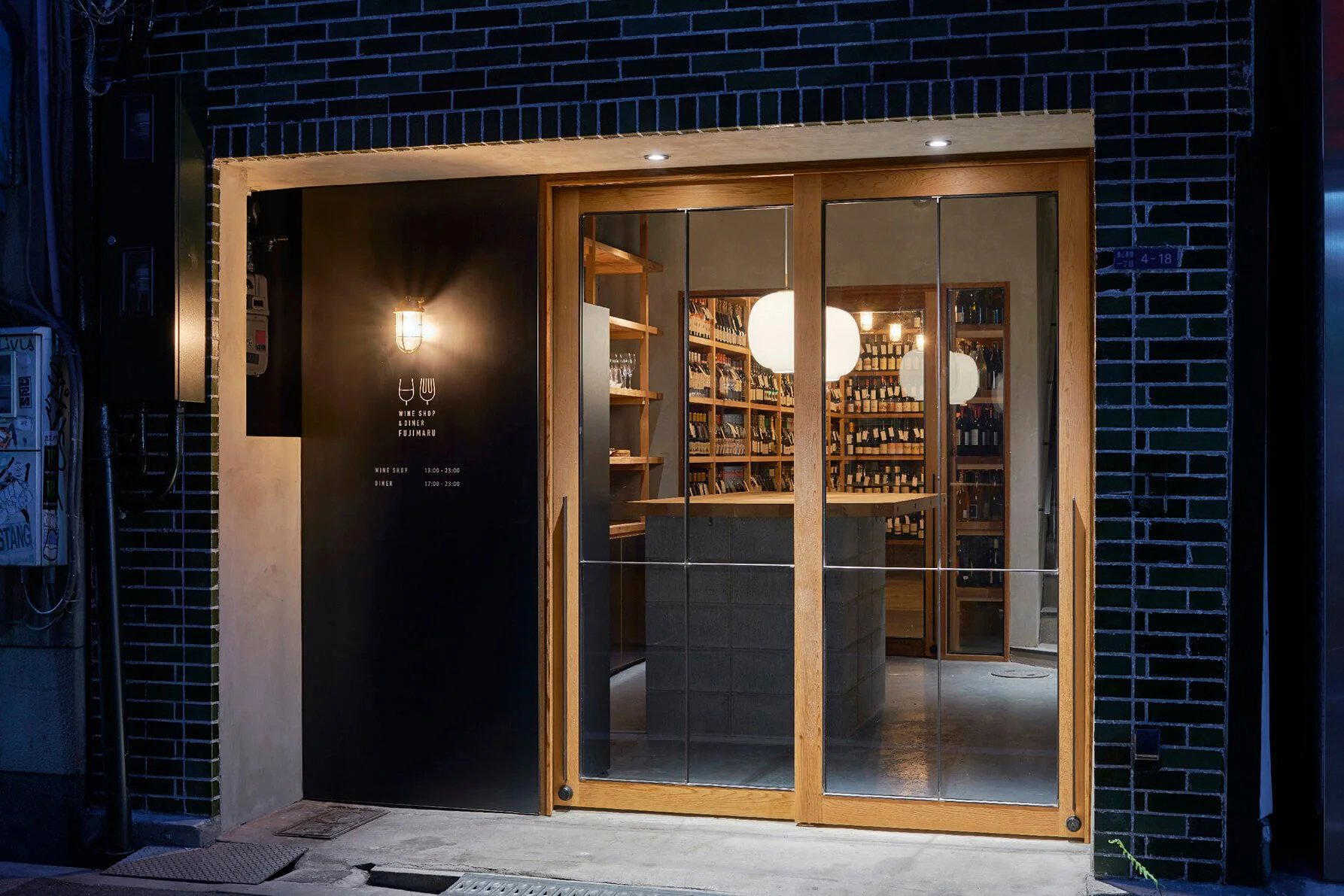
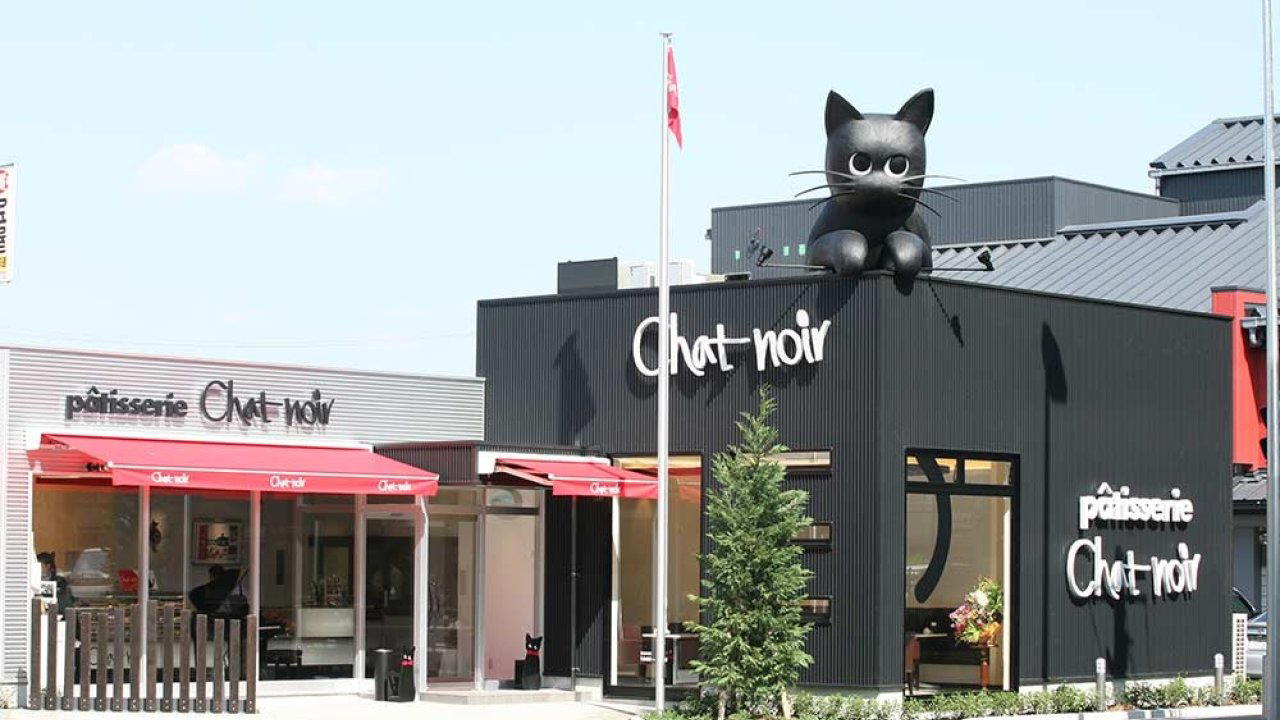

Hotels in Osaka
Browse all →




Wineries in Osaka
Browse all →
At a Glance
- Lively
- Trendy
- Group Dining
- Casual Hangout
- Late Night
- Open Kitchen
- Sake Program
Current opening hours
- Monday
- 4 PM–1 AM
- Tuesday
- 11:30 AM–1 AM
- Wednesday
- 11:30 AM–1 AM
- Thursday
- 11:30 AM–1 AM
- Friday
- 11:30 AM–1 AM
- Saturday
- 11:30 AM–1 AM
- Sunday
- 11:30 AM–1 AM
Hours can change for holidays and private events. Last verified .
Visually appealing with an inviting, spacious atmosphere suitable for groups.