Our verdict
On the fifth floor of a Nakagyo Ward building, Cavalier occupies a tier of Kyoto dining where Western technique and Japanese ingredient sensibility increasingly converge. The address alone — a walk from Nijo Castle — signals a certain remove from the tourist circuit. What draws repeat visitors is a format that has shifted with the city's evolving appetite for cross-cultural fine dining.

Pearl is the En Primeur Club membership app — saves, bookings, and concierge access live there. Same editors, same standards.
A Fifth Floor in Nakagyo: Where Kyoto's Cross-Cultural Dining Finds Its Footing
Kyoto's premium dining scene has long been defined by its verticality — not physical height, but hierarchy. Kaiseki houses with centuries of lineage, Michelin-starred counters operating on waiting lists measured in months, and, increasingly, a newer tier of Western-inflected restaurants that borrow kaiseki's discipline while refusing its strict vocabulary. Cavalier, on the fifth floor of a building at 188-3 Zaimokucho in Nakagyo Ward, belongs to this third current. The neighbourhood places it at a considered distance from Gion's concentration of kaiseki institutions — further from the tourist-facing shrines, closer to the everyday city that Kyoto residents actually inhabit.
That physical position mirrors a broader compositional choice. Where establishments like Gion Sasaki and Hyotei anchor their identity in the kaiseki tradition, seasonal progression, dashi-led flavour architecture, prescribed course formats, Cavalier operates with different reference points. The name itself is telling: a French word, used in Japan, inside a structure that reads as contemporary rather than heritage. It signals the venue's place in a growing cohort of Kyoto restaurants that treat French or European cooking not as an imported novelty but as a fully absorbed language.
The Evolution of the Format
Kyoto's relationship with Western fine dining has changed considerably over the past decade. In the early 2010s, French-influenced restaurants in the city often operated as a counterpoint to kaiseki, a different evening out, a different clientele. By the late 2010s, a more integrated approach had taken hold, with chefs trained in both traditions producing menus that declined to choose between them. Cavalier sits within this more recent evolution, where the tension between Japanese ingredient sourcing and European cooking technique is no longer a story to tell at the table, it is simply assumed.
This matters for how the venue positions itself competitively. Against kaiseki peers like Kikunoi Honten, Mizai, or Isshisoden Nakamura, Cavalier does not compete on deep lineage. Against Italy-leaning addresses like cenci, it does not compete on pasta craft. Its competitive set is narrower: restaurants that have chosen synthesis as their primary mode and staked a claim in that space before the category became crowded. In Kansai, that increasingly means being measured against ambitious operations in adjacent cities, HAJIME in Osaka and akordu in Nara both occupy comparable cross-cultural territory at the premium end of their respective markets.
Reading the Room: Atmosphere and Setting
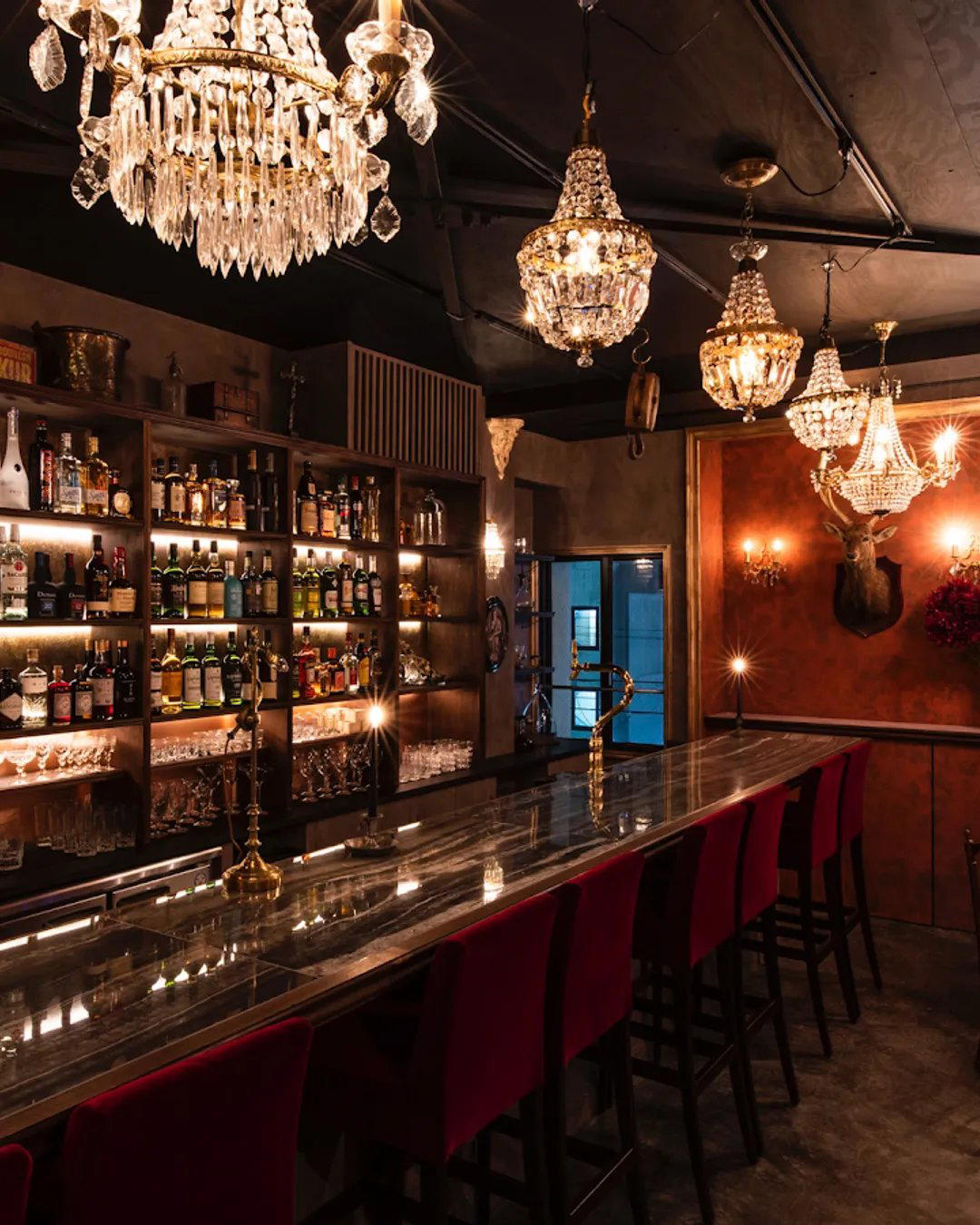
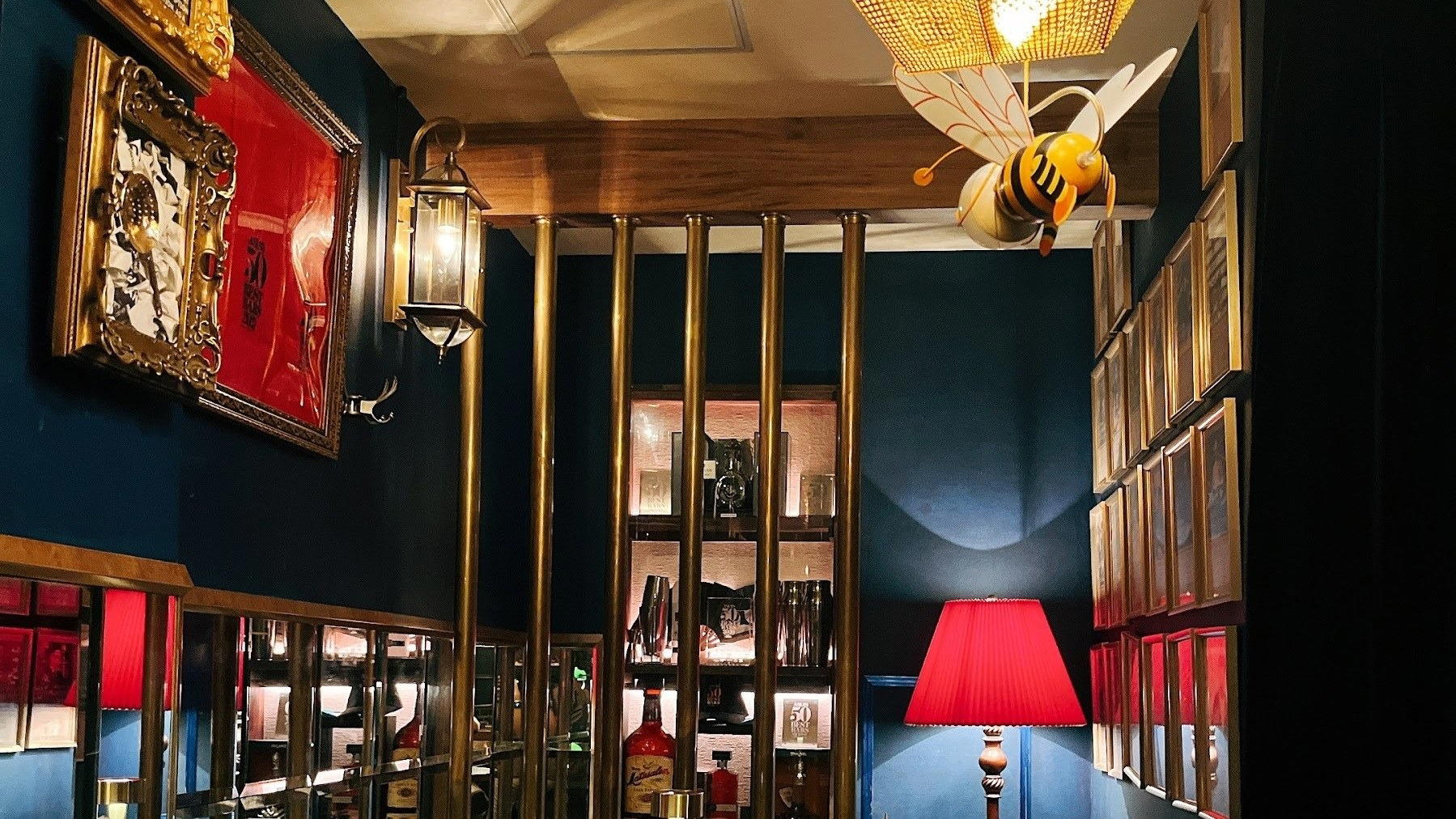
Arriving on the fifth floor of a mid-block Nakagyo building is itself an act of mild disorientation, the kind that premium urban dining in Japanese cities has refined into an art form. The building's exterior offers no signalling of what's inside, which is consistent with how many serious restaurants in Kyoto and Osaka prefer to operate: no illuminated fascia, no queue management theatre. The discovery of the space is part of the experience's design logic.
Kyoto in the Wider Japan Fine Dining Circuit
For travellers building a Japan itinerary around serious eating, Kyoto presents a particular editorial question: do you anchor your meals in traditional kaiseki, or do you follow the city's emerging Western-inflected tier? The honest answer is that the two are no longer mutually exclusive in terms of quality, only in terms of what kind of meal you want. Cavalier represents the case for the latter, a restaurant that earns its place in a serious itinerary not by replicating kaiseki's logic but by building a credible alternative to it.
That alternative has regional company. Goh in Fukuoka and Harutaka in Tokyo each demonstrate, in different registers, that Japan's premium dining moment is not a single story. From Abon in Ashiya to aki nagao in Sapporo, affetto akita in Akita to Aji Arai in Oita and Ajidocoro in Yubari District, a generation of chefs across the country has expanded the definition of what a serious Japanese restaurant can be. The Kyoto chapter of that story increasingly includes addresses like Cavalier. For international visitors more accustomed to the European fine dining model, there is also useful framing to draw from: the precision-over-abundance ethos that defines venues like Le Bernardin in New York City or the community-table intimacy of Lazy Bear in San Francisco translates more directly to Cavalier's register than it does to kaiseki tradition.
Similarly, Akakichi in Imabari illustrates how regional Japanese cities outside the major circuits have developed their own premium dining identities, a pattern that makes Nakagyo Ward, with its distance from Gion's heritage density, a logical location for a restaurant staking out newer ground.
Planning a Visit
Cavalier's address, 5F, 188-3 Zaimokucho, Nakagyo Ward, Kyoto, places it within walking distance of Nijo Castle and a short taxi or subway ride from Kyoto Station. Nakagyo Ward is navigable and well-connected, but the building itself requires the kind of deliberate navigation that fifth-floor restaurant addresses typically demand: locate the building, find the lift or stairwell, and arrive having confirmed your booking in advance. Given the venue's profile and the general conventions of Kyoto premium dining, reservations are strongly recommended rather than assumed to be optional. For a broader orientation to Kyoto's dining scene across all tiers and traditions, our full Kyoto restaurants guide covers the range from long-established kaiseki houses to newer cross-cultural formats.
Frequently asked questions
Where exactly is Cavalier?
Cavalier is located at 5F, 188-3 Zaimokucho, Nakagyo Ward, Kyoto, 604-8017, Japan, Kyoto.
How does Cavalier compare to Kyoto's kaiseki restaurants for a first-time visitor?
Cavalier operates in the cross-cultural fine dining tier rather than the kaiseki lineage that defines venues like Kikunoi or Mizai. For a first visit to Kyoto with only one or two dinner slots, a kaiseki house anchors the experience in local culinary tradition; Cavalier makes more editorial sense as a second or third evening, when direct comparison between formats becomes the point. The Nakagyo Ward address puts it within reach of central Kyoto regardless of where you're based.
What's the best thing to order at Cavalier?
Cavalier sits within Kyoto's cross-cultural fine dining tier, where menus typically follow a fixed set format rather than à la carte selection. The stronger move is to book the full set menu and let the progression of courses reflect the kitchen's cross-cultural position in Nakagyo Ward.
Is Cavalier reservation-only?
At this level of Kyoto dining, walk-in availability is rare. Venues in the premium cross-cultural tier — occupying the same bracket as Michelin-recognised kaiseki houses — operate on advance reservations, often weeks out. Booking ahead through the venue directly or a concierge service is the practical approach for Cavalier's fifth-floor Nakagyo address.
Is Cavalier good for vegetarians?
Dietary accommodations at Kyoto's premium dining tier vary by kitchen and almost always require advance notice.
Should I splurge on Cavalier?
Kyoto already asks visitors to choose between spending on deep kaiseki tradition or on the newer cross-cultural tier that venues like Cavalier represent. The case for Cavalier rests on format differentiation: if your Kyoto itinerary already covers a kaiseki house, adding a Western-format set menu on the fifth floor of a Nakagyo building gives the trip range rather than repetition.
Accolades, Compared
Comparable venues nearby, for context on price, style, and recognition.
| Venue | Cuisine | Price | Awards | Notes |
|---|---|---|---|---|
| CavalierThis venue — the venue you are viewing | Cocktail Bar | Not listed | Not listed | Not listed |
| Calvador | Specialty Calvados & spirits bar | $50–100 | Tabelog 100 #92 | Nakagyō |
| Bar Rocking chair | Craft cocktail bar with bar snacks | $30–50 | Top 500 Bars Best Bars #408 · Tabelog 100 #62 | Shimogyō |
| Torinoki Coffee | Specialty Coffee & Pudding Cafe | $1–10 | Tabelog 100 #20 | Nakagyō |
| Mlesna Tea House Kyoto | Sri Lankan black tea house & cafe | $10–20 | Tabelog 100 #75 | Nakagyō |
| PATISSERIE.S | Modern French-style patisserie & dessert salon | $20–30 | Tabelog 100 #9 | Shimogyō |
Continue exploring
More in Kyoto
Restaurants in Kyoto
All restaurants in Kyoto →


Bars in Kyoto
All bars in Kyoto →


Hotels in Kyoto
All hotels in Kyoto →



Wineries in Kyoto
Browse all →
Details
- Intimate
- Trendy
- Date Night
- Casual Hangout
- Live Music
- Craft Cocktails
- Small Plates
- Cocktails
Current opening hours
- Monday
- 7 PM–2 AM
- Tuesday
- Closed
- Wednesday
- 7 PM–2 AM
- Thursday
- 7 PM–2 AM
- Friday
- 7 PM–2 AM
- Saturday
- 7 PM–2 AM
- Sunday
- 7 PM–2 AM
Hours can change for holidays and private events. Last verified .
Dimly-lit speakeasy atmosphere with eclectic decor and lively music events featuring local DJs.