Our verdict
Casa Borbone occupies a quietly residential stretch of Vienna's 8th district, where the city's dining scene has grown increasingly confident in mixing Central European tradition with outside influence.

Pearl is the En Primeur Club membership app — saves, bookings, and concierge access live there. Same editors, same standards.
- Address
- Schlösselgasse 22, 1080 Wien, Austria
- Phone
- +436642507071
- Hours
- Mon ClosedTue–Fri 11:30 AM–10 PMSat 12–10 PMSun Closed
- Website
- casaborbone.at
- Directions
- Get directions
- Booking
- Book on TheFork
The menu
What to order
- Arancini al ragù
- Gnocchi alla sorrentina
- Sicilian cannoli
- Spaghetti with seafood
- Parmigiana di melanzane
- Crocchetta di patata
Vienna's 8th District and the Restaurants That Don't Announce Themselves
Vienna has two dining circuits. The first is visible: the grand coffeehouses around the Ringstrasse, the hotel dining rooms of the 1st district, the well-documented tasting-menu addresses that collect Michelin stars and appear in every international round-up. The second is harder to map. It runs through the residential Bezirke — the 7th, 8th, and 9th districts — where restaurants serve neighbourhood regulars as much as out-of-towners, where signage is modest, and where the editorial record is thin. Casa Borbone, at Schlösselgasse 22 in the 8th district, belongs to this second circuit.
The 8th district, Josefstadt, is one of Vienna's smaller and more self-contained neighbourhoods. The Josefstadt Theatre, one of the oldest German-language stages in the world, anchors its cultural identity. The streets between Lerchenfelder Strasse and Josefstädter Strasse carry a density of independent restaurants, wine bars, and cafés that has grown steadily over the past decade, largely without the kind of international press attention that follows addresses in the 1st. That relative quietness is not a deficiency, it reflects a different relationship between a dining room and its immediate community.
A Name That Signals Southern European Influence
The name Casa Borbone carries obvious Italian and Spanish resonance: "Casa" as house or home, "Borbone" as the House of Bourbon, the dynastic family whose branches ruled Naples, Sicily, Parma, and Spain across several centuries. Whether the reference is historical, culinary, or aesthetic is not something the public record clarifies, but the name itself positions the venue against Vienna's long-standing Southern European culinary thread. Italian cooking has been present in Vienna since the Habsburg period, when the court's connections to the Italian peninsula shaped everything from pastry technique to architectural taste. The name gestures toward that lineage without spelling it out.
Vienna's current restaurant scene has moved decisively toward two poles: on one side, the tasting-menu format with Austrian-produce focus, represented at the high end by addresses like Steirereck im Stadtpark, Amador, and Mraz & Sohn; on the other, the neighbourhood bistro or trattoria format that serves a regular clientele without ceremony. Konstantin Filippou and Doubek occupy positions along that spectrum. Casa Borbone, based on its address and name alone, reads as a candidate for the latter category: a dining room that prioritises consistency and return visits over the one-time destination logic of a tasting-menu house.
The Evolution of the Neighbourhood Restaurant in Vienna
The editorial angle that applies most clearly to Casa Borbone is not its current state, the public record is too sparse for that, but the broader trajectory of what a restaurant in this position has typically become over time in a city like Vienna. The neighbourhood restaurant in Vienna has undergone a recognisable evolution over the past fifteen years. In the 2000s and early 2010s, the dominant model was the Beisl: the traditional Austrian tavern, schnitzel-heavy, wine-list short, décor unchanged for decades. That model remains, but it now coexists with a generation of smaller rooms that have absorbed Italian, Levantine, and natural-wine influences without abandoning the Austrian instinct for hospitality that reads as unhurried rather than casual.
The best of these Josefstadt and Neubau addresses have found their footing by not trying to compete with the formal tasting-menu circuit. They serve three or four courses, they have wine lists weighted toward Austrian and Italian producers, and they book out primarily through word of mouth. Across Austria more broadly, the dining scene has deepened considerably, with strong regional addresses including Döllerer in Golling an der Salzach, Landhaus Bacher in Mautern an der Donau, Obauer in Werfen, and Gourmetrestaurant Tannenhof in Sankt Anton am Arlberg demonstrating what disciplined regional cooking looks like outside the capital. In Vienna itself, the rising confidence of the neighbourhood tier has been the more interesting story, and it is that story that a venue like Casa Borbone enters.
What the Address Tells You
Schlösselgasse runs between Josefstädter Strasse and Laudongasse, a quiet residential block that lacks the foot traffic of the main commercial streets nearby. A restaurant that opens here is not relying on passing trade. It is counting on reputation, on regulars, and on the specific kind of loyalty that builds when a dining room becomes part of a neighbourhood's weekly rhythm rather than its special-occasion calendar. That positioning carries implications about format: expect a room sized for conversation rather than volume, a menu that changes with season and supply, and a service approach calibrated to people who return rather than people who are trying the place once.
That is, at least, what the location argues for. Vienna's dining public has become more sophisticated about this distinction over the past decade. The growth of the natural wine scene, centred partly in the 7th and 8th districts, has pulled younger diners away from the formal restaurant tier and toward smaller, producer-focused rooms where the wine list is the main editorial statement. Whether Casa Borbone participates in that movement or sits adjacent to it, the address places it within a neighbourhood where that conversation is active.
Vienna in a Wider Austrian and International Frame
For visitors constructing a longer Austria itinerary, Vienna's neighbourhood tier pairs well with the regional fine-dining circuit. Schwarzer Adler in Hall in Tirol, Ois in Neufelden, Stüva in Ischgl, Kräuterreich by Vitus Winkler in Sankt Veit im Pongau, Restaurant 141 by Joachim Jaud in Mieming, and Taubenkobel in Schützen am Gebirge each represent a different register of Austrian hospitality, all of them worth including in a serious trip through the country. Vienna serves as the pivot: a city where you can move between grand-institution dining and small-room neighbourhood eating within a short U-Bahn ride. See our full Vienna restaurants guide for a complete picture of where the city's dining map currently sits.
For international comparison, the neighbourhood restaurant that builds a loyal local audience while remaining accessible to informed visitors has analogues in other cities. Le Bernardin in New York City and Lazy Bear in San Francisco operate at a different scale and formality, but they share the underlying logic: a room with a defined point of view that attracts the same people repeatedly. Vienna's neighbourhood tier is doing something structurally similar at a lower price point and without the formal apparatus.
Know Before You Go
Address: Schlösselgasse 22, 1080 Wien, Austria
District: 8th district (Josefstadt)
Nearest transit: Josefstädter Strasse (U6 and tram lines) or Rathaus (U2), both within walking distance
Booking: No online booking data currently available; contact directly or check current platforms for availability
Seasonal note: Vienna's neighbourhood restaurants tend to close for summer breaks in July or August; confirm current hours before visiting
Further reading: EP Club's full Vienna dining guide
Frequently asked questions
What do people recommend at Casa Borbone?
Given the Southern European resonance of the name and its position in Vienna's 8th district, the reasonable expectation is a menu shaped by Italian or Mediterranean influence, consistent with the neighbourhood's broader dining character. Addresses in a similar neighbourhood register, such as Doubek, offer a useful frame for the kind of cooking this tier of Josefstadt typically produces.
Do I need a reservation for Casa Borbone?
No booking policy data is available in the public record for Casa Borbone. In Vienna's 8th district, smaller neighbourhood restaurants frequently fill midweek evenings without much advance notice, but weekend tables at well-regarded rooms in Josefstadt can go quickly, particularly from September through November when the city's cultural calendar fills out. Contacting the restaurant directly is the safest approach until online booking availability is confirmed. Vienna's dining scene broadly rewards advance planning; even the neighbourhood tier has become competitive for prime evening slots.
What kind of dining experience does Casa Borbone offer compared to Vienna's formal tasting-menu restaurants?
Casa Borbone's address on a quiet residential block in Josefstadt places it outside the formal tasting-menu circuit that defines Vienna's Michelin-tracked addresses. That circuit, anchored by rooms like Steirereck im Stadtpark and Amador, runs on multi-hour formats and prix-fixe structures; the neighbourhood tier to which Casa Borbone appears to belong typically offers à la carte or shorter set menus in a less structured service environment. For visitors who want to move beyond Vienna's headline addresses and spend an evening eating as the city's own residents do, the 8th district's smaller rooms, including this one, provide exactly that counterpoint.
Peers in This Market
Comparable venues nearby, for context on price, style, and recognition.
| Venue | Cuisine | Price | Notes |
|---|---|---|---|
| Casa BorboneThis venue — the venue you are viewing | Authentic Southern Italian Street Food (Sicilian & Neapolitan) | $20–30 | Not listed |
| La Signorina | Authentic Neapolitan Pizza | $10–20 | Wahring |
| Margareta | Italian Trattoria & Pizzeria | $20–30 | Margareten |
| Monte Rosa | Sardinian & Italian Trattoria | $20–30 | Gersthof |
| Don't call it pizza | Modern Neapolitan Pizza | $20–30 | Landstraße |
| La Pasteria | Authentic Italian Trattoria | $20–30 | Franz Josefs Bahnhof |
Continue exploring
More in Vienna
Restaurants in Vienna
Browse all →
Bars in Vienna
Browse all →

Hotels in Vienna
Browse all →
Details
- Cozy
- Rustic
- Intimate
- Casual Hangout
- Family
- Solo
- After Work
- Open Kitchen
- Standalone
- Local Sourcing
- A La Carte
- Small Plates
- Wine
- Coffee
- Vegetarian Friendly
Current opening hours
- Monday
- Closed
- Tuesday
- 11:30 AM–10 PM
- Wednesday
- 11:30 AM–10 PM
- Thursday
- 11:30 AM–10 PM
- Friday
- 11:30 AM–10 PM
- Saturday
- 12–10 PM
- Sunday
- Closed
Hours can change for holidays and private events. Last verified .
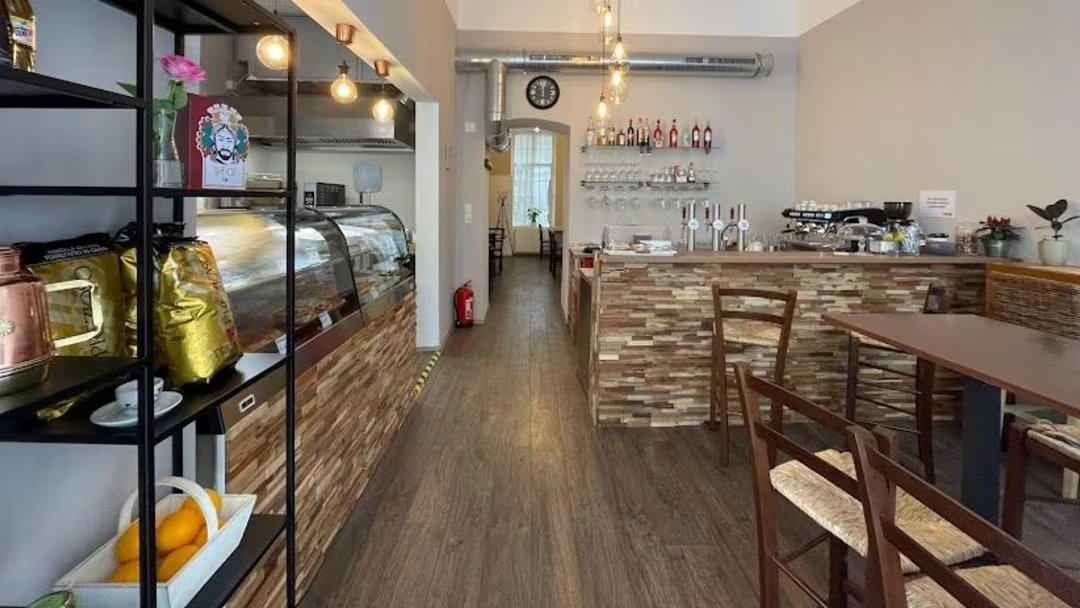
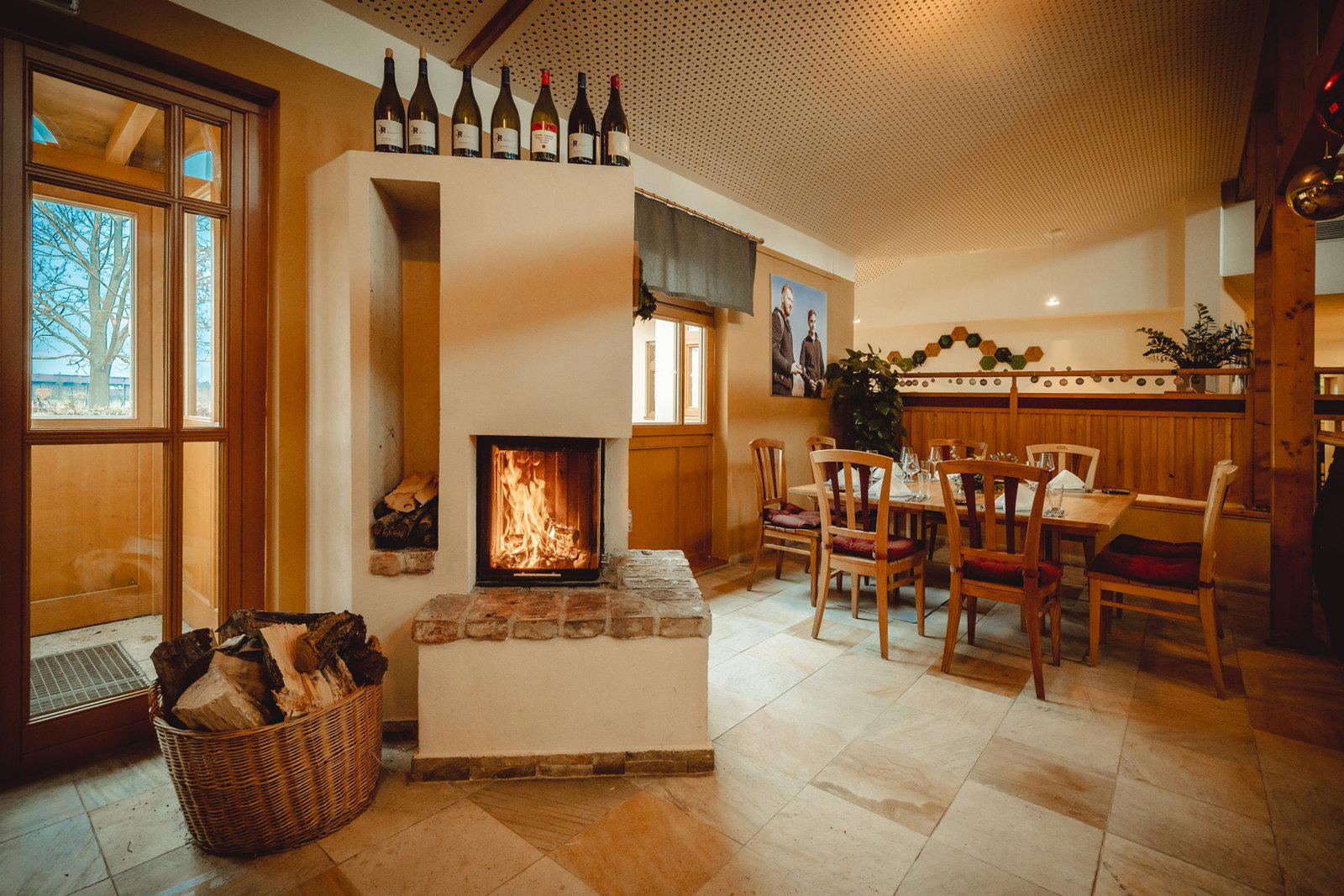
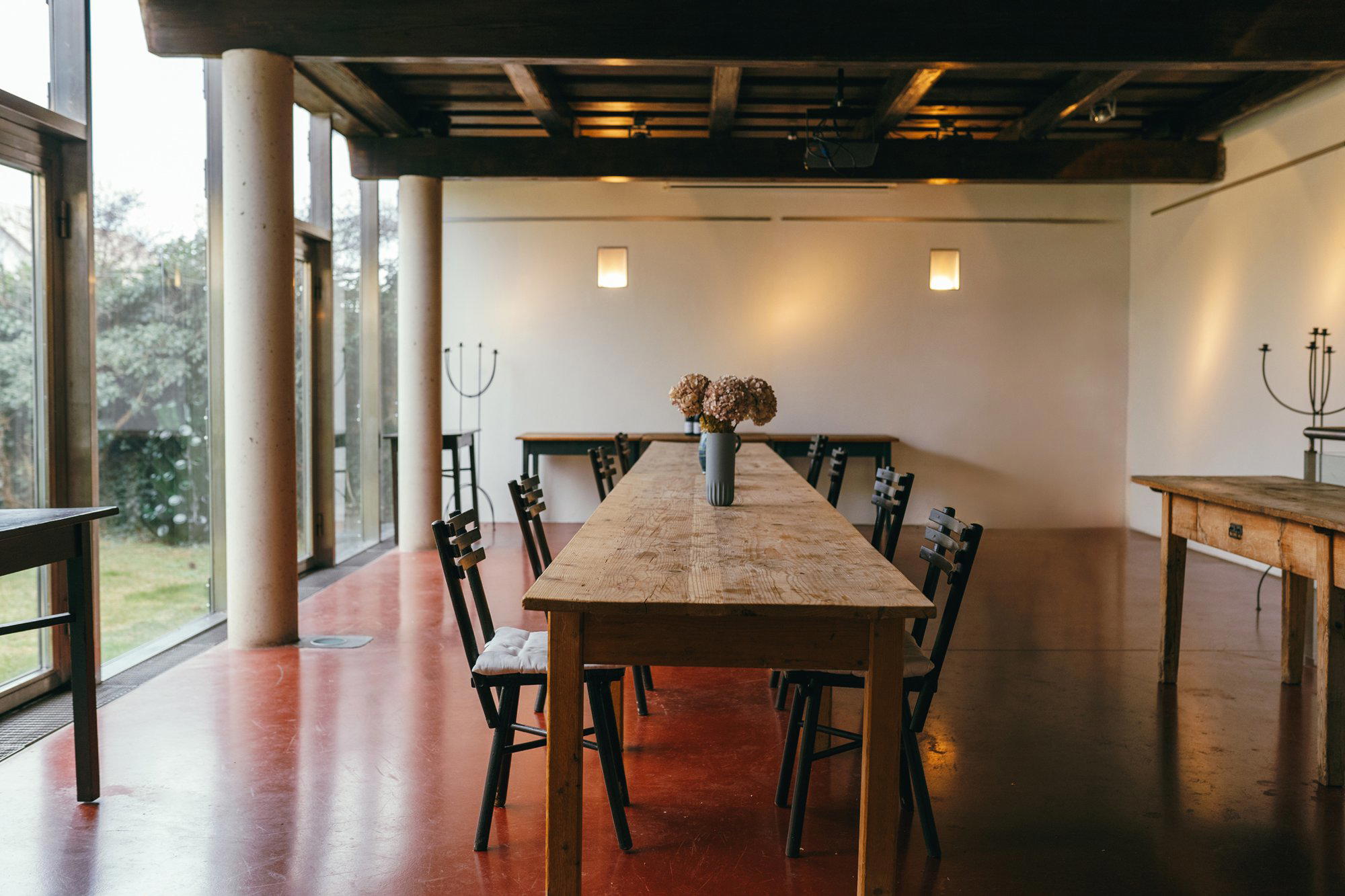
Simple, unpretentious furnishings with a warm, homey atmosphere reminiscent of a traditional Italian nonna's kitchen; clean and welcoming with friendly, attentive staff.