Monte Rosa occupies a quiet address in Vienna's 18th district, sitting at a remove from the Inner City's well-trodden dining circuit. The restaurant draws on the broader Austrian tradition of grounding technique in local produce, placing it within a city scene that has steadily pushed that conversation toward international precision. A reservation here means engaging with Währing's neighbourhood character as much as with what arrives on the plate.
Pearl is the En Primeur Club membership app — saves, bookings, and concierge access live there. Same editors, same standards.
- Address
- Erndtgasse 7, 1180 Wien, Austria
- Phone
- +434314792954
- Website
- ristorantemonterosa.at
- Directions
- Get directions
 Saves & bookings on Pearl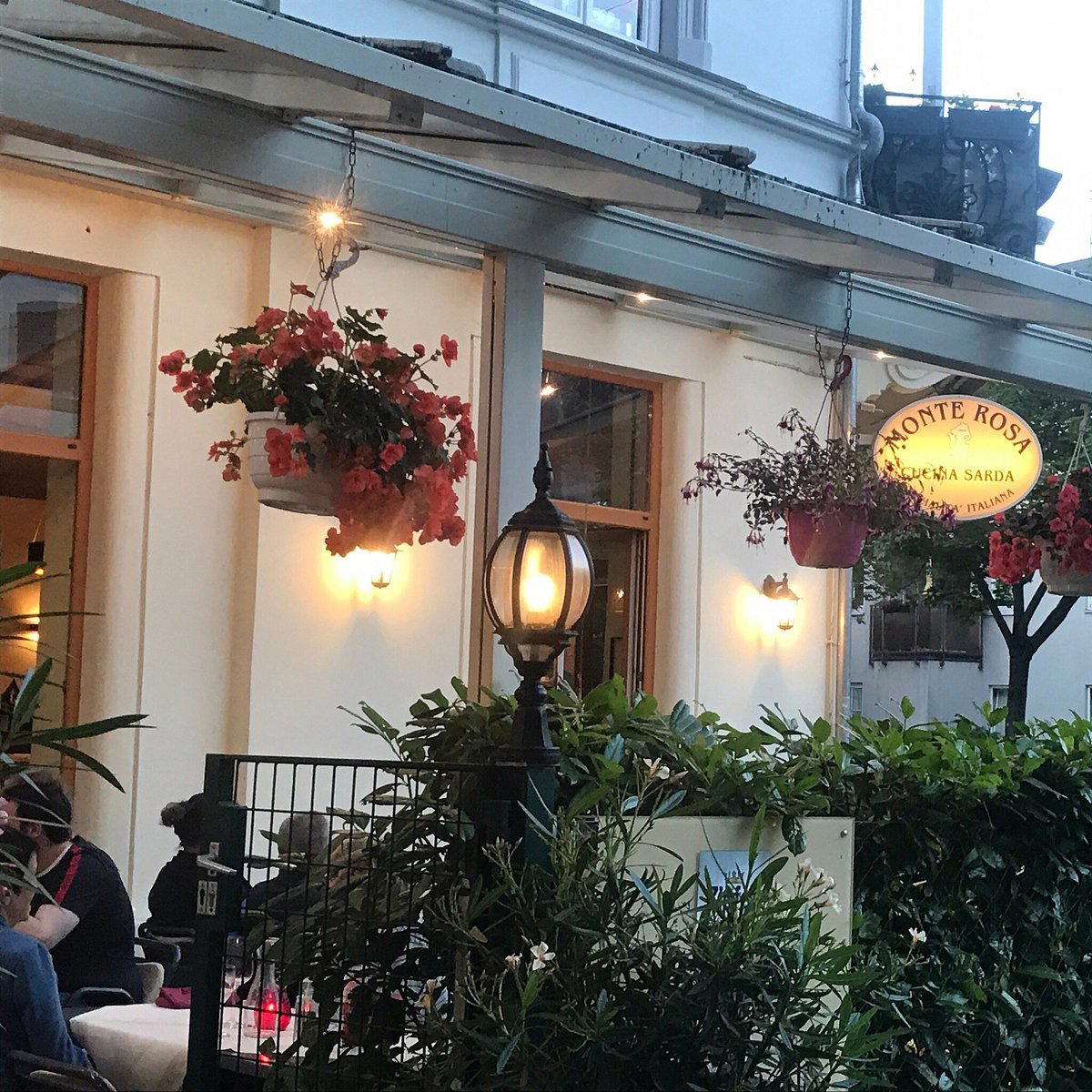
Währing and the Case for Dining Outside the Ring
Vienna's serious dining scene has long concentrated inside or immediately adjacent to the Ringstrasse, where rooms carry historical weight and tourists and locals compete for the same tables at Steirereck im Stadtpark and Konstantin Filippou. The 18th district, Währing, operates on different logic. The streets around Erndtgasse are residential in the way that only Vienna's outer districts manage: broad pavements, Gründerzeit apartment blocks, a butcher and a baker where tourists have not yet displaced locals. Arriving at Monte Rosa at that address feels less like navigating a restaurant district and more like visiting a neighbourhood that contains one.
The room, the pace, the expectation all shift. What remains constant across the better addresses in Vienna's outer districts is a commitment to Austrian product paired with technique that has absorbed influences from further afield, a model that operators like Mraz & Sohn and Amador have each developed in their own idiom.
Local Product, International Method
The broader story in Austrian fine dining over the past decade has been the productive tension between Alpine and Pannonian ingredients on one side and technique absorbed from French kitchens, Japanese precision culture, and Nordic produce-first doctrine on the other. Establishments like Döllerer in Golling an der Salzach and Obauer in Werfen have made that intersection their defining argument: Salzburg's rivers and forests as raw material, European technique as the processing language. Vienna kitchens working at the sharper end of the market follow similar lines, drawing on Marchfeld vegetables, Styrian pumpkin and poultry, Waldviertel poppy and carp, then shaping them through methods that owe as much to training in Paris or Tokyo as to Viennese tradition.
Monte Rosa sits at Erndtgasse 7 in Währing. The name itself gestures beyond Austria's borders toward Alpine geography that is simultaneously Italian and Swiss, suggesting an appetite for reference points that do not stop at the national edge. In a city where Doubek has built a following by treating Viennese bistro cooking with the same seriousness a Parisian chef would bring to a brasserie, the appetite for restrained cosmopolitanism in a neighbourhood setting is well-documented.
How Monte Rosa Fits Vienna's Current Tier Structure
Vienna's restaurant market has stratified clearly. At the leading sits a small cohort of Michelin-starred addresses, many of them in the €€€€ bracket, operating tasting menus as the primary format: Steirereck, Mraz & Sohn, Amador, and Konstantin Filippou all occupy that tier. Below them, a second layer of serious neighbourhood restaurants has grown more confident, taking cues from the top tier's ingredient discipline without necessarily committing to the same price point or format rigidity.
The restaurant's position in that structure is shaped by geography as much as by cooking register. Währing addresses tend to attract a local clientele rather than the hotel-guest and corporate-expense crowd that fills many central tables. That tends to produce a different kind of regular, one who returns more frequently, knows the room, and has opinions about the wine list. For a visitor, that dynamic means the room reads as lived-in.
For context on how the wider Austrian fine-dining circuit operates beyond Vienna, addresses like Ikarus in Salzburg, Griggeler Stuba in Lech, Gourmetrestaurant Tannenhof in Sankt Anton am Arlberg, and Kräuterreich by Vitus Winkler in Sankt Veit im Pongau, all of which demonstrate how far Austria's regional dining has extended its technical ambition outside the capital. Landhaus Bacher in Mautern an der Donau, Schwarzer Adler in Hall in Tirol, Ois in Neufelden, and Restaurant 141 by Joachim Jaud in Mieming extend that argument further. Vienna's neighbourhood restaurants, including the restaurant, are leading read against that national backdrop rather than solely against the capital's central dining strip.
The Ingredient Conversation in Practice
What the local-ingredient, global-technique model requires in practice is a supply chain that takes Austrian seasonality seriously. The Marchfeld, immediately east of Vienna, delivers asparagus from April through June, a seasonal marker for a number of the city's better kitchens. Styrian chicken, Waldviertel lamb, and freshwater fish from the Danube and its tributaries provide the protein grammar. The technique layer, whether that borrows from classical French construction, from the precision fermentation culture that spread outward from Nordic kitchens, or from the dashi-and-restraint philosophy of Japanese cooking, determines how those ingredients are presented rather than what they are.
For comparison, operations at the technical extreme of this model, such as Le Bernardin in New York City, demonstrate what it looks like when classical French method is applied to product sourcing with absolute discipline. At the more experimental end, Atomix in New York City shows how Korean technique and Korean-grown sensibility can be transposed into an entirely different urban context without losing coherence. Vienna's better neighbourhood restaurants are operating a version of that same negotiation, more quietly and with less international press attention, but with the same underlying logic.
Planning Your Visit
| Criterion | The restaurant | Steirereck im Stadtpark | Mraz & Sohn |
|---|---|---|---|
| District | 18th (Währing) | 3rd (Stadtpark) | 20th (Brigittenau) |
| Format | Neighbourhood restaurant | Tasting menu / à la carte | Tasting menu |
| Price tier | Not confirmed | €€€€ | €€€€ |
| Advance booking | Recommended | Weeks to months ahead | Weeks ahead |
| Atmosphere | Residential, local crowd | Formal, destination dining | Innovative, neighbourhood |
Reputation Context
Comparable venues nearby, for context on price, style, and recognition.
| Venue | Cuisine | Price | Notes |
|---|---|---|---|
| Monte RosaThis venue — the venue you are viewing | Sardinian & Italian Trattoria | $$ | Not listed |
| cucinaCipriano | Modern Italian Seafood | $$ | Gumpendonf |
| Riva Pizzeria | Authentic Neapolitan Pizza | $$ | Inner City |
| Francesco Grinzing | Italian Pizza and Pasta | $$ | Heiligenstadt |
| Pizzis and Cream | Vegan Pizza | $$ | Hofburg |
| Pizza Randale | Neapolitan Pizza with Viennese Twists | $$ | Wieden |
At a Glance
- Cozy
- Rustic
- Classic
- Casual Hangout
- Family
- Group Dining
- Terrace
- Beer Program
Current opening hours
- Monday
- Closed
- Tuesday
- 5–10 PM
- Wednesday
- 11 AM–3 PM, 5–10 PM
- Thursday
- 11 AM–3 PM, 5–10 PM
- Friday
- 11 AM–3 PM, 5–10 PM
- Saturday
- 11 AM–3 PM, 5–10 PM
- Sunday
- 11 AM–3 PM, 5–10 PM
Hours can change for holidays and private events. Last verified .
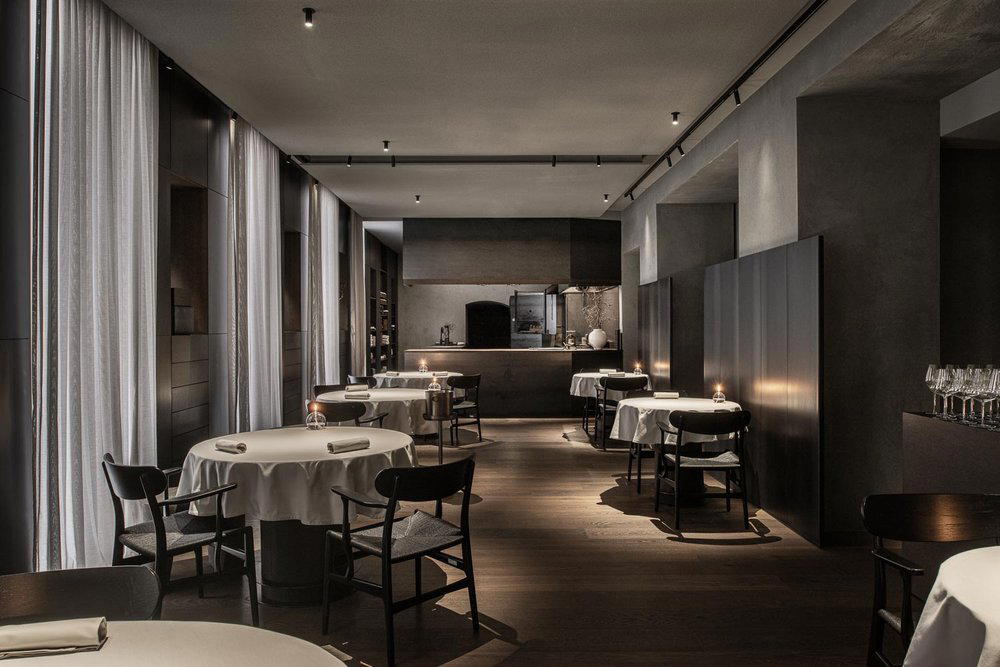
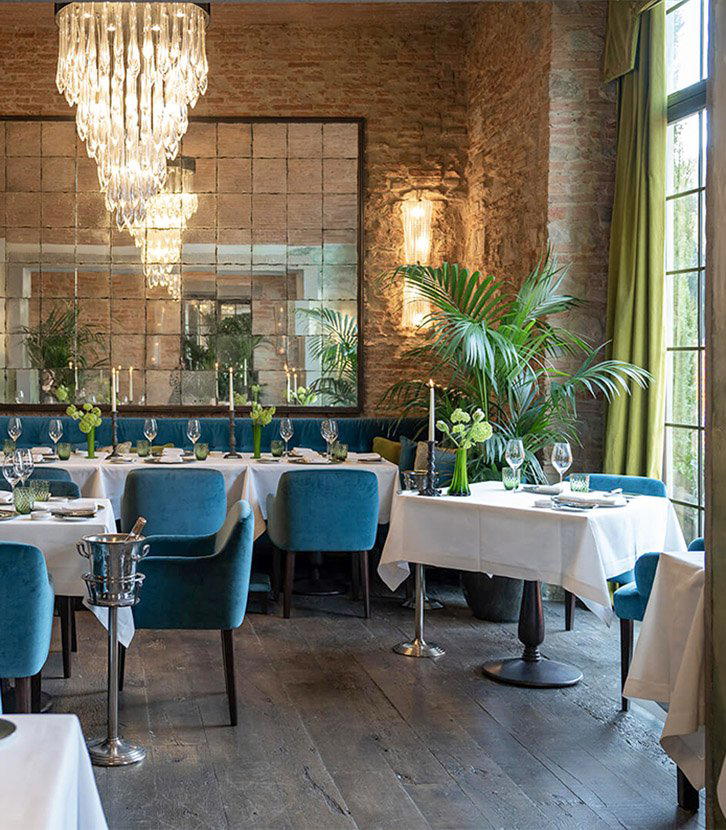
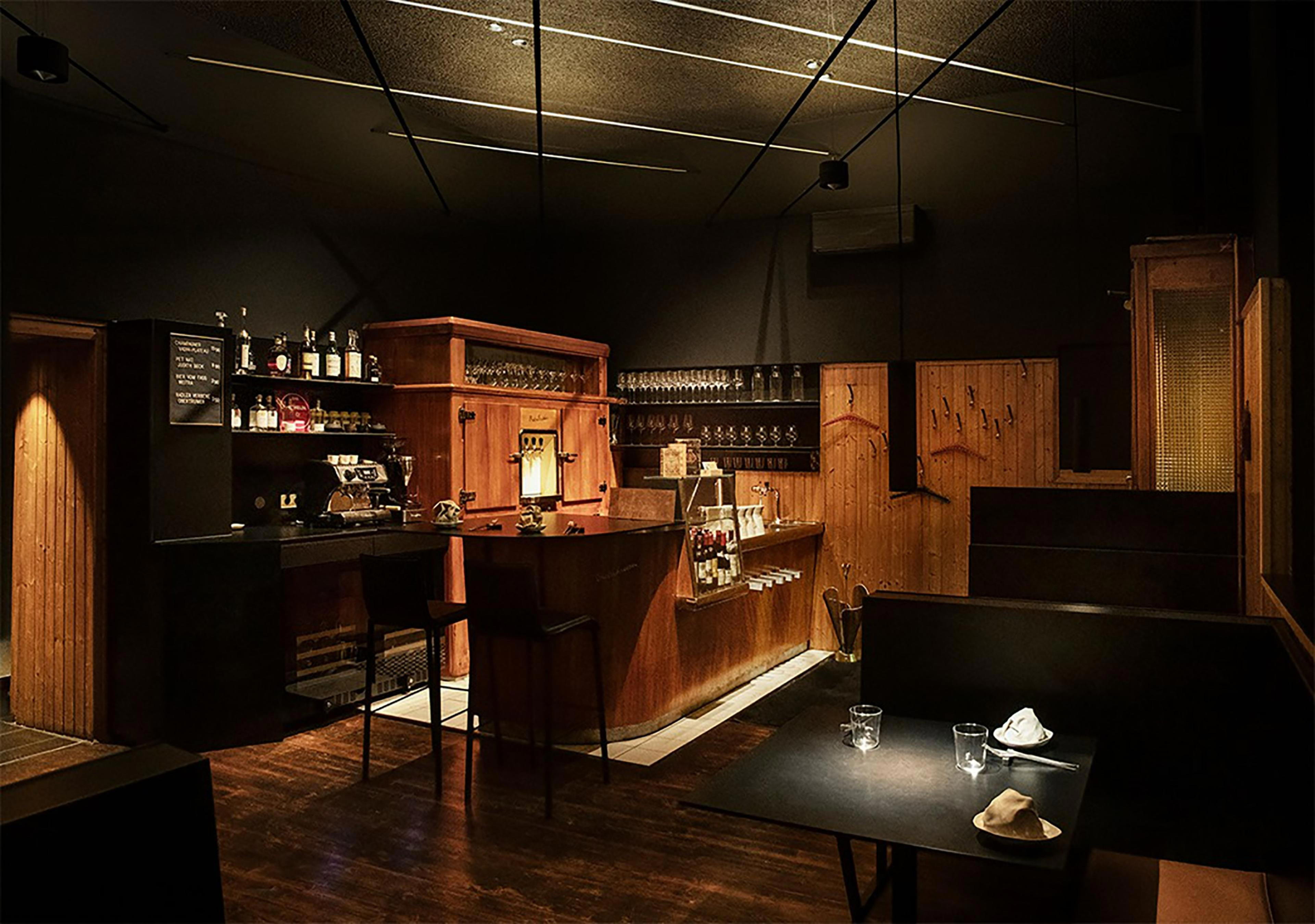
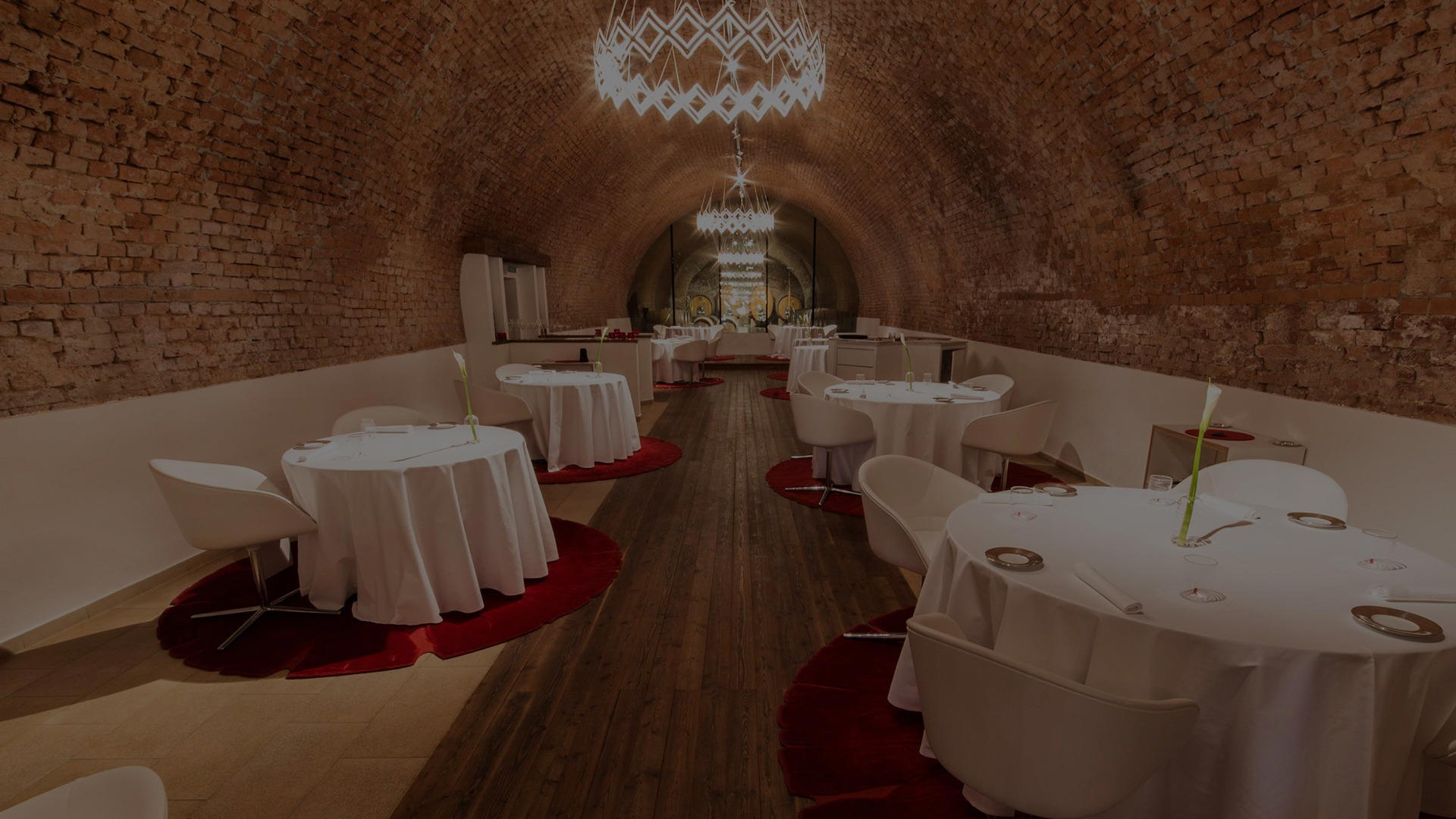
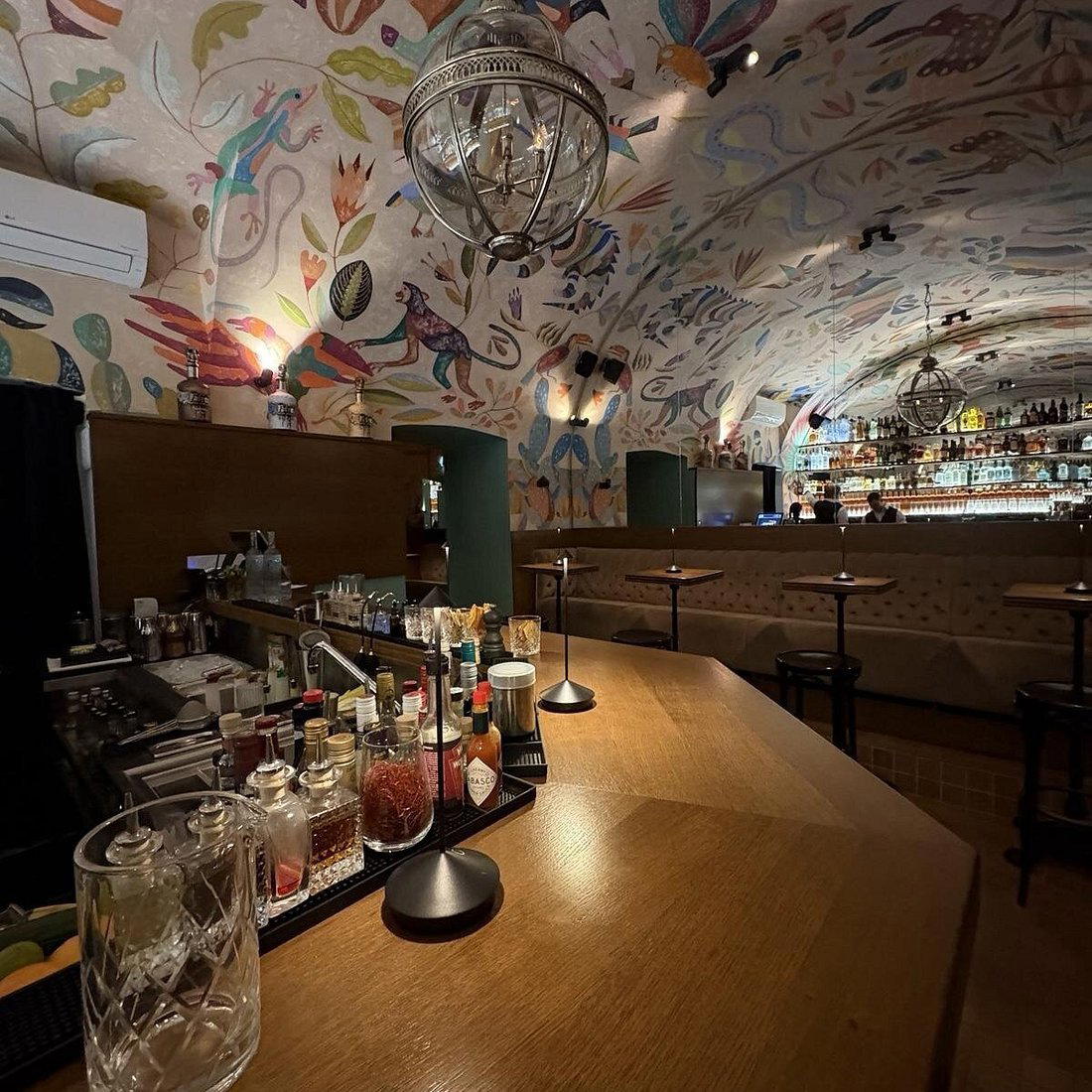
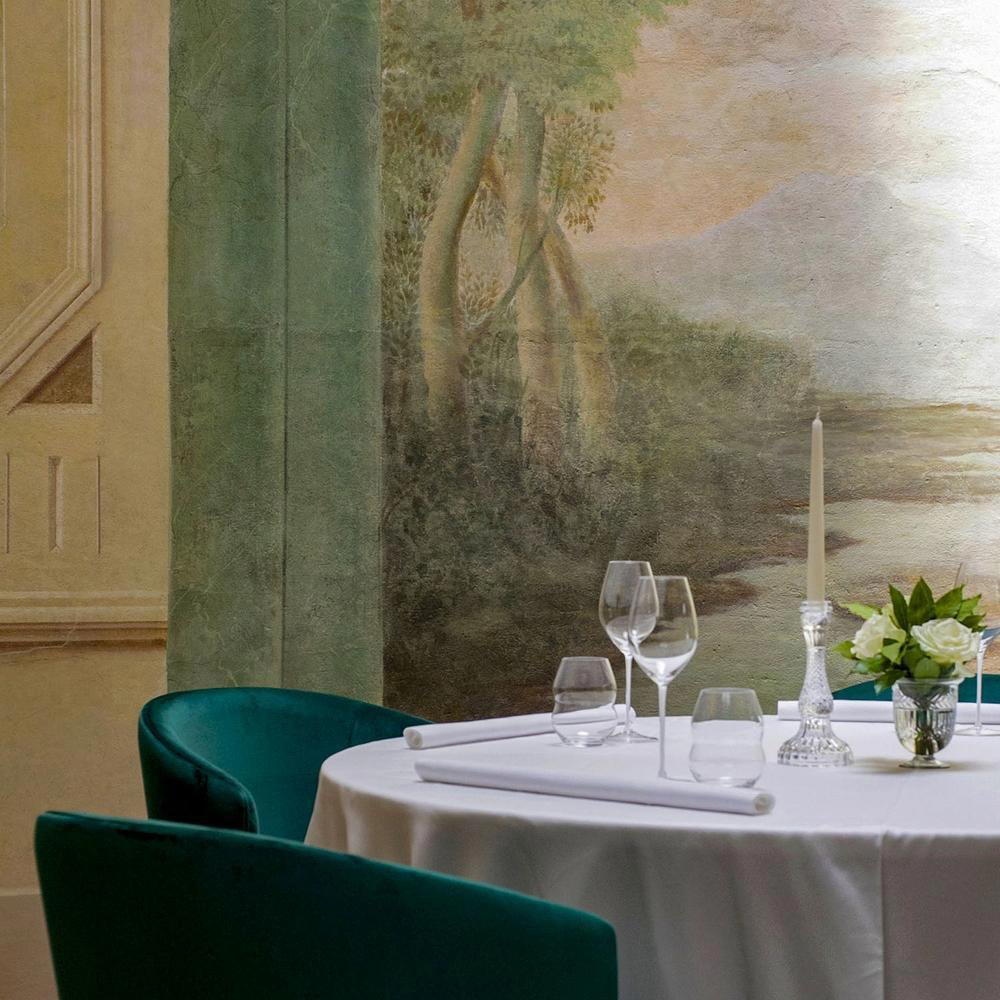
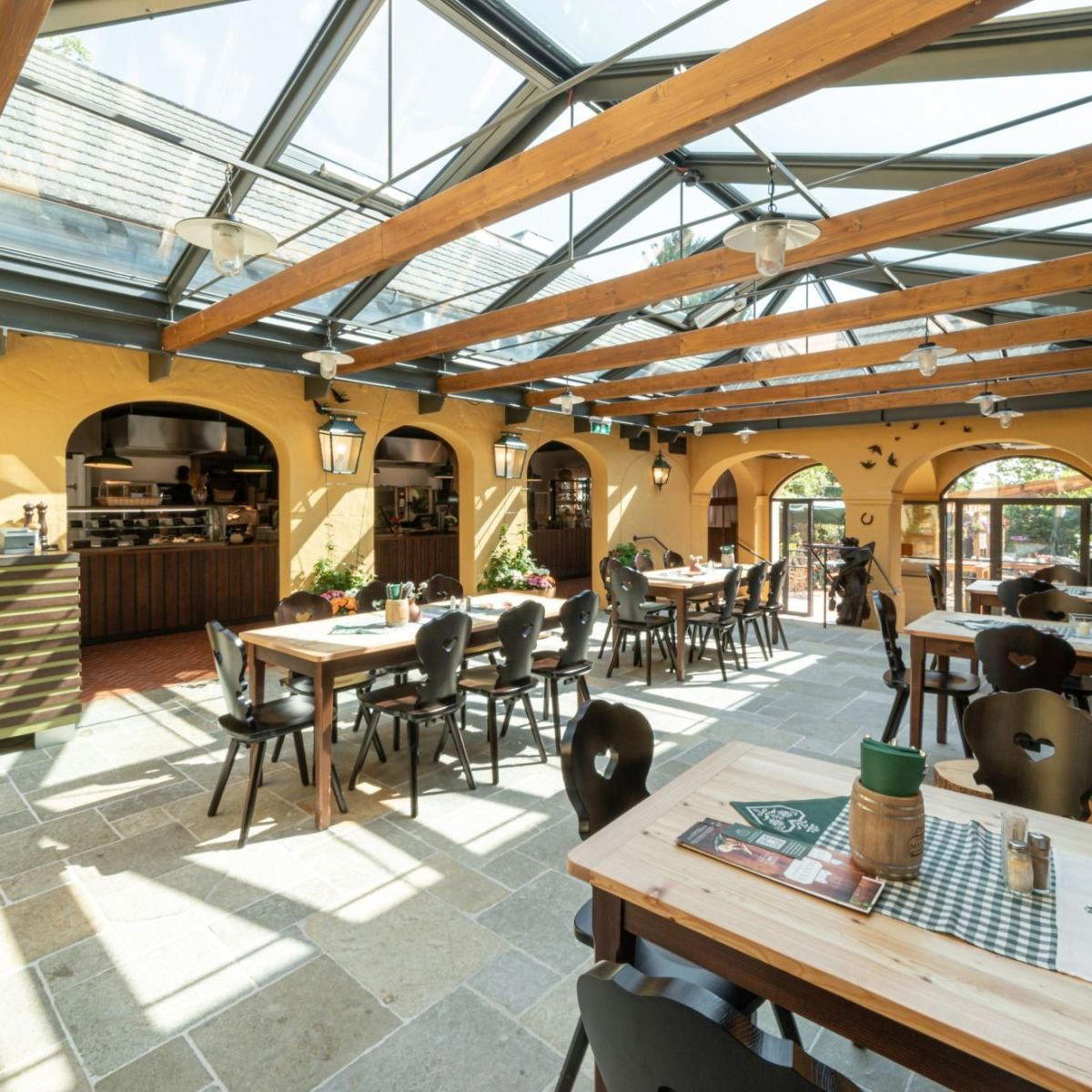
Friendly and laid-back atmosphere with a cozy, intimate feel popular with local residents; described as a welcoming trattoria with gemütlich (cozy) ambiance.