Our verdict
The name announces a philosophy before you've even stepped inside: this is flatbread, fermented dough, or wood-fired invention depending on whom you ask, but the kitchen resists the Italian shorthand. A self-aware address in a neighbourhood reshaping its identity around independent operators.

Pearl is the En Primeur Club membership app, where members save venues, book tables and use the concierge.

The broader Vienna dining scene has split, as it has in most European capitals, between a formal fine-dining tier anchored by places like Steirereck im Stadtpark, Amador, and Konstantin Filippou at the €€€€ tier, and a more informal wave of ingredient-led, format-defying venues operating in the middle register. Don't Call It Pizza belongs to that second cohort, though its name suggests it is even more self-conscious about categorisation than most. Venues in this tier succeed not by competing with the Michelin-starred establishments but by doing something those rooms structurally cannot: they offer a more direct, less ceremonious relationship between kitchen and guest.
What the Name Actually Tells You
Names in the Vienna food scene are rarely accidental. Doubek trades on Viennese vernacular directness. Mraz & Sohn announces its family structure before you see a menu. Don't Call It Pizza operates in a similar register: the name is a pre-emptive reframing, telling the guest that the dough-based format they are about to encounter has been thought through carefully enough that the kitchen has already anticipated the obvious comparison and rejected it.
This is a posture that has become increasingly common internationally. Operations like Lazy Bear in San Francisco built their identity around format subversion, resisting easy genre labels in favour of a more experience-led proposition. In Vienna, that impulse tends to express itself more quietly, without the communal-dinner theatrics of the American model, but the underlying logic is the same: define yourself against what you are not, then let the food do the rest.
Placing It in Vienna's Flatbread and Informal Dining Tier
Vienna has a longer relationship with flatbread and oven-fired formats than its central-European identity might suggest. Don't Call It Pizza plants its flag in the space between those reference points: it is not trying to replicate Naples, nor is it doing the street-food register of the Naschmarkt. The name insists on that gap.
Venues operating in this gap across Europe have found that the competitive set is not other pizza places but other informal-dining destinations in the same neighbourhood. That local-loyalty dynamic is what makes the third district's emerging independent scene worth watching, and it is the context that places Don't Call It Pizza in an interesting position as that neighbourhood continues to attract operators who have chosen location over high-visibility addresses. Döllerer in Golling an der Salzach and Obauer in Werfen represent a provincial fine-dining tradition that draws serious food travellers away from the capital. Alpine-adjacent operations like Gourmetrestaurant Tannenhof in Sankt Anton am Arlberg and Stüva in Ischgl anchor a mountain dining circuit that attracts a specifically seasonal, ski-and-stay audience. Regional specialists like Kräuterreich by Vitus Winkler in Sankt Veit im Pongau and Landhaus Bacher in Mautern an der Donau occupy a wine-country corridor that pairs serious kitchens with Wachau and Styrian producers. Further afield, Taubenkobel in Schützen am Gebirge and Restaurant 141 by Joachim Jaud-level ambition at the leading end down through the €€€€ Michelin-adjacent cluster, have commanded most of the editorial attention. The informal layer, which is where most Viennese actually eat most of the time, has attracted less coverage even as it has grown in depth and confidence. Don't Call It Pizza, as a name and as an address, reads as part of that informal layer finding a voice. The address is accessible from the city centre by U3 (Rochusgasse) or tram, with the Landstraße district positioned between the Ring and the Danube Canal. For venues in this informal tier across Vienna, walk-in capacity varies considerably by day and season, and evenings later in the week tend to fill earlier than early-week slots. For a broader orientation to the Vienna dining scene, the EP Club Vienna guide covers the full range from the €€€€ tier downward. Getting there: U3 Rochusgasse, approximately five minutes on foot. Budget:
Frequently asked questions
What part of town is Don't call it pizza in?
Don't call it pizza is located at Steingasse 33, 1030 Wien, Austria, Vienna.
Is Don't Call It Pizza in Vienna's third district easy to reach without a car?
Steingasse 33 in the 1030 district is accessible from central Vienna via the U3 line to Rochusgasse, putting it within reach of the city centre without a taxi or car. The Landstraße neighbourhood is a practical destination for an evening out from the first or fourth districts. That transit access matters in a city where residential dining spots can otherwise feel distant.
What do regulars order at Don't call it pizza?
The name itself signals that whatever arrives at the table is something the kitchen has deliberately shaped on its own terms. Visiting Steingasse 33 with an open brief is the honest approach here.
How far ahead should I plan for Don't call it pizza?
Informal-format restaurants in residential Vienna neighbourhoods like the Landstraße tend to be more accessible mid-week, with weekend evenings filling faster. Contacting the venue directly at Steingasse 33, 1030 Wien, is the only reliable way to check current availability.
What is Don't call it pizza known for?
The venue is known for a dough-based format that resists the pizza label, which is a deliberate positioning choice in a city where informal dining has historically leaned on established Central European categories. Located in Vienna's third district, it occupies a quiet tier of neighbourhood restaurants that operate on their own terms rather than chasing broader recognition. The name functions as the clearest statement of intent.
Can Don't call it pizza handle vegetarian requests?
For specific requirements, reaching out to the restaurant at Steingasse 33, 1030 Wien before visiting is the appropriate step. Dough-based menus in Vienna's informal dining tier frequently include vegetable-led options, but that should be verified directly.
At-a-Glance Comparison
Comparable venues nearby, for context on price, style, and recognition.
| Venue | Cuisine | Price | Notes |
|---|---|---|---|
| Don't call it pizzaThis venue (the venue you are viewing) | Modern Neapolitan Pizza | $20–30 | Not listed |
| MATTO Pizza Gourmet | Roman-Style Gourmet Pizza | $20–30 | Wien-Mitte |
| Pronto Volante | Neapolitan Pizza & Italian Street Food | $10–20 | Favoriten |
| San Carlo Ristorante | Authentic Neapolitan Italian | $20–30 | Staatsoper |
| Riva Pizzeria | Authentic Neapolitan Pizza | $20–30 | Inner City |
| Allegro | Authentic Sicilian Italian Osteria | $20–30 | Franz Josefs Bahnhof |
Continue exploring
More in Vienna
Restaurants in Vienna
All restaurants in Vienna →
Bars in Vienna
All bars in Vienna →


Details
- Modern
- Lively
- Cozy
- Casual Hangout
- Family
- Group Dining
- Open Kitchen
- Craft Cocktails
- A La Carte
- Vegetarian Friendly
- Vegan Options
Current opening hours
- Monday
- 12–3 PM, 6–11 PM
- Tuesday
- 12–3 PM, 6–11 PM
- Wednesday
- 12–3 PM, 6–11 PM
- Thursday
- 12–3 PM, 6–11 PM
- Friday
- 8:30 AM–11 PM
- Saturday
- 8:30 AM–11 PM
- Sunday
- 8:30 AM–11 PM
Hours can change for holidays and private events. Hours as of .
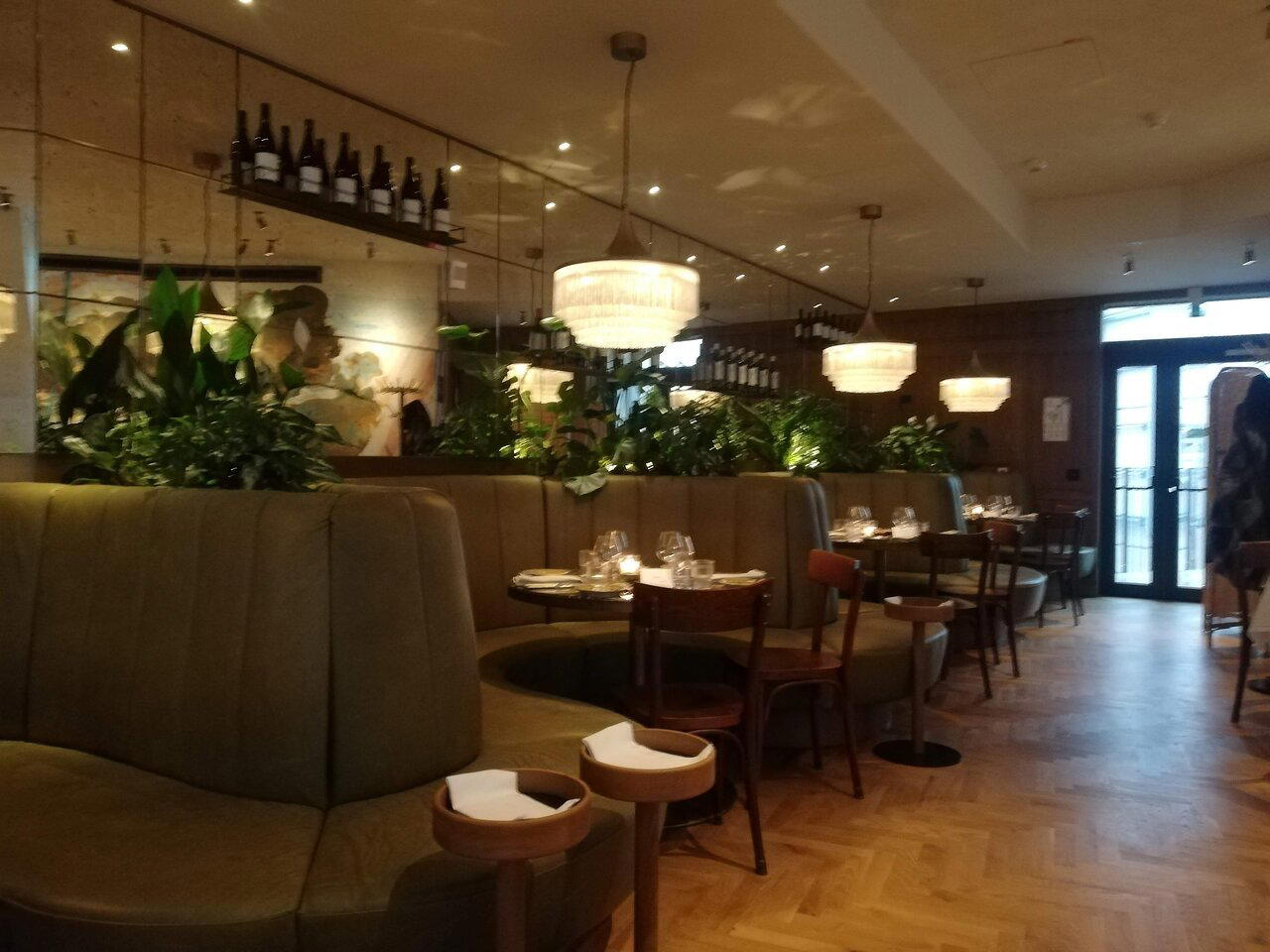
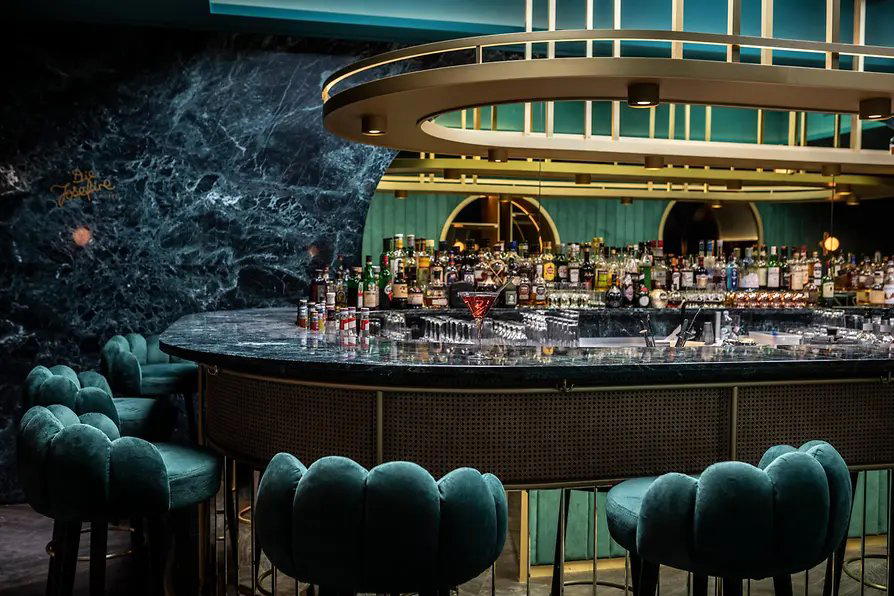
Modern and lively with a warm, welcoming atmosphere, though music can be loud at times.