Cantina La 15 sits in Chapinero, one of Bogotá's most culinarily active neighbourhoods, at the intersection of a growing local-sourcing movement and a broader rethink of what Colombian cantina culture can mean. The address on Carrera 13 places it within walking distance of several of the capital's more ambitious dining projects, making it a natural stop for anyone mapping the city's current restaurant moment.
Pearl is the En Primeur Club membership app — saves, bookings, and concierge access live there. Same editors, same standards.
- Address
- Kr 13 #83-57, Chapinero, Bogotá, Cundinamarca, Colombia
- Phone
- +573009133447
- Website
- cantinala15.com
- Directions
- Get directions
 Saves & bookings on Pearl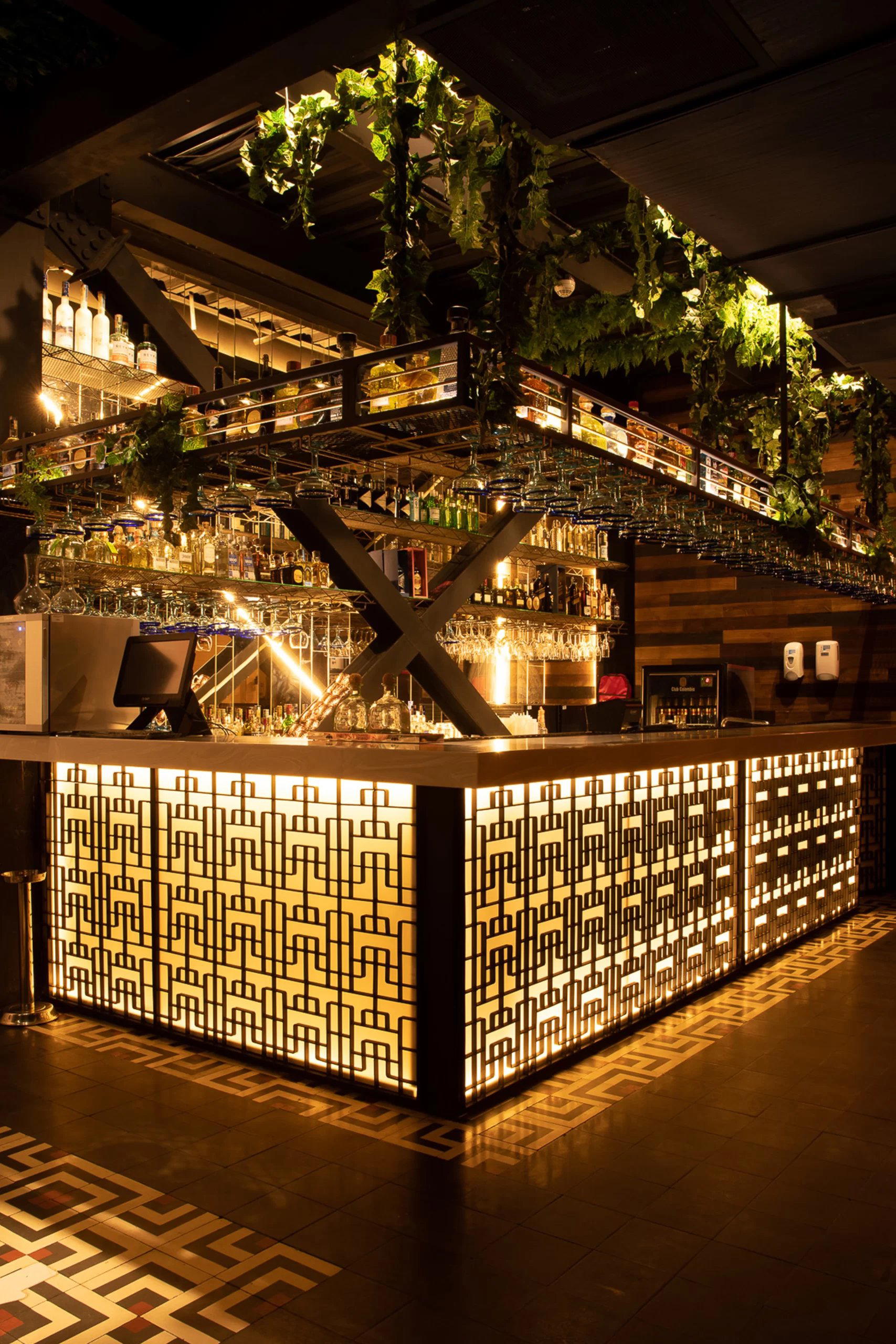
Chapinero and the Cantina Question
Bogotá's Chapinero district has spent the past decade refining what it wants to be. The neighbourhood running along Carrera 13 in the 80s addresses has absorbed successive waves of restaurant openings, from tasting-menu destinations to casual neighbourhood spots, and the resulting density means diners now compare options that would have had no comparable set five years ago. Cantina La 15, at Carrera 13 #83-57, sits inside that competitive cluster. The cantina format itself carries specific weight in Colombian dining culture: it suggests direct service and a relaxed, neighborhood-minded atmosphere. In Bogotá's current moment, that positioning is a deliberate editorial stance as much as a business decision.
Cantina La 15 occupies a specific register within that map.
The Sourcing Conversation Bogotá Is Having
Across Latin America's more forward-looking restaurant cities, the sustainability conversation has moved past its headline phase. The early 2010s saw chefs in Lima, Mexico City, and São Paulo stake reputations on indigenous-ingredient procurement; by the 2020s, the discussion had shifted toward supply chain depth and waste reduction in the kitchen. Bogotá has entered that second phase. Restaurants like El Chato (Modern Colombian) and Leo (Modern Colombian) have built international recognition partly on procurement stories that connect directly to Colombian smallholder farmers and biodiversity corridors. The cantina tier is where those ideas are tested in a more direct setting.
The cantina format, historically, was never designed around sustainability rhetoric. It was designed around availability: you cooked what the market brought that morning, you wasted nothing because margins were thin, and you priced for repeat visits rather than occasion dining. That structural logic maps almost perfectly onto contemporary zero-waste kitchen principles, which is why the format has attracted renewed critical attention in cities where restaurant culture is maturing past novelty sourcing claims and into operational rigour.
What the Address Tells You
Carrera 13 in the 83-block corridor is one of Bogotá's more walkable stretches for restaurant-hopping, which creates both opportunity and pressure for individual venues. Abasto Quinta Camacho and Afluente operate in nearby blocks, representing different positions on the formality and price spectrum. Debora Restaurante adds another data point in the neighbourhood's evolving identity. In that context, a cantina that holds its own on a block with more ambitious formats is making an argument about what informal Colombian dining can accomplish when it takes its sourcing seriously.
The Chapinero location also matters logistically. The neighbourhood is accessible by taxi and ride-share from both La Candelaria and the northern financial districts. For visitors staying in the Zona Rosa or Usaquén, a dinner in Chapinero's restaurant corridor is a manageable detour.
Colombian Cantina Culture in the Sustainability Frame
Colombia's biodiversity gives any serious sourcing program an extraordinary ingredient base to work with. The country's elevation range, from Pacific lowlands through Andean valleys to Caribbean coast, produces regional produce with flavour profiles that don't translate to import substitution elsewhere. Bogotá sits at 2,600 metres, and the surrounding Sabana de Bogotá is productive farmland for cold-climate crops. A cantina kitchen operating within that geography can make practical use of short supply chains and seasonal availability.
For a wider view of how Colombian restaurants across the country are handling the sourcing question, it's instructive to compare approaches in other cities: Donde Mama in Barranquilla and Sevichería Guapi in Santiago De Cali each operate in regional produce contexts that differ significantly from the Andean capital. El Boliche Ceviche in Cartagena represents the Caribbean end of that spectrum. Bogotá's cantinas, by contrast, are working with highland produce and a city-market infrastructure that has no equivalent in Colombia's coastal cities.
How Cantina La 15 Sits Within Bogotá's Broader Restaurant Moment
The capital's dining tier has grown more competitive over the past five years. Venues that would once have been considered ambitious by Bogotá standards now compete against a wider field of strong addresses. Harry Sasson in Bogotá represents an older model of Bogotá dining prestige. The newer cohort, including those operating in the cantina and mid-market register, is building credibility through operational consistency rather than occasion-dining formats. That shift mirrors what has happened in cities like San Francisco, where venues such as Lazy Bear reframed the relationship between casual format and culinary seriousness, and in New York, where Le Bernardin set a standard for ingredient-first discipline that has influenced how the leading informal restaurants think about sourcing rigour regardless of price point.
Colombia's restaurant cities are tracking a similar trajectory. X.O. in Medellín and Domingo in Cali each represent how Colombia's secondary cities are developing their own versions of that mid-market seriousness. Within Bogotá, the cantina format at addresses like Cantina La 15 sits at the point where that national conversation meets neighbourhood-level execution.
Planning Your Visit
Cantina La 15 is located at Carrera 13 #83-57 in Chapinero. Specific booking details, hours, and pricing are not listed here. The Chapinero corridor rewards evening visits when the neighbourhood's restaurant density makes it practical to walk between addresses, and the block is accessible from the main TransMilenio corridor on Avenida Caracas. For visitors building a multi-day Bogotá itinerary, pairing a Chapinero evening with visits to Andrés Carne de Res in Chia for a contrasting scale experience, or Bulgatta restaurante in Retiro for a different regional angle, gives useful comparative range. For pizza-format contrast, Adictta pizza Manizales in Manizales shows how the Colombian mid-market informal category is developing across different cities. BK - BURUKUKA Restaurante Bar in Santa Marta rounds out the national picture with a coastal casual format that contrasts with the Andean highland context of Bogotá's cantinas.
A Lean Comparison
Comparable venues nearby, for context on price, style, and recognition.
| Venue | Cuisine | Price | Notes |
|---|---|---|---|
| Cantina La 15 BogotáThis venue — the venue you are viewing | La Cabrera, Modern Mexican Cantina | $$$ | Not listed |
| Adriano | Not listed | $$$ | .null, Modern Spanish fine dining |
| Osaka | Not listed | $$$ | La Cabrera, Nikkei (Japanese-Peruvian Fusion) |
| Mesa Franca | Not listed | $$$ | Chapinero Norte, Modern Colombian Bistronomy |
| Piazza by Storia D'Amore Calle 93 Bogotá | Not listed | $$$$ | Chico Norte, Authentic Italian Fine Dining |
| The Red Room | Quinta Camacho, Cocktail Bar & Lounge | $$$ | Not listed |

At a Glance
- Lively
- Trendy
- Energetic
- Group Dining
- Celebration
- Late Night
- Live Music
- Open Kitchen
- Craft Cocktails
- Extensive Wine List
Current opening hours
- Monday
- 6 PM–12 AM
- Tuesday
- 6 PM–12 AM
- Wednesday
- 6 PM–1 AM
- Thursday
- 6 PM–2 AM
- Friday
- 6 PM–3 AM
- Saturday
- 12 PM–3 AM
- Sunday
- 12 PM–12 AM
Hours can change for holidays and private events. Last verified .
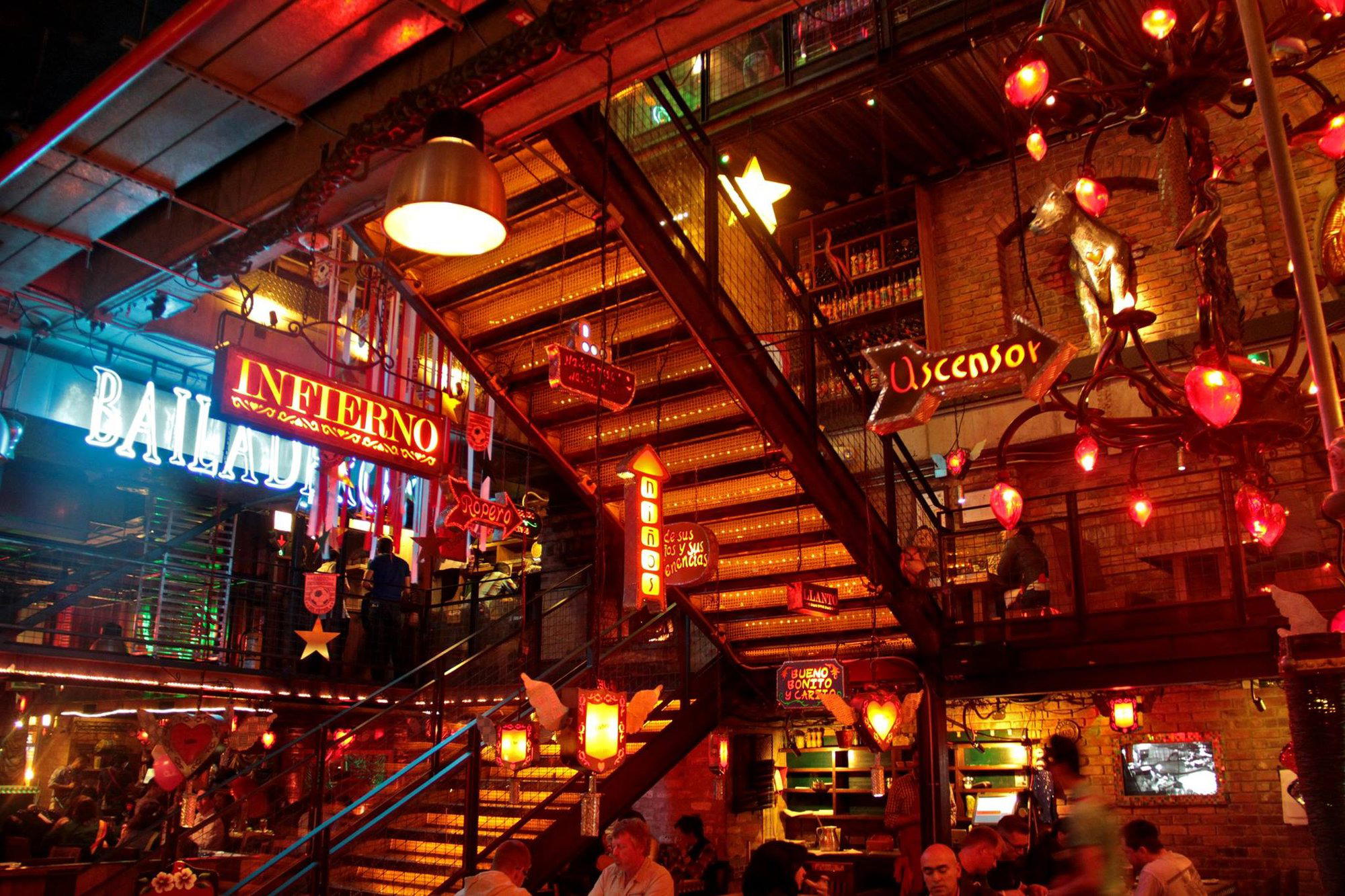
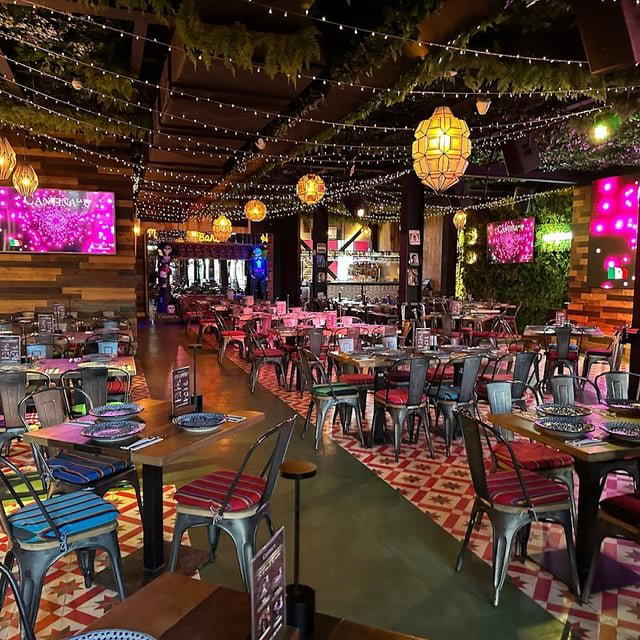
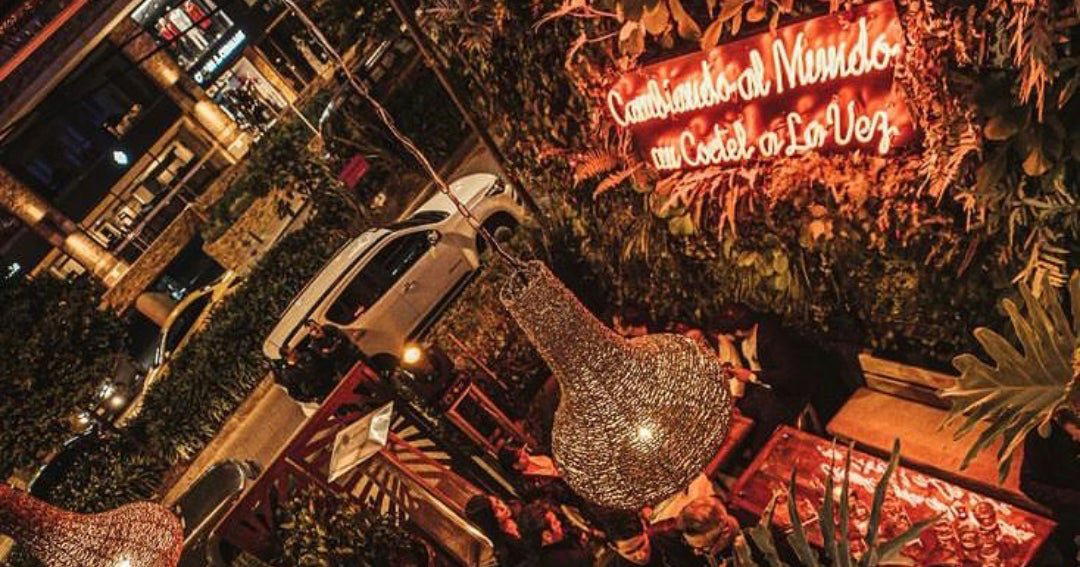
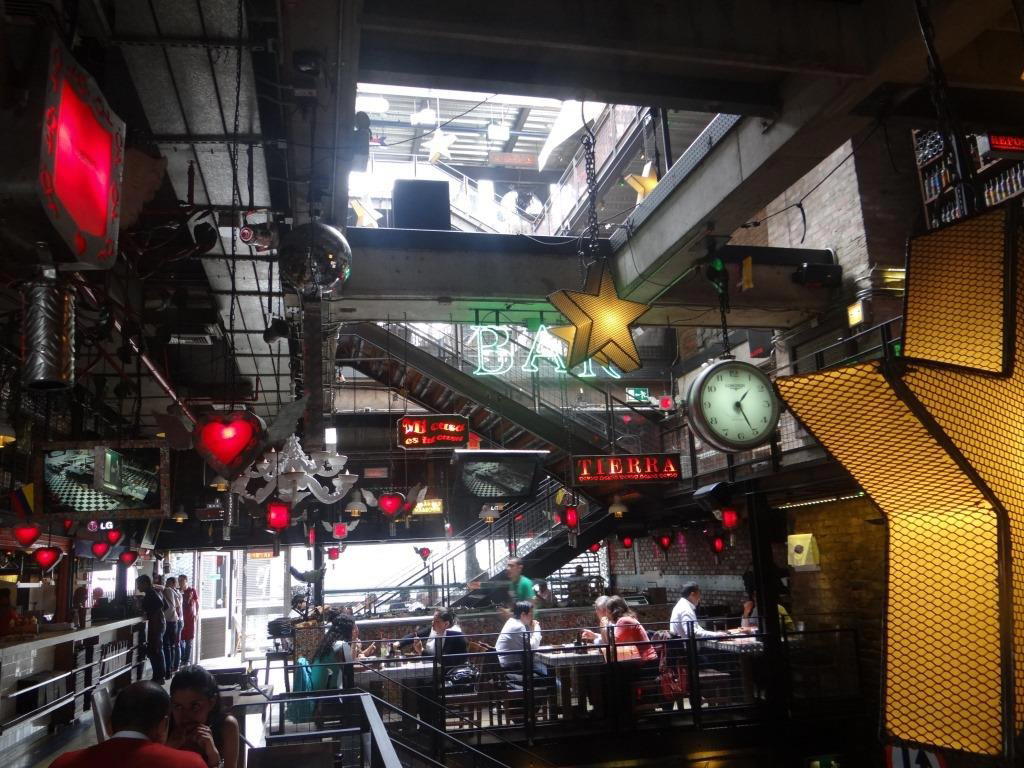
Electric atmosphere with colorful decor, hand-painted murals, and live mariachi bands creating a festive and immersive dining experience.