Skip to Main Content
Colombian Steakhouse

Google: 4.4 · 16,188 reviews

← Collection
Bogotá, Colombia

Andrés D.C. Bogotá

Price≈$30
Dress CodeSmart Casual
ServiceUpscale Casual
NoiseLively
CapacityLarge

Andrés D.C. Bogotá, located on Calle 82 in the Zona Rosa district, is the urban sibling of the storied Andrés Carne de Res operation. The format translates the original Chía experience into a multi-floor Bogotá setting where Colombian cooking, live music, and theatrical dining culture converge across hundreds of covers. Book well in advance, particularly for weekend evenings.

Pearl is the En Primeur Club membership app — saves, bookings, and concierge access live there. Same editors, same standards.

Andrés D.C. Bogotá restaurant in Bogotá, Colombia
About

Where Colombian Festivity Becomes Formal Dining

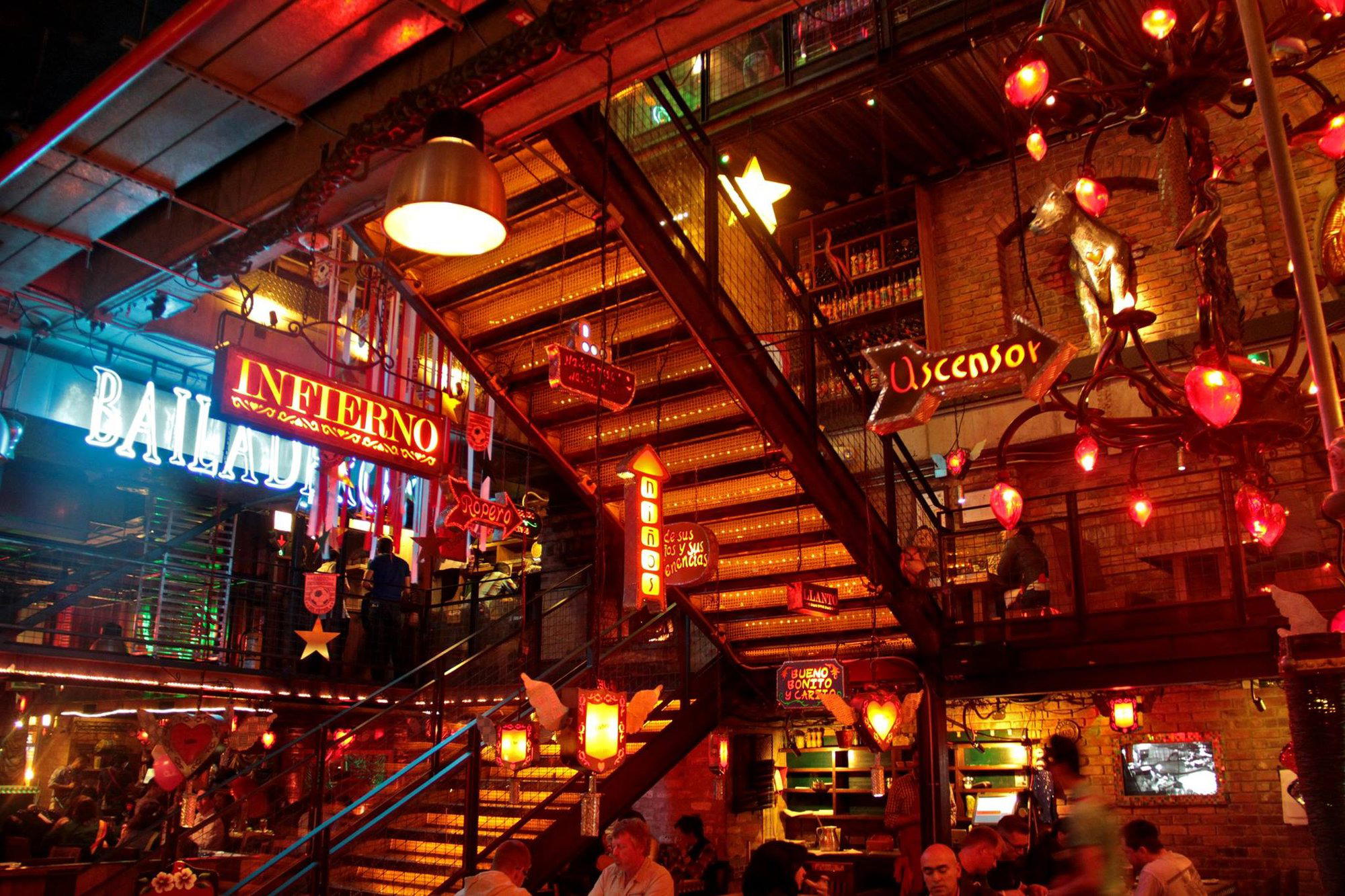
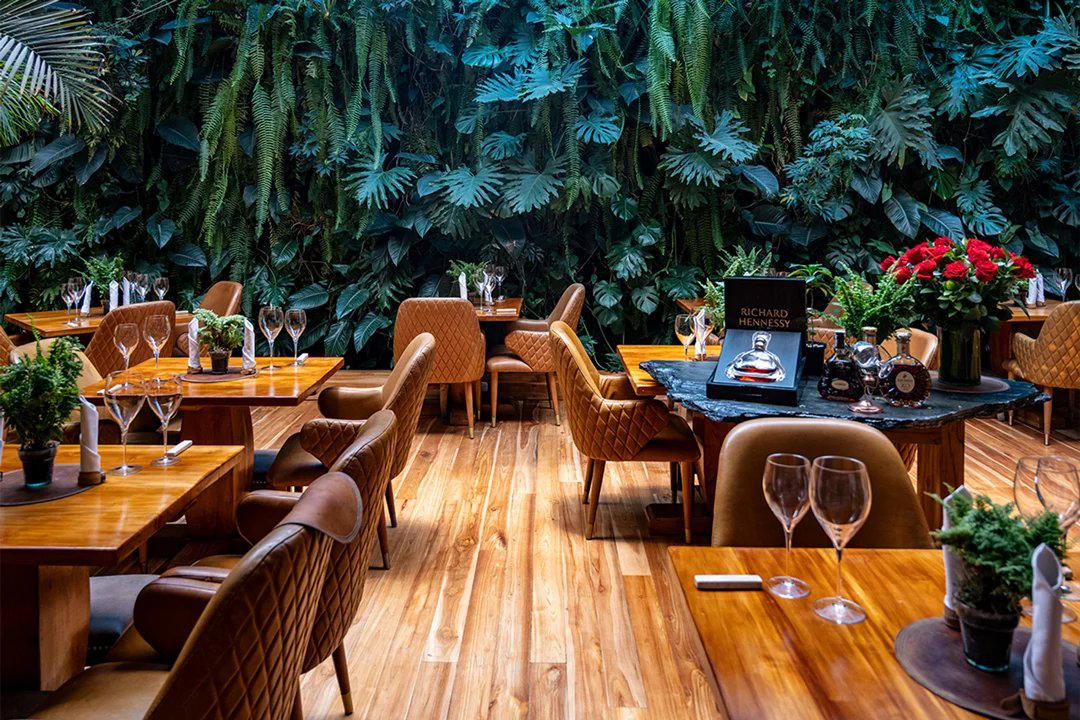
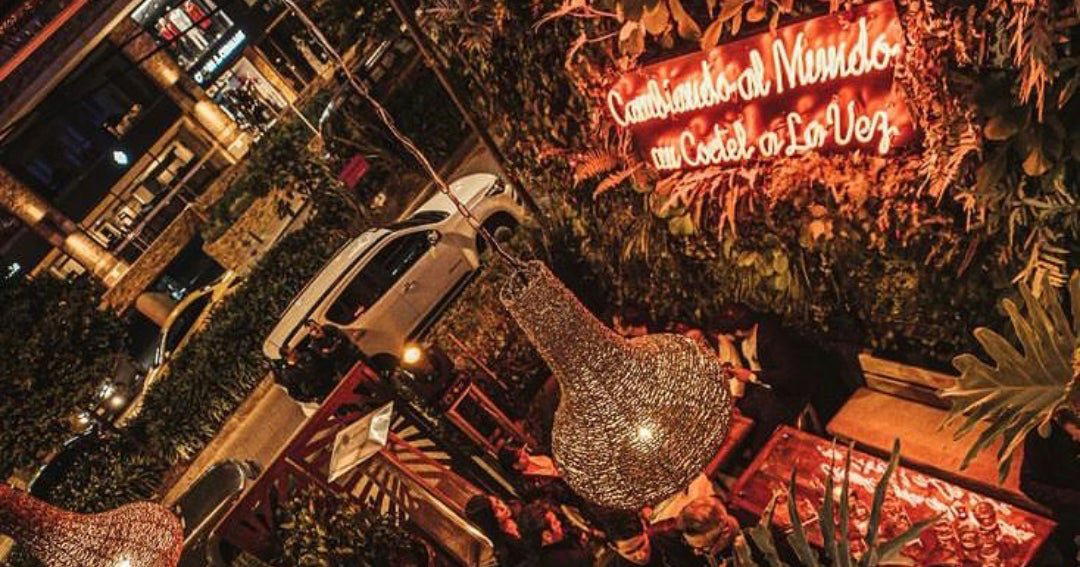
Calle 82 in Bogotá's Zona Rosa is not short of restaurants competing for the Friday-night crowd, but the scale and cultural register of Andrés D.C. operates on a different frequency. The building announces itself before you reach the door: multiple floors, a controlled chaos of objects, textiles, and references that read less like interior design and more like an archaeological deposit of Colombian popular culture. The experience of arriving is itself part of the proposition, which places Andrés D.C. in a specific tier of Bogotá dining where spectacle and substance are expected to coexist.

That combination is not always handled well in restaurant culture. Across Latin America, large-format venues with theatrical ambitions frequently sacrifice kitchen consistency for volume. Andrés D.C. has built its reputation on the argument that scale and quality are not mutually exclusive — a claim the operation has sustained long enough to be taken seriously in Bogotá's restaurant conversation, even as the city's fine-dining tier has grown considerably more competitive in the past decade.

The Cultural Weight of the Andrés Format

To understand what Andrés D.C. is doing, it helps to situate it within Colombian dining culture rather than against an imported fine-dining template. Colombian hospitality has always carried a strong communal dimension: large tables, extended meals, music as atmosphere rather than background noise. The country's urban restaurant scene spent years developing in the shadow of those cultural norms, and the Andrés model — which originated with Andrés Carne de Res in Chía , was one of the first formats to treat that communal energy as a feature rather than a problem to be managed.

The Chía original became something of a reference point in Colombian dining culture, drawing visitors from across the country and internationally for a format that felt neither imitative of European fine dining nor reductive of Colombian tradition. The Bogotá iteration at Calle 82 translates that premise into an urban context where the clientele skews towards business diners, tourists with serious restaurant budgets, and Bogotanos celebrating occasions that warrant a theatrical setting. The address in Zona Rosa places it within walking distance of the city's premium hotel cluster, which shapes both its international visibility and its weekday dinner trade.

Within Bogotá's current dining scene, Andrés D.C. sits in a different register from the modern Colombian tasting-menu houses that have defined the city's critical reputation in recent years. Operations like El Chato and Leo are working in a more restrained, research-led idiom that has drawn international press attention. Andrés D.C. is not competing in that conversation. Its peer set is the large-format Colombian restaurant with serious cooking ambitions, and within that category it occupies a position that has proved durable over time.

The Kitchen's Frame of Reference

Colombian cooking draws from a geography of unusual diversity: Andean tubers and corn-based staples in the highlands, coastal seafood traditions on both the Pacific and Caribbean sides, Amazonian ingredients that are only beginning to find their way into mainstream restaurant kitchens. Bogotá, sitting at 2,600 metres, has historically been a highland cooking city, with ajiaco, changua, and slow-cooked meats forming the backbone of its domestic food culture. The Andrés format has always engaged with that highland tradition while pulling from the full national larder.

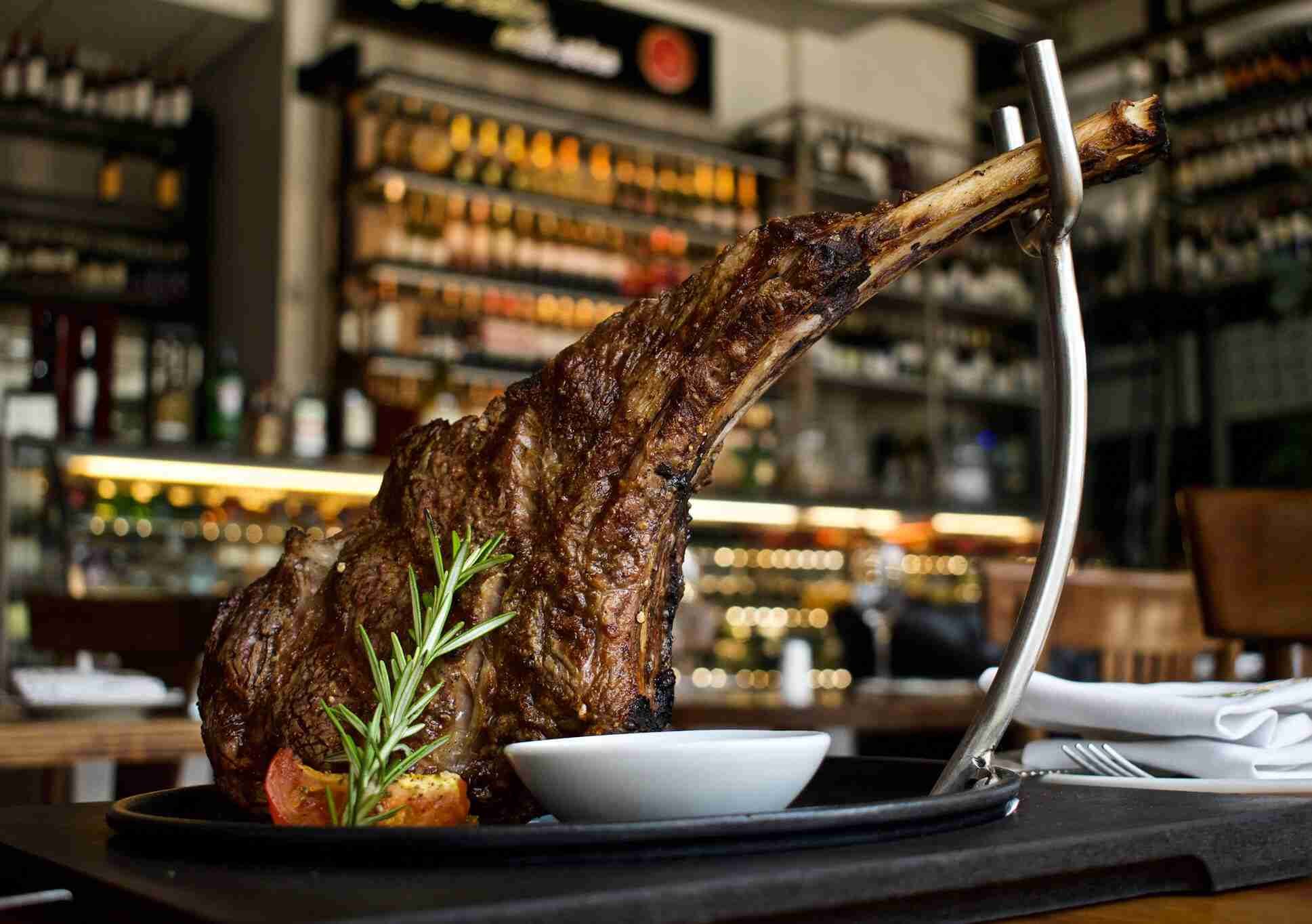
Beef remains central to the offer, consistent with the operation's origins. Colombian beef, particularly from the Llanos region, has a distinct profile shaped by pasture conditions and cattle breeds that differ meaningfully from Argentine or Brazilian equivalents , a distinction worth understanding for any visitor arriving with expectations shaped by experience elsewhere in South America. The cooking approach at Andrés D.C. leans into the social nature of meat-centred Colombian dining, where large cuts and shared portions are the default rather than the exception.

For a broader cross-section of Colombian regional cooking in Bogotá, Abasto Quinta Camacho and Afluente offer instructive comparisons. Further afield in Colombia, the country's coastal restaurant culture , represented by places like El Boliche Ceviche in Cartagena and Sevichería Guapi in Cali , shows how differently the national cuisine performs when geography shifts. The Andrés D.C. kitchen is not trying to be an atlas of Colombian cooking; it is working within a specific highland-and-meat tradition and doing so at scale.

Music, Volume, and the Question of Atmosphere

The noise level at Andrés D.C. is not incidental. Live music , which shifts in genre and intensity as the evening progresses , is structural to the format, not decorative. This is consistent with how Colombian festivity culture works: music is not background. That context is necessary information for anyone booking a table expecting the atmosphere of, say, Debora Restaurante or Harry Sasson, both of which operate in a quieter, more controlled register. Andrés D.C. is deliberate about its energy, and that energy escalates through the evening.

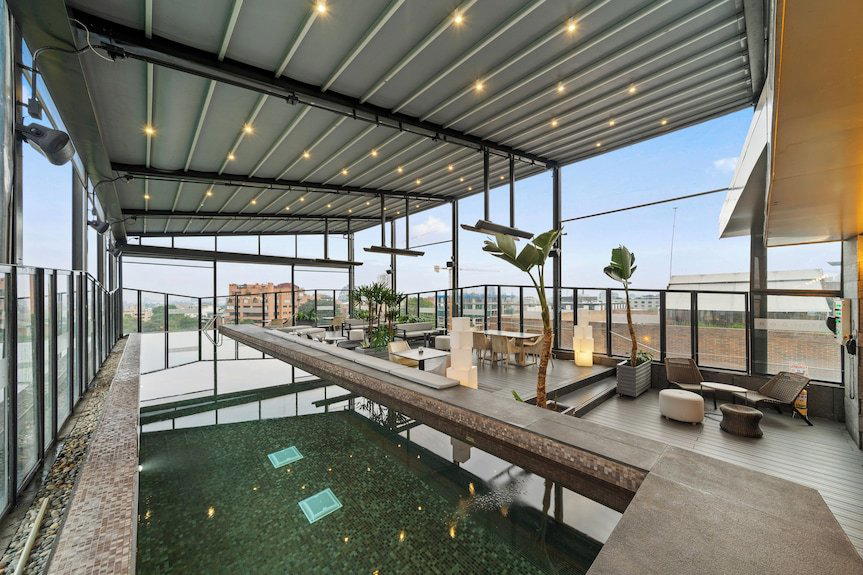
The venue runs multiple floors with distinct zones, which means that seating location within the building affects the experience considerably. Earlier sittings and the earlier part of the week reduce intensity for those who want the food without the full Friday-night volume. Weekend evenings, particularly after 9pm, function closer to a dining-event hybrid. Both modes are intentional and both have their audience in Bogotá.

Planning a Visit

Andrés D.C. is located at Calle 82 #12-21 in Bogotá's Zona Rosa, a district with strong taxi and ride-share connectivity that makes it accessible from most parts of the city without navigating the TransMilenio network. The venue's size means it takes walk-ins more reliably than smaller Bogotá restaurants, but weekend evenings warrant advance booking given the consistent demand from both local and international visitors staying nearby. The kitchen is set up to handle large parties, which makes it a practical choice for groups that most intimate Bogotá restaurants cannot accommodate comfortably.

Visitors building a broader Colombia itinerary should note that the Andrés format exists in deliberate contrast to what the country's other major cities offer. Donde Mama in Barranquilla, BK Burukuka in Santa Marta, and X.O. in Medellín each represent distinct regional dining cultures that do not overlap significantly with the Bogotá highland-and-beef tradition Andrés D.C. works within. The full Bogotá picture, including the city's newer tasting-menu operations and neighbourhood restaurants, is covered in our complete Bogotá restaurants guide. For international comparative reference, the large-format experiential dining model has equivalents in cities like New York and San Francisco , venues such as Le Bernardin and Lazy Bear show how different cities handle the relationship between ambition and scale, though the cultural register could not be more different.

Signature Dishes
chicharronestostón con todoarepa de choclolomo al trapopicada rumbera
Frequently asked questions

Budget and Context

A compact comparison to help you place this venue among nearby peers.

At a Glance
Vibe
  • Lively
  • Energetic
  • Trendy
  • Iconic
Best For
  • Celebration
  • Group Dining
  • Late Night
Experience
  • Live Music
Drink Program
  • Craft Cocktails
Dress CodeSmart Casual
Noise LevelLively
CapacityLarge
Service StyleUpscale Casual
Meal PacingLeisurely

Vibrant and rowdy with colorful eclectic decorations, constant lively music, and high-energy entertainment that turns into a dance party.

Signature Dishes
chicharronestostón con todoarepa de choclolomo al trapopicada rumbera