Osaka occupies a specific position in Bogota's growing Asian-influenced dining scene, operating from Carrera 13 in a city that has quietly become one of Latin America's more ambitious restaurant cities. The address places it in a corridor increasingly defined by creative cooking and cross-cultural technique, making it a reference point for anyone tracking how Japanese culinary traditions are being interpreted in the Colombian capital.
Pearl is the En Primeur Club membership app — saves, bookings, and concierge access live there. Same editors, same standards.
- Address
- Kr 13 #8525, Bogotá, Colombia
- Phone
- +573229464832
- Website
- osakanikkei.com
- Directions
- Get directions
 Saves & bookings on Pearl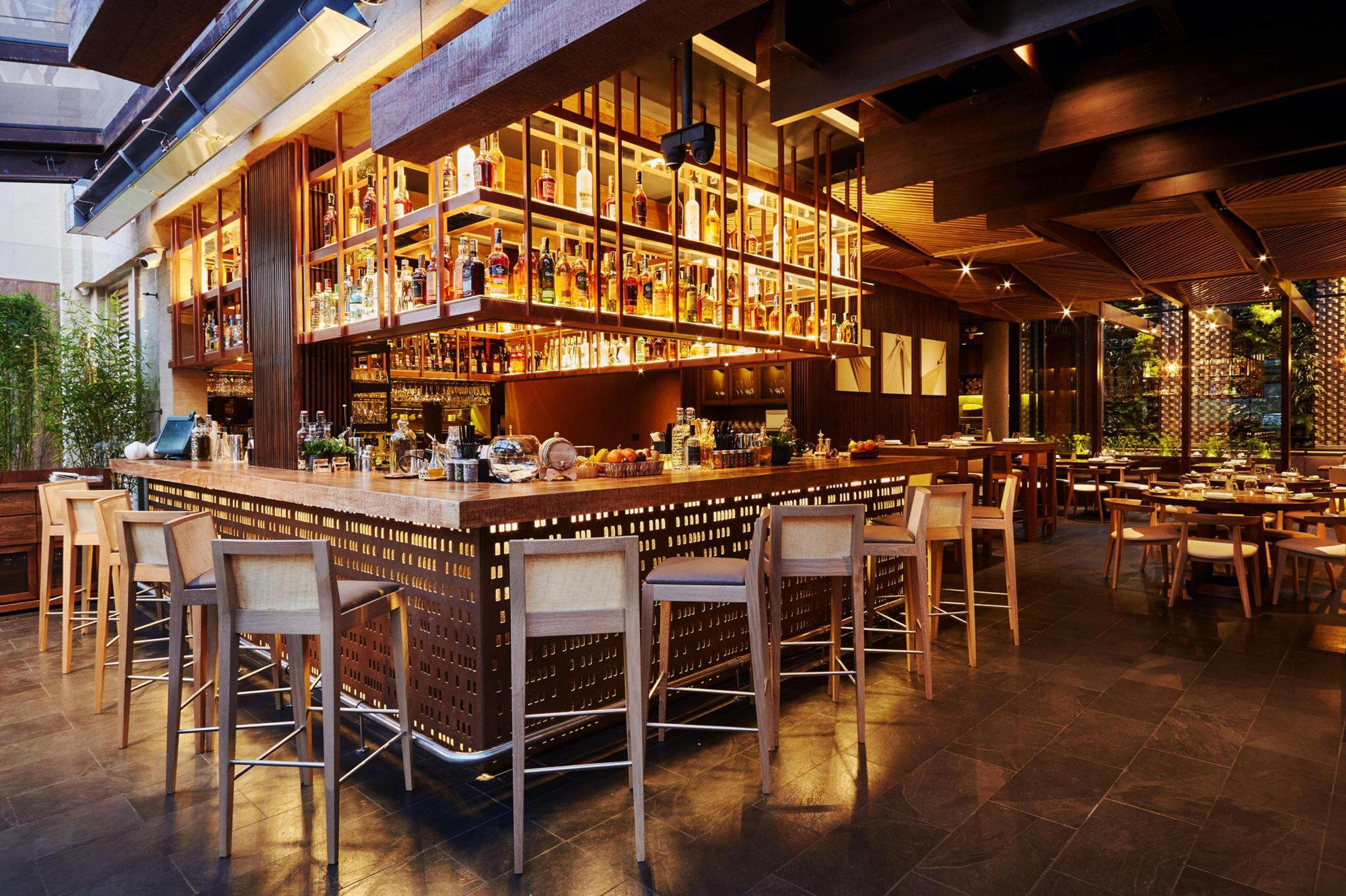
Where Japanese Precision Meets a Latin American Dining Room
Bogota's restaurant scene has spent the better part of a decade building the kind of depth that serious food cities require: a foundation of modern Colombian cooking at places like El Chato and Leo, layered with international influences arriving through chefs trained abroad and a local appetite for technique-driven food. Japanese cuisine occupies a particular place in that structure. Unlike European fine dining, which arrived in Bogota through clear institutional channels, Japanese cooking here developed through a more fragmented set of references: Nikkei traditions inherited from Peru, direct imports from Tokyo-trained cooks, and a growing local interest in the discipline of Japanese kitchen culture.
Osaka, at Carrera 13 #85-25, sits within that evolution. The address places it in the northern dining corridor that also anchors venues like Debora Restaurante and Abasto Quinta Camacho. That geographic positioning matters: restaurants in this part of Bogota are pricing against each other, not against the city's mid-market, and the competitive reference points include Afluente and other addresses that have established a benchmark for what premium dining in the Colombian capital looks like.
The Collaborative Architecture of a Japanese Dining Room
In the strongest Japanese restaurants operating outside Japan, the experience depends on a three-part collaboration that rarely gets examined as a system. The kitchen sets the tempo through the structure of the meal and the precision of each course. The floor team translates that structure for guests who may be unfamiliar with the format, pacing the room and managing expectations around sequence and timing. And whoever oversees the beverage program, whether anchored in sake, wine, or a hybrid list that acknowledges the Latin American context, determines how well the food is amplified across the table. When those three functions work in coordination, the result is a meal that feels cohesive rather than assembled from parts. When they don't, even technically accomplished cooking can feel cold or disjointed.
This collaborative model is exactly what separates the tier of Japanese restaurants worth tracking from the broader category of Asian-influenced dining rooms that have proliferated in South American capitals over the past decade. The cities with developed Japanese dining outside Japan, Lima, São Paulo, and increasingly Bogota, share a common feature: front-of-house teams that understand both the cuisine and the local guest, and beverage programs sophisticated enough to handle both traditional sake pairings and wine-driven tables. This logic shapes how diners evaluate Japanese-influenced restaurants in cities like Bogota.
Bogota in the Broader Colombian Dining Context
To understand where Osaka sits, it helps to see Bogota within the wider Colombian dining picture. The capital has the deepest concentration of ambitious restaurants in the country, but Colombia's food scene is genuinely national in character. Andrés Carne de Res in Chia represents the populist, high-energy end of the Colombian dining imagination. 37 Park in Medellín and Cardinal Comida Peruana de Autor in Pereira show how mid-sized Colombian cities are developing their own fine dining registers. On the coast, venues like LA BRIOCHE Bocagrande in Cartagena operate in a different register altogether, shaped by tourism and coastal ingredients. Within this national picture, Bogota's northern corridor is where international culinary traditions, including Japanese, get the sustained and sophisticated treatment.
That said, the Nikkei influence deserves specific acknowledgment. Peru's Japanese-Peruvian culinary tradition, the developed in South America, has created a template that Colombian restaurants have absorbed and adapted. The proximity of Bogota to Lima, and the movement of cooks and concepts between the two cities, means that any Japanese-influenced restaurant in Bogota is working within a regional conversation, not just a local one. Venues like Los Tacos Del Gordo and Bulgatta restaurante in Retiro show the range of international influence across the region, but the Japanese thread runs most consistently through the higher-end tier.
Planning a Visit
Carrera 13 in Bogota's Chapinero and northern zones carries consistent foot traffic from the city's professional and creative communities. For venues operating in the premium tier of the city's dining scene, booking ahead is the standard expectation rather than the exception.
Booking and Cost Snapshot
Comparable venues nearby, for context on price, style, and recognition.
| Venue | Cuisine | Price | Notes |
|---|---|---|---|
| OsakaThis venue — the venue you are viewing | Not listed | $$$ | Not listed |
| Restaurante Armadillo | Bellavista, Californian-Colombian Fusion | $$$$ | Not listed |
| Ko Asian Kitchen | Chico Norte, Asian Fusion | $$ | Not listed |
| Cantina La 15 Bogotá | La Cabrera, Modern Mexican Cantina | $$$ | Not listed |
| Andres Carne de Res | Not listed | $$$ | Zona Rosa / Chapinero, Colombian steakhouse & grill |
| Pajares Salinas | Not listed | $$$ | Chico Norte Ii Sector, Traditional Spanish |

At a Glance
- Trendy
- Lively
- Modern
- Elegant
- Date Night
- Group Dining
- Special Occasion
- Open Kitchen
- Courtyard
- Craft Cocktails
- Sake Program
- Garden
Current opening hours
- Monday
- 12:30–11 PM
- Tuesday
- 12:30–11 PM
- Wednesday
- 12:30–11 PM
- Thursday
- 12:30–11 PM
- Friday
- 12:30–11 PM
- Saturday
- 12:30–11 PM
- Sunday
- 12:30–9 PM
Hours can change for holidays and private events. Last verified .
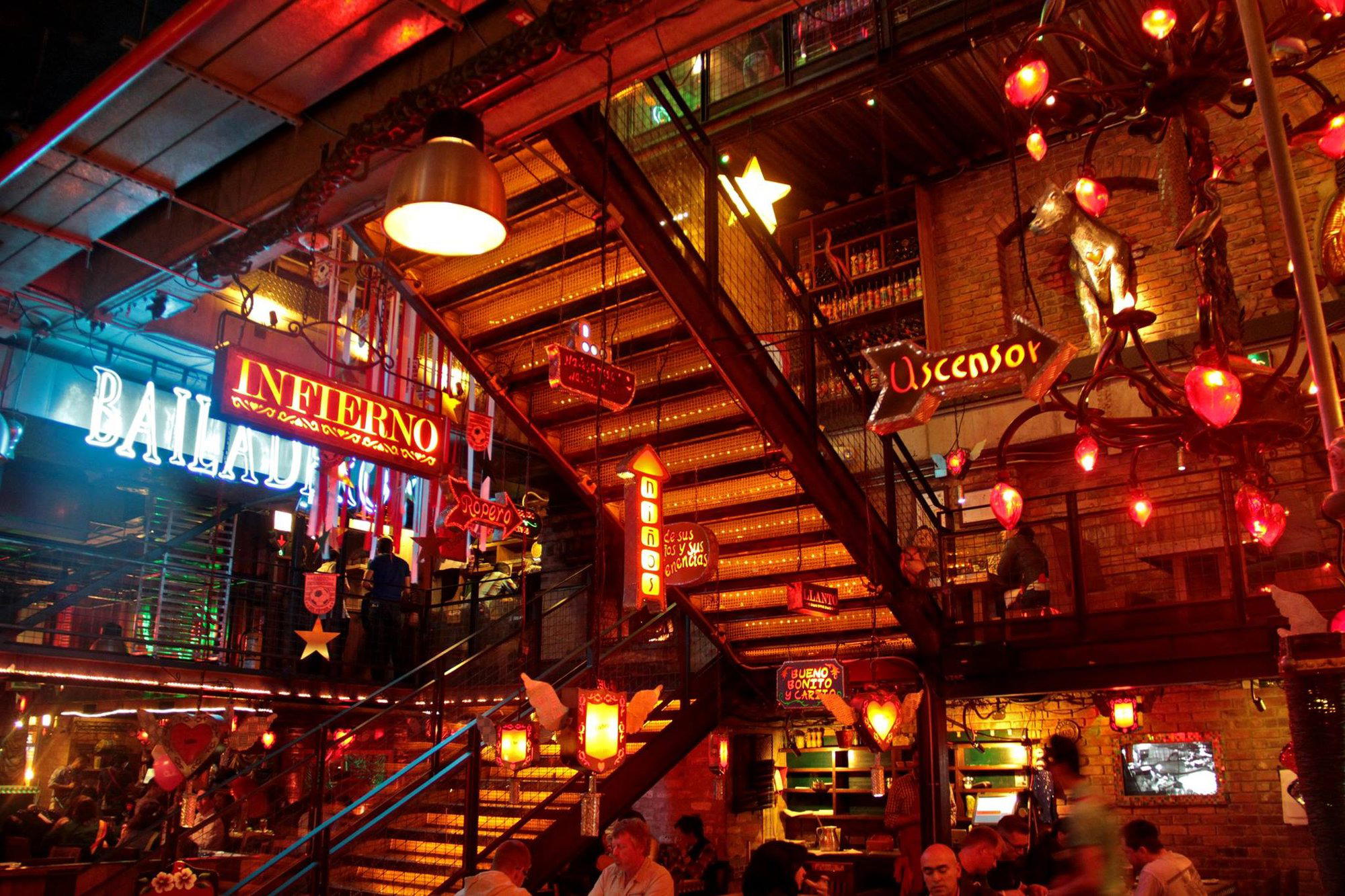
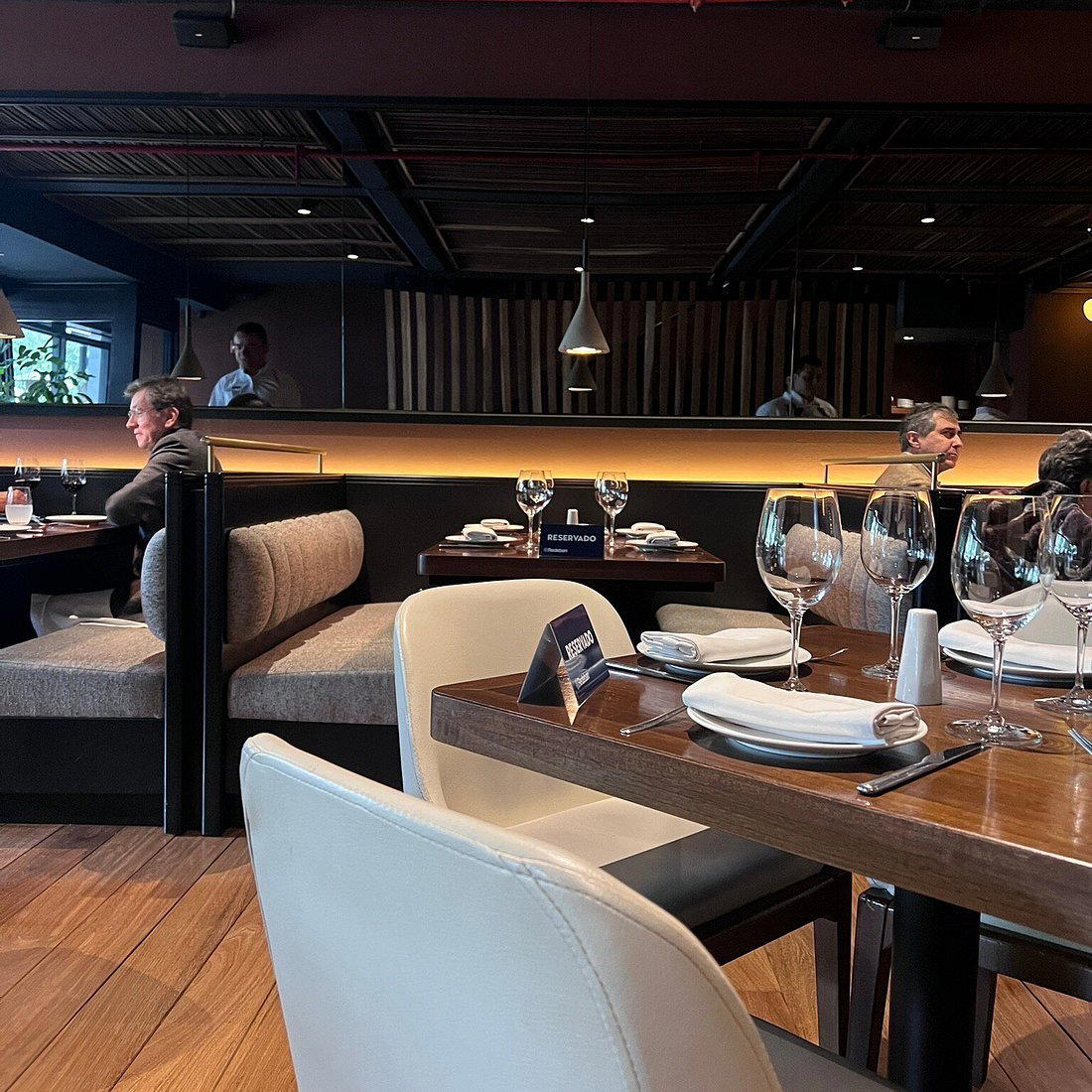
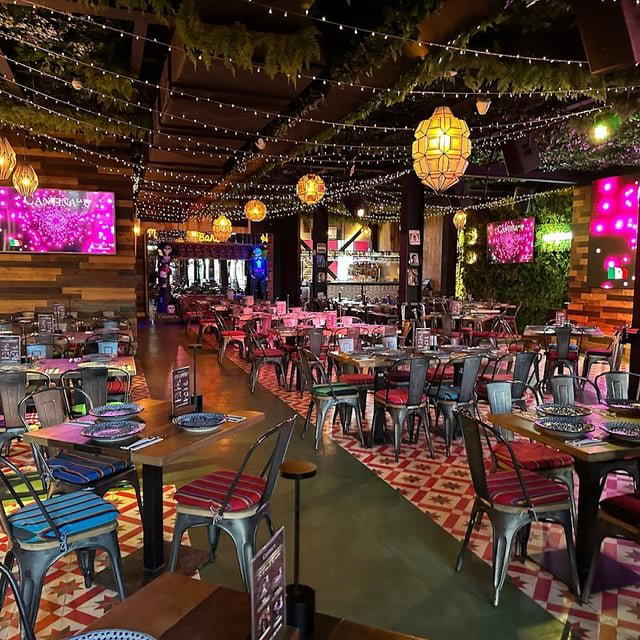
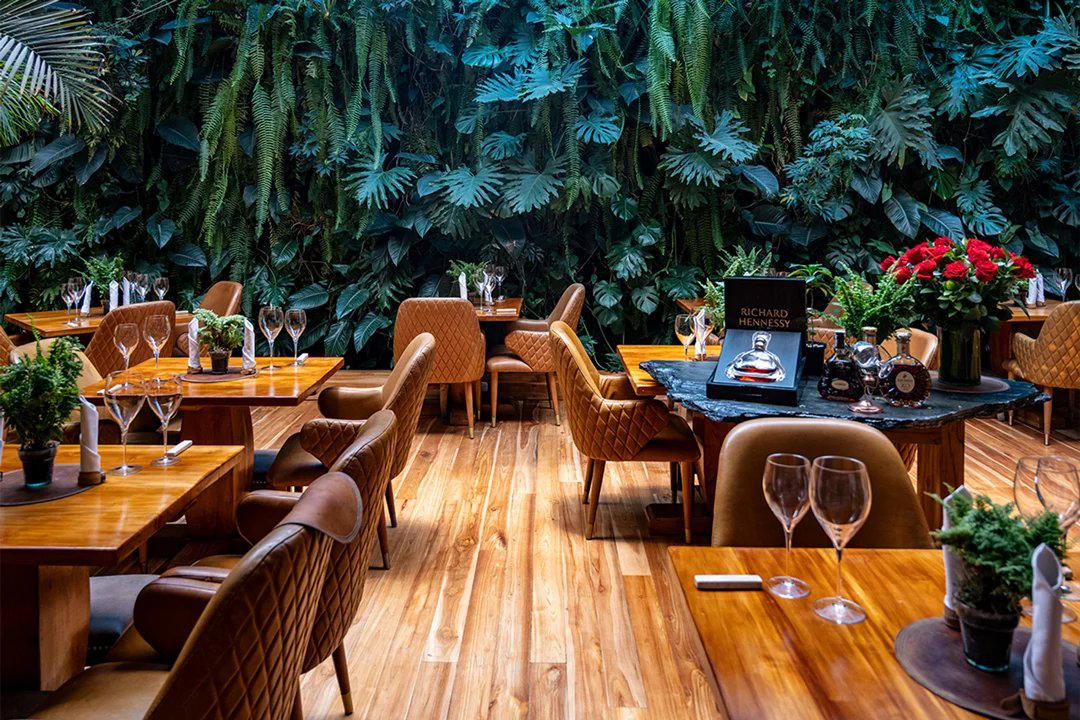
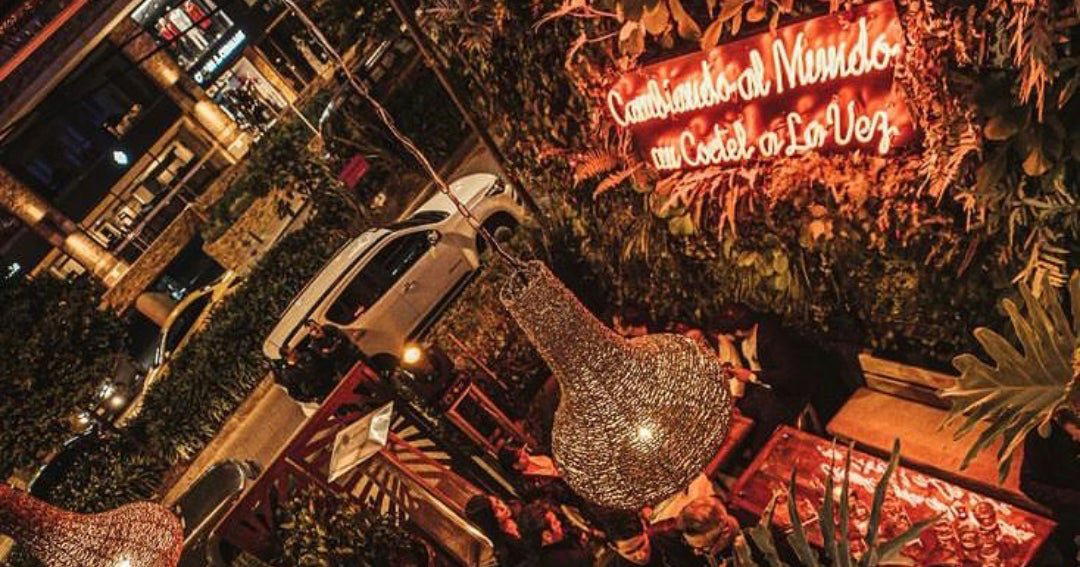
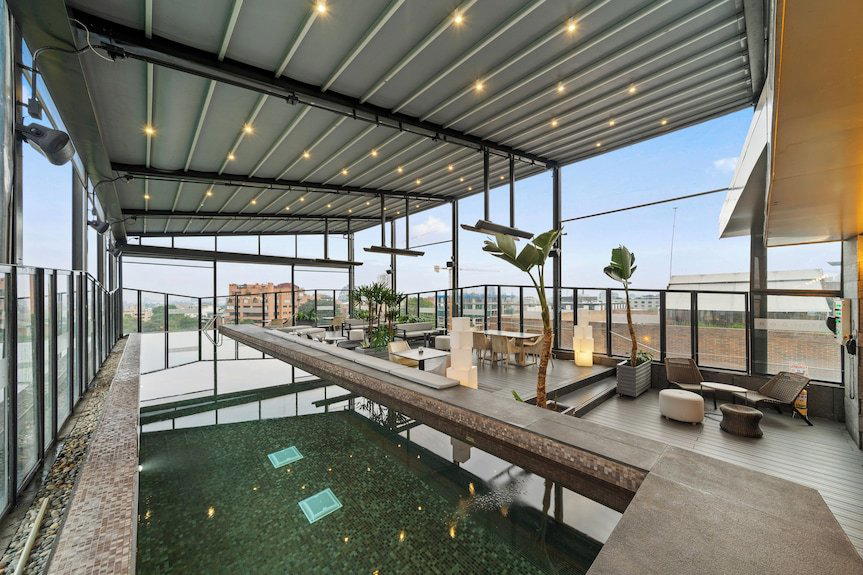
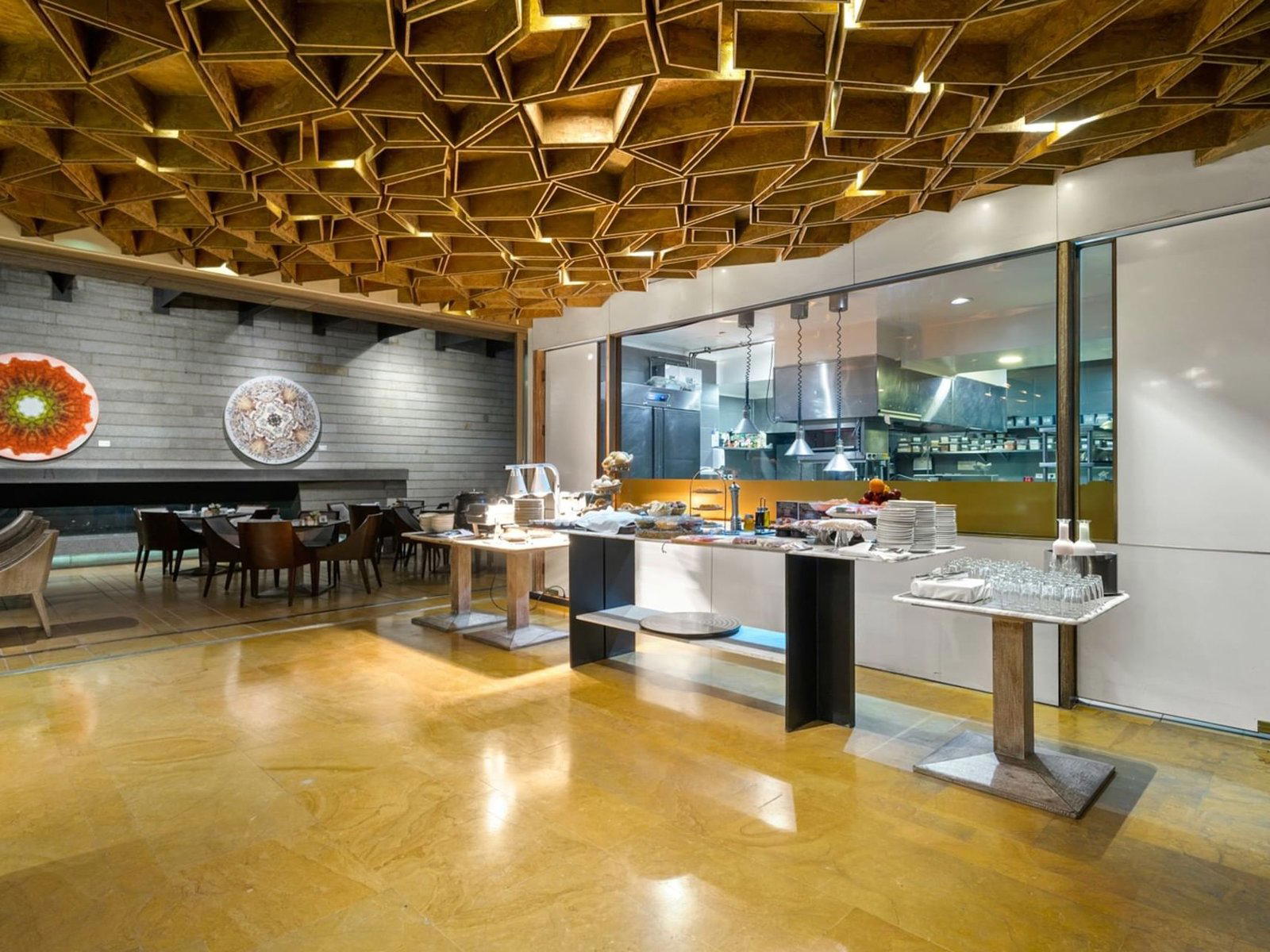
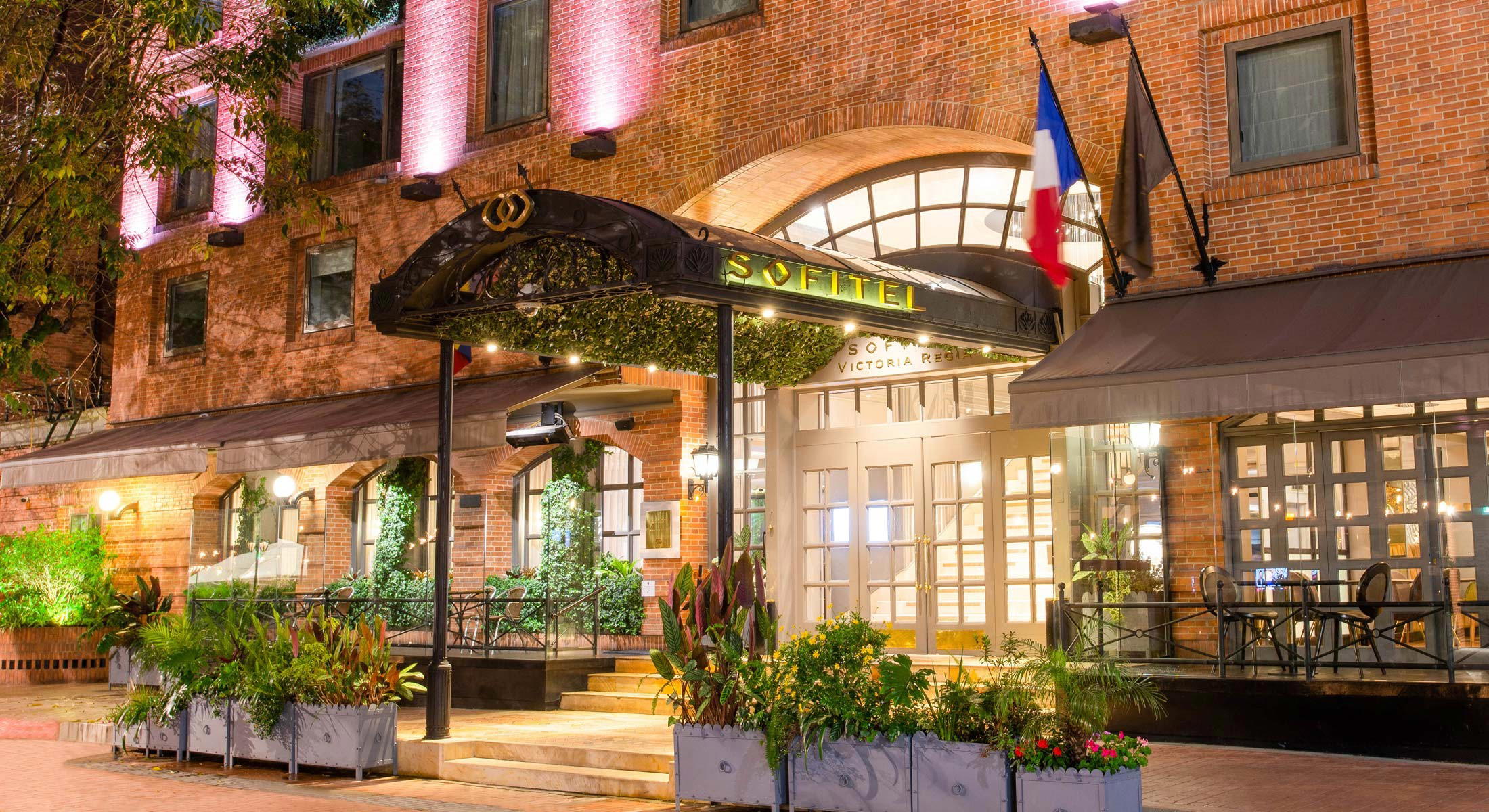
Busy atmosphere with natural sunlight, greenery, open kitchen, and lush courtyard.