

The younger of Bogota's two Four Seasons properties, this Chapinero address trades colonial character for a sleeker, contemporary format across 64 rooms and suites in one of the city's most liveable neighbourhoods. Upper-floor suites deliver panoramic skyline views, the spa runs Colombian-inspired rituals, and a bilingual concierge team connects guests to a city that rewards those who move beyond the tourist circuit.
Pearl is the En Primeur Club membership app — saves, bookings, and concierge access live there. Same editors, same standards.
- Address
- Kr 13 #85-46, Chapinero, Bogotá, Cundinamarca
- Phone
- +57 601 3257930
- Website
- fourseasons.com
- Directions
- Get directions
 Saves & bookings on Pearl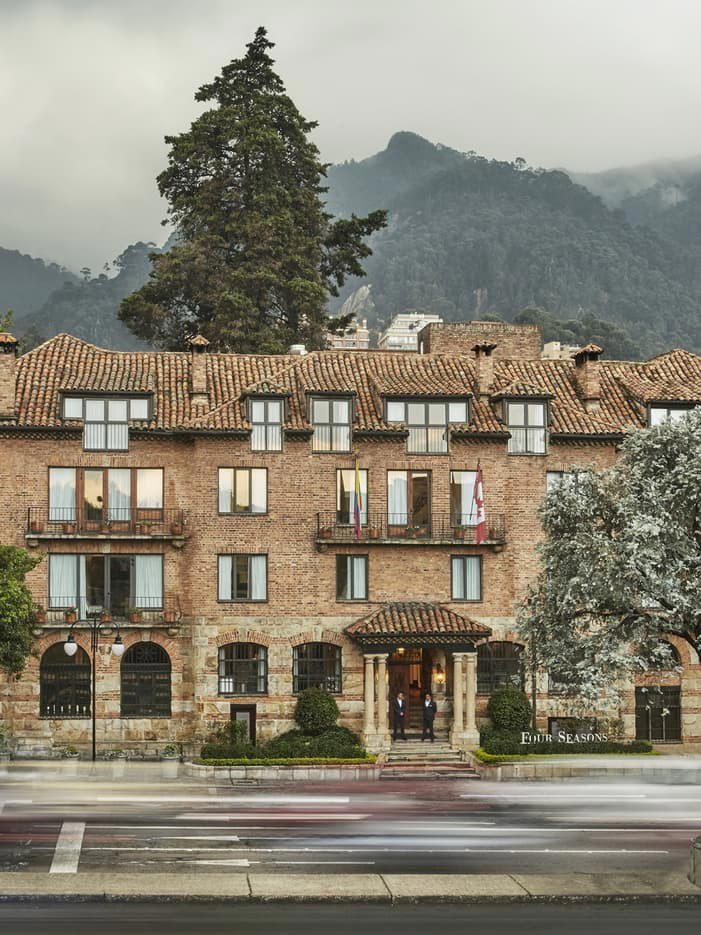
A Different Kind of Capital City Hotel
Four Seasons Hotel Bogota is a 5-star hotel in Chapinero, Bogotá, with 64 rooms and a nightly rate from about $304. The dual-property bet placed Bogota in a selective peer group alongside cities like New York and Paris where the brand has chosen to operate more than one address simultaneously. For travellers choosing between the two, the decision is essentially a question of format. Four Seasons Hotel Casa Medina Bogota leans into colonial heritage and courtyard atmosphere; this address, on Carrera 13 in Chapinero, reads as the contemporary counterpart: fewer rooms, cleaner lines, and a neighbourhood that functions as a genuine residential district rather than a hotel corridor.
Chapinero and the Question of Location
The Chapinero address matters more than a postcode might suggest. Chapinero sits adjacent to that zone but carries a different social register: Bogotanos actually live here, which means the streets around the hotel operate at a rhythm that has nothing to do with organised tourism. The Usaquén district, known for its Sunday market and concentrated dining scene, is within reach, and the hotel's concierge team is explicit about pointing guests in that direction rather than defaulting to La Candelaria, Bogota's old quarter, which sits roughly 45 minutes away by taxi and is subject to the city's significant traffic delays if timings are not planned carefully.
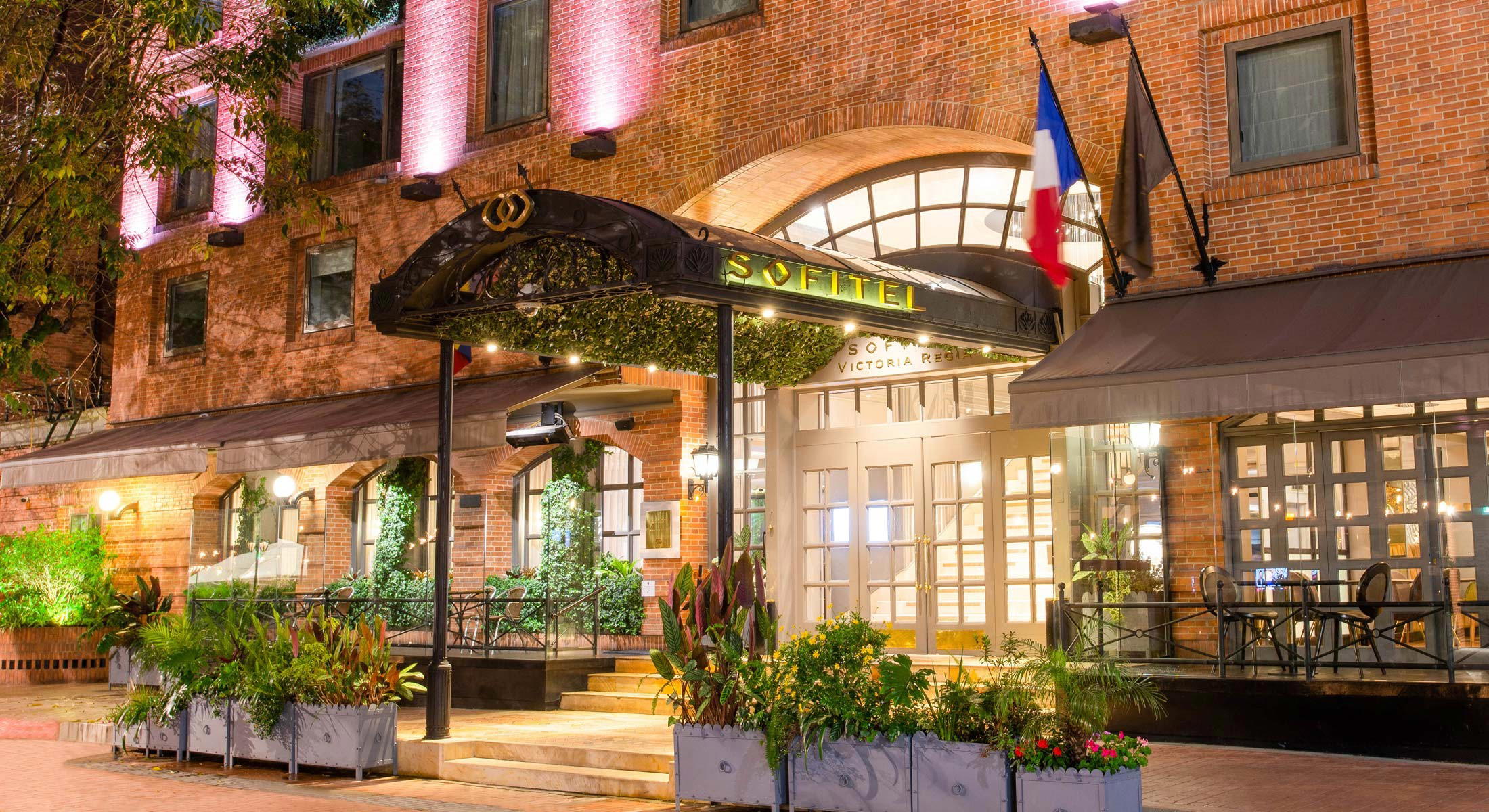
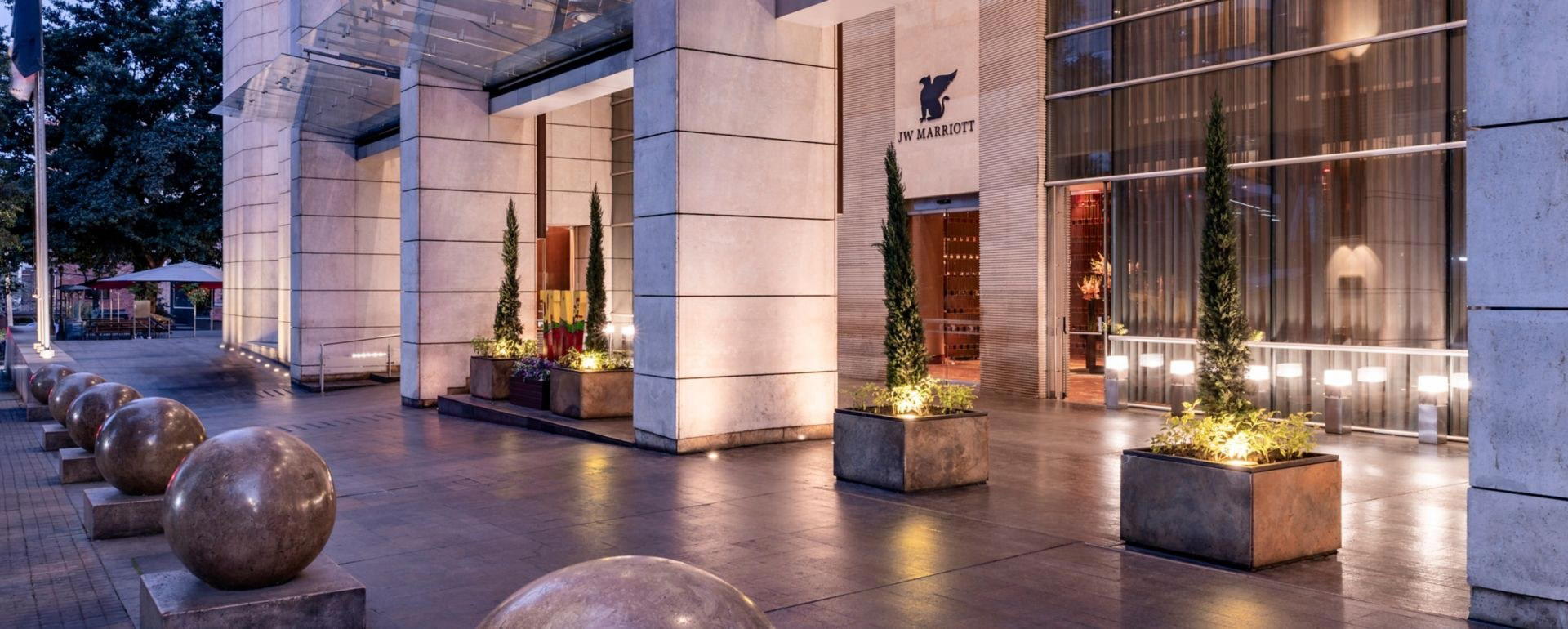
For context, comparable luxury addresses in the city approach the same question of location differently. The Grand Hyatt Bogota and JW Marriott Hotel Bogota sit closer to the financial and convention centre axis, which suits the corporate traveller but places them at a remove from the residential neighbourhood texture that makes Bogota increasingly interesting to the leisure end of the market. The Sofitel Bogotá Victoria Regia splits the difference. This Four Seasons property, by contrast, commits fully to the Chapinero residential bet.
Room Design as Deliberate Contrast
With 64 rooms across the property, the scale sits at the smaller end of what international luxury brands typically operate in capital cities. Approximately half of those rooms are classified as suites, and with just four to seven accommodations per floor, the corridor experience is notably quieter than what large-format hotels produce. The design brief runs toward minimalism: calming colour ranges, open spatial planning, and natural light as the primary atmospheric tool. Connectivity infrastructure, including complimentary Wi-Fi and plasma-screen televisions, is standard across all categories.
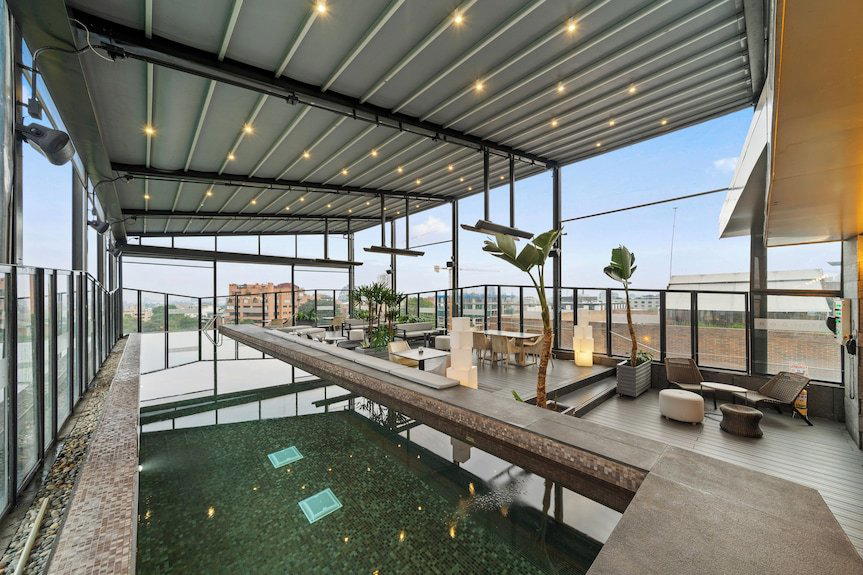
Upper-floor rooms represent the clearest argument for spending more. Bogota's skyline, viewed from height in a city that sits at 2,600 metres above sea level and spreads across a plateau framed by the Eastern Andes, produces a distinctive urban panorama that is genuinely unlike the skyline views available in lower-altitude capitals. The penthouse suite tier captures this most fully. The tradeoff on exterior-facing rooms at lower floors is city noise, which the minimalist interiors do not fully absorb, and that is a consideration worth factoring into room selection.
Travellers interested in the smaller boutique end of Bogota's accommodation market will find a different register at properties like Hotel Casa Legado, Casa Cubil, or Hotel boutique y restaurante vegetal Casa Lėlytė, each of which operates on a more intimate, design-led model. The Hotel de la Opera and B.O.G. Hotel in Bogotá occupy a middle tier between boutique independence and international chain infrastructure. This Four Seasons property sits firmly in the international luxury tier, where the brand standard provides a floor of consistency that smaller properties cannot guarantee.
Service as Infrastructure
The Bogota property operates within that framework. The bilingual concierge function is the practical expression of this at a city where language is a genuine logistical variable for non-Spanish-speaking visitors. Bogota's dining scene, public transport geography, and neighbourhood navigation all require local knowledge to use efficiently. A concierge team that can operate in both English and Spanish, and that is oriented toward pointing guests toward where Bogotanos actually eat and spend time rather than defaulting to tourist-validated options, is a meaningful service differentiator in a city at this stage of its development as an international destination.
The La Biblioteca terrace, where Colombian coffee is available within the property, functions as a lighter version of the same orientation: a taste of local product culture without requiring guests to leave the building before they have oriented themselves to the city. The spa extends this Colombian framing with an emerald body ritual that references the country's historical identity as one of the world's primary sources of emeralds, alongside standard express massage formats for the more practically minded guest arriving with sore legs after a day of altitude walking.
Colombia in Context
Bogota's rise as an international hotel market is inseparable from the broader repositioning of Colombia as a travel destination over the past decade. The Four Seasons brand's 2015 decision to build here was a marker in that shift. Elsewhere in the country, the same international confidence shows up in properties like the Four Seasons Hotel and Residences Cartagena in Cartagena de Indias, which occupies a different position at the coastal luxury end of the market. For travellers building a Colombia itinerary, Bogota tends to function as the entry point, with the coast, the Coffee Region, and cities like Medellín filling out the wider circuit. The Elcielo Hotel and Restaurant in Medellín, the Hotel Spiwak in Cali, and the Hilton Santa Marta represent the range of the country's hospitality offer at the upper tier. The Bio Habitat Hotel, AKEN Soul in Quindio and Cannúa Lodge in Marinilla serve the eco-lodge and Coffee Region traveller seeking a smaller-scale format. The Hotel Casa Don Sancho by Mustique in Cartagena, Hotel el Prado in Barranquilla, and BOSKO HOTEL in Guatapé fill out the regional spread further. For the international Four Seasons traveller using brand loyalty as an organising principle, the Bogota property connects naturally to the wider portfolio, from Aman New York and The Fifth Avenue Hotel in New York City to Aman Venice, Amangiri in Canyon Point, and Badrutt's Palace Hotel in St. Moritz, though the Bogota address operates at a different price register and geographic logic than those flagship properties.
Planning Your Stay
The hotel sits at Kr 13 #85-46 in Chapinero. La Candelaria's historic quarter is approximately 45 minutes by taxi, and traffic timing should be factored into any itinerary that includes that area, particularly on weekdays. The Chapinero neighbourhood itself, and the adjacent Usaquén district, are both considered safe and walkable for the kind of local dining and market browsing the concierge team typically recommends. Security concerns that have historically shaped traveller perception of Bogota are not a material factor in this immediate area. Travellers extending their Colombia trip toward the Coffee Region can also consult the Bio Habitat Hotel in Armenia for lodging in that corridor.
What It’s Closest To
Comparable venues nearby, for context on price, style, and recognition.
| Venue | Cuisine | Price | Awards | Notes |
|---|---|---|---|---|
| Four Seasons Hotel BogotaThis venue — the venue you are viewing | Beaux Arts luxury urban hotel | $$$$ | 5-Star | Not listed |
| JW Marriott Hotel Bogota | Luxurious urban retreat with Spanish-style elegance. | $$$$ | 5-Star | Porciuncula |
| Grand Hyatt Bogota | Modern high-rise luxury hotel with panoramic views and extensive wellness facilities. | $$$$ | 5-Star | Ciudad Salitre Nor-Oriental |
| Sofitel Bogotá Victoria Regia | Contemporary luxury blending French art-de-vivre with Colombian influences | $$$$ | 5-Star | La Cabrera |
| B.O.G. Hotel | Contemporary urban luxury with local Colombian artwork. | $$$$ | 5-Star | La Cabrera |
| W Bogota | Contemporary lifestyle hotel blending colonial charm with modern luxury. | $$$$ | 5-Star | Santa Ana Occidental |
Recognition history
Dated appearances from independent guides and award organizations, with the underlying list record or original source where available.
Forbes Recommended
Forbes
Michelin Selected
Michelin


At a Glance
- Elegant
- Sophisticated
- Ornate
- Romantic Getaway
- Business Trip
- Honeymoon
- Rooftop Pool
- Panoramic View
- Wi Fi
- Spa
- Fitness Center
- Room Service
- Concierge
- Business Center
- Skyline
- Wi Fi
- Spa
- Fitness Center
- Room Service
- Concierge
- Business Center
Elegant and serene atmosphere with sophisticated lighting, praised for notable cleanliness, helpful staff, and relaxing spa facilities.