
A Michelin Bib Gourmand recipient in 2025, Shuang Dong serves Huaiyang cooking in Yangzhou's Guangling District at prices that sit firmly in the mid-range bracket. The kitchen works within a culinary tradition that prizes knife technique and restrained seasoning above heat and intensity. Regulars return for exactly that consistency, food that earns loyalty without demanding ceremony.
Pearl is the En Primeur Club membership app — saves, bookings, and concierge access live there. Same editors, same standards.
- Address
- 9CWX+7G2, Wenchang Middle Rd, Guangling District, Yangzhou, Jiangsu, China, 225001
- Phone
- +86 514 8732 7727
- Directions
- Get directions
 Saves & bookings on Pearl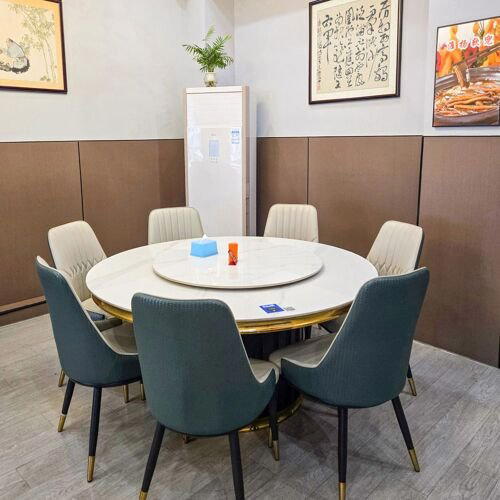
Huaiyang at Street Level
In Yangzhou, the city where Huaiyang cuisine was codified, the question has never been whether you can eat well. It is whether you can find a room where the cooking holds its discipline across a hundred quiet Tuesday lunches, not just the nights when a critic might be watching. The mid-range tier of the city's Huaiyang scene is where that distinction matters most, and Shuang Dong, addressed to a lane off Wenchang Middle Road in the Guangling District, sits comfortably inside that tier. The 2025 Michelin Bib Gourmand recognises exactly this: cooking that reaches a recognised quality threshold at prices that do not ask the diner to commit to a special occasion.
The Bib Gourmand is a useful calibration tool. These are not rooms shaped around first-time impressions. They are shaped around the second visit, and the fifteenth.
What the Regulars Know
The Huaiyang tradition rewards familiarity in a way that spicier, bolder regional cuisines do not. Without chilli heat or aggressive aromatics to announce themselves, Huaiyang dishes ask more of the diner, an attentiveness to texture, to the balance of sweet and savoury in a braised sauce, to the moment when a stock has been reduced to exactly the right consistency. Regulars at a room like Shuang Dong develop a specific literacy over time. They know which preparations carry the kitchen's particular emphasis, which dishes perform better at lunch service when the ingredients are freshest, and how to read a menu that changes with the seasons.
That kind of accumulated knowledge is the unwritten menu. It is not available on a first visit, and it is not the sort of thing a listing can capture. It is the reason that the mid-range Huaiyang dining room, more than the formal banquet hall or the tourist-facing teahouse, is where the cuisine's practical continuity actually lives. At the ¥¥ price point, Shuang Dong sits alongside Shang Palace in the city's mid-range Huaiyang bracket.
The Cuisine and Its City
Huaiyang is one of the four canonical schools of Chinese cooking, and Yangzhou is its geographic centre. The cuisine emerged from the confluence of the Huai and Yangtze rivers, a geography that historically produced notable freshwater fish, soft-skinned vegetables, and the kind of gentle water that suits delicate stock-making. The knife work in Huaiyang cooking is among the more demanding in any Chinese regional tradition: tofu carved into fine strands inside an intact block, fish deboned with a precision that leaves the flesh unmarked, vegetables julienned to a uniform thinness that affects cooking time and texture simultaneously.
These are not decorative techniques. They are functional ones, and they are the reason that Huaiyang cooking is difficult to execute cheaply and difficult to fake. A room that has earned Bib Gourmand recognition in this cuisine is a room where the knife work and the timing are being maintained at a level that justifies external validation.
Elsewhere in China, Huaiyang has found serious contemporary expressions. Huaiyang Fu (Dongcheng) in Beijing and The Huaiyang Garden in Macau both represent the cuisine in more formal, higher-spend contexts. In Yangzhou itself, the cuisine is less theatrical and more embedded, part of daily life rather than a special-occasion proposition. That distinction changes what a dining room needs to be. Hu Yuan Mei Shi occupies a comparable position in the city's mid-market fabric.
For comparison across the eastern Chinese dining circuit, Ru Yuan in Hangzhou and 102 House in Shanghai illustrate how Jiangnan culinary traditions are being reframed in larger metropolitan settings. The Yangzhou originals tend to be quieter, less design-conscious, and more directly connected to the cooking's historical logic. Xin Rong Ji in Beijing and Xin Rong Ji in Chengdu represent a different model again, regional fine dining scaled for major commercial cities. Chef Tam's Seasons in Macau and Imperial Treasure Fine Chinese Cuisine in Guangzhou similarly operate at the formal end of Chinese culinary tradition, where the reference points are different.
Planning a Visit
The restaurant sits on Wenchang Middle Road in the Guangling District, an area with enough density of older Yangzhou streetscape to make a walk before or after the meal worthwhile. The ¥¥ pricing means a shared meal for two sits comfortably in the range that local regulars treat as unremarkable, which is precisely why the room functions as it does, the clientele is not self-selecting for occasion, and the kitchen is not cooking to impress a room full of first-timers. Visiting outside of peak weekend lunch hours tends to give a clearer sense of the kitchen's everyday register.
Because Huaiyang cooking is ingredient-seasonal in a specific way, freshwater fish at their peak in spring and autumn, winter vegetables carrying different textures than summer ones, the menu will read differently depending on when you arrive. This is not a room organised around a fixed tasting sequence. It is a room where returning visitors develop their own ordering logic across multiple visits, which is a reasonable argument for treating Yangzhou as a destination with more than one meal built into the itinerary.
Credentials Lens
Comparable venues nearby, for context on price, style, and recognition.
| Venue | Cuisine | Price | Awards | Notes |
|---|---|---|---|---|
| Shuang DongThis venue — the venue you are viewing | Huaiyang Cuisine | $$ | Bib Gourmand | Not listed |
| Cai Gen Xiang Xiao Guan | Huaiyang | $$ | Bib Gourmand | Guangling |
| Yangzhou Yan (38 Changchun Road) | Huaiyang | $$ | Bib Gourmand | Not listed |
| Liu She Ji | Handmade Noodles (Huaiyang Style) | $$ | Bib Gourmand | Guangling |
| Mountain Restaurant | Huaiyang Cuisine | $$$ | Michelin Plate | Slender West Lake Tourist District |
| 扬州狮子楼大酒店(邗江店) - Yangzhou Lion Pavilion Hotel | Traditional Huaiyang Cuisine | $$ | Not listed | 邗江区 |
Recognition history
Dated appearances from independent guides and award organizations, with the underlying list record or original source where available.
Michelin Bib Gourmand
Michelin
Continue exploring
More in Yangzhou
Restaurants in Yangzhou
Browse all →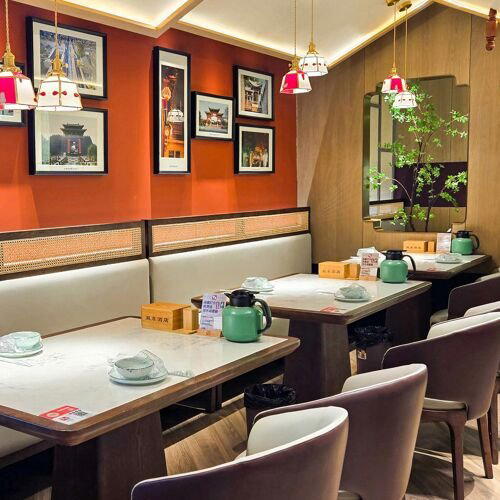
At a Glance
- Quiet
- Cozy
- Family
- Casual Hangout
- Private Dining
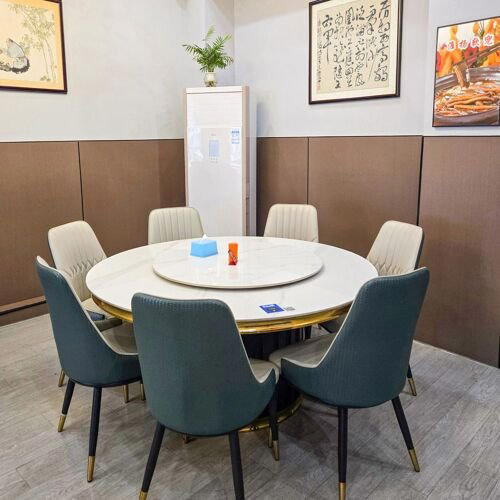
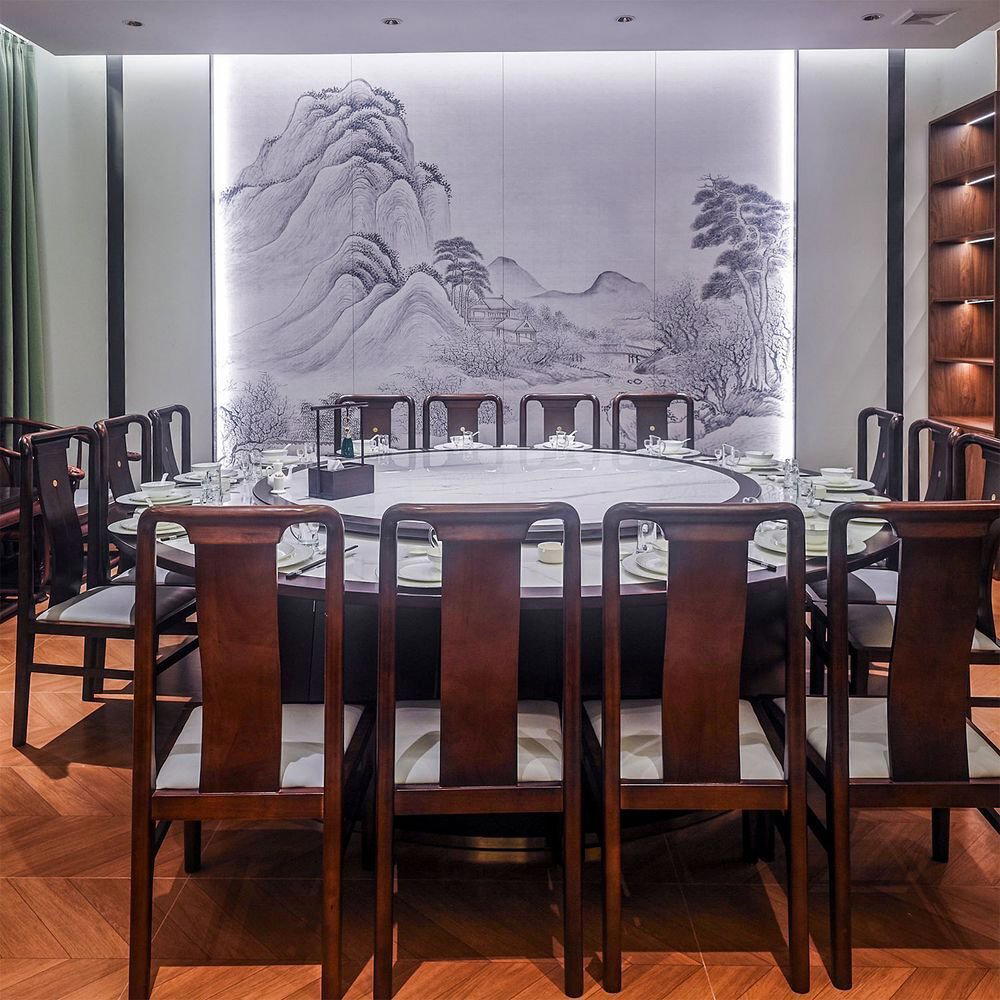
A quiet oasis in the bustling city centre with private rooms for more privacy.