
Michelin Bib Gourmand
Our verdict
Yangzhou Yan on Changchun Road holds a 2025 Michelin Bib Gourmand, placing it among the city's most recognised addresses for Huaiyang cooking at a mid-range price point. Located in Jiangdu District, it represents the tradition-rooted, accessible tier of a cuisine that helped define the canon of Chinese culinary refinement. For visitors tracking Huaiyang outside of hotel dining rooms, it is a practical and credentialed starting point.

Pearl is the En Primeur Club membership app, where members save venues, book tables and use the concierge.
Jiangdu District and the Huaiyang Dining Tier
Yangzhou's dining scene has long split along a predictable fault line: the formal hotel restaurants, where Huaiyang cuisine is performed with tablecloth gravity and priced accordingly, and the neighbourhood addresses that carry the same culinary tradition without the ceremonial overhead. Yangzhou Yan, at 38 Changchun Road in Jiangdu District, sits in the latter category, and its 2025 Michelin Bib Gourmand recognition confirms what that positioning means at its most credible. The Bib Gourmand designation, awarded for quality cooking at prices Michelin considers accessible, is a specific signal: this is not a compromise-tier address that happens to be cheap, but a place where the cooking clears a meaningful quality threshold within a mid-range price structure.
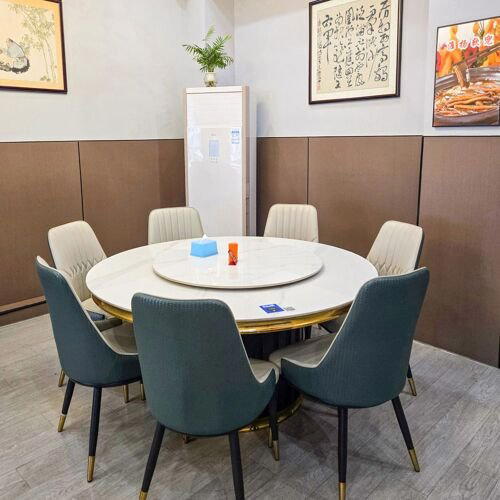
Jiangdu District places the restaurant at a remove from the old city's heritage corridors and the polished hotel dining of the centre. That geography is part of the premise. Addresses in this tier tend to draw a clientele that already knows what it is looking for, rather than visitors working through a hotel concierge list. The dining rooms in this bracket across Yangzhou are less likely to be designed for spectacle and more likely to reflect the practical aesthetic of a working neighbourhood restaurant, where the physical space is organised around the act of eating rather than around impressing before the food arrives.
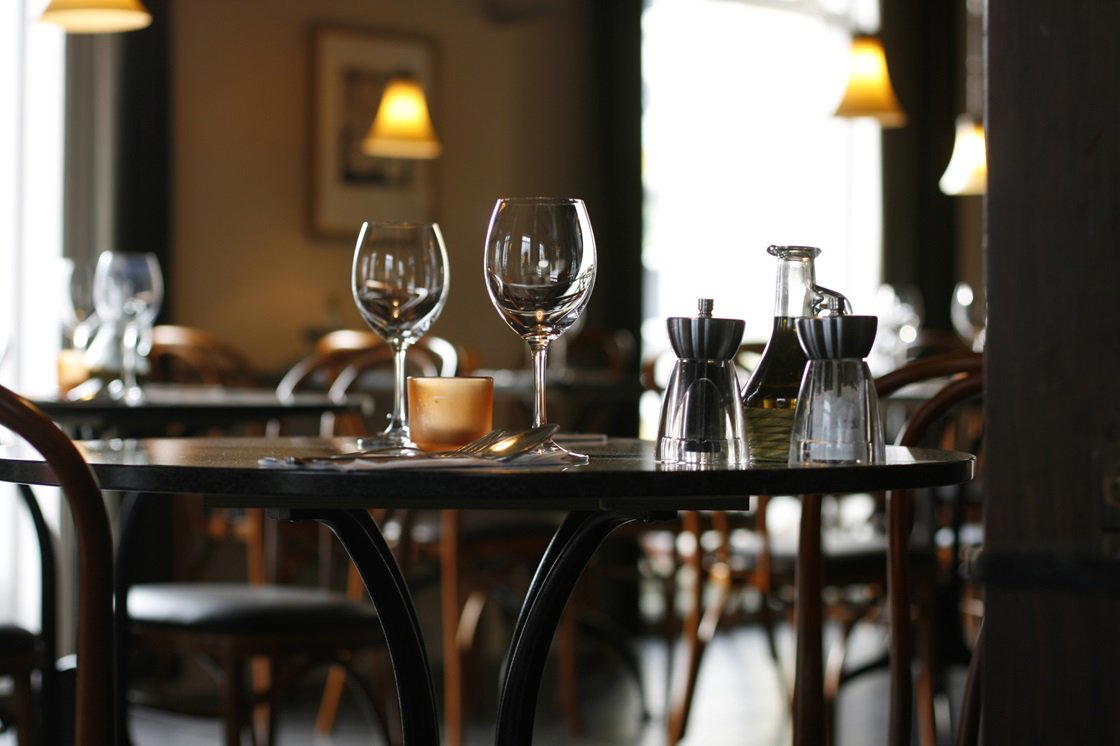
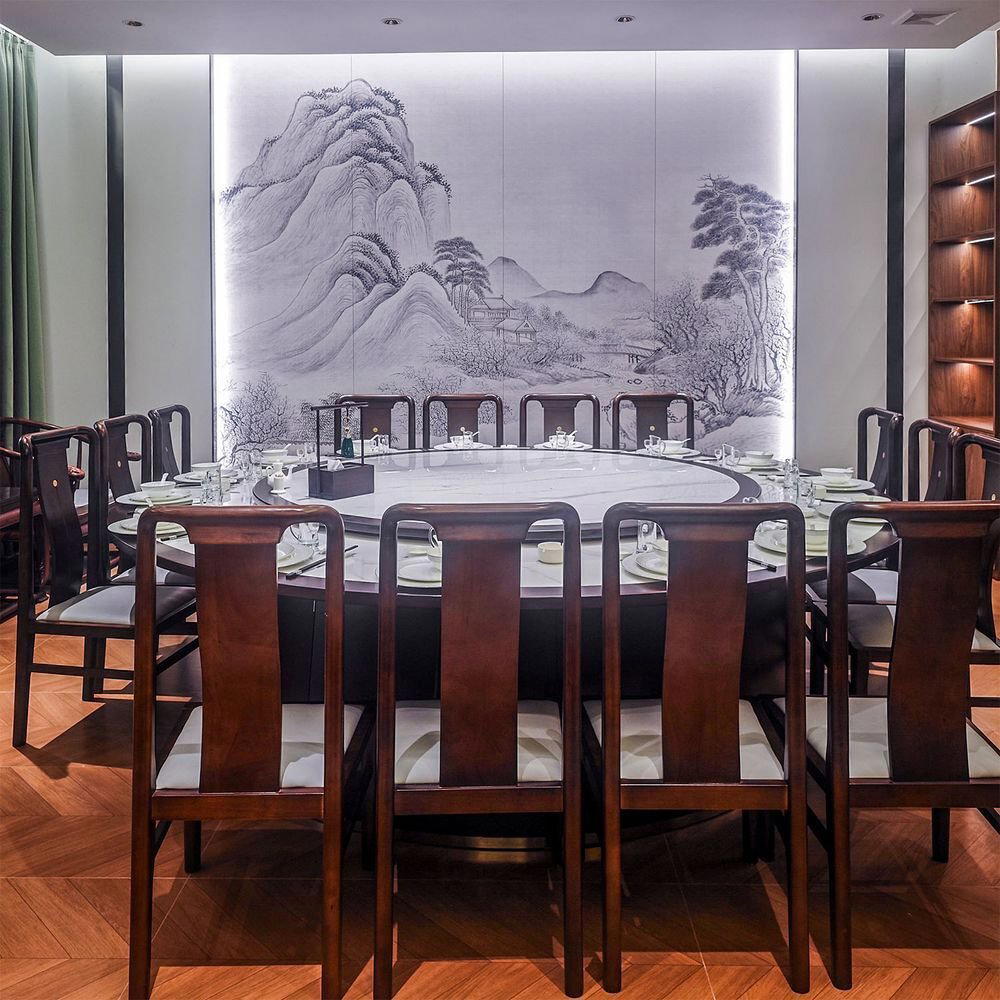
The Space as a Frame for the Food
Huaiyang cooking, as a tradition, makes specific demands on the rooms where it is served. The cuisine's emphasis on knife technique, precise temperature, and delicate seasoning does not benefit from loud, visually overwhelming interiors. The leading spaces for this food tend toward restraint: enough quiet to notice texture, enough light to see colour, seating arrangements that allow a table to focus on what is in front of them. In the mid-range tier across Yangzhou, where budget does not extend to full interior design commissions, this restraint often arrives by necessity rather than intention, and the results can be more honest for it.
What distinguishes the physical experience at addresses in this bracket is usually the absence of distraction. The table, the tableware, and the food occupy the full field of attention. At Yangzhou Yan, the Jiangdu District location suggests a room designed for regulars rather than for first-time visitors navigating a new city, which shapes the seating logic and the pace of service. Mid-range Huaiyang dining rooms in Yangzhou typically run at a rhythm that suits longer, unhurried meals, with table turnover less aggressive than in the tourist-facing centre.
Huaiyang Cuisine: What the Tradition Demands
Understanding what Yangzhou Yan represents requires some context on the cuisine itself. Huaiyang cooking, one of the four major traditions in Chinese culinary history, developed along the Huai and Yangtze rivers and reached its canonical form in cities like Yangzhou, Suzhou, and Nanjing. Its technical markers include extreme precision in cutting, a preference for mild, layered seasoning over bold heat or heavy saucing, and a close attention to the natural qualities of each ingredient. Braised dishes, steamed preparations, and knife-cut presentations are the backbone of the repertoire.
The cuisine's most recognised dishes have remained stable for centuries. Lion's Head meatballs (braised pork, loosely mixed to maintain a tender open texture), Wensi tofu (a tofu cut into hair-thin threads requiring significant knife skill), and Yangzhou fried rice in its traditional form are the reference points that any serious Huaiyang address is measured against. At the Bib Gourmand tier, the expectation is that these foundations are executed with genuine care rather than adapted for speed or simplified for a broader audience.
Across China, Huaiyang cooking appears in a range of formats: hotel dining rooms in Yangzhou and beyond, such as Shang Palace; neighbourhood specialists like Cai Gen Xiang Xiao Guan and Hu Yuan Mei Shi; and more ambitious contemporary interpretations. In other cities, dedicated Huaiyang restaurants such as The Huaiyang Garden in Macau and Huaiyang Fu in Beijing's Dongcheng district serve the cuisine to audiences outside its home region. Yangzhou remains the primary reference point, and mid-range neighbourhood restaurants with Michelin recognition carry weight in that context.
Positioning Within Yangzhou's Huaiyang Scene
Within Yangzhou specifically, the Huaiyang dining tier at the ¥¥ price point is relatively crowded. Shang Palace occupies the same price band and brings hotel backing. Mountain Restaurant and Quyuan Plus represent further options for visitors building a broader itinerary across the city.
For visitors comparing Yangzhou to other cities where refined Chinese regional cooking is available, the reference points are instructive. Xin Rong Ji in Beijing, 102 House in Shanghai, and Ru Yuan in Hangzhou each represent different approaches to preserving and presenting Chinese regional culinary traditions at a high standard. Xin Rong Ji in Chengdu and Chef Tam's Seasons in Macau offer further points of comparison for those tracking how regional Chinese cooking translates across different markets. Imperial Treasure Fine Chinese Cuisine in Guangzhou operates at a more formal register. Yangzhou Yan, by contrast, anchors its position in the city where Huaiyang cooking originated, at a price point that removes the financial barrier to trying serious versions of the tradition.
Planning a Visit
The restaurant's Jiangdu District address (38 Changchun Road, Yangzhou, Jiangsu, 225234) sits outside the immediate tourist centre, which means arriving by taxi or ride-share is the most practical option for most visitors. The ¥¥ price range positions Yangzhou Yan as an accessible mid-week or weekend meal rather than a special-occasion spend, which suits the Bib Gourmand premise: good food without the pricing that turns a meal into an event.
Seasonality matters in Huaiyang cooking more than in many other Chinese regional traditions. The cuisine's reliance on fresh, local produce means that spring and autumn, when river fish, freshwater crab, and seasonal vegetables are at their leading, represent the most rewarding periods to visit. Winter menus in this tradition tend to lean toward long-braised preparations, while summer brings lighter steamed dishes. Timing a visit to Yangzhou in autumn, when hairy crab season runs through October and November, aligns with one of the cuisine's most celebrated seasonal ingredients.
For a fuller picture of what Yangzhou offers across dining, accommodation, and activities, see our full Yangzhou restaurants guide, our full Yangzhou hotels guide, our full Yangzhou bars guide, our full Yangzhou wineries guide, and our full Yangzhou experiences guide.
Frequently asked questions
Where is Yangzhou Yan (38 Changchun Road) located?
Yangzhou Yan (38 Changchun Road) is located at FHJ5+9JH, Jiangdu District, Yangzhou, Jiangsu, China, 225234, Yangzhou.
What's Yangzhou Yan (38 Changchun Road) known for in terms of accolades?
Yangzhou Yan (38 Changchun Road) has received recognition including: Michelin Bib Gourmand (2025).
What dish is Yangzhou Yan (38 Changchun Road) famous for?
No verified signature dish is documented for Yangzhou Yan specifically, but its 2025 Michelin Bib Gourmand recognition places it within a tradition built on technical precision. Huaiyang cooking at this level typically centres on knife-intensive preparations such as wensi tofu and braised lion's head meatballs, though these are hallmarks of the cuisine rather than confirmed menu items here. The Bib Gourmand designation signals that the kitchen delivers that standard of craft without the pricing of a formal hotel dining room.
What should I budget for a meal at Yangzhou Yan (38 Changchun Road)?
Pricing at Yangzhou Yan (38 Changchun Road) is listed as ¥¥.
Peers in This Market
Comparable venues nearby, for context on price, style, and recognition.
| Venue | Cuisine | Price | Awards | Notes |
|---|---|---|---|---|
| Yangzhou Yan (38 Changchun Road)This venue (the venue you are viewing) | Huaiyang Cuisine | Not listed | Michelin Bib Gourmand | Not listed |
| Liu She Ji | Handmade Noodles (Huaiyang Style) | $1–10 | Michelin Bib Gourmand | Guangling |
| Yu Cheng | Rustic Huaiyang Farm-Style Cuisine | $20–30 | Michelin Bib Gourmand | Hanjiang |
| Quyuan Plus | Modern Huaiyang Cuisine | Not listed | Michelin Plate | Slender West Lake |
| Fan Shui Chang Yu Mian (North Jiefang Road) | Yangzhou Noodles | Not listed | Michelin Bib Gourmand | North Jiefang Road |
| Qu Yuan tea house | Traditional Huaiyang teahouse & dim sum in a classical garden setting | Not listed | Black Pearl 1 Diamond | / Slender West Lake area |
Recognition history
Dated appearances from independent guides and award organizations, with the underlying list record or original source where available.
Michelin Bib Gourmand
Michelin
Continue exploring
More in Yangzhou
Details
- Classic
- Elegant
- Scenic
- Family
- Group Dining
- Casual Hangout
- Waterfront
- Standalone
- Waterfront
Grand, traditional Chinese, and elegant, with a poetic lakeside atmosphere.