
A Michelin Bib Gourmand recipient in 2025, Fan Shui Chang Yu Mian on North Jiefang Road serves noodles at the entry price tier in Yangzhou's Guangling District. The address places it within reach of the city's historic core, and the ¥ pricing puts it in the accessible bracket alongside Liu She Ji among Yangzhou's recognised noodle houses.
Pearl is the En Primeur Club membership app — saves, bookings, and concierge access live there. Same editors, same standards.
- Address
- China, 2, Guangling District, Jiefang N Rd, 2-58-1号CN 江苏省 扬州市 邮政编码: 225001
- Phone
- +86 136 6524 5387
- Directions
- Get directions
 Saves & bookings on Pearl
Noodles as Morning Ritual: Yangzhou's Bowl Culture
In Yangzhou, breakfast is not incidental. The city maintains one of the more deliberate morning food cultures in Jiangnan, where the first meal of the day is built around a counter, a bowl, and a prescribed order of eating that locals treat as non-negotiable. Noodle houses open early, fill fast, and operate on a rhythm that rewards those who arrive at the right hour rather than those who linger. Fan Shui Chang Yu Mian on North Jiefang Road sits inside that tradition, operating at the ¥ price tier and earning a Michelin Bib Gourmand in 2025 — the Guide's designation for places that deliver what it calls "good cooking at moderate prices."
The Guangling District address on Jiefang North Road places this noodle house in the older, denser part of Yangzhou, a neighbourhood where commercial streets run alongside residential lanes and where the pace of eating has historically been set by workers and residents rather than visiting diners. That context matters for understanding how places like this function: the queue is part of the ritual, the seating is communal, and the transaction between kitchen and customer is swift and unsentimental.
The Bib Gourmand Tier in a City of Huaiyang Tradition
Yangzhou's broader dining reputation rests on Huaiyang cuisine, one of China's four great culinary traditions, known for its precision knife work, light seasoning, and an insistence on ingredient quality over technique display. Noodle houses operate in a parallel register — faster, cheaper, less ceremonial, but they draw from the same regional ingredient logic. The broth matters. The texture of the noodle matters. And the condiments, which a careful diner adds incrementally rather than all at once, reveal how much the kitchen has thought about layering flavour across the course of a bowl.
The 2025 Bib Gourmand places Fan Shui Chang Yu Mian in a recognised tier among accessible eating in Yangzhou. For comparison, Shang Palace (Huaiyang) operates at the ¥¥ level with a Michelin Star, representing the formal, occasion-dining end of Yangzhou's recognised scene. Liu She Ji occupies the same ¥ noodle tier, making these two the accessible counterparts to the city's more expensive tables. Cai Gen Xiang Xiao Guan (Huaiyang) and Hu Yuan Mei Shi (Huaiyang) cover the mid-range Huaiyang ground, while Cheng Yuan (Chinese Contemporary) at ¥¥¥ addresses a different appetite entirely. The Bib Gourmand here signals that this is an address worth noting for anyone moving through Yangzhou who wants to eat well without the formality of a full Huaiyang service.
How to Eat Here: Pacing and Protocol
The eating ritual at a noodle house of this type in Yangzhou follows a logic that differs from restaurant dining in almost every respect. There is no pacing across courses. There is no deferred satisfaction. The bowl arrives complete, and the diner's task is to eat it in a particular order, broth first to assess the base, then noodles pulled through the toppings before the broth cools, then the deliberate addition of condiments to alter the flavour register in the final third of the bowl. This is not an invented ceremony; it is the accumulated habit of a population that has been eating noodles at counters for generations.
At the ¥ price point, the interaction with staff is efficient rather than attentive. Orders are often placed at a counter or called out; tables turn; the ambient noise is the sound of spoons on ceramic and chairs on tile. For a visitor accustomed to the cadenced pace of a formal Huaiyang meal, the kind you might find at Shang Palace, this is an adjustment in register, not a compromise in quality.
Yangzhou Noodles in Wider Context
The recognition of noodle houses by the Michelin Guide in Chinese cities has become one of the more interesting editorial decisions in food publishing in the last decade. Where the Guide once concentrated its Bib Gourmands on mid-range restaurants with full menus, it has increasingly included single-dish specialists and breakfast-format counters, particularly in Jiangnan cities where these formats represent some of the most technically serious cooking available at low price points.
Across the region, accessible noodle formats have their own geography of recognition. A Bing Bao Shan Mian in Hangzhou works the same general category. A Kun Mian in Taichung represents the Taiwanese variant of the same impulse toward serious, affordable noodle work. These are not comparable in terms of specific dish or tradition, but they share the quality signal that the Bib Gourmand is meant to convey: that a low price point is not evidence of low ambition in the kitchen. For wider context on where Fan Shui Chang Yu Mian sits within Yangzhou's broader dining scene, the full Yangzhou restaurants guide maps the city's recognised addresses across price tiers and cuisine types.
Planning Your Visit
The address, 2-58-1, Jiefang North Road, Guangling District, Yangzhou, puts this noodle house in an accessible part of the city for anyone staying near the historic centre or arriving by rail. Yangzhou's train connections have improved significantly in recent years, making it a practical day-trip or overnight stop from Nanjing or Shanghai. No phone number or website is listed in public records, which is consistent with the format: noodle houses at this tier do not typically take reservations. The protocol is walk-in, and the practical implication is that arriving before peak morning hours reduces wait time. Payment in China at this price tier is almost universally handled via mobile payment platforms, so ensure a functional payment method before arriving.
For visitors building a broader Yangzhou itinerary, the Yangzhou hotels guide, bars guide, and experiences guide cover the rest of the city's recognised options. The Yangzhou wineries guide is also available for completeness, though wine tourism is not the primary draw in this part of Jiangsu.
For those travelling through China's eastern food cities more broadly, Ru Yuan in Hangzhou and 102 House in Shanghai represent different price tiers and formats in the same general region. At the formal end of Chinese dining in other cities, Xin Rong Ji in Beijing, Xin Rong Ji in Chengdu, Imperial Treasure Fine Chinese Cuisine in Guangzhou, and Chef Tam's Seasons in Macau cover the higher end of the recognised Chinese dining spectrum for context on how far apart the tiers sit.
How Fan Shui Chang Yu Mian (North Jiefang Road) compares with similar nearby venues.
| Venue | Cuisine | Price | Awards |
|---|---|---|---|
| Fan Shui Chang Yu Mian (North Jiefang Road) | Noodles | ¥ | Bib Gourmand |
| Liu She Ji | Noodles | ¥ | Not listed |
| Su Mian Fang | Noodles | ¥¥ | Not listed |
| You Mian | Noodles | ¥ | Not listed |
| Xiao Pan Ji Ya Xie Fen Si Tang | Noodles | ¥ | Not listed |
| Xi Bei Qiao Tou La Mian Da Wang | Noodles | ¥ | Not listed |
Recognition history
Dated appearances from independent guides and award organizations, with the underlying list record or original source where available.
Michelin Bib Gourmand
Michelin
Michelin Bib Gourmand
Michelin
Continue exploring
More in Yangzhou
Restaurants in Yangzhou
Browse all →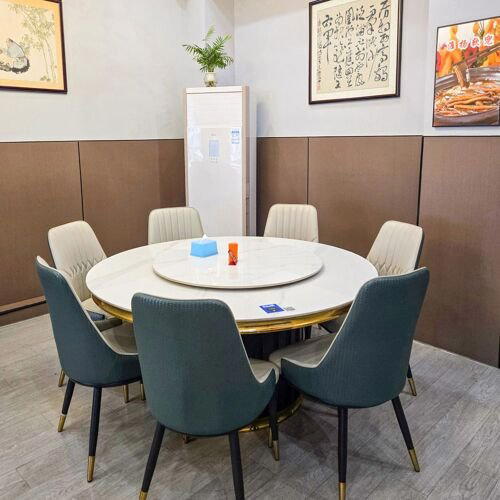

At a Glance
- Classic
- Cozy
- Casual Hangout
- Standalone
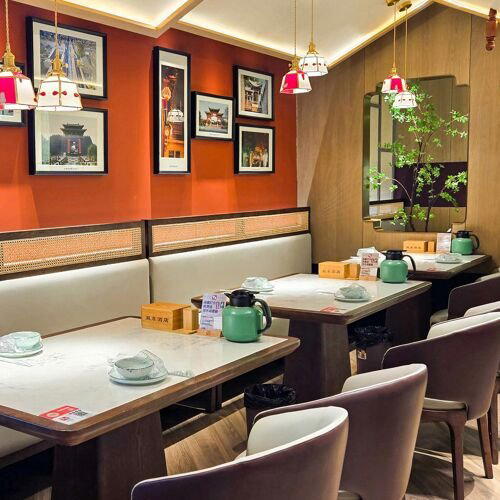
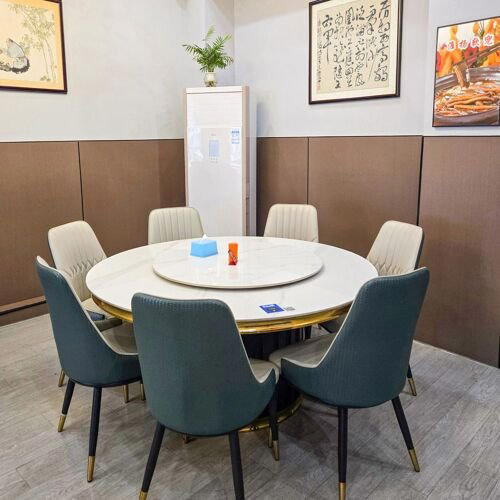
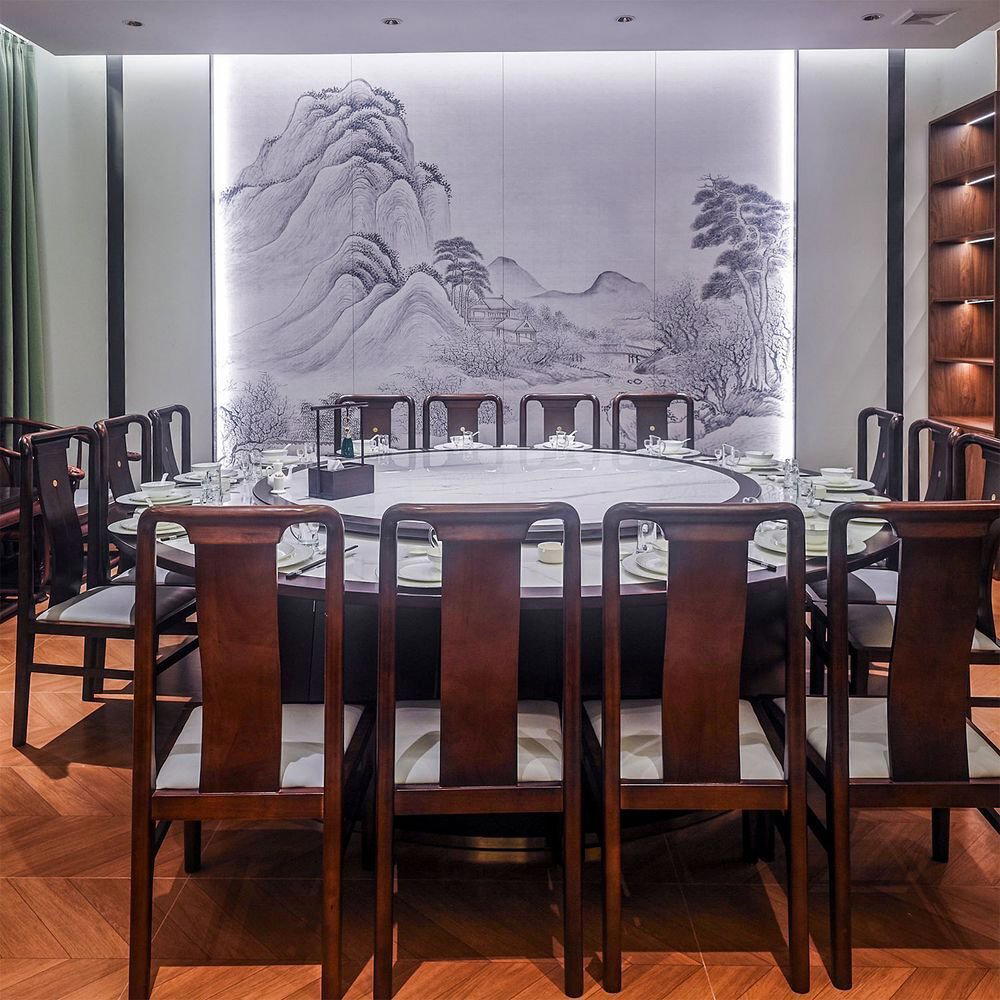
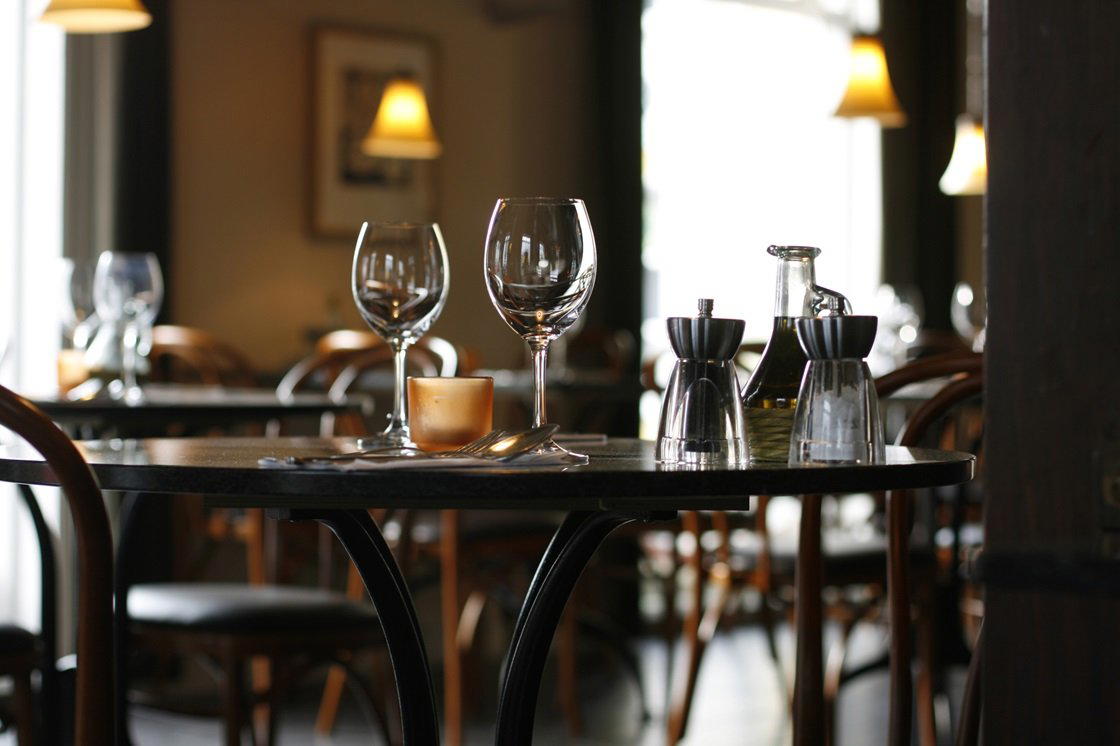
Humble and unpretentious atmosphere typical of a local noodle shop.
Know Before You Go
- Getting there
- China, 2, Guangling District, Jiefang N Rd, 2-58-1号CN 江苏省 扬州市 邮政编码: 225001