
Liu She Ji earned a Michelin Bib Gourmand in 2025, placing it among a small group of Yangzhou noodle shops recognised for quality that consistently outperforms its price point. At ¥ pricing, it sits at the accessible end of a city whose food culture runs far deeper than its most famous export dishes. A focused noodle address in Jiangsu province worth tracking down.
Pearl is the En Primeur Club membership app — saves, bookings, and concierge access live there. Same editors, same standards.
- Address
- Jiangsu, China
- Phone
- +86 514 8710 9090
- Website
- yangzhou.gov.cn
- Directions
- Get directions
 Saves & bookings on Pearl
What a Bowl of Noodles Costs in Yangzhou — and What You Get for It
Yangzhou's food reputation tends to travel internationally through its fried rice and its elaborate breakfast spreads, which means the city's noodle culture is often overlooked by visitors who arrive with a checklist derived from those more famous exports. That gap between reputation and reality is where places like Liu She Ji operate. The shop earned a Michelin Bib Gourmand in 2025, the guide's formal signal for food that delivers quality well ahead of its price tier, and at ¥ pricing it sits at the most accessible end of a dining city that has been serious about its food culture for centuries.
The Bib Gourmand designation is worth pausing on. Michelin uses it specifically to mark venues where the ratio of quality to cost is the editorial point. It is a different argument from a star, which rewards technical ambition regardless of price. A Bib Gourmand at this price tier means the inspectors found something worth documenting at a spend level where most visitors wouldn't think to look twice. In a city like Yangzhou, where Huaiyang cuisine carries the formal prestige and draws the larger dining budgets, a noodle shop earning that recognition is a statement about the depth of the local food culture rather than a consolation prize.
Yangzhou's Noodle Tradition in Context
Jiangsu province has a well-documented noodle culture that sits somewhat separately from the more internationally prominent traditions of Sichuan or Shanxi. Yangzhou noodles tend toward refinement rather than intensity: clean broths, careful seasoning, toppings that reflect the Huaiyang emphasis on fresh, seasonal ingredients prepared without heavy intervention. This is a cuisine that prizes subtlety, which makes it harder to export as an idea but easier to appreciate in person once you understand the register it's working in.
The ¥ price point places Liu She Ji firmly in the category of everyday eating rather than occasion dining, which is precisely the context that makes a Bib Gourmand meaningful here. Michelin's China guides have increasingly paid attention to this tier of the market, recognising that the most consistent expressions of a regional food culture often appear in format-focused, low-margin shops rather than in the banquet halls that dominate formal dining. For comparison, Fan Shui Chang Yu Mian (North Jiefang Road) operates in the same noodle category at the same price tier, making these two shops the most directly comparable addresses in Yangzhou's recognised noodle scene.
The broader Yangzhou dining picture extends well beyond noodles. Shang Palace and Hu Yuan Mei Shi represent the ¥¥ Huaiyang tier, where the same regional ingredient philosophy is applied to more formal banquet-style service. Cai Gen Xiang Xiao Guan covers the accessible Huaiyang category at ¥ pricing, while Cheng Yuan sits at the ¥¥¥ level with a Chinese contemporary format that positions it in a different competitive set entirely. Liu She Ji's noodle focus makes it a complement to all of these rather than a substitute for any of them.
How This Fits the Wider Bib Gourmand Noodle Circuit
Pattern of Bib Gourmand recognition landing on noodle shops across eastern and central China is not coincidental. Michelin's inspectors have found, across multiple guide cycles, that the bowl-of-noodles format rewards the kind of daily repetition and ingredient discipline that produces consistent quality at low cost. A Bing Bao Shan Mian in Hangzhou represents a directly comparable example in another Jiangsu-adjacent city, and A Kun Mian in Taichung shows the same pattern operating across the strait, where a focused noodle format can earn Michelin attention precisely because the format demands so little margin for error.
For visitors comparing these circuits, the Jiangsu regional style that Liu She Ji represents is notably different from the richer, heavier profiles you find in northern noodle traditions or the numbing-spiced registers of Sichuan. Fine Chinese dining at a higher price tier appears elsewhere in the EP Club China coverage, from Xin Rong Ji (Xinyuan South Road) in Beijing and 102 House in Shanghai to Ru Yuan in Hangzhou and Imperial Treasure Fine Chinese Cuisine in Guangzhou, but those addresses operate in an entirely different argument about what Chinese food can cost and what it can achieve. Liu She Ji's value proposition sits at the opposite end of that spectrum and is none the worse for it.
Planning a Visit
Liu She Ji operates within Jiangsu province, with an address in Yangzhou. Given the 2025 Bib Gourmand recognition, queues during peak morning hours are a reasonable expectation. A phone number and website are not currently listed, so in-person arrival is the practical approach. Yangzhou is well connected by high-speed rail from Shanghai, Nanjing, and other Jiangsu cities, making it a viable day trip or short-stay destination for visitors already in the region.
For the full picture of what Yangzhou offers beyond this address, see our full Yangzhou restaurants guide, along with coverage of hotels, bars, wineries, and experiences in the city. For broader regional Chinese dining context, Xin Rong Ji in Chengdu and Chef Tam's Seasons in Macau offer two further data points on how Chinese regional cuisine is being presented across different cities and price tiers.
How Liu She Ji Yangzhou compares with similar nearby venues.
| Venue | Cuisine | Price | Awards |
|---|---|---|---|
| Liu She Ji | Noodles | ¥ | Bib Gourmand |
| Fan Shui Chang Yu Mian (North Jiefang Road) | Noodles | ¥ | Not listed |
| Su Mian Fang | Noodles | ¥¥ | Not listed |
| You Mian | Noodles | ¥ | Not listed |
| Xi Bei Qiao Tou La Mian Da Wang | Noodles | ¥ | Not listed |
| Xiao Pan Ji Ya Xie Fen Si Tang | Noodles | ¥ | Not listed |
Recognition history
Dated appearances from independent guides and award organizations, with the underlying list record or original source where available.
Michelin Bib Gourmand
Michelin
Michelin Bib Gourmand
Michelin
Continue exploring
More in Yangzhou
Restaurants in Yangzhou
Browse all →

At a Glance
- Cozy
- Casual Hangout
- Standalone
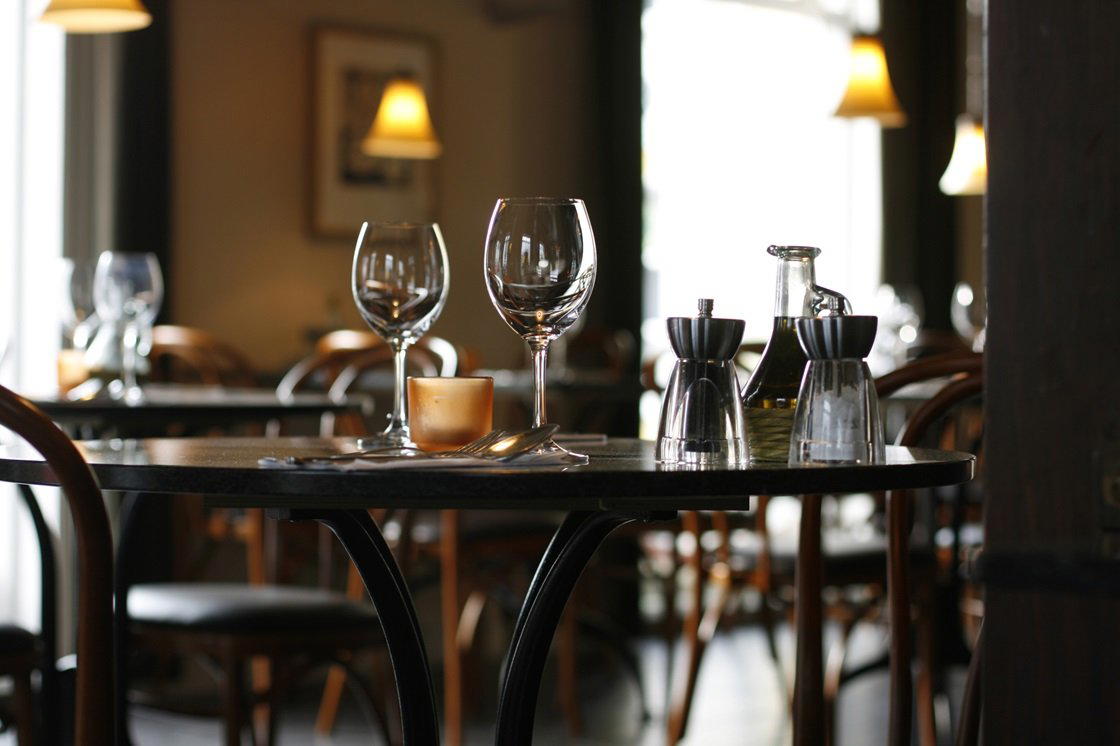
Homely alleyway setting with a welcoming, traditional atmosphere.
Know Before You Go
- Getting there
- Jiangsu, China