On a narrow street west of Santa Maria Novella, Osteria Belle Donne occupies the kind of Florentine trattoria format that the city's tourist-facing dining scene has largely erased: small, unadorned, and focused on the plate rather than the occasion. It sits in a different tier from the €€€€ tasting-menu rooms at Enoteca Pinchiorri or Santa Elisabetta, serving the neighbourhood rather than performing for it.
Pearl is the En Primeur Club membership app — saves, bookings, and concierge access live there. Same editors, same standards.
- Address
- Via delle Belle Donne, 16R, 50123 Firenze FI, Italy
- Phone
- +39 055 238 2609
- Website
- belledonneosteria.it
- Directions
- Get directions
 Saves & bookings on Pearl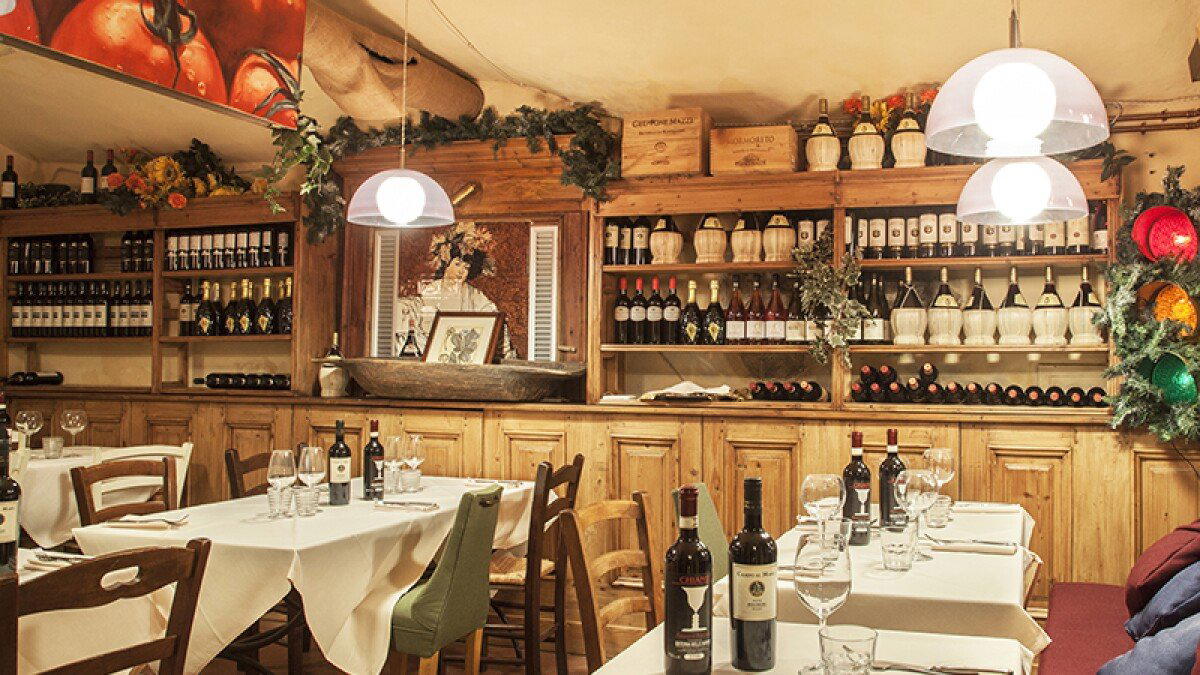
Via delle Belle Donne: A Street That Still Operates on Florentine Terms
There is a particular kind of street in central Florence that resists the gravitational pull of the Duomo's tourism orbit. Via delle Belle Donne is one of them. Running south from the church of Santa Maria Novella into the fabric of the Santa Maria Novella quarter, it is short enough to miss and narrow enough to feel genuinely local. The address at number 16R places Osteria Belle Donne in a residential-commercial corridor where the audience is composed as much of Florentines running errands as visitors consulting maps. That distinction matters for how you read the restaurant: the context here is neighbourhood utility, not destination dining.
Florence's trattoria tradition has been under pressure for at least two decades. As rents along the high-footfall corridors around Piazza della Repubblica and the Uffizi have climbed, the small, family-run lunch rooms that once defined the city's everyday eating have either closed, shifted upmarket, or converted to the tourist menu formats that guarantee volume. What survives on streets like Via delle Belle Donne tends to survive precisely because it has kept faith with a local clientele that would notice the difference. Osteria Belle Donne operates in that context, and that context is the more important frame for understanding it than any tasting note or design gesture.
Where It Sits in Florence's Dining Spectrum
Florence's restaurant market has polarised sharply over the past decade. At one end sit the formal, tasting-menu addresses: Enoteca Pinchiorri, which holds three Michelin stars and prices at a level that puts it in conversation with Europe's leading white-tablecloth rooms; Santa Elisabetta, occupying a medieval tower in the Palazzo Salviati; Atto di Vito Mollica; Borgo San Jacopo on the Arno; and Gucci Osteria da Massimo Bottura, where the brand positioning does as much work as the menu. These are rooms built around occasion and ritual, priced in the €€€€ tier, and oriented toward an international clientele with bookings made weeks in advance.
Osteria Belle Donne occupies a different position in the same city. The format here belongs to a category that Florence, and Tuscany more broadly, has historically done better than almost anywhere in Italy: the osteria or trattoria that prioritises honest execution of regional cooking over elaboration or spectacle. In a city where the competition for this niche has thinned, that positioning carries real weight. The trattoria tier is where Florentine culinary identity was built, and it is where the daily eating rhythms of the city's residents are still conducted.
What the Tuscan Trattoria Format Actually Means
The word osteria has been applied so loosely across Italian dining that it has nearly lost descriptive content. Historically, it referred to a place that served wine by the carafe alongside simple food, positioned below the ristorante in formality and price. In Tuscany, the category has evolved into something more specific: a format that foregrounds the region's larder, pappardelle with wild boar or hare ragù, ribollita and other bean-based soups, grilled meats in the Florentine tradition, liver preparations, and seasonal vegetables, without the intervention of a modernising chef or the weight of a tasting-menu structure.
Across the rest of Italy's serious dining spectrum, the distance from this format to the tasting-menu tier is considerable. Places like Osteria Francescana in Modena, Piazza Duomo in Alba, or Reale in Castel di Sangro operate in a completely different register, ambitious, technically complex, often working with regional ingredients but transforming them through a distinct authorial vision. Similarly, Uliassi in Senigallia, Le Calandre in Rubano, Dal Pescatore in Runate, Quattro Passi in Marina del Cantone, Atelier Moessmer Norbert Niederkofler in Brunico, Casa Perbellini 12 Apostoli in Verona, and Enrico Bartolini in Milan each represent the authored, structured end of Italian dining. What an osteria on Via delle Belle Donne represents is the other pole: the tradition before the transformation.
That is not a lesser position. The trattoria format is harder to sustain with integrity than it appears. The margin on honest, lightly priced regional food is thin, and the temptation to drift toward tourist-facing compromises, watered-down sauces, pre-made pasta, generic house wines, is constant. The Florentine osterie that have maintained their local clientele over decades have done so by keeping the standards that a local diner would immediately detect.
The Santa Maria Novella Quarter as Dining Context
The neighbourhood around Santa Maria Novella has a different character from the dining-destination zones further east toward Santa Croce or south toward the Oltrarno. It is more transient in some respects, shaped by the proximity of the main train station, yet the streets radiating south and west from the basilica retain a functional, lived-in quality. Via delle Belle Donne sits in that more residential band, where you find dry cleaners and local alimentari alongside the occasional bar. A restaurant that draws a regular local lunch crowd in this area is operating in genuine community territory rather than tourist accommodation.
For a visitor, that context changes the texture of the meal. The room is not performing Florence for an outside audience. The cooking, the pace, the noise level, the wine served, all of it is calibrated to the expectations of people who eat here repeatedly. That is a different experience from the occasion-dining rooms at Santa Elisabetta or the studied luxury of Borgo San Jacopo, and it requires a different orientation from the diner. You are not being received; you are joining something already in progress.
Planning Your Visit
Via delle Belle Donne, 16R is a short walk from the Santa Maria Novella basilica and roughly ten minutes on foot from the Duomo, placing it within easy reach of the city centre without sitting directly on any major tourist artery. Given the trattoria format and the scale typical of these rooms, arriving early for lunch or booking ahead where possible is the practical approach, this is not a restaurant built for walk-in volume at peak hours. As with most Florence osterie operating at this level, reliable guidance on current hours and reservation policy comes from checking directly rather than relying on aggregator listings.
Visitors accustomed to the structural formality of Lazy Bear in San Francisco or the precise execution of Le Bernardin in New York City will find Osteria Belle Donne operating on entirely different premises. The value here is in access to a dining format that the city's own residents still rely on, and which is, quietly, becoming harder to find.
The Short List
Comparable venues nearby, for context on price, style, and recognition.
| Venue | Cuisine | Price | Notes |
|---|---|---|---|
| Osteria Belle DonneThis venue — the venue you are viewing | Not listed | $$$ | Not listed |
| Irene Firenze | Santo Spirito, Modern Tuscan Fine Dining | $$$ | Not listed |
| Caffè dell'Oro | Santo Spirito, Modern Tuscan Bistro | $$$ | Not listed |
| Cibrèo Ristorante | San Niccolo, Classic Tuscan Trattoria | $$$ | Not listed |
| Giovanni Santarpia | San Felice a Ema, Neapolitan Pizza | $$$ | Not listed |
| La Buona Novella | Not listed | $$$ | Santo Spirito, Modern Italian Fine Dining |
Continue exploring
More in Florence
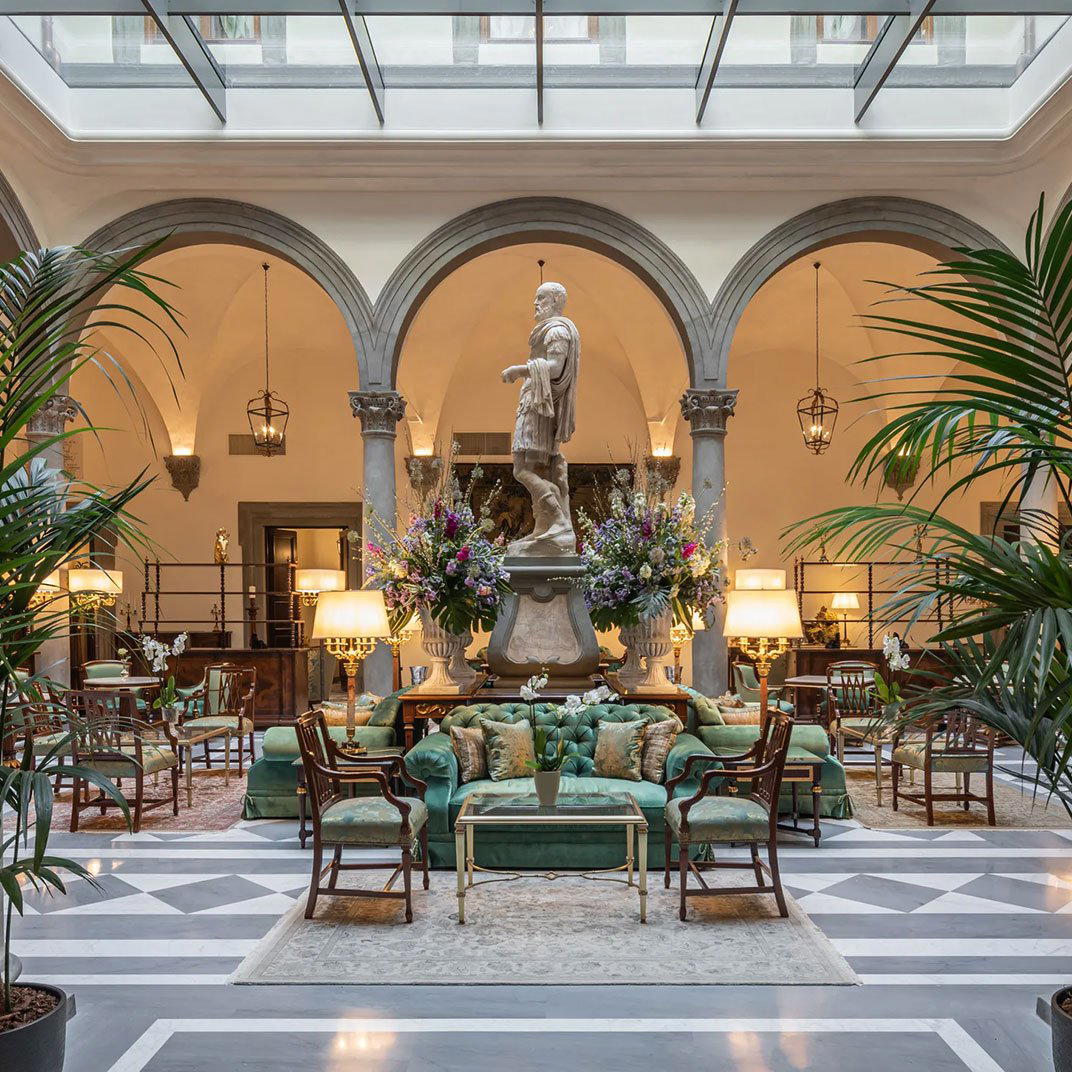
Restaurants in Florence
Browse all →
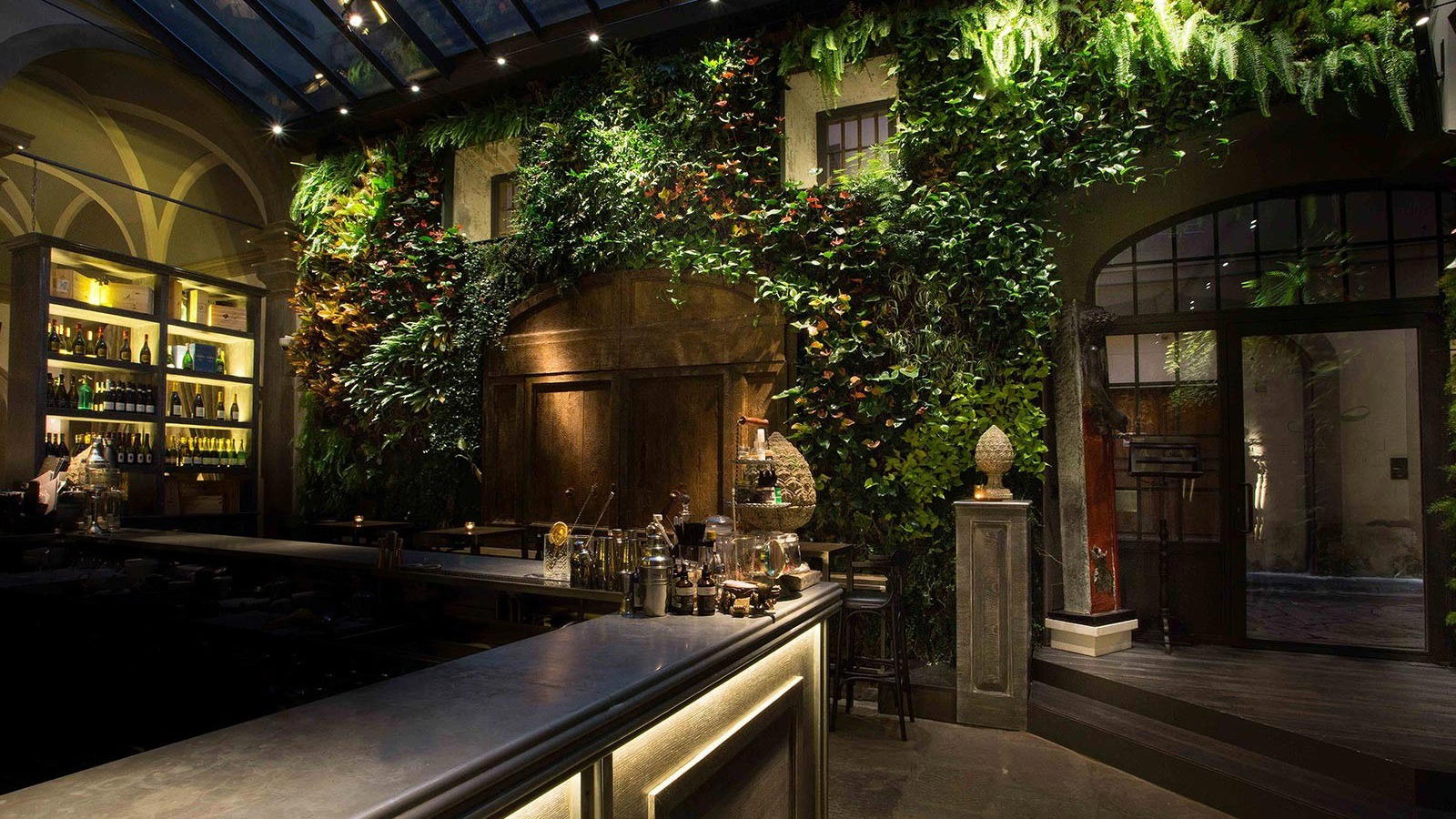
Bars in Florence
Browse all →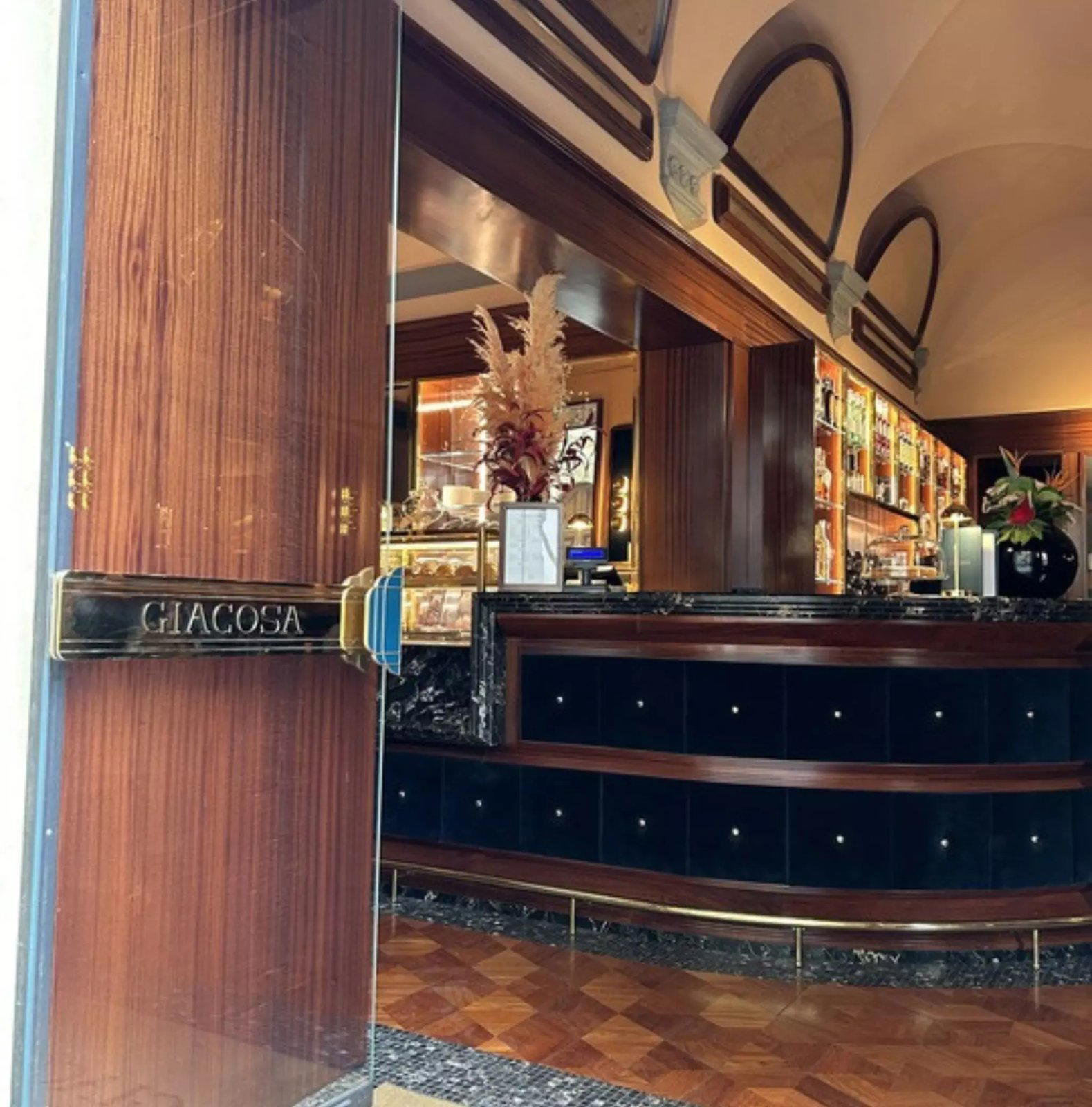
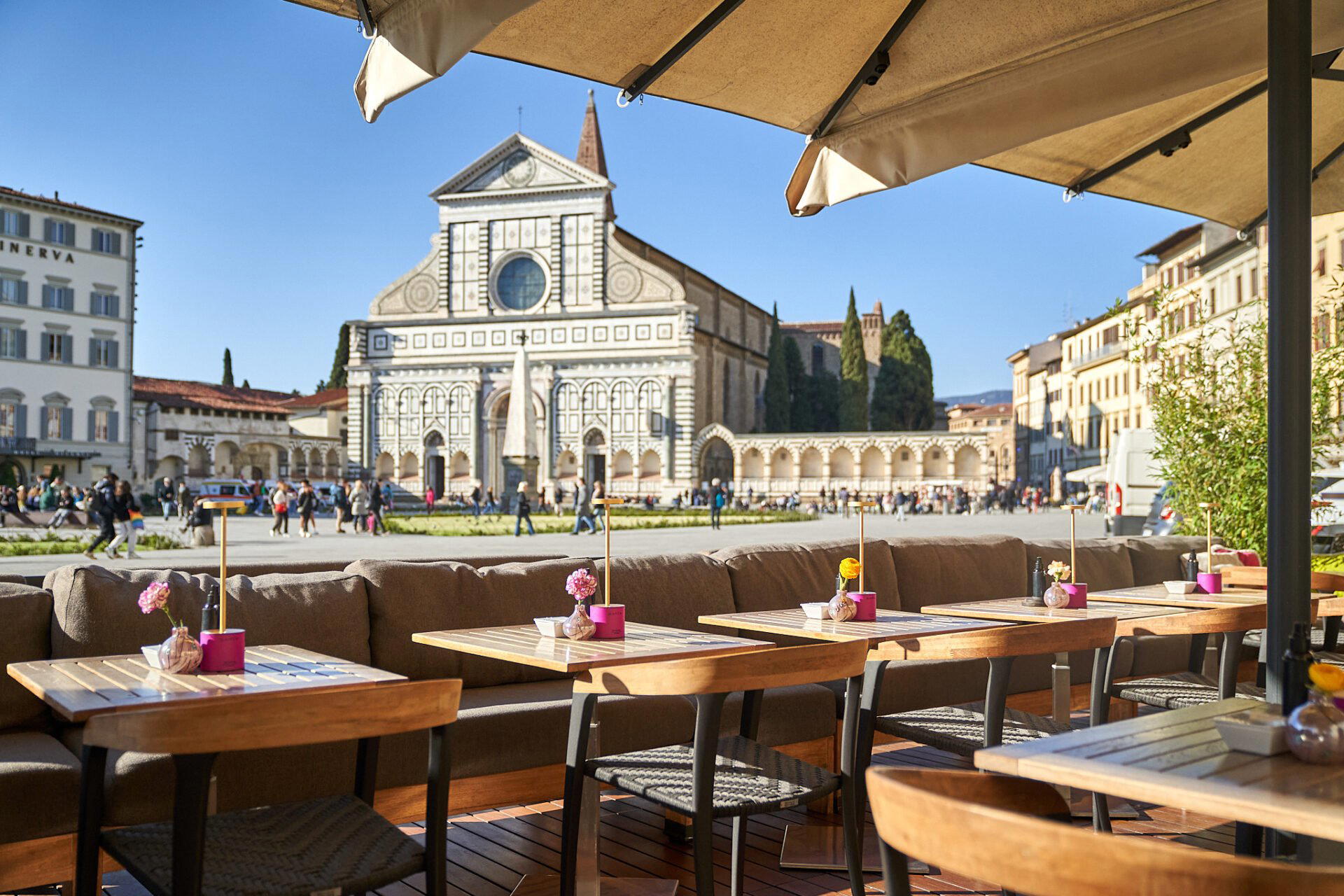
Hotels in Florence
Browse all →
At a Glance
- Cozy
- Rustic
- Intimate
- Classic
- Date Night
- Special Occasion
- Historic Building
- Extensive Wine List
- Local Sourcing
Current opening hours
- Monday
- 12–11 PM
- Tuesday
- 12–11 PM
- Wednesday
- 12–11 PM
- Thursday
- 12–11 PM
- Friday
- 12–11 PM
- Saturday
- 12–11 PM
- Sunday
- 12–11 PM
Hours can change for holidays and private events. Last verified .
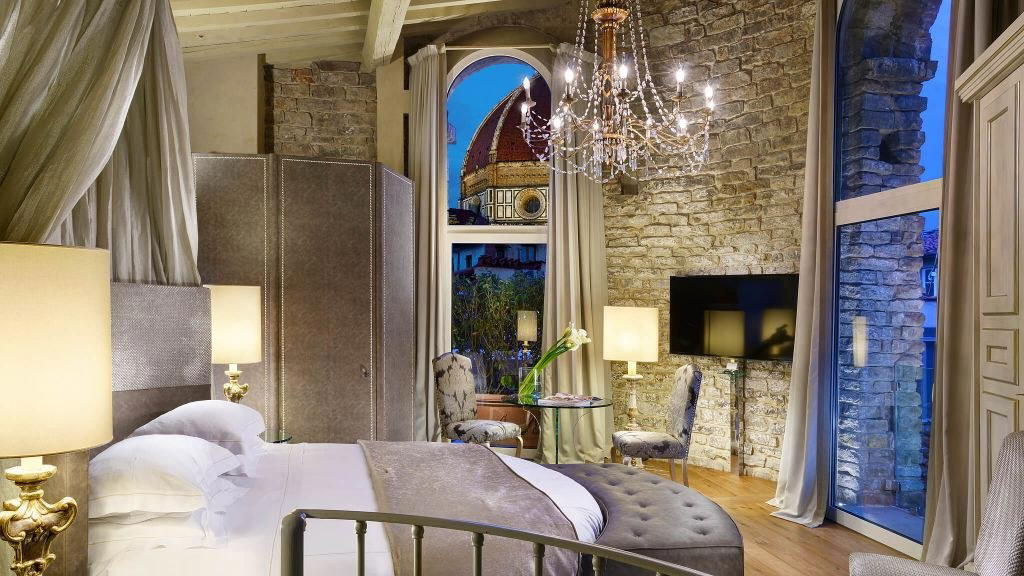
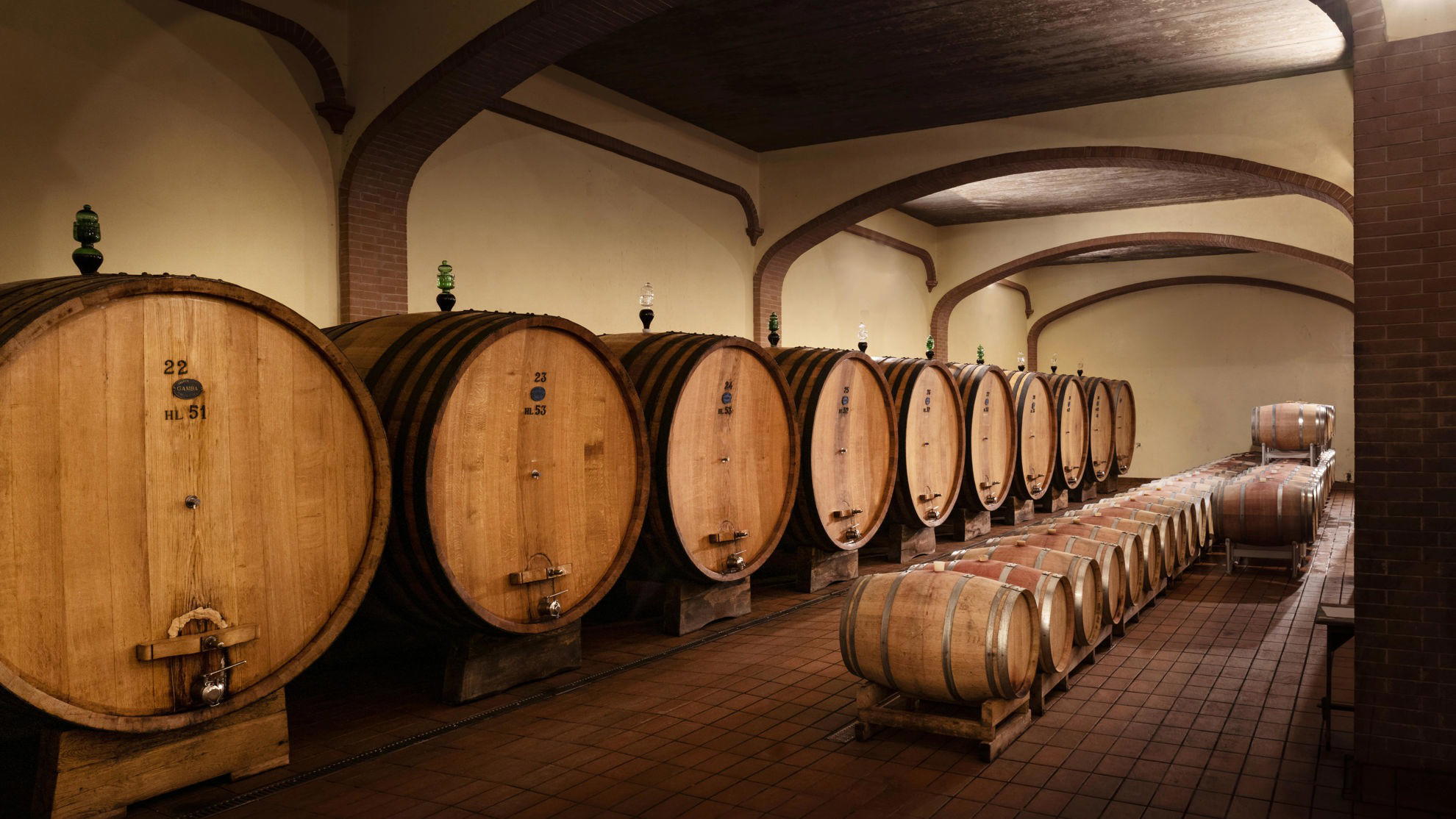
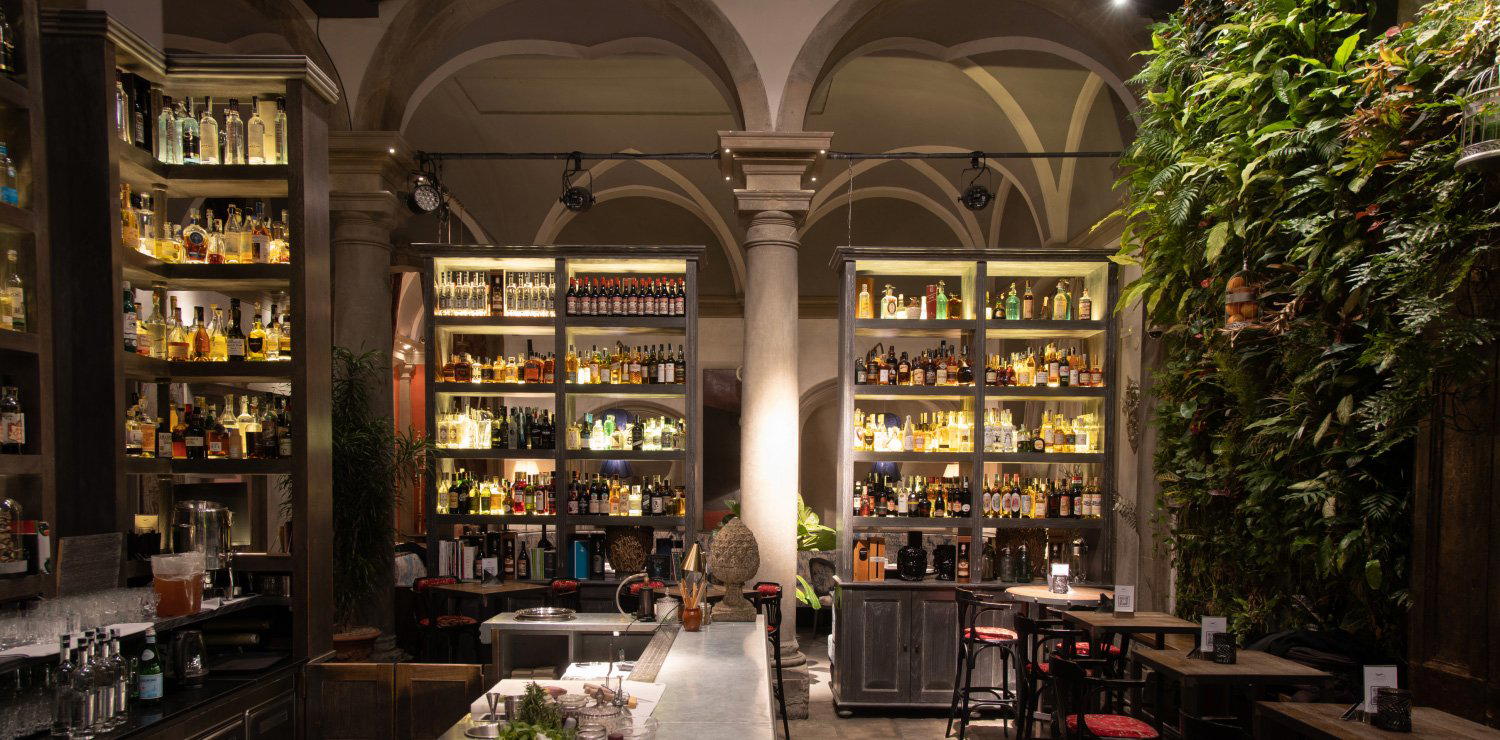
Cozy space with stone walls, warm wood accents, and a charming wine window creating an intimate, rustic atmosphere.