On Rue du Port in Tangier's working port district, Cafétéria Dopamine sits at the informal end of a city where cafés function as social infrastructure rather than pit stops. Compared to the more formal dining rooms along the medina's edge, this address operates in the tradition of the neighbourhood cafétéria: affordable, unpretentious, and embedded in daily Tangier life.
Pearl is the En Primeur Club membership app — saves, bookings, and concierge access live there. Same editors, same standards.
- Address
- Rue du Port, Tangier 90000, Morocco
- Phone
- +212775769297
- Website
- instagram.com
- Directions
- Get directions
 Saves & bookings on Pearl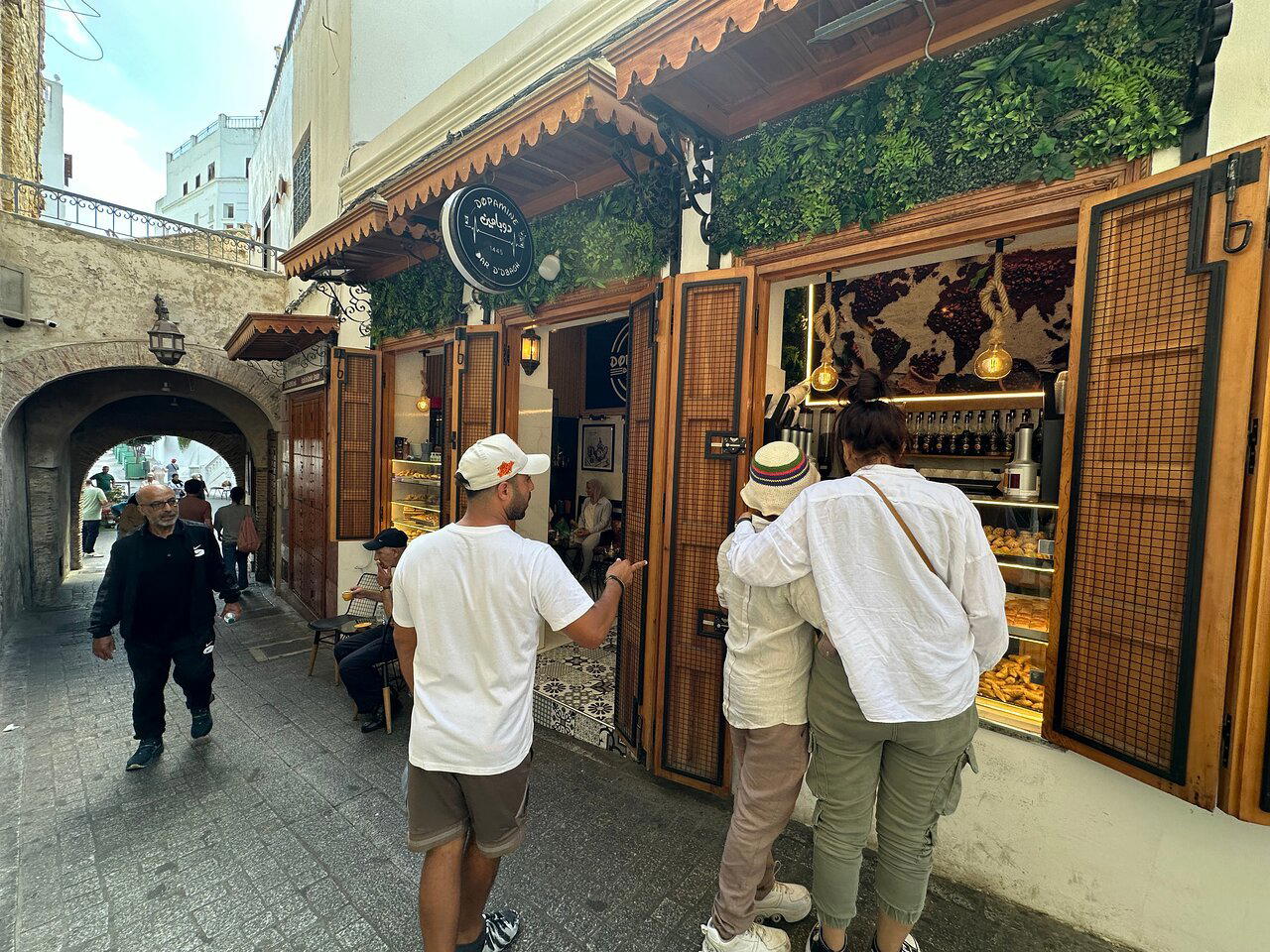
Port-Side Tangier and the Café as Social Institution
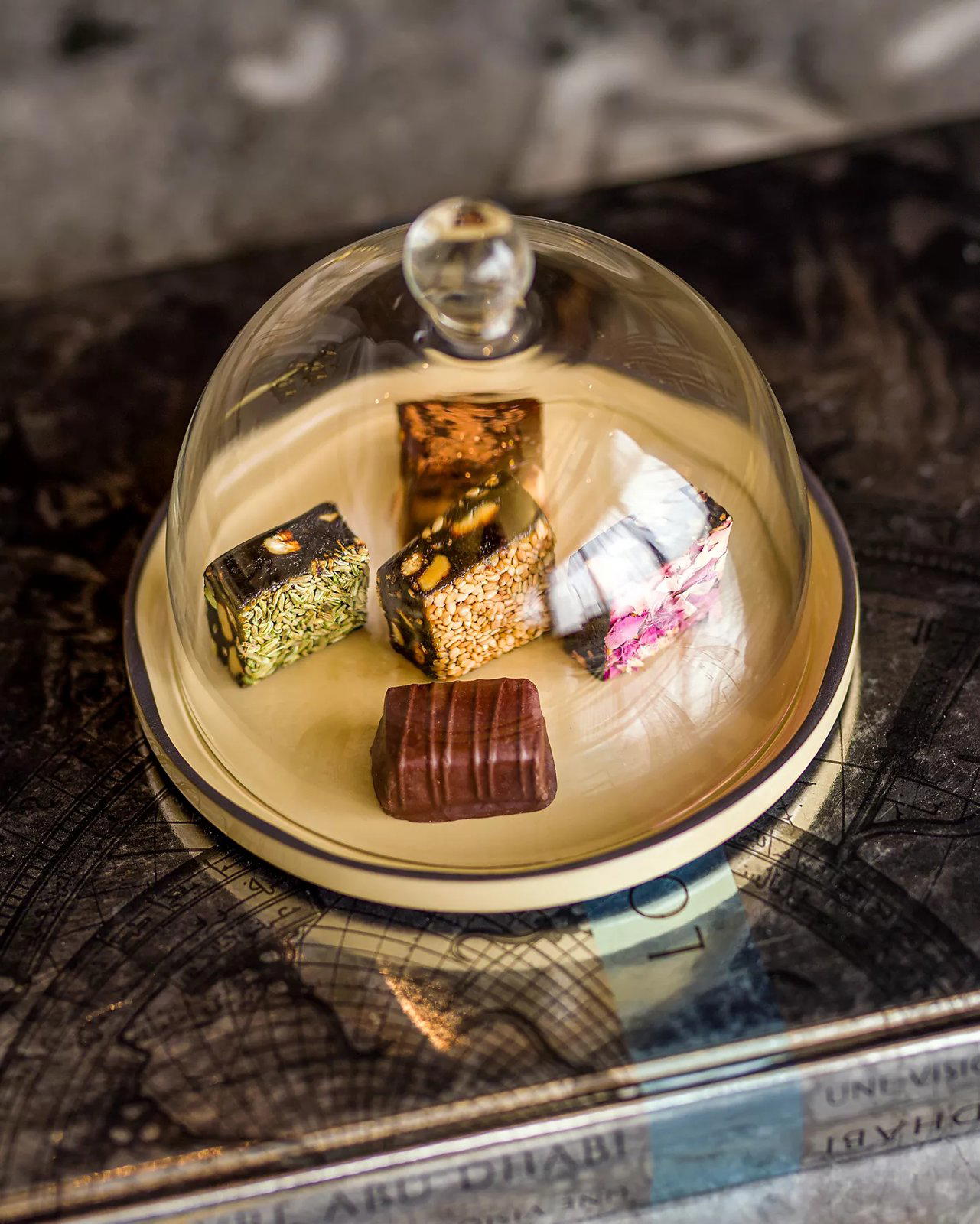
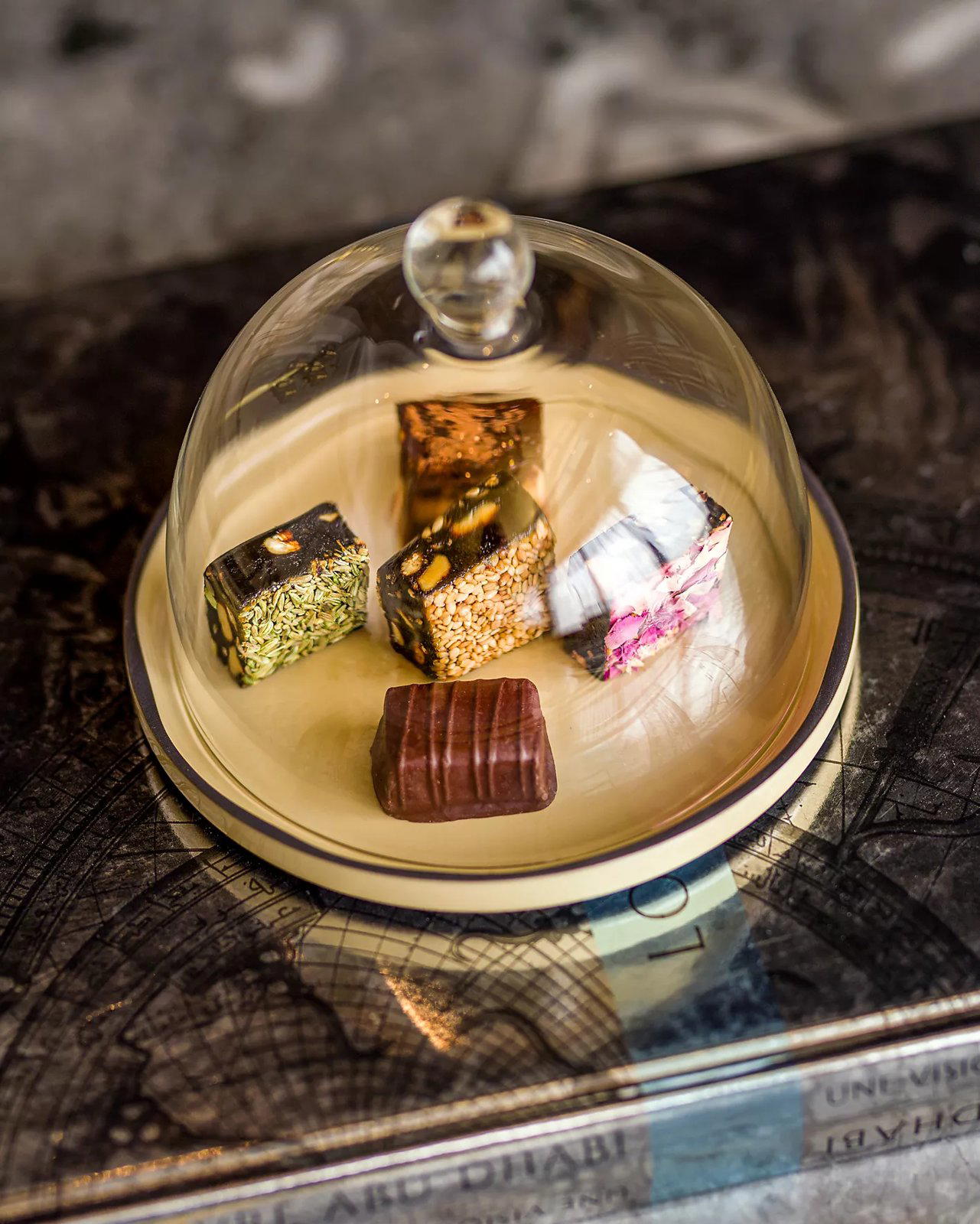
Arrive on Rue du Port on any given morning and the rhythm is immediately legible. Delivery workers angle scooters against kerbs, fishermen move between the docks and the street, and the cafés along this stretch fill with people who are not, primarily, tourists. Cafétéria Dopamine is a Moroccan pastries and cafe on Rue du Port in Tangier, Morocco,098 reviews and an approximate price of $10 per person. Tangier's port quarter is operating on its own terms, and Cafétéria Dopamine sits inside that pattern rather than apart from it. In a city where the café has historically served as office, meeting room, and dining room simultaneously, an address on this street carries a particular kind of social weight that no amount of interior design can manufacture.
Tangier's café culture draws from several directions at once: the Moroccan tradition of mint tea and slow conversation, the Spanish café inheritance left by decades of proximity across the Strait, and the French administrative stamp that shaped the city's mid-century built fabric. The result is a city where the cafétéria format occupies an important middle register between the grand salon and the street-food stall. Understanding that register is the entry point to understanding what an address like Cafétéria Dopamine represents within the broader Tangier restaurant scene.
Where Rue du Port Sits in Tangier's Geography
Tangier's dining addresses sort loosely by neighbourhood. The medina concentrates the older, more visited establishments trading on historic atmosphere. The ville nouvelle corridors around Boulevard Pasteur carry the mid-range and upscale options that have accumulated since independence. The port area occupies different ground: it is functional, maritime, and mostly oriented toward residents rather than visitors. An address on Rue du Port is, by definition, closer to the city's working infrastructure than to its heritage tourism circuit.
That proximity matters for the experience. Venues in the port quarter tend to price against local purchasing patterns rather than tourist expectations. The clientele skews toward regulars, and the format tends toward the practical: quick service, familiar plates, and a setting calibrated for people who will be back tomorrow. For a visitor willing to step outside the medina's immediate gravity, the port area offers a different reading of the city. Options like Snack Brahim Abdelmalik illustrate the same working-quarter logic, where the product is direct and the context is local.
The Cafétéria Format Across Morocco
The cafétéria as a category runs through Moroccan urban life in a way that resists easy translation for visitors expecting either a street-food stall or a sit-down restaurant. It typically offers a condensed menu of Moroccan staples, sandwiches, or grilled items alongside coffee and juice, priced accessibly and structured for quick turnaround. The format appears across every Moroccan city: in Fes, Cafe Clock has built a distinct version of the neighbourhood café concept, while in Marrakech, Amal Gueliz Center demonstrates how the casual-format can carry genuine culinary and social purpose.
At the premium end of the Moroccan dining spectrum, the distance from the cafétéria is pronounced. La Grande Table Marocaine at Royal Mansour in Marrakesh and its counterpart La Grande Table Marocaine at Royal Mansour Casablanca operate in an entirely different category, defined by formal service, architectural ceremony, and price points that place them in international rather than local competition. The cafétéria occupies the opposite end without apology. It is not attempting to close that gap, and strong examples among them are not lesser versions of something more ambitious; they are the format executing its own brief well.
Tangier's comparable set at the Informal Register
Within Tangier specifically, the informal register contains a range of distinct propositions. Restaurant Saveur de Poisson has built a specific reputation around seafood and a deliberately idiosyncratic format that draws visitors as well as locals. Restaurant Casa Harris operates with more formal intent than most neighbourhood addresses while remaining accessible on price. Andalus and Azurita represent further points on the city's mid-range spectrum, each with a different relationship to the Moroccan-Mediterranean overlap that defines much of Tangier's kitchen identity.
The restaurant positions itself through location and format rather than through any formal credential or specialisation. The name itself signals something about register: lighter in tone than the stately café-restaurant names that line the medina perimeter, it fits the port quarter's more direct character. For a city that historically attracted writers, artists, and travellers drawn precisely to its unfiltered atmosphere, a cafétéria operating without pretension on a working port street is not incidental to Tangier's character; it is part of the fabric.
Planning Your Visit
Rue du Port is walkable from the medina and from the port terminal, which makes the restaurant a reasonable stop for travellers arriving by ferry from Spain or moving between the old city and the waterfront. The port quarter sees more foot traffic from commuters and workers than from organised tourism, which means the rhythm of the place follows local patterns rather than peak tourist seasons. Visitors should approach this address as they would any neighbourhood cafétéria: arrive without elaborate expectations about menu depth or service formality, and the experience reads clearly on its own terms. Advance planning relies on knowing the street address rather than making reservations, which is consistent with the format.
For those building a broader Tangier itinerary that spans the city's registers, it is worth pairing a port-quarter stop with the more considered options elsewhere in the city. Across Morocco more broadly, the range runs from Le Salon Oriental in Essaouira to BÔ ZIN near Marrakech and Château Roslane in the wine-producing interior, each operating in a different key from the port-side cafétéria but collectively illustrating how varied the country's hospitality offer has become.
The Essentials
Comparable venues nearby, for context on price, style, and recognition.
| Venue | Cuisine | Price | Notes |
|---|---|---|---|
| Cafétéria DopamineThis venue — the venue you are viewing | Medina, Moroccan Pastries & Cafe | $$ | Not listed |
| Andalus | Medina, Authentic Moroccan Seafood | $$ | Not listed |
| Restaurant Casa Harris | Malabata, Moroccan Fusion | $$ | Not listed |
| The Burger Boutique | Not listed | $$ | Malabata, Gourmet American Smash Burgers with Mexican and Asian Fusion |
| Azurita | central Tangier, Moroccan-Spanish Fusion | $$ | Not listed |
| Snack Brahim Abdelmalik | Not listed | $ | central Tangier, Spanish-Style Sandwich Shop |
At a Glance
- Cozy
- Modern
- Trendy
- Casual Hangout
- Street Scene
Current opening hours
- Monday
- 8 AM–11 PM
- Tuesday
- 8 AM–11 PM
- Wednesday
- 8 AM–11 PM
- Thursday
- 8 AM–11 PM
- Friday
- 8 AM–11 PM
- Saturday
- 8 AM–11 PM
- Sunday
- 8 AM–11 PM
Hours can change for holidays and private events. Last verified .
Warm, convivial, and modern atmosphere retaining authentic Moroccan charm.