
Michelin Selected
A Michelin Selected riad in the heart of Tarifa's whitewashed medina, The Riad Tarifa translates North African courtyard architecture into one of Andalusia's most distinctive small-hotel formats. The address on Calle Comendador places it within walking distance of the Strait of Gibraltar's windswept shores and the town's labyrinthine old quarter. For travellers seeking a design-led stay over a branded resort experience, it sits in a compelling niche.

Pearl is the En Primeur Club membership app — saves, bookings, and concierge access live there. Same editors, same standards.
- Address
- C. Comendador, 10, 11380 Tarifa, Cádiz, Spain
- Phone
- +34 856 92 98 80
- Website
- theriadtarifa.com
- Directions
- Get directions
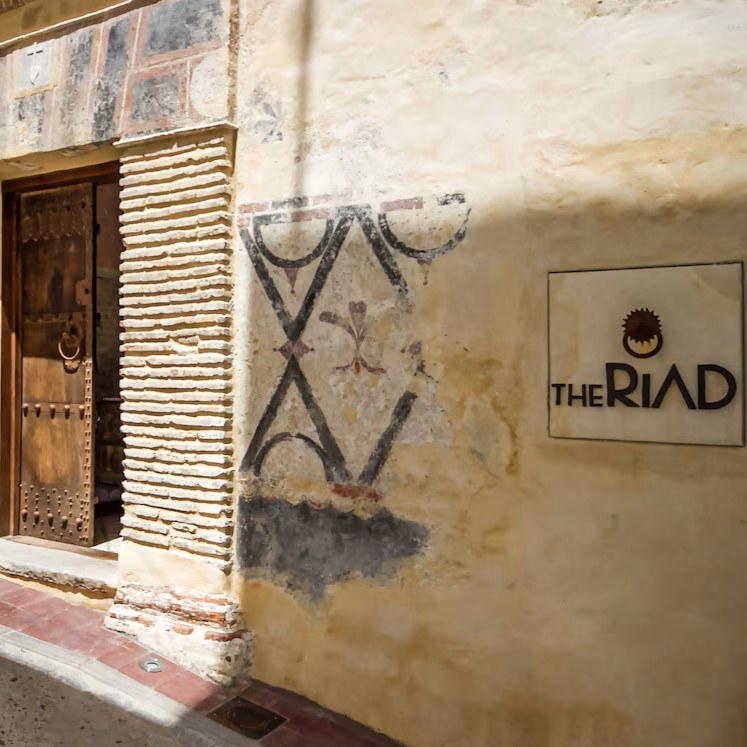
Where Andalusia Meets the Moroccan Tradition
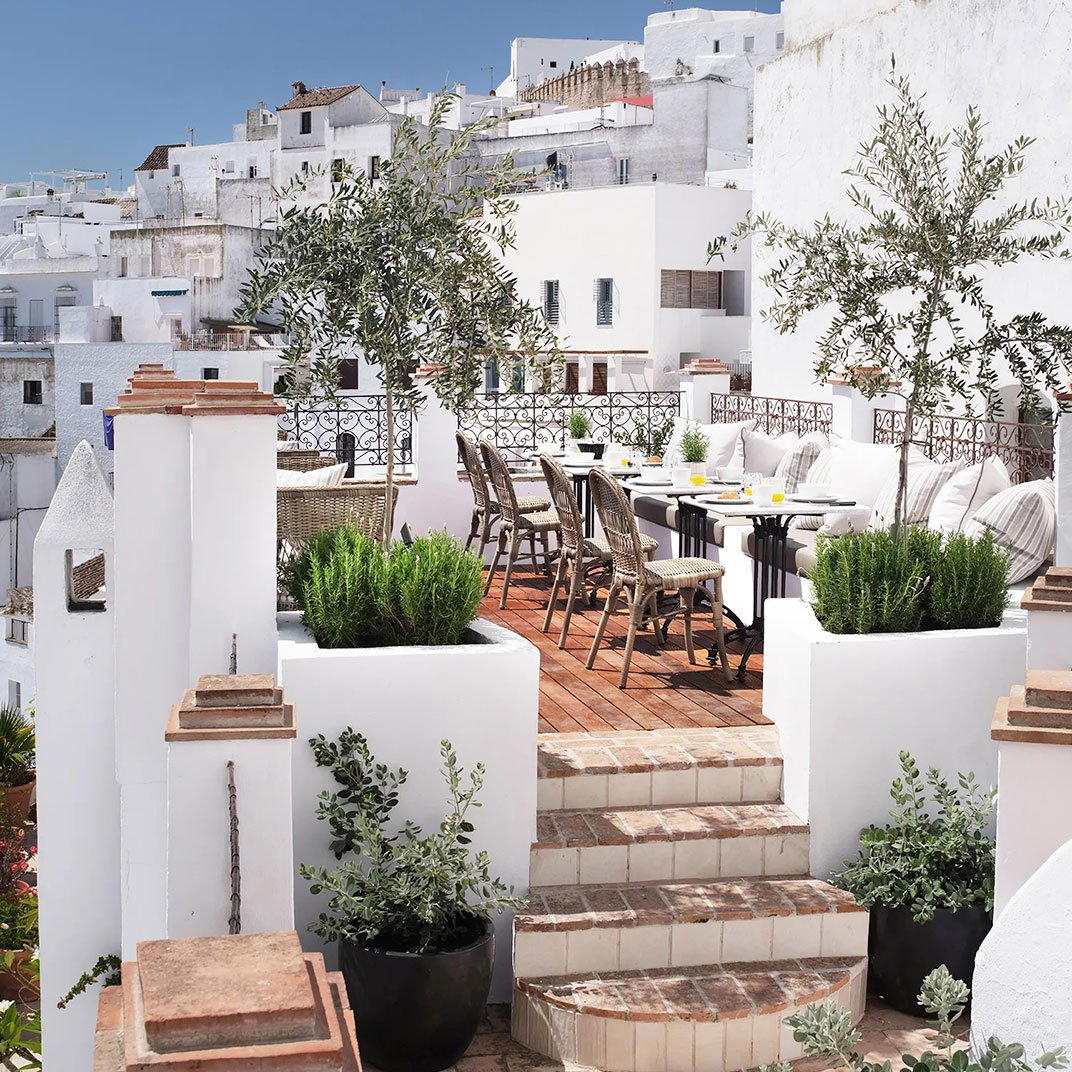
Stand at the entrance to The Riad Tarifa on Calle Comendador and the surrounding streetscape tells you something useful: Tarifa's old town is one of the few places in mainland Europe where the architectural DNA of North Africa is not a decorative gesture but a structural inheritance. The whitewashed walls, the narrow lanes that funnel the Levante wind, the latticed upper windows — these are not aesthetic choices borrowed from across the Strait of Gibraltar but the residue of centuries of cultural exchange between the Iberian peninsula and the Maghreb. A riad format here is not a theme; it is a site-specific logic.
The riad typology itself carries particular spatial demands. The form originated in Moroccan medina architecture as a response to climate and privacy: high external walls, minimal street-facing openings, and an inward-facing courtyard that organises all circulation and social life around a central point. In Tarifa, that logic translates naturally. The town sits at the southernmost tip of Spain, where Africa is visible on clear days across fourteen kilometres of open water, and where the wind patterns that make it the kite-surfing capital of Europe also make shaded courtyard space genuinely functional rather than merely picturesque.
The Spatial Argument for Courtyard Living
Hotels built on the riad model operate at a scale that larger international properties cannot replicate. Where a branded resort like the Mandarin Oriental Barcelona or the Mandarin Oriental Ritz, Madrid derives its identity partly from volume and programming, a riad-format property is defined by compression: a limited number of rooms arranged around a single courtyard, where the geometry of the building is the guest experience. The courtyard is not a feature — it is the organising principle. Shade, water, and stone become the primary sensory materials.
This places The Riad Tarifa in a specific peer category: design-led small hotels in southern Spain that draw their identity from vernacular architecture rather than international hospitality conventions. Properties like Hotel Can Ferrereta in Santanyí or Hotel Can Cera in Palma occupy comparable territory in the Balearics, where the subject is always the historic building first and the hotel second. In Tarifa, the added layer is the cross-cultural architectural lineage that makes the riad form here feel genuinely grounded rather than imported.
The Michelin Selected distinction for 2025 places The Riad Tarifa within a curated tier of Spanish properties that Michelin's hotel inspectors have assessed as meeting a threshold of quality and character. Across the Michelin Selected Spain portfolio, the designation spans a range of price points and formats, from large resort hotels to intimate rural properties, but the consistent thread is a level of intentionality about the guest experience. Other Michelin Selected properties in Spain include Atrio Restaurante Hotel in Cáceres, Terra Dominicata in Escaladei, and Abadía Retuerta LeDomaine, each sitting in very different landscape and typological contexts but sharing that same editorial stamp.
Tarifa as a Stay, Not Just a Stopover
Tarifa has a reputation that precedes the accommodation offer: it is known first for wind, for kite-surfing, for the ferry crossing to Tangier, and for a certain backpacker-adjacent casualness that long coexisted with the town's genuine historical density. The old medina walls, the Castillo de Guzmán el Bueno, and the proximity to Baelo Claudia, one of the better-preserved Roman sites on the peninsula, give Tarifa a cultural weight that its party-town reputation has often obscured.
The emergence of design-led small hotels in the old town reflects a broader pattern visible across Andalusia: historic urban cores that spent decades underinvested are now attracting a category of accommodation that treats the fabric of the building as the product. The Hotel Mercer Sevilla represents one version of this in a larger city; The Riad Tarifa represents a more intimate, lower-profile iteration in a town that rewards slower, more attentive travel.
Practical orientation matters here. Calle Comendador sits inside the old town, which means access on foot rather than by car is the working assumption. The old quarter is compact enough that the major points of interest, the Atlantic-facing beach, the medina gate, the castle, are all reachable within minutes. For travellers using Tarifa as a base for a day crossing to Morocco, the ferry terminal is a short walk from the historic centre, which makes the logistics of an overnight stay before or after the crossing direct.
Timing shapes the experience considerably. The Levante wind that defines Tarifa blows most persistently in summer, when kite-surfers fill the beaches to the north of town and accommodation across the area fills accordingly. Shoulder season, April through June, and September through October, offers a different register: the light is lower, the town is quieter, and the courtyard architecture of a riad becomes even more functional as a refuge from the midday heat without the edge of high-summer saturation. Those travelling from elsewhere in Spain might consider pairing a Tarifa stay with the wider Costa de la Luz or a short Moroccan crossing rather than treating it as a standalone destination on its own terms, though the town repays more time than most visitors allocate it. For other Andalusian and southern Spanish accommodation options across different formats, see Marbella Club Hotel and the EP Club Tarifa guide.
Planning Your Stay
Booking at The Riad Tarifa is worth approaching with the same lead time you would apply to any small-format property with limited rooms. Peak season in Tarifa runs from July through August, when the kite-surfing crowd and summer tourism from across Europe converge, and rooms at quality small hotels in the old town are consistently absorbed well in advance. For comparison with other design-led Spanish properties that operate at a similar intimate scale, Caro Hotel in València, Mas de Torrent Hotel & Spa, and Hotel Mas Lazuli in Girona each sit in the same general tier of historically-grounded small hotel with strong design credentials and finite availability. Further afield, Pepe Vieira Restaurant & Hotel in Poio and Casa Beatnik Hotel in A Coruña represent the same category in Galicia, while Akelarre in San Sebastián offers a northern Spanish counterpoint. For those extending travel internationally, Badrutt's Palace Hotel in St. Moritz and Hôtel de Paris Monte-Carlo sit in a very different price register but share the principle that the building itself carries the identity of the stay.
Fast Comparison
Comparable venues nearby, for context on price, style, and recognition.
| Venue | Cuisine | Price | Awards | Notes |
|---|---|---|---|---|
| The Riad TarifaThis venue — the venue you are viewing | Moroccan riad in historic Andalusian building | $100–200 | Michelin Selected | Not listed |
| Eurostars Bilbao | Premium urban four-star hotel in a restored landmark riverside building, positioned for comfort-focused city stays. | Not listed | Not listed | Deusto |
| Vincci Molviedro | Contemporary Andalusian fusion in historic buildings | $100–200 | Michelin Selected | Centro |
| Parador de Alarcón | Medieval castle parador blending authentic history with modern hospitality. | Not listed | Michelin Selected | Alarcon |
| Yurbban Ramblas | Urban boutique in historic 19th-century building | $100–200 | Michelin Selected · Mr & Mrs Smith Seal of Approval | Ciutat Vella |
| Parador de Carmona | Andalusi palace in a reconstructed Moorish fortress | Not listed | Michelin Selected | Carmona |
Recognition history
Dated appearances from independent guides and award organizations, with the underlying list record or original source where available.
Michelin Selected
Michelin
Details
- Romantic
- Elegant
- Cozy
- Intimate
- Sophisticated
- Romantic Getaway
- Wellness Retreat
- Weekend Escape
- Historic Building
- Terrace
- Destination Spa
- Wi Fi
- Spa
- Massage
- Air Conditioning
- Street Scene
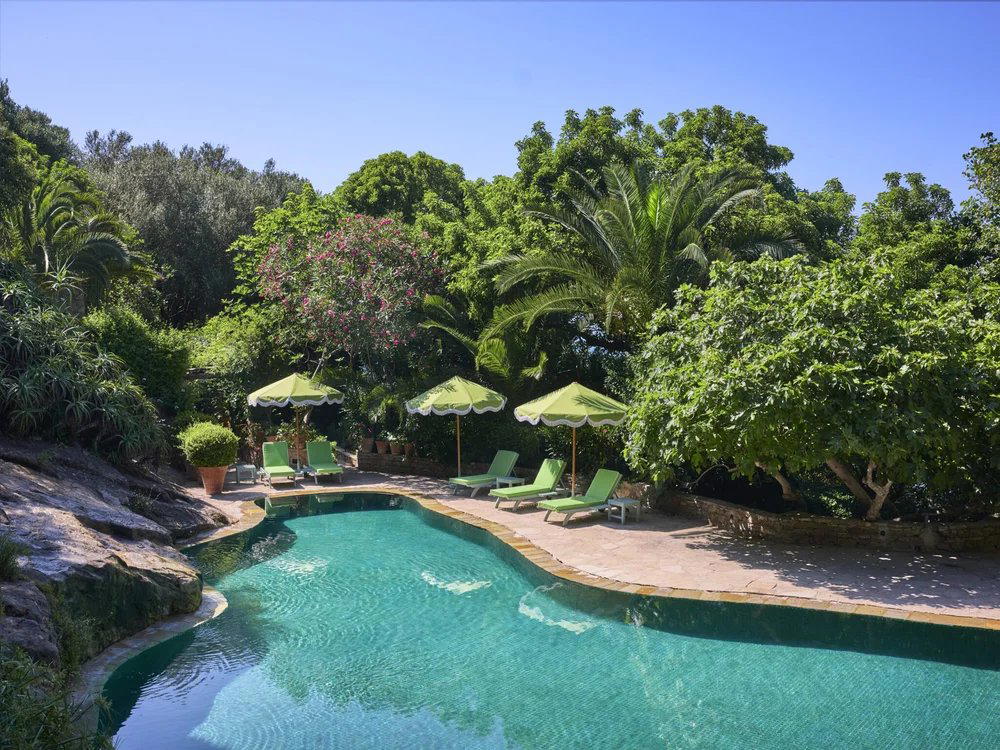
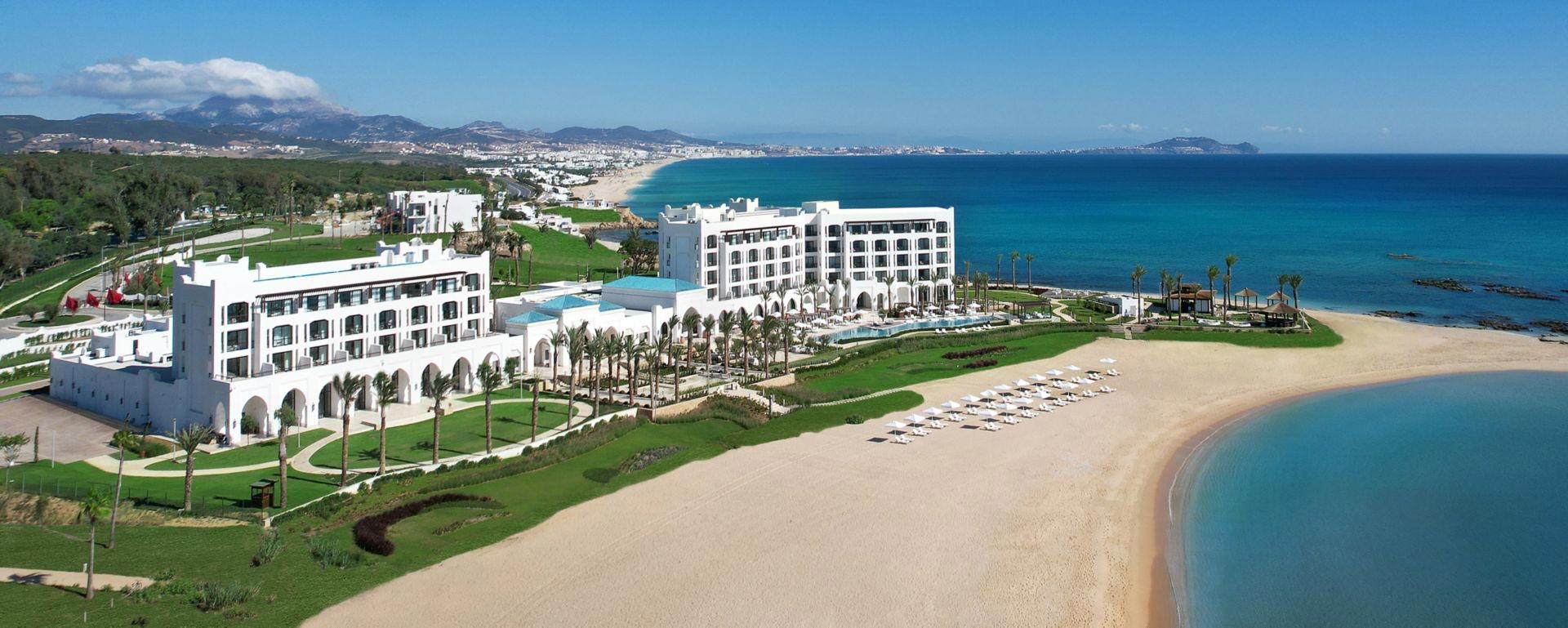
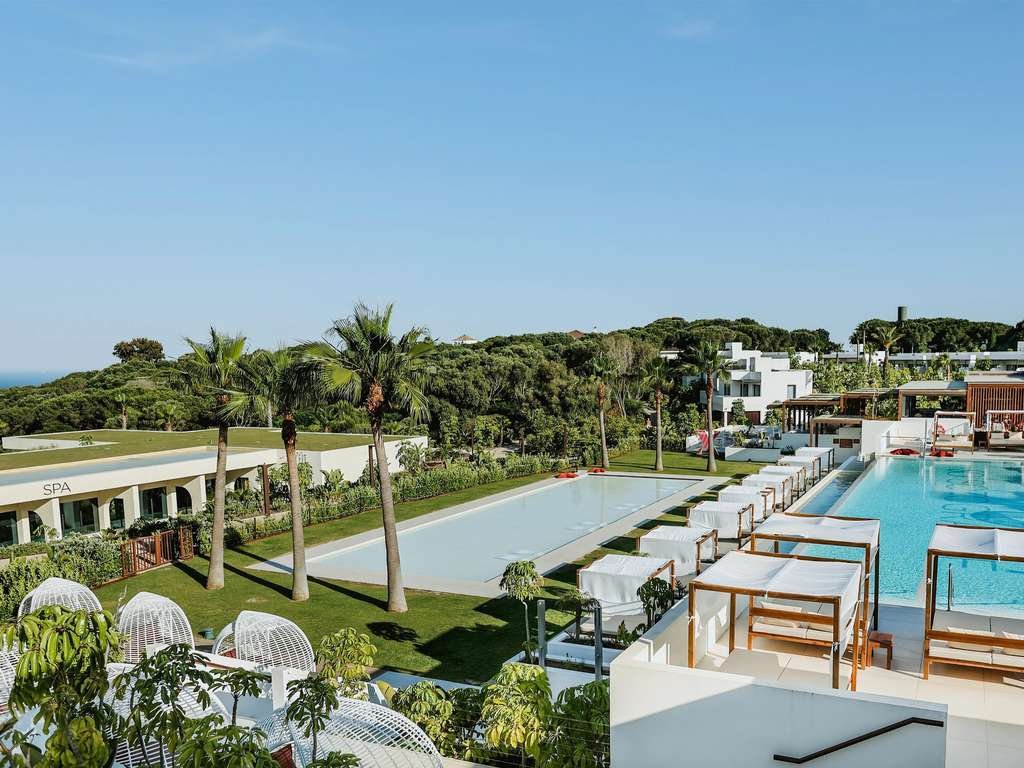
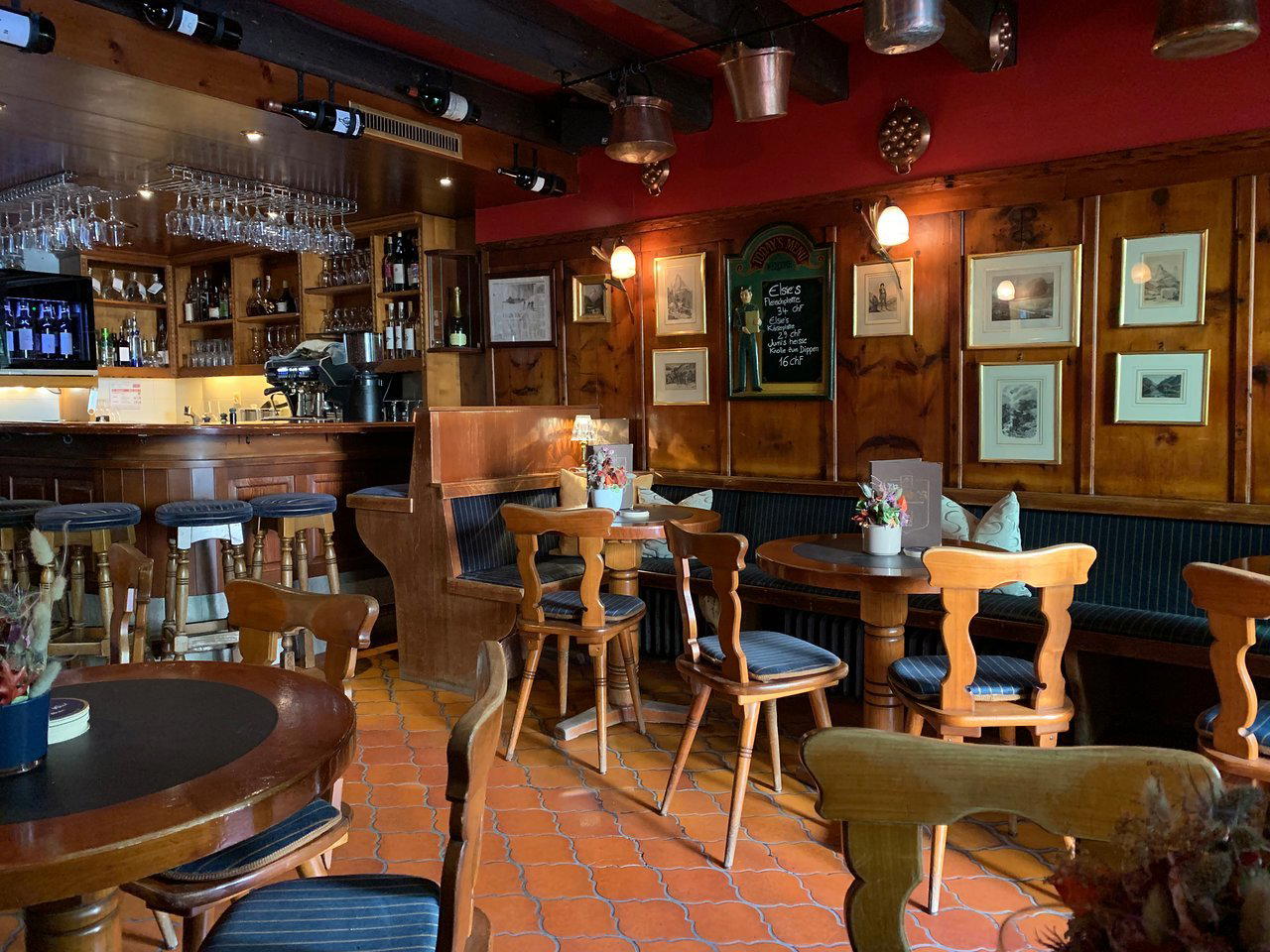
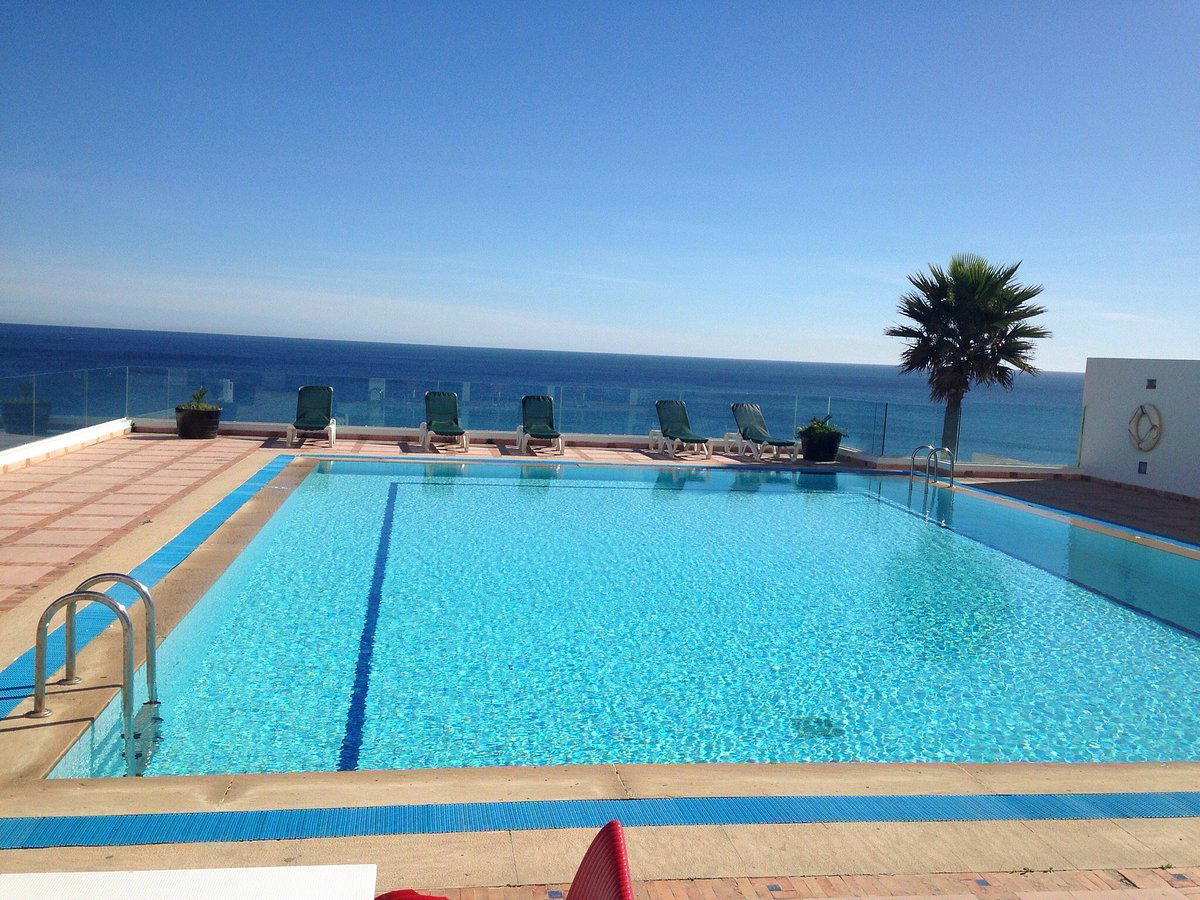
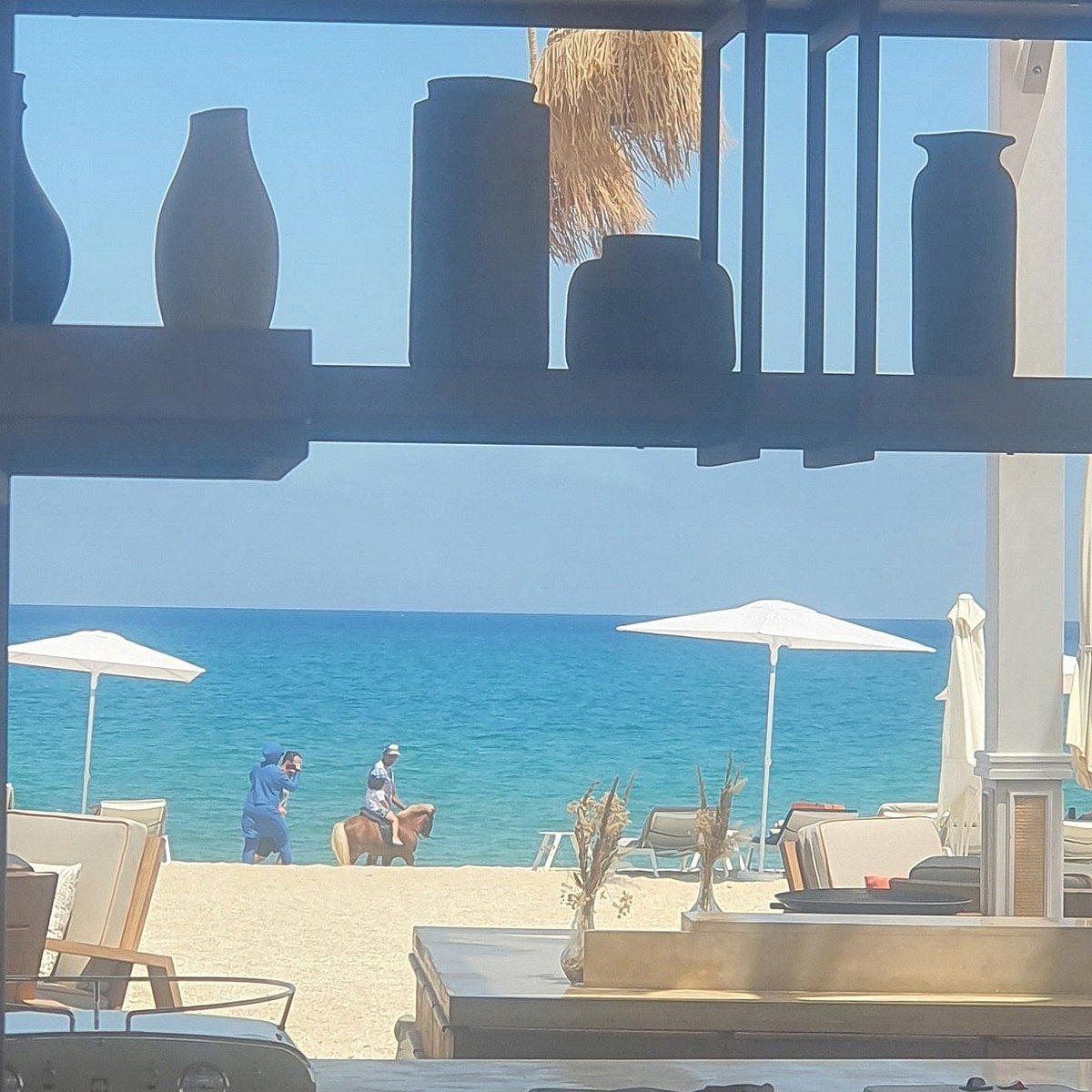
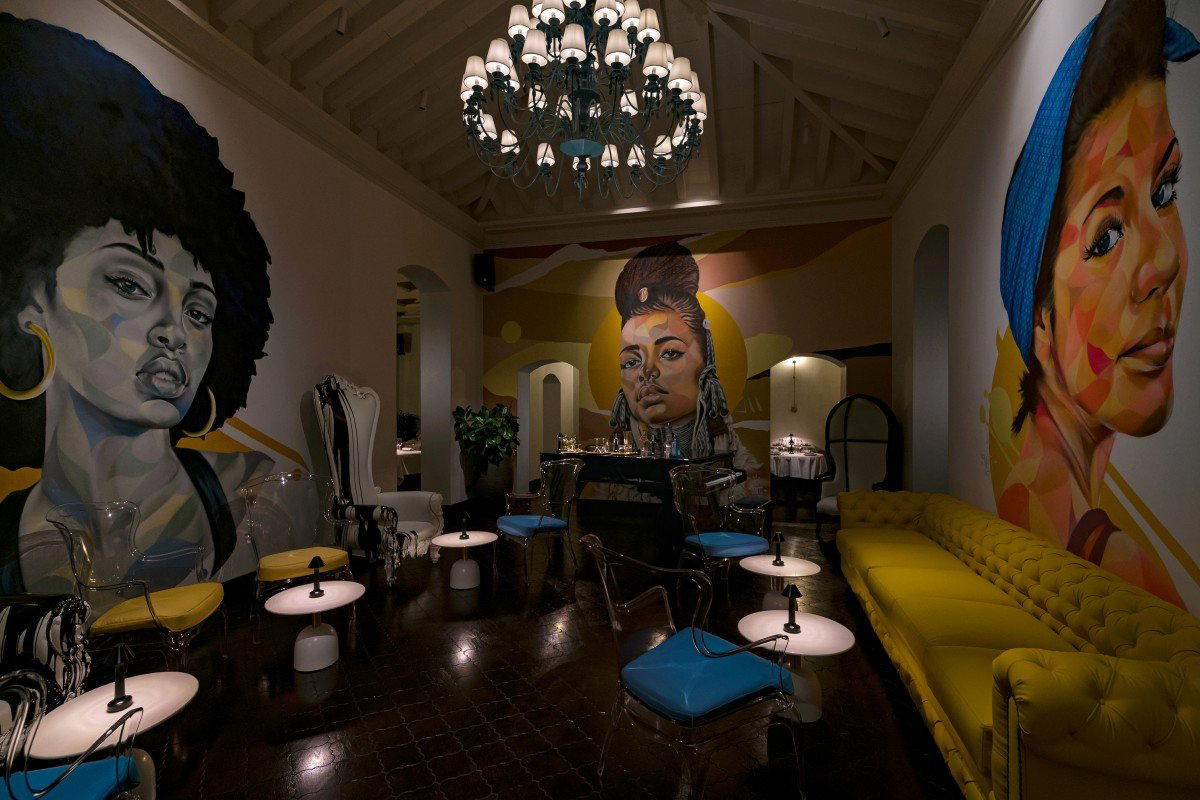
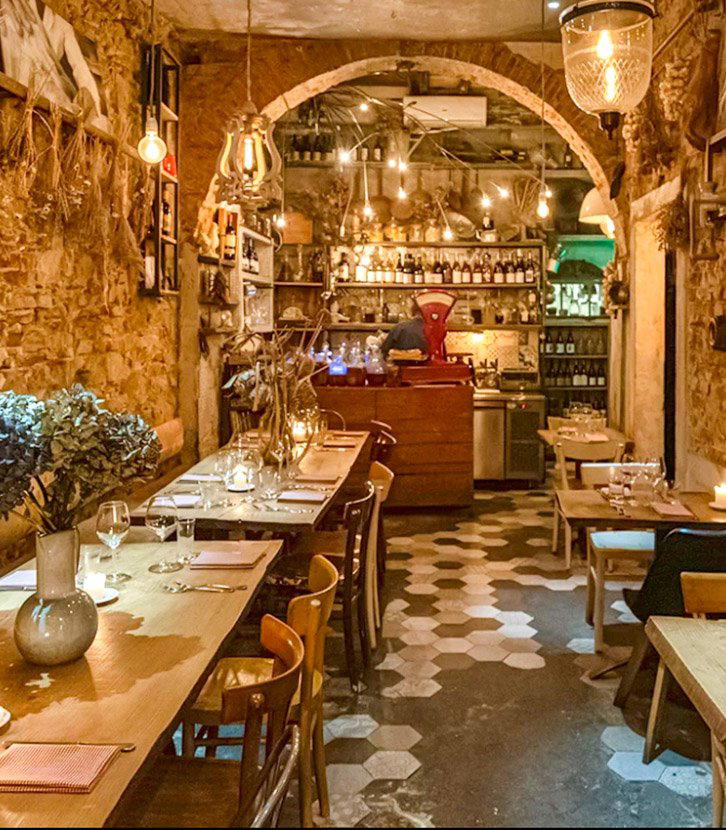
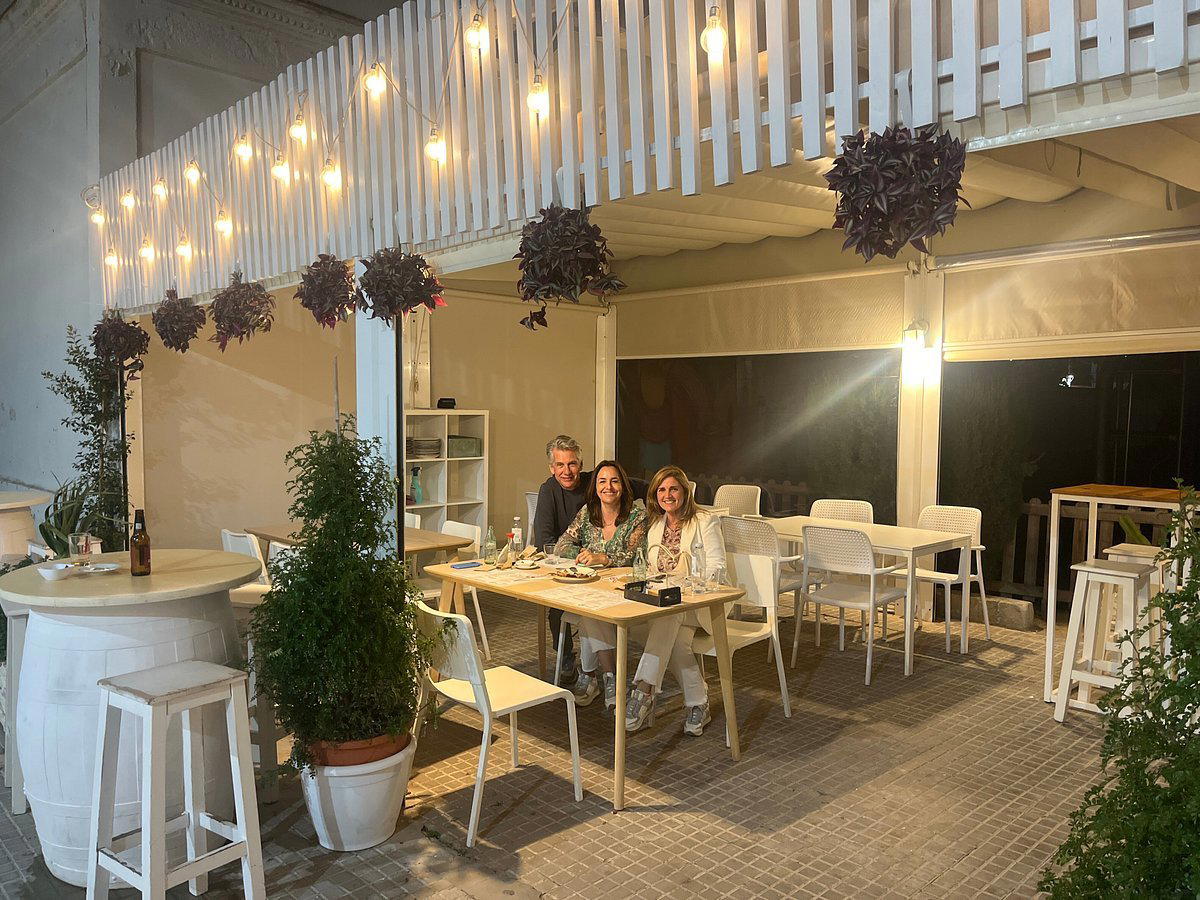
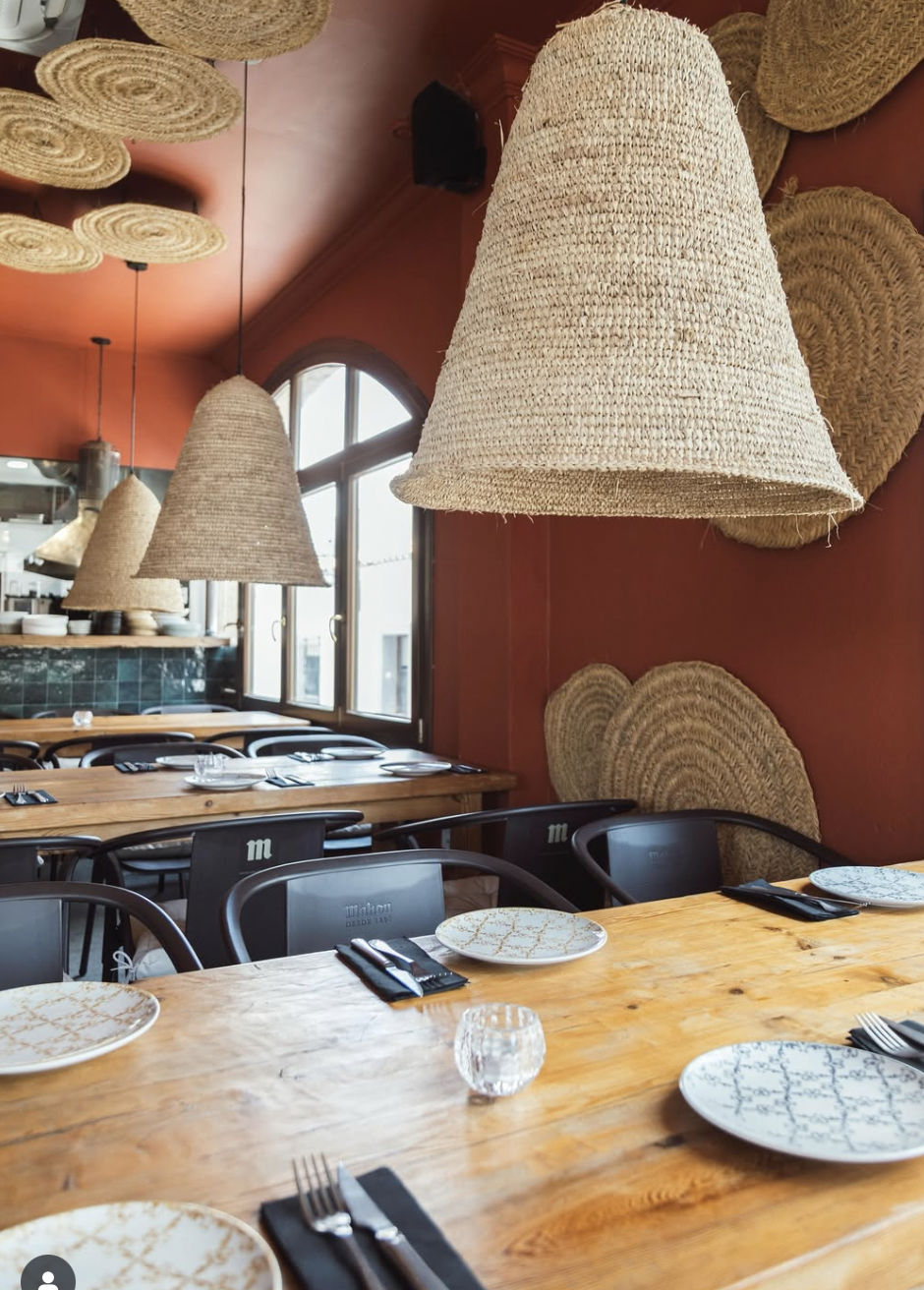
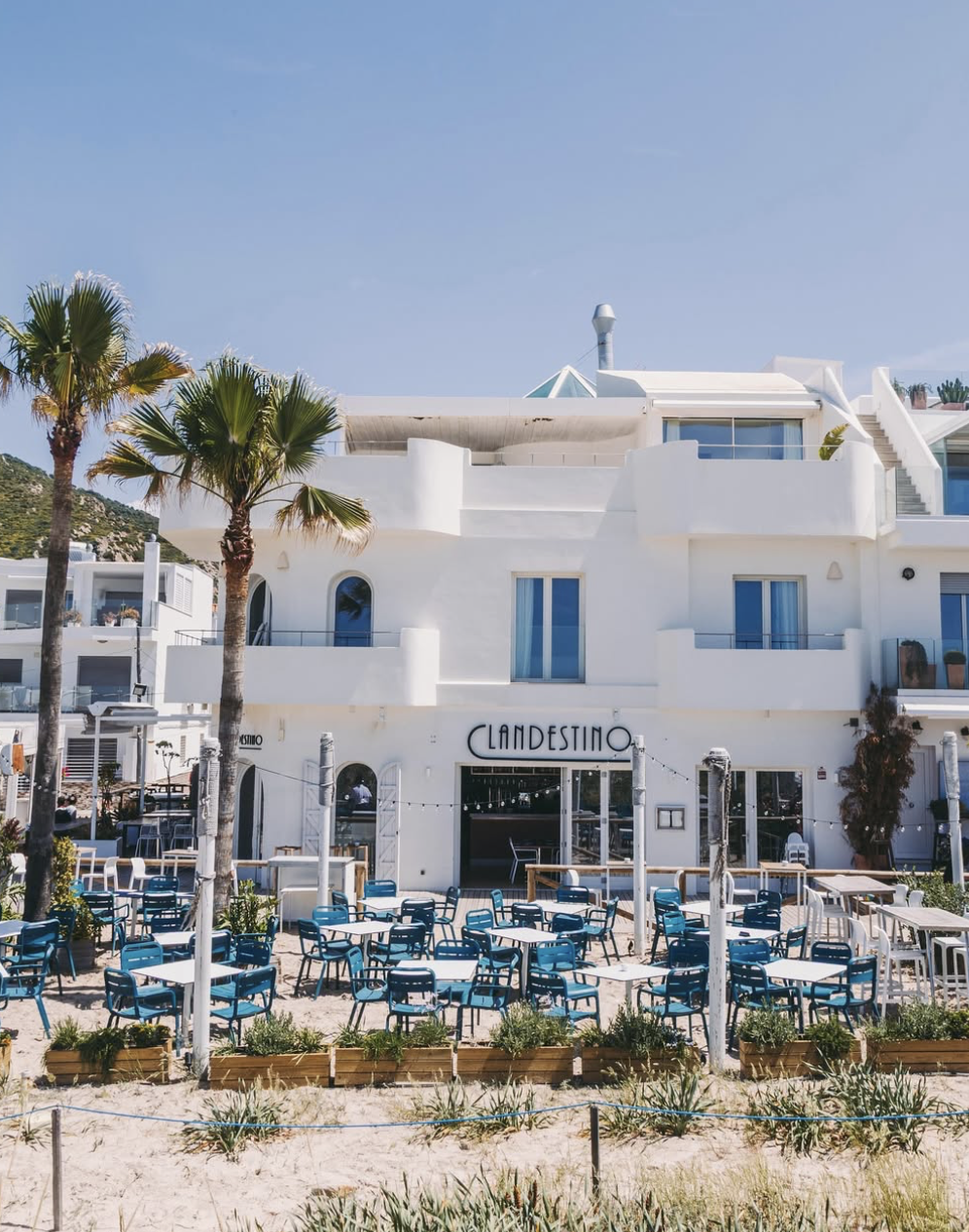
Exotic Moroccan atmosphere with subdued colors, rich fabrics, antique doors, red-brick arches, and open-stone walls creating an elegant and soothing retreat.