Café Wintergarten occupies a Potsdamer Strasse address that places it at the intersection of Berlin's creative and residential west, a neighbourhood that has accumulated a quiet density of serious dining over the past decade. Without the awards machinery or press visibility of peers like Rutz or Nobelhart & Schmutzig, it operates in a register that rewards readers who look beyond the obvious circuits. Specific details on format, pricing, and chef credentials are best confirmed directly with the venue.
Pearl is the En Primeur Club membership app — saves, bookings, and concierge access live there. Same editors, same standards.
- Address
- Potsdamer Str. 96 10785, 10785 Berlin, Germany
- Phone
- +493058843486
- Website
- wintergarten-berlin.de
- Directions
- Get directions
 Saves & bookings on Pearl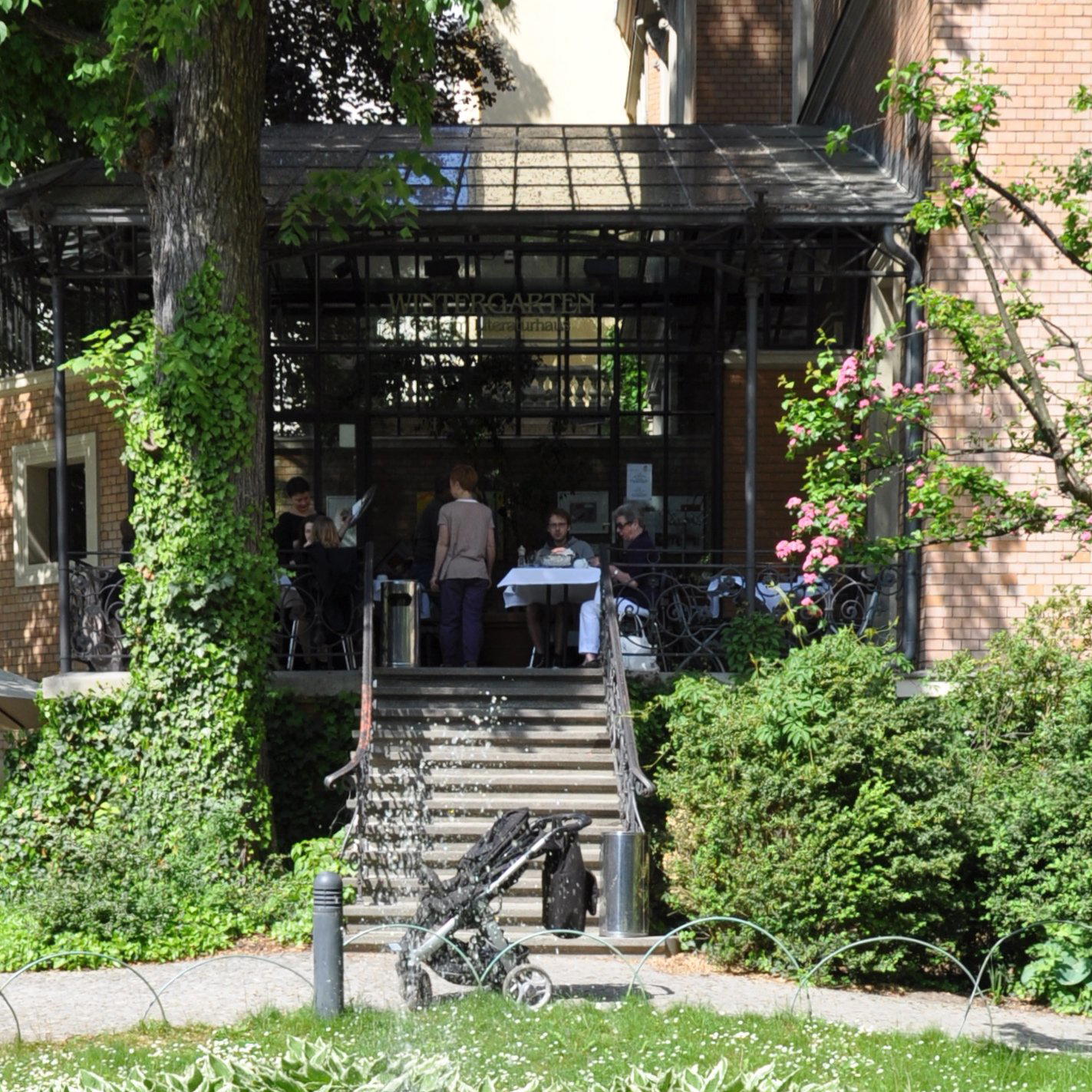
Potsdamer Strasse and the Quieter Side of Berlin's Dining Scene
Café Wintergarten is a Berlin restaurant on Potsdamer Str. 96, serving European Café Classics at an approximate price of $25 per person. There is a version of Berlin's restaurant scene that gets most of the international attention: the Michelin-dense corridor of Mitte and Prenzlauer Berg, the creative tasting menus at CODA Dessert Dining, the assertively political sourcing at Nobelhart & Schmutzig, the Chinese-influenced precision of Restaurant Tim Raue. And then there is a quieter register, concentrated along Potsdamer Strasse in the Tiergarten district, where the gallery crowd and the long-term residents have been eating seriously for years without the same volume of international coverage. Café Wintergarten sits at Potsdamer Str. 96, inside that second version of the city.
Potsdamer Strasse has undergone a gradual repositioning over the past fifteen years. Once defined primarily by its proximity to the Kulturforum and the commercial drag of Potsdamer Platz, the street's central and southern stretches have attracted independent galleries, design studios, and the kind of neighbourhood restaurants that operate on local reputation rather than tourist traffic. The address puts Café Wintergarten within walking distance of Neue Nationalgalerie and the Berlin Philharmonie, which shapes the kind of audience that filters through on any given evening. This is not a destination strip in the way that Torstrasse or Bergmannstrasse reads to visitors arriving for the first time; it functions more like a working neighbourhood's main artery, which is exactly what makes it interesting.
The Wintergarten Tradition in German Café Culture
The name carries its own weight in German architectural and cultural history. A Wintergarten, literally a winter garden, refers to the glass-enclosed atrium or conservatory format that became popular in late nineteenth and early twentieth century bourgeois domestic architecture and later in grand hotel and café design. The format was built around light: maximising the sensation of outdoor dining during months when outdoor dining was physically impossible. Berlin had several famous Wintergarten venues through the Weimar period, celebrated being the variety theatre of the same name on Friedrichstrasse, which operated from 1887 to the 1940s and hosted performers from across Europe.
What the name does signal, at minimum, is an alignment with a certain register of Central European café culture: unhurried, light-conscious, oriented toward the middle of the day as much as the evening, with a programme that likely includes the kind of coffee and cake ritual that remains an afternoon institution in Berlin as much as in Vienna or Prague. That mid-afternoon slot, between two and five, is when the Wintergarten tradition typically comes into its own, and it is worth factoring into any visit.
Where Café Wintergarten Sits in Berlin's Current Dining Order
Berlin's serious restaurant scene has bifurcated in a way that mirrors patterns visible in other major European cities. At one pole are the full tasting-menu operations with Michelin recognition and international booking windows: Rutz, FACIL, and their cohort. At the other pole are neighbourhood operations that function as community anchors rather than destination venues, where the measure of quality is consistency and atmosphere rather than ambition and innovation. The restaurant almost certainly occupies the second category, which in Berlin's current market is neither a limitation nor a consolation prize. The city's density of international fine dining means the neighbourhood register has been able to hold its own identity rather than mimicking the tasting-menu format.
Germany's broader fine dining infrastructure, for context, extends well beyond Berlin. Schwarzwaldstube in Baiersbronn, Aqua in Wolfsburg, and Vendôme in Bergisch Gladbach represent the country's most decorated end of the spectrum, the tier that competes against the French three-star model. Berlin's own contribution to that infrastructure includes operations like JAN in Munich and Victor's Fine Dining by Christian Bau in Perl at the regional level. The restaurant does not appear to operate in that register, which is precisely the point: it is the kind of address that becomes essential to a city visit once the formal reservation circuit has been planned and you need to understand where locals actually eat.
The Sensory Case for a Potsdamer Strasse Morning or Afternoon
What can be said is that the Wintergarten format produces a particular quality of light in the late morning that no other interior typology quite replicates. The sense of being both inside and outside, the transparency of the walls or ceiling reading against the street beyond, the way conversation carries differently in a glass-enclosed room than in a standard interior: these are experiential qualities that belong to the tradition rather than any single venue's execution of it.
For visitors to Berlin who have worked through the more documented end of the scene, from the FACIL hotel conservatory dining room to the bar at Nobelhart & Schmutzig, the restaurant represents the kind of neighbourhood anchor worth locating on its own terms. The comparison set in Germany's wider café and restaurant world includes addresses like Restaurant Haerlin in Hamburg, Bagatelle in Trier, and ES:SENZ in Grassau, though these operate across different registers and price points. Internationally, the neighbourhood café institution finds its closest analogues in venues like Lazy Bear in San Francisco, which similarly built its reputation on local word-of-mouth before attracting broader attention, or the community-dining ethos that precedes the ambition of places like Le Bernardin in New York City.
For the fuller picture of what Berlin's dining scene offers at every tier, the EP Club Berlin guide provides structured coverage across neighbourhoods and price points. Schanz in Piesport and Waldhotel Sonnora in Dreis round out the German regional picture for readers planning wider itineraries.
Know Before You Go
- Address: Potsdamer Str. 96, 10785 Berlin, Germany
- Neighbourhood: Tiergarten / Potsdamer Strasse
- Nearest transport: Kurfürstenstrasse (U1/U3) or Potsdamer Platz (S-Bahn/U-Bahn), both within walking distance
- Booking: Reservation recommended
- Hours: Mon-Sat 11 AM-6 PM; Sun 11 AM-4 PM
- Price range: About $25 per person
A Pricing-First Comparison
Comparable venues nearby, for context on price, style, and recognition.
| Venue | Cuisine | Price | Notes |
|---|---|---|---|
| Café WintergartenThis venue — the venue you are viewing | Tiergarten, European Café Classics | $$ | Not listed |
| KochRaum Instinct | Kreuzberg, Modern European Fine Dining | $$$ | Not listed |
| AMON Restaurant | Mitte, Modern Italian | $$ | Not listed |
| Magic John's | Not listed | $$ | Mitte, New York-Style Pizza & Detroit Deep Dish |
| Smartdeli | Mitte, Japanese Sushi & Deli | $$ | Not listed |
| Doyum | Kreuzberg, Turkish Ocakbasi Grill | $$ | Not listed |
Continue exploring
More in Berlin
Restaurants in Berlin
Browse all →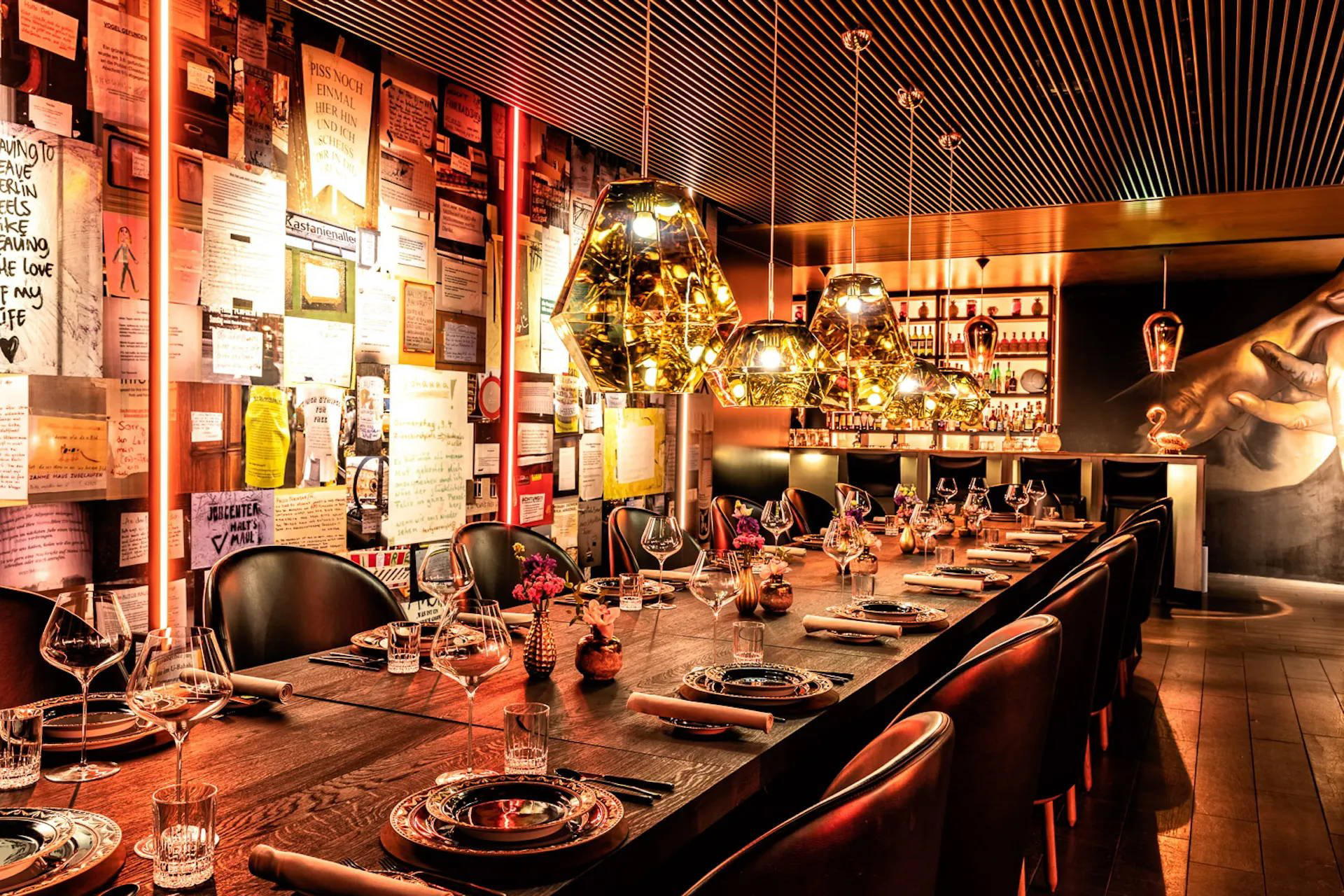
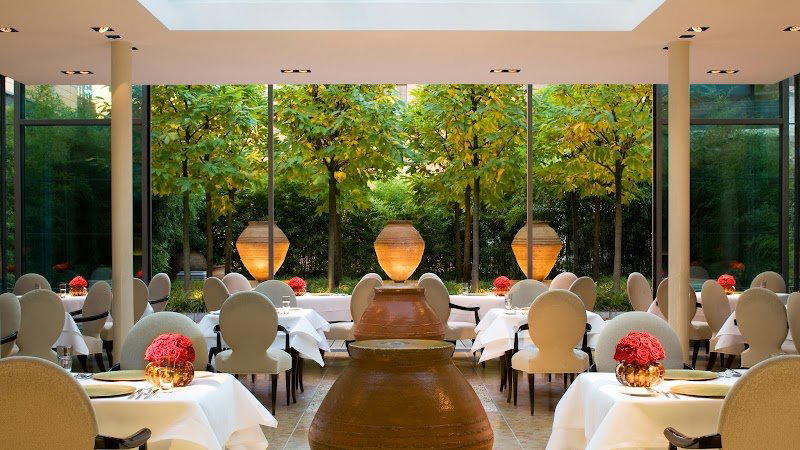
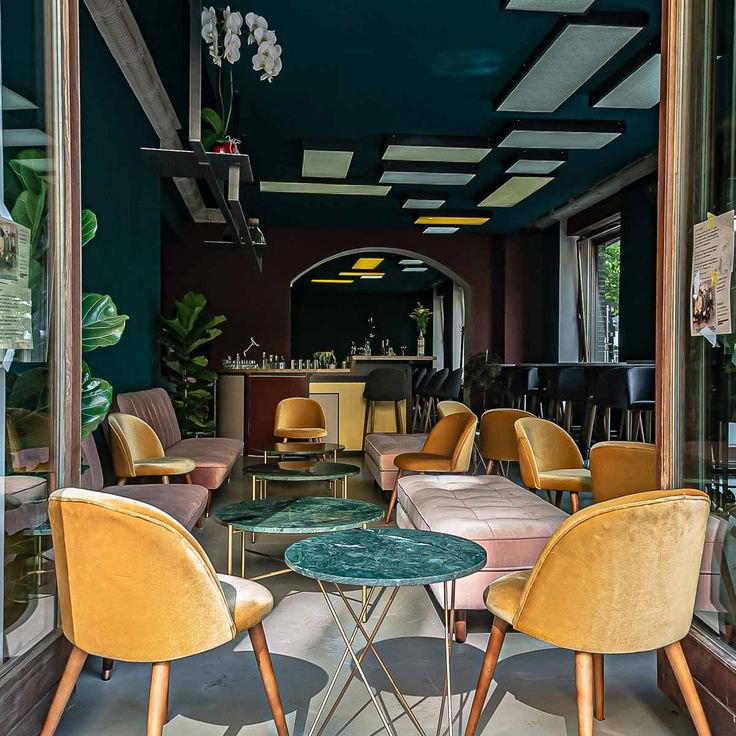
Bars in Berlin
Browse all →
Hotels in Berlin
Browse all →

At a Glance
- Cozy
- Classic
- Elegant
- Intimate
- Brunch
- Family
- Date Night
- Casual Hangout
- Garden
- Historic Building
- Local Sourcing
- Garden
Current opening hours
- Monday
- 11 AM–6 PM
- Tuesday
- 11 AM–6 PM
- Wednesday
- 11 AM–6 PM
- Thursday
- 11 AM–6 PM
- Friday
- 11 AM–6 PM
- Saturday
- 11 AM–6 PM
- Sunday
- 11 AM–4 PM
Hours can change for holidays and private events. Last verified .
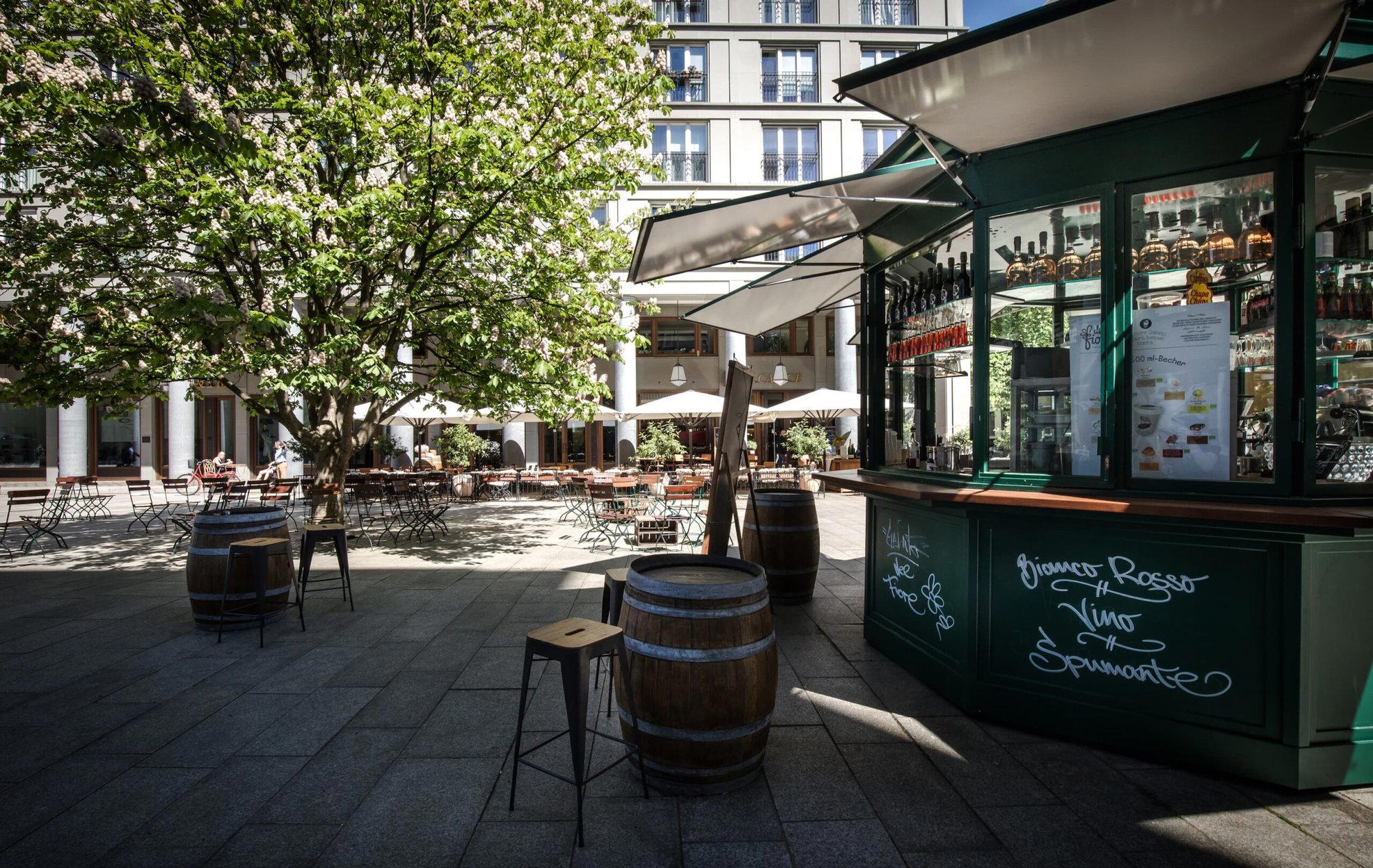
Cozy and stylish with natural light in the winter garden greenhouse surrounded by plants, offering a tranquil retreat amid the city.