Café Restaurant GRENADIER
Positioned at the foot of Forchtenstein Castle, Café Restaurant GRENADIER sits where Burgenland's agricultural character meets the castle-town dining tradition. The setting alone earns attention, but the broader pull is what that address signals: a kitchen anchored to the region's ingredient culture, in a part of Austria where provenance and landscape shape what ends up on the plate.
Pearl is the En Primeur Club membership app — saves, bookings, and concierge access live there. Same editors, same standards.
- Address
- Melinda Esterhazy-Platz 1, 7212 Forchtenstein, Austria
- Phone
- +43262683068
- Website
- restaurant-grenadier.com
- Directions
- Get directions
 Saves & bookings on Pearl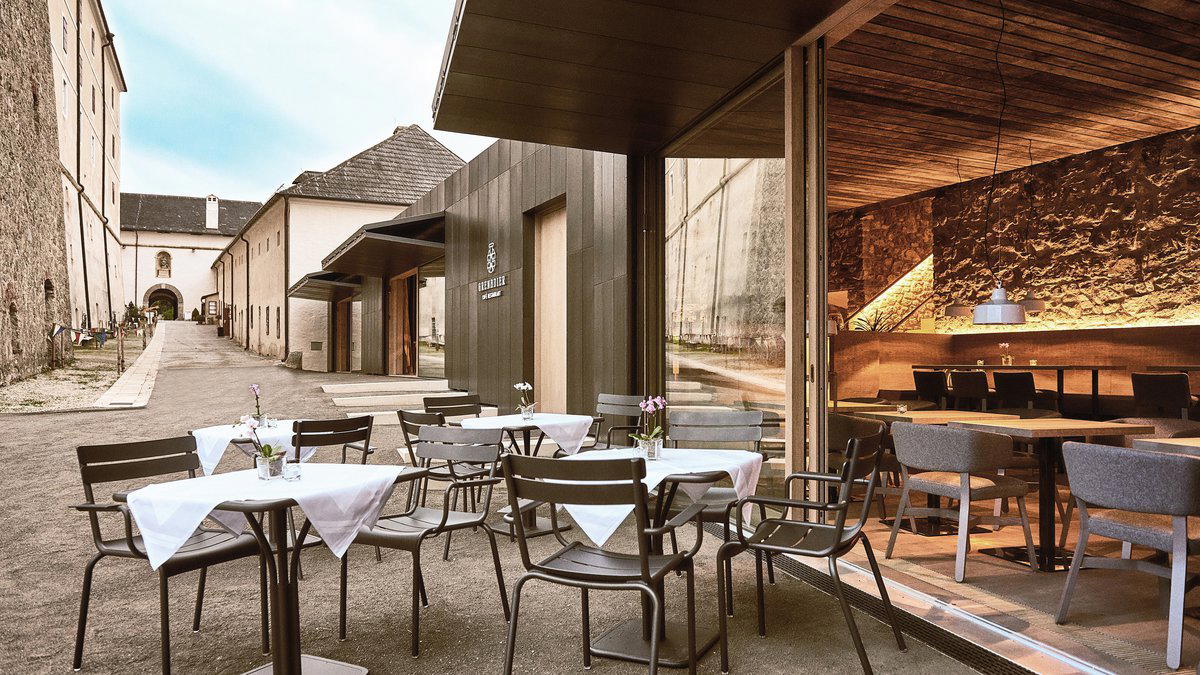
Eating in the Shadow of a Habsburg Fortress
Forchtenstein is a small settlement in Burgenland, Austria's easternmost and youngest federal state, whose identity has always been shaped by the land rather than any major urban centre. The castle that gives the town its name, Burg Forchtenstein, has loomed over the Rosaliengebirge foothills since the fourteenth century, and the village below it has organised itself accordingly: compact, historically oriented, and oriented toward the agricultural rhythms of a region that produces some of Austria's most distinctive red wines, paprika, and grain-fed livestock. Café Restaurant GRENADIER, addressed directly at Melinda Esterhazy-Platz 1, occupies a position that is less coincidental than it sounds. The Esterházy family, who acquired and expanded the fortress in the seventeenth century, remain a defining presence in Burgenland's landholding and agricultural structure to this day, and a café-restaurant on the square that bears their name is, whether deliberately or not, embedded in that centuries-old relationship between land ownership, food production, and hospitality.
For visitors arriving from Vienna, the drive east through the Vienna Woods and into the rolling Burgenland countryside takes roughly an hour, making Forchtenstein a credible day-trip destination or a stop on a longer circuit through the region. Those travelling from the Neusiedler See wine country to the south will find it a natural northern anchor point. The square itself, framed by the castle's approach road and the low-scale buildings of the historic core, has the quality common to small Austrian market towns: unhurried, spatially legible, and marked by a civic formality that tourist-heavy villages in Salzburgerland or Tyrol tend to lose.
Burgenland's Ingredient Culture and Why It Matters Here
Austria's dining conversation tends to concentrate on Vienna and the alpine west, where restaurants like Steirereck im Stadtpark in Vienna, Döllerer in Golling an der Salzach, and Obauer in Werfen have set the benchmark for sourcing-led cooking over the past two decades. But Burgenland has its own ingredient logic, and it is distinct. The Pannonian climate, influenced by the Hungarian plain to the east, produces warmer summers and a longer growing season than most of Austria, which translates into exceptional stone fruit, goose and duck farming, paprika cultivation, and a wine culture anchored in Blaufränkisch and Zweigelt. The region around Forchtenstein, on the western edge of that plain where it begins to rise into the foothills, occupies a transitional zone: the produce of a flat, fertile agricultural system meets the cooking traditions of a small-scale, community-oriented town.
Across Austria's serious provincial restaurant scene, from Landhaus Bacher in Mautern an der Donau to Taubenkobel in Schützen am Gebirge, the shared premise is that regional specificity in sourcing produces more interesting food than generic purchasing, even at the café-restaurant level. Burgenland operators who work within that premise have access to ingredients that chefs in alpine kitchens cannot easily replicate: Mangalitza pork from nearby farms, Esterhazy-estate produce, locally hunted game, and the dense, flavour-concentrated vegetables that a hot continental summer produces. What ends up on a plate at a restaurant positioned on the Esterházy square in Forchtenstein reflects, at minimum, proximity to that supply chain.
The Format and the Setting
The café-restaurant format is a category with specific expectations in the Austrian context. It sits between the Gasthaus, with its emphasis on communal, hearty regional food, and the more formal Gourmetrestaurant tier occupied by places like Gourmetrestaurant Tannenhof in Sankt Anton am Arlberg or Stüva in Ischgl. It is a format that handles both coffee and cake in the afternoon and a proper hot meal at lunch or dinner, with a flexibility that suits a village location where a single establishment must serve multiple functions. The address at Melinda Esterhazy-Platz 1 situates GRENADIER as the logical base for anyone visiting the castle, which draws a significant number of day visitors each year, particularly in spring and autumn.
Visitors to the castle itself should expect a setting that reads as distinctly Central European in the way that smaller Austrian squares do: stone paving, restrained architectural scale, a sense of accumulated time rather than designed atmosphere. The name GRENADIER references the military guard tradition associated with the Esterházy family's personal regiments, which gives the restaurant a thematic anchoring to the fortress above it that is historically coherent rather than decorative. For context on what serious Austrian regional cooking can achieve elsewhere in the country, Ois in Neufelden, Kräuterreich by Vitus Winkler in Sankt Veit im Pongau, and Atelier Fischer in Sankt Gilgen each represent the ingredient-focused end of the provincial spectrum at higher formality levels.
Positioning Within the Burgenland Dining Circuit
Forchtenstein sits at the northern edge of Burgenland's main tourist corridor, which runs south through the Rosalia wine region and around the Neusiedler See to the Hungarian border. Compared to the Neusiedler See villages, which have developed a more tourism-oriented restaurant culture in response to their wine-country profile, Forchtenstein retains a quieter, more local character. A meal at GRENADIER fits into an itinerary that also takes in the castle museum's Esterházy treasury, the walking routes into the Rosaliengebirge, and the Burgenland wine villages to the south. Travellers who have eaten at Thaller - Gasthaus in Sankt Veit am Vogau further south will recognise the same regional hospitality logic operating at a different scale. Those arriving from Vienna with higher-end expectations might calibrate by noting that the gap between Vienna's leading tables and a provincial café-restaurant in a castle village is significant, in format, price, and ambition; the relevant comparison is not Le Bernardin in New York City or Lazy Bear in San Francisco but rather the honest, place-rooted cooking that Burgenland's agricultural identity makes possible.
For a broader orientation to eating in the area, our full Forchtenstein restaurants guide covers the range of options available in and around the village, with context on seasonality and how the castle-tourism calendar affects availability. Elsewhere in the Austrian alpine west, Schwarzer Adler in Hall in Tirol, Restaurant 141 by Joachim Jaud in Mieming, Griggeler Stuba in Lech, and Ikarus in Salzburg each demonstrate different registers of the Austrian hospitality tradition, none of which should be confused with the Burgenland village format GRENADIER represents.
Planning Your Visit
Forchtenstein is most accessible by car; the castle approach road off the B16 brings visitors directly to the square. The town does not have significant accommodation, so most visits are structured as day trips from Vienna or as part of a wider Burgenland circuit. Given the castle's draw, peak footfall at the square runs from late spring through early autumn, and the café-restaurant trade follows that pattern. Anyone planning a lunch stop around a castle visit should expect higher demand on weekends during the summer season, when coach-tour groups and private visitors overlap. Contact details and current hours are best confirmed directly before visiting, as rural Austrian establishments frequently adjust seasonal schedules.
How Café Restaurant GRENADIER compares with similar nearby venues.
| Venue | Cuisine | Price |
|---|---|---|
| Kupferdachl - Wirtshaus | Regional Cuisine | €€ |
Continue exploring
More in Forchtenstein
Restaurants in Forchtenstein
Browse all →
![[aend] restaurant in Vienna](https://cdn.enprimeurclub.com/storage/v1/object/public/images/locations/recsVyRkMfzCxPmp0/hero2.jpg?width=3840&quality=75)
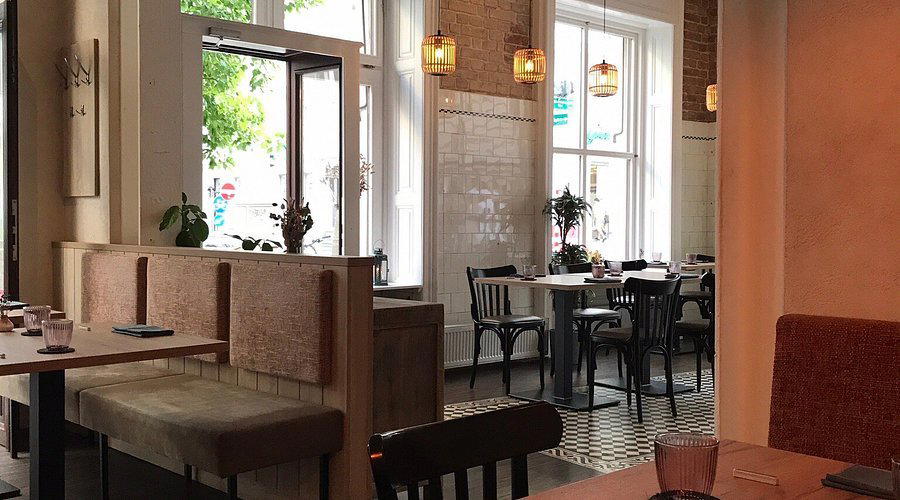
Bars in Forchtenstein
Browse all →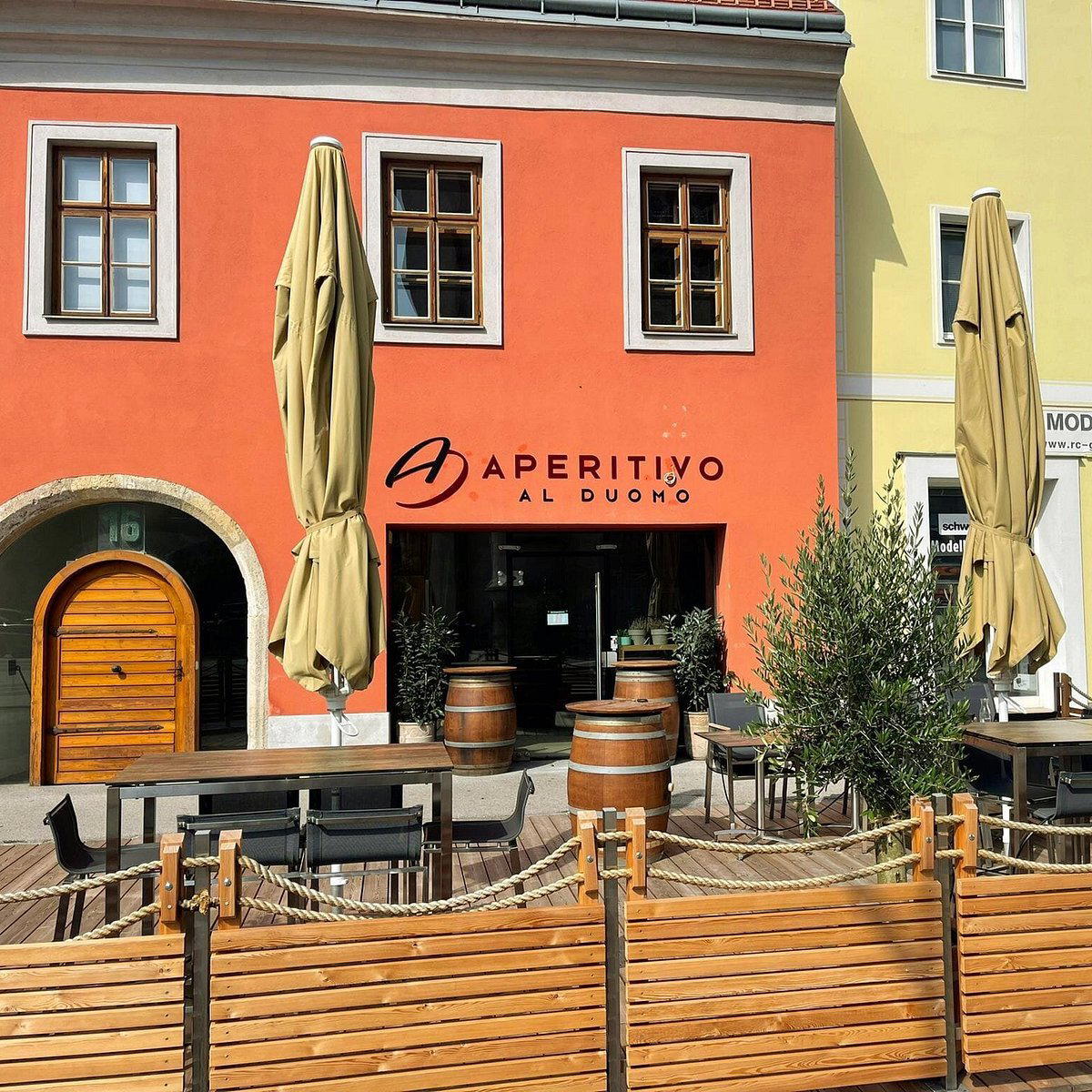

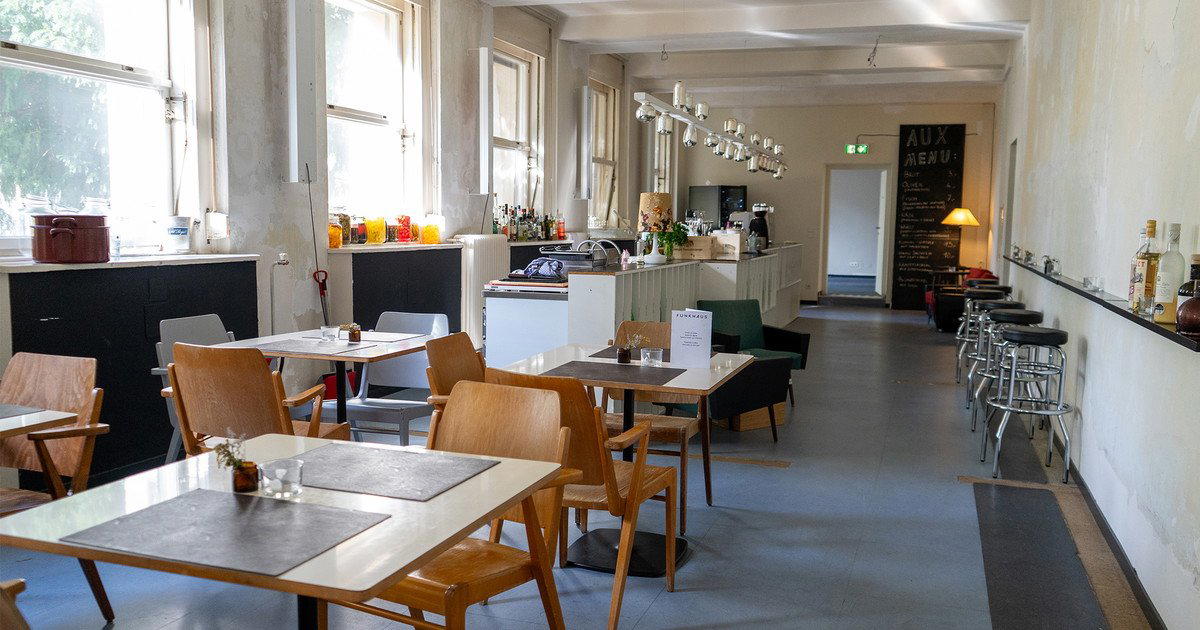
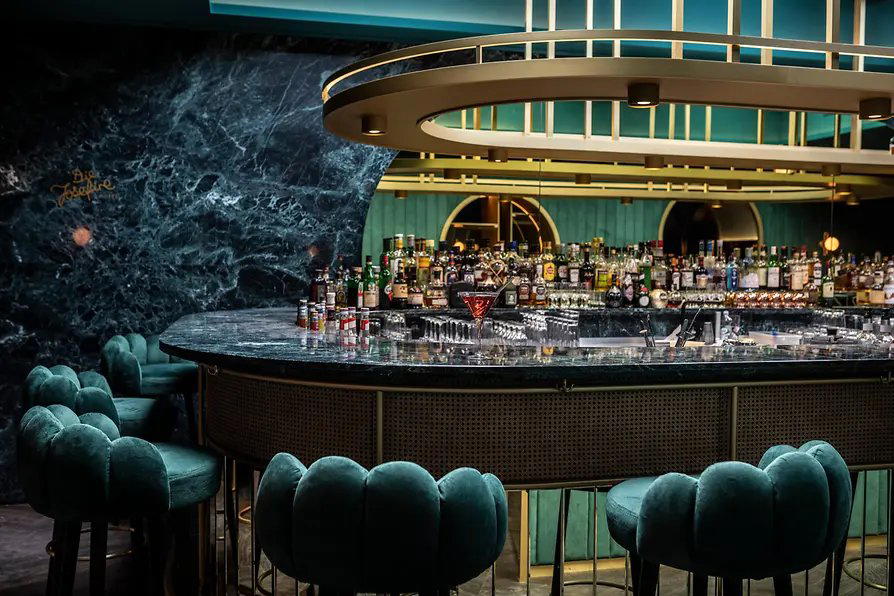
Hotels in Forchtenstein
Browse all →
At a Glance
- Classic
- Historic
- Cozy
- Family
- Casual Hangout
- Brunch
- Historic Building
- Extensive Wine List
- Local Sourcing
Current opening hours
- Monday
- Closed
- Tuesday
- 9:30 AM–7 PM
- Wednesday
- 9:30 AM–7 PM
- Thursday
- 9:30 AM–7 PM
- Friday
- 9:30 AM–10 PM
- Saturday
- 9:30 AM–10 PM
- Sunday
- 9:30 AM–7 PM
Hours can change for holidays and private events. Last verified .
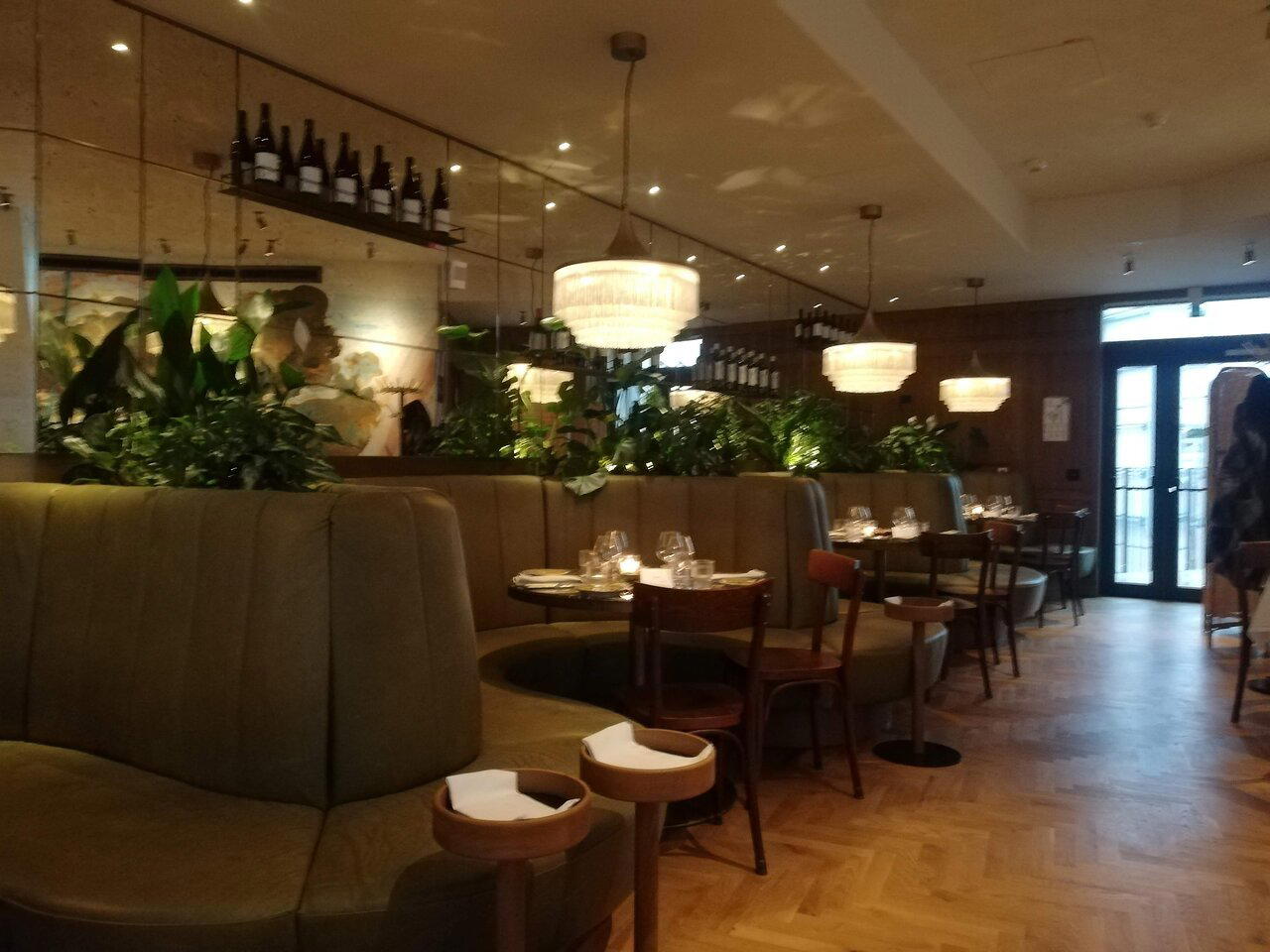
Sleek contemporary interiors featuring oak parquet, raw stone masonry, and riveted iron fittings that reinterpret historical castle elements.
Know Before You Go
- Getting there
- Melinda Esterhazy-Platz 1, 7212 Forchtenstein, Austria