Weingut Familie Reinisch

Falstaff Winery - 5 Stars
Weingut Familie Reinisch operates from the village of Tattendorf in Thermenregion, one of Austria's oldest wine corridors, where limestone-rich soils and warm Pannonian air shape a style distinct from the Wachau or Burgenland. Visiting requires a trip south of Vienna into quiet agricultural country.
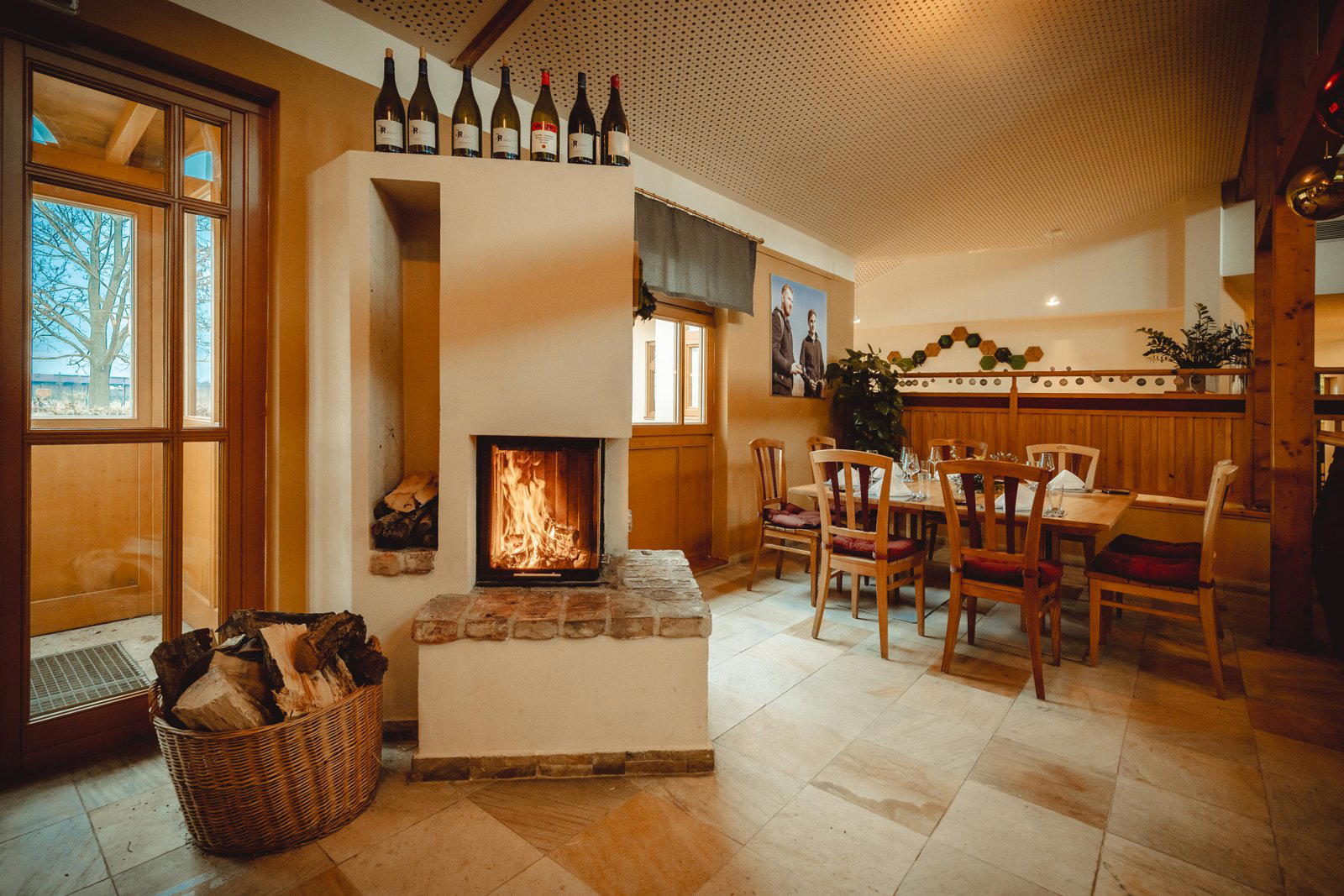
Thermenregion's Quiet Argument for Terroir
Drive south from Vienna on the A2 and the city dissolves quickly into flat agricultural land punctuated by vine rows and low hills. By the time you reach Tattendorf, a village of a few hundred residents in the Thermenregion district, the landscape has made its point: this is farming country, not tourist country. The address, Im Weingarten 1, which translates simply as "In the Vineyard", signals something about how Weingut Familie Reinisch situates itself. The name is less a marketing choice than a statement of orientation.
Thermenregion sits between the Eastern Alps and the Pannonian Plain, a corridor where warm, dry air from Hungary meets cooler Alpine influence descending from the Vienna Woods. The result is a growing season with significant diurnal temperature variation, warm enough to ripen fruit fully, cool enough at night to preserve acidity and structural tension. It is the kind of climate that rewards patience and penalises shortcuts. Limestone and clay dominate the subsoil in the Tattendorf area, retaining moisture during dry spells while draining excess rain quickly enough to stress vines productively.
That geological combination produces wines that sit in a different register from the volcanic-soil Grüner Veltliners of the Kamptal or the alluvial terraces of the Wachau. Thermenregion has historically been associated with red varieties, particularly Pinot Noir (known locally as Blauburgunder) and the indigenous Zierfandler and Rotgipfler, two white varieties that have almost no footprint outside this corridor. Those grapes are not incidental to Reinisch; they are the region's strongest argument for why Thermenregion deserves serious attention alongside Austria's more internationally profiled wine zones.
It places Reinisch alongside producers like Weingut Heinrich Hartl in nearby Oberwaltersdorf, another Thermenregion producer operating in a similar quality bracket, and invites comparison with formally recognised Austrian estates in other regions such as Weingut Emmerich Knoll in Dürnstein or Weingut Bründlmayer in Langenlois.
What separates the competitive dynamics here from those in, say, Wachau or Kamptal is the regional context. Knoll and Bründlmayer operate inside internationally recognised appellation frameworks with established export demand. It is an internally consistent signal about production quality.
For visitors from outside Austria who have tracked producers like Weingut Kracher in Illmitz or Weingut Pittnauer in Gols through international press, Reinisch represents a different kind of discovery, a producer whose reputation is built almost entirely on what ends up in the glass rather than on narrative export marketing.
The Grape Argument: Indigenous Varieties in a Narrow Corridor
Zierfandler and Rotgipfler together occupy a geographic footprint so small that Thermenregion is essentially their only serious home. Zierfandler tends toward higher acidity and slower development; Rotgipfler leans richer and more textural, with a natural spice that has no close analogue in international varieties. The two are often blended, a practice that dates back centuries in the region and reflects a pragmatic understanding of how the varieties' complementary weaknesses offset each other.
Producers working these grapes cannot rely on consumer recognition the way a Grüner Veltliner or Riesling producer can. The wines require explanation, and the estates that have continued with Zierfandler and Rotgipfler through decades of market pressure toward internationally traded varieties have, in effect, made a bet on terroir specificity over market accessibility. Whether that bet has paid off financially is a separate question from whether it has produced wines of genuine character, and the evidence, from the formal recognition Reinisch has accumulated, points toward the latter.
Pinot Noir in this part of Austria also takes on a character that differs meaningfully from Burgundian expressions or New World interpretations. The Pannonian warmth gives more fruit density than you would find in a cool Burgundy vintage, but the limestone subsoil and elevation moderate that toward structure rather than softness. The comparison that makes most sense in an Austrian context is with Weingut Wohlmuth in Kitzeck in Styria, another region where Pinot Noir is taken seriously but where the regional expression is shaped by fundamentally different soil and altitude conditions.
Getting There and What to Expect
Tattendorf is approximately 30 kilometres south of Vienna, a distance that positions it comfortably as a day trip from the city rather than requiring overnight accommodation. By car from Vienna, the route via the A2 motorway takes under 40 minutes depending on traffic; by public transport, the regional rail network connects Vienna's Hauptbahnhof to stations in the area, though onward access to the estate itself is easier with a vehicle given the rural setting.
The estate address, Im Weingarten 1, 2523 Tattendorf, sits at the edge of the vine holdings rather than in a town centre, which reflects the property's working-estate character. Visits to producers of this profile in Thermenregion typically operate by appointment rather than open-door cellar-door hours, a format common across Austria's premium wine estates regardless of region. Prospective visitors should confirm arrangements directly.
The experience of visiting a producer at this quality tier in Thermenregion is categorically different from larger, tourism-oriented estates. There is no tasting room designed for walk-in groups, no gift shop calibrated for casual visitors. What exists is a working winery where the conversation, when arranged, is likely to move quickly from hospitality to specifics: vineyard parcels, vintage conditions, how the 2023 drought affected ripening relative to 2021. That kind of visit rewards preparation. Reading into Thermenregion's DAC framework and the vintage record before arriving will get considerably more out of any arranged tasting.
For those building a broader Austrian wine itinerary around the Vienna Basin and its surrounds, pairing a Reinisch visit with time at Pittnauer in Gols or another Burgenland producer allows a direct comparison between how Pannonian climate influence expresses differently depending on soil type and proximity to the Neusiedlersee. The geography is compact enough that both can be covered in a two-day circuit from Vienna. Our full Tattendorf restaurants guide covers additional options in the area for those planning a longer stay.
Austria's broader drinks production context, for reference, extends well beyond wine: producers like Weingut Scheiblhofer in Andau, 1310 Spirit of the Country Distillery in Sierning, and A. Batch Distillery in Bergheim represent a parallel craft spirits movement that shares the same agricultural base as the wine regions. For visitors with broader interests in Austrian fermentation culture, combining wine and spirits itineraries adds a layer that few other countries in Central Europe can match at the same density. Other producers worth noting for context include Abfindungsbrennerei Franz in Leithaprodersdorf, 1404 Manufacturing Distillery in Sankt Peter-Freienstein, 1516 Brewing Company in Vienna, Aberlour, and Accendo Cellars in St. Helena, all of which sit in EP Club's broader drinks coverage.
Frequently asked questions
Is Weingut Familie Reinisch more low-key or high-energy?
Low-key, without qualification. Tattendorf is a working agricultural village roughly 30 kilometres south of Vienna, and Reinisch operates as a production estate where the wines do the talking.
What's the best wine to try at Weingut Familie Reinisch?
If you want to understand what distinguishes this region from the rest of Austria's wine map, those two varieties are the clearest argument.
Where can I find Weingut Familie Reinisch?
Weingut Familie Reinisch is located at Im Weingarten 1, 2523 Tattendorf, Tattendorf.
How It Stacks Up
Comparable venues nearby, for context on price, style, and recognition.
| Venue | Cuisine | Awards | Notes |
|---|---|---|---|
| Weingut Familie ReinischThis venue (the venue you are viewing) | Pinot Noir, St. Laurent | Falstaff Winery - 5 Stars | Not listed |
| Weingut Birgit Braunstein | Blaufränkisch, Chardonnay | Falstaff Winery - 3 Stars | Purbach |
| Ginmacher Distillery | Winery | Not listed | Brunn am Gebirge |
| Brennerei Kirchbichler | Winery | Not listed | Wildschönau |
| Schwarzer Distillery | Winery | Not listed | Leutasch |
| Mühlbauer Distillery | Winery | Not listed | Zwettl |
Recognition history
Dated appearances from independent guides and award organizations, with the underlying list record or original source where available.
Falstaff Winery - 5 Stars
Falstaff
Request a visit to Weingut Familie Reinisch
Tell us when you would like to go and how many people, and we put the request to the estate and reply to you by email.
Continue exploring
More in Tattendorf
Wineries in Tattendorf
All wineries in Tattendorf →
Bars in Tattendorf
Browse all →
Restaurants in Tattendorf
All restaurants in Tattendorf →




Details
- Rustic
- Classic
- Scenic
- Wine Education
- Solo Exploration
- Vineyard Tour
- Barrel Room
- Organic
- Vineyard
- Pinot Noir
- St. Laurent
- Zierfandler
- Rotgipfler
- Zweigelt
- Chardonnay
- Still Red
- Still White
- Estate Tasting
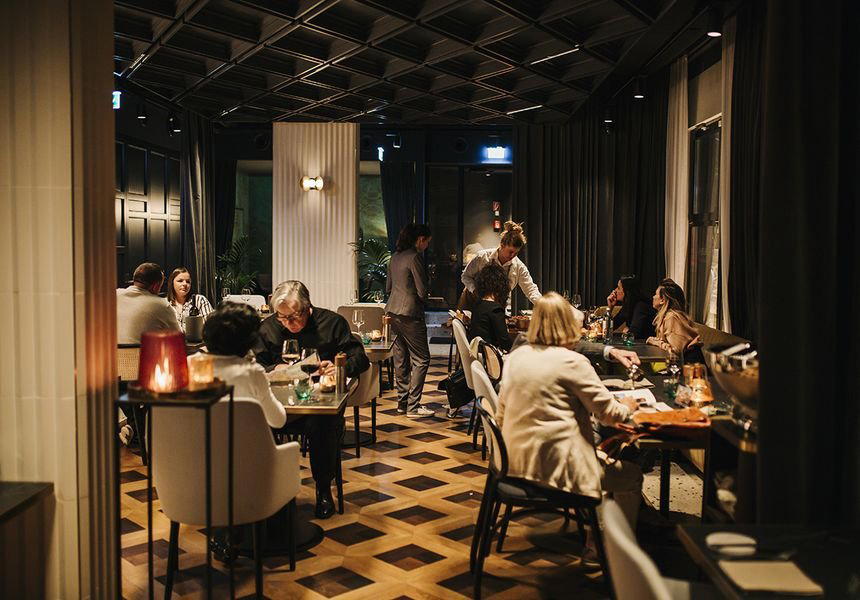
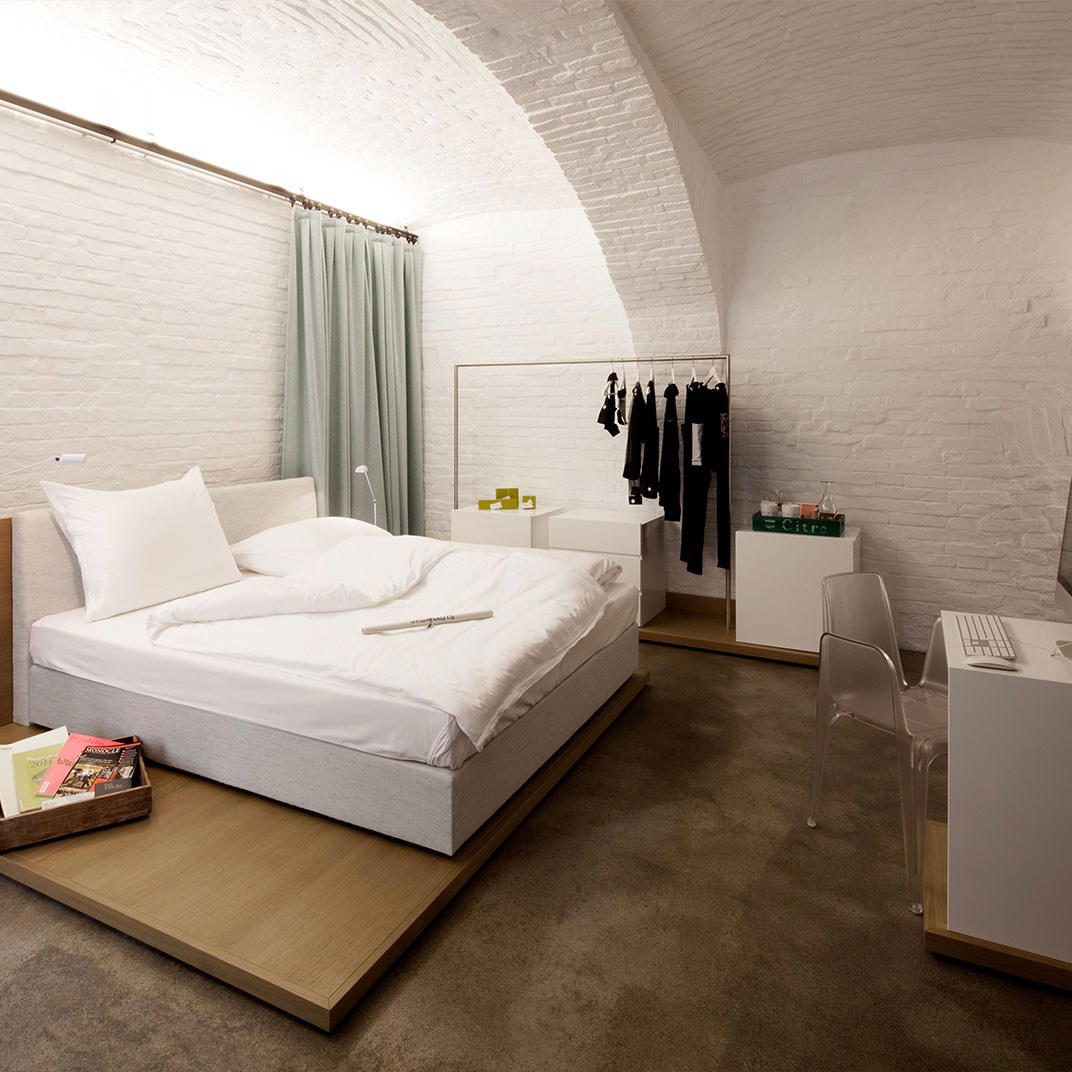
Traditional vaulted cellars with modern cellar technology, surrounded by hillside vineyards offering a serene, nature-connected atmosphere.