Binter occupies a quietly serious position on Seidengasse in Vienna's 7th district, where the Neubau neighbourhood has become a reliable address for ingredient-driven cooking that sidesteps both tourist-trail convention and fine-dining formalism. The kitchen's sourcing logic places it in the company of Vienna's more considered independent restaurants, where what arrives on the plate is less a statement of technique and more a consequence of where the food came from.
Pearl is the En Primeur Club membership app — saves, bookings, and concierge access live there. Same editors, same standards.
- Address
- Seidengasse 31, 1070 Wien, Austria
- Phone
- +436763543260
- Website
- binter.store
- Directions
- Get directions
 Saves & bookings on Pearl
Seidengasse and the Sourcing Argument
Binter is a restaurant serving Tyrolean Alpine Street Food in Vienna's 7th district. Neubau is not the city's traditional fine-dining corridor, What the 7th has produced instead is a denser concentration of independent restaurants that operate on a different logic: sourcing first, format second. Binter, at Seidengasse 31, sits inside that pattern. The street itself is unhurried, residential in character, with the kind of foot traffic that suggests the neighbourhood feeds itself rather than performs for visitors.
That context matters for understanding what Binter is and what it is not. In a city where the upper tier of creative Austrian cooking, represented by operations like Steirereck im Stadtpark, Amador, and Konstantin Filippou, is built around multi-course architecture and extended reservation windows, a Neubau address on a side street signals something different. The ambition is present; the staging is quieter.
Where the Food Comes From
The ingredient-sourcing conversation in Austrian dining has a clear geographical logic. Austria's culinary identity is inseparable from its landscape: the alpine pastures of Vorarlberg and Tyrol, the river-fed agriculture of the Wachau and Steiermark, the lake fisheries of Salzkammergut. Vienna's better independent kitchens have increasingly treated sourcing as the editorial argument of the menu, not as a branding footnote but as the structural principle that determines what is cooked and when.
This is the tradition in which Binter operates. The city's more established ingredient-forward restaurants have made regional provenance a discipline rather than a gesture. Producers matter; seasonal windows are taken seriously; the menu shifts not because the chef wants variety but because the supply dictates it. That kind of sourcing discipline is more common in Austria's regional dining destinations, places like Döllerer in Golling an der Salzach, Obauer in Werfen, or Kräuterreich by Vitus Winkler in Sankt Veit im Pongau, where proximity to producers is structural, but it has found a genuine foothold in Vienna's independent tier as well.
In a city where Mraz and Sohn have spent years demonstrating that creative Austrian cooking can be both technically serious and sourcing-honest, and where Doubek occupies a similar position of quiet, produce-led integrity, Binter enters a neighbourhood conversation that has real precedent. The question is always the same: does the sourcing argument hold up on the plate, or does it remain a talking point?
The Neubau Dining Register
Understanding Binter requires understanding the register the 7th district operates in. This is not the Vienna of white tablecloths and formal service sequences. Neubau's dining character runs more casual in presentation while maintaining seriousness of intent, a combination that reflects how the city's younger independent operators have positioned themselves relative to the grand Viennese dining tradition.
The contrast is instructive. At the upper end of Vienna's creative dining tier, the format is explicit: long menus, extended evenings, wine pairings calibrated to the gram. The Neubau register compresses that ambition into a less theatrical frame. Fewer courses, tighter rooms, service that is knowledgeable without being ceremonial. It is a format that has international parallels, the ingredient-driven informality that has shaped places like Lazy Bear in San Francisco operates on a different scale, but the underlying argument is similar: sourcing and cooking matter more than staging.
For visitors approaching Vienna's independent restaurant tier from the outside, the price and format signals in Neubau are usefully different from the city's formal addresses. The commitment to produce quality can be just as present, and the price remains accessible.
Vienna's Independent Mid-Tier in Context
Vienna's dining identity includes a formal fine-dining tier, but Binter sits outside it.Steirereck have accumulated over decades. What is less often described is the independent mid-tier that sits below the starred circuit and above the tourist-facing Beisl. This is the register where sourcing arguments are made most plainly, where the menu changes most frequently, and where the cooking is most directly responsive to Austrian seasonal production.
Austria's broader regional dining map supports this kind of cooking at the source. Restaurants like Landhaus Bacher in Mautern an der Donau, Taubenkobel in Schützen am Gebirge, and Ois in Neufelden operate in environments where the supply chain to kitchen is short and the seasonal discipline is non-negotiable. When that same discipline migrates to a city address, it requires different logistics, supplier relationships built over time, purchasing patterns that prioritise small-volume producers, but the output is recognisable in what appears on the plate.
For visitors building a Vienna dining itinerary, Binter fits most naturally as a counterpoint to the city's formal tier. A meal at a starred address, Konstantin Filippou, say, or Amador, demonstrates what Vienna's creative cooking looks like at full extension. A meal at a sourcing-focused independent in Neubau shows what the same underlying ingredient logic produces when the format is stripped back. Both are worth understanding. They are not in competition; they are making different arguments with the same raw materials.
Austria's alpine and riverine sourcing culture also connects Vienna to a wider network of serious regional kitchens. Dining destinations like Schwarzer Adler in Hall in Tirol, Gourmetrestaurant Tannenhof in Sankt Anton am Arlberg, Stüva in Ischgl, and Restaurant 141 by Joachim Jaud in Mieming each draw from the same alpine agricultural tradition that informs the better Vienna kitchens. Understanding that supply network is part of understanding why Vienna's independent dining tier is worth taking seriously.
The way Le Bernardin in New York City has maintained sourcing discipline at the summit of the market for decades demonstrates that ingredient provenance and technical seriousness are not in tension, the sourcing is what makes the technique worth applying.
Know Before You Go
Cuisine Lens
Comparable venues nearby, for context on price, style, and recognition.
| Venue | Cuisine | Price | Notes |
|---|---|---|---|
| BinterThis venue — the venue you are viewing | Tyrolean Alpine Street Food | $$ | Not listed |
| NIGLS Gastwirtschaft | Traditional Viennese Gastwirtschaft | $$ | Breitensee |
| Leitenbauer Delikatessen | Austrian Sausage Deli | $$ | Neubau |
| Gasthaus Grabmüller | Traditional Austrian | $$ | Doebling |
| Lusthaus | Traditional Austrian | $$ | Praterbrucke |
| Zum Lercherl von Hernals | Traditional Austrian Nose-to-Tail | $$ | Hernals |
Continue exploring
More in Vienna
Restaurants in Vienna
Browse all →![[aend] restaurant in Vienna](https://cdn.enprimeurclub.com/storage/v1/object/public/images/locations/recsVyRkMfzCxPmp0/hero2.jpg?width=3840&quality=75)
Bars in Vienna
Browse all →

Hotels in Vienna
Browse all →
At a Glance
- Rustic
- Cozy
- Trendy
- Casual Hangout
- After Work
- Standalone
- Local Sourcing
Current opening hours
- Monday
- 10 AM–11 PM
- Tuesday
- 3:30–11 PM
- Wednesday
- 10 AM–11 PM
- Thursday
- 10 AM–11 PM
- Friday
- 10 AM–1:30 AM
- Saturday
- 10 AM–1:30 AM
- Sunday
- 10 AM–5 PM
Hours can change for holidays and private events. Last verified .
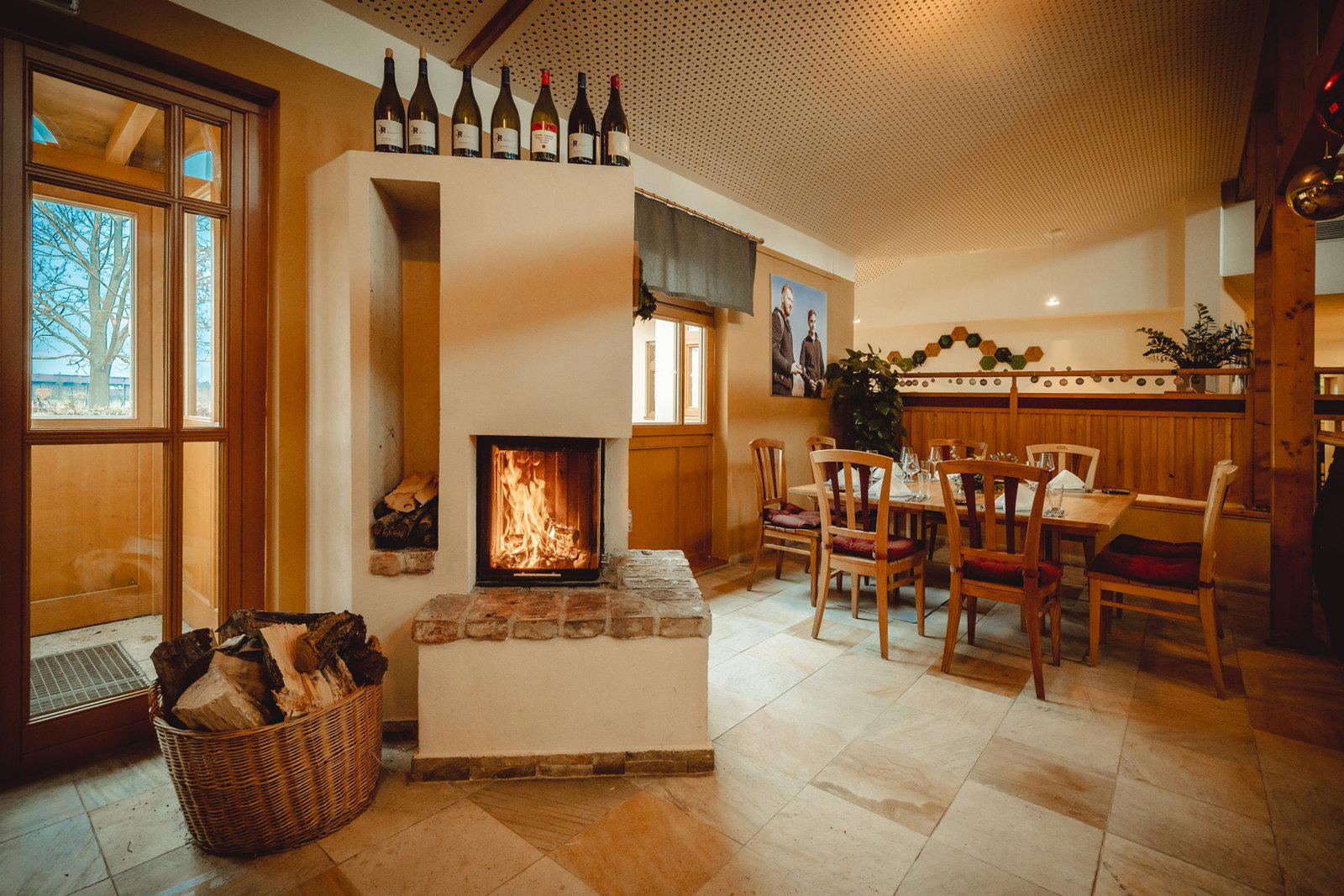
Casual, energetic street food atmosphere with Alpine charm and contemporary flair.