A Viennese Beisl with roots stretching back centuries, Silberwirt on Schlossgasse in the 5th district holds its ground as a neighbourhood institution where regulars return not for spectacle but for the honest continuity of Austrian cooking. The setting, the cadence of service, and the cooking itself speak to a tradition that Vienna's grander dining rooms have largely moved past.
Pearl is the En Primeur Club membership app — saves, bookings, and concierge access live there. Same editors, same standards.
- Address
- Schlossgasse 21, 1050 Wien, Austria
- Phone
- +434315444907
- Website
- silberwirt.at
- Directions
- Get directions
 Saves & bookings on Pearl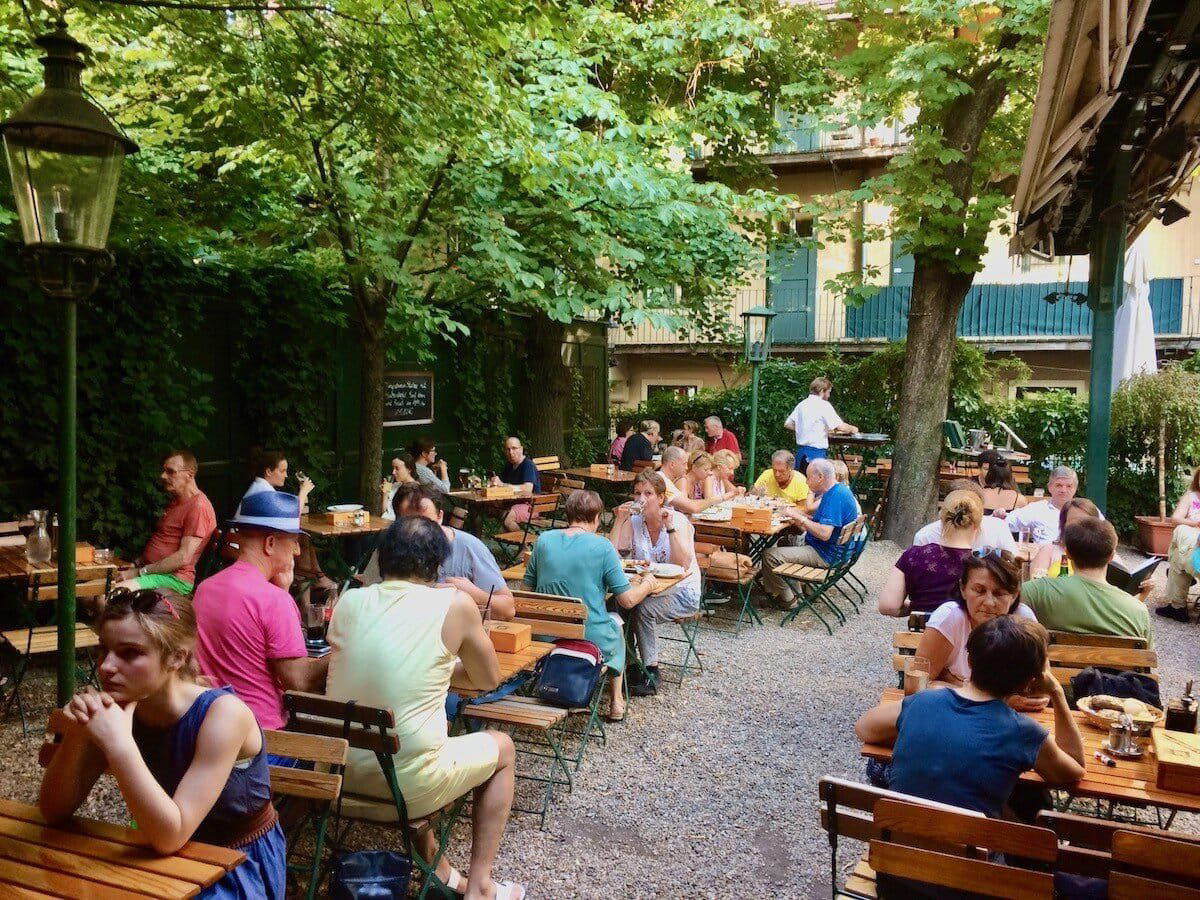
What Keeps Vienna's Regulars Coming Back
Silberwirt is a Traditional Viennese Beisl in Vienna's Margareten district, with a casual dress code, recommended reservations, and an average price of about $25 per person. Vienna's dining scene has long maintained a clear hierarchy. At the leading, tasting-menu restaurants like Steirereck im Stadtpark and Amador operate at €€€€ price points with the full apparatus of modern fine dining. Further along the spectrum, the traditional Beisl, the neighbourhood inn format that has defined Viennese everyday eating for centuries, occupies a different register entirely. Silberwirt, at Schlossgasse 21 in the 5th district, belongs to this second tradition, and its longevity says something about what that tradition still delivers that the tasting-menu tier cannot.
The Beisl format is worth understanding on its own terms before arriving at Silberwirt's door. It is not a diminished version of fine dining. It is a distinct civic institution, as Viennese as the coffeehouse, built around the idea that a neighbourhood should have a place where locals eat well without occasion as a prerequisite. The cooking draws from the Austrian Hausmannskost canon, Tafelspitz, Schnitzel, seasonal game, liver preparations, and the kind of bone broth-based dishes that disappear from menus elsewhere but persist here because the regulars expect them. The wine list follows a domestic logic, with Grüner Veltliner and Blaufränkisch appearing not as curiosities but as defaults.
The 5th District and Its Dining Character
Margareten, Vienna's 5th district, sits just south of the Ringstrasse belt without the tourist traffic that defines the 1st. The neighbourhood's dining character is residential rather than destination-driven. Restaurants here are answerable to repeat customers in a way that venues in the 1st or 7th are not. That accountability shapes everything: the menu cannot reinvent itself seasonally at the expense of what regulars expect, and the pricing must stay honest because the people walking in on a Tuesday evening live three streets away.
Silberwirt has operated within this context for long enough to be considered part of the district's social fabric. It is not the kind of place that attracts attention from the same crowd following Konstantin Filippou or Mraz & Sohn, both of whom represent Vienna's modern creative tier. Silberwirt operates in a different economy of loyalty, one where the measure of success is not a Michelin star but the fact that the same faces appear at the same tables across years and decades.
What the Regulars Know That First-Timers Don't
The unwritten knowledge that circulates among Silberwirt's regulars concerns timing and ordering rather than secret dishes. In traditional Viennese Beisln, the kitchen follows seasonal logic that predates menu engineering. Game dishes appear when the season opens, not as a conceptual nod but as a practical matter of supply. Liver and offal preparations, once the defining cuisine of a city that wasted nothing from the imperial abattoirs, remain on menus at places like this precisely because the clientele who grew up eating them still come in and order them.
First-time visitors often approach a Beisl with fine-dining expectations that don't apply. The service style is not deferential in the way of a tasting-menu room; it is familiar in the way of a place that assumes you've been before, or will be back. Portion sizes in the Austrian Beisl tradition are calibrated for the working appetite rather than the tasting sequence. Ordering two courses here means eating a substantial amount of food.
The regulars also understand the garden. Viennese Beisln with outdoor courtyards or Schanigarten operate on a different rhythm in the warmer months, and the experience of eating in a protected courtyard in a residential Viennese street is distinct from what any of the city's destination restaurants provide. It is, in a literal sense, eating where the city actually lives.
Silberwirt in the Broader Context of Austrian Dining
Austria's serious dining circuit extends well beyond Vienna. Döllerer in Golling an der Salzach, Obauer in Werfen, and Landhaus Bacher in Mautern an der Donau all represent the kind of destination cooking that draws visitors from abroad, with the full weight of awards and critical recognition behind them. In the Alpine regions, restaurants like Griggeler Stuba in Lech, Gourmetrestaurant Tannenhof in Sankt Anton am Arlberg, and Schwarzer Adler in Hall in Tirol operate in a high-altitude luxury-hospitality format. Others like Ikarus in Salzburg, Kräuterreich by Vitus Winkler, Restaurant 141 by Joachim Jaud, and Ois in Neufelden occupy the creative regional tier.
Silberwirt belongs to none of these categories. Its reference points are not the starred circuit but the civic tradition of the Viennese Beisl, a format that has survived precisely because it resists the logic of destination dining. In an era when even mid-range Vienna restaurants have borrowed the vocabulary of modern European cooking, see Doubek for a sense of how the contemporary neighbourhood restaurant has evolved, the traditional Beisl represents a genuinely different set of priorities.
Internationally, the comparison point is the kind of neighbourhood institution that cities like New York have almost entirely lost to economics. The remaining examples, at whatever scale, tend to be treated as cultural artifacts. Vienna still has enough of them functioning as actual neighbourhood restaurants, answerable to locals, not to critics, that Silberwirt doesn't need to be treated as an anomaly. It is, within the 5th district's residential logic, simply where people eat. That normalcy is the point. For a sense of what the opposite end of the cooking ambition spectrum looks like, Le Bernardin in New York and Atomix represent the tasting-menu tier that has come to dominate critical attention in major cities worldwide.
Anyone building a Vienna itinerary around fine dining alone, moving between the €€€€ creative restaurants and the Michelin-tracked addresses, will miss what Silberwirt and the Beisl tradition offer.
Know Before You Go
| Address | Schlossgasse 21, 1050 Wien, Austria |
|---|---|
| District | 5th district (Margareten) |
| Format | Traditional Viennese Beisl |
| Booking | Recommended reservations |
Price Lens
Comparable venues nearby, for context on price, style, and recognition.
| Venue | Cuisine | Price | Notes |
|---|---|---|---|
| SilberwirtThis venue — the venue you are viewing | Margareten, Traditional Viennese Beisl | $$ | Not listed |
| die Feinkosterei Neuer Markt | Innere Stadt, Austrian Tapas | $$ | Not listed |
| Wirtschaft am Markt | Not listed | $$ | Gaudenzdorf, Modern Viennese Market Cuisine |
| Gasthaus Reinthaler | Not listed | $$ | Innere Stadt, Traditional Viennese Gasthaus Cuisine |
| Marienhof | Hofburg, Traditional Viennese Cuisine | $$ | Not listed |
| Gasthaus Grabmüller | Doebling, Traditional Austrian | $$ | Not listed |
Continue exploring
More in Vienna
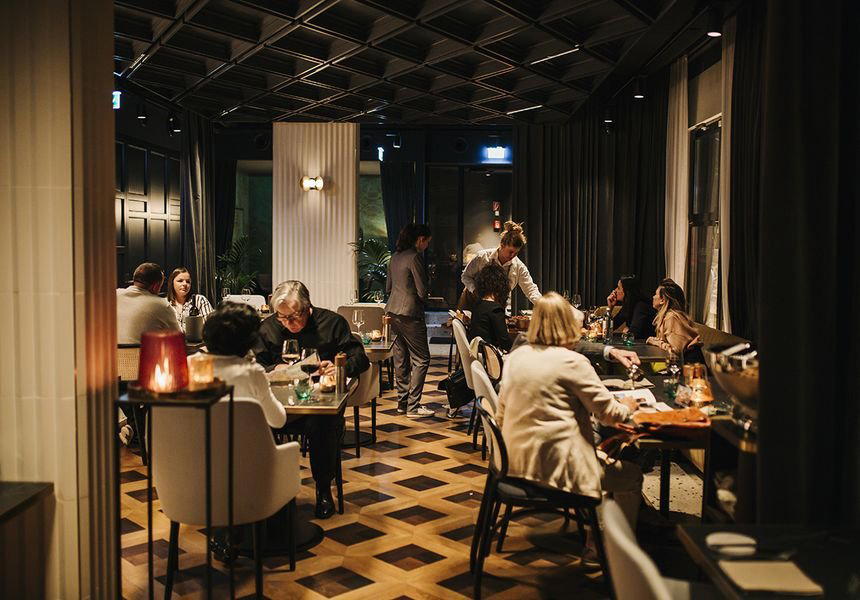
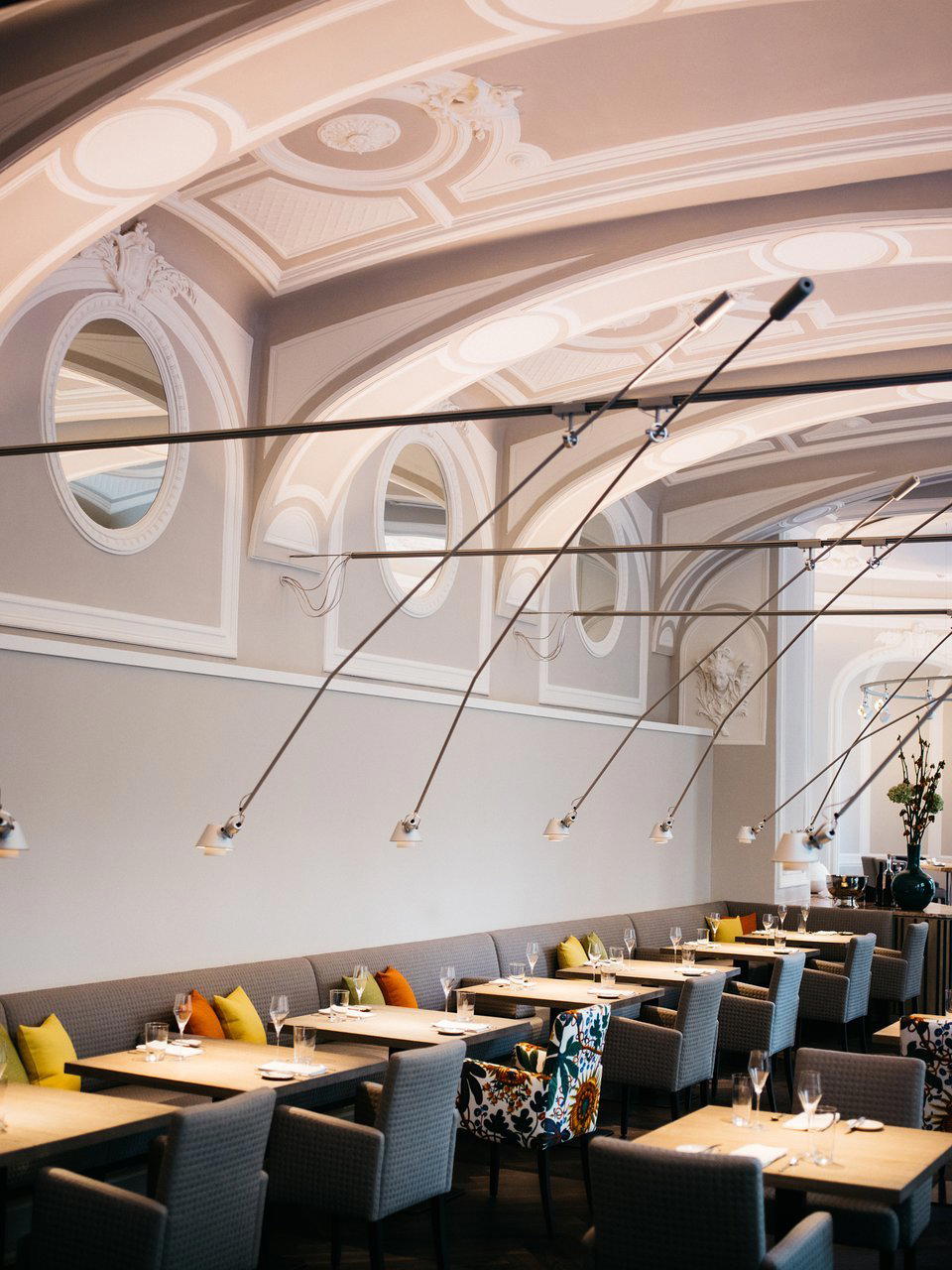
Restaurants in Vienna
Browse all →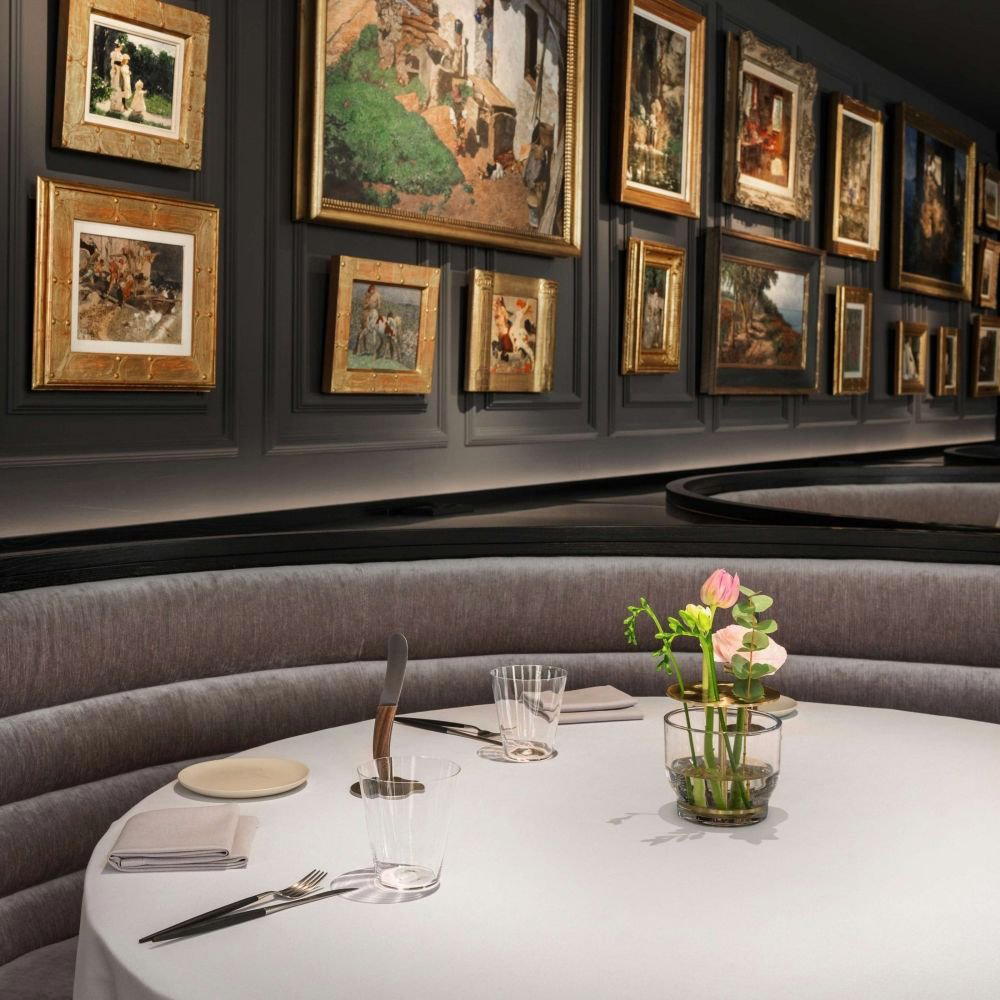
![[aend] restaurant in Vienna](https://cdn.enprimeurclub.com/storage/v1/object/public/images/locations/recsVyRkMfzCxPmp0/hero2.jpg?width=3840&quality=75)
Bars in Vienna
Browse all →

Hotels in Vienna
Browse all →
At a Glance
- Cozy
- Rustic
- Classic
- Historic
- Casual Hangout
- Group Dining
- Family
- Garden
- Courtyard
- Historic Building
- Beer Program
- Organic
- Local Sourcing
- Garden
Current opening hours
- Monday
- 12–11 PM
- Tuesday
- 12–11 PM
- Wednesday
- 12–11 PM
- Thursday
- 12–11 PM
- Friday
- 12–11 PM
- Saturday
- 12–11 PM
- Sunday
- 12–11 PM
Hours can change for holidays and private events. Last verified .
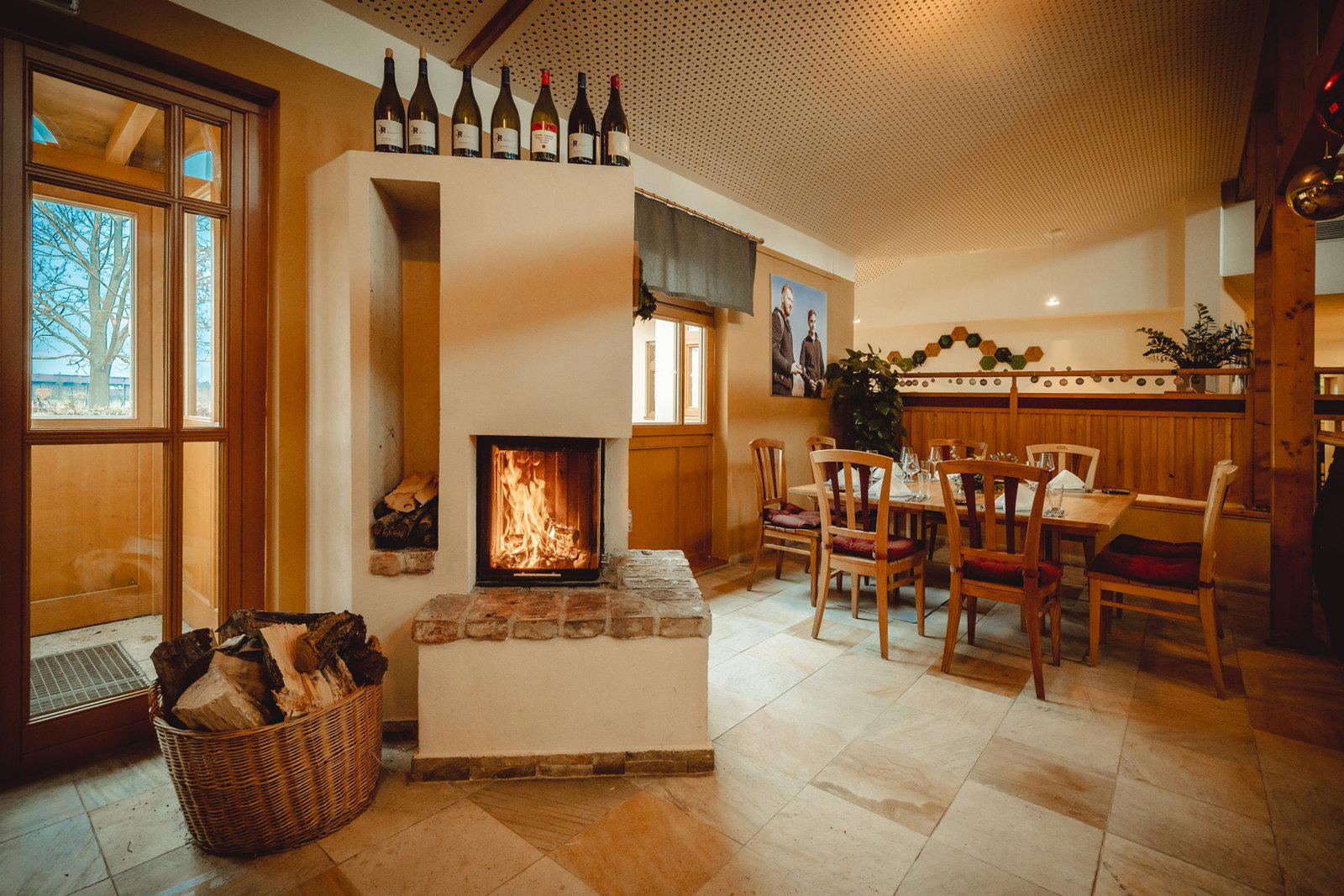
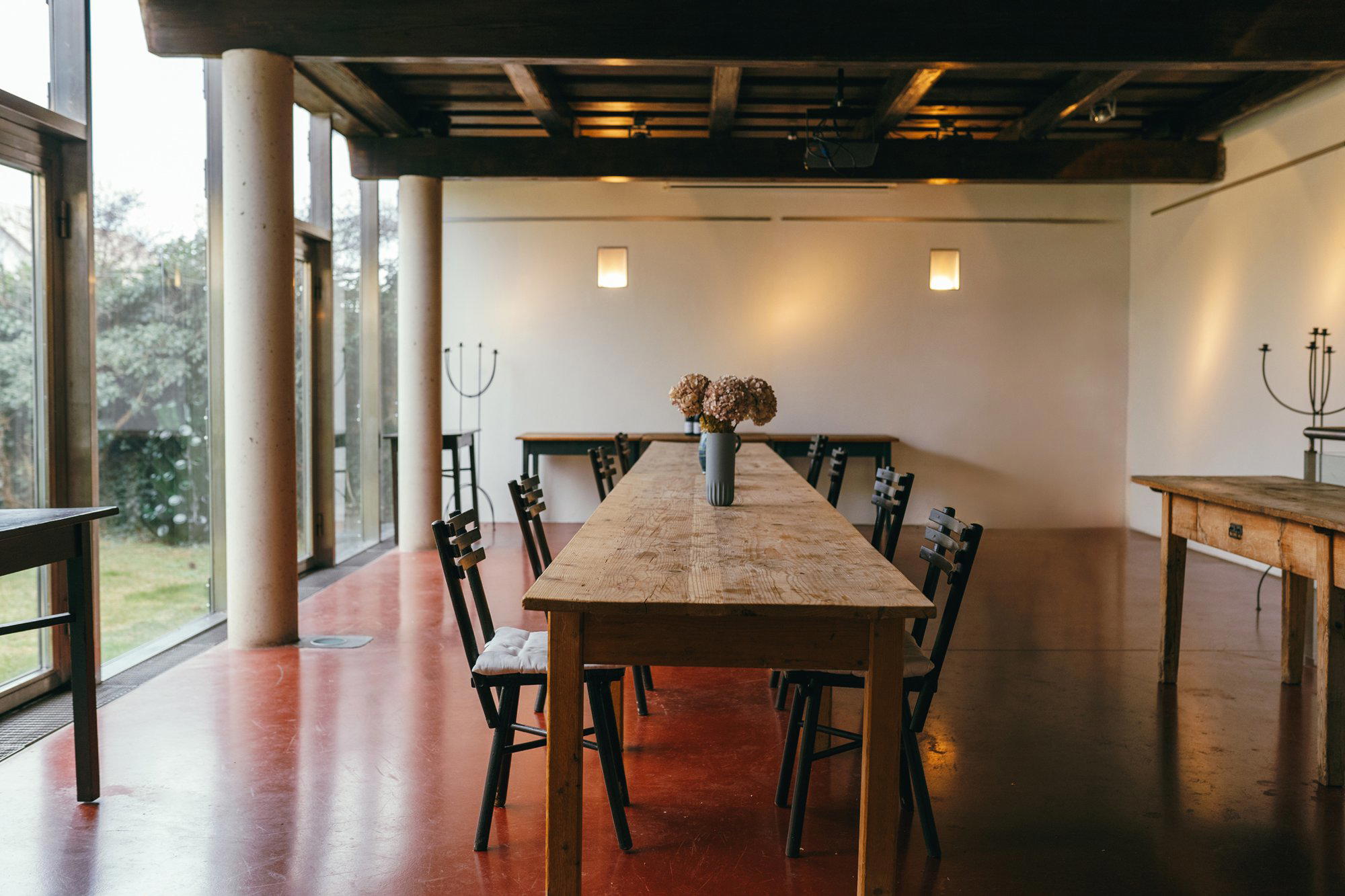
Cozy Beisl atmosphere with green wood panels, wooden furniture, and a busy historic courtyard on warm days.