Our verdict
Moana Fish Eatery sits on Jalan Pantai Batu Bolong in Canggu, one of Bali's most concentrated strips for seafood-forward dining. The venue draws from the island's deep coastal fishing traditions, placing it within a neighbourhood where proximity to the Indian Ocean has long shaped what ends up on the plate. For visitors working through the Canggu dining circuit, it represents the accessible, fish-focused end of the local spectrum.

Pearl is the En Primeur Club membership app, where members save venues, book tables and use the concierge.
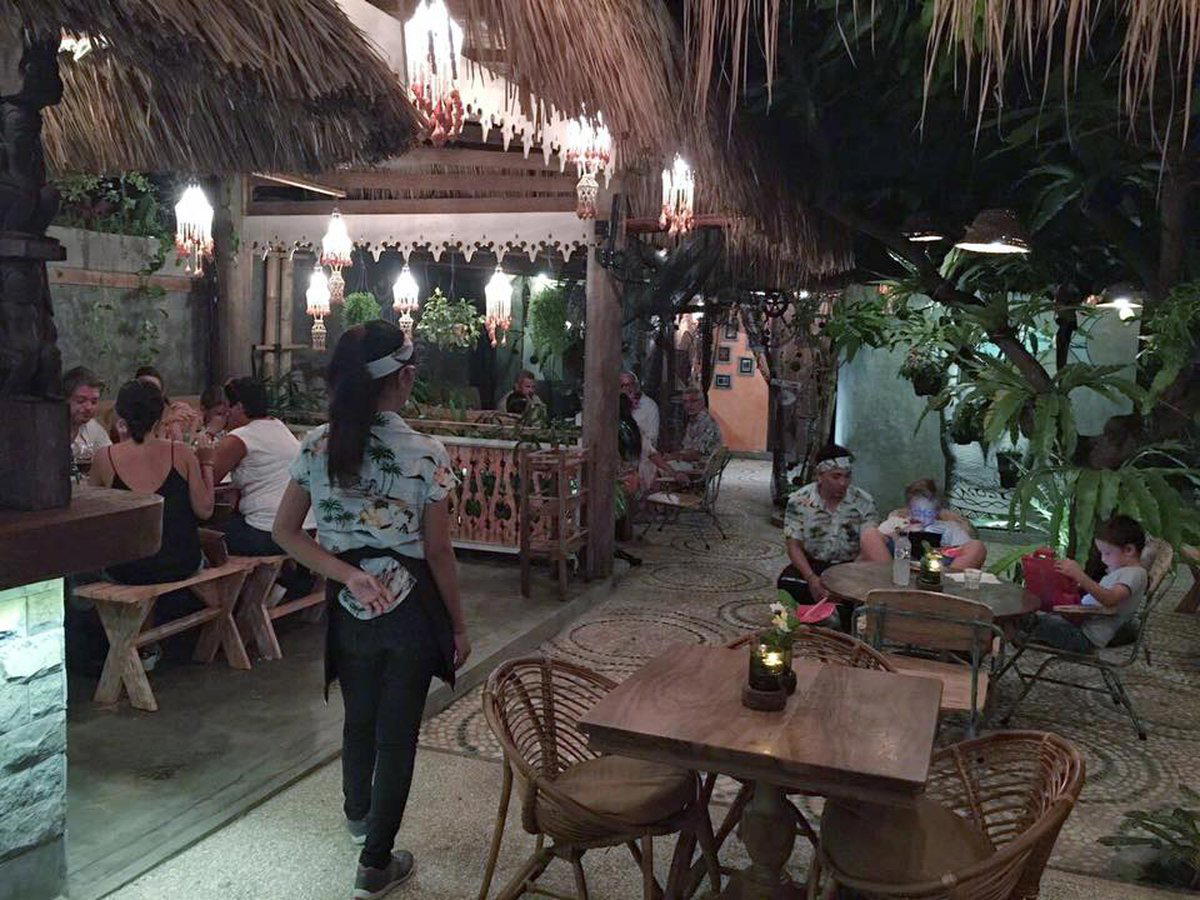
The menu
What to order
- Grilled mahi-mahi
- Poke bowls
- Fish tacos
- Coconut king prawn curry
Canggu's Coastal Eating Habit
Bali's relationship with seafood is older than its tourism industry. The island's fishing villages, from Jimbaran's famous beachside warungs to the quieter northern coves, have always organised a portion of daily life around what comes in on the morning boats. That tradition has migrated inland and upscale over the decades, but in Canggu it still expresses itself at street level: open-fronted, salt-aired, with the catch determining the menu rather than the other way around. Moana Fish Eatery occupies this register on Jalan Pantai Batu Bolong, the main artery that connects Canggu's surf breaks to its restaurant strip, at number 28.
The address places it squarely within one of Bali's most competitive dining corridors. Batu Bolong and its surrounding lanes have absorbed a significant portion of the island's post-2010 restaurant investment, with venues ranging from Cafe Organic Canggu at the plant-forward health end to Sarong Bali in Canggu at the refined Asian-fusion tier. Within that spread, a fish eatery with a name drawn from the Polynesian and Malay word for ocean signals a deliberate narrowing of focus. The name is not incidental: it declares a single source material and asks to be judged by how faithfully it handles that material.
What Seafood Means in South Bali
Indonesian seafood cooking is not one tradition but several operating simultaneously. In Jimbaran, whole fish grilled over coconut husks and served at low tables on the sand remains the reference format, a style that Rumari in Jimbaran represents at the more considered end. In Ubud, altitude and distance from the coast push seafood to a supporting role behind vegetables and duck, as seen in the ambitious Indonesian tasting format at Locavore NXT in Ubud. Canggu's version tends toward the casual and international-inflected: the neighbourhood's demographic mix of long-term expats, surf travellers, and Jakarta weekenders has produced menus that sit somewhere between the local tradition and the expectations of visitors who eat fish regularly but not necessarily in Balinese ways.
That positioning is neither a compromise nor a failing. It reflects how coastal Indonesian cooking actually travels: the core techniques (grilling, steaming, sambals, citrus-forward marinades) translate across contexts better than the slow-cooked, spice-layered traditions of Padang or the ceremonial preparations of the Balinese interior. A venue like Moana Fish Eatery operates in this space where the cuisine is legible to a wide audience without being stripped of its sourcing logic. The fish comes from waters that are geographically close, and that proximity, when it informs the kitchen's decisions, is the most reliable quality signal available in this category.
For a wider view of how Bali's restaurant scene segments across price and format, the full Banjar Badung restaurants guide maps the range in detail. At the more structurally ambitious end of Indonesian cooking on the island, Moksa in Bali and Cuca Restaurant in Badung offer points of comparison for what local sourcing looks like when applied with technical rigour.
The Canggu Dining Context
Canggu has shifted fast. A decade ago the area was defined by surf culture and warungs serving nasi campur to locals and budget travellers. That baseline still exists, but it now operates alongside a second tier of venues with imported equipment, trained kitchen staff, and wine programs. The fish eatery format sits at the intersection of those two realities: it inherits the informality of warung culture (walk in, sit down, eat well, leave) while benefiting from the improved supply chains and kitchen standards that the area's investment wave has brought.
The comparison set for a venue like Moana Fish Eatery in Canggu is not the fine-dining tier represented by August in Jakarta or the traditional Javanese formality of Kahyangan in Gondangdia. It is the mid-register of accessible, ingredient-focused restaurants where quality is demonstrated through sourcing decisions rather than technique complexity. In this bracket across Southeast Asia, the venues that hold up over time are the ones that maintain direct relationships with suppliers and resist the temptation to broaden the menu beyond what the kitchen can execute consistently. Jungle Fish Bali in Gianyar represents a different geographic inflection of the same fish-forward instinct, further east toward Ubud's more tourist-facing corridor.
Across Indonesia more broadly, the diversity of seafood-led cooking is considerable. The Padang tradition documented at venues like CARANO Masakan Padang in Bekasi shows how differently fish and seafood function when submerged in the coconut-and-chilli matrix of West Sumatran cooking. The point is that Indonesian seafood has no single grammar, and Canggu's version, international-facing and light-handed with spice, is one legitimate dialect of a much larger conversation.
Planning Your Visit
Moana Fish Eatery is located at Jalan Pantai Batu Bolong No. 28 in Canggu, within the Kuta Utara sub-district of Kabupaten Badung. The address places it on the main coastal road that most visitors travel daily between Echo Beach and the Batu Bolong surf break, making it a natural stop rather than a detour. Canggu operates on informal dining rhythms: the area sees its heaviest foot traffic at lunch and from sunset onward, when the surf crowd moves from the water to the table. Arriving slightly outside those peaks, mid-afternoon or early evening, generally means shorter waits at the more popular spots on this strip.
For visitors building a broader Bali itinerary around food, the island's dining geography rewards a systematic approach. The south, anchored in Canggu, Seminyak (see The Legian in Seminyak), and Jimbaran, handles volume and variety. Ubud handles ambition and provenance. The east and north remain largely off the premium circuit. Moana Fish Eatery fits the southern register: accessible, seafood-specific, and embedded in a neighbourhood that has learned, over the past decade, to take its food seriously.
Frequently asked questions
Where is Moana Fish Eatery in Banjar Badung?
Moana Fish Eatery is located at Jl. Pantai Batu Bolong No.28, Canggu, Kec. Kuta Utara, Kabupaten Badung, Bali 80361, Indonesia, Banjar Badung.
How does Moana Fish Eatery fit into Canggu's seafood scene compared to Jimbaran or Seminyak?
Jimbaran is known for whole grilled fish at beachside warungs operating within a long-standing village tradition, while Seminyak trends toward polished, internationally influenced restaurants. Moana Fish Eatery, at Jl. Pantai Batu Bolong No. 28 in Canggu's Kuta Utara sub-district, occupies a different register: a neighbourhood-scaled seafood eatery in an area that shifted from surf-town informality to a denser, more varied dining corridor. That positioning makes it relevant to visitors already based in Canggu rather than those making a dedicated cross-Badung dining trip.
What's the must-try dish at Moana Fish Eatery?
Moana Fish Eatery's menu specifics aren't publicly detailed, but the kitchen's focus is seafood, which aligns with Canggu's coastal position along Batu Bolong beach. On Jl. Pantai Batu Bolong, where surf proximity shapes what kitchens prioritise, fish-forward plates are the reason to visit. Check directly at the venue for the current day's catch-driven options.
Do they take walk-ins at Moana Fish Eatery?
No reservation policy is documented for Moana Fish Eatery at Jl. Pantai Batu Bolong No. 28, Canggu. Given the area's foot traffic, particularly around the Batu Bolong strip, arriving early or outside peak lunch and dinner windows is the practical approach. Walking in during off-peak hours is generally feasible at Canggu's mid-format seafood spots.
What's Moana Fish Eatery best at?
The name and address on Jl. Pantai Batu Bolong place Moana Fish Eatery squarely in seafood territory, and that narrow focus is the venue's clearest signal. Canggu's dining scene has bifurcated between international café culture and seafood-anchored spots drawing on South Bali's fishing traditions; Moana sits in the latter camp. That specificity, fish over generalist menus, is what separates it from the area's broader café sprawl.
Budget and Context
Comparable venues nearby, for context on price, style, and recognition.
| Venue | Cuisine | Price | Notes |
|---|---|---|---|
| Moana Fish EateryThis venue (the venue you are viewing) | Polynesian Seafood | $20–30 | Not listed |
| Cafe Organic Canggu | Canggu, Organic Plant-Based Cafe | Not listed | Not listed |
| Mamasan Bali | Modern Southeast Asian Street Food | $30–50 | Kerobokan, cocktail_bar |
| Ratu Gurih Seafood | Makassar Seafood Grill | $10–20 | Lamadukelleng, Makassar Seafood Grill |
Continue exploring
More in Badung
Restaurants in Badung
All restaurants in Badung →
Bars in Badung
All bars in Badung →
Details
- Cozy
- Romantic
- Casual Hangout
- Family
- Date Night
- Standalone
- Craft Cocktails
- Sustainable Seafood
- Local Sourcing
- A La Carte
- Tropical Cocktails
- Pescatarian Friendly
Current opening hours
- Monday
- 9 AM–11 PM
- Tuesday
- 9 AM–11 PM
- Wednesday
- 9 AM–11 PM
- Thursday
- 9 AM–11 PM
- Friday
- 9 AM–11 PM
- Saturday
- 9 AM–11 PM
- Sunday
- 9 AM–11 PM
Hours can change for holidays and private events. Hours as of .
Cozy, airy, laid-back island atmosphere with a romantic Polynesian vibe created by the owner couple's heritage and the restaurant's intimate setting.