On Jalan Petitenget, one of Kerobokan's most consequential dining strips, Métis operates at the intersection of European technique and Balinese setting, a combination that has anchored the address in the upper tier of Seminyak-adjacent dining for years. The bar programme draws as much attention as the kitchen, making it a reference point for visitors tracking the island's cocktail evolution.
Jalan Petitenget and the Bar That Defined a Strip
Jalan Petitenget does not need much introduction to anyone who has followed Bali's restaurant scene over the past decade. The road running through Kerobokan Kelod has become the corridor where European-trained operators, design-forward venues, and serious beverage programmes have clustered, collectively shifting the island's drinking culture away from beach-shack rum punches toward something with considerably more technical ambition. Métis, at number six on that street, sits inside that shift and has done so long enough to be considered part of its founding logic rather than a beneficiary of it.
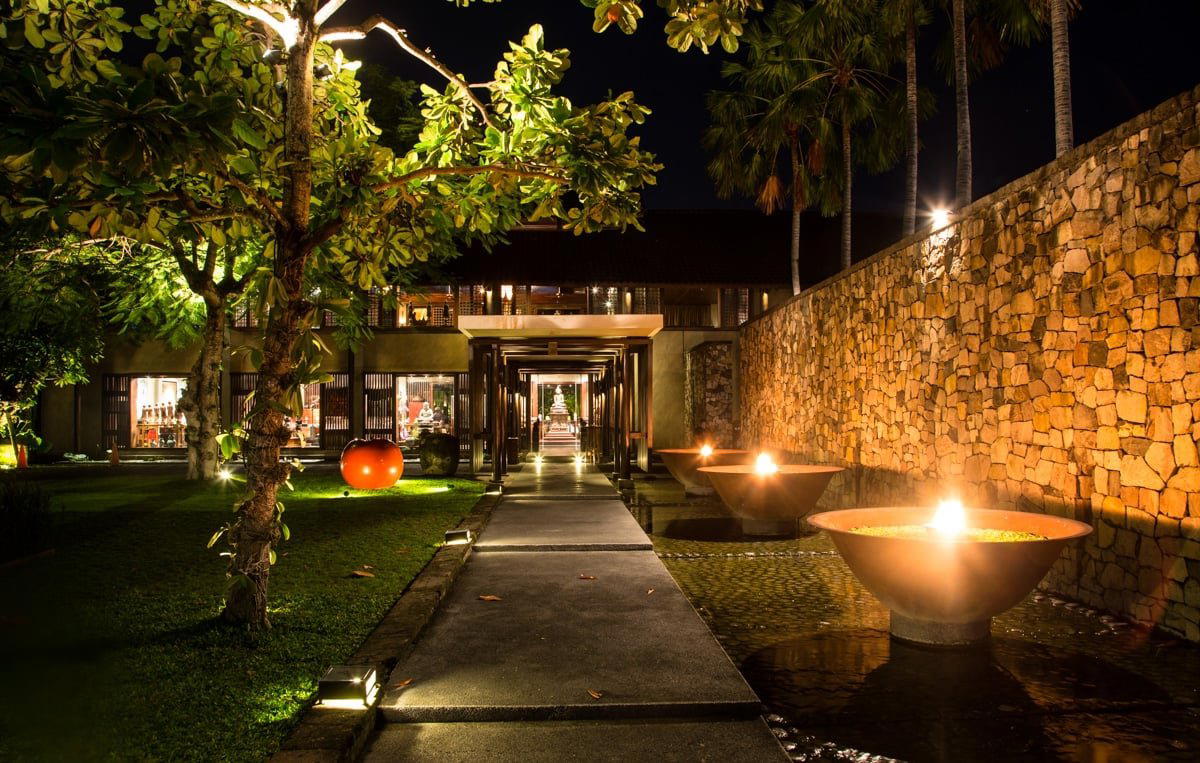
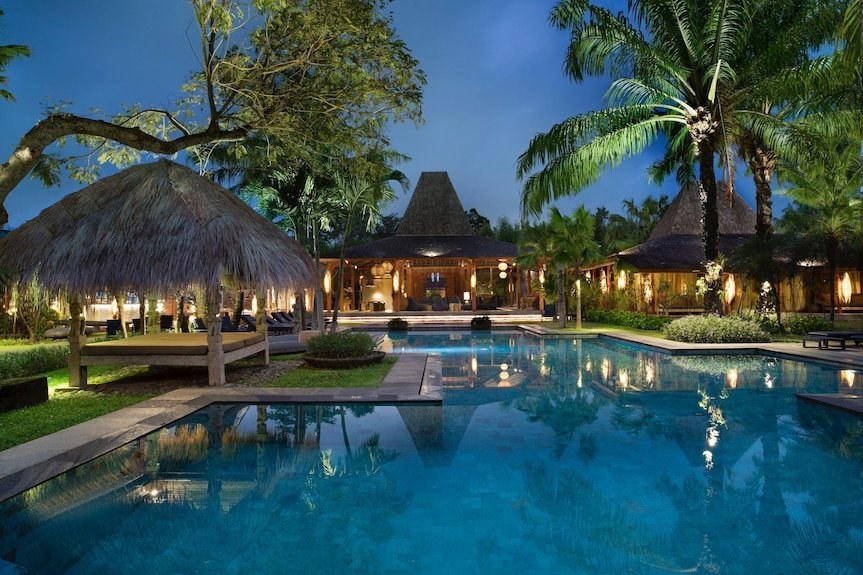
The physical approach sets a tone that much of the Petitenget strip aspires to: a low-lit, garden-framed entrance that transitions the noise and heat of the road into something cooler and more considered. This is a property where the transition from outside to inside is part of the experience, the architecture doing preparatory work before a glass arrives at the table. In a neighbourhood where venues like Ku de Ta in Seminyak built their reputations partly on the drama of arrival, Métis operates with a quieter register, one that suits its food-and-drink proposition better than spectacle would.
The Cocktail Programme as Editorial Statement
Across Bali's premium bar tier, the creative split tends to fall between venues anchored by their sunset views and those anchored by what is actually in the glass. Métis occupies the latter category. The cocktail programme at this address has historically leaned on European spirits literacy combined with access to tropical ingredients, a combination that appears simple on paper but is harder to execute with restraint than with excess. The temptation in this geography is always to oversweeten, to pile fresh fruit against rum or arrack and call it a signature. The better bars resist that, and Métis has built its reputation by doing so.
Within the Bali bar conversation, the Petitenget corridor functions as its own sub-market. Comparing across that corridor, Mamasan Bali skews toward Asian spirit-forward formats, while Si Jin operates in a Chinese-influenced cocktail mode. Métis sits in a different register: French-European in culinary orientation, with a bar programme that mirrors that kitchen logic rather than pursuing a separate identity. The coherence between food and drink is one of the cleaner editorial arguments the venue makes without needing to state it explicitly.
The broader Indonesian cocktail conversation is worth mapping here. In Jakarta, venues like Carrots Bar and No. 11 (Eleven Jakarta) in South Jakarta have developed technically rigorous programmes that increasingly reference international benchmarks. What distinguishes Bali's Petitenget tier from those Jakarta bars is setting: the outdoor-to-indoor continuum here, the tropical air, the garden architecture. Métis uses that geography as context rather than as the programme itself, which is what separates it from the purely atmosphere-dependent venues on the island.
Where Métis Sits in the Wider Cocktail Geography
It is useful to place Métis inside a wider frame when considering what the bar programme actually achieves. Internationally, the bars that have raised the technical baseline in similar resort contexts, Bar Leather Apron in Honolulu being a useful Pacific reference, have done so by treating their tropical geography as a source of ingredients rather than as an excuse for informality. The same logic applies here. The island's herbs, spices, and citrus are inputs into a technically controlled programme, not decoration around a default spirit.
American craft bar culture has its own reference points for this kind of ingredient-led precision. Jewel of the South in New Orleans draws on historical cocktail traditions to give its programme coherence and depth. Julep in Houston built its identity around a specific spirit category and stuck to it with discipline. What these bars share with the better Bali operators is a decision to anchor the programme around something specific rather than offering a wide menu that dilutes identity. Métis, in its food-drink coherence and French-leaning orientation, makes a similar kind of focused argument.
On the island itself, The Night Rooster in Ubud and its counterpart Night Rooster in Gianyar have built credibility in a different geographic pocket of Bali, one where the rice-terrace context shapes expectation differently than Seminyak's beach-adjacent energy does. The Petitenget corridor, and Métis within it, operates in a more international-facing mode, drawing a clientele that arrives with European dining fluency and expects the bar to match the kitchen's ambition.
The Dining Context and How to Use It
Métis functions primarily as a restaurant with a serious bar, rather than as a bar that also serves food. That distinction matters for planning. Visitors arriving purely for cocktails will find the programme rewarding, but the fuller experience here is built around a table. The kitchen has historically operated in French-Mediterranean territory, and the bar programme is calibrated to work alongside that food rather than independently of it. Guests arriving at the bar before a meal are using the space as it is intended; those arriving only for drinks are using it in a mode that works but leaves the fuller proposition incomplete.
For planning purposes, Jalan Petitenget No. 6 is in Kerobokan Kelod, accessible from central Seminyak in under ten minutes by car, and bookings for dinner are advisable given the address's standing on one of Bali's most active dining streets. Walk-ins at the bar are a more viable proposition at off-peak hours, but this is not a venue that guarantees availability on arrival during high season. Current hours, reservation options, and pricing should be confirmed directly with the venue, as these details can shift seasonally. See our full Banjar Badung restaurants guide for broader context on the corridor and its surrounding options.
For those cross-referencing the wider Badung dining tier, Bikini Restaurant Bali in Badung operates in an adjacent market, with a beachside format that positions it differently from the garden-enclosed register Métis maintains. The comparison is useful: both belong to Badung's upper dining band, but serve different versions of the Bali premium experience.
Comparison Snapshot
| Venue | Price | Awards |
|---|---|---|
| MétisThis venue (the venue you are viewing) | Not listed | Not listed |
| Union Brasserie, Bakery and Bar | $30–50 | World's 50 Best #33 |
| Ku de Ta | $50–100 | World's 50 Best #35 |
| Loewy | $20–30 | World's 50 Best #39 |
| Pantja | Not listed | World's 50 Best |
| Potato Head Beack Club | $50–100 | World's 50 Best #36 |
Continue exploring
More in Badung
Bars in Badung
All bars in Badung →
Restaurants in Badung
All restaurants in Badung →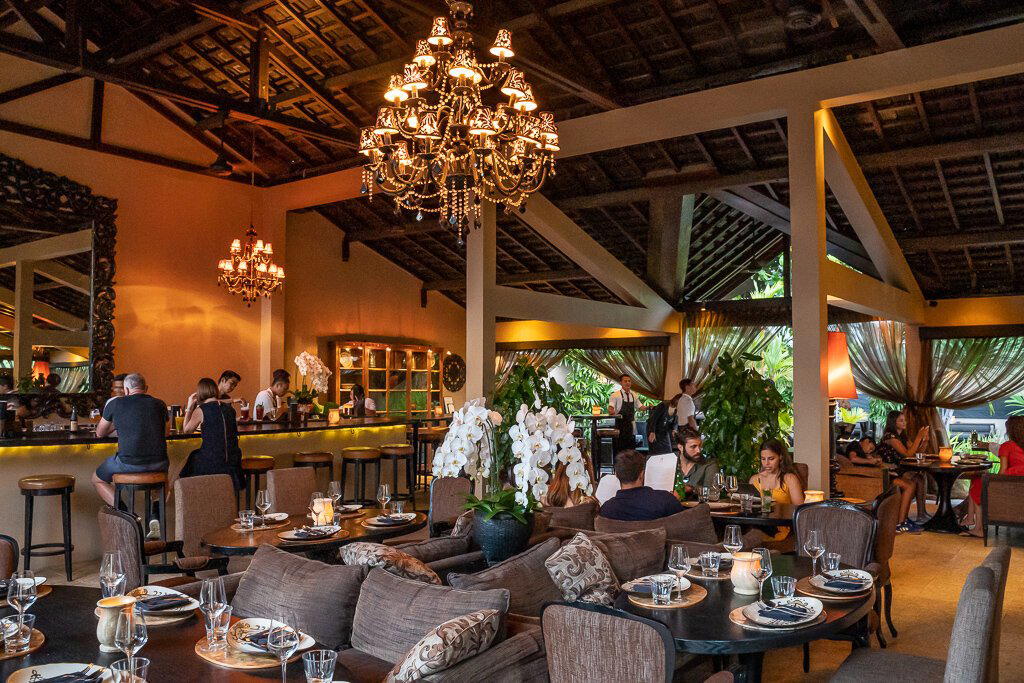
Métis
The drinks
- Craft cocktails
Signature drinks: Passiontini, Favela Breeze, La Favela Mystique.
Details
- Romantic
- Elegant
- Sophisticated
- Scenic
- Date Night
- Celebration
- Special Occasion
- After Work
- Garden
- Terrace
- Live Music
- Design Destination
- Standalone
- Lounge Seating
- Outdoor Terrace
- Booth Seating
- Private Rooms
- Craft Cocktails
- Conventional Wine
- Bottle Service
- Garden
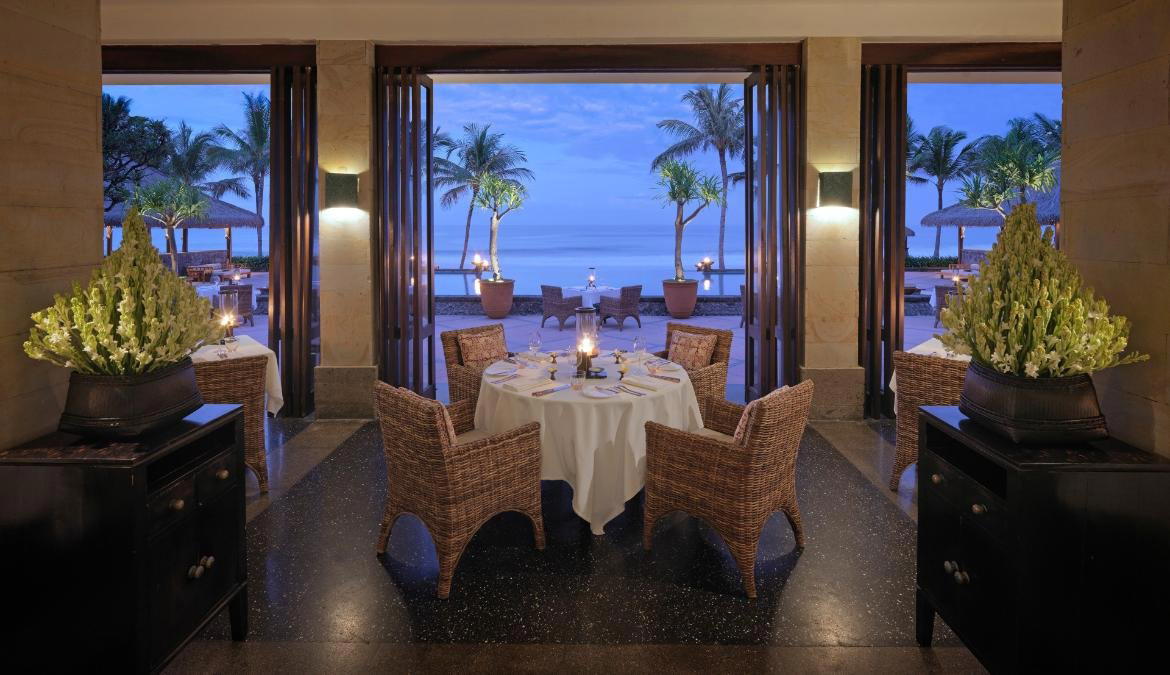
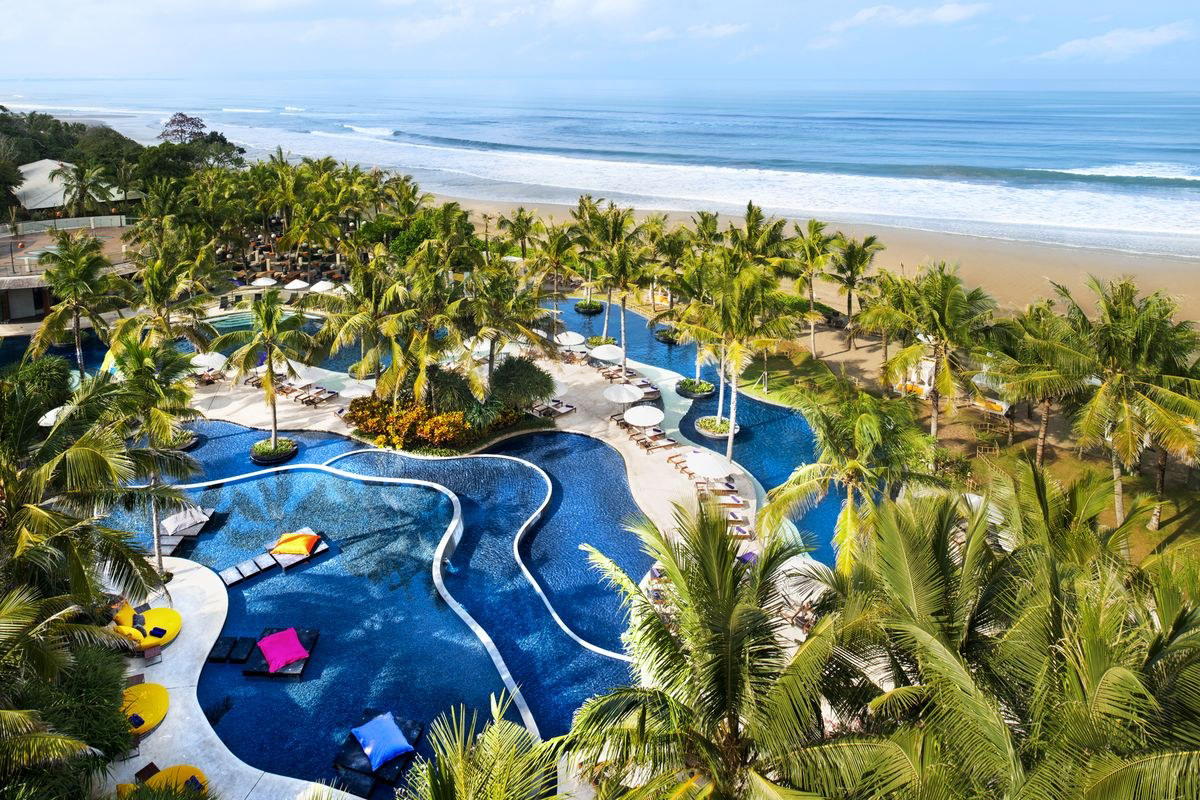
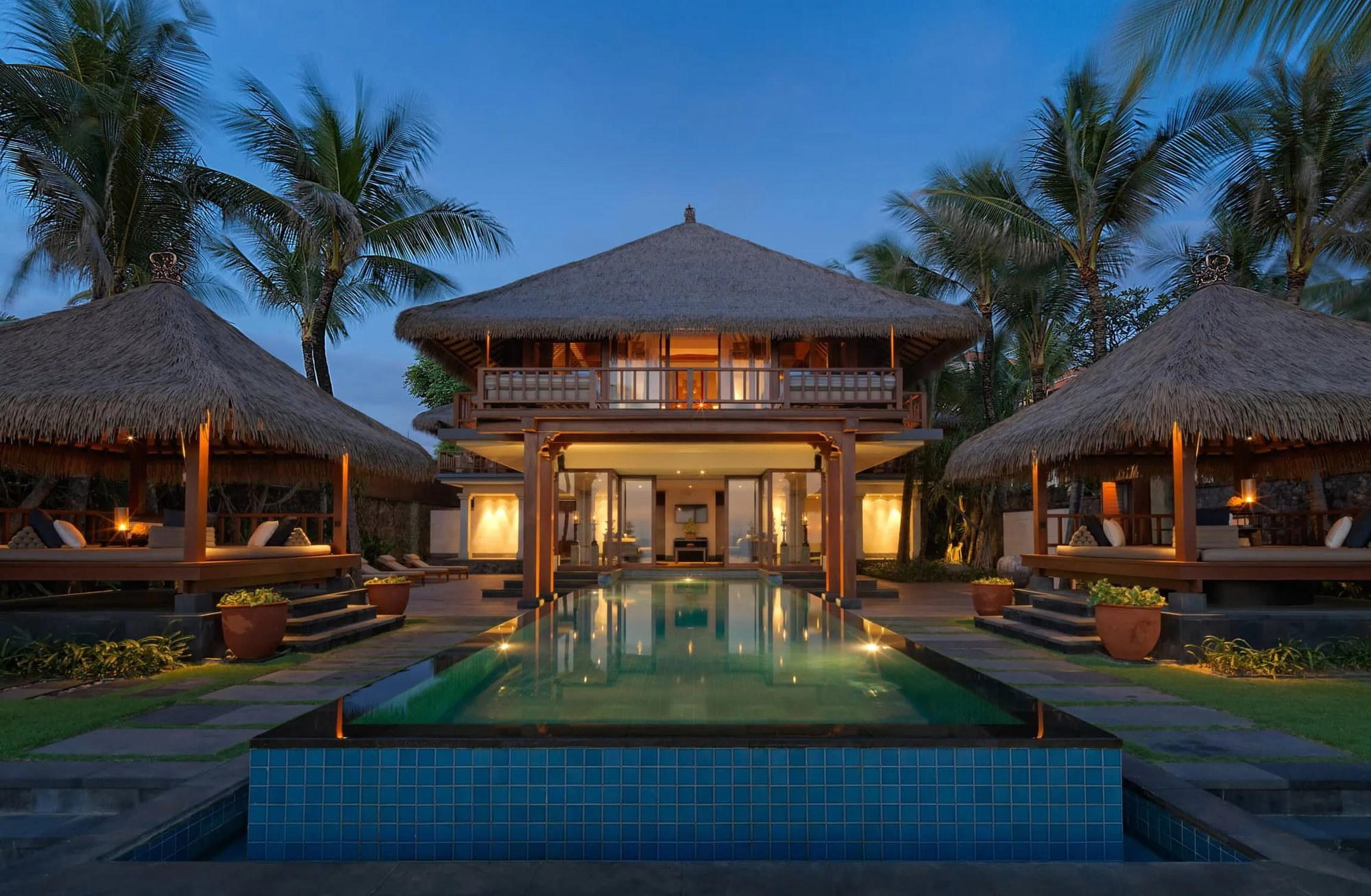
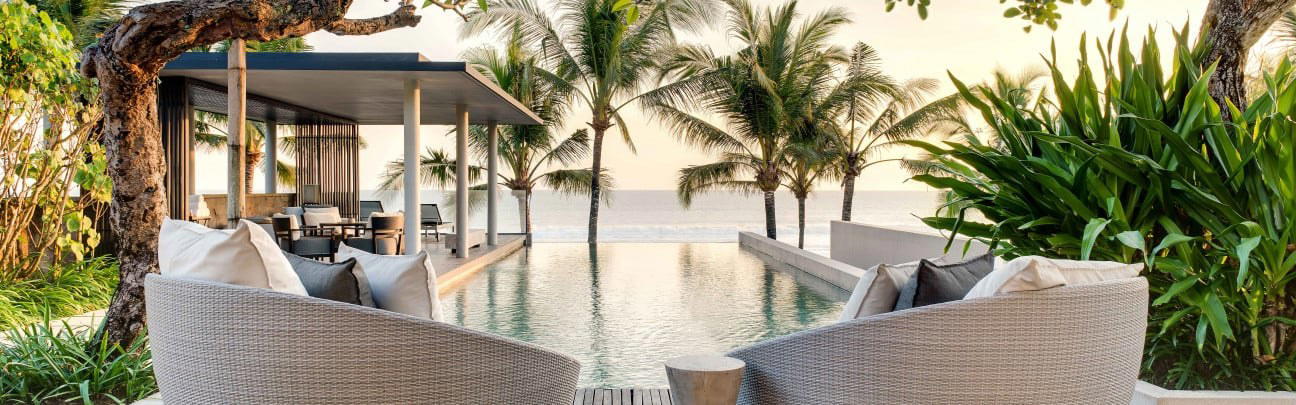
Dimly lit and elegant with lush tropical surroundings, lotus ponds, wooden pavilions, and terrace seating overlooking rice fields with the scent of frangipanis.