Our verdict
Positioned at the terminal approach on Jl. Raya Ir. H. Juanda in Sedati, Sidoarjo, bebek goreng harissa anchors itself in one of East Java's most travelled transit corridors. The name signals a specific regional tradition: crispy fried duck, a dish that carries centuries of Javanese technique behind its deceptively simple surface. For travellers passing through the Surabaya–Sidoarjo axis, it represents a direct read on how local ingredient culture survives in a high-traffic, working-class food environment.

Pearl is the En Primeur Club membership app, where members save venues, book tables and use the concierge.
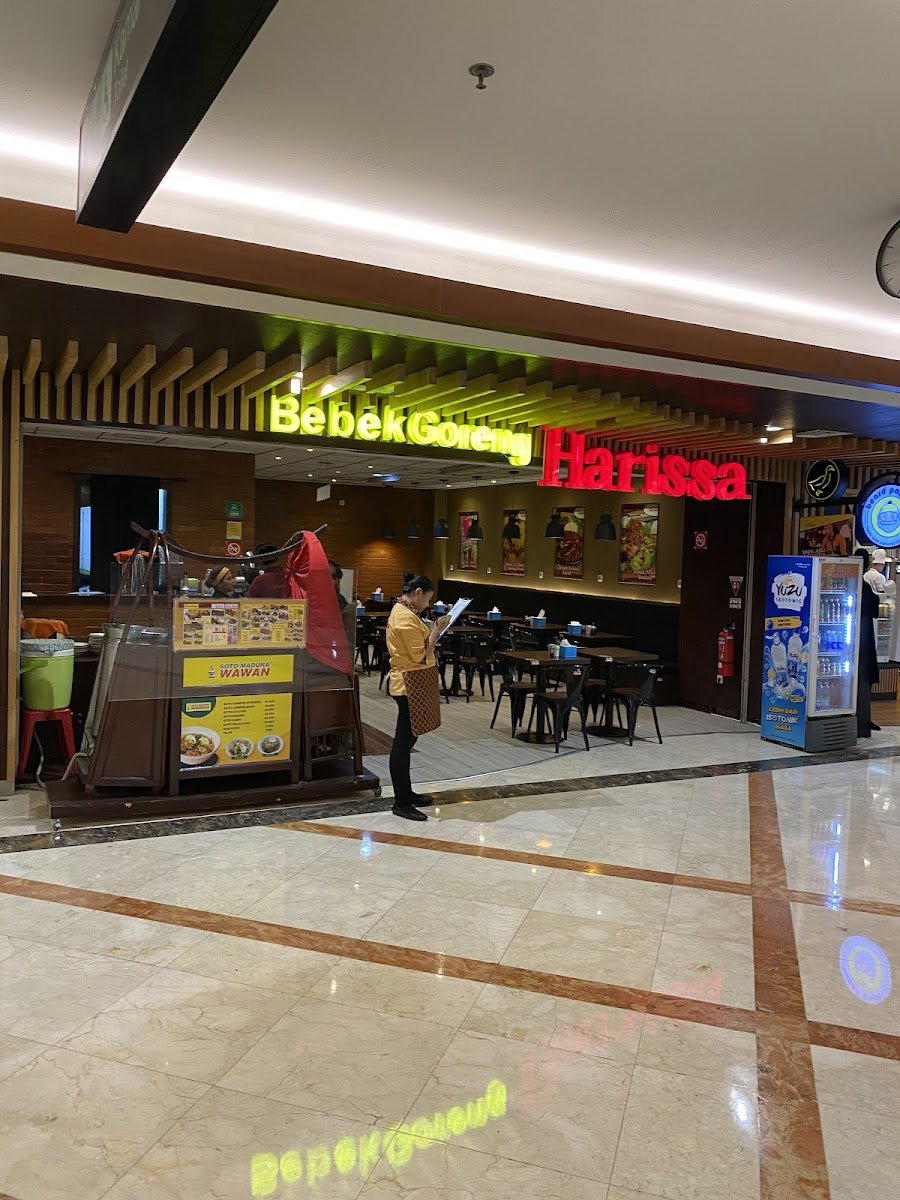
The menu
What to order
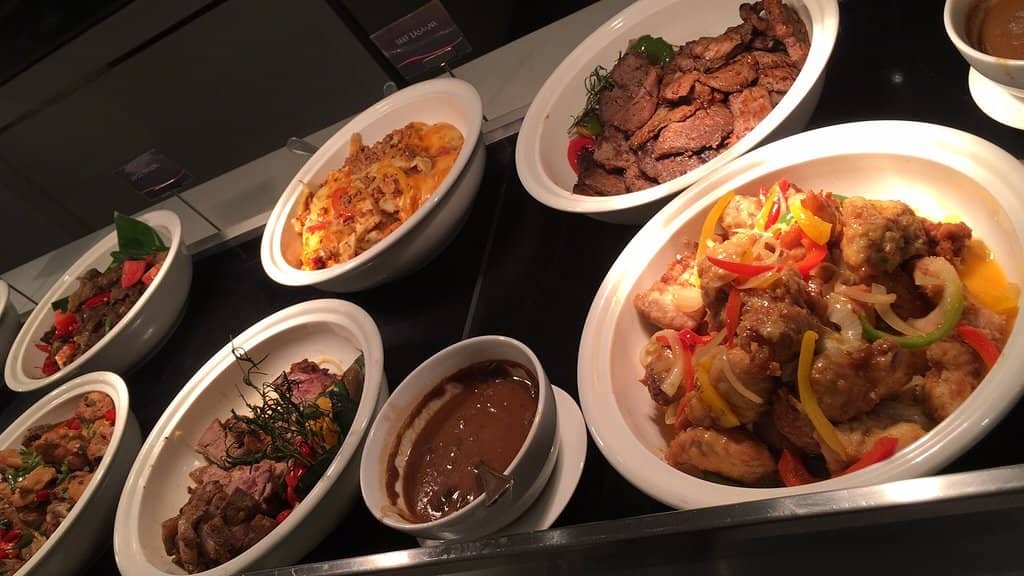
- Bebek Putri Madura
- Bebek Korek Lombok Muda Thailand
- Nasi Bebek Mas Bro
East Java's Duck Tradition, at the Edge of the Airport Road
The road that connects Surabaya's Juanda International Airport to the wider East Java region is not a place most food writers linger. It is a corridor of logistics, transit, and commerce, lined with the kind of establishments that feed people on the move rather than people in search of a destination meal. Within that context, a restaurant built around bebek goreng, fried duck, one of the most demanding preparations in the Javanese canon, registers as something worth understanding. Bebek Goreng Harissa sits on Jl. Raya Ir. H. Juanda in Sedati, Kabupaten Sidoarjo, directly within the terminal approach zone, which tells you something about its intended audience and, by extension, its format.
Javanese fried duck is not the same category of dish as the crispy duck familiar from Chinese or Balinese cooking. The preparation in East Java typically involves extended marination in a spice paste heavy with galangal, turmeric, coriander, and often daun salam, the Indonesian bay leaf, followed by slow braising before the final fry. The result, when executed with proper sourcing and technique, is meat that has absorbed the aromatics at depth, with skin that crisps without drying the flesh beneath it. The sourcing of the duck itself is where the preparation either succeeds or defaults to generic: free-range kampung duck, common in East Java's rural supply chains, carries more fat and flavour than commercially raised alternatives and holds the spice treatment differently.
What the Ingredient Chain Looks Like in Sidoarjo
Sidoarjo sits within one of the most agriculturally layered regencies in East Java. Its coastal access via the Madura Strait feeds a strong seafood supply, but its inland character, rice paddies, smallholder poultry farms, and market gardens, sustains the ingredient base that traditional Javanese cooking depends on. Bebek goreng as a dish category draws from that inland supply: kampung ducks are raised across the small farms that ring the regency's outer edges, and the spice ingredients, fresh turmeric, galangal root, candlenut, and shallots, come through the wet market system that still dominates how working kitchens in East Java source their aromatics.
This matters because the dish's character is entirely dependent on where the raw materials originate. A bebek goreng made from commercially farmed duck and pre-ground spice paste will read flat regardless of frying technique. The version that defines the category at its finest is one where the duck has the muscle tone and fat distribution of a kampung bird and the spice paste is built fresh from whole ingredients. In a transit-adjacent, high-volume environment like the Juanda corridor, maintaining that sourcing discipline is harder than it sounds, which is why the restaurants along this strip that hold to traditional supply lines tend to differentiate clearly from those that have industrialised the process.
For comparative context across Indonesian dining, the sourcing-first approach shows up at different price points and in different formats. Locavore NXT in Ubud has built an entire tasting format around mapped Indonesian ingredient provenance, while Moksa in Bali applies it through a plant-based lens. At the other end of the formality register, places like CARANO Masakan Padang in Bekasi demonstrate how regional Indonesian cooking traditions carry their own internal logic about ingredient integrity. Bebek goreng at a Sidoarjo warung-style setting occupies a different position in that spectrum, lower formality, tighter price point, stronger connection to daily local eating, but the underlying question about sourcing is the same.
The Setting and Who It Serves
The address, Terminal Jl. Raya Ir. H. Juanda No. 2A, Segoro Tambak, places bebek goreng harissa at the functional edge of Juanda airport's outer zone. This is not a neighbourhood restaurant in the urban kampung sense, nor a destination dining room in the way that addresses in Surabaya's central districts might position themselves. It is a road-side eating stop operating within the logic of East Java's transit food culture, where the expectation is direct, fast, and honest: a plate of well-fried duck with rice, sambal, and perhaps lalapan, the raw vegetable accompaniment standard to most Javanese duck preparations.
That format serves a specific cross-section of eaters: airport staff, logistics workers, travellers catching a meal before or after a flight, and local Sedati residents who know where to eat in their own corridor. For a broader orientation to what Sidoarjo's dining options look like across formats and price points, our full Sidoarjo restaurants guide maps the regency's scene in more detail.
Other relevant Indonesian regional comparisons that illuminate how transit-adjacent cooking can range include Kahyangan in Gondangdia and Rumari in Jimbaran, both of which anchor themselves differently within their respective local eating cultures. Further afield, Bonfire Roast and Grill in Bandung and Agreya Coffee Bogor represent the range of formats that Indonesian cities outside Bali sustain at a regional level.
Planning Your Visit
Bebek Goreng Harissa is located at the terminal approach on Jl. Raya Ir. H. Juanda No. 2A in the Segoro Tambak area of Kecamatan Sedati, a short drive from Juanda International Airport, making it a practical stop either side of a flight. Given the transit-corridor setting, walk-in dining is the standard format: this is not a reservation-driven environment. Travellers should treat this as a spontaneous-access stop and verify local operational hours on arrival or via Google Maps, where the pin at the registered address provides the most reliable real-time status. The dress code expectation, consistent with East Java's warung-style eating culture, is entirely casual.
Frequently asked questions
Does bebek goreng harissa work for a family meal?
The transit-terminal approach address on Jl. Raya Ir. H. Juanda No. 2A in Sedati puts this squarely in the category of practical, unpretentious dining that fits Indonesian family eating norms well. Bebek goreng as a dish category lends itself to shared ordering across age groups. The corridor location also means parking and access are generally manageable rather than the pinch points common to denser urban eating districts.
Is bebek goreng harissa formal or casual?
This is a casual spot, placed within a transit terminal approach in Kecamatan Sedati, Sidoarjo. The dish type, the neighbourhood, and the absence of any reservations infrastructure all point toward counter-style or open-room dining where you come as you are. Expect the register of a working warung or modest rumah makan rather than a table-service restaurant.
How does bebek goreng harissa's location compare to eating options inside Juanda airport itself?
The Segoro Tambak address on Jl. Raya Ir. H. Juanda No. 2A sits on the outer approach to Juanda International, outside the terminal perimeter, which means it operates as a pre- or post-flight eating stop rather than an airside option. That distinction matters: you get the pricing and format of a local Sidoarjo spot rather than airport-corridor markups. Travellers with time between connections or heading into the wider Surabaya–Sidoarjo area are the natural audience.
What's the best thing to order at bebek goreng harissa?
The name identifies the kitchen's focus directly: bebek goreng, fried duck, is what this address is built around. In the East Javanese tradition, the preparation typically involves marinating and slow-cooking the bird before frying, which drives the flavour deeper than a simple fry would allow. Order that and orient the rest of the meal around it.
What part of town is bebek goreng harissa in?
bebek goreng harissa is located at Terminal Jl. Raya Ir. H. Juanda No.2A, Segoro Tambak, Segorotambak, Kec. Sedati, Kabupaten Sidoarjo, Jawa Timur 61253, Indonesia, Sidoarjo.
Do they take walk-ins at bebek goreng harissa?
There is no booking platform, website, or published reservation system attached to this address in Sedati, which makes walk-in the default mode of arrival. The Jl. Raya Ir. H. Juanda corridor draws transit traffic by nature, so peak hours around flight schedules at Juanda International are worth factoring into your timing.
Quick Comparison
Comparable venues nearby, for context on price, style, and recognition.
| Venue | Cuisine | Price | Notes |
|---|---|---|---|
| bebek goreng harissaThis venue (the venue you are viewing) | Indonesian Fried Duck | $1–10 | Not listed |
| Gudeg Yu Djum | Traditional Yogyakarta Gudeg | $1–10 | Kraton |
| Super Grain | Healthy Grain Bowls | $10–20 | Menteng |
| Babi Guling Ibu Oka 1 | Balinese Babi Guling (Roast Suckling Pig) | $1–10 | Ubud |
| Hiland 1280 Restaurant | Mountain Comfort Food | $20–30 | Pancasari |
| Ipo | Indonesian Warung | $1–10 | Tanakawu |

Details
- Cozy
- Family
- Group Dining
- Casual Hangout
- A La Carte
Current opening hours
- Monday
- 5 AM–9 PM
- Tuesday
- 5 AM–9 PM
- Wednesday
- 5 AM–9 PM
- Thursday
- 5 AM–9 PM
- Friday
- 5 AM–9 PM
- Saturday
- 5 AM–9 PM
- Sunday
- 5 AM–9 PM
Hours can change for holidays and private events. Hours as of .
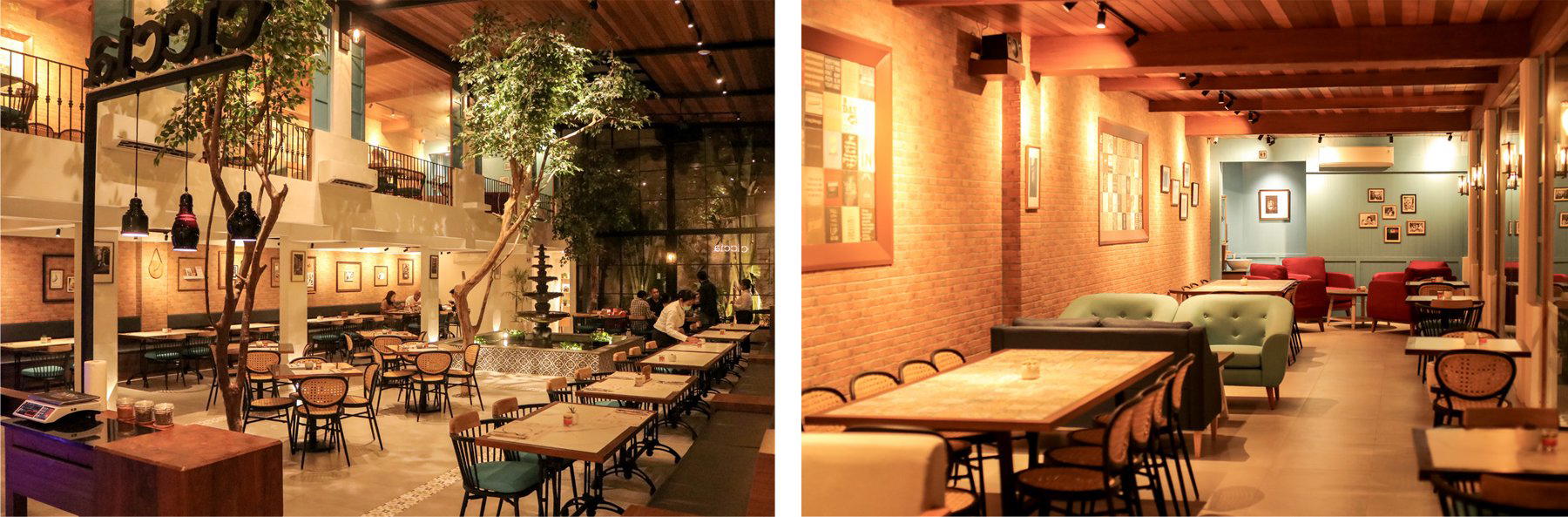
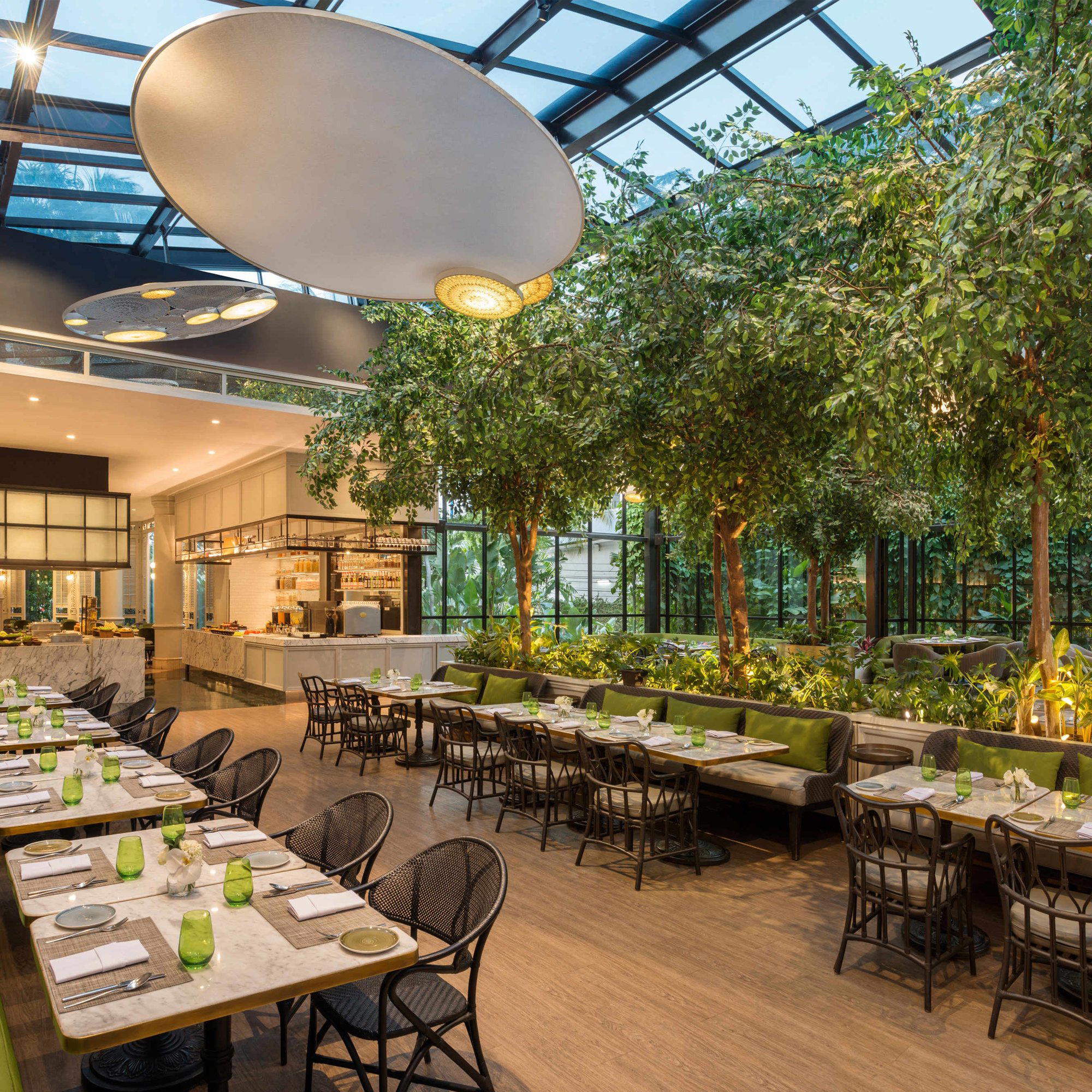
Nyaman dengan ruang ber-AC dan non-AC, cocok untuk makan rame-rame bareng keluarga atau teman.