Café Med
Café Med belongs to Santiago’s eastern dining corridor, where hotel-adjacent restaurants and Las Condes business tables tend to favour international formats over neighbourhood experimentation. With little public detail on awards, pricing, or chef authorship, its value is best read through context: a polished, ingredient-aware stop in a city where Chilean seafood, produce, and wine give even Mediterranean-leaning menus a local accent.
Pearl is the En Primeur Club membership app — saves, bookings, and concierge access live there. Same editors, same standards.
- Address
- Av. Pdte. Kennedy 5741, 7560356 Las Condes, Santiago, Región Metropolitana, Chile
- Phone
- +56 2 2426 2303
- Website
- marriott.com
- Directions
- Get directions
 Saves & bookings on Pearl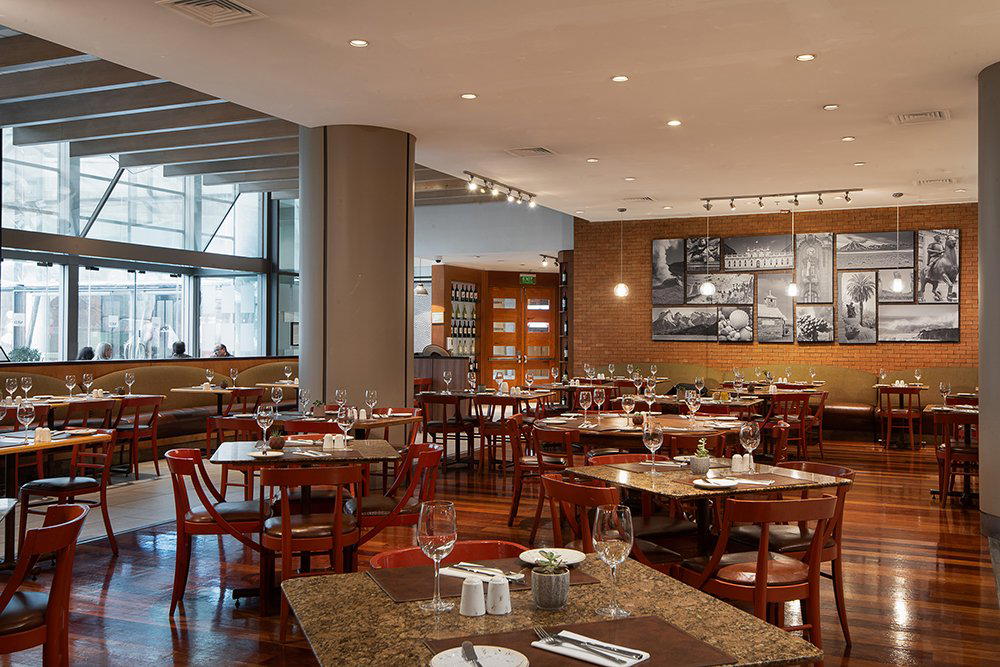
Approaching the eastern side of Santiago, the city changes register. The centre’s old civic density gives way to Las Condes: glass towers, broad avenues, shopping districts, and a dining culture shaped as much by business lunches and hotel guests as by residents. In that setting, Café Med sits in a part of the capital where restaurants often speak an international language, but the supply chain remains Chilean: Pacific fish, valley vegetables, fruit from the central zone, olive oil, herbs, and a wine culture that never sits far from the table.
That distinction matters. Santiago is not a Mediterranean city, but it has the conditions that make Mediterranean cooking legible: seafood from a long coastline, produce from nearby agricultural valleys, and a climate that supports a wine-drinking rhythm closer to southern Europe than to many Latin American capitals. The strongest version of this format in Chile is not about importing a fantasy of the Riviera. It is about using a European grammar for ingredients that are already local, seasonal, and familiar to Chilean cooks.
Las Condes dining favours polish, but the ingredients keep it grounded
Las Condes is a useful lens for understanding the room before judging the plate. This is not the part of Santiago where small experimental counters usually define the conversation. The neighbourhood’s restaurant culture leans toward steadier formats: hotel dining rooms, corporate meals, family lunches, and polished international menus. That makes Café Med part of a wider eastern Santiago pattern rather than a standalone destination driven by chef mythology or award theatre.
In a city with serious raw material, ingredient sourcing does more editorial work than décor. Chile’s geography gives restaurants access to a north-to-south pantry few countries can match: cold-water seafood, high-altitude produce, central valley fruit, and wines from regions that sit within easy reach of the capital’s dining rooms. A Mediterranean-leaning kitchen in Santiago can draw from that pantry without forcing the point. The result, when handled well, is food that suits the city’s climate and appetite: lighter preparations, vegetable-led plates, seafood in a central role, and wine as part of the meal rather than a luxury add-on.
The comparison set in Santiago underlines the point. Latin Grill represents the international hotel-restaurant model at a higher-visibility address, while Sushi Menu reflects the city’s appetite for imported formats adapted to local expectations. Café Med belongs closer to that pragmatic middle ground: not a manifesto restaurant, not a tasting-menu laboratory, but a useful expression of how eastern Santiago absorbs global dining codes and filters them through Chilean product.
The useful reading is not awards, it is format and neighbourhood fit
Santiago’s restaurant scene is easier to understand when split by purpose. Providencia and Vitacura carry much of the city’s neighbourhood dining energy, Lastarria and Bellavista draw cultural foot traffic, and Las Condes is built for convenience, comfort, and meetings that may stretch into dinner. A restaurant in this zone is judged less by scarcity and more by reliability: can it handle mixed groups, varied appetites, and a guest who wants recognizable cooking without giving up the sense of being in Chile?
That is where the restaurant makes editorial sense. The name signals a Mediterranean frame, but the city supplies the real context. Santiago diners know seafood, grilled meats, salads, bread, wine, and long lunches; the Mediterranean template overlaps naturally with those habits. For travellers, the point is not to chase a trophy booking. It is to understand a style of Santiago dining that exists between destination restaurants and casual neighbourhood tables, a category that matters for families, business travellers, and anyone staying in the eastern hotel corridor.
For a broader read on the city’s dining spectrum, Our full Santiago de Chile restaurants guide is the better starting point. It places polished hotel restaurants alongside more specific addresses such as 99 Restaurante in Santiago, seafood-leaning city institutions like Aquí está Coco Restaurante in Vitacura, and casual formats including 400 Pizzería in Providencia. Outside the capital, Chile’s restaurant map widens quickly, from Alegre in Valparaiso to Alto Las Leñas Restaurant in Cachapoal, Amares Bistro in Antofagasta, and andBeyond Vira Vira in Araucanía.
How to place it in a Santiago itinerary
The strongest use case is practical rather than ceremonial. The restaurant suits a Las Condes day when the meal needs to be composed, accessible, and anchored in familiar flavours. It is a sensible match for travellers based in the eastern part of the city, particularly when the alternative is crossing Santiago traffic for a more specialized room. In this context, convenience is not a compromise; it is part of the category.
Its position also makes it a useful counterpoint to other EP Club city rails. Dining in Santiago often overlaps with hotels, bars, wineries, and cultural planning, so the wider itinerary matters.
Readers comparing formats beyond Santiago can also look at Copper Room, Gran Café, Jōdo Saké Bar in Los Angeles, and Onigiri Time in Pasadena. Those links are not direct peers in cuisine or city, but they clarify how EP Club separates dining rooms by role: neighbourhood utility, specialist format, hotel polish, or destination intent. The restaurant belongs to the polished-utility side of that map, with Santiago’s produce and wine culture doing the quiet work beneath the international surface.
Comparison Snapshot
Comparable venues by cuisine and price in the same metro.
| Venue | Cuisine |
|---|---|
| Café Med | This venue |
Continue exploring
More in Santiago de Chile
Restaurants in Santiago de Chile
Browse all →
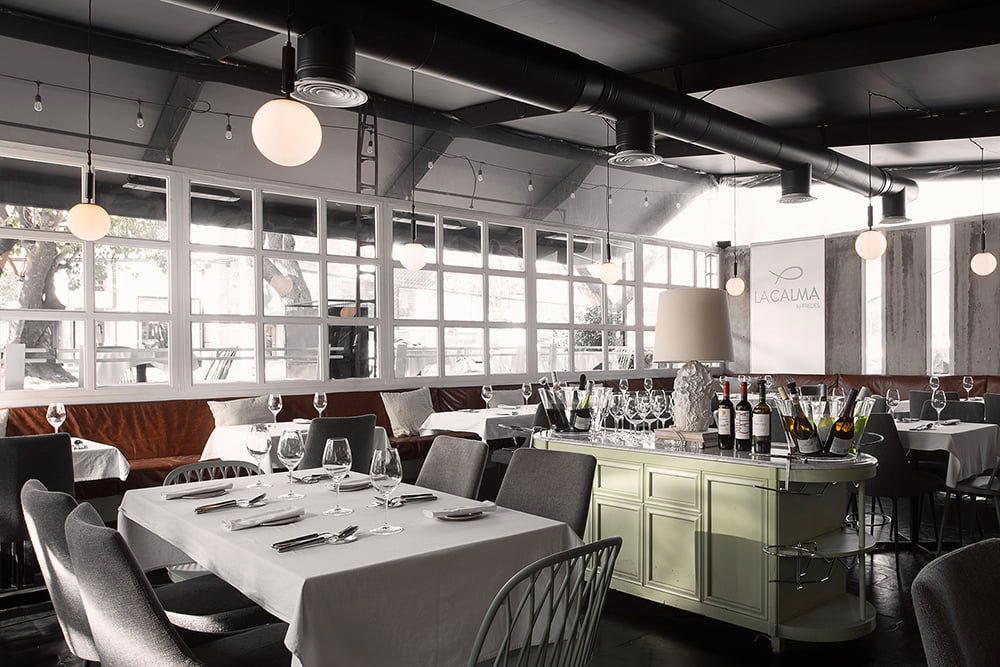
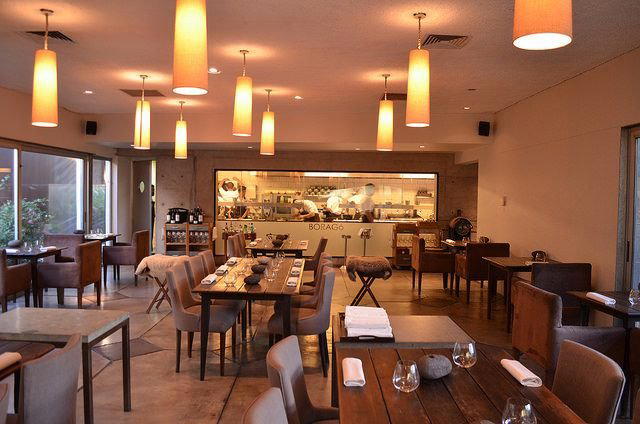
Bars in Santiago de Chile
Browse all →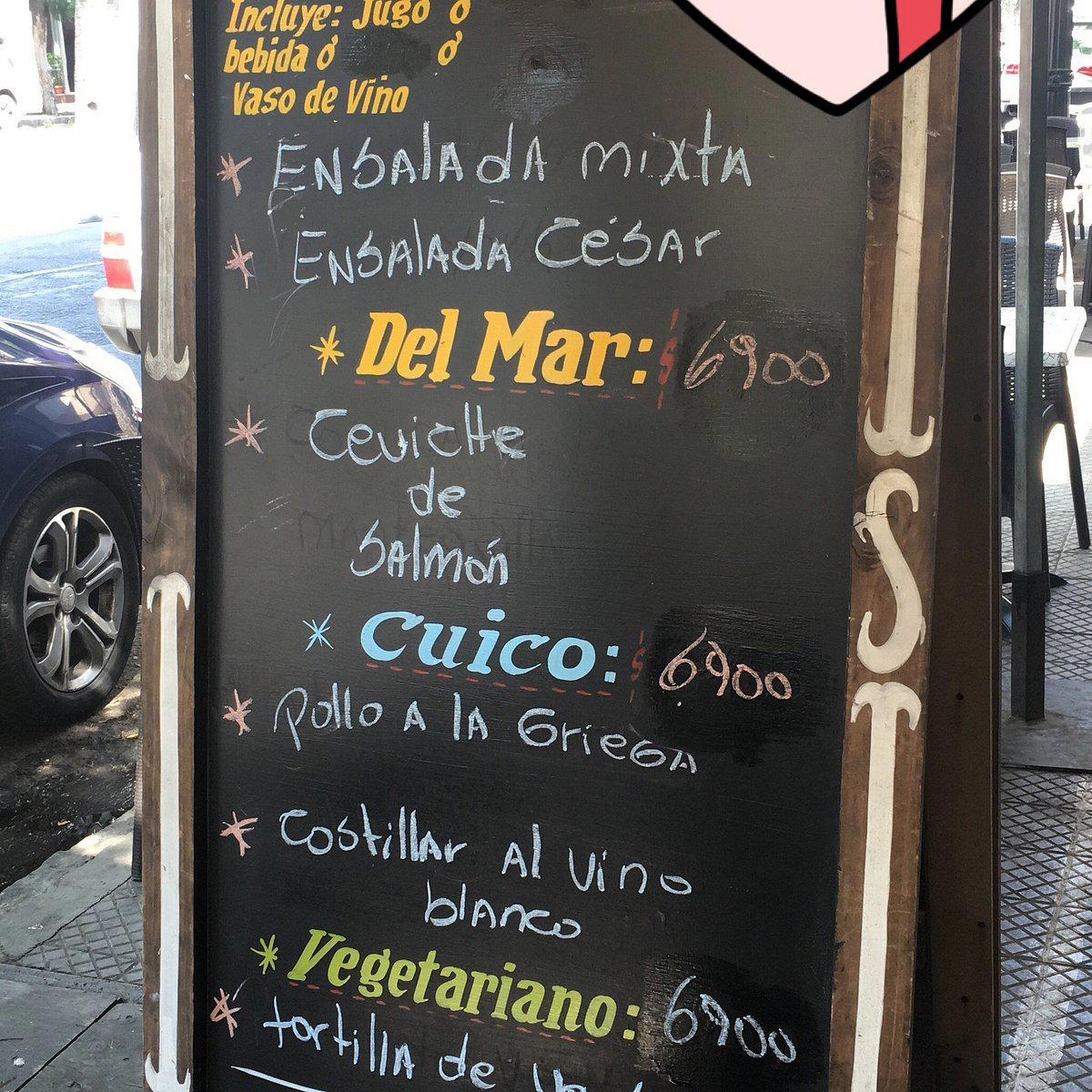
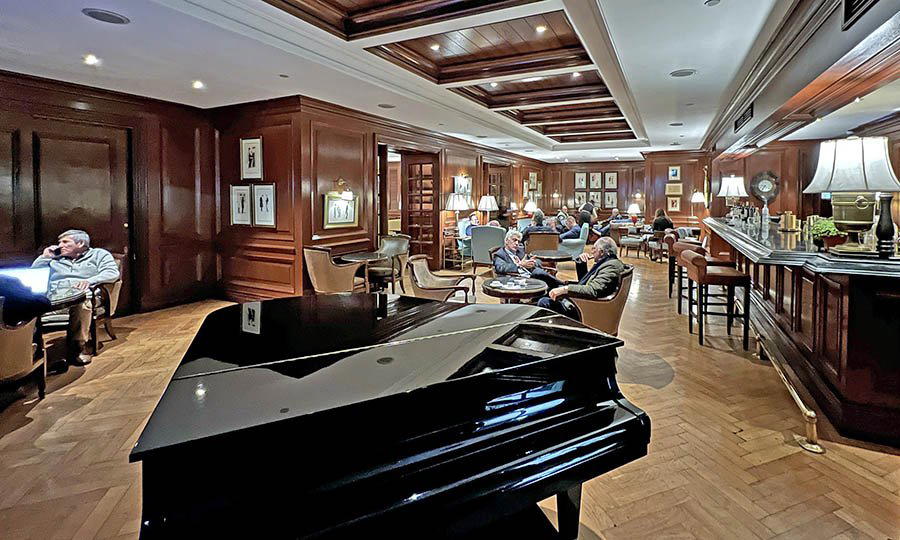
Hotels in Santiago de Chile
Browse all →

At a Glance
- Modern
- Elegant
- Sophisticated
- Business Dinner
- Group Dining
- Family
- Casual Hangout
- After Work
- Brunch
- Hotel Restaurant
- Private Dining
- Extensive Wine List
- Beer Program
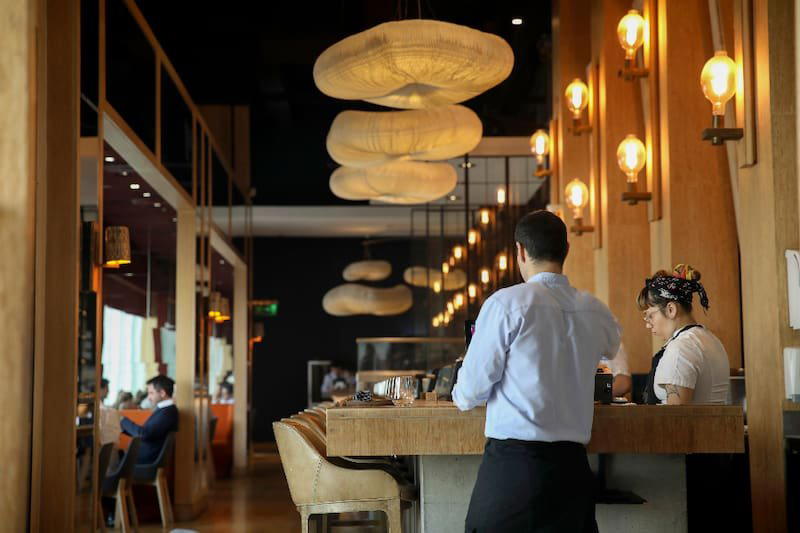
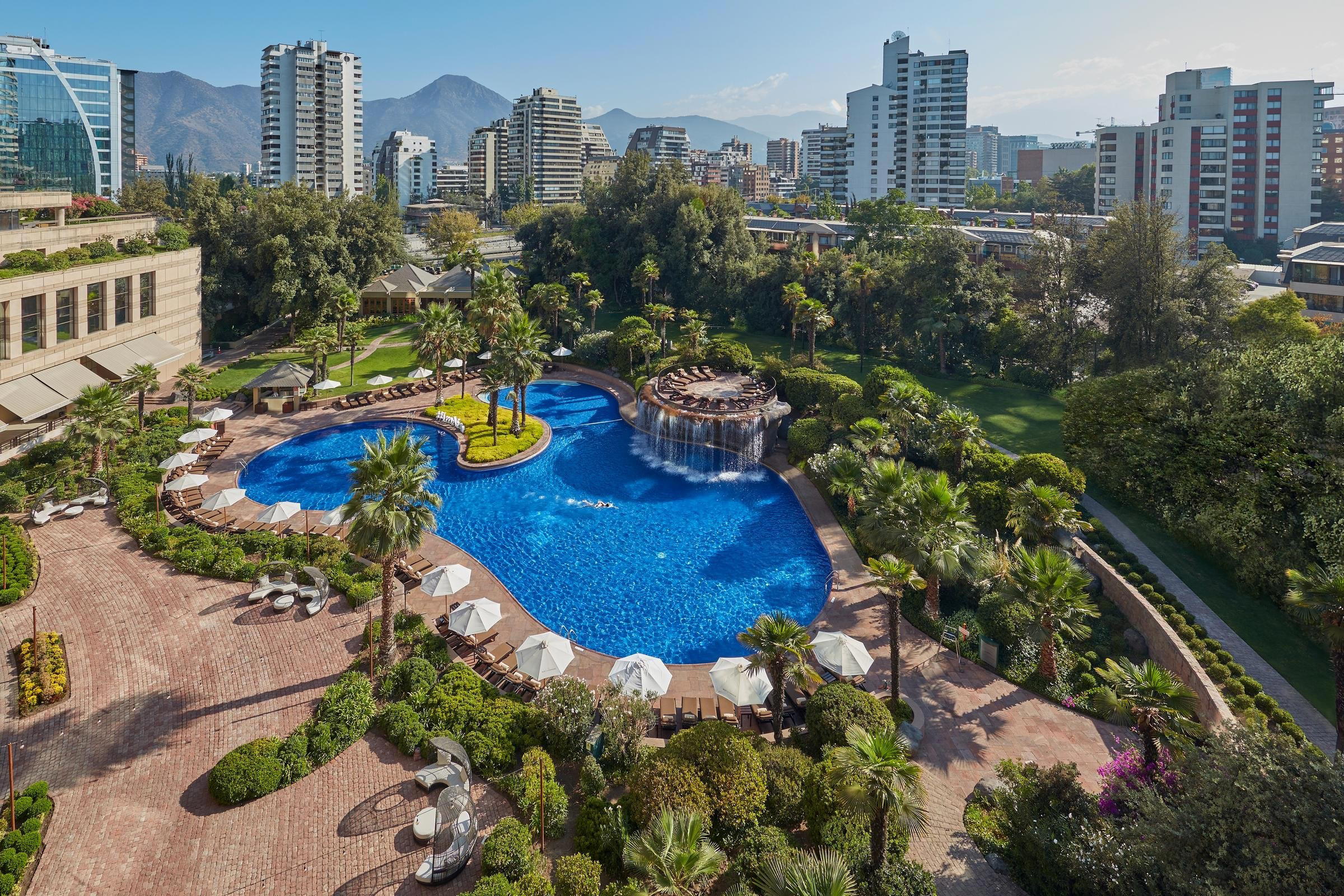
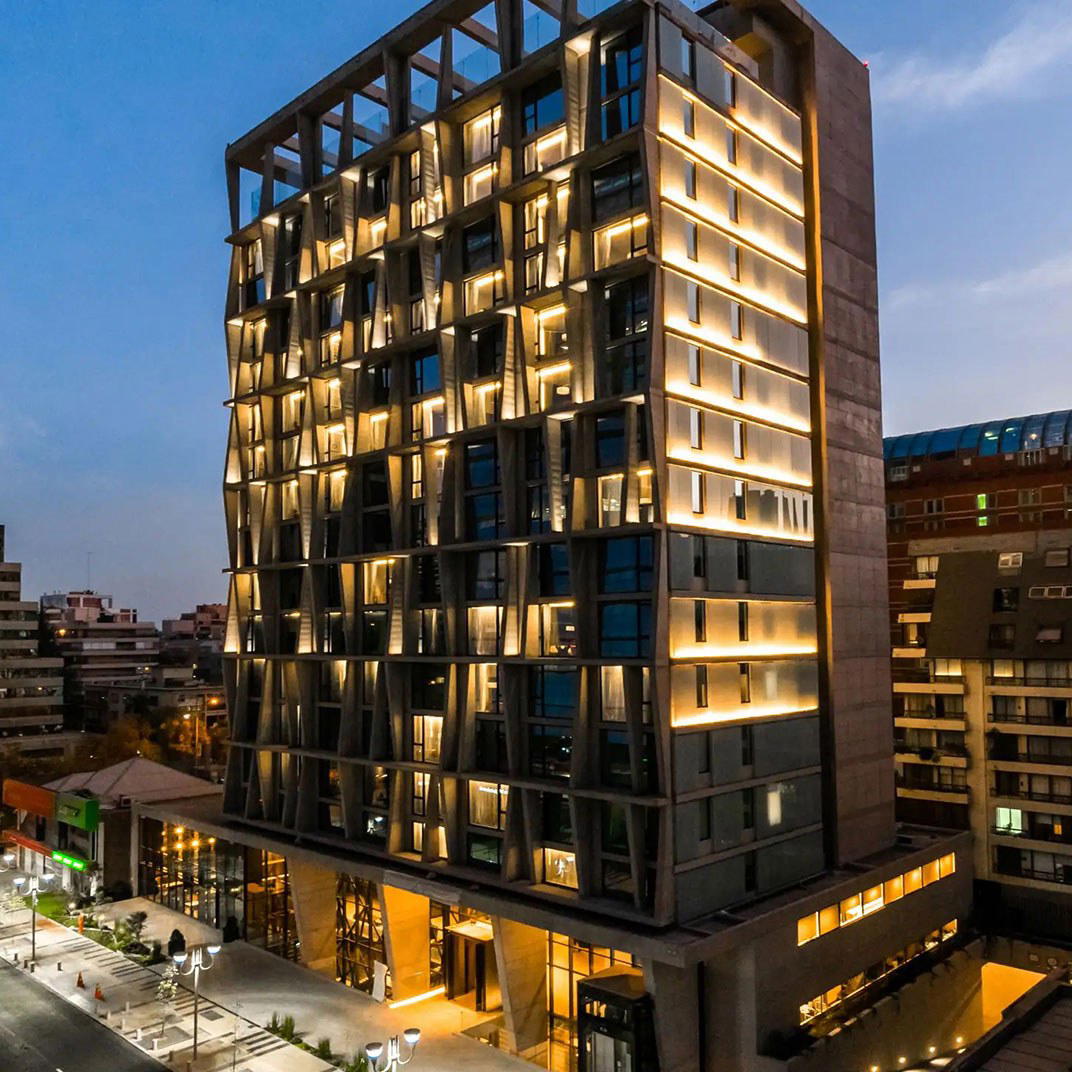
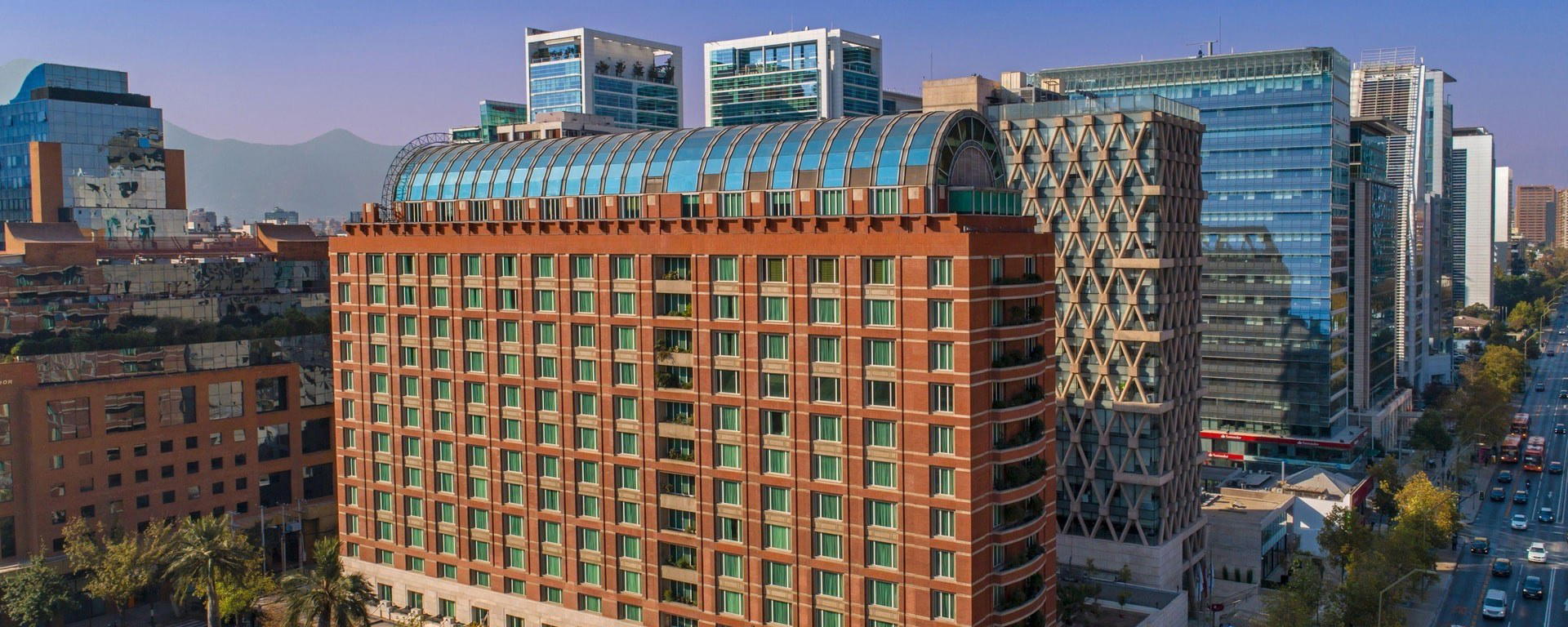
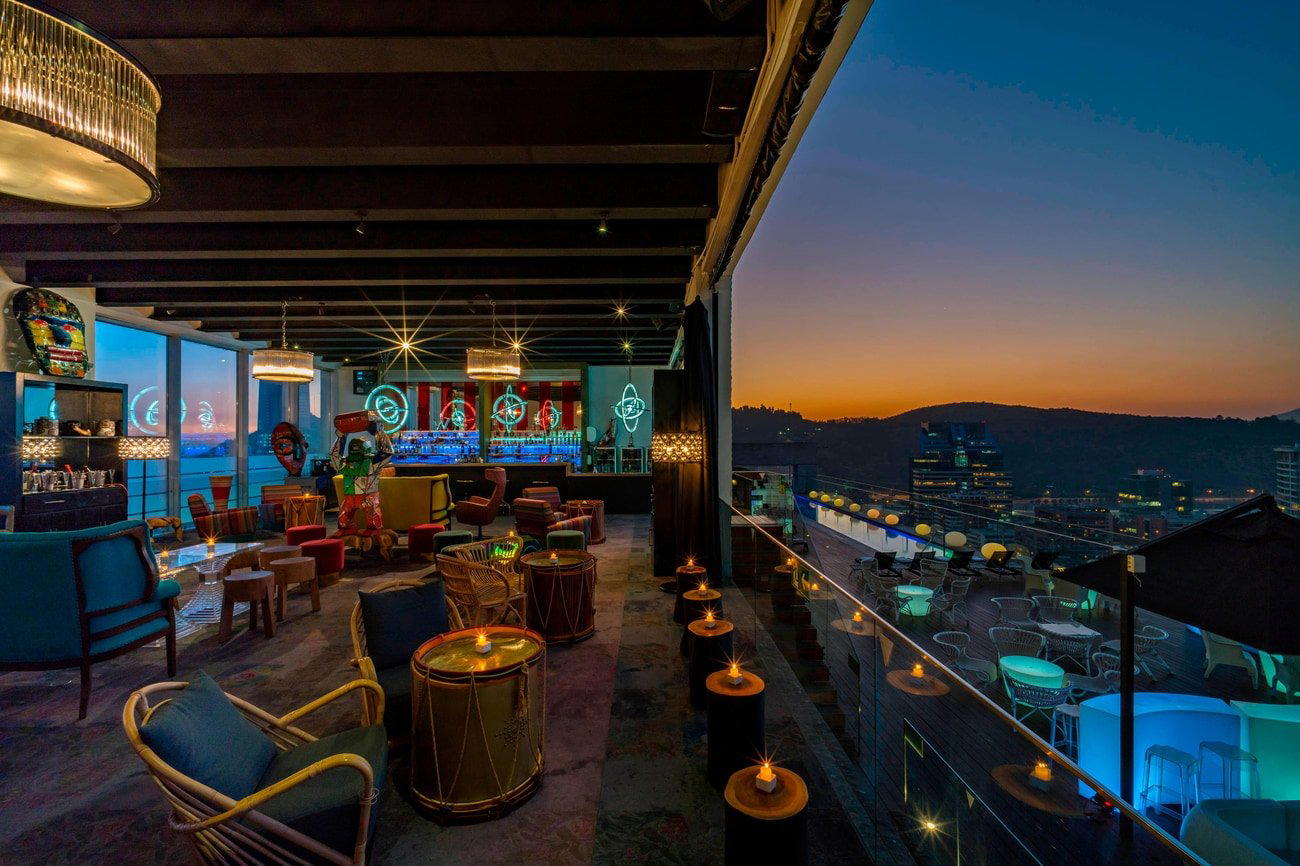
Hotel-restaurant setting inside the Santiago Marriott with contemporary decor, comfortable spacing, and a relaxed but polished feel suitable for both families and business diners.