Palacio Danubio Azul
Palacio Danubio Azul sits on Reyes Lavalle in Las Condes, one of Santiago's most established dining corridors. The address places it squarely within the upper-residential quarter where ingredient-driven kitchens have steadily displaced older, format-driven dining rooms. For travellers mapping Chilean dining beyond the city centre, it warrants attention alongside the neighbourhood's more documented options.
Pearl is the En Primeur Club membership app — saves, bookings, and concierge access live there. Same editors, same standards.
- Address
- Reyes Lavalle 3240, 7550000 Las Condes, Región Metropolitana, Chile
- Phone
- +56222344688
- Website
- danubioazul.cl
- Directions
- Get directions
 Saves & bookings on Pearl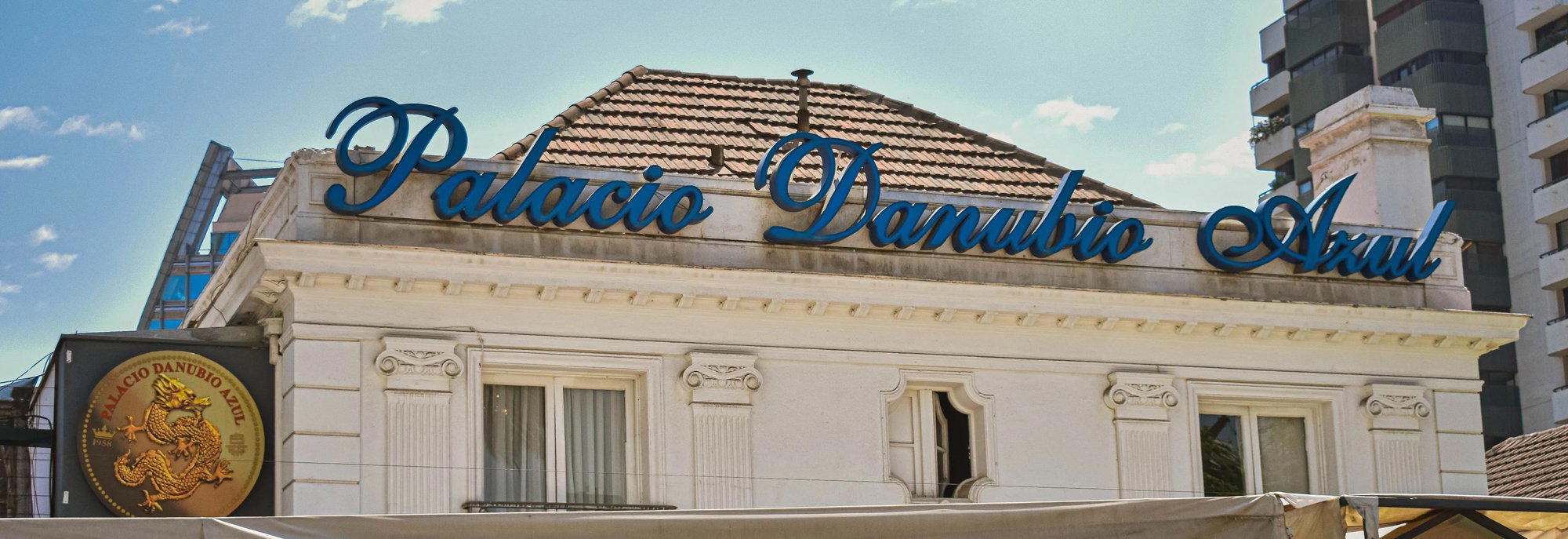
Las Condes and the Shift Toward Ingredient Accountability
Las Condes has spent the better part of two decades consolidating its position as Santiago's most commercially mature dining district. The neighbourhood sits east of Providencia along the foot of the Andes, and its restaurant culture reflects the spending patterns and expectations of the Chilean professional class that dominates the area. What has changed in recent years is not the clientele but the culinary logic: kitchens that once competed on format, size, and imported prestige have increasingly turned toward sourcing transparency as the primary differentiator. Palacio Danubio Azul, at Reyes Lavalle 3240, is a restaurant serving Classic Chinese-American cuisine in Las Condes, Santiago. It is a mid-priced room, with an average spend of about US$35 per person.
That shift mirrors what has happened across Chilean fine dining more broadly. Boragó in Santiago spent years mapping native Chilean ingredients before the international press took notice, and its influence downstream has been considerable. Kitchens across Las Condes and neighbouring Providencia now operate with at least a rhetorical commitment to Chilean raw materials, even when the execution remains closer to European classical tradition. The distinction matters because it shapes how a diner should read a menu: sourcing claims, when they are specific and verifiable, tell you more about a kitchen's actual priorities than any style descriptor.
The Physical Address and What It Signals
Reyes Lavalle is not a dining street in the way that Loreto or Constitución function in Providencia, where foot traffic and street-level visibility drive discovery. It is a quieter, more residential artery within Las Condes, which means that venues there tend to draw from an established local base rather than from walk-in tourism. This pattern is common across South American upper-residential dining districts, from Miraflores in Lima to Palermo Chico in Buenos Aires: high-performing rooms in these zones survive on repeat custom and word-of-mouth rather than on passing trade. For a visitor, it implies that a reservation is the right approach and that the room is likely configured for longer, more deliberate meals rather than quick-turn covers.
The address also places Palacio Danubio Azul within reach of the broader Las Condes dining cluster that includes Cafe Med at Santiago Marriott and The Bistro, two rooms that anchor the hotel-adjacent tier of the neighbourhood's offer. Palacio Danubio Azul's independent positioning, away from hotel infrastructure, places it in a different competitive bracket, one where the kitchen's own identity carries more weight than the surrounding property. That is not automatically an advantage, but it does concentrate accountability on the food itself.
Chilean Sourcing as Editorial Context
Chile's geography is one of the more dramatic arguments for localism in any national cuisine. The country spans more than 4,000 kilometres from the Atacama Desert in the north to Patagonia in the south, with the Central Valley between Santiago and the Biobío region producing the bulk of its agricultural output. Stone fruits, legumes, and grains from the Central Valley have supplied Santiago's kitchens for generations. The Pacific coastline running the full length of the country delivers a seafood range that few other national cuisines can match in diversity: locos (Chilean abalone), erizos (sea urchin), centolla (king crab from the south), and a rotation of fish that shifts with depth, season, and region.
Kitchens in Las Condes that are serious about sourcing tend to draw on this geography in ways that differ by season. Winter menus lean toward root vegetables, legumes, and preserved elements from the Central Valley harvest. Spring and summer open the palette toward southern seafood, fresh herbs from the Andean foothills, and stone fruits from Maule and Bío-Bío. This seasonal rhythm is less dramatic than what you find in, say, the Nordic tradition, but it is no less real. Comparable sourcing logic applies at Aquí está Coco in Vitacura, where the seafood provenance is explicit and updated by availability. For context on how sourcing operates further down the Chilean coast, La Concepción in Valparaiso and Aquí Jaime in Concon offer useful reference points, as both operate in direct proximity to the port supply chain.
Further afield, the sourcing conversation takes on different registers. Amares Bistro in Antofagasta works with northern desert produce that simply does not reach Santiago in meaningful volume, while andBeyond Vira Vira in Araucanía and Casa del Barrio in Chillan draw on the south-central regions where Chilean agricultural identity is most intact. A Santiago dining room with genuine sourcing depth will have relationships with some version of this geography, not just with the Central Valley wholesalers that supply the majority of the city's kitchens.
Planning a Visit
For visitors building a Santiago itinerary, Las Condes functions leading as an evening destination, particularly for dinner in the mid-week window when the neighbourhood's restaurant rooms operate with more breathing room than on Friday and Saturday nights. Reyes Lavalle 3240 is accessible by metro via the Manquehue station on Line 1, placing it within the eastern spine of Santiago's public transit network. Taxis and ride-share apps cover the last stretch efficiently. Reservation is recommended.
Those mapping a broader Chilean dining circuit beyond Santiago will find useful orientation at Viña Concha y Toro in Pirque for a wine-anchored lunch excursion south of the city, and at Casino Dreams in Punta Arenas or Izakaya Kotaro on Easter Island for the country's more remote dining registers. For a reference point on what ingredient-driven sourcing looks like at the international level, both Le Bernardin in New York City and Atomix in New York City demonstrate how sourcing transparency functions at the highest tier of formal dining.
Fast Comparison
Comparable venues nearby, for context on price, style, and recognition.
| Venue | Cuisine | Price | Notes |
|---|---|---|---|
| Palacio Danubio AzulThis venue — the venue you are viewing | Classic Chinese-American | $$$ | Not listed |
| Cafe Med at Santiago Marriott | Mediterranean with Chilean Influences | $$$ | Las Condes |
| The Bistro | International Bistro | $$ | Las Condes |
| Raffaella | Pizza | Not listed | Las Condes |
| Cívico la moneda | Modern Chilean | $$$ | Centro |
| Restaurante Peluquería Francesa - Boulevard Lavaud - Barberia Patrimonial Barrio Yungay | French-European Bistro | $$$ | Yungay |
Continue exploring
More in Las Condes
Restaurants in Las Condes
Browse all →
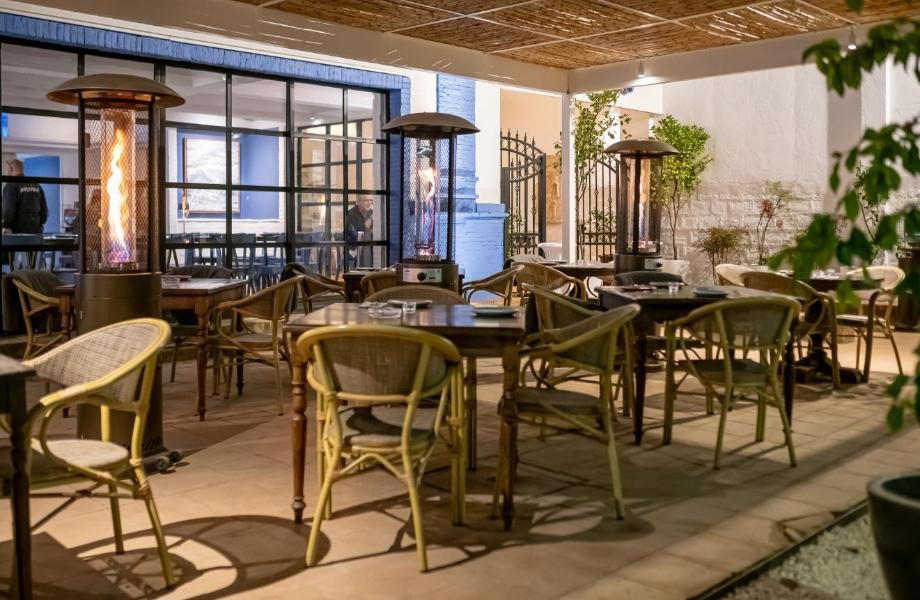
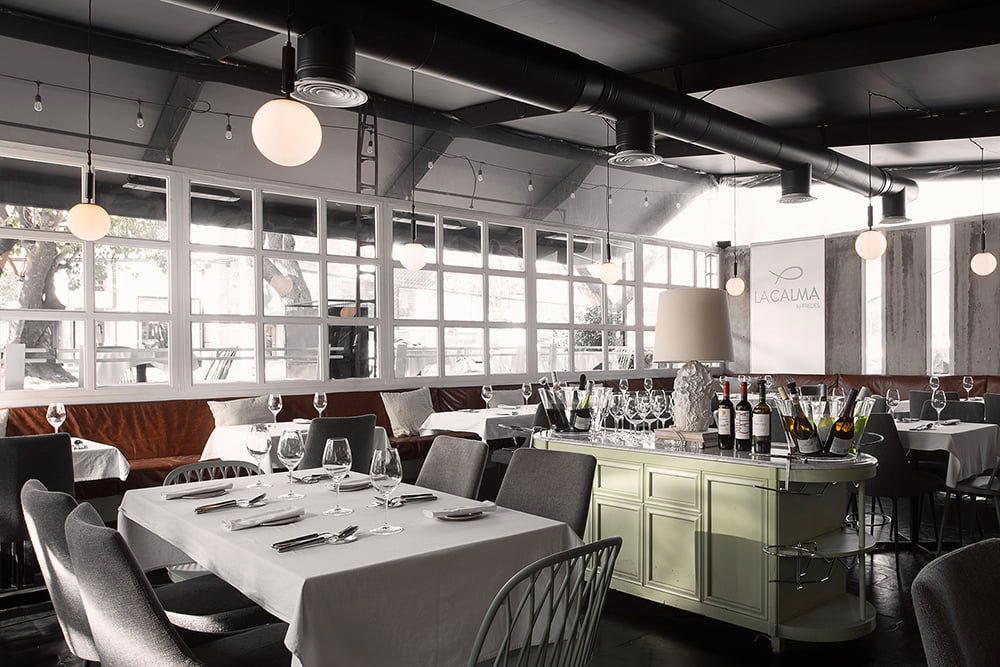
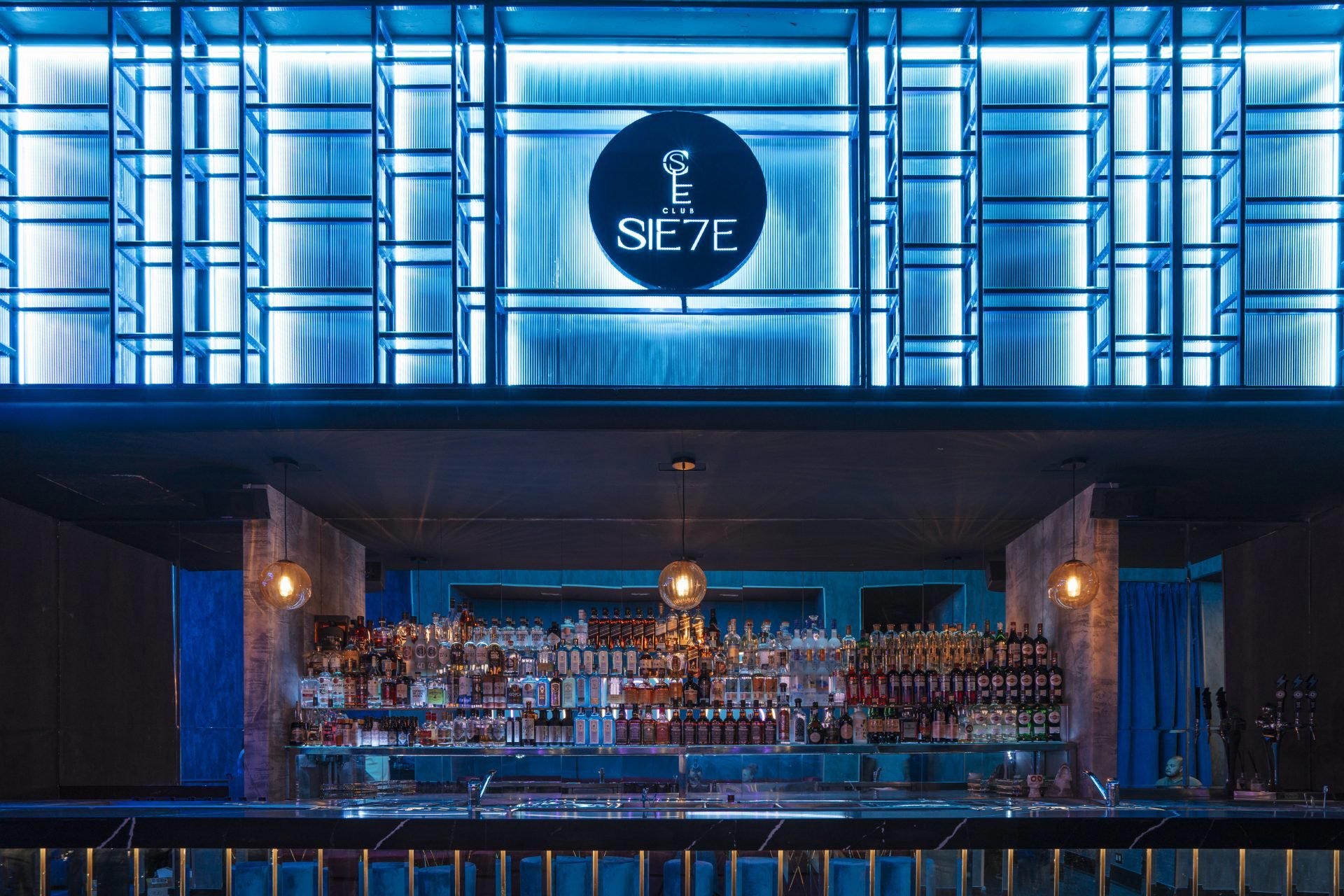
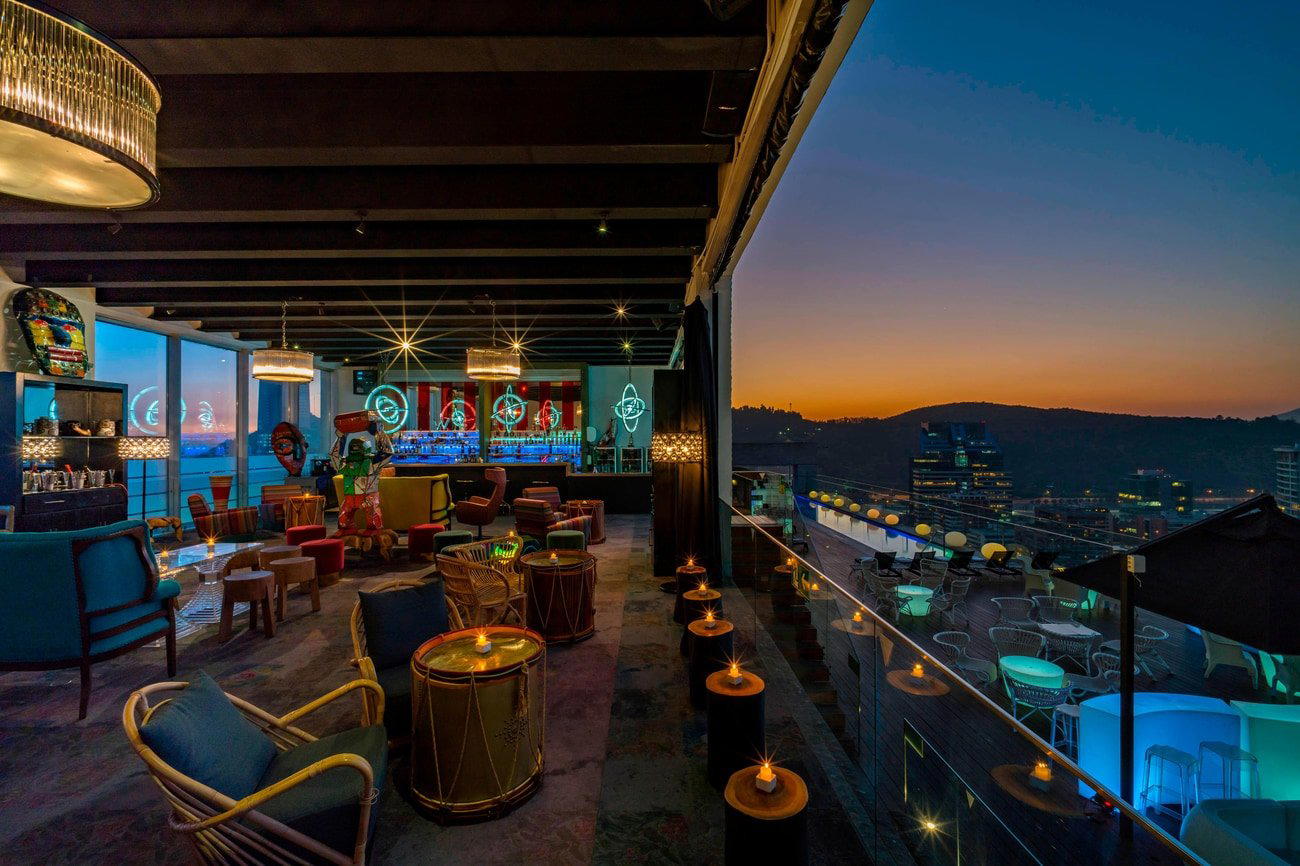
Bars in Las Condes
Browse all →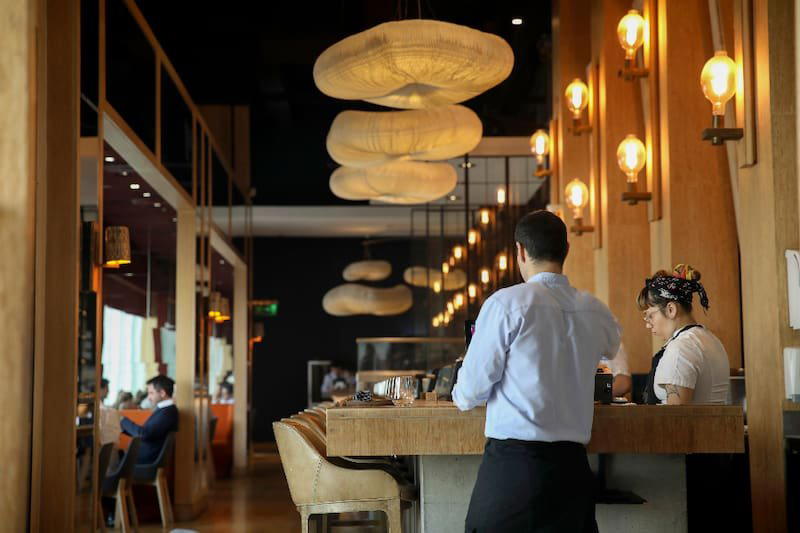
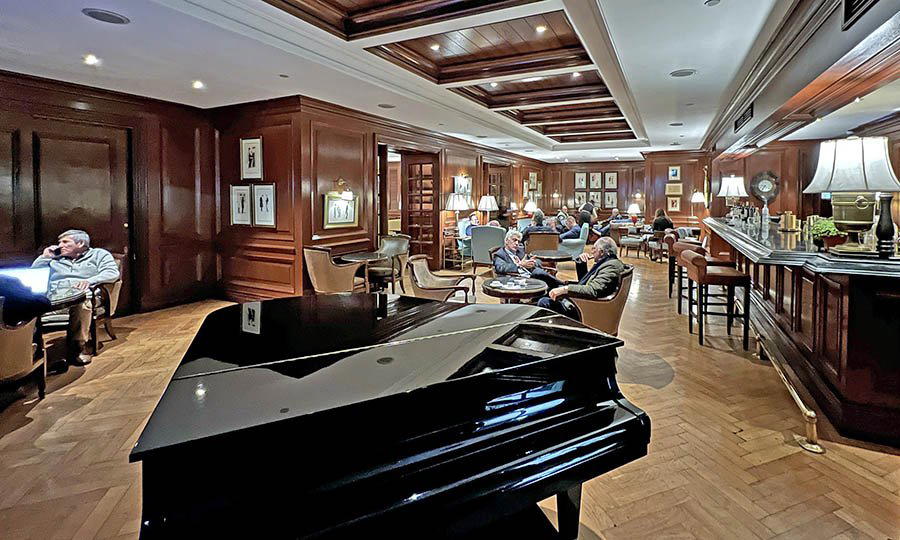
Hotels in Las Condes
Browse all →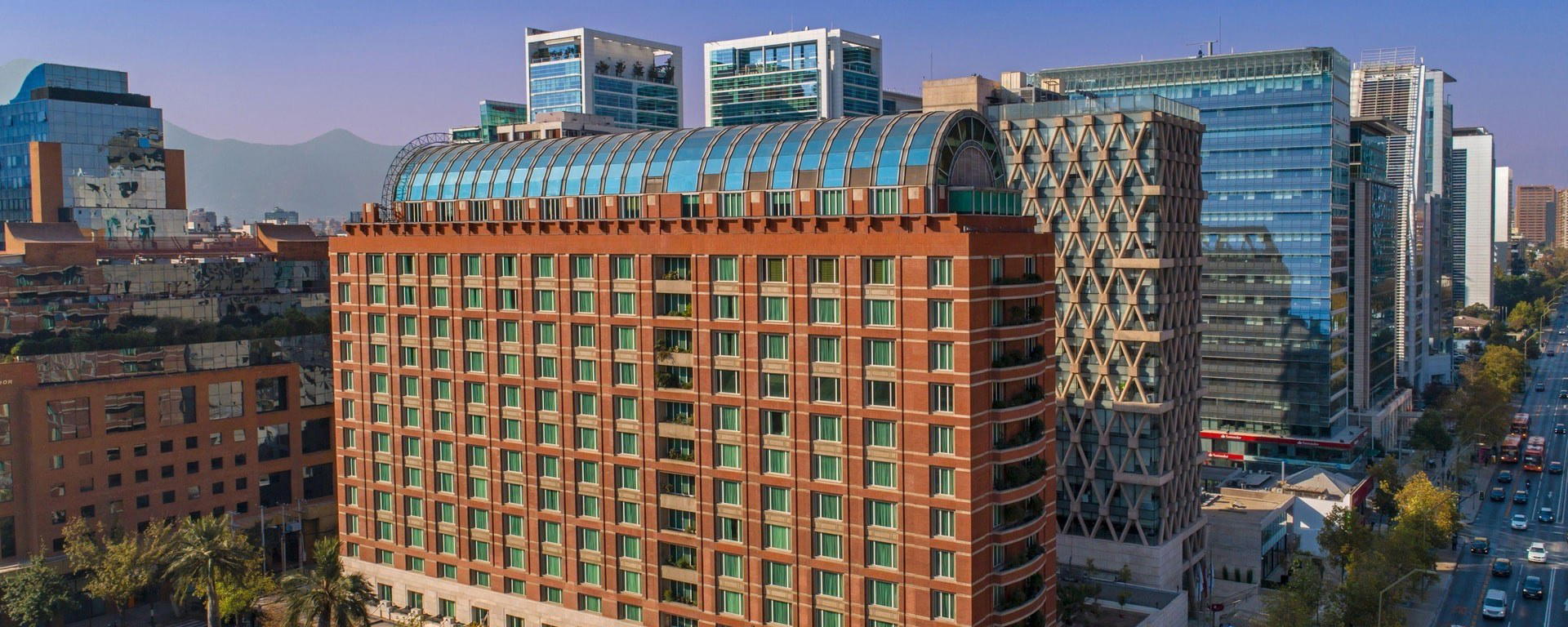

At a Glance
- Elegant
- Classic
- Sophisticated
- Special Occasion
- Group Dining
- Business Dinner
- Standalone
Current opening hours
- Monday
- 12–10:30 PM
- Tuesday
- 12–10:30 PM
- Wednesday
- 12–11:30 PM
- Thursday
- 12–11:30 PM
- Friday
- 12–11:30 PM
- Saturday
- 12–11:30 PM
- Sunday
- 12–10:30 PM
Hours can change for holidays and private events. Last verified .
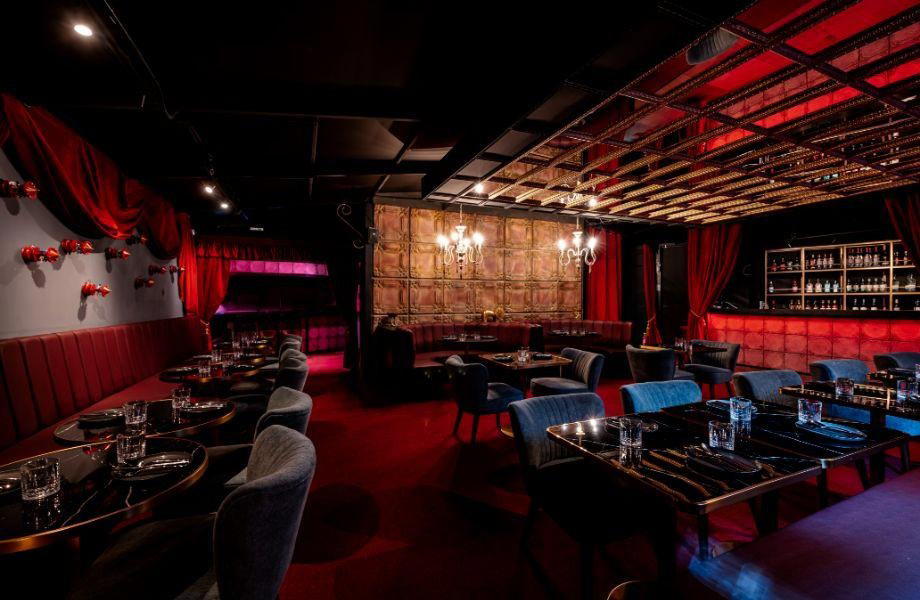
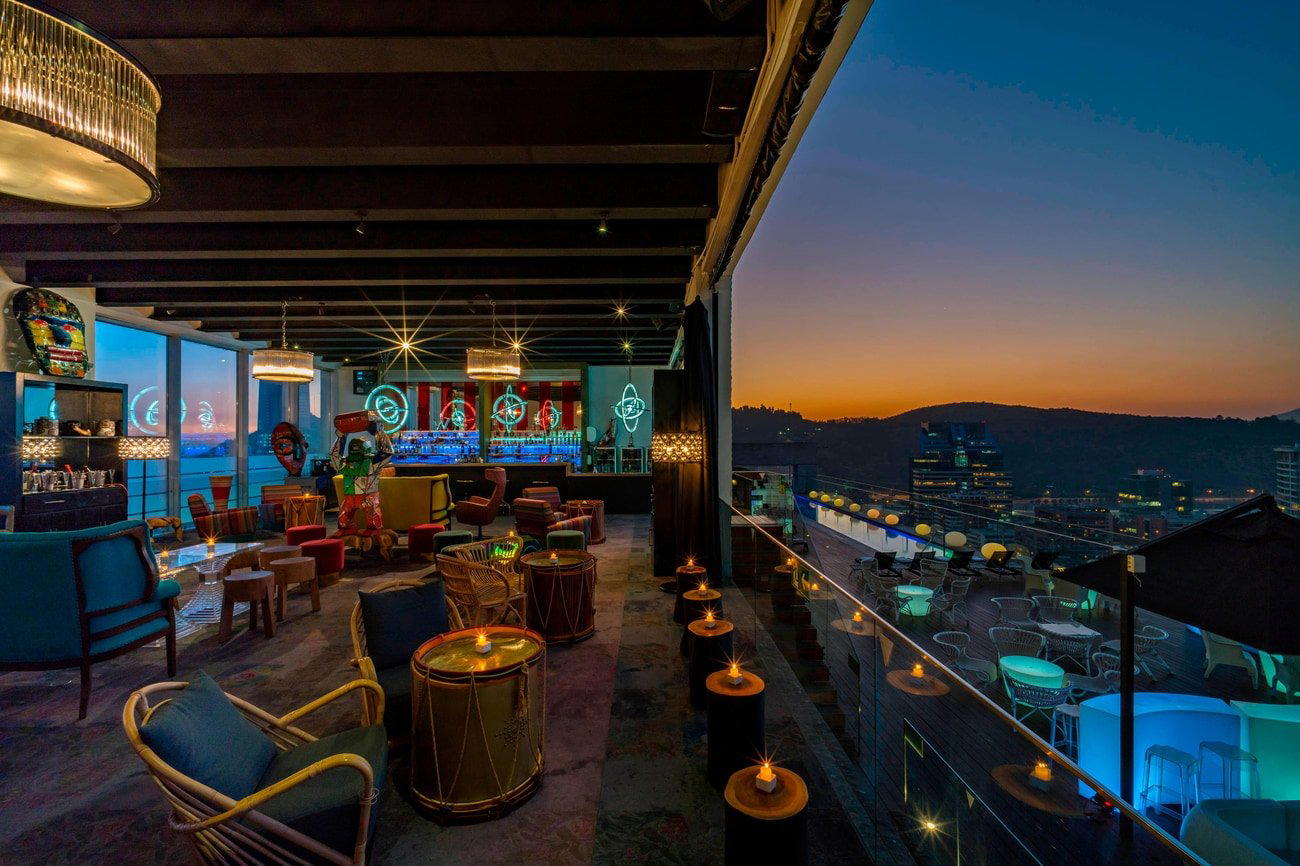
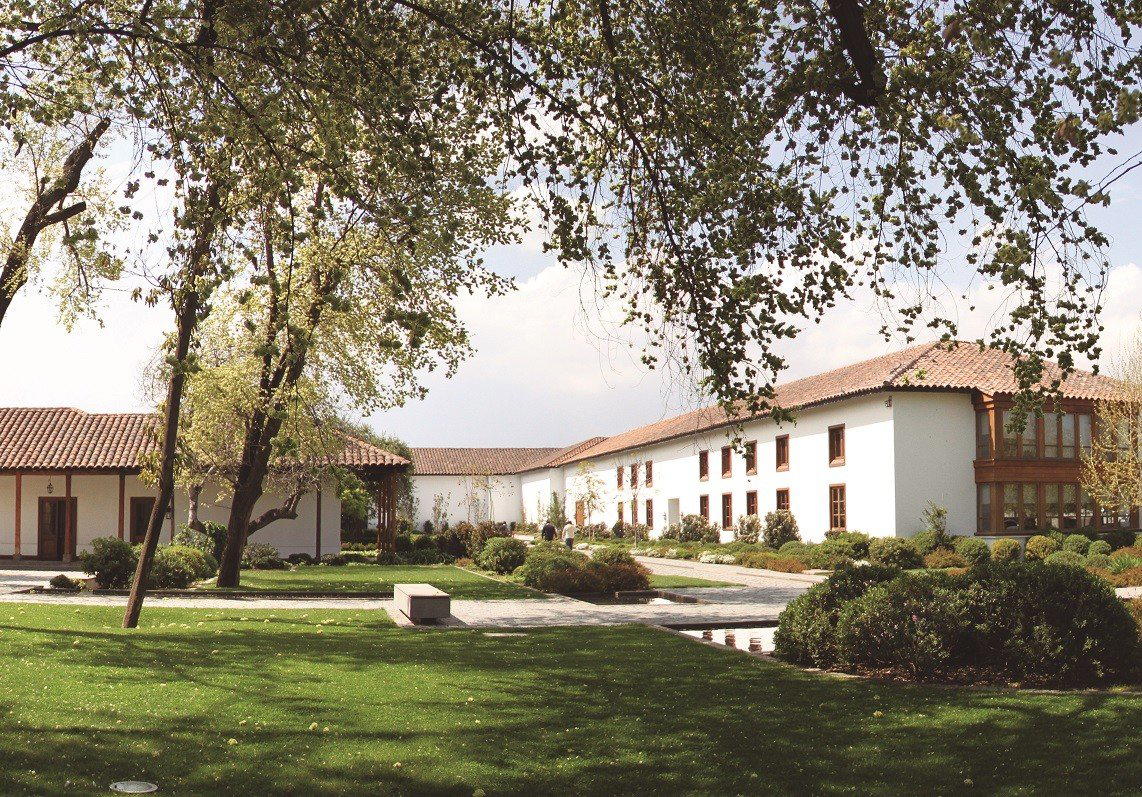
Modern décor that elegantly reflects prestige with moderate noise levels.