Our verdict
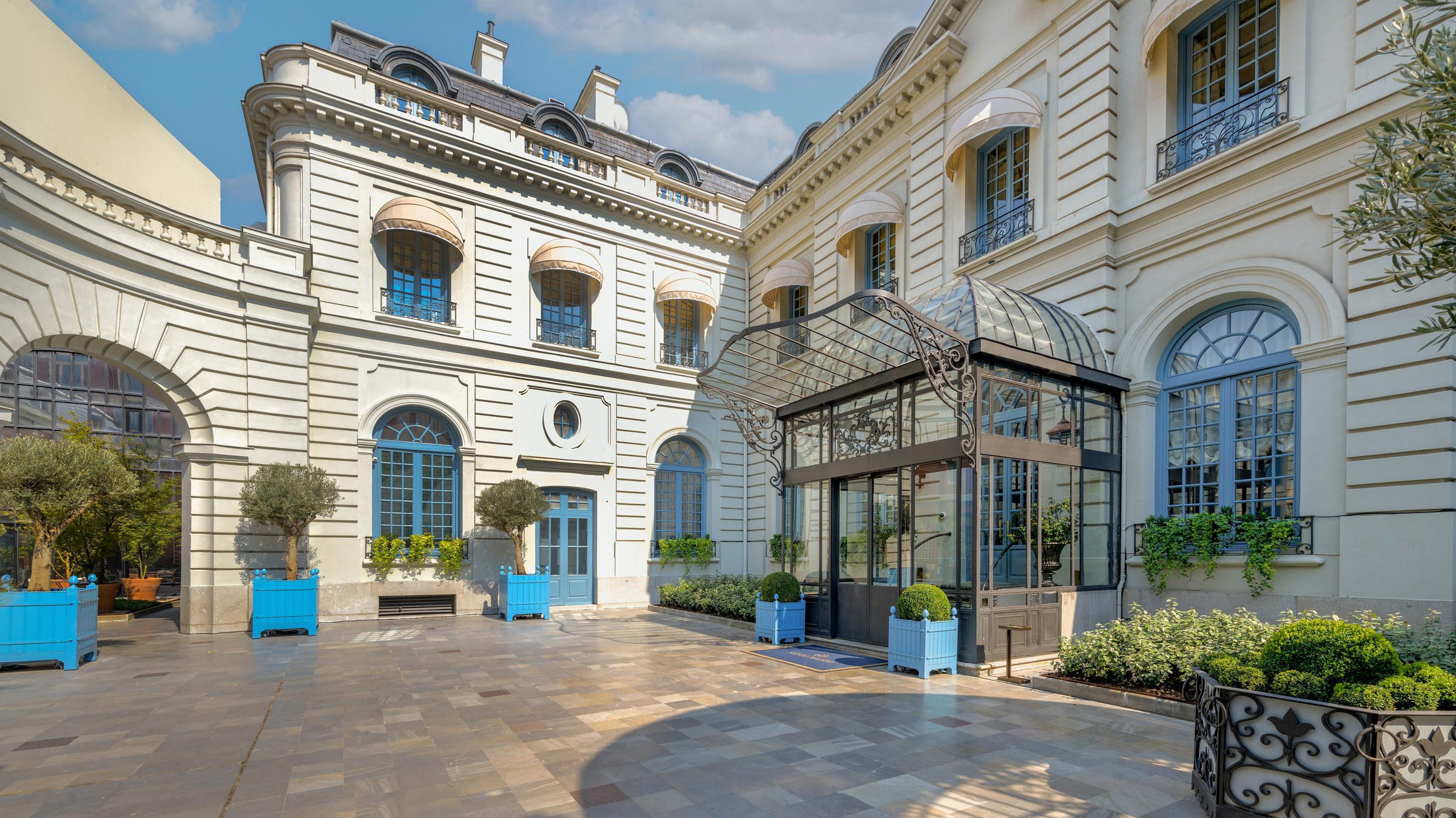
Positioned beside the Royal Palace on the western edge of central Madrid, Café de Oriente occupies one of the capital's most architecturally charged addresses. The space frames Habsburg-era stonework through floor-to-ceiling windows, placing classical Madrid dining in direct conversation with its monumental surroundings. For visitors seeking a formal but accessible entry point into Madrid's traditional restaurant culture, the address alone carries significant weight.

Pearl is the En Primeur Club membership app — saves, bookings, and concierge access live there. Same editors, same standards.
- Address
- Av. de Juan de Herrera, 2, Moncloa - Aravaca, 28040 Madrid, Spain
- Phone
- +34915502055
- Hours
- Mon ClosedTue–Sat 9:30 AM–7 PMSun 9:30 AM–3 PM
- Directions
- Get directions
- Booking
- Book on OpenTable
The menu
What to order
- Duck Liver Terrine
- Rockfish Confit
- Glazed Veal Sweetbreads
Stone, Glass, and the Weight of the Plaza
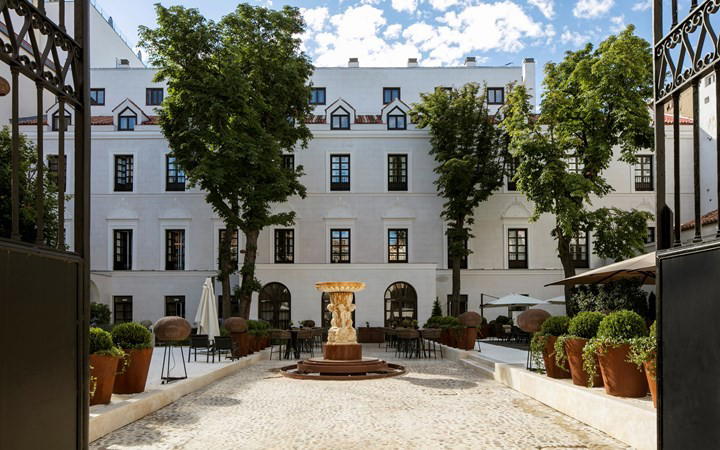
There are addresses in Madrid where the building across the street does as much work as the room you're sitting in. Café de Oriente, on the Avenida de Juan de Herrera in the Moncloa-Aravaca district, occupies exactly that kind of position. The Plaza de Oriente stretches outside, framed on one side by the Royal Palace of Madrid and on the other by the Teatro Real, the city's principal opera house. Few dining rooms in the Spanish capital can claim a comparable physical setting, and the interior has been designed to acknowledge that fact rather than compete with it.
Madrid's traditional grand cafés belong to a category distinct from the tasting-menu-led restaurants that dominate the city's current critical conversation. Where venues like DiverXO, Coque, and Deessa operate in the register of contemporary creative cuisine, the grand café format trades on continuity, formality, and spatial drama. Café de Oriente belongs to that older tradition, and the room itself is the argument for visiting.
The Architecture of the Experience
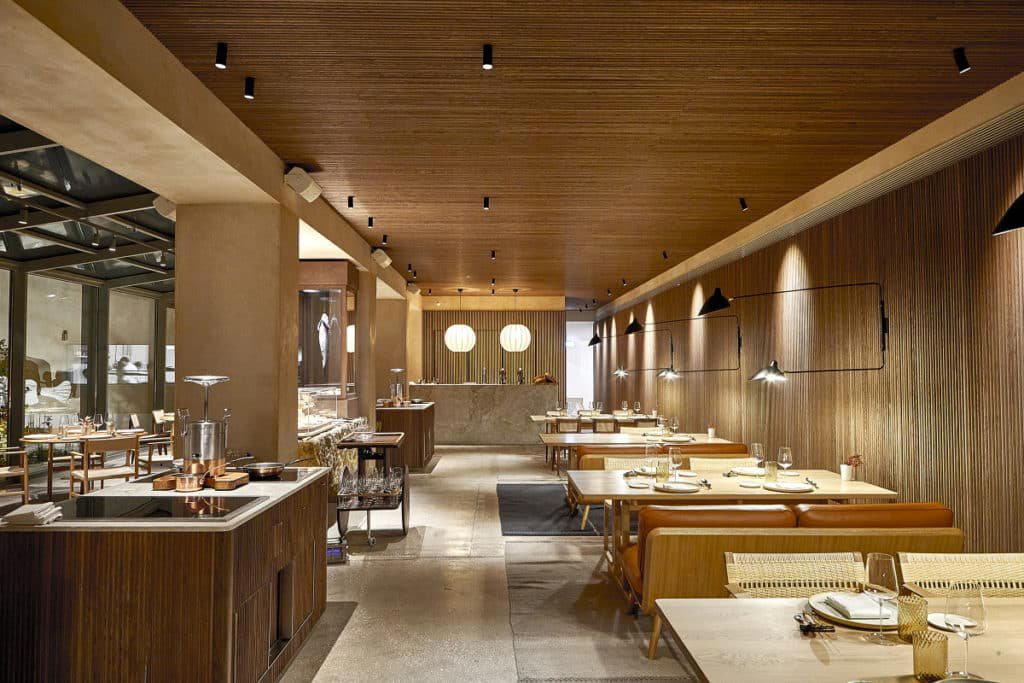
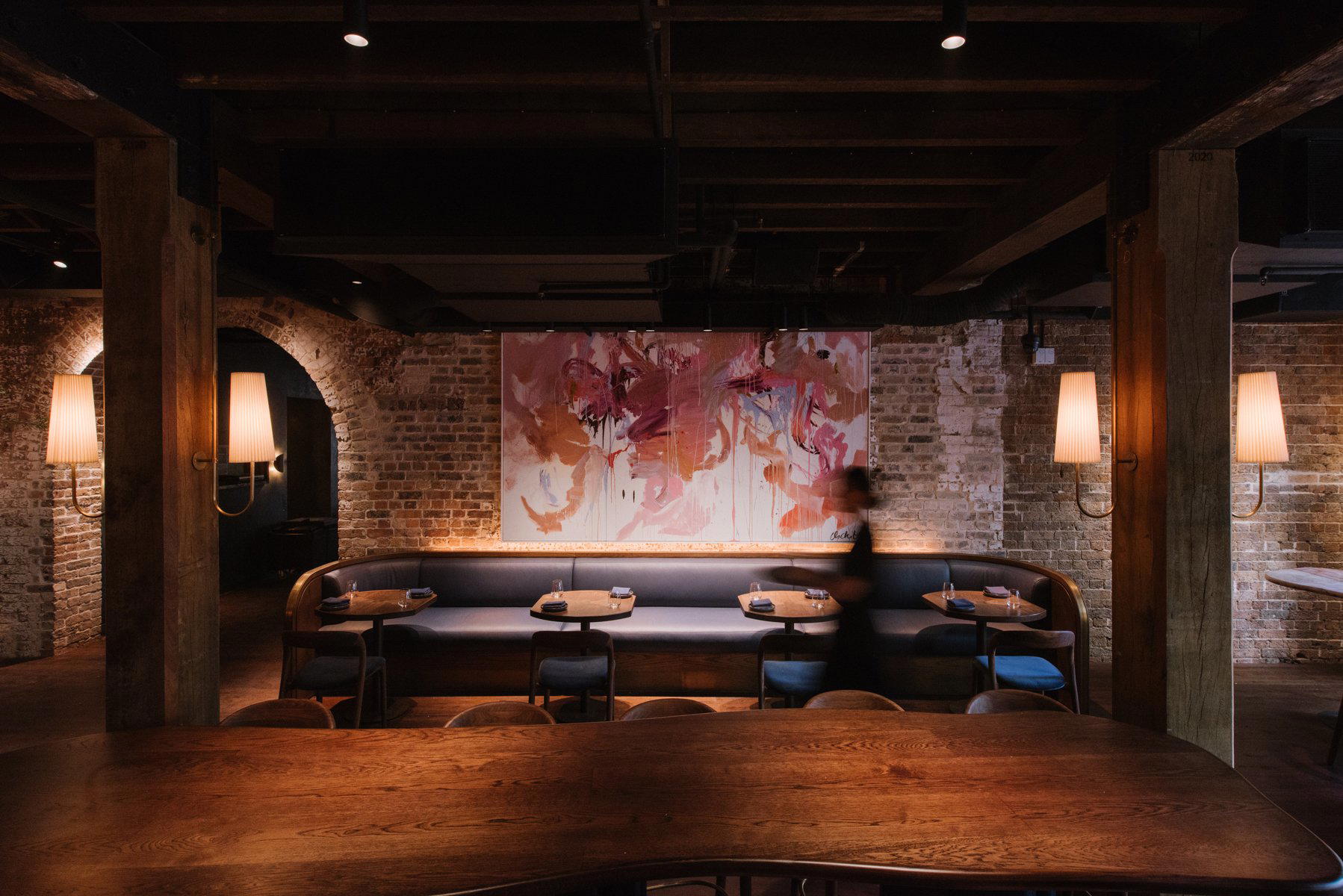
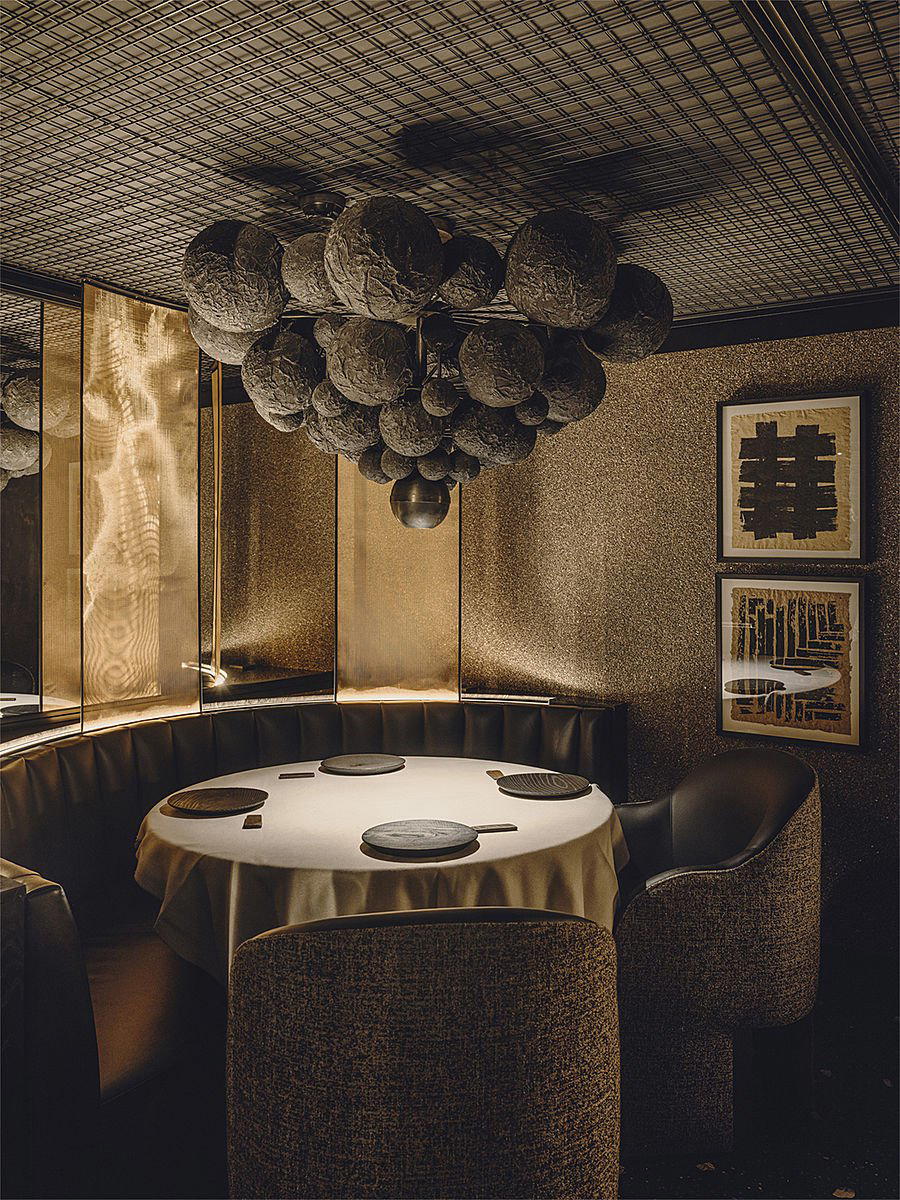
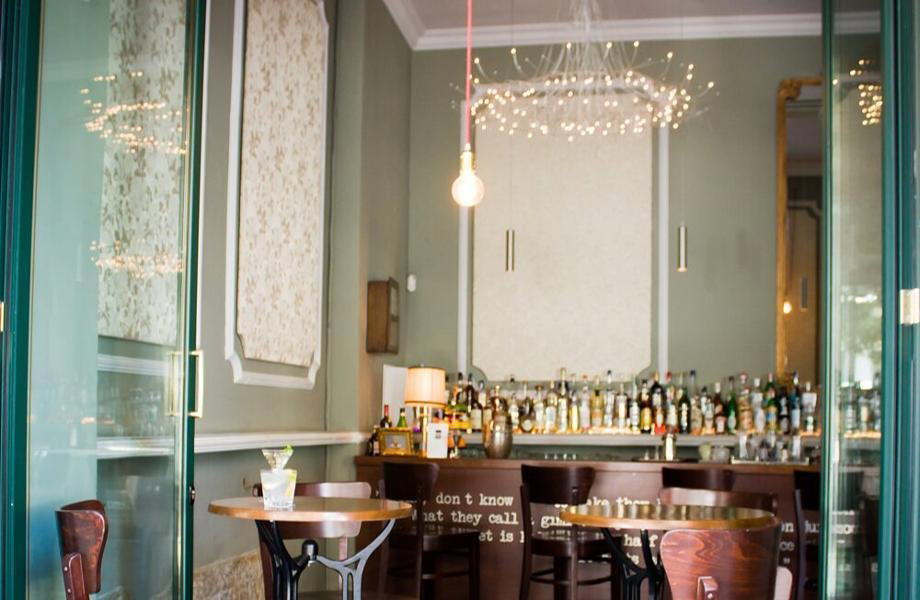
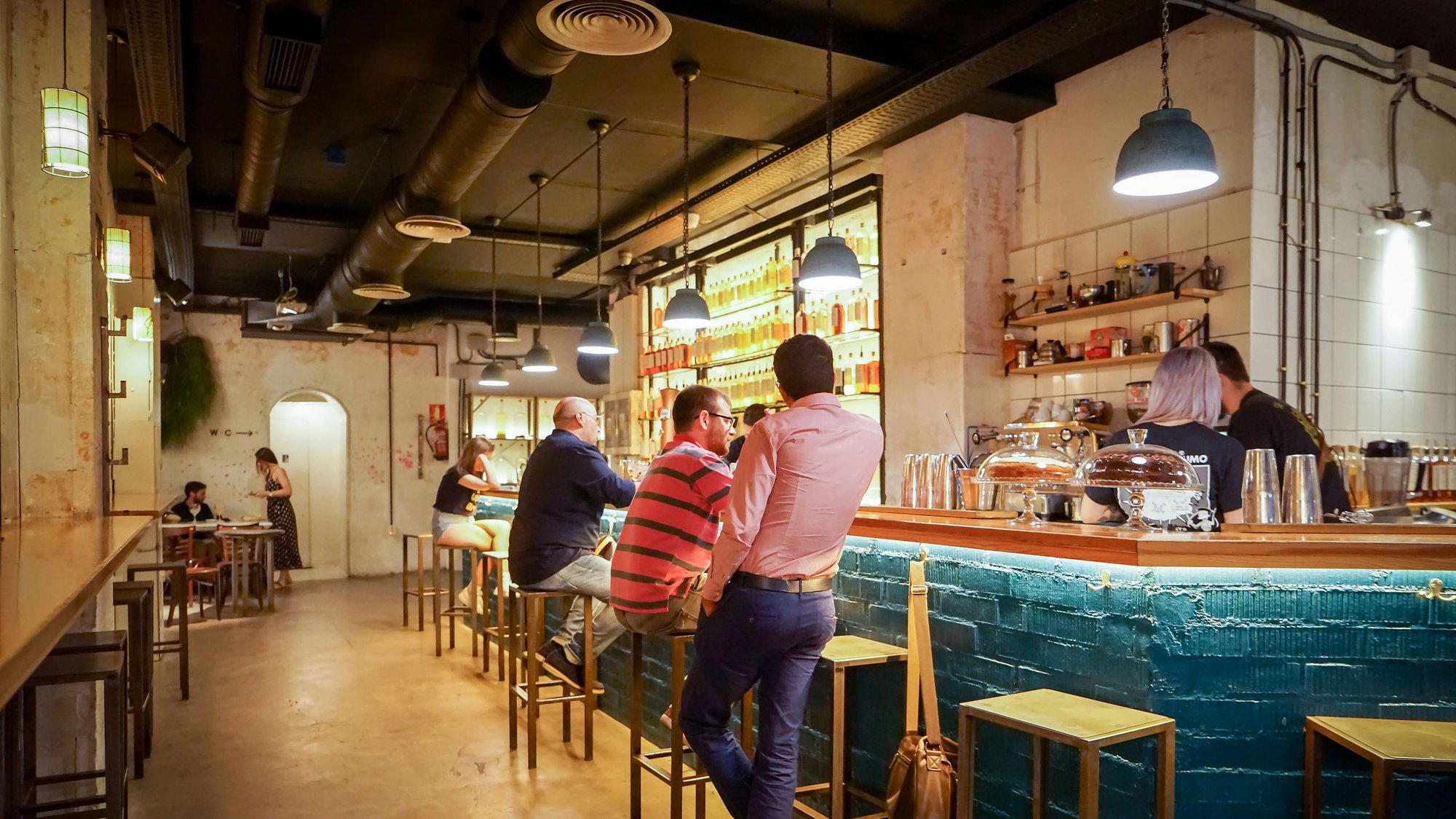
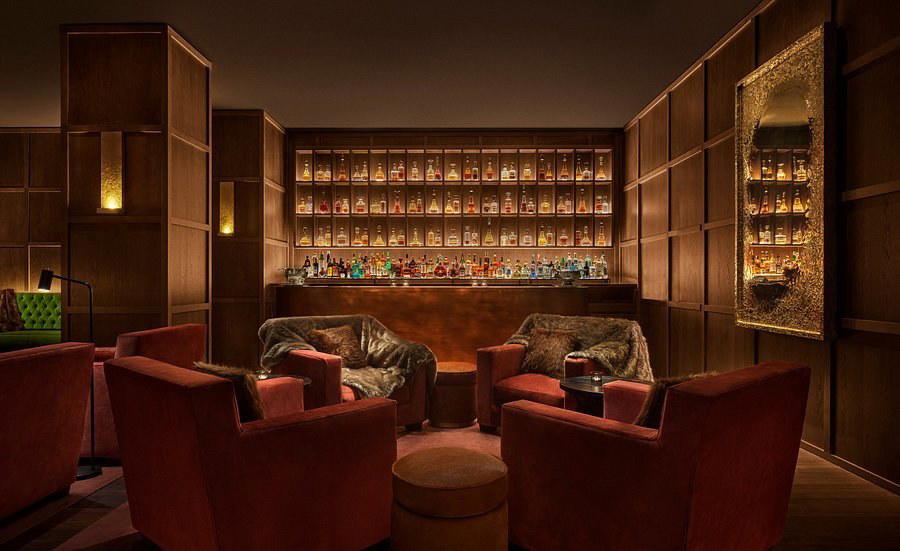
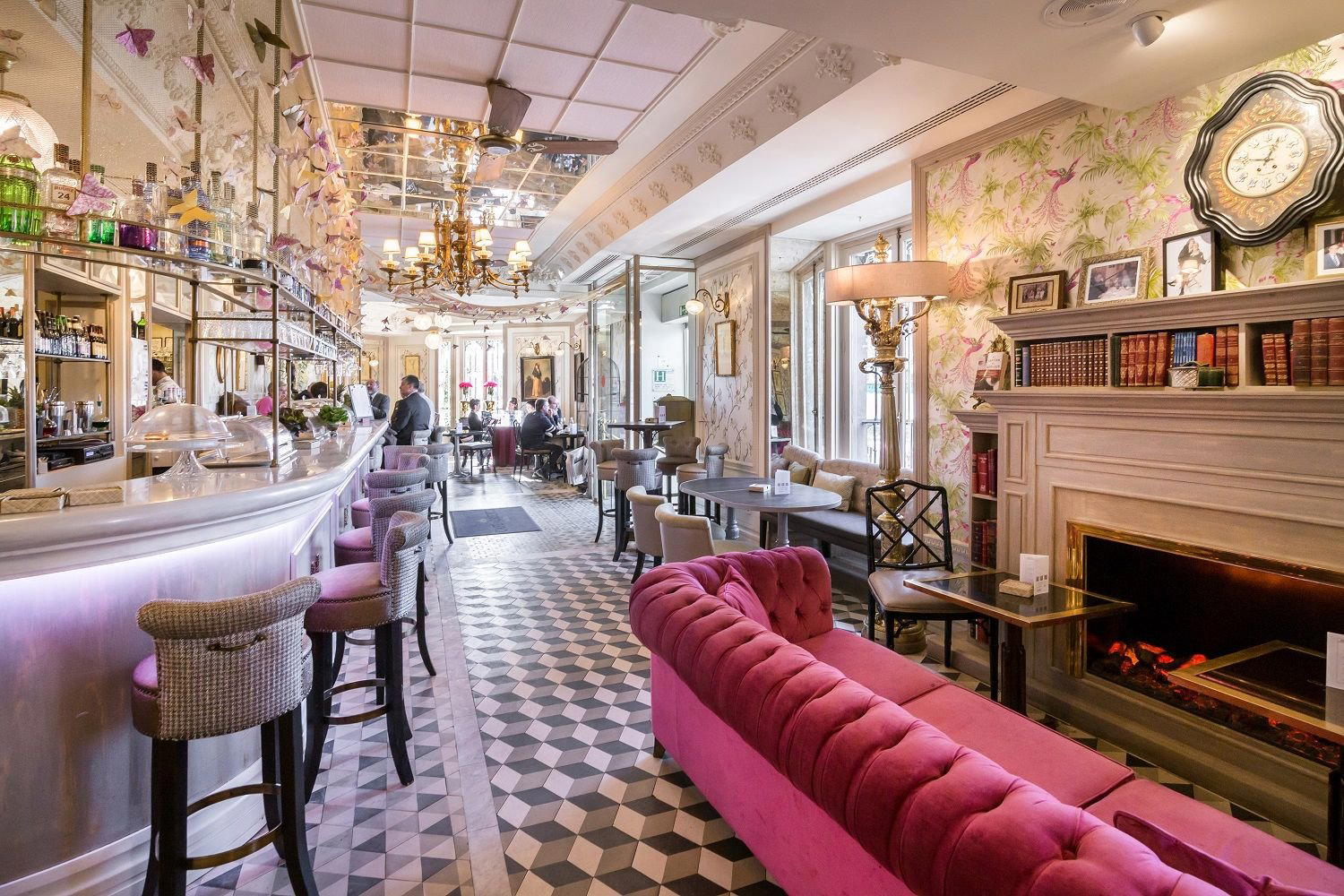
The interior design at Café de Oriente draws on nineteenth-century European café conventions: high ceilings, structured seating arrangements, and a preference for materials that age well rather than trend well. Dark wood, upholstered banquettes, and large windows facing the plaza create a layered visual hierarchy that directs attention outward toward the palace while maintaining the intimacy of a contained dining room. This is not the open-plan informality of contemporary Spanish restaurant design; the spatial logic here is deliberate and ordered.
The Spanish capital has preserved several such spaces in working condition, and they function collectively as a counterweight to the more experimental tier represented by DSTAgE or Paco Roncero. Neither model renders the other redundant; they address fundamentally different reader intentions.
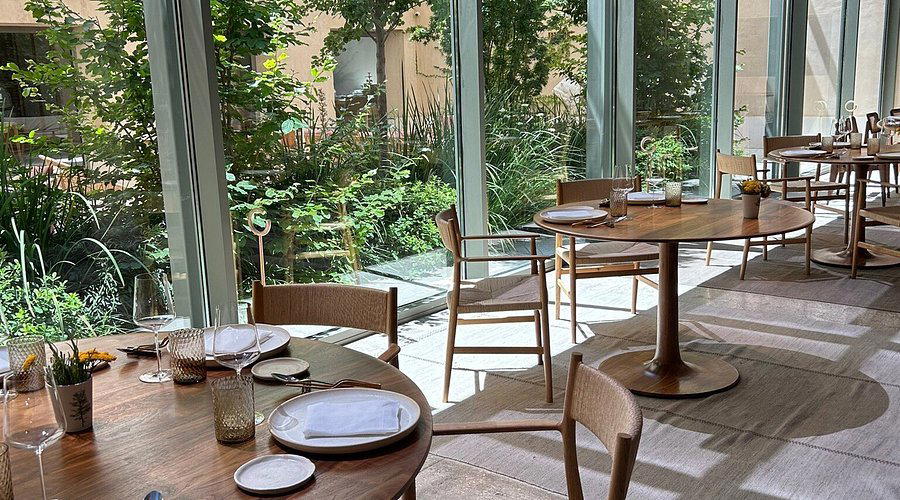
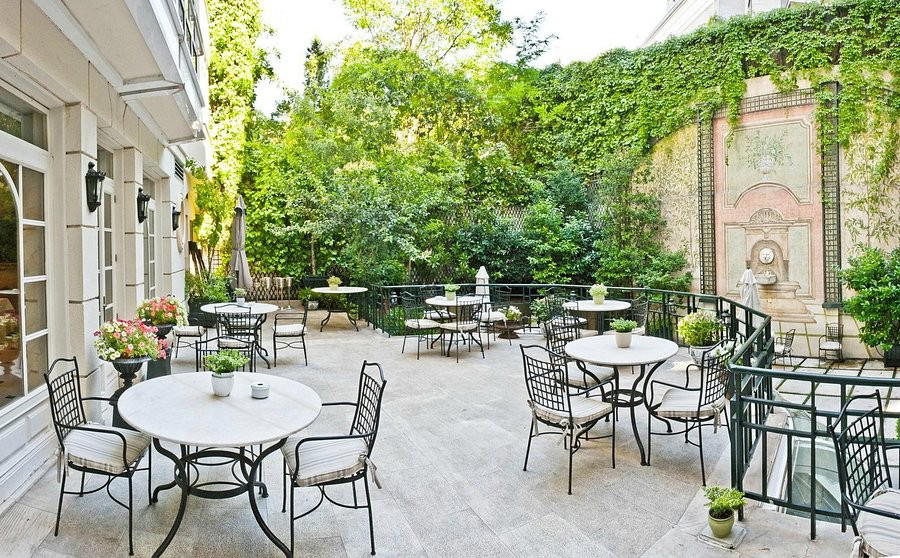
The outdoor terrace on the plaza is worth separating from the interior as a distinct experience. Seated outside in the warmer months, with the palace facade illuminated and the opera house behind you, the setting produces a version of Madrid that most short-stay visitors never encounter because they are looking for it in the wrong neighbourhoods. The Moncloa-Aravaca side of the city centre rewards the walk from Sol or the Opera metro stop precisely because the density of monuments creates this kind of ambient grandeur at street level.
Where Café de Oriente Sits in Madrid's Dining Structure
Madrid's restaurant scene has bifurcated meaningfully over the past decade. The headline tier, anchored by the city's Michelin-starred addresses and the creative signatures of chefs trained in the tradition of Spanish avant-garde cooking, draws the majority of international critical attention. Spain as a whole sustains that conversation at the highest level, with reference points ranging from El Celler de Can Roca in Girona and Mugaritz in Errenteria to Arzak in San Sebastián and Quique Dacosta in Dénia.
Café de Oriente does not position against that tier. Its value proposition is different: a formal, historically grounded dining room with an address that functions as an experience in itself. For visitors building a Madrid itinerary that already includes one or two ambitious creative meals, an evening at Café de Oriente serves as contextual contrast, a reminder that Spanish dining culture extends well beyond the contemporary tasting menu format.
Across Spain, this kind of institutional restaurant often functions as a benchmark for regional identity rather than innovation. Atrio in Cáceres holds that position in Extremadura; Ricard Camarena in València bridges tradition and technique in a different regional idiom. Café de Oriente does something narrower but no less legitimate: it holds a specific Madrileño spatial and social tradition in place at one of the city's most architecturally significant locations.
Internationally, the closest analogues are the grand café-restaurant formats of Paris or Vienna, where the room and its history constitute a large share of the draw. Le Bernardin in New York City and Lazy Bear in San Francisco represent a different kind of institutional confidence, where the food program itself is the primary credential. Café de Oriente's claim rests more heavily on setting and tradition, which is neither a weakness nor a compromise; it is a different and coherent offer.
The Neighbourhood and When to Go
The area around the Plaza de Oriente is quieter than the tourist-dense zones around Puerta del Sol or the Rastro, and that relative calm is part of what makes it worth the detour. The Royal Palace gardens and the Jardines de Sabatini are accessible on foot, and the Teatro Real schedules performances that pair naturally with dinner at Café de Oriente; the opera crowd represents a substantial portion of the evening clientele, and booking around a performance night adds a layer of social texture to the experience.
Late spring and early autumn are the strongest seasons for the terrace, when Madrid's heat is manageable and the light on the palace facade holds long into the evening. Summer service in Madrid generally runs later than northern European norms; dinner before nine is considered early by local convention, and the plaza tends to animate properly after ten. Winter evenings inside the main dining room, with the palace illuminated beyond the windows, deliver a different but equally coherent version of the address.
For a broader orientation to Madrid's dining options across price points and styles, the full Madrid restaurants guide maps the city's current scene in more detail. Those interested in the creative end of the Spanish spectrum should also consider Cocina Hermanos Torres in Barcelona, Aponiente in El Puerto de Santa María, and Azurmendi in Larrabetzu as part of any extended tour of the peninsula's dining geography.
Café de Oriente is not the restaurant for a traveller whose Madrid visit centres exclusively on the cutting edge. It is the restaurant for someone who wants to understand what formal Madrid dining looks like when it is rooted in place, architecture, and a setting of genuine civic weight, and who recognises that this represents a legitimate and distinct form of culinary seriousness. The room, the plaza, and the palace behind the windows make that case better than any description can.
Know Before You Go
- Address: Av. de Juan de Herrera, 2, Moncloa - Aravaca, 28040 Madrid, Spain
- Nearest Metro: Opera (Lines 2 and 5) is the closest station, approximately five minutes on foot
- Leading Season for Terrace: Late April through June and September through October
- Evening Timing: Dinner service aligns with Madrid convention; arriving before 9pm is considered early; 9:30–10pm is the local norm
- Opera Pairings: Teatro Real is directly adjacent; check performance schedules when planning a dinner reservation
- Booking: Contact in; verify via the venue directly or through a Madrid concierge service
Frequently asked questions
Where do I go for Café de Oriente?
Café de Oriente is located at Av. de Juan de Herrera, 2, Moncloa - Aravaca, 28040 Madrid, Spain, Madrid.
Is Café de Oriente a good choice for dining near the Royal Palace in Madrid?
Café de Oriente on Avenida de Juan de Herrera occupies one of the closest restaurant positions to the Palacio Real in Madrid, making it a practical and architecturally significant option for visitors to the area. The Plaza de Oriente neighbourhood runs quieter than tourist-dense zones like Puerta del Sol, which affects the pace of a meal there. For travellers combining a palace visit with lunch or dinner, the venue's location removes the need to travel elsewhere in the city.
What's the best thing to order at Café de Oriente?
Given its position on the Plaza de Oriente in Madrid and its nineteenth-century European café format, the kitchen likely draws on classic Spanish and continental repertoire.
Can I walk in to Café de Oriente?
Restaurants in the Plaza de Oriente area of Madrid tend to attract both tourists and locals drawn by the Royal Palace views, which can create pressure on tables — particularly at lunch and on weekends. Contacting the venue directly before arriving is the safer approach.
What's the standout thing about Café de Oriente?
The address does most of the work: Café de Oriente sits on the Plaza de Oriente, directly facing the Royal Palace, giving it one of the more charged dining backdrops in central Madrid. The interior reinforces that weight with high ceilings and structured seating drawn from nineteenth-century European café conventions. Few rooms in the city carry that combination of exterior monumentality and period interior coherence.
Comparable Options
Comparable venues nearby, for context on price, style, and recognition.
| Venue | Cuisine | Price | Awards | Notes |
|---|---|---|---|---|
| Café de OrienteThis venue — the venue you are viewing | Modern Spanish Bistro with French Influences | $50–100 | Not listed | Not listed |
| Juana La Loca | Modern Spanish Pintxos | $30–50 | Macarfi 7 Food Rating | Recoletos |
| Florida Retiro | Modern Spanish Mediterranean | $30–50 | Not listed | Parque del Retiro |
| Taberna La Gaditana | Traditional Andalusian Seafood & Rice | $50–100 | Macarfi 6.1 Food Rating | Goya |
| Viavélez | Traditional Asturian | $50–100 | Guía Repsol 1 Sol · Macarfi 7.5 Food Rating | Cuatro Caminos |
| Botín Restaurante | Traditional Spanish Roast Meats | $50–100 | Falstaff Restaurant - 92 Falstaff Points · Macarfi 6.7 Food Rating | Sol |