
Macarfi 6.1 Food Rating
Our verdict
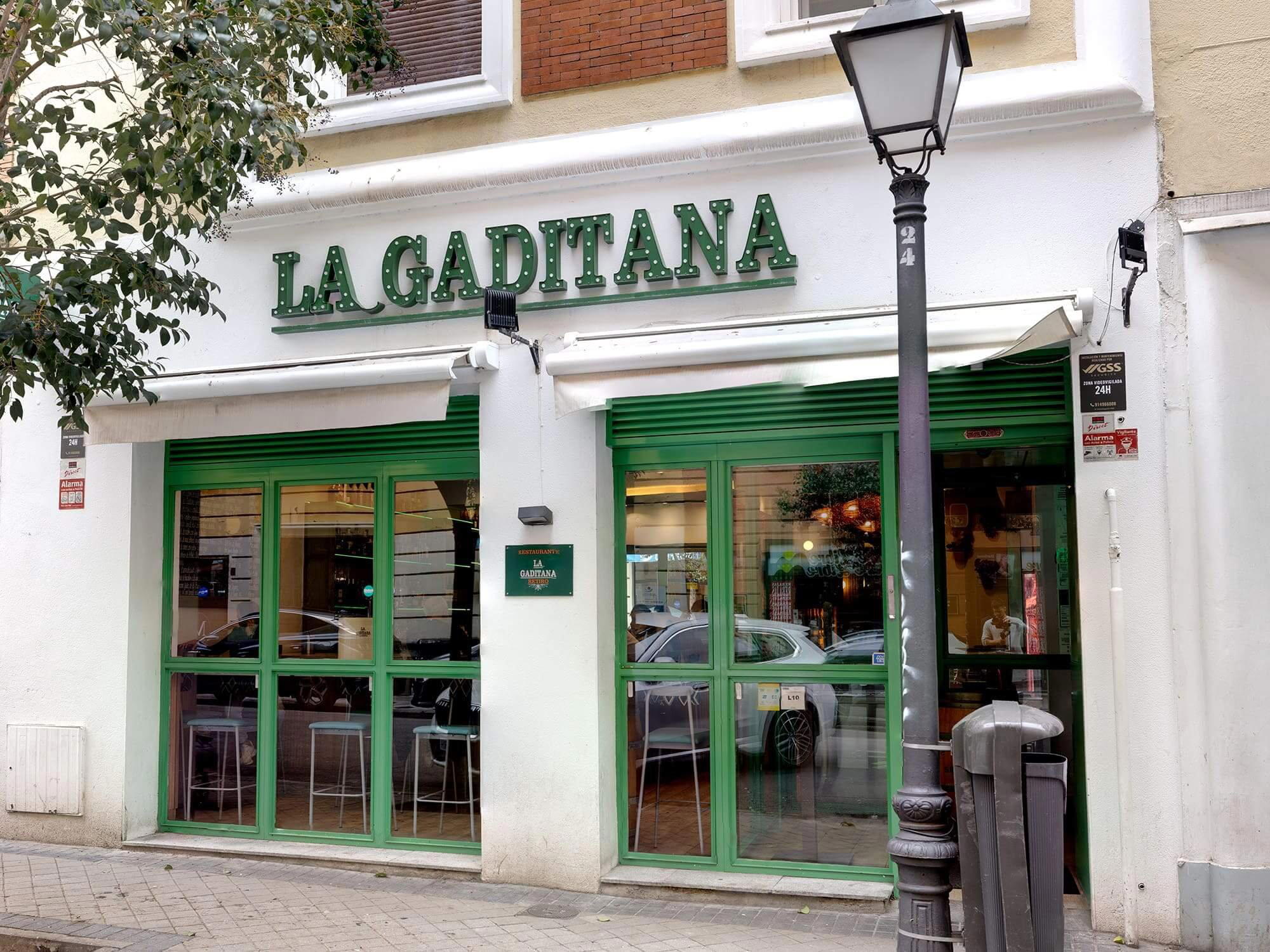
Taberna La Gaditana brings the culinary tradition of Cádiz to the Salamanca district, one of Madrid's most residential and unhurried corners. The address on Calle de la Fuente del Berro positions it away from the tourist circuits of central Madrid, drawing a neighbourhood crowd and those who know to look beyond the obvious. It is the kind of place the Andalusian tavern tradition produces when it travels well.

Pearl is the En Primeur Club membership app, where members save venues, book tables and use the concierge.
The menu
What to order
- Ortiguillas (fried snakelocks anemones)
- Ostrones fritos (fried oysters)
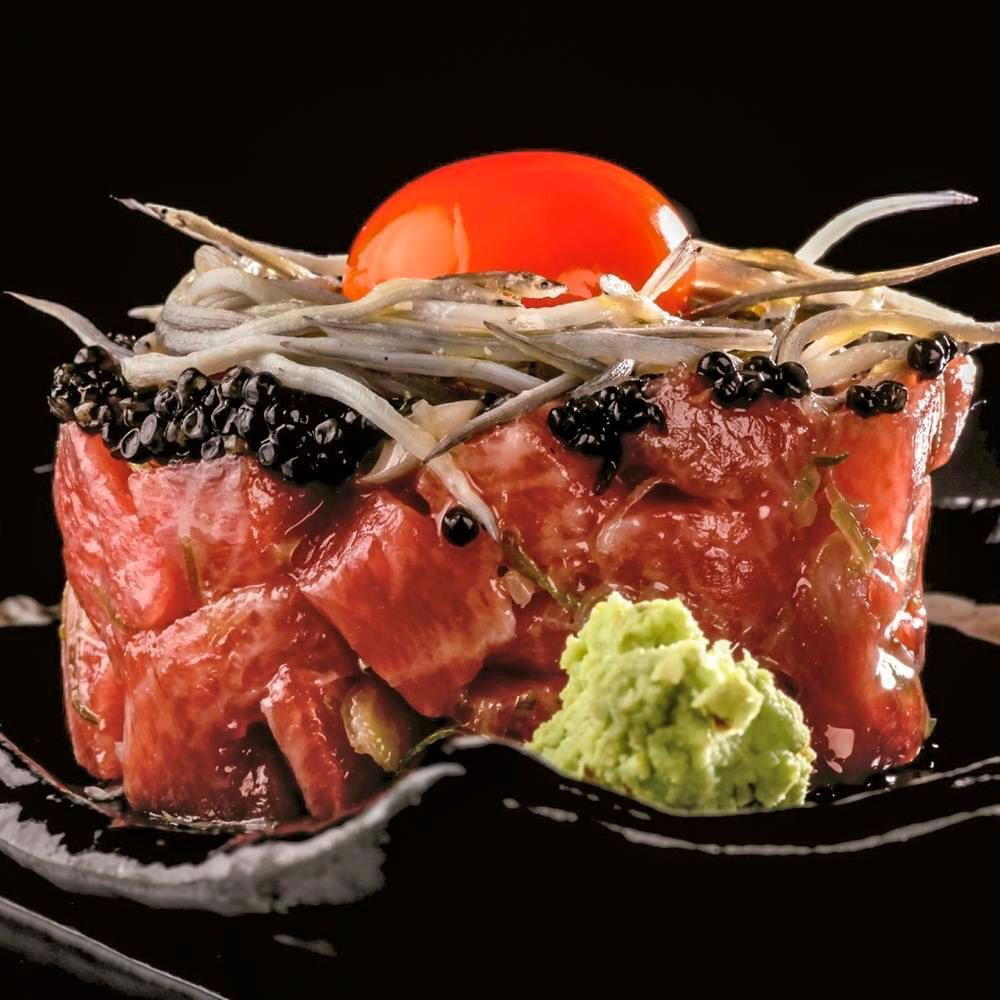
- Bluefin tuna tartare
- Rice stew with lobster
- Oxtail timbale
A Street in Salamanca That Rewards the Detour
Calle de la Fuente del Berro sits at the quieter eastern edge of the Salamanca district, a neighbourhood more associated with apartment buildings and local commerce than with the concentrated dining density of Chueca or Las Letras. That positioning matters. Restaurants that open here are not chasing foot traffic from tourists or the midday rush from office workers. They are, by necessity, building a local constituency, the kind of repeat clientele that fills tables on a Tuesday and argues over the bill at the end of the night. Taberna La Gaditana operates in that context.
The name itself signals its allegiances clearly. Gaditana means from Cádiz, the ancient port city at the southwestern tip of Andalusia, and the taberna format is the oldest continuous dining institution in the Spanish tradition: a room where wine and simple food have coexisted without ceremony for centuries. When a gaditana taberna appears in a Madrid residential street, it is importing a very specific set of expectations, fried fish, sherry-adjacent wines, a counter with cured products, and the particular ease that Cádiz natives project in social spaces. Whether the execution here meets those expectations in full is what separates the neighbourhood regular from the first-time visitor.
The Salamanca Context and What It Demands of a Venue
Salamanca is not a dining neighbourhood in the way Chueca or Malasaña are understood to be. Its restaurant scene is residential in character: local trattorias, a handful of serious tapas bars, and the occasional higher-register address that prefers a low profile. Madrid's concentration of Michelin-level cooking sits across a wider geography, DiverXO in the north, Coque holding its position as a tasting-menu landmark, Deessa and DSTAgE representing the city's appetite for modern Spanish creativity, and Paco Roncero continuing in the creative tasting format. Taberna La Gaditana does not compete in that register. Its competition is the neighbourhood taberna and the casual Andalusian bar, and in that more grounded category, location within a residential district is an advantage rather than a liability.
For the visitor arriving from outside the district, the address on Fuente del Berro requires a deliberate journey. The nearest Metro options leave a short walk through quiet residential streets, not the kind of approach that rewards impulse, but exactly the kind that rewards planning. This is a part of Madrid where the diner who has already made a decision about where to eat has a better experience than the one still browsing while walking. Commit to the address in advance and the neighbourhood itself starts to feel like context rather than inconvenience.
The Gaditano Tradition in a Madrid Room
Cádiz has produced a disproportionate share of Spain's seafood culture. The city sits between the Atlantic and the Bay of Cádiz, and its culinary identity was shaped over centuries by access to exceptional fish and shellfish: coquinas, ortiguillas, urta, and the fried fish tradition known as pescaíto frito that the city treats as both street food and serious craft. That tradition travels to Madrid regularly, carried by Andalusian migrants and by restaurants that open under the gaditana banner with various degrees of fidelity.
The broader Spanish dining scene gives context for how seriously this regional tradition is now regarded. Andalusia holds some of Spain's most ambitious cooking: Aponiente in El Puerto de Santa María, Ángel León's three-Michelin-star project, treats the same Cádiz waters as a research subject. At the other end of the register, the taberna format survives not because it is modest but because it is load-bearing, the Andalusian tavern is the structural base on which the region's entire food culture rests. What a taberna gaditana in Madrid offers is a slice of that base culture, relocated but ideally undiluted.
Spain's wider restaurant scene, from El Celler de Can Roca in Girona and Martin Berasategui in Lasarte-Oria to Mugaritz in Errenteria, Arzak in San Sebastián, Azurmendi in Larrabetzu, Ricard Camarena in València, Quique Dacosta in Dénia, Atrio in Cáceres, and Cocina Hermanos Torres in Barcelona, gets considerable attention internationally. But the taberna tradition these high-end kitchens grew out of is still alive in neighbourhood rooms across Spain's cities. Taberna La Gaditana represents that living base rather than the pinnacle derived from it, which, for the right diner at the right moment, is exactly the point.
Reading the Room: What This Address Is For
A taberna is not designed for a long tasting experience with wine pairings and printed menus. The format implies brevity, conviviality, and a counter relationship between staff and regular customers. It implies eating with your hands at least part of the time, ordering in rounds rather than courses, and lingering over wine in a way that is social rather than contemplative. Madrid's version of this format tends to run warmer and louder than the Basque model, and Andalusian tabernas in the city often operate as the most relaxed and least self-conscious of all regional representations.
For visitors who have worked through Madrid's full restaurant guide and are looking for something that sits outside the tasting-menu circuit, a gaditana taberna in a residential Salamanca street offers a genuine alternative register. The comparison is less with international peers like Le Bernardin in New York City or Atomix in New York City and more with the simple question of where a Madrid local goes when they want Andalusian food without formality.
Planning Your Visit
The Salamanca district runs efficiently on foot from the Goya or Príncipe de Vergara Metro stations. Fuente del Berro is a quiet street, and the taberna format means the space is likely small: arrive at opening time or book ahead if booking is available, as neighbourhood regulars fill the seats quickly on weekend evenings. Lunch service tends to be the moment when Spanish tabernas operate at their most natural pace, and a midday visit on a weekday will reflect the venue at its most characteristic.
The address, C. de la Fuente del Berro, 23, Salamanca, 28009 Madrid, is confirmed.
Quick reference: C. de la Fuente del Berro, 23, Salamanca, Madrid. Traditional Andalusian taberna format. Residential district, deliberate journey required. Confirm hours and booking directly with the venue before visiting.
Frequently asked questions
What should I eat at Taberna La Gaditana?
The gaditana tradition centres on fried seafood from the waters around Cádiz, along with cured products and wine-friendly small plates typical of the Andalusian tavern format. Expect fried fish and shellfish preparations to be the structural core of what is on offer, reflecting the culinary identity of Cádiz rather than a generalised Spanish tapas format. For the broader context of what Cádiz-sourced seafood looks like at a higher register, [Aponiente in El Puerto de Santa María](https://www.enprimeurclub.com/restaurants/aponiente-el-puerto-de-santa-mara-restaurant) provides a useful comparative reference.
How hard is it to get a table at Taberna La Gaditana?
Neighbourhood tabernas in Madrid's residential districts typically operate without long advance booking windows, unlike the city's tasting-menu addresses. Madrid's most in-demand seats, at venues competing in the creative and Michelin-level tier, require weeks or months of advance planning. A gaditana taberna in Salamanca is unlikely to operate at that level of booking pressure, but weekend evenings and Friday lunch can fill quickly when local regulars are involved. Arriving at opening time is a reliable approach when booking in advance is not possible.
What has Taberna La Gaditana built its reputation on?
The venue's reputation rests on its regional specificity: it represents the culinary tradition of Cádiz in a Madrid neighbourhood that does not have a high concentration of competing Andalusian addresses. In a city where the dining conversation is often dominated by avant-garde Spanish cooking, a taberna that commits to the gaditana format occupies a distinct position. That regional fidelity, rather than awards or high-profile chef credentials, is the credibility signal the name and format project to a local audience.
Is Taberna La Gaditana suitable for a solo diner visiting Madrid who wants to eat Andalusian food without committing to a full tasting menu?
The taberna format is structurally well suited to solo dining: counter seating, short orders, and a pace set by the diner rather than by a multi-course sequence. Andalusian tabernas in Madrid typically welcome solo visitors who want to eat at the bar and work through a few plates with a glass of wine, without the social overhead of a table booking. The Salamanca address means the surrounding streets are quiet rather than overwhelming, which suits the solo diner looking for a lower-intensity evening. Confirm current counter availability directly with the venue.
Budget and Context
Comparable venues nearby, for context on price, style, and recognition.
| Venue | Cuisine | Price | Awards | Notes |
|---|---|---|---|---|
| Taberna La GaditanaThis venue (the venue you are viewing) | Traditional Andalusian Seafood & Rice | $50–100 | Macarfi 6.1 Food Rating | Not listed |
| Ramón Freixa Tradición | Traditional Spanish Cuisine | $100–150 | Guía Repsol 1 Sol · Macarfi 7.9 Food Rating | Salamanca, Traditional Spanish & Catalan by Ramón Freixa |
| Castizo Canalejas | Classic Spanish Tapas | $30–50 | Not listed | Sol, Classic Spanish Tapas |
| Viavélez | Traditional Asturian | $50–100 | Guía Repsol 1 Sol · Macarfi 7.5 Food Rating | Cuatro Caminos, Traditional Asturian |
| Arzábal | Modern Spanish Tapas | $50–100 | Macarfi 7.1 Food Rating · Guía Repsol 1 Sol | Lavapies, Modern Spanish Tapas |
| Café de Oriente | Modern Spanish Bistro with French Influences | $50–100 | Not listed | Ciudad Universitaria, Modern Spanish Bistro with French Influences |
Recognition history
Dated appearances from independent guides and award organizations, with the underlying list record or original source where available.
Macarfi 6.1 Food Rating
Macarfi
Continue exploring
More in Madrid
Restaurants in Madrid
All restaurants in Madrid →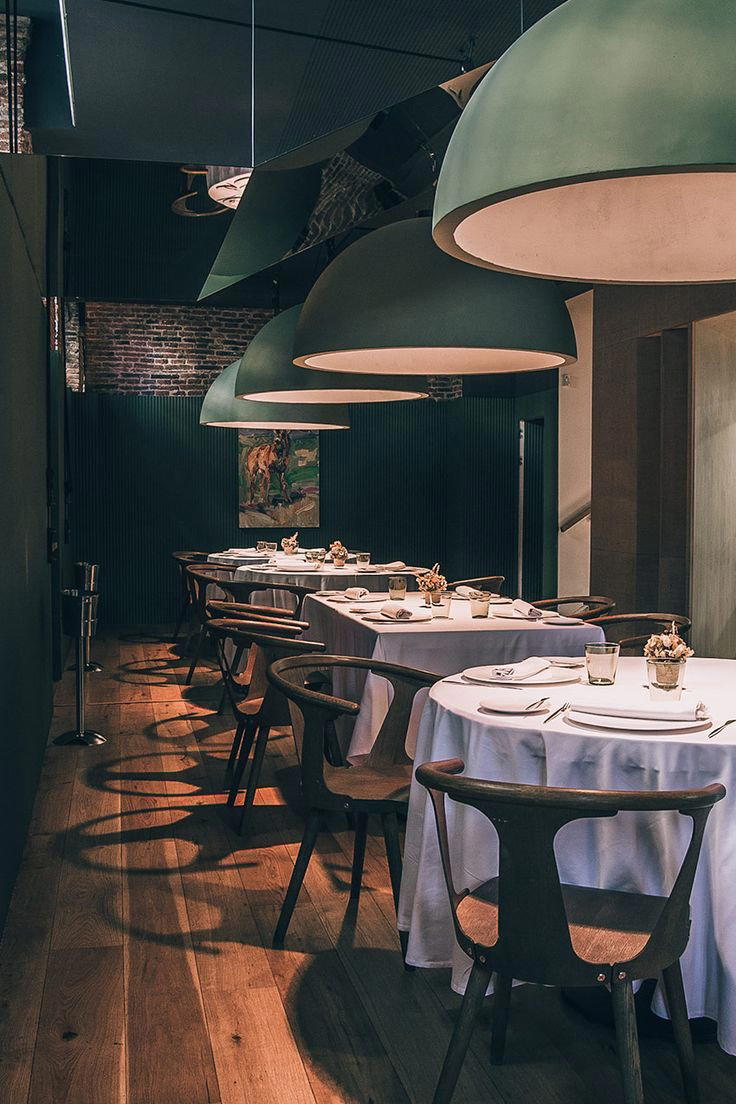
Bars in Madrid
All bars in Madrid →

Details
- Rustic
- Cozy
- Classic
- Intimate
- Family
- Group Dining
- Celebration
- Date Night
- Special Occasion
- Terrace
- Private Dining
- Extensive Wine List
- Beer Program
- Local Sourcing
- Sustainable Seafood
- A La Carte
- Family Style
- Set Menu
- Wine
- Beer
- Pescatarian Friendly
- Allergy Accommodating
Current opening hours
- Monday
- 12 PM–12 AM
- Tuesday
- 12 PM–12 AM
- Wednesday
- 12 PM–12 AM
- Thursday
- 12 PM–12 AM
- Friday
- 12 PM–12 AM
- Saturday
- 12 PM–12 AM
- Sunday
- 12–5 PM
Hours can change for holidays and private events. Hours as of .
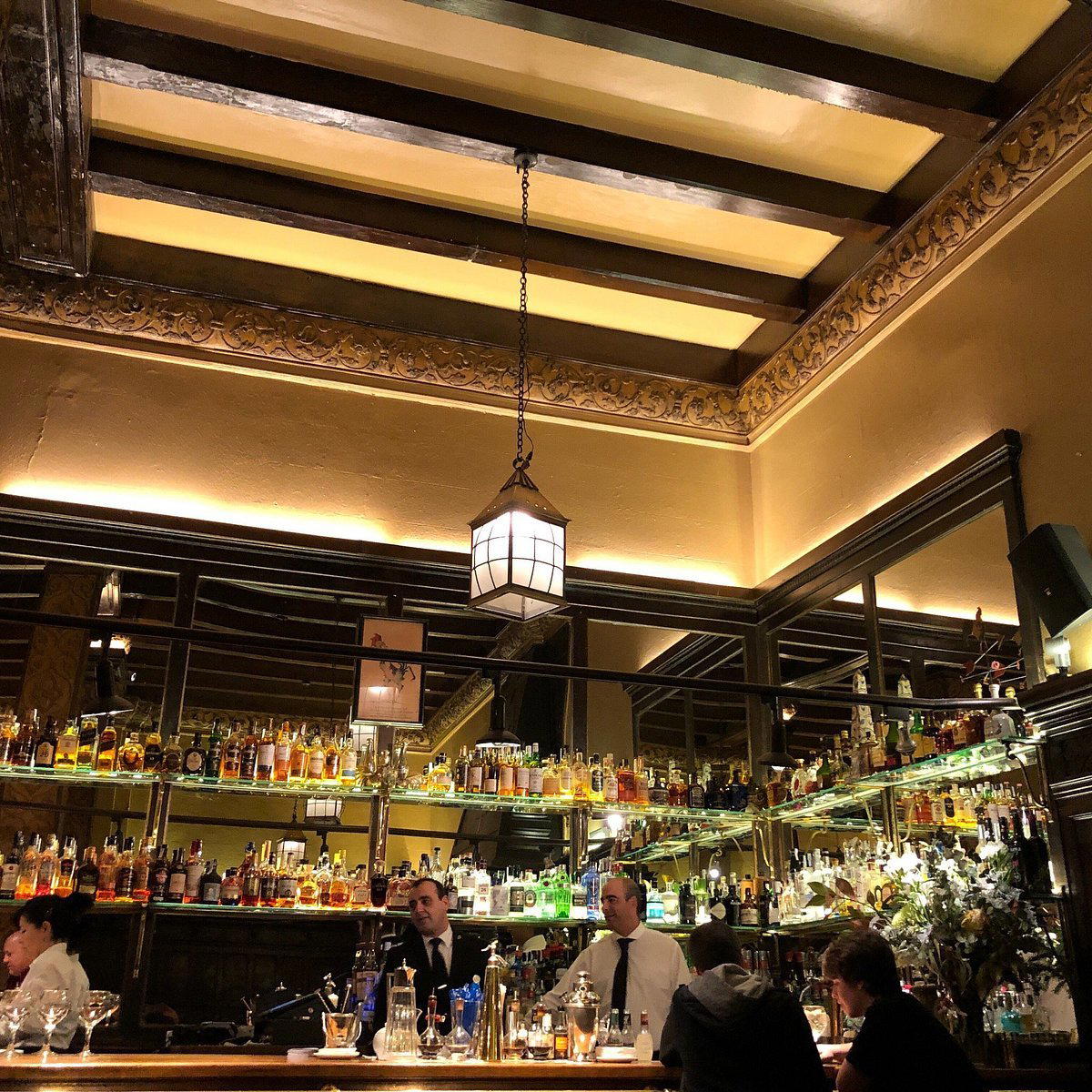
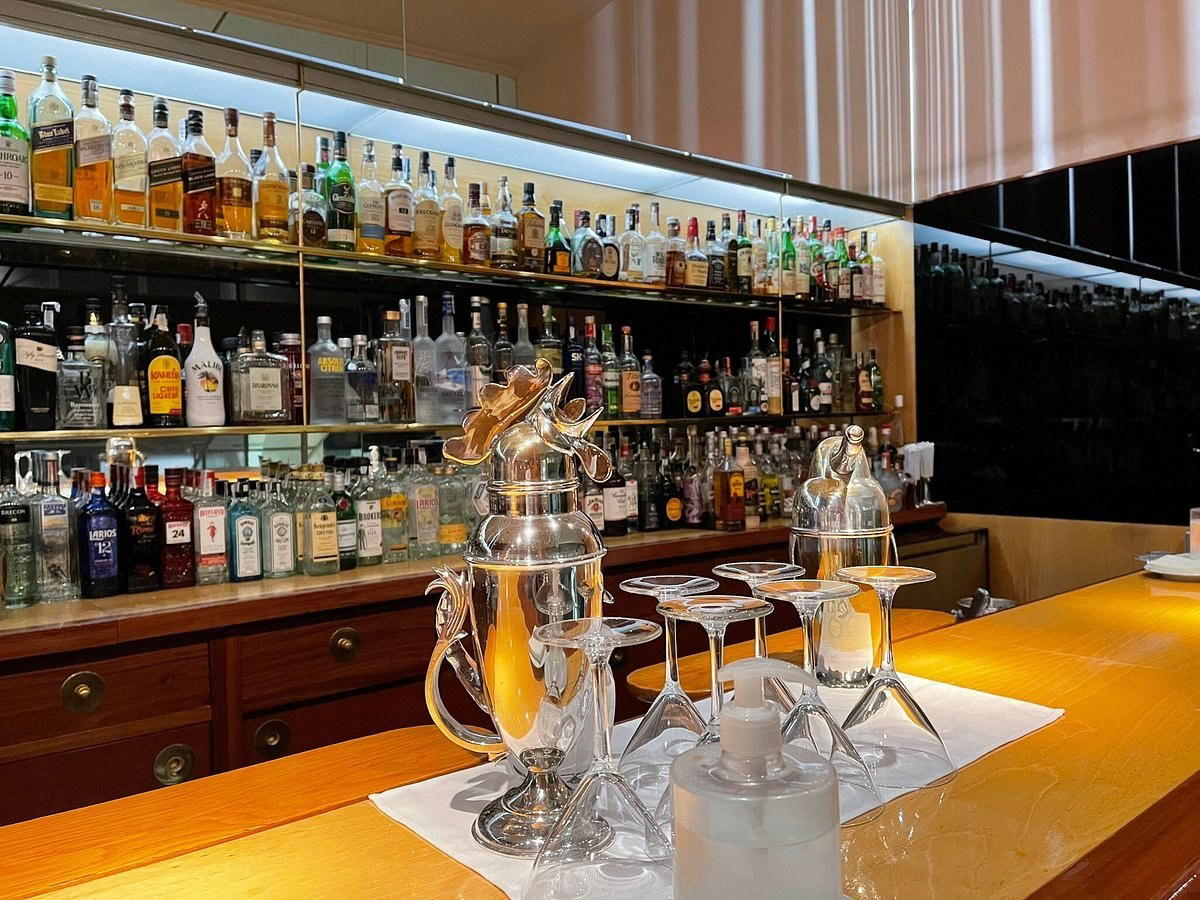
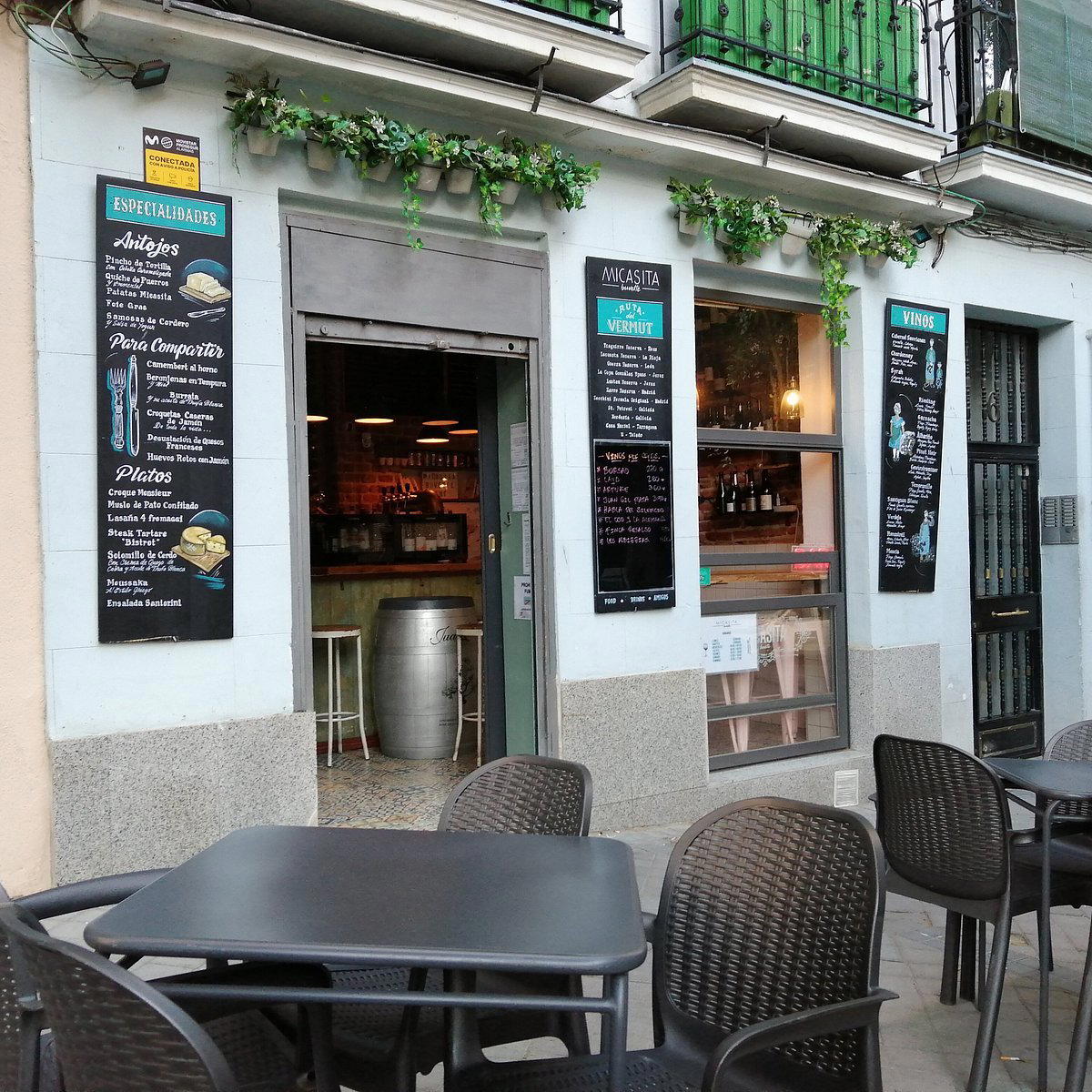
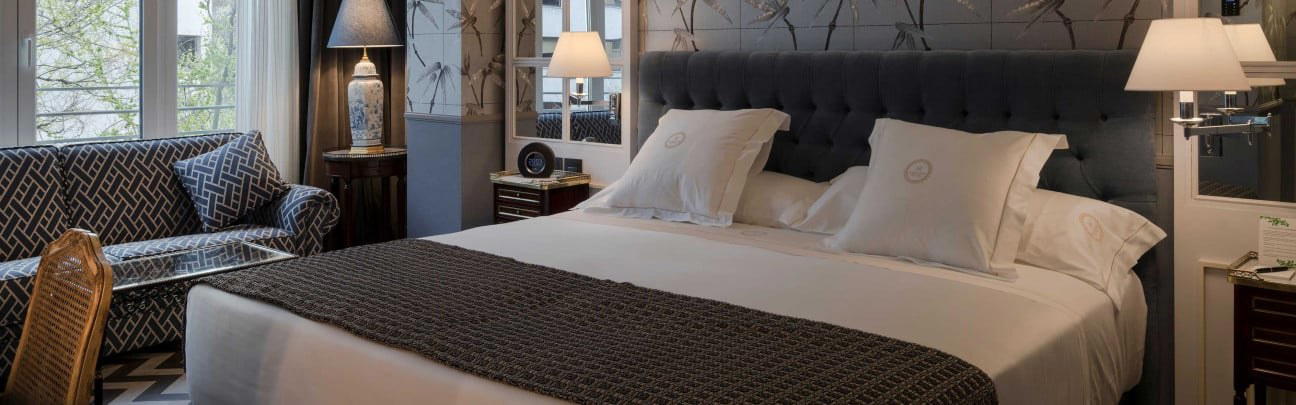
Warm, welcoming, and traditionally decorated with rustic charm; bright lighting during dinner service; cozy interior resembling a large bar with an outside terrace providing a relaxed dining environment.