Our verdict
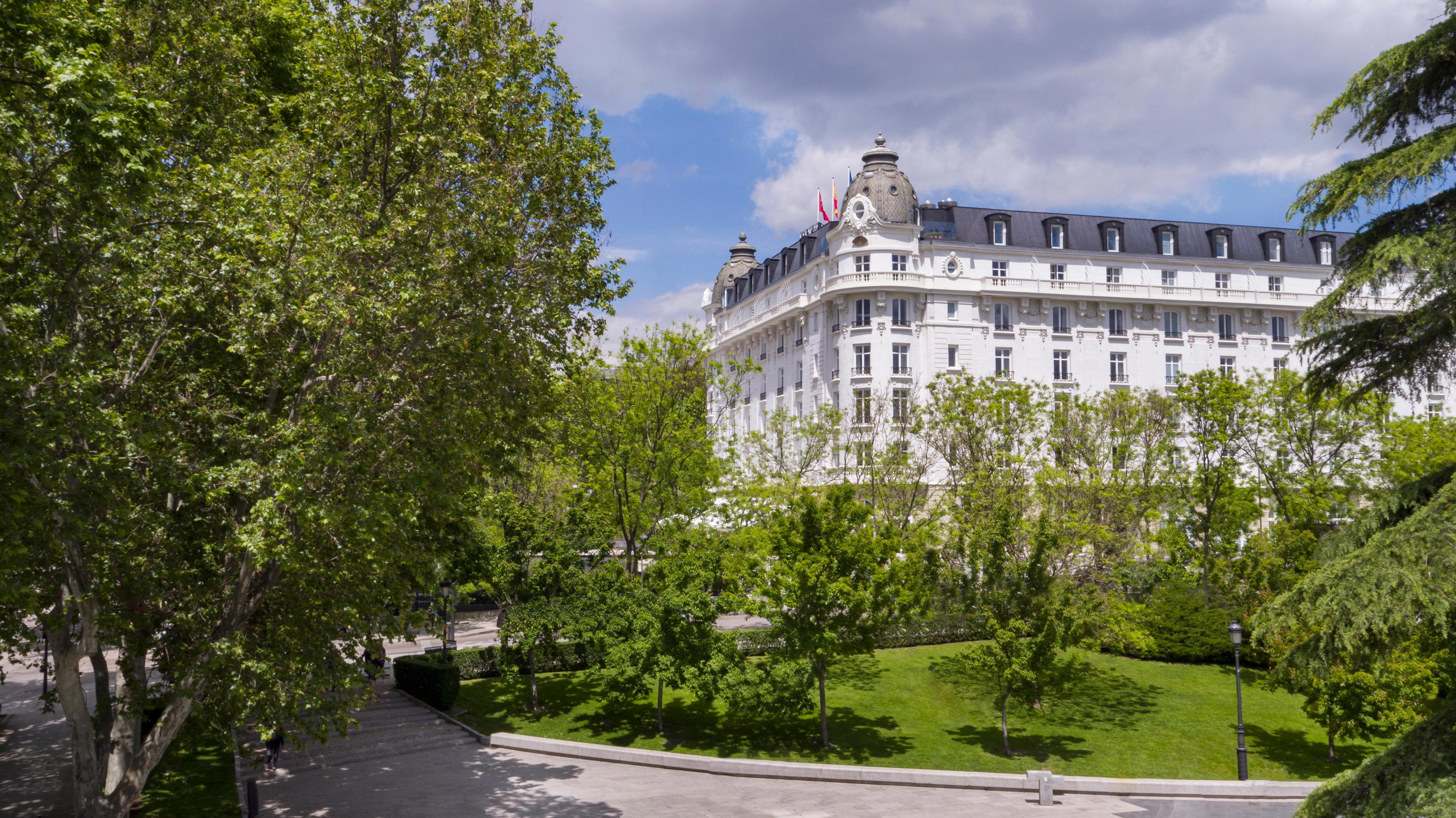
Florida Retiro occupies a setting that few Madrid restaurants can match: a Belle Époque pavilion inside El Retiro park, where the city recedes and the dining room opens onto formal gardens. Against Madrid's €€€€ creative tier, which includes DiverXO and Coque, Florida Retiro offers a different proposition — one where the physical context carries as much weight as the plate.

Pearl is the En Primeur Club membership app — saves, bookings, and concierge access live there. Same editors, same standards.
- Address
- El Retiro Park, P.º de Panamá, 1, Retiro, 28009 Madrid, Spain
- Phone
- +34918275275
- Website
- floridapark.es
- Directions
- Get directions
- Booking
- Book on CoverManager
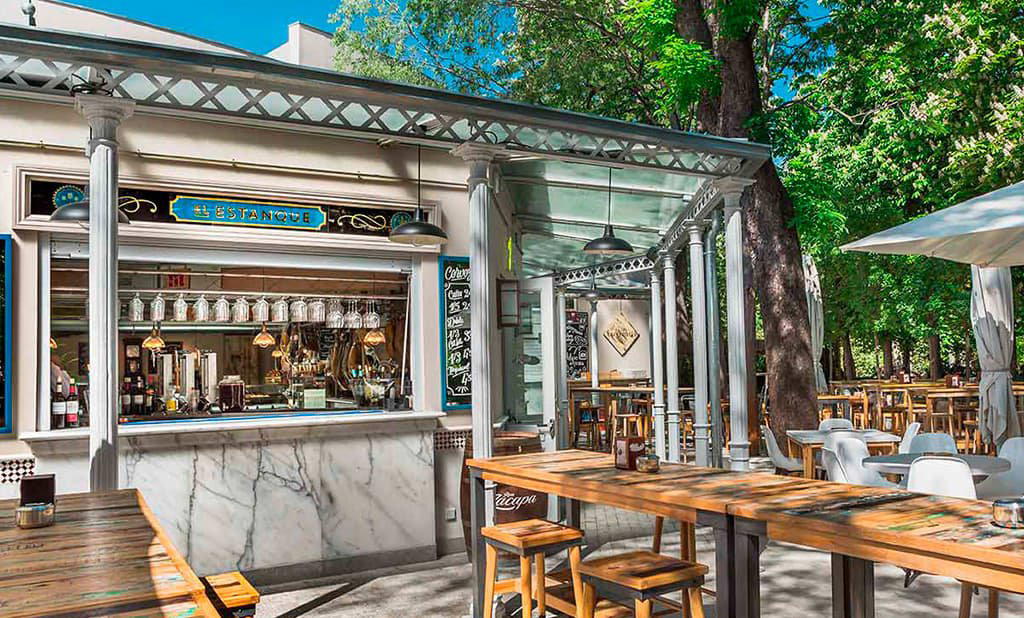
A Pavilion Inside the Park
Madrid's fine dining map is heavily weighted toward the city's interior grid: glass towers in Azca, converted warehouses in Chueca, repurposed palaces near the Paseo del Arte. Florida Retiro breaks from that pattern by sitting inside El Retiro park itself, occupying a Belle Époque pavilion on the Paseo de Panamá that dates to the early twentieth century. Approaching the restaurant on foot through the park's formal avenues, past the Palacio de Cristal and the rose gardens, shifts the frame of reference before you've seen a menu. The architecture does work that interior design alone cannot replicate.
Comparable pavilion-in-park formats exist in European capitals — think the Serpentine territory in London or the Bois de Boulogne adjacencies in Paris — but within Madrid, the combination of parkland setting and serious kitchen ambition is essentially its own category. The surrounding €€€€ tier, which includes DiverXO, Coque, Deessa, DSTAgE, and Paco Roncero, operates almost entirely within the city's built fabric. Florida Retiro's spatial logic is different from the outset.
The Wine Dimension: Cellar, Curation, and the Madrid Fine Dining Context
In the upper tier of Spanish fine dining, the wine list has become a distinct competitive variable. At restaurants like Atrio in Cáceres, which holds one of the most documented private cellar collections in the country, the wine program functions as a primary reason to visit, running parallel to and sometimes ahead of the kitchen's own reputation. At El Celler de Can Roca in Girona, sommelier Josep Roca has built a list that critics reference independently of the food. The question for any serious Madrid restaurant operating at this price tier is where it positions itself on that spectrum.
Spain's domestic wine geography gives high-end cellars an unusually broad canvas. Ribera del Duero and Rioja anchor the prestige red conversation, but the country's wine diversity extends far beyond those appellations: Priorat's mineral-driven Garnacha and Cariñena blends, Galicia's Albariño and the rarer Godello bottlings of Valdeorras and Ribeira Sacra, Jerez's oxidative range from Fino to Palo Cortado, and the emerging structured whites of Rueda and Bierzo. A thoughtfully constructed cellar in this context doesn't default to Bordeaux and Burgundy as its organizing logic, it maps Spanish terroir against international benchmarks. Whether Florida Retiro's list is built on that philosophy, or leans more heavily on international references, is a detail that merits direct inquiry before booking.
Seasonality matters here too. El Retiro's outdoor terrace, a significant draw in the warmer months, shifts the wine dynamic toward fresher, lower-alcohol pours that survive a warm Madrid evening rather than demanding a climate-controlled interior. The broad Spanish white and rosado ranges perform differently in that outdoor context than they do across a candlelit indoor table. For visitors arriving between May and September, the terrace question should factor into any wine-led conversation with the sommelier.
Situating Florida Retiro in the Broader Spanish Kitchen
Spain's three-Michelin-star tier is geographically dispersed in a way that makes Madrid's position slightly complicated. The country's most decorated kitchens cluster in the Basque Country and Catalonia: Martin Berasategui in Lasarte-Oria, Arzak in San Sebastián, Mugaritz in Errenteria, and Azurmendi in Larrabetzu to the north; Cocina Hermanos Torres in Barcelona to the east. Further afield, Quique Dacosta in Dénia, Aponiente in El Puerto de Santa María, and Ricard Camarena in València have built strong regional cases for their own cities. Madrid punches above its weight in creative ambition but has historically sat below San Sebastián in the shorthand of international critics.
That gap has been narrowing. DiverXO's three-star status gave Madrid a headline reference. The cluster of serious kitchens operating at the €€€€ price point has thickened considerably over the past decade. Florida Retiro enters that conversation from a different angle: its proposition is partly environmental, the park and pavilion doing contextual work that a city-centre address cannot. Internationally, restaurants built on a similar logic, combining serious cooking with an extraordinary physical setting, tend to attract a distinct kind of visitor: one for whom the meal is inseparable from the place. Lazy Bear in San Francisco and Le Bernardin in New York City each occupy their respective cities' dining conversations from positions that are partly about format and setting, not only about what arrives on the plate. Florida Retiro operates on a comparable principle within Madrid's scene.
When to Visit and How to Approach It
El Retiro park shifts character through the year. Midwinter brings quiet, mist, and near-empty avenues that make the approach to the pavilion feel genuinely removed from the city. Late spring and early summer bring the rose garden into bloom and the terraces into full use, which changes the operational tempo of the restaurant and the texture of the visit. Both seasons have arguments for them; they are simply different experiences. Visitors with a preference for a quieter setting should consider the colder months, when the park functions as a contrast to the warm room rather than a busy outdoor extension of it.
For those building a Madrid fine dining itinerary, Florida Retiro pairs logically with visits to the Prado or the Reina Sofía, both within walking distance. The Retiro neighbourhood itself runs at a lower register than Salamanca or the Gran Vía corridor, quieter streets, less retail density, which makes the transition into a long lunch or dinner feel less abrupt than it might at a city-centre address. See our full Madrid restaurants guide for broader orientation across the city's dining tiers.
Planning Your Visit
Getting there: The restaurant sits inside El Retiro park at Paseo de Panamá 1; the nearest Metro stop is Retiro on Line 9, with a short walk through the park. Timing: Lunch allows you to appreciate the park setting in full daylight; evening visits shift the atmosphere but reduce visibility of the gardens. Wine approach: Ask specifically about the Spanish regional list and Jerez options, these represent both the strongest domestic expression and the most contextually appropriate pairings for the setting.
Frequently asked questions
What's Florida Retiro's location?
Florida Retiro is located at El Retiro Park, P.º de Panamá, 1, Retiro, 28009 Madrid, Spain, Madrid.
What makes Florida Retiro different from other park-adjacent restaurants in Madrid?
Most restaurants described as 'park-adjacent' in Madrid sit on streets bordering El Retiro; Florida Retiro's registered address is inside the park itself, at P.º de Panamá 1 within the Retiro district. That distinction places it in the same category as a small number of pavilion restaurants across Europe where the dining room is physically embedded in a public green space rather than overlooking one. The Belle Époque pavilion structure reinforces that separation from the standard urban restaurant format.
What do people recommend at Florida Retiro?
The setting is consistently the primary draw: a Belle Époque pavilion inside El Retiro park, at P.º de Panamá 1, with garden terrace access that no city-centre address can replicate. Guests tend to prioritise terrace seating when the season allows, treating the park surroundings as integral to the meal rather than incidental to it. The pavilion format also means capacity is limited, which shapes the atmosphere noticeably compared to Madrid's larger fine dining rooms.
Should I book Florida Retiro in advance?
Yes, and the lead time matters more here than at comparably priced Madrid restaurants. The pavilion's footprint inside El Retiro constrains covers, and terrace tables in spring and summer are the most requested. At the €€€€ tier in Madrid, same-week bookings are rarely straightforward; for Florida Retiro's outdoor seats specifically, planning several weeks ahead is the practical approach.
What do critics highlight about Florida Retiro?
The address itself is the recurring point of distinction: Florida Retiro sits within El Retiro's boundaries, not on a street bordering the park. That placement inside one of Europe's significant urban parks separates it categorically from Madrid's other fine dining rooms, where the surroundings are typically a neighbourhood rather than a listed green space. The pavilion's historical architecture adds a second layer that critics note as context for the overall experience.
Is Florida Retiro allergy-friendly?
Spain operates under EU allergen disclosure regulations, which require restaurants at this tier to identify the 14 major allergens across their menus. In practice, fine dining rooms in Madrid are accustomed to fielding detailed dietary queries, and the service format at a pavilion restaurant of this type typically allows for direct communication with staff before ordering. Contacting the venue in advance of your reservation is the most reliable way to confirm specific accommodations.
Is Florida Retiro worth the price?
At the €€€€ bracket in Madrid, the comparison set includes restaurants where the investment is justified primarily by the food programme or wine list. Florida Retiro's case rests on a combination of those elements and a physical setting that has no direct equivalent in the city: a historic pavilion inside El Retiro, at an address — P.º de Panamá 1 — that cannot be relocated or reproduced. Whether that setting carries sufficient weight alongside the plate depends on what you're weighing it against, but it is a concrete and verifiable differentiator.
A Tight Comparison
A quick peer check to anchor this venue’s price and recognition.
| Venue | Cuisine | Price | Awards | Notes |
|---|---|---|---|---|
| Florida RetiroThis venue — the venue you are viewing | Modern Spanish Mediterranean | $30–50 | Not listed | Not listed |
| DiverXO | Avant-Garde Spanish Tasting Menu | $300–500 | 3 Michelin Stars · World's 50 Best #4 | Progressive - Asian, Creative |
| Coque | Modern Spanish Fine Dining | $300–500 | 2 Michelin Stars · La Liste Top Restaurants | Spanish, Creative |
| Deessa | Modern Valencian Fine Dining | $150–200 | 2 Michelin Stars · La Liste Top Restaurants | Modern Spanish, Creative |
| Paco Roncero | Avant-Garde Spanish Fine Dining | $150–200 | 2 Michelin Stars · La Liste Top Restaurants | Creative |
| Smoked Room | Modern Japanese Fire Omakase | $200–300 | 2 Michelin Stars · La Liste Top Restaurants | Progressive Asador, Contemporary |
Continue exploring
More in Madrid
Restaurants in Madrid
Browse all →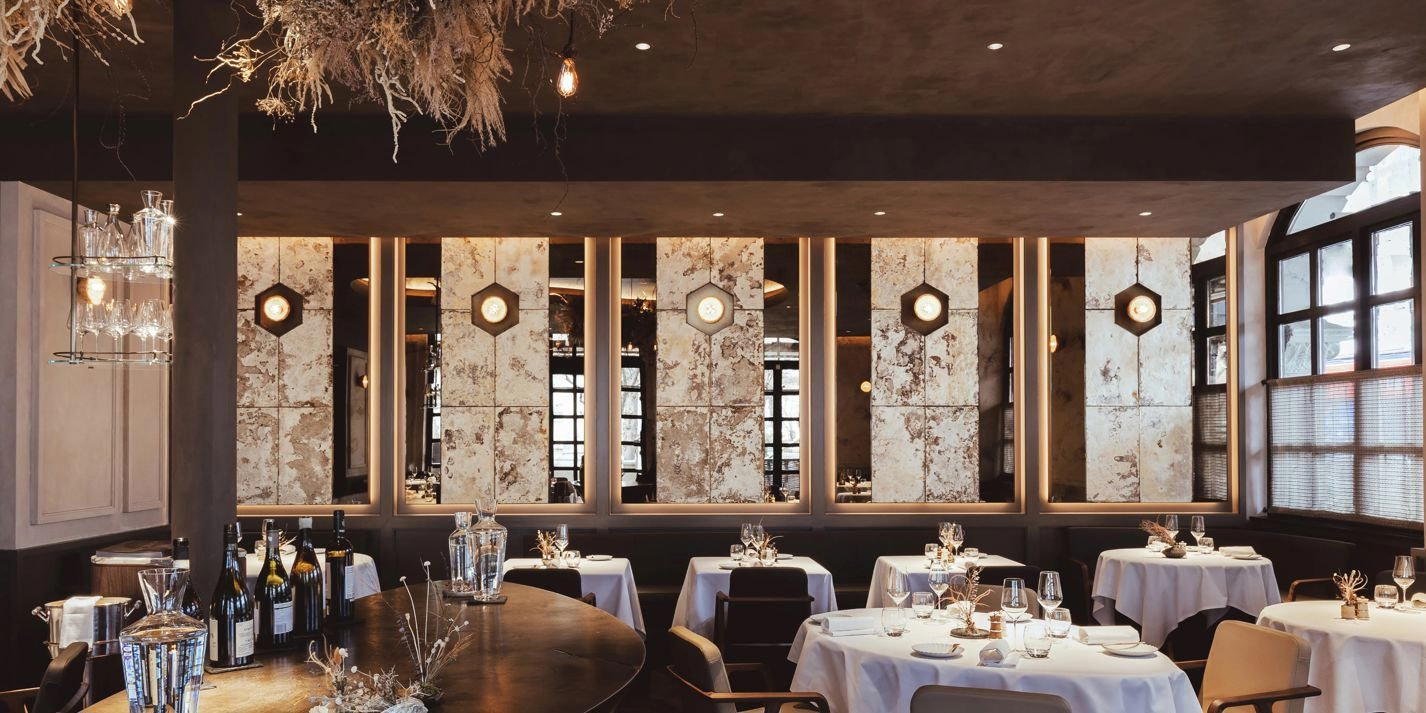
Bars in Madrid
Browse all →
Hotels in Madrid
Browse all →



Details
- Elegant
- Well Known
- Scenic
- Sophisticated
- Date Night
- Celebration
- Special Occasion
- Late Night
- Terrace
- Open Kitchen
- Historic Building
- Live Music
- Craft Cocktails
- Local Sourcing
- Garden
- Street Scene
- A La Carte
- Small Plates
- Vegetarian Friendly
Elegant and contemporary with warm Moroccan-inspired colors on the terrace, cozy bright interiors integrated with park views, and sophisticated lighting for sunset cocktails and nightlife.