
One of Vienna's most historically freighted coffeehouses, Café Landtmann has occupied its Universitätsring address since 1873, drawing politicians, intellectuals, and theatregoers from the Burgtheater opposite. Ranked on Opinionated About Dining's Casual Europe list in 2024 and 2025, it represents the Viennese coffeehouse tradition at a recognisable register, open daily from 7:30am until 11pm, with a menu anchored in the classics of Austrian café culture.
Pearl is the En Primeur Club membership app — saves, bookings, and concierge access live there. Same editors, same standards.
- Address
- Universitätsring 4, 1010 Wien, Austria
- Phone
- +43 1 24100120
- Website
- landtmann.at
- Directions
- Get directions
 Saves & bookings on Pearl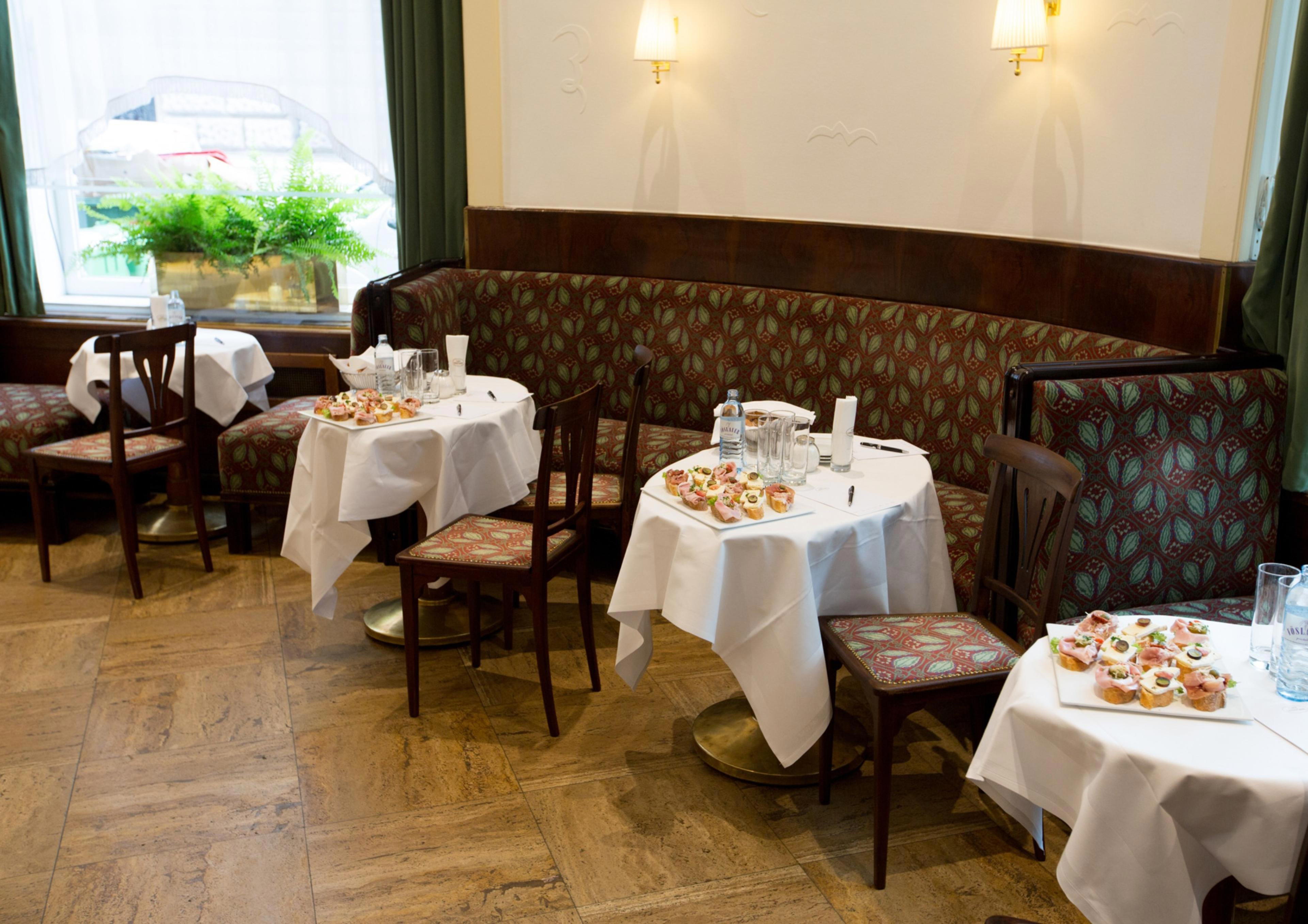
The Weight of a Room: Café Landtmann and the Viennese Coffeehouse Tradition
There is a particular quality of morning light in a grand Viennese coffeehouse that no amount of design replication has managed to reproduce elsewhere. The tall windows, the banquette seating worn to a particular softness, the sound of porcelain against marble, these are not aesthetic choices so much as accumulated conditions. Café Landtmann, on Universitätsring 4, sits in the first district at a corner that feels like the hinge of the city: the Burgtheater directly across the Ring, the Rathaus a short walk north, the university at its back. The address alone explains why the room fills early and empties late.
The Viennese coffeehouse tradition is officially recognised by UNESCO as part of Austria's intangible cultural heritage, and it operates under a specific set of expectations that distinguishes it sharply from the café culture of Paris, Milan, or London. The point is not efficiency. A guest who orders a Melange and a newspaper is understood to be staying. The waiter who returns every thirty minutes with a glass of water is not checking on you, he is signalling that the seat remains yours. This implicit contract between establishment and guest is what the tradition protects, and Café Landtmann has maintained it across a history that stretches back to 1873.
What You Encounter in the Room
The interior works as a series of connected spaces rather than a single hall, which means the atmosphere shifts depending on where you sit. The main room carries the full weight of the nineteenth-century format: high ceilings, dark wood panelling, generous spacing between tables that was considered standard before the era of maximum covers. Side rooms offer quieter registers, favoured by those who come to read or work through a long afternoon. The overall effect is of a place that has absorbed a great deal of conversation over a long time, which gives it a texture that newer design-led spaces cannot replicate through intention alone.
Sound in the room is calibrated by the architecture. It is never silent, the low register of conversation, the percussion of coffee service, the occasional shuffle of a newspaper being refolded, but it rarely tips into noise. This is partly physical, partly cultural. The coffeehouse format self-selects for guests who understand the register, and the restaurant's position beside the Burgtheater has historically drawn a clientele who arrive after rehearsals or performances, adding a theatrical layer to the late-evening atmosphere that differs entirely from the morning hours.
The Menu in Context
The Viennese coffeehouse menu is a codified format with its own internal logic. Coffee is ordered by type, Melange (espresso with steamed milk), Kleiner Brauner (small black with a dash of milk), Einspänner (black, served in a glass with whipped cream), and the kitchen runs a parallel track of breakfast plates, lunch dishes, and afternoon pastry service that reflects the all-day operating model. At the restaurant, under the management of Anita and Berndt Querfeld, that format is maintained across the full daily span from 7:30am to 11pm.
The pastry component of a Viennese coffeehouse menu is where the tradition asserts itself most precisely. Apfelstrudel, Sachertorte, and the broader category of Mehlspeisen (flour-based sweets) are not optional additions, they are the category that defines the experience. A coffeehouse operating at this register is expected to deliver these correctly, which means pastry sourcing and consistency matter in ways that affect the room's reputation over time. That sustained presence across three consecutive years of a demanding casual Europe list signals consistent execution rather than a one-season performance.
For a meal with more formal structure, Vienna's Michelin tier sits in a separate register entirely. Steirereck im Stadtpark operates at three stars with a creative menu that bears no relation to the coffeehouse format, and Amador represents the city's contemporary creative direction.
Where Landtmann Sits in Vienna's Coffeehouse Tier
Vienna's major coffeehouses differentiate along lines of atmosphere, neighbourhood, and historical association rather than menu variation, since the core offer is largely shared across the format. Zum Schwarzen Kameel runs a different register, anchored in wine and open-faced sandwich culture. Figlmüller operates in the Wiener Schnitzel tradition rather than the coffeehouse one. Bauer covers a different quadrant of Viennese dining. The restaurant's specific position is defined by the Ringstrasse address and the political-cultural gravity of its immediate neighbours, associations that have persisted across ownership changes and restorations over a 150-year span.
The comparison is instructive precisely because it reveals what the original carries that cannot be designed in: the accumulated atmosphere of a room that has been operating continuously in the same city, with the same cultural contract, since the Habsburg era.
Getting There and Planning Your Visit
The restaurant is located on Universitätsring 4 in Vienna's first district, reachable directly by tram along the Ring. The all-day format, open from 7:30am to 11pm every day of the week, means the question of timing is less about access and more about what kind of visit you want. Mornings before 10am offer the closest thing to a quiet read-and-coffee experience. Midday brings the full lunch service. Late afternoon, after the theatre matinees, is when the room finds a particular rhythm. Post-performance evenings, with the Burgtheater crowd crossing the Ring, represent the format at its most historically coherent.
For those extending into Austria beyond Vienna, Ikarus in Salzburg and Döllerer in Golling an der Salzach represent the country's formal dining tier, while Landhaus Bacher in Mautern an der Donau and Kräuterreich by Vitus Winkler offer regional Austrian cooking at a serious level. Alpine dining in particular has a strong showing in western Austria, with Griggeler Stuba in Lech and Gourmetrestaurant Tannenhof in Sankt Anton am Arlberg covering that ground.
Comparison Snapshot
Comparable venues nearby, for context on price, style, and recognition.
| Venue | Cuisine | Price | Awards | Notes |
|---|---|---|---|---|
| Café LandtmannThis venue — the venue you are viewing | Classic Viennese Coffee House | $$$ | Not listed | Not listed |
| Specht | Traditional Viennese Fine Dining | $$$ | Michelin Plate | Innere Stadt |
| Plachutta | Traditional Viennese | $$$ | Not listed | Staatsoper |
| Bitzinger The Passion | Modern Viennese | $$$ | Not listed | Innere Stadt |
| Bruder – Küche & Bar | Modern Central European with Fermented Cocktails | $$$ | Not listed | Mariahilf |
| Griechenbeisl | Traditional Viennese | $$$ | Not listed | Innere Stadt |
Recognition history
Dated appearances from independent guides and award organizations, with the underlying list record or original source where available.
Opinionated About Dining Casual in Europe Recommended
Opinionated About Dining
Opinionated About Dining Casual in Europe Ranked #647
Opinionated About Dining
Opinionated About Dining Casual in Europe Ranked #592
Opinionated About Dining
Opinionated About Dining Casual in Europe Recommended
Opinionated About Dining
Continue exploring
More in Vienna
Restaurants in Vienna
Browse all →
Bars in Vienna
Browse all →
Hotels in Vienna
Browse all →
At a Glance
- Classic
- Elegant
- Well Known
- Historic
- Cozy
- Brunch
- Special Occasion
- Historic Building
- Terrace
- Extensive Wine List
- Street Scene
Current opening hours
- Monday
- 7:30 AM–11 PM
- Tuesday
- 7:30 AM–11 PM
- Wednesday
- 7:30 AM–11 PM
- Thursday
- 7:30 AM–11 PM
- Friday
- 7:30 AM–11 PM
- Saturday
- 7:30 AM–11 PM
- Sunday
- 7:30 AM–11 PM
Hours can change for holidays and private events. Last verified .
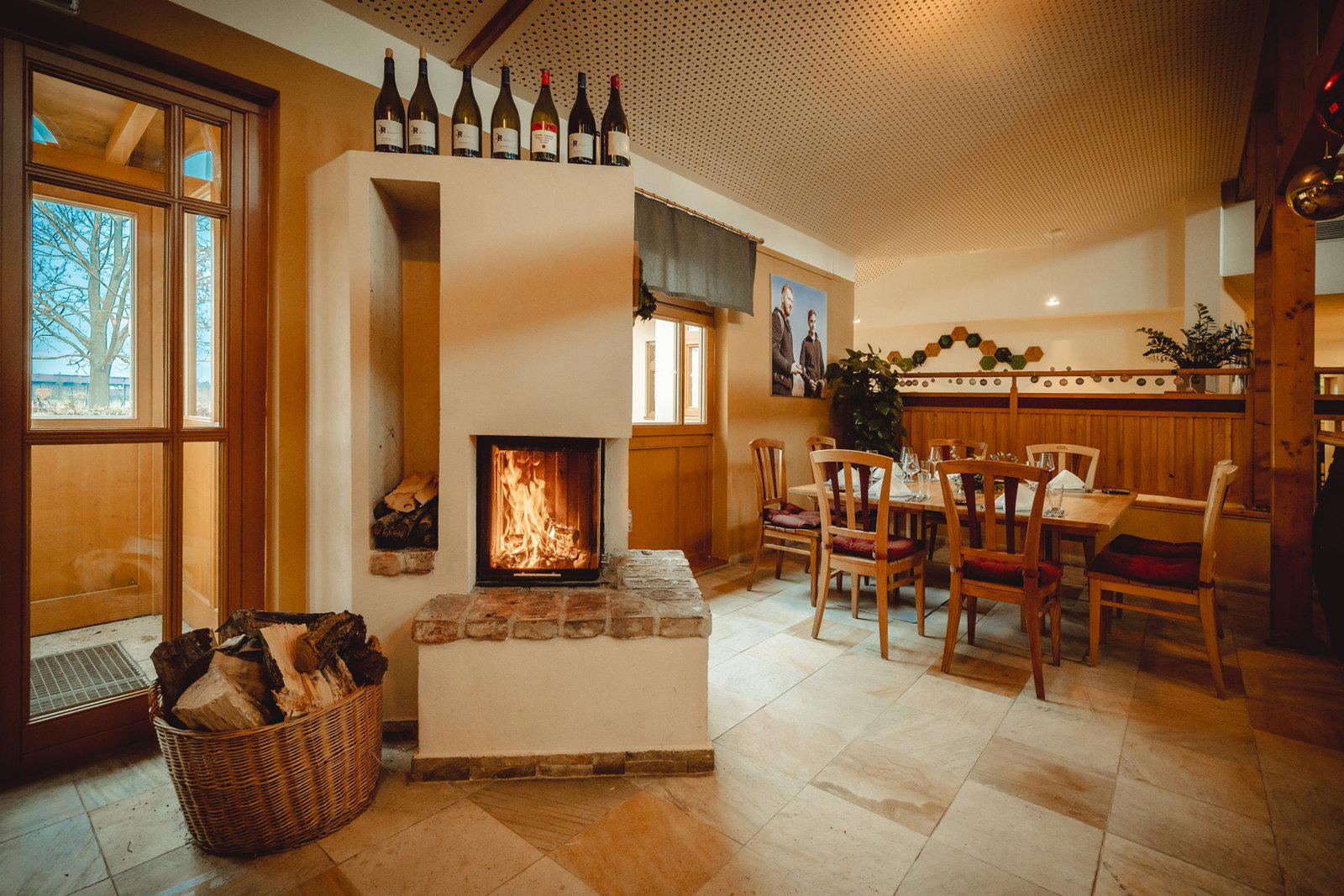
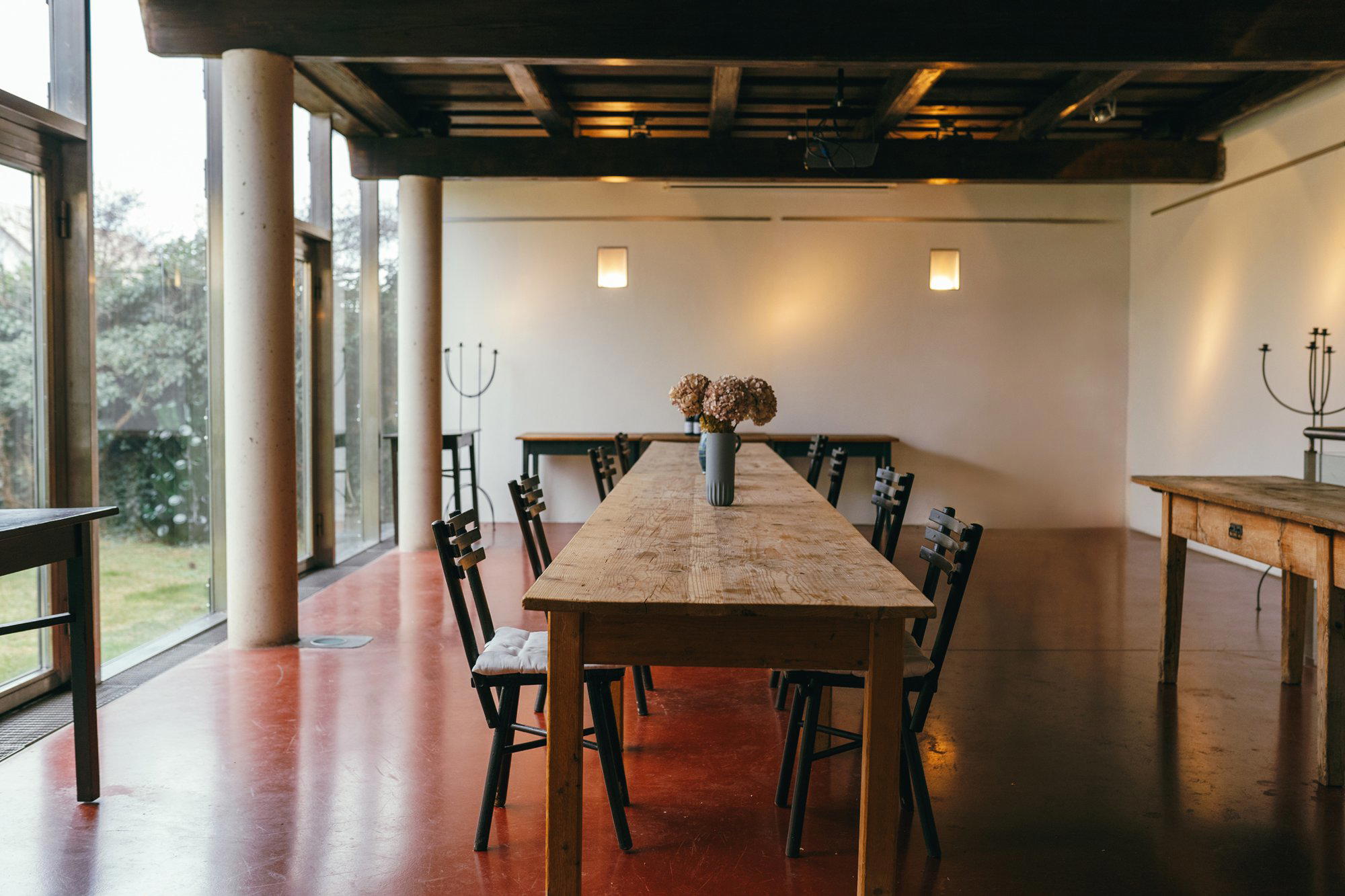
Elegant historic decor with dim lighting, creating a charming and sophisticated Viennese coffee house atmosphere.