

Plachutta on Wollzeile has anchored Vienna's Tafelspitz tradition for decades, operating as the reference point against which all other boiled-beef houses in the city are measured. Ranked in Opinionated About Dining's Casual Europe list across three consecutive years, it draws a cross-section of locals and informed visitors to a room where the ritual of the beef broth arrives before the main event.
Pearl is the En Primeur Club membership app — saves, bookings, and concierge access live there. Same editors, same standards.
- Address
- Wollzeile 38, 1010 Wien, Austria
- Phone
- +43 1 5121577
- Website
- plachutta.at
- Directions
- Get directions
 Saves & bookings on Pearl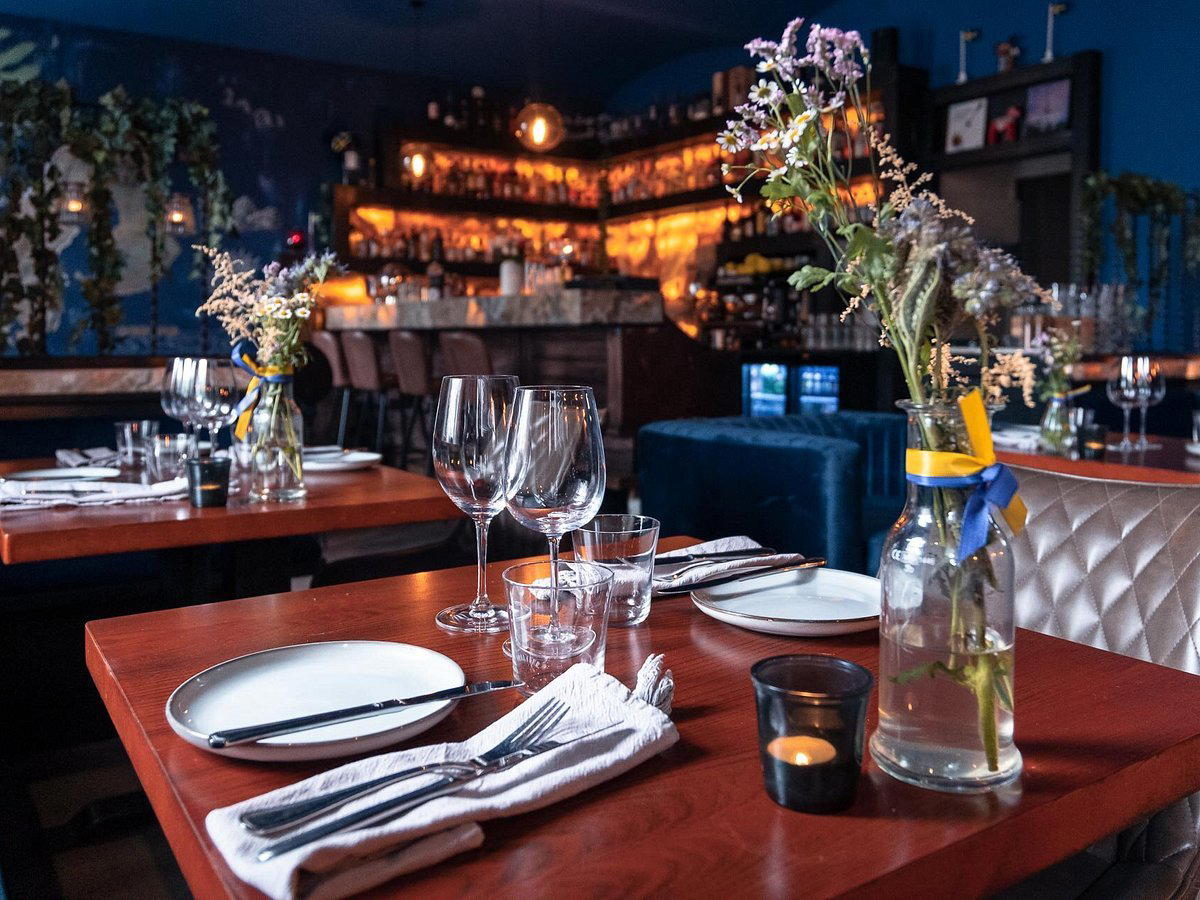
The Room Before the Broth
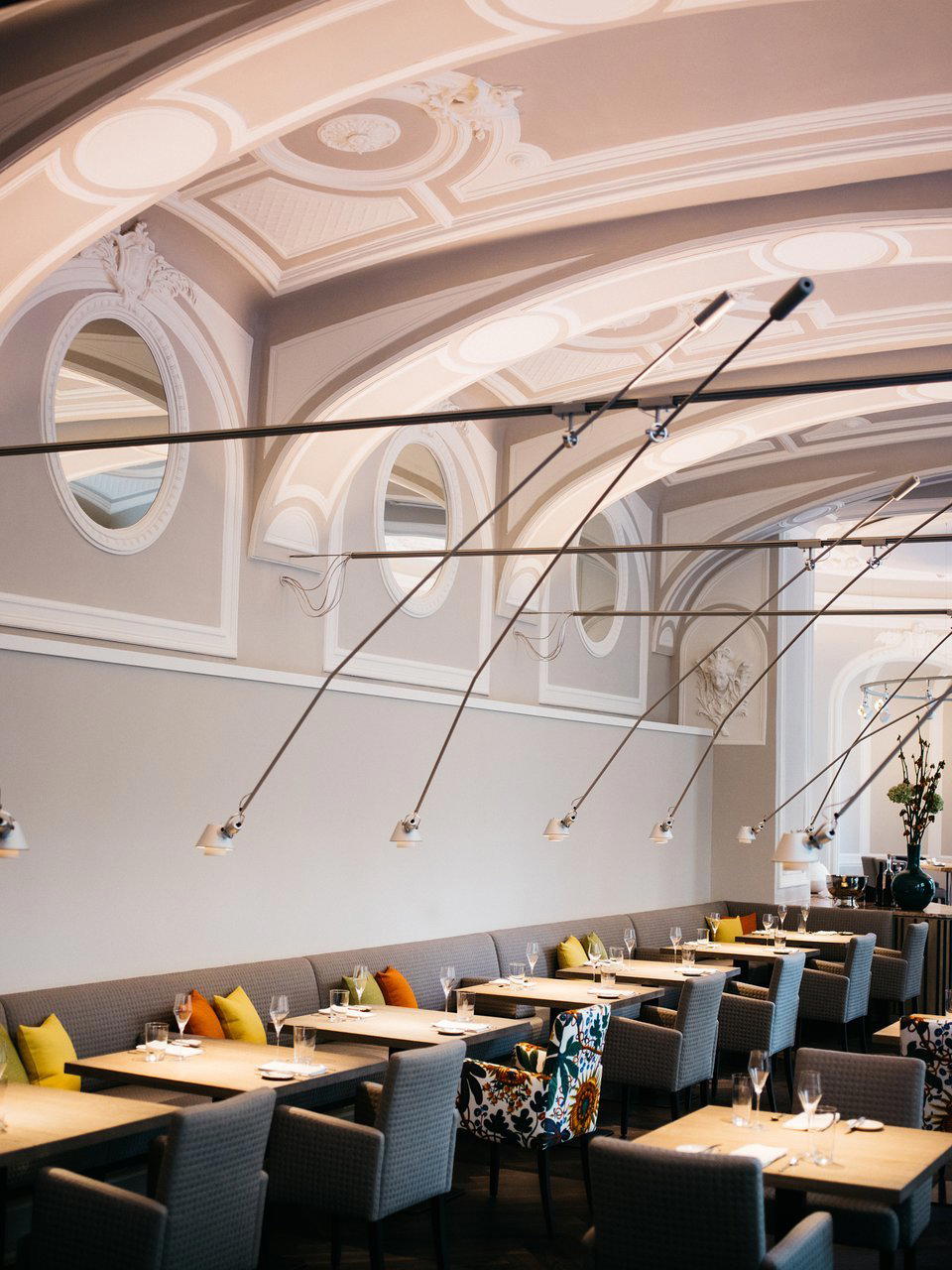
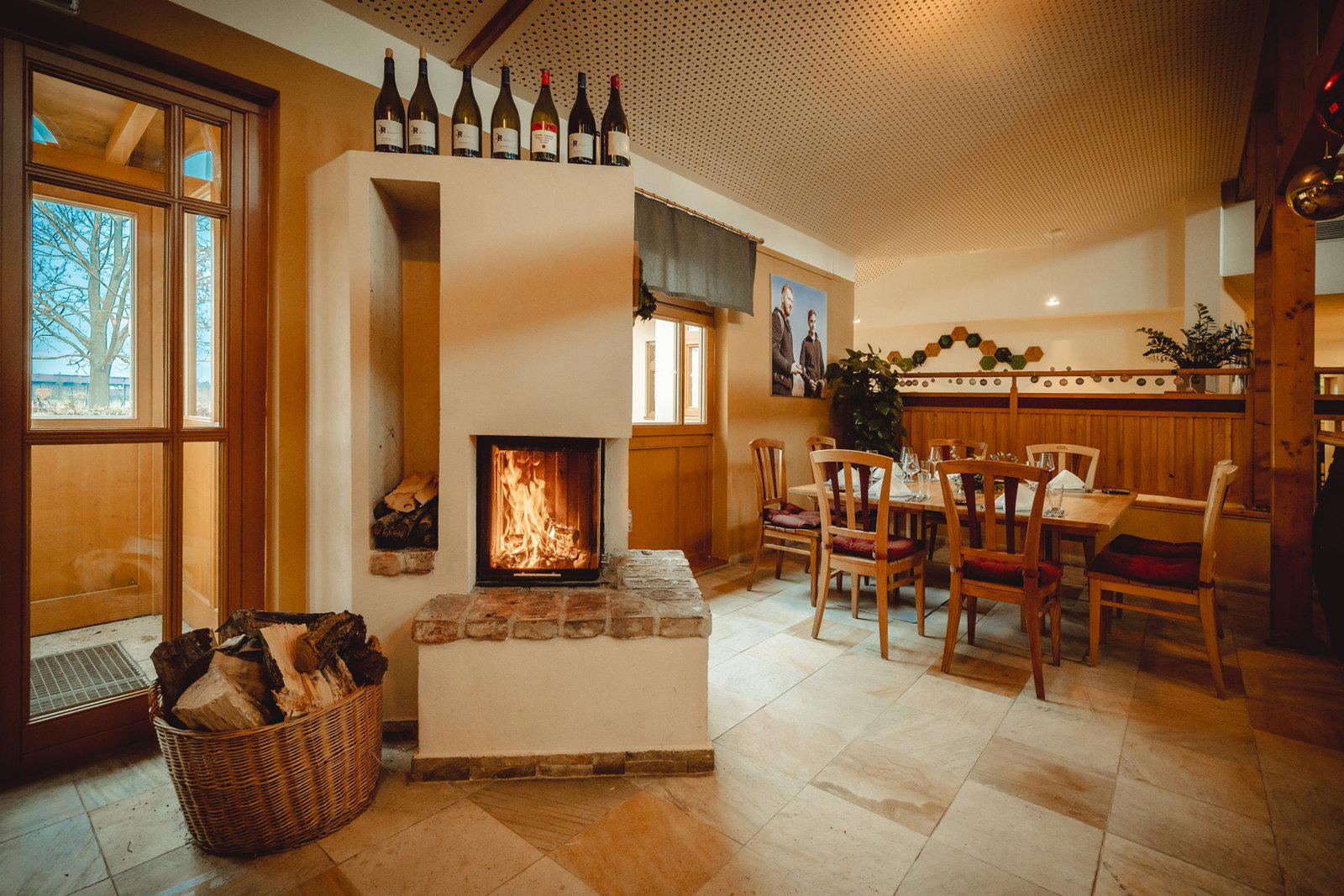
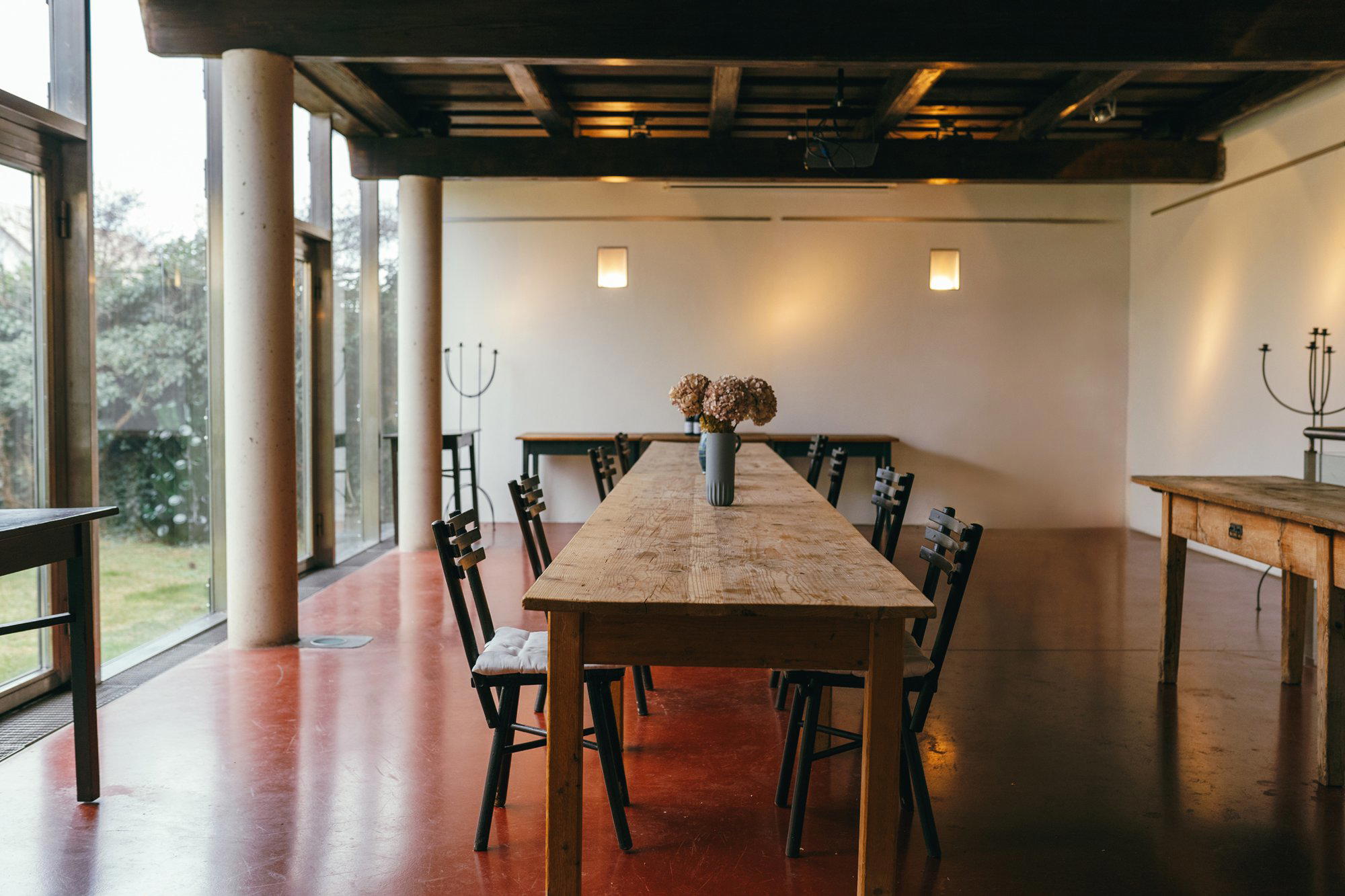
Wollzeile is one of those inner-city streets that tourists pass through on the way to somewhere else, which makes Plachutta's position at number 38 quietly instructive. Plachutta is a Traditional Viennese restaurant in Vienna, at Wollzeile 38, 1010 Wien, Austria, with a price tier around $50 per person. The dining room reads as a working Viennese Bürgerrestaurant: tablecloths, polished wood, a steady hum of conversation that never tips into noise. There is no theatrical entrance sequence, no mood lighting calibrated by a designer. What you notice first is the pace, waiters carrying copper pots with practiced economy, the sound of ladles against porcelain, a smell that is unmistakably bone-deep stock. The room is not performing anything. It has been doing this long enough that the ritual has become architecture.
Tafelspitz and the Logic of the Boiled Beef Tradition
To understand why Plachutta registers as a reference point rather than simply a popular restaurant, it helps to understand what Tafelspitz actually is and what the tradition demands. The dish is boiled beef, specifically the rump cap cut, simmered low and slow in a stock that is itself part of the meal. The broth arrives at the table first, poured from a copper pot, thin and clear and carrying more depth than its appearance suggests. The beef follows, served with bone marrow on the side, alongside accompaniments including apple-horseradish (Apfelkren) and chive sauce (Schnittlauchsauce), with roasted potatoes completing the plate.
What separates serious Tafelspitz houses from the generic Viennese restaurant menu is the cut discipline and the stock discipline. Different cuts from the same animal produce different textures and fat distributions, and the kitchen's ability to present them correctly determines whether a table gets a defining version of the dish or a serviceable one. Plachutta's menu has historically listed multiple cuts simultaneously, which is the structural commitment of a house that has built its identity around the preparation rather than using it as a heritage garnish on a broader menu.
Where It Sits in Vienna's Dining Pattern
Vienna's restaurant scene has consolidated around two poles in recent years. At one end, a cluster of high-investment modern Austrian and creative kitchens operates at the four-euro-sign price tier, with tasting menus, wine pairing programs, and the awards infrastructure to match. Steirereck im Stadtpark, Mraz & Sohn, Silvio Nickol, Konstantin Filippou, and APRON all occupy this upper bracket, competing against each other and against peer tables in other European cities. At the other end, the Beisl tradition survives in varying states of authenticity across the city's neighbourhoods.
Plachutta occupies neither of those positions cleanly. It is not a Beisl in the casual sense, and it is not chasing tasting-menu recognition. It has carved out a specialist tier defined entirely by one preparation, executed at volume, without compromising the logic that makes the preparation worthwhile. That is a harder position to hold than it looks. The Opinionated About Dining Casual in Europe ranking, which placed Plachutta at #257 in 2024 and #310 in 2025 with a Highly Recommended citation in 2023, reflects peer recognition within a competitive casual European field rather than local sentiment alone.
For comparison points closer to Plachutta's register, the Vienna dining circuit offers Meierei im Stadtpark, Meissl & Schadn, and Rote Bar as addresses that approach Austrian tradition from different angles. Skopik & Lohn and Fuhrmann complete the picture of a city where mid-register dining with genuine culinary intent has more options than the headline tables sometimes suggest.
The Sensory Sequence
The structural logic of a Tafelspitz meal creates a sensory sequence that most other dishes do not. The broth comes first and it is not incidental: a well-made stock from this preparation should taste of beef and marrow and time, with no clouding and no aggressive salt. It resets the palate and signals the kitchen's control before a single piece of meat has arrived. The warmth is part of the function, this is winter food in its bones, suited to the Viennese climate and the Viennese habit of eating late into an autumn evening.
The copper pot service is a visual marker that the kitchen is maintaining temperature properly, but it also extends the experience beyond plate delivery. A table working through a Tafelspitz service occupies its space differently from a table eating a composed dish. There are ladles involved, portions self-served in some formats, multiple condiment decisions made at the table. The meal has choreography.
Austrian Dining Beyond Vienna
Visitors using Vienna as a base can extend into broader Austrian culinary territory within reasonable travel distance. Döllerer in Golling an der Salzach and Obauer in Werfen represent two distinct approaches to serious alpine Austrian cooking. Salzburg anchors its own cluster: Ikarus in Salzburg and Senns, Austrian in Salzburg cover the modern creative end, while Kräuterreich by Vitus Winkler in Sankt Veit im Pongau brings an herb-focused discipline to the region's produce. The Vorarlberg and Tyrol addresses, including Griggeler Stuba in Lech and Gourmetrestaurant Tannenhof in Sankt Anton am Arlberg, operate at the luxury alpine end of the spectrum. For something more grounded, 1er Beisl im Lexenhof in Nußdorf am Attersee points toward the lakeside Austrian tradition.
Vienna's broader hospitality scene extends well beyond restaurants.
Planning a Visit
Plachutta on Wollzeile 38 in the first district operates seven days a week, with service running from 11:30 am to 11:30 pm daily. The consistent hours across the full week make it more accessible than many of its peer addresses, which tend to close on Sunday or Monday.
What It’s Closest To
Comparable venues nearby, for context on price, style, and recognition.
| Venue | Cuisine | Price | Awards | Notes |
|---|---|---|---|---|
| PlachuttaThis venue — the venue you are viewing | Traditional Viennese | $$$ | Not listed | Not listed |
| Kutschker 44 | Modern Austrian | $$$ | Michelin Plate | Wahring |
| Bitzinger The Passion | Modern Viennese | $$$ | Not listed | Innere Stadt |
| Demel Vienna cafe | Traditional Viennese Pastry Cafe | $$$ | Not listed | Stephansdom |
| Plachutta Stammhaus Hietzing | Classic Viennese Cuisine | $$$ | Not listed | Hietzing |
| Café & Restaurant Motto am Fluss | Modern Austrian with International Influences | $$$ | Not listed | Innere Stadt |
Recognition history
Dated appearances from independent guides and award organizations, with the underlying list record or original source where available.
Michelin Plate
Michelin
Opinionated About Dining Casual in Europe Ranked #136
Opinionated About Dining
Opinionated About Dining Casual in Europe Ranked #310
Opinionated About Dining
Opinionated About Dining Casual in Europe Ranked #257
Opinionated About Dining
Opinionated About Dining Casual in Europe Highly Recommended
Opinionated About Dining
Continue exploring
More in Vienna
Restaurants in Vienna
Browse all →
Bars in Vienna
Browse all →
Hotels in Vienna
Browse all →
At a Glance
- Classic
- Elegant
- Well Known
- Special Occasion
- Business Dinner
- Historic Building
- Standalone
- Extensive Wine List
Current opening hours
- Monday
- 11:30 AM–11:30 PM
- Tuesday
- 11:30 AM–11:30 PM
- Wednesday
- 11:30 AM–11:30 PM
- Thursday
- 11:30 AM–11:30 PM
- Friday
- 11:30 AM–11:30 PM
- Saturday
- 11:30 AM–11:30 PM
- Sunday
- 11:30 AM–11:30 PM
Hours can change for holidays and private events. Last verified .
Elegant old-school charm with white tablecloths, harmonious and busy atmosphere.