
Specht sits on Bäckerstraße in Vienna's first district, holding a Michelin Plate in both 2024 and 2025 for its Austrian cooking at a mid-range price point. The address places it in a neighbourhood already dense with serious dining, where the question is not whether to eat Austrian but which register, traditional Beisl, modern tasting menu, or something in between. Specht occupies the middle ground with a degree of culinary intention that Michelin's recognition confirms.
Pearl is the En Primeur Club membership app — saves, bookings, and concierge access live there. Same editors, same standards.
- Address
- Bäckerstraße 12, 1010 Wien, Austria
- Phone
- +43 1 8902289
- Website
- specht-lokal.at
- Directions
- Get directions
 Saves & bookings on Pearl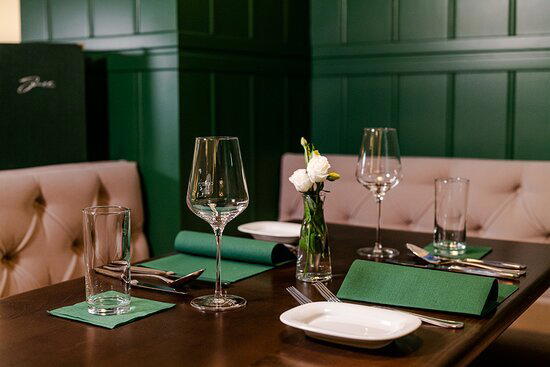
First District, Mid-Range, Michelin-Recognised
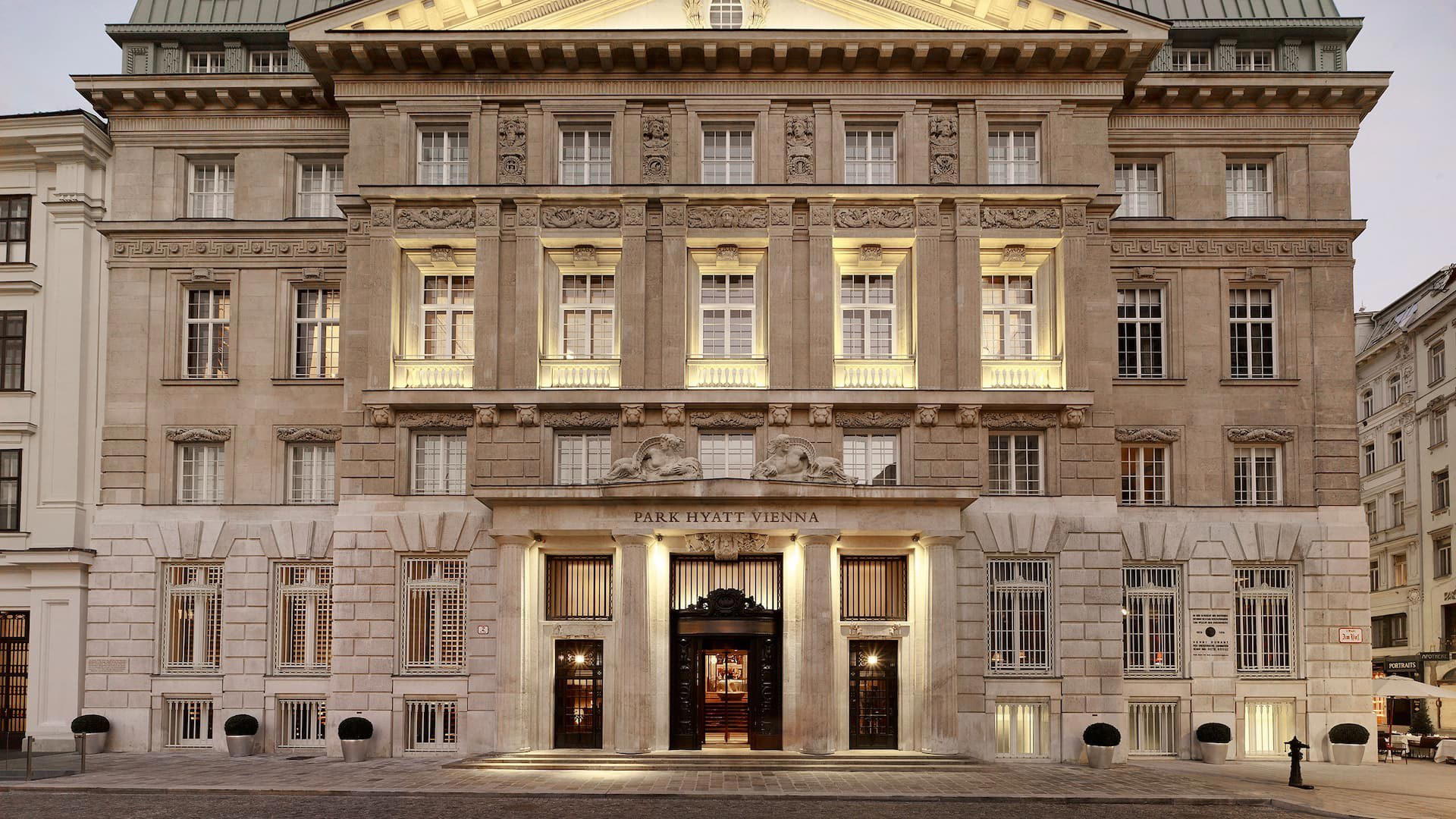
Bäckerstraße sits deep inside Vienna's first district, a short walk from the Stephansdom and within a few minutes of some of the city's most concentrated restaurant real estate. The street is quiet by inner-city standards, flanked by older residential and commercial buildings that give it a slightly removed quality despite the proximity to tourist flow. Specht occupies this address at a price point, €€, that positions it well below the city's top tier of modern Austrian cooking, where venues like Steirereck im Stadtpark, Mraz & Sohn, and Konstantin Filippou operate at €€€€ and require months of forward planning. What makes Specht's position interesting is that it holds a Michelin Plate for both 2024 and 2025 at that lower price register, a signal that the kitchen is cooking with enough intention to earn external notice without repricing itself out of regular use.
The Austrian Kitchen and What It Asks of a Cook
Austrian cuisine, particularly in Vienna, carries a weight of expectation that few national traditions match. The Beisl canon, Wiener Schnitzel, Tafelspitz, Zwiebelrostbraten, Erdäpfelgulasch, is not merely historical record; it is actively ordered, actively judged, and actively compared across hundreds of dining rooms every week. Kitchens working in this tradition are not free to drift. The question for any Austrian restaurant operating in the Michelin Plate tier is how much of that canon it holds versus how much it reframes using technique drawn from outside the tradition.
Across Austria's Michelin-recognised houses, that balance varies considerably. At the higher end, venues like Döllerer in Golling an der Salzach have built reputations around indigenous Alpine ingredients treated with precision-kitchen methodology, while Obauer in Werfen represents a decades-long commitment to Austrian produce approached with formal culinary rigour. In Salzburg, Senns and Ikarus occupy different positions on the same spectrum. The pattern across all of them is the same: local raw material as the anchor, imported method as the tool. Specht, at a more accessible price in central Vienna, is working within that same framework at a scale and price point that makes it reachable for a broader range of visits.
Local Ingredients, Structured Cooking
The editorial angle that applies to the Michelin Plate tier in Vienna is not novelty, it is competence applied to familiar material. The ingredients available to any serious Austrian kitchen are genuinely strong: Marchfeld asparagus in spring, Styrian pumpkin seed oil as a near-universal seasoning, game from Lower Austria and Styria in autumn, freshwater fish from the Danube and its tributaries. The technical question a kitchen like Specht's faces is how to treat those materials without either flattening them into routine or overlaying them with technique so visible it obscures the ingredient.
It is a useful signal because the Plate is not automatically awarded; it requires the inspectors to find the food genuinely worth noting. The two signals together, critical recognition and sustained public approval, describe a kitchen that is performing reliably rather than occasionally.
Where Specht Sits in Vienna's Dining Spread
Vienna's Austrian restaurant market is not a flat field. At one end are the grand-format traditional houses: Plachutta, with its near-definitive claim on Tafelspitz, and Meierei im Stadtpark, which pairs Austrian cooking with a Stadtpark setting that functions as a destination in itself. At the other end are the creative tasting-menu houses operating at full Michelin star level. Specht operates neither as a grand traditional house nor as a tasting-menu destination. Its €€ pricing and Michelin Plate recognition place it in the working tier of serious Austrian kitchens, venues where the cooking is purposeful but the format stays accessible.
Other first-district addresses worth mapping against it include Meissl & Schadn and Rote Bar, both of which approach Austrian cooking from different stylistic and setting positions. Fuhrmann represents another data point in the city's mid-register Austrian offer. Across these addresses, the competitive question is not cuisine type, all are working broadly within the Austrian tradition, but the degree of technical ambition, the formality of the room, and the price-to-quality calculation a diner is making on any given evening.
Beyond Vienna, the Austrian kitchen's relationship with local produce and applied technique is visible at addresses like Kräuterreich by Vitus Winkler in Sankt Veit im Pongau, Gourmetrestaurant Tannenhof in Sankt Anton am Arlberg, Griggeler Stuba in Lech, and 1er Beisl im Lexenhof in Nußdorf am Attersee. The spread across those addresses shows how the same culinary logic, Austrian product, applied skill, produces different restaurant experiences depending on geography, setting, and investment level.
Planning a Visit
Specht is at Bäckerstraße 12 in the first district, a location that is walkable from most central Vienna hotels and a short distance from U-Bahn lines serving the inner city. The €€ pricing makes it a reasonable weeknight option as well as a considered choice for a longer meal; at that price point, it sits below the level where advance reservation pressure becomes acute, though booking ahead remains sensible for a Michelin-recognised address in a high-footfall neighbourhood. Reservation is recommended.
At a Glance
Comparable venues nearby, for context on price, style, and recognition.
| Venue | Cuisine | Price | Notes |
|---|---|---|---|
| SpechtThis venue — the venue you are viewing | Austrian | $$$ | Not listed |
| Rote Bar | Staatsoper, Modern Viennese Classics | $$$ | Not listed |
| Gasthaus Stern | Not listed | $$$ | Simmering, Traditional Viennese Offal & Game |
| Pichlmaiers zum Herkner | Dornbach, Modern Austrian | $$$ | Not listed |
| Heu & Gabel | Gaudenzdorf, Austrian Seasonal Organic | $$$ | Not listed |
| Joseph II. Schloss-Restaurant Schönbrunn | Schonbrunn, Authentic Viennese | $$$ | Not listed |
Recognition history
Dated appearances from independent guides and award organizations, with the underlying list record or original source where available.
Michelin Plate
Michelin
Michelin Plate
Michelin
Continue exploring
More in Vienna
Restaurants in Vienna
Browse all →

Bars in Vienna
Browse all →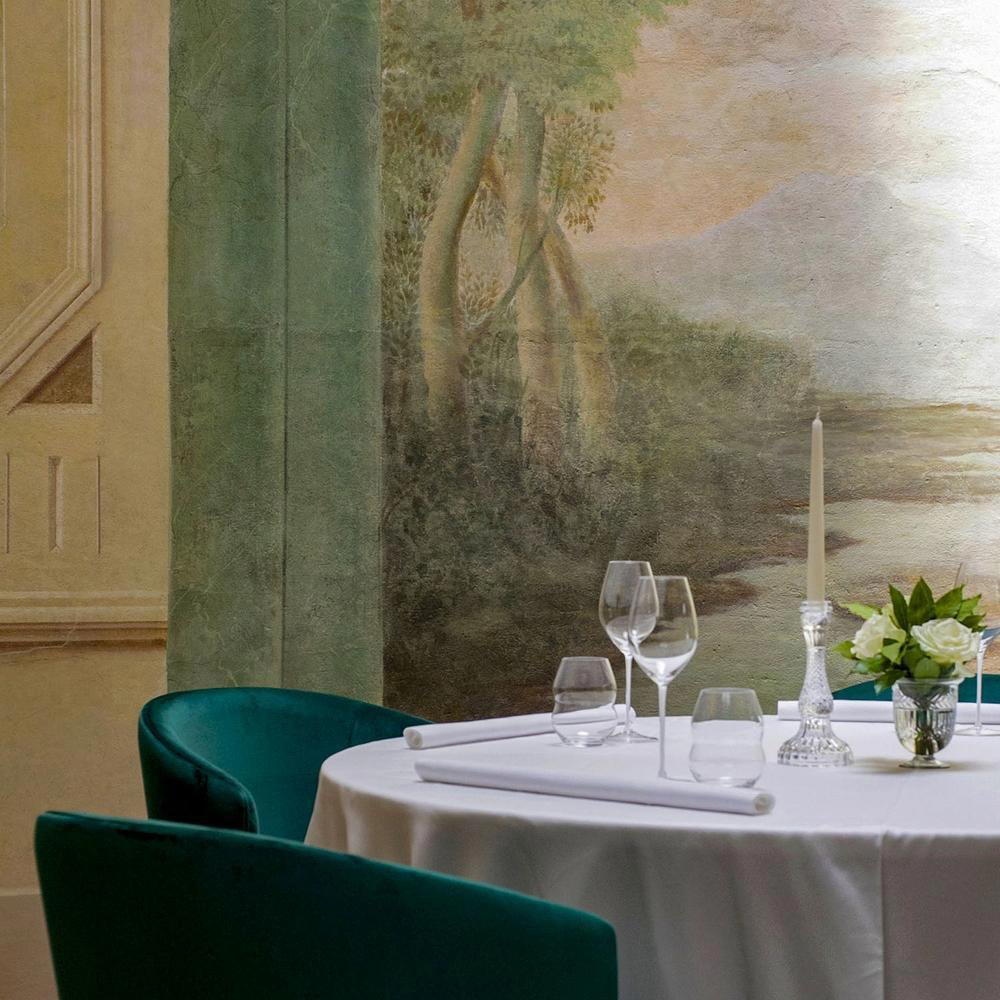
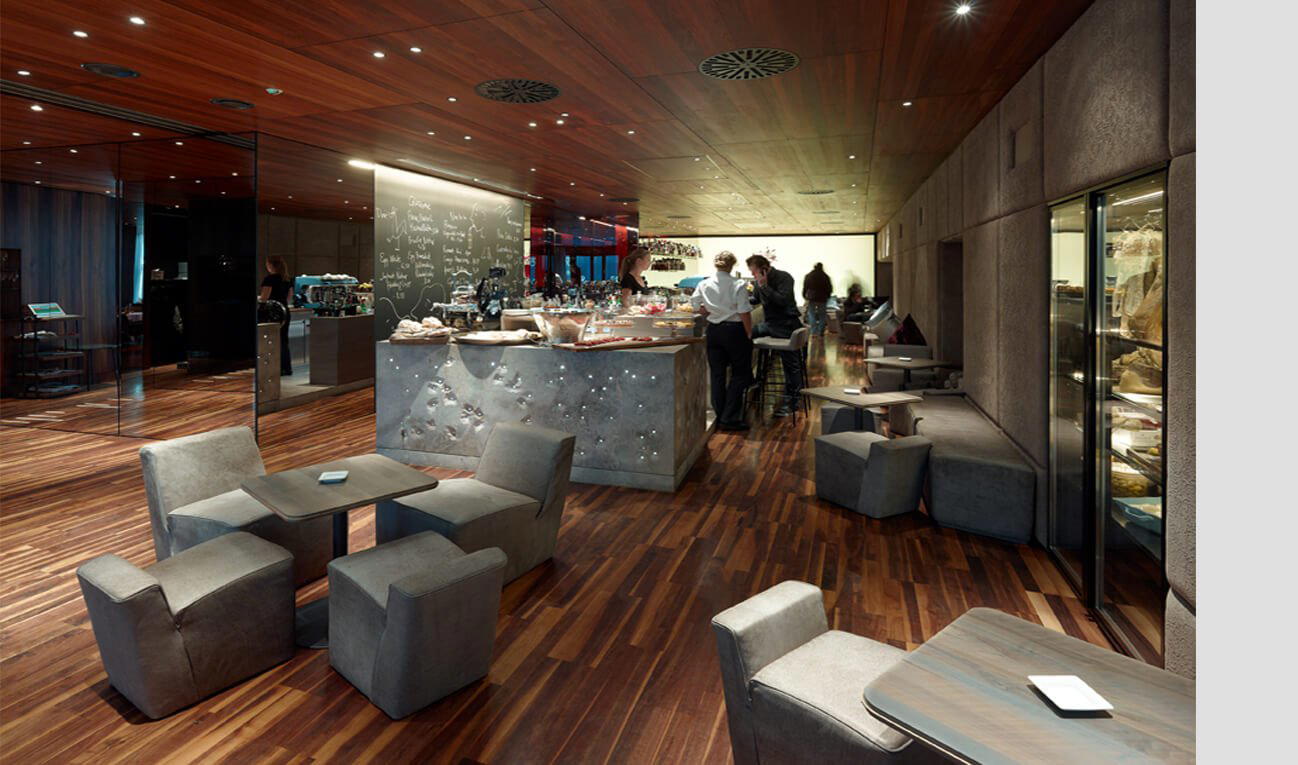
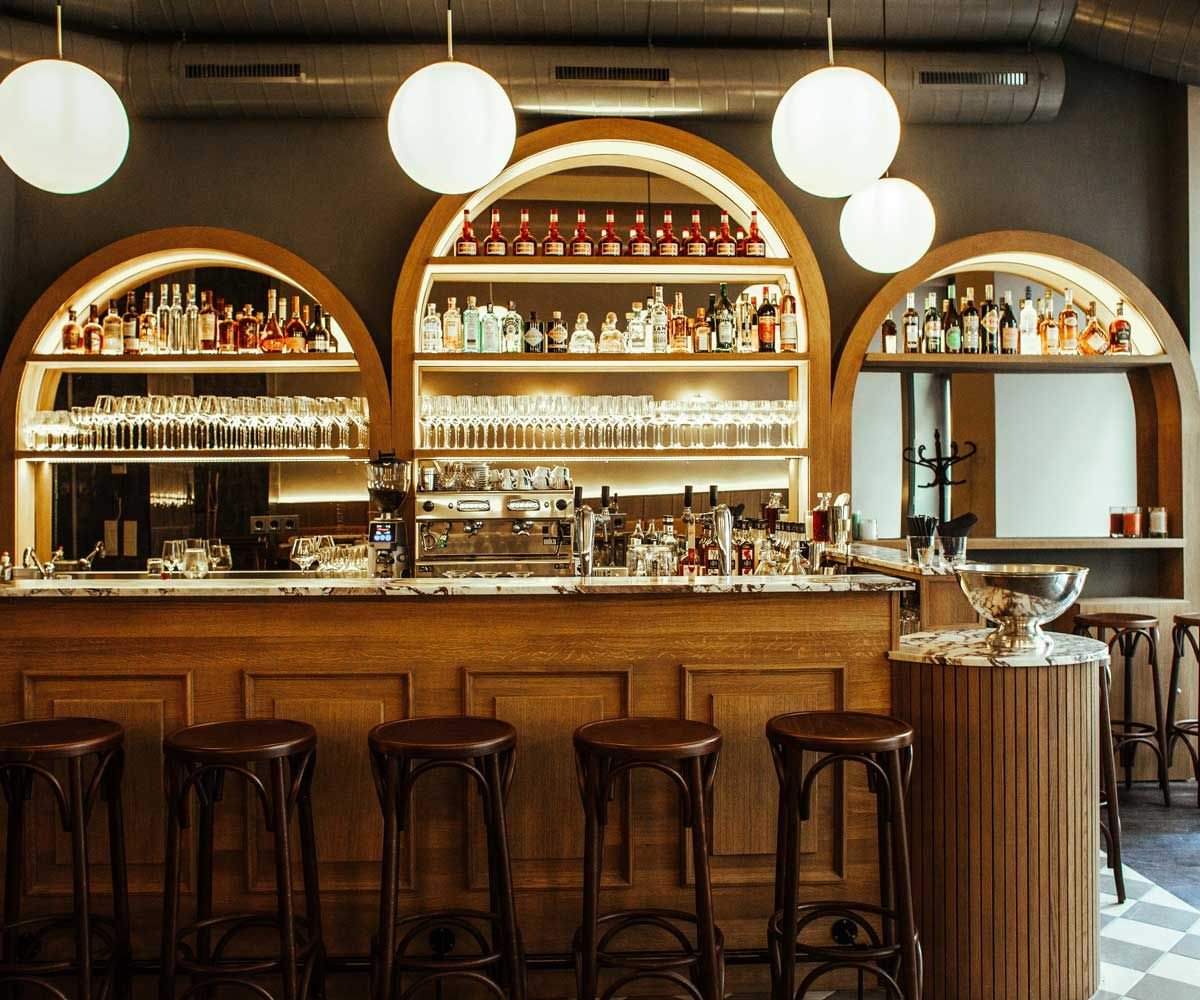
Hotels in Vienna
Browse all →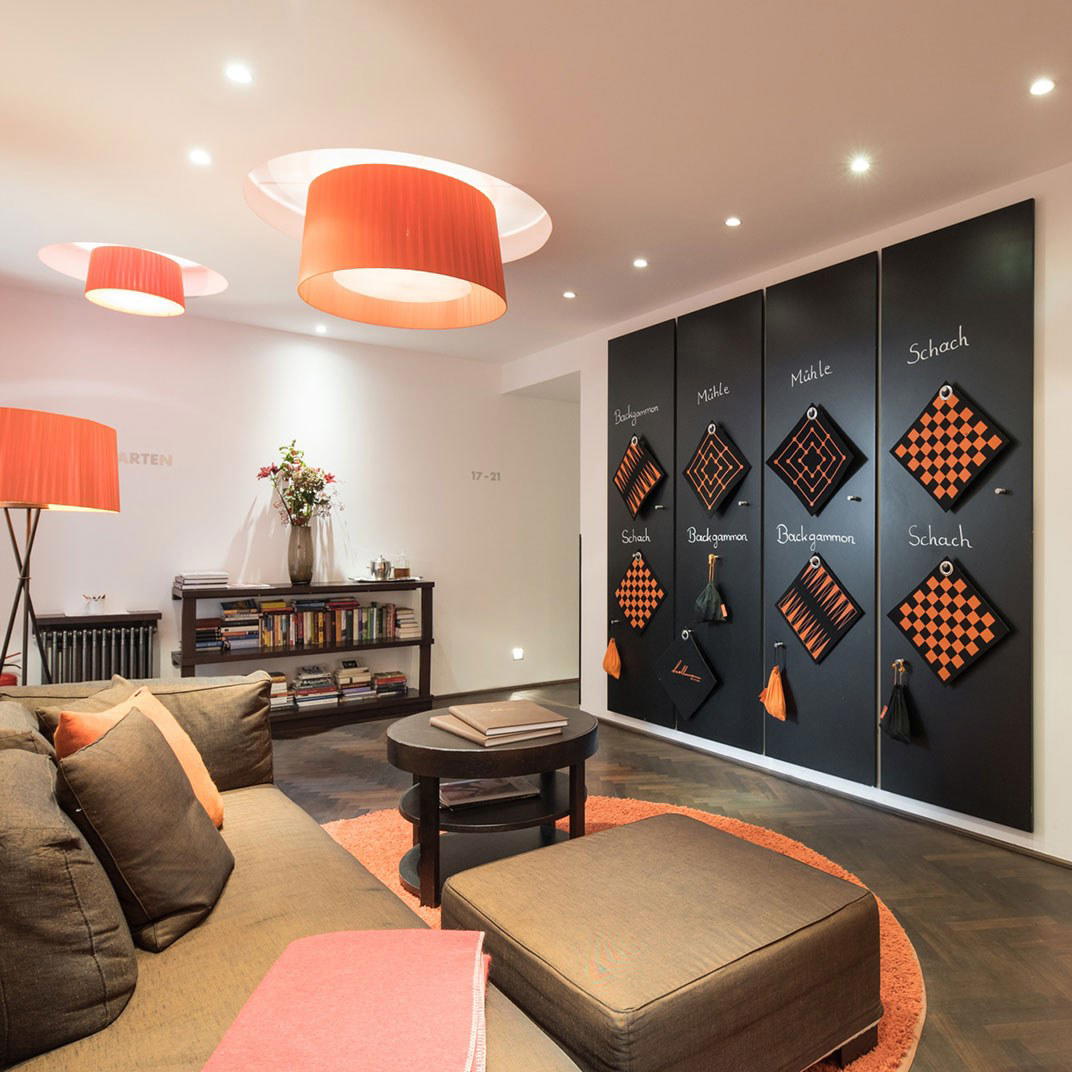
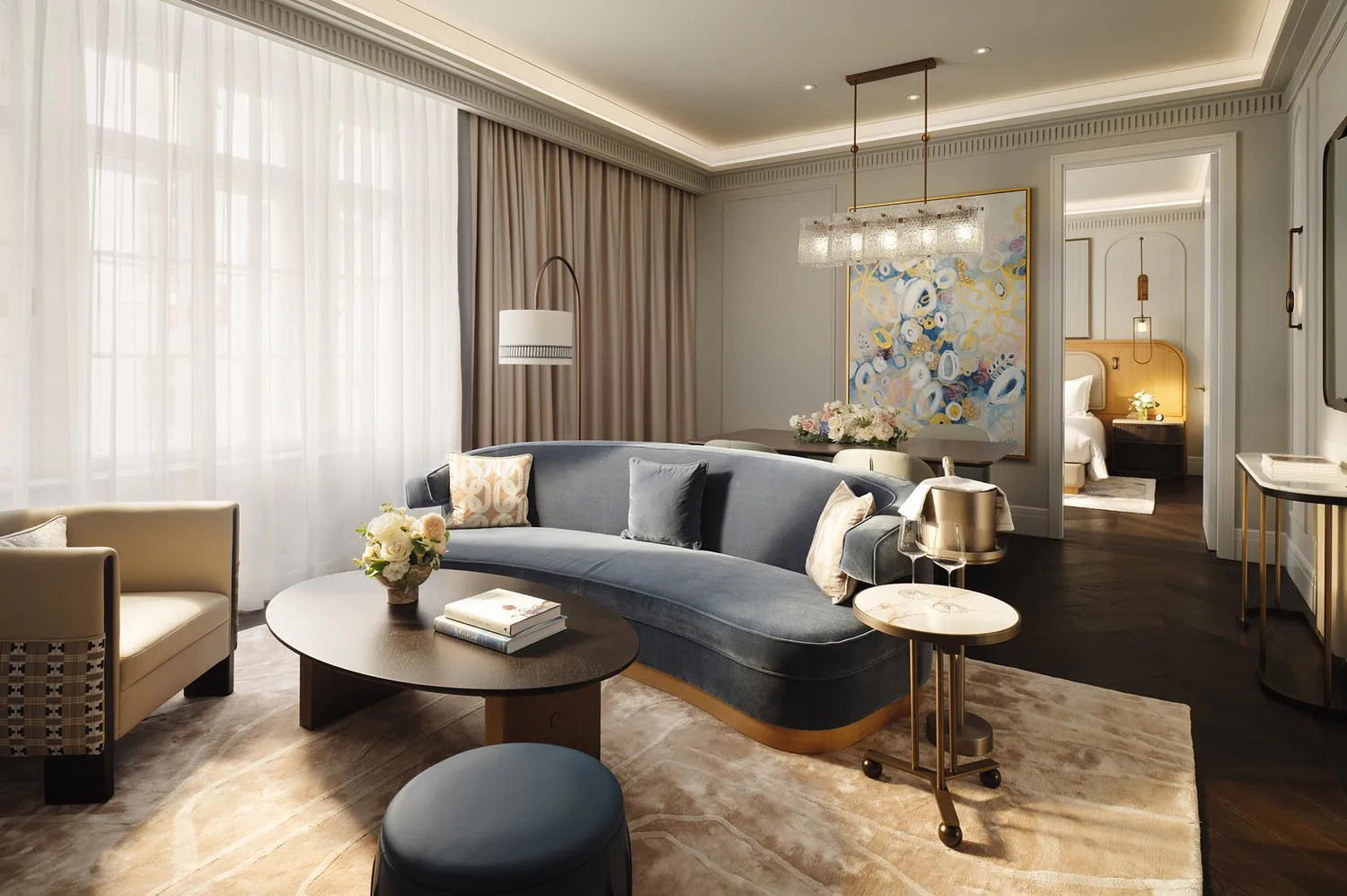

At a Glance
- Elegant
- Cozy
- Sophisticated
- Intimate
- Classic
- Date Night
- Business Dinner
- Special Occasion
- Celebration
- Historic Building
- Private Dining
- Extensive Wine List
- Local Sourcing
- Organic
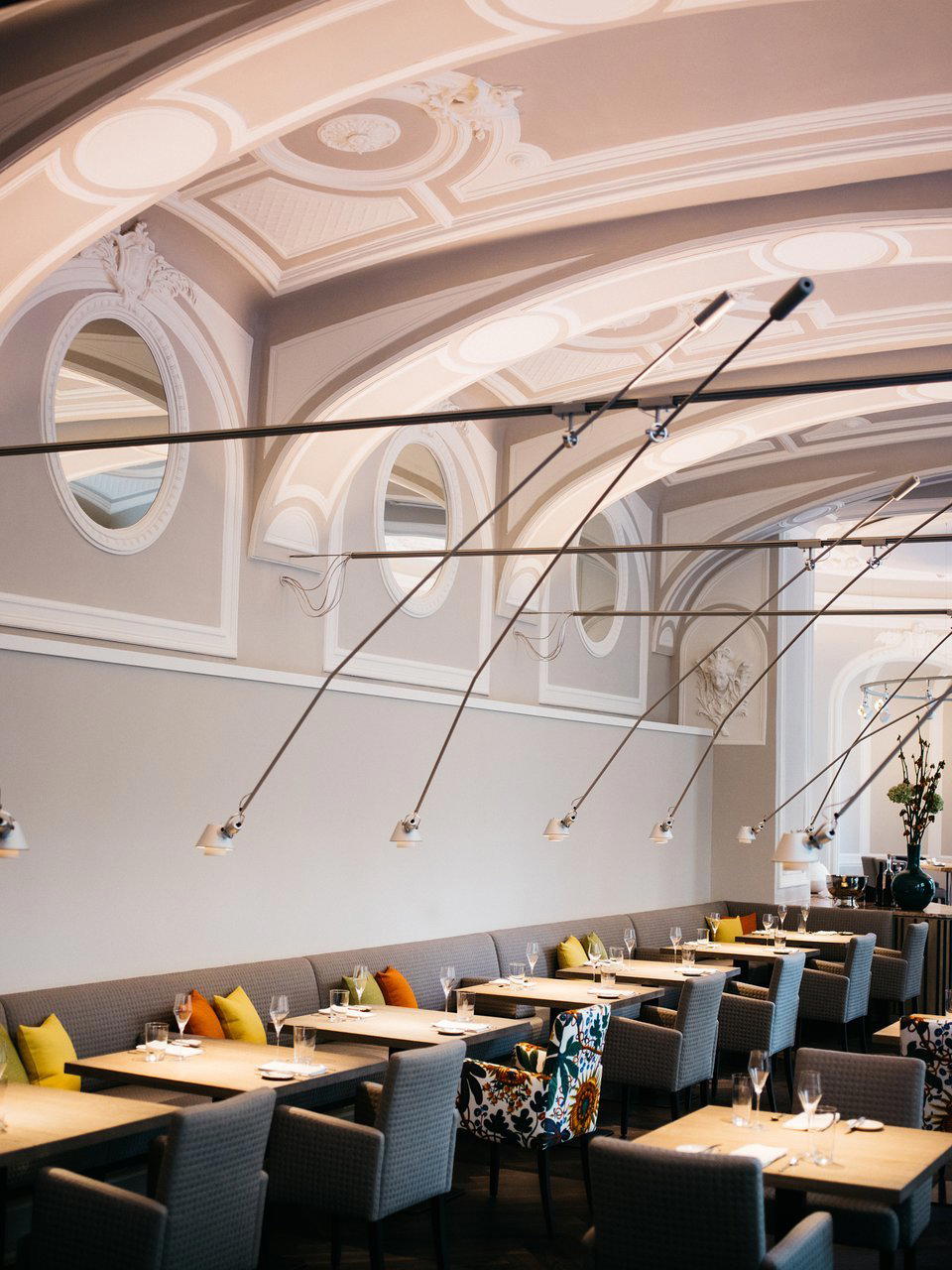
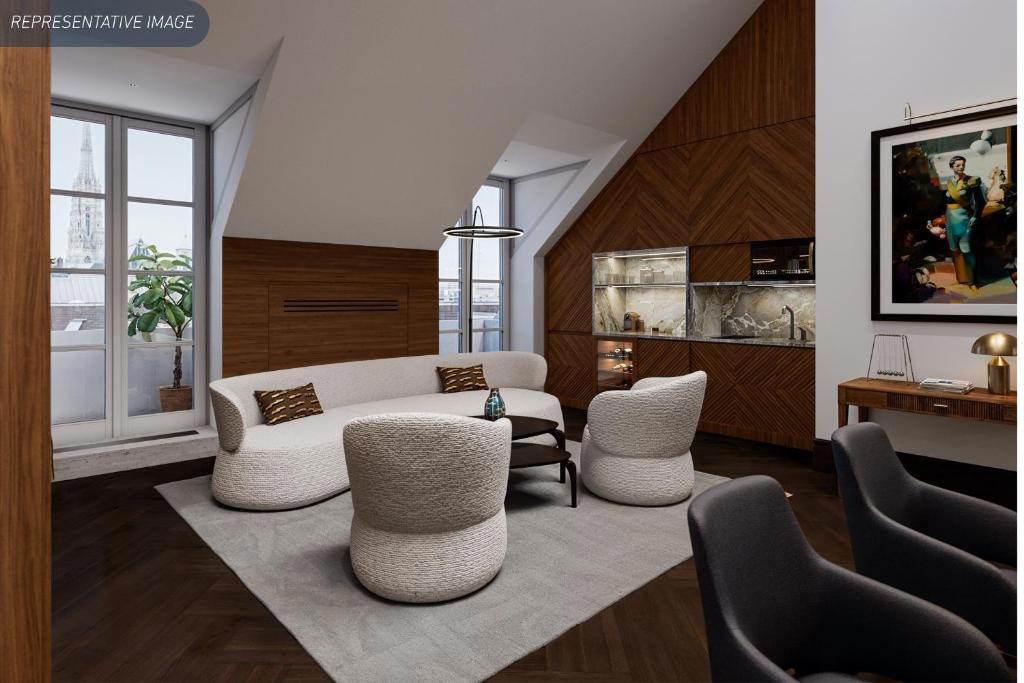
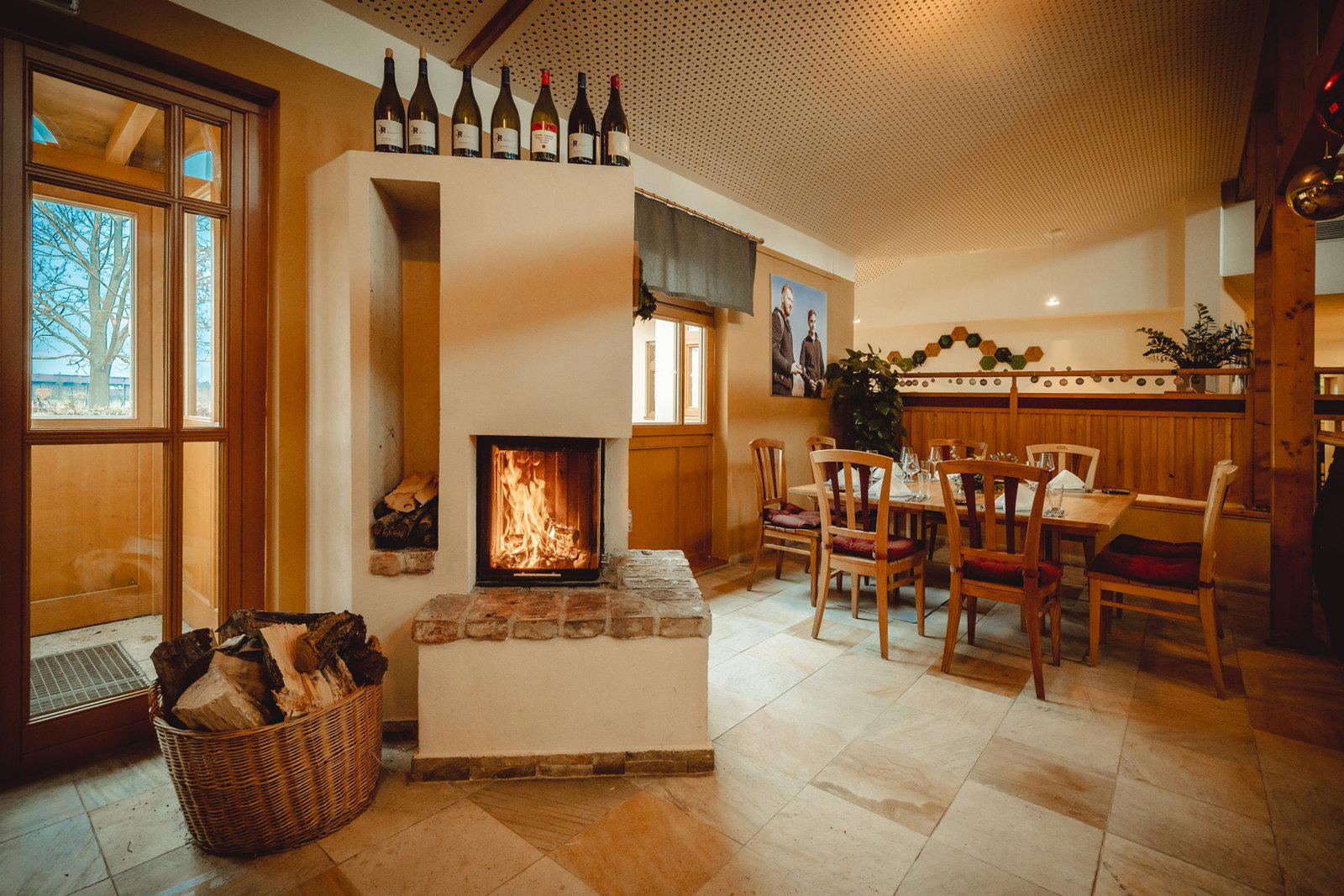
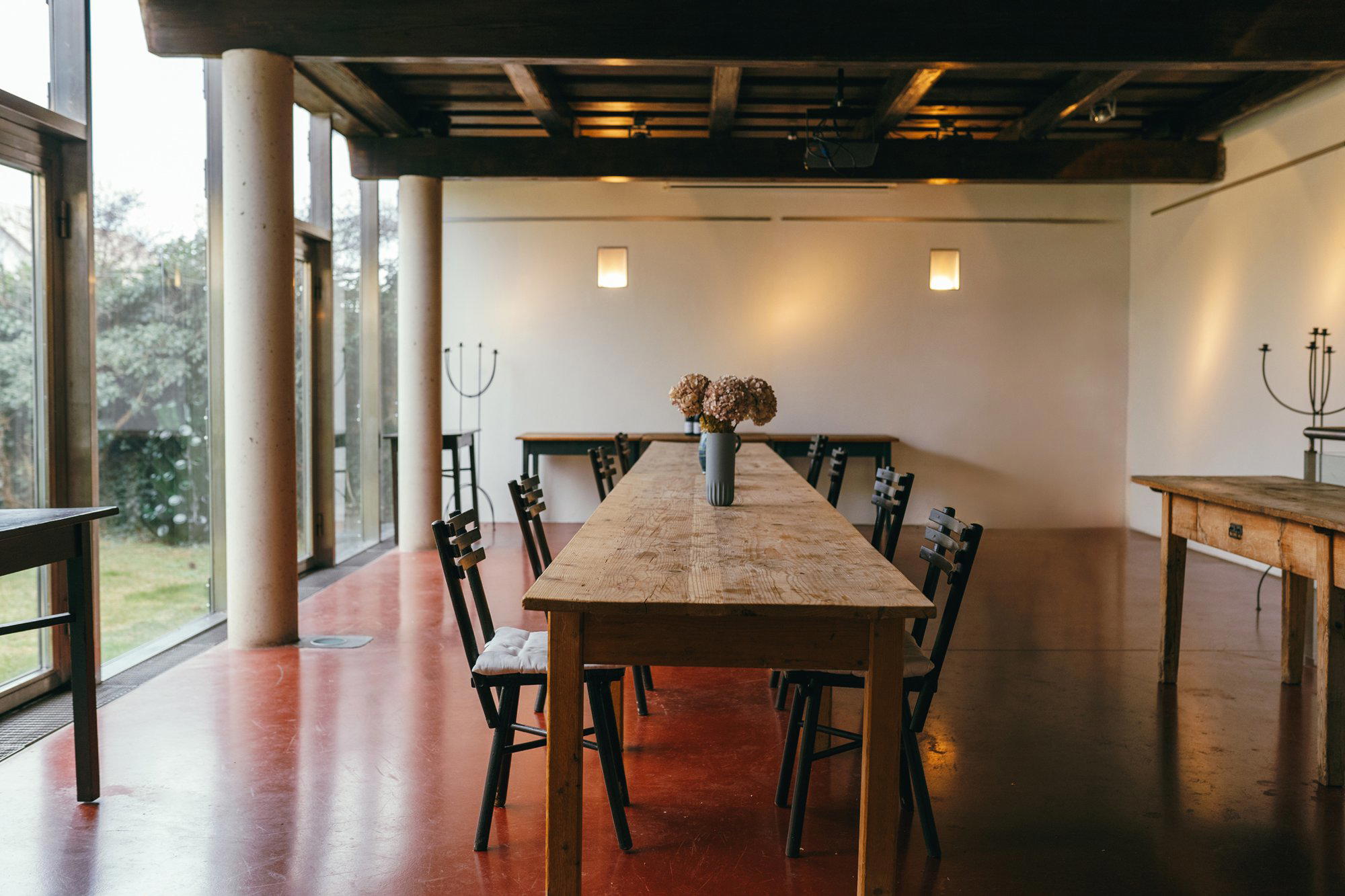
Warm, intimate atmosphere with vaulted ceilings, soft dinner music, and cozy décor that evokes a sense of dining among friends; quiet and relaxed despite sophisticated presentation.