In Trieste's older residential quarters, Hostaria Malcanton represents the kind of address where the city's Central European and Adriatic identities meet on the plate. The kitchen works within a trattoria register that prioritises local sourcing and seasonal constraint over ambition for its own sake. For travellers who approach the city as a dining destination rather than a stopover, it belongs on the shortlist alongside Trieste's more prominent names.
Pearl is the En Primeur Club membership app — saves, bookings, and concierge access live there. Same editors, same standards.
- Address
- Via Malcanton, 10, 34121 Trieste TS, Italy
- Phone
- +39402410719
- Website
- hostariamalcanton.it
- Directions
- Get directions
 Saves & bookings on Pearl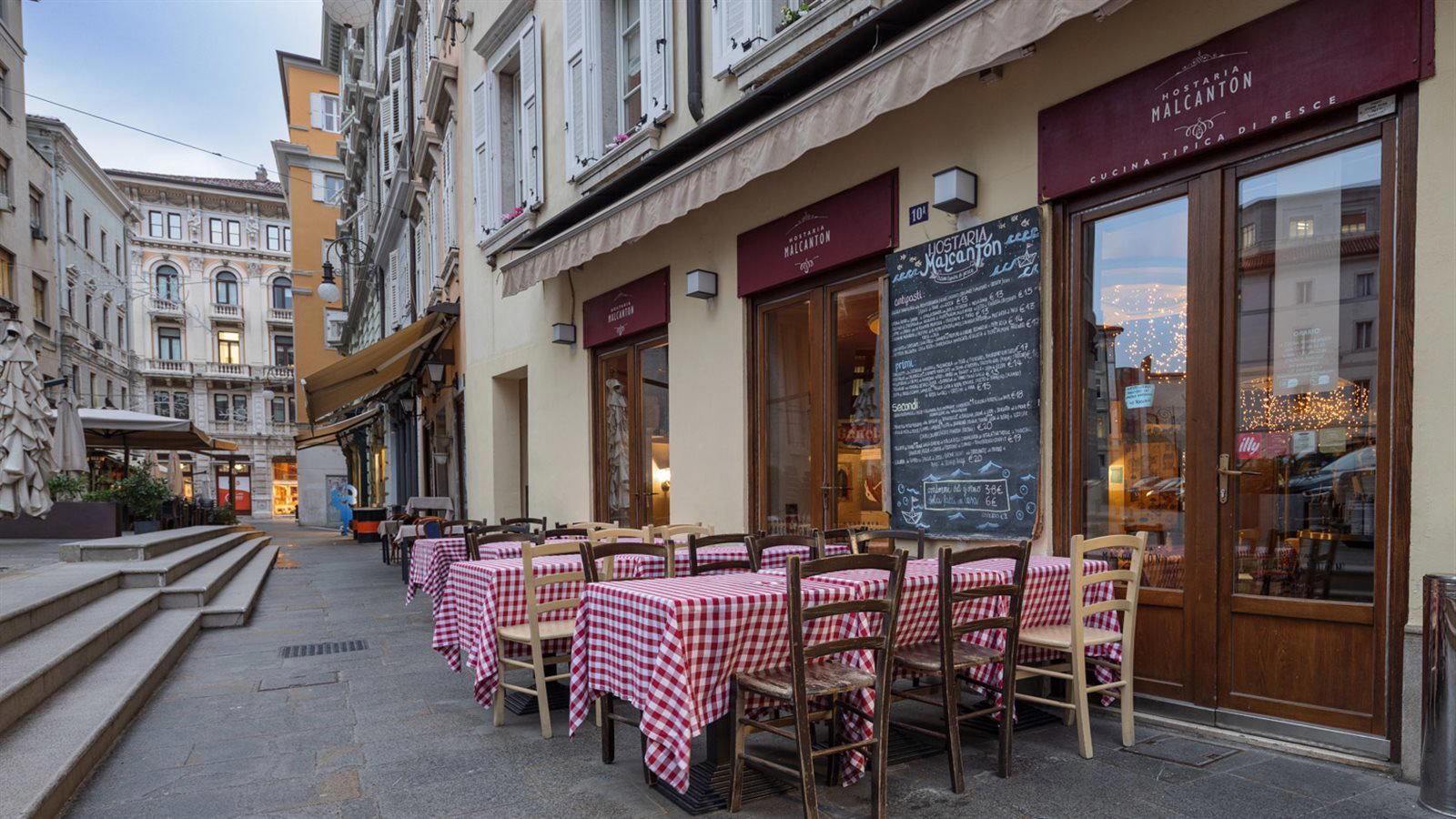
Where Trieste's Larder Defines the Table
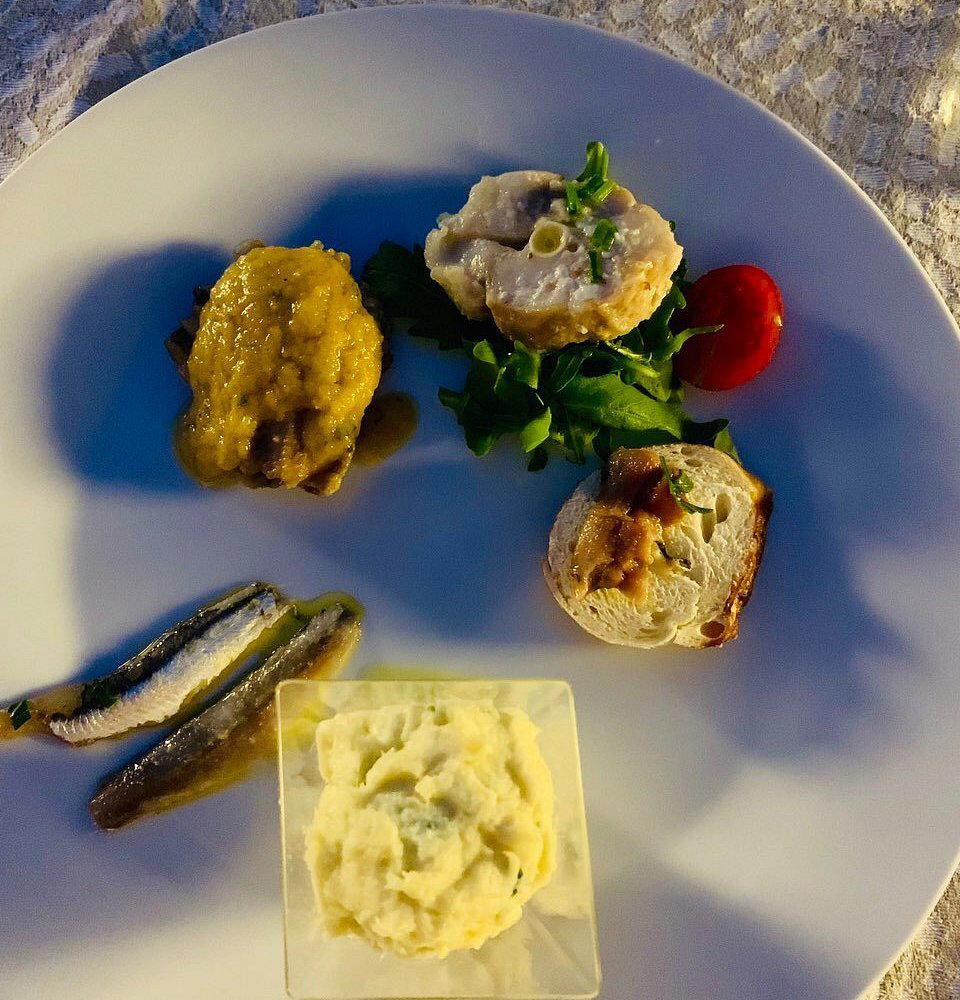
Trieste occupies an unusual position in Italian dining. It is not a city that appears routinely on the circuit connecting Osteria Francescana in Modena to Enoteca Pinchiorri in Florence, yet its culinary identity is more layered than many cities that do. Centuries as a Habsburg port mean the cooking here absorbs influences that are simultaneously Venetian, Slovenian, and Central European, anchored by an Adriatic coastline that delivers bream, scampi, and sardines a few kilometres from the city's central market. Hostaria Malcanton is a restaurant on Via Malcanton in Trieste, serving Traditional Triestina Seafood at about $30 per person. It sits inside that tradition rather than departing from it.
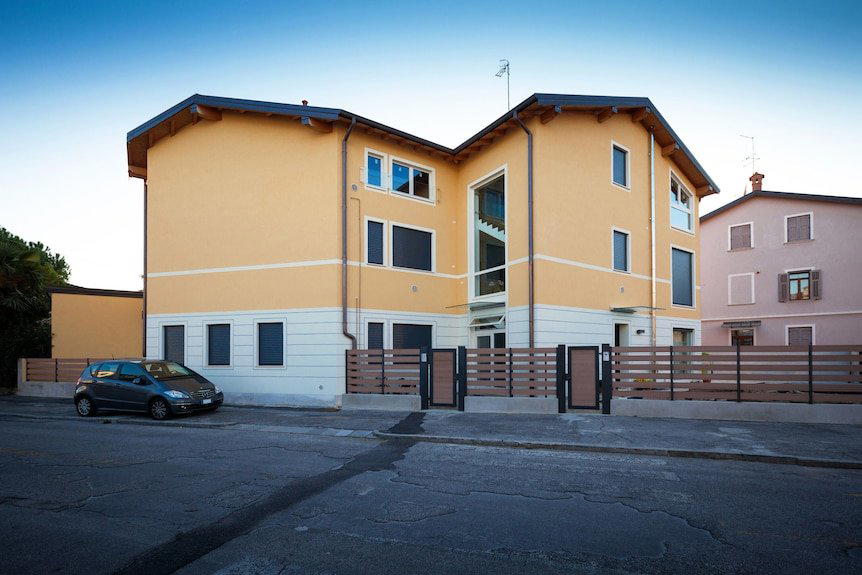
The building's street-level presence signals the right things: a neighbourhood address rather than a tourist-circuit destination, close enough to the older residential fabric of the city to draw a local clientele that returns on a weekly rather than annual basis. In Trieste, that kind of repeat custom functions as meaningful quality evidence. The city's year-round population is sophisticated about food and wine in ways that guest-facing restaurant culture sometimes obscures.
The Sourcing Logic Behind Triestine Cooking
In northern Adriatic cooking, the ingredient question resolves itself geographically. The Gulf of Trieste is shallow, which means its fish is typically smaller and more intensely flavoured than catch from deeper Mediterranean waters. Local trattoria kitchens have historically built menus around what arrived that morning rather than engineering fixed programmes around imported luxury product. That discipline, which looks like simplicity from the outside, is actually a form of sourcing rigour: the menu functions as a record of what was available, and the kitchen's job is to not overcomplicate it.
This is the tradition that addresses like Hostaria Malcanton inherit. Compare it to the coastal sourcing logic at Uliassi in Senigallia or Quattro Passi in Marina del Cantone, where Adriatic and Tyrrhenian sourcing respectively underpin more elaborate tasting formats, and the difference is one of register rather than intention. Malcanton operates at the trattoria end of the spectrum, where the sourcing discipline is identical but the presentation frame is stripped back. Across the Adriatic sourcing tradition in Italy, this register has proven more durable than the fine-dining formats that borrowed from it: the produce stays the same, the surrounding architecture changes.
Inland from the coast, Trieste's larder extends into the Karst plateau, a limestone upland immediately behind the city that produces wild herbs, game, and the prized Karst prosciutto. That cross-cutting of maritime and inland ingredients gives Triestine trattoria kitchens a wider palette than their counterparts in purely coastal towns, and it creates the specific hybrid that characterises eating well in this city.
Reading Trieste's Restaurant Register
To place Hostaria Malcanton accurately, it helps to map the tier structure of Trieste dining. At the leading sits Harry's Piccolo, which operates in the modern Italian contemporary format at a price point that aligns it with comparable fine-dining rooms across northern Italy. Below that, addresses like Al Bagatto hold a seafood-specialist position in the mid-to-upper range. The working trattoria tier, where Malcanton operates, serves a different function: it is where the city's culinary identity is most legibly expressed, because the economics require proximity to local sourcing networks and the clientele is local enough to notice when those networks are ignored.
Other addresses in this band include Ai 3 Magnoni, Ai Fiori, and Al Civicosei, each of which anchors a different neighbourhood. Together they form the connective tissue of everyday eating in a city where the line between a trattoria lunch and serious culinary engagement is thinner than most visitor guides suggest.
This is also the tier where the Central European inheritance shows most directly. The dishes that reflect Trieste's Habsburg past, including jota (a sauerkraut and bean soup), goulash variants, and the liver preparations that would read as Viennese in any other Italian city, appear on trattoria menus rather than in the contemporary format rooms. That historical layering is what makes the trattoria register in Trieste qualitatively different from its equivalent in, say, Bologna or Naples, where the culinary tradition is more regionally homogeneous.
Planning a Visit
Via Malcanton is walkable from the central Piazza Unità d'Italia and the adjacent canal district, which means it falls logically into a day that includes the fish market near the Ponterosso bridge, open in the mornings, and the city's historic caffè circuit. For visitors arriving by train, Trieste Centrale is the main terminus, and the city's compact geography makes most dining addresses reachable on foot or by a short taxi. As with most neighbourhood trattorie operating on Italian hours, arriving at the margins of a service window, immediately at opening or late in the lunch sitting, typically produces a different atmosphere than peak service. The kitchen's pace reflects what's on the pass that day, and there is no benefit in rushing it.
For broader context, the ambition at Atelier Moessmer Norbert Niederkofler in Brunico or the produce-led intensity at Piazza Duomo in Alba offer useful reference points. Closer in format and philosophy, Dal Pescatore in Runate demonstrates how the northern Italian trattoria tradition can carry regional ingredient logic across generations without departing from its core register.
Comparable Venues
Comparable venues nearby, for context on price, style, and recognition.
| Venue | Cuisine | Price | Notes |
|---|---|---|---|
| Hostaria MalcantonThis venue — the venue you are viewing | Traditional Triestina Seafood | $$ | Not listed |
| Trattoria Alla Sacchetta | Traditional Italian Seafood Trattoria | $$ | Riva Tommaso Gulli |
| Bianco | Authentic Neapolitan Pizza | $$ | Trieste |
| Osteria Marise | Authentic Triestino Italian | $$ | Trieste city center |
| Nanut | Italian-Friulian Enoteca | $$$ | IV Circoscrizione |
| Nerodiseppia | Italian Seafood Trattoria | $$ | Centro |
Continue exploring
More in Trieste
Restaurants in Trieste
Browse all →
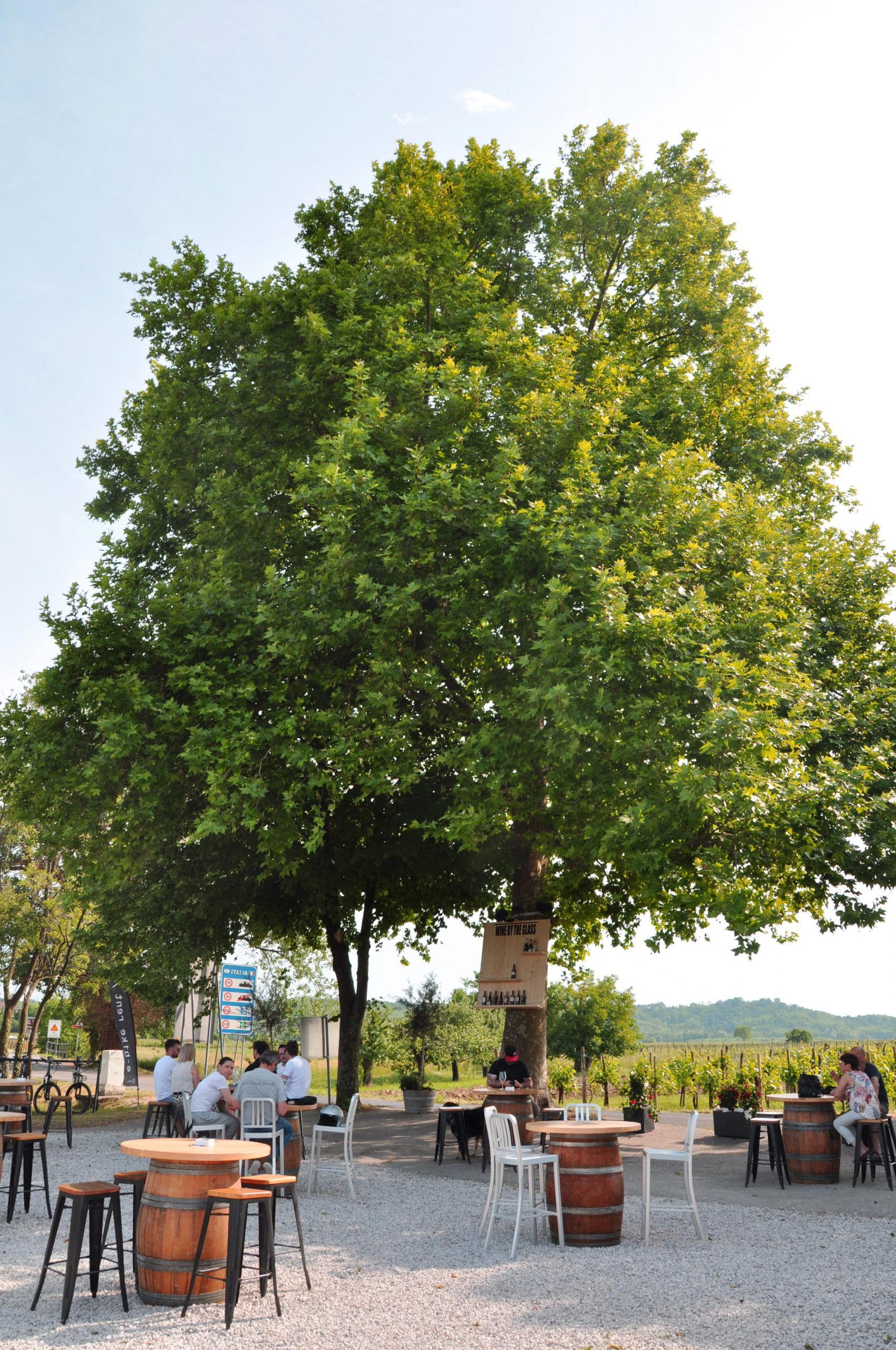
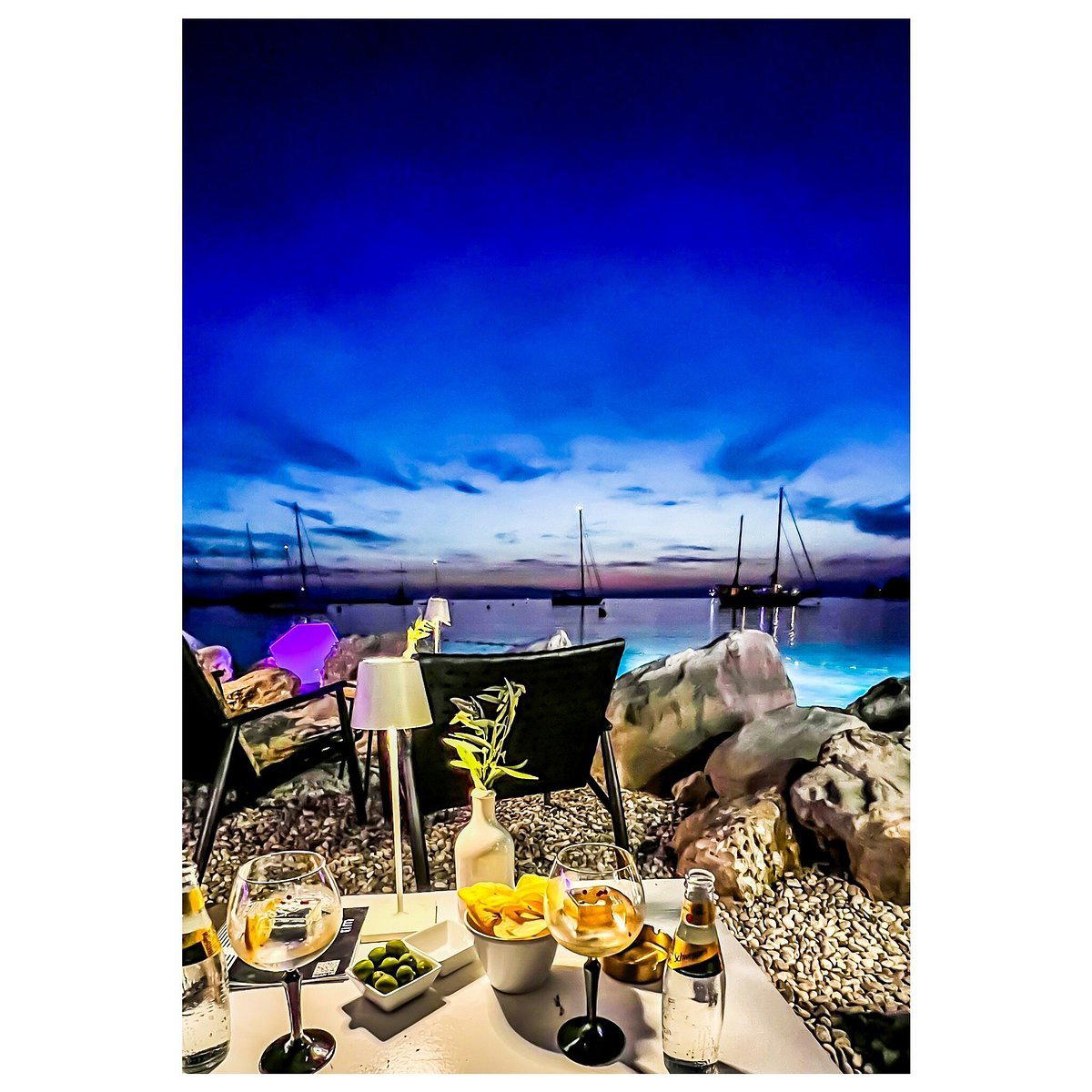
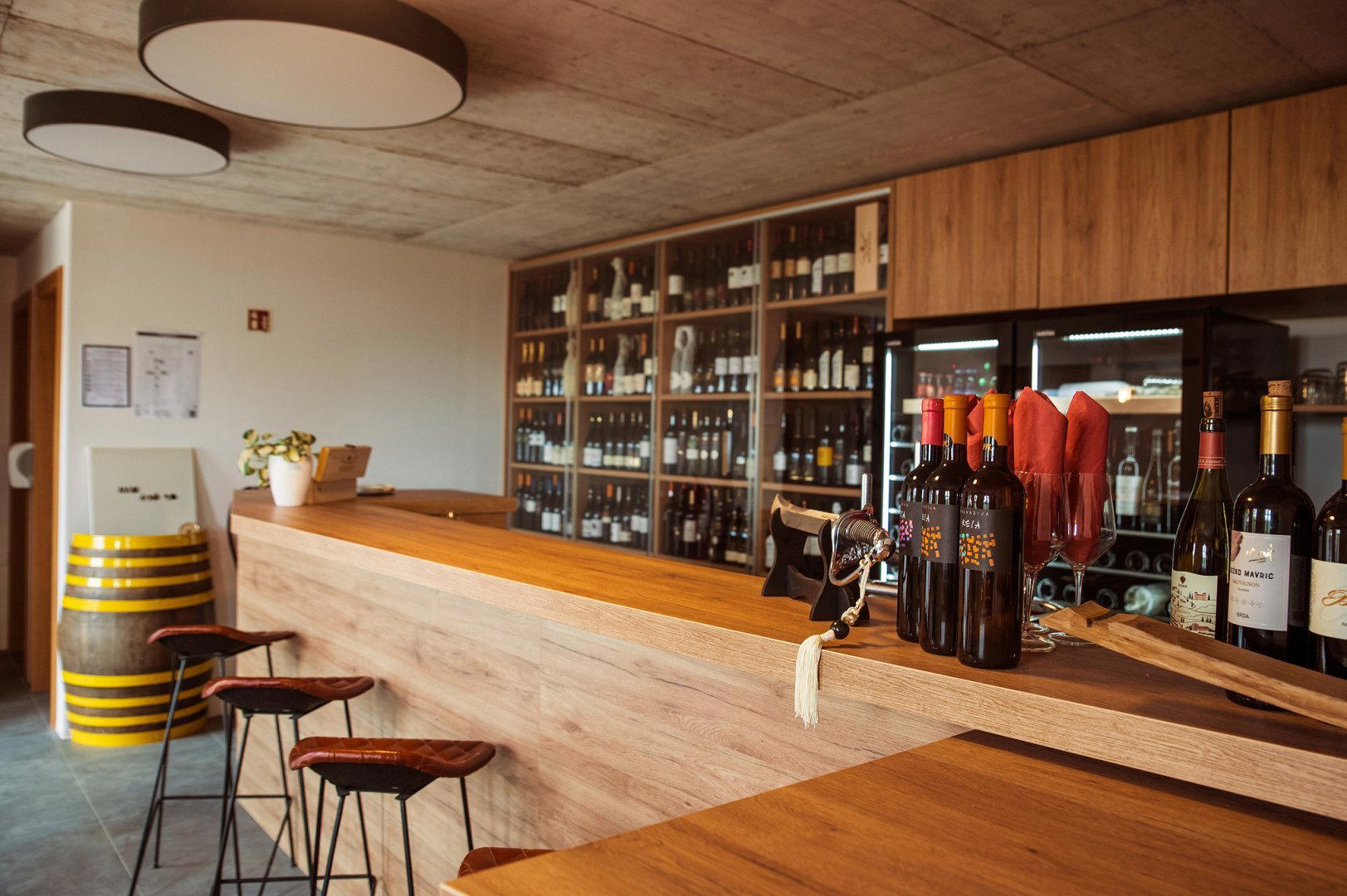
Bars in Trieste
Browse all →
Hotels in Trieste
Browse all →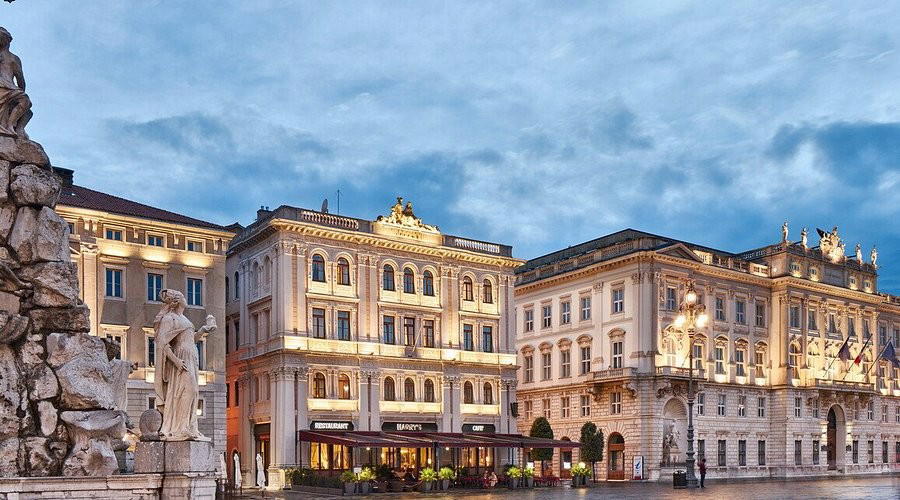
At a Glance
- Cozy
- Classic
- Date Night
- Casual Hangout
- Historic Building
- Extensive Wine List
- Local Sourcing
- Street Scene
Current opening hours
- Monday
- Closed
- Tuesday
- 12–2:30 PM, 7–10:30 PM
- Wednesday
- 12–3 PM, 7–11 PM
- Thursday
- 12–3 PM, 7–11 PM
- Friday
- 12–3 PM, 7–11 PM
- Saturday
- 12–3 PM, 7–11 PM
- Sunday
- 12–3 PM, 7–11 PM
Hours can change for holidays and private events. Last verified .
Cozy and relaxed atmosphere with friendly service.