
Shanghai’s vegetarian dining has split between temple-rooted tradition and contemporary vegetable technique. The Lakeside Veggie belongs to the latter conversation, using a ¥¥ format and Michelin Bib Gourmand recognition in 2024 and 2025 to signal value without turning the meal into luxury theatre. Chef Rosa’s kitchen is most interesting when simple produce is treated as material for texture, depth, and contrast rather than as a substitute for meat.
Pearl is the En Primeur Club membership app — saves, bookings, and concierge access live there. Same editors, same standards.
- Address
- China, CN 上海市 徐汇区 瑞平路 230 230号L2层016/017 邮政编码: 200032
- Phone
- +86 21 3356 7008
- Directions
- Get directions
 Saves & bookings on Pearl
Modern dining in Shanghai no longer follows a single script of banquet-room formality, luxury spectacle, or special-occasion restraint. The room still matters, but the sharper story is how a restaurant fits into the city’s everyday serious-dining rhythm. The Lakeside Veggie sits inside that shift, with consecutive Michelin Bib Gourmand recognition in 2024 and 2025 placing it in the city’s value-conscious serious-dining conversation, not its luxury tasting-menu lane.
Shanghai has long held multiple dining traditions in parallel. One is rooted in established Chinese restaurant habits, with familiar formats and a sense of continuity. The other is a newer urban style, less interested in old categories and more focused on accessible polish, consistency, and ease of use. The Lakeside Veggie reads as part of that wider conversation. The Michelin Bib Gourmand label matters because it rewards quality and value, not star-chasing spectacle.
The meal works as part of Shanghai's regular dining rhythm
The strongest accessible restaurants do not apologize for what they are not. They build confidence through pacing, balance, and enough clarity for a table to understand why the booking makes sense. That range is why Shanghai’s dining rooms compete on craft instead of positioning alone. The Lakeside Veggie belongs to a group of addresses whose credibility comes from making the meal feel complete on its own terms.
This matters in Shanghai because the city’s dining culture is comparison-heavy. Formal rooms, tasting menus, counters, grill-focused restaurants, and regional Chinese specialists compete for the same evening slots. A restaurant has to justify itself not through a narrow category, but clarity: can a table leave feeling it has eaten a composed Shanghai dinner rather than a compromise? Michelin’s Bib Gourmand recognition across two consecutive editions suggests consistent repeat notice.
Within the city’s dining set, the useful comparison is local. Gong De Lin (West Nanjing Road) represents a historic vocabulary: established, familiar, and tied to older Chinese dining habits. Other Shanghai dining rooms sit in more elaborate or more casual registers. The restaurant occupies a practical middle: polished enough for Michelin attention, approachable enough for repeat local use, and built around a meal that does not need ceremony doing all the work.
Shanghai's mid-priced tier is where the city gets interesting
The accessible bracket is not minor. In Shanghai, it often separates restaurants locals can fold into regular dining from rooms saved for anniversaries or visitor itineraries. A Bib Gourmand restaurant must persuade mixed tables, including diners who chose it for convenience, curiosity, group requirements, or value rather than status.
That group-dining role is increasingly important. Business meals, family tables, and cross-generational dinners often need a room that avoids heaviness without feeling casual. Restaurants in this lane fill that gap because a table can order across a meal without turning the occasion into a production. The risk is blandness dressed as restraint. Better addresses avoid it with confidence in hospitality, timing, and the kind of cooking that feels grounded rather than imported as lifestyle language.
The restaurant’s Michelin Bib Gourmand status in 2024 and 2025 gives travelers a practical read on reliability. It does not imply luxury and should not be read like a star. It signals a restaurant meeting Michelin’s value-and-quality threshold in a competitive city. For diners mapping a Shanghai trip, that makes it a useful counterweight to heavier meals at other formal, celebratory, and meat-led rooms across the city.
It also says something about Shanghai’s confidence at the value-conscious end of serious dining. The city no longer treats accessible restaurants as a narrow secondary lane. The category now ranges from heritage institutions to high-touch formats and approachable rooms polished enough for guide recognition. The restaurant sits in the middle, reading the city’s changing appetite without turning dinner into a manifesto.
How to place it in a Shanghai dining itinerary
For a short Shanghai stay, this is not a trophy booking. It works better as a balancing meal: a lunch or dinner between richer regional Chinese cooking, hotel dining, cocktail bars, and longer tasting menus, especially on several-day trips when fatigue from sauces, alcohol, and late meals can arrive quickly.
The address is in Shanghai, and the recognition signal is clear: Michelin Bib Gourmand recognition in 2024 and 2025. Treat it as a flexible anchor for a mixed group rather than a niche stop for one type of diner alone. Families, business travelers, and diners building a varied itinerary will find the category logic easy to understand. Those seeking chef-counter theatre or a long-form dégustation should look elsewhere on the city’s dining map.
For broader planning, EP Club’s Shanghai coverage is more useful by category than as a single checklist. Start with our full Shanghai restaurants guide, then pair meals with our full Shanghai hotels guide, our full Shanghai bars guide, our full Shanghai wineries guide, and our full Shanghai experiences guide. Travelers comparing how Chinese cities handle value dining can also look beyond Shanghai to other unnamed dining rooms, while broader comparisons outside China show how different cities frame accessible dining through local habits, service culture, and price expectations.
The editorial read is simple: the restaurant is valuable because it makes guide-recognized dining feel integrated into Shanghai’s normal restaurant rhythm. Its strongest argument is not exclusivity, but fit. It gives the city a Michelin-noted option that can sit beside regional Chinese, hotel, and other Shanghai dining without asking the table to treat value as compromise.
Cuisine and Awards Snapshot
Nearby venues at a similar price tier for orientation.
| Venue | Cuisine | Price | Awards | Notes |
|---|---|---|---|---|
| The Lakeside VeggieThis venue — the venue you are viewing | Modern Vegan Chinese | $$ | Bib Gourmand | Not listed |
| Yu Ge Zhanjiang (Jingan) | Zhanjiang Cantonese | $$ | Bib Gourmand | Dabazi |
| Gong De Lin (West Nanjing Road) | Traditional Shanghainese Vegetarian | $$ | Bib Gourmand | Huangpu |
| Cong's Kitchen | Traditional Shanghainese | $$ | Bib Gourmand | Yangpu Qu |
| Yu Du Lao Wei Mian (Huangpu) | Zhoushan Seafood Noodles | $$ | Bib Gourmand | Yanqiao Xiang |
| Hai Wei Guan (Jingan) | Modern Shanghainese | $$ | Michelin Plate | Jing'an |
Recognition history
Dated appearances from independent guides and award organizations, with the underlying list record or original source where available.
Michelin Bib Gourmand
Michelin
Michelin Bib Gourmand
Michelin

At a Glance
- Modern
- Elegant
- Casual Hangout
- Group Dining
- Open Kitchen
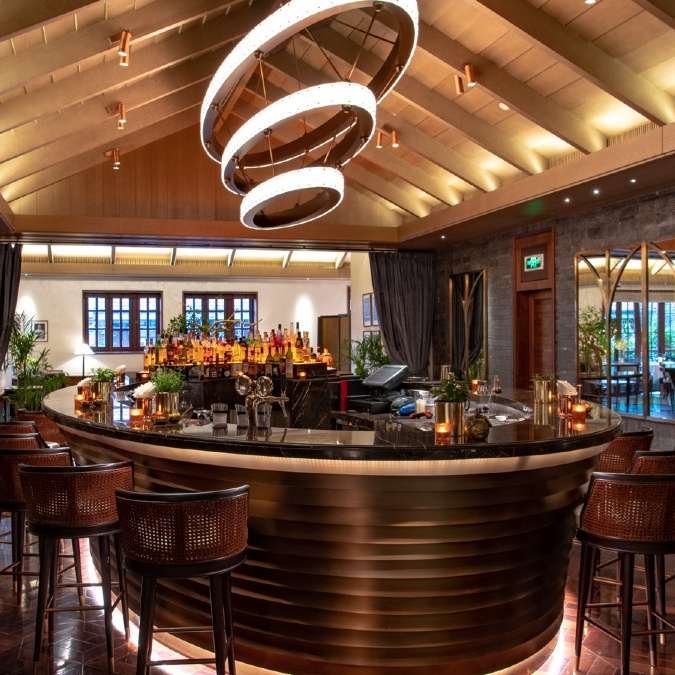
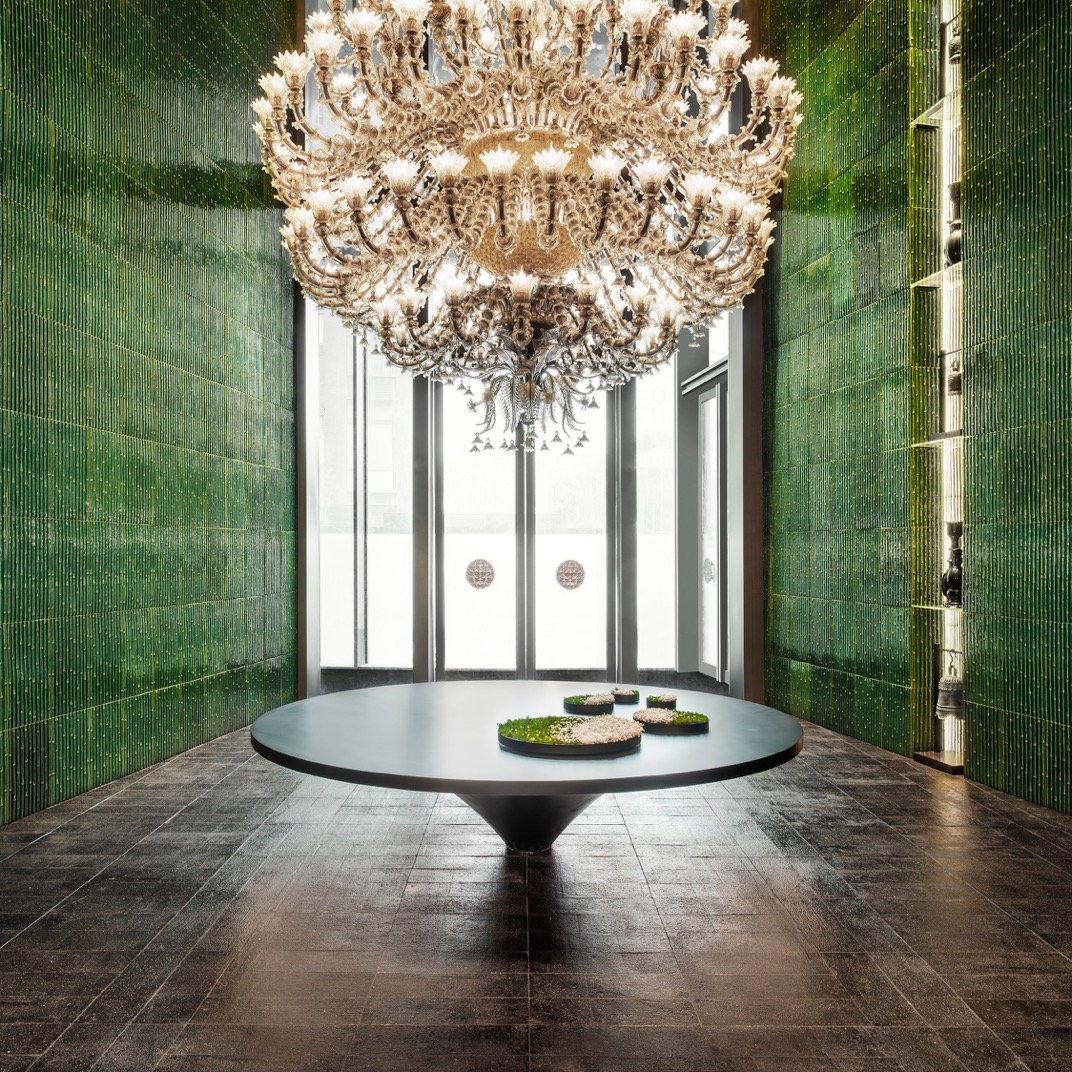
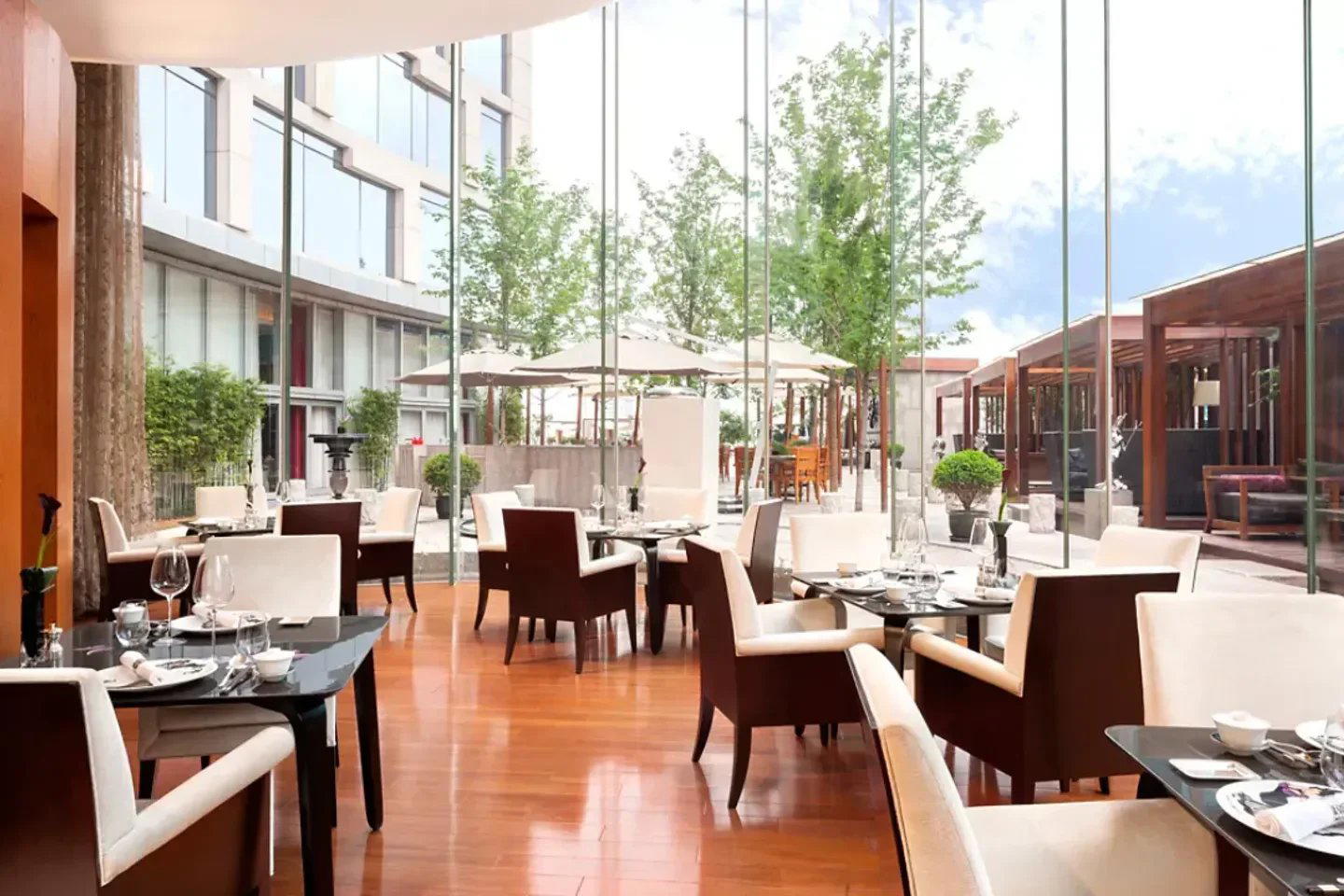
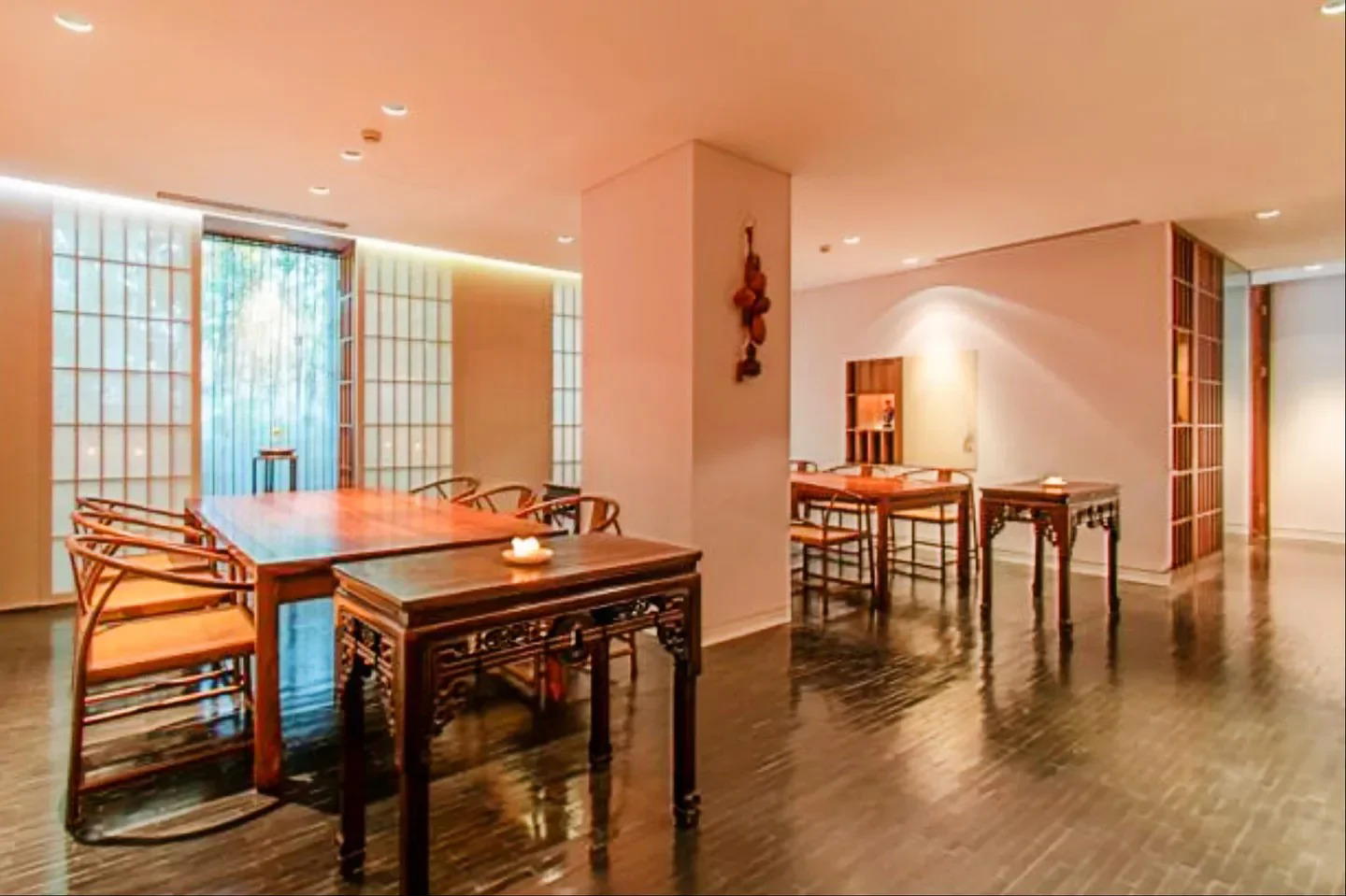
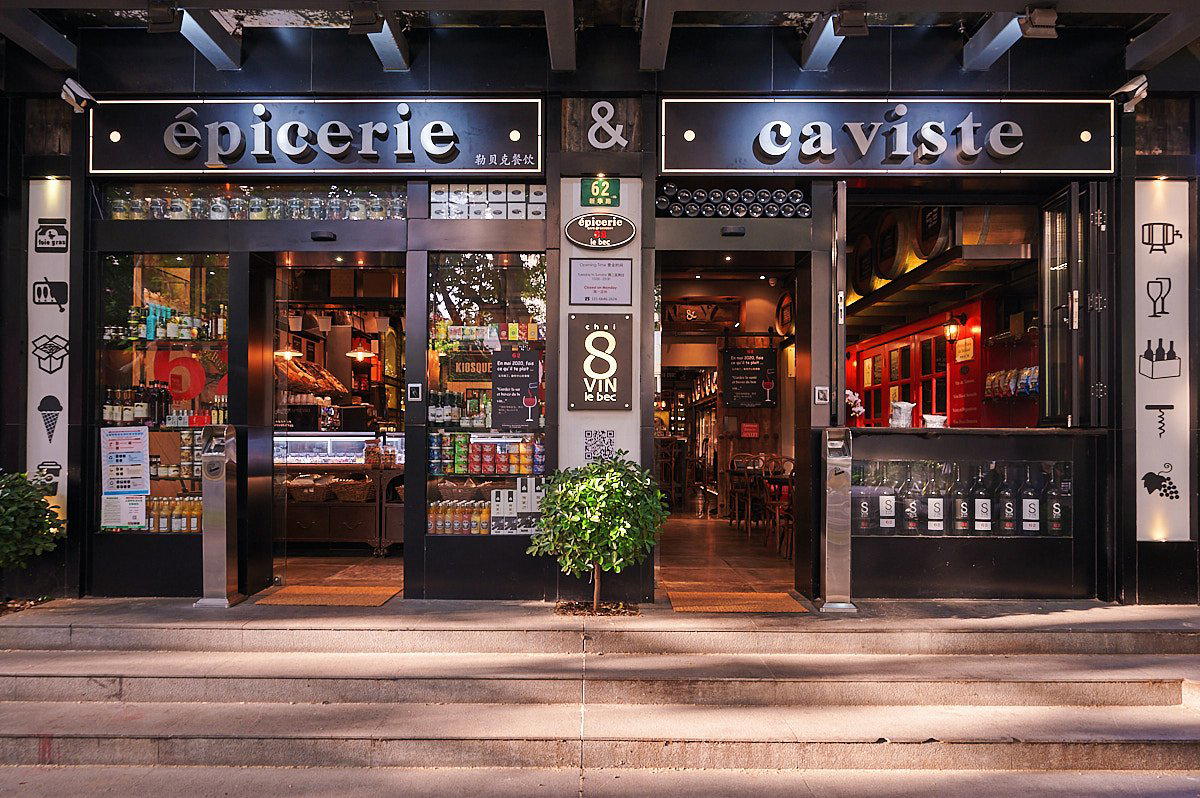
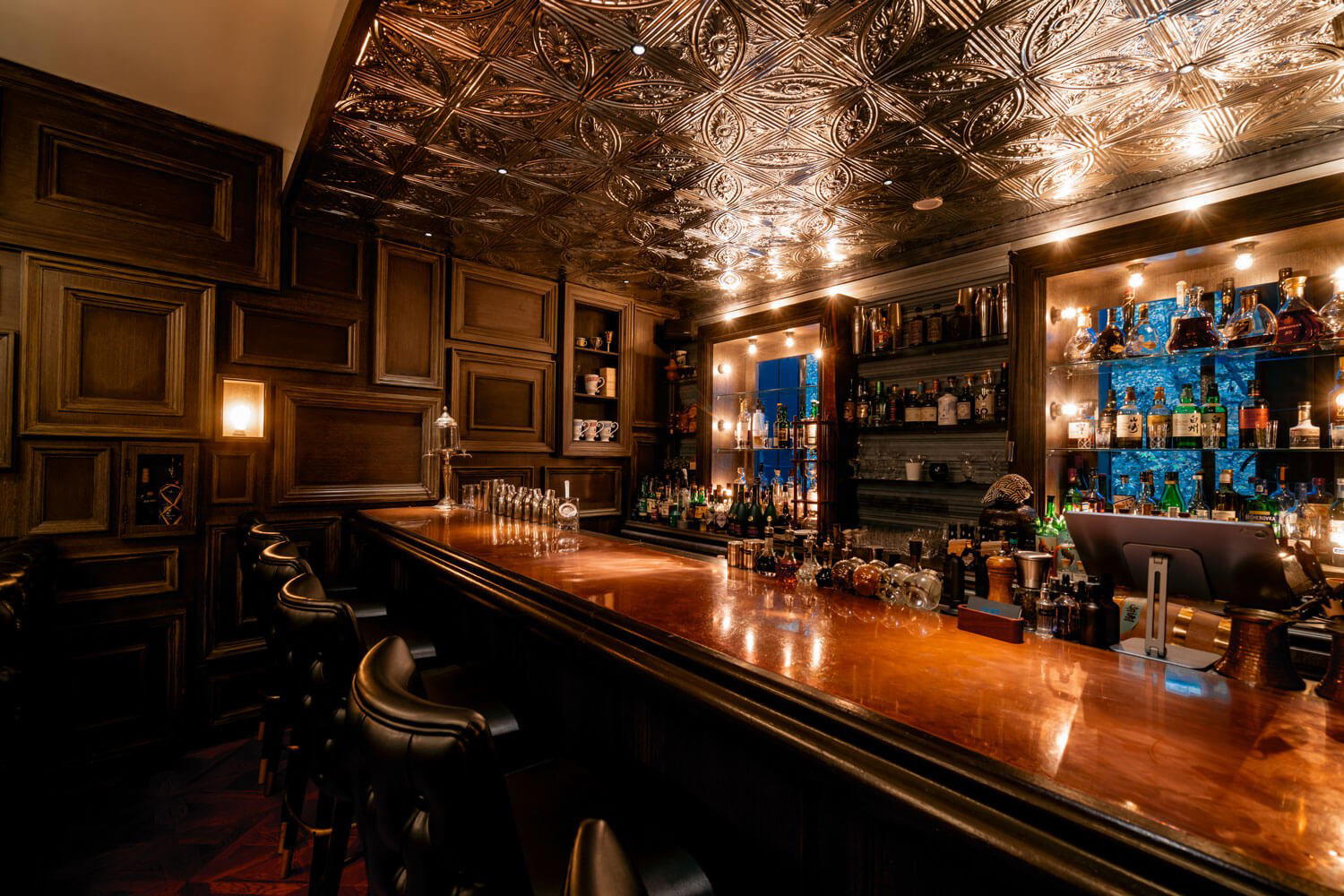
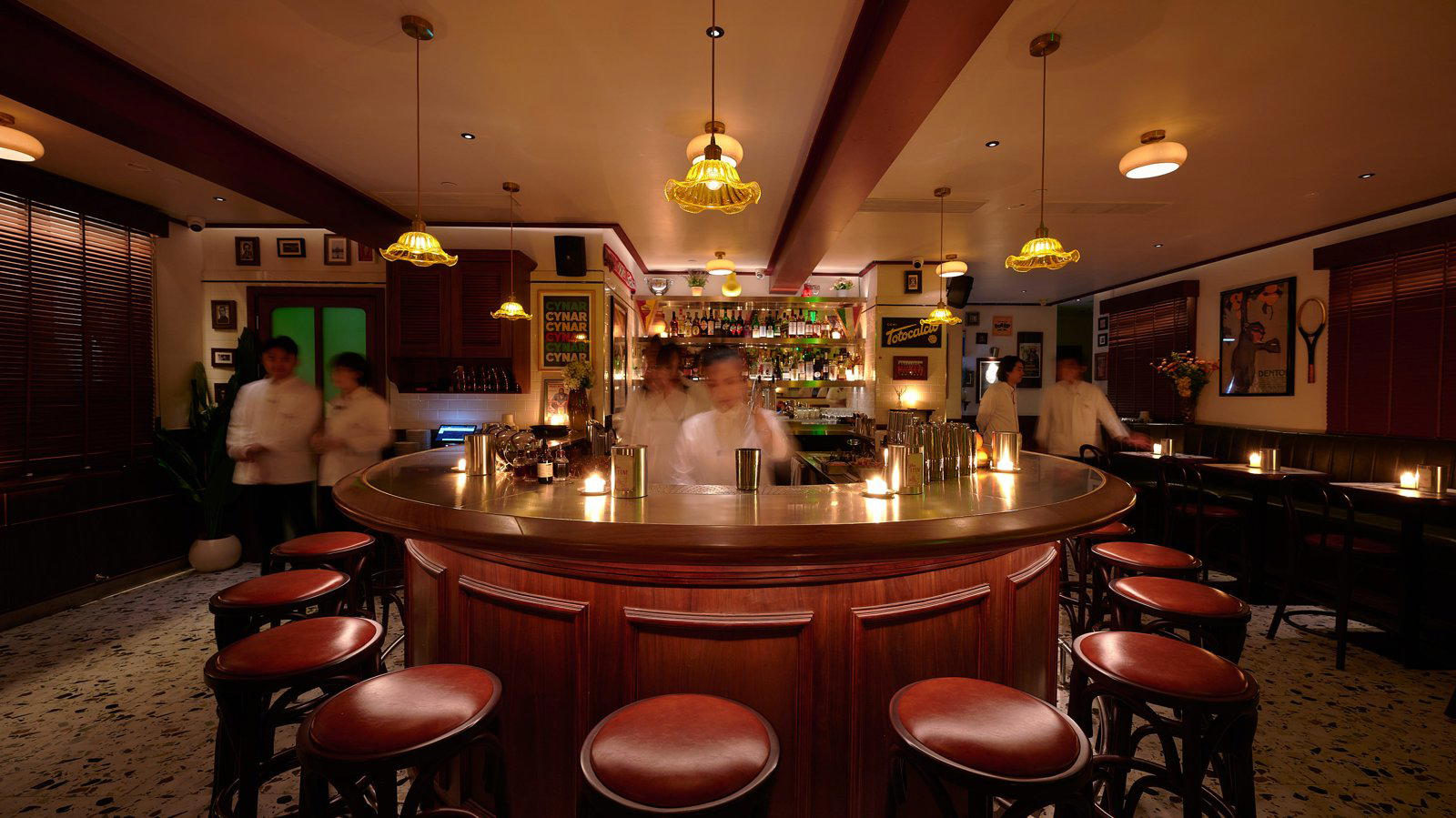
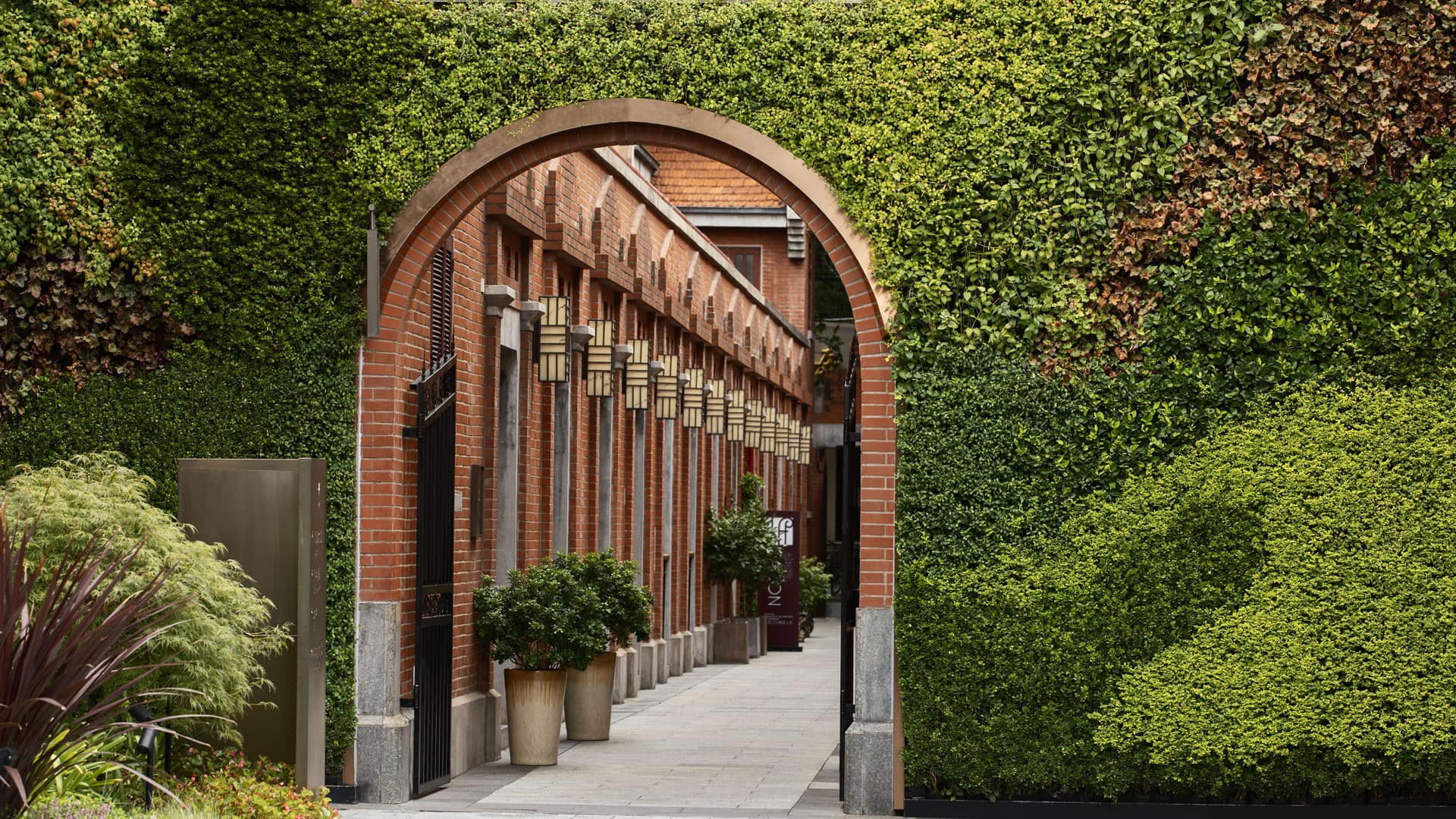
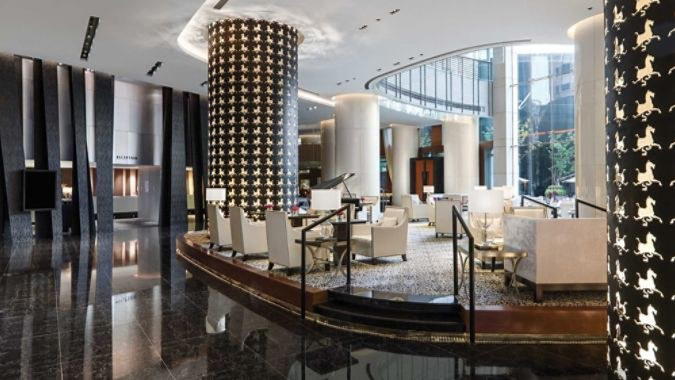
Modern and stylish interior with relaxing background music, pleasant and welcoming atmosphere, and an open show kitchen.