皿富器食
On a quiet lane off Jinhua Street in Hsinchu City's East District, 翻寮全餐 occupies the kind of address that rewards local knowledge. The restaurant operates within a dining tradition where the full-course format and its pacing carry as much meaning as the food itself. For anyone mapping Hsinchu's more considered dining options, it belongs on a short list alongside the city's other destination-worthy addresses.
Pearl is the En Primeur Club membership app — saves, bookings, and concierge access live there. Same editors, same standards.
- Address
- No. 22號, Lane 18, Jinhua St, East District, Hsinchu City, Taiwan 300
- Phone
- +88635350908
- Website
- inline.app
- Directions
- Get directions
 Saves & bookings on Pearl
Eating with Intention: The Full-Course Tradition in Hsinchu City
皿富器食 is a Modern Taiwanese Fine Dining restaurant in Hsinchu City, with a price tier around US$65 per person.
Lane 18 off Jinhua Street is the kind of address that doesn't announce itself. The East District of Hsinchu City is a residential quarter more than a dining corridor, which means the restaurants that have taken root here tend to serve a specific, returning clientele rather than foot traffic. In dining cultures across East and Southeast Asia, that kind of neighbourhood positioning often correlates with a particular operating philosophy: fewer covers, longer meals, and an expectation that guests arrive with time rather than an agenda.
翻寮全餐 sits within this pattern. The name itself signals format: 全餐 translates loosely as "full meal" or "complete course," a term that in Taiwanese dining contexts implies something closer to a structured sequence than a simple set menu. The distinction matters. A full-course format in Taiwan typically involves the kitchen controlling the pace and order of the meal, with dishes arriving as the kitchen determines rather than as the diner requests. That dynamic shifts the restaurant from service provider to something more like host, and it asks a corresponding level of engagement from the guest.
The Ritual of the Structured Meal
Across Taiwan's mid-to-upper dining tier, the structured multi-course format has developed its own grammar. At restaurants like logy in Taipei or JL Studio in Taichung, that grammar is translated through a contemporary fine-dining lens. At the neighbourhood level, the same underlying logic, a sequence of dishes that builds in weight and complexity, tends to run closer to traditional form. The kitchen sends courses out when it is ready; guests do not rush; conversation settles into the rhythm of the meal rather than working against it.
This is not incidental to the dining experience at addresses like 翻寮全餐. It is the experience. The physical environment of a lane-address restaurant in a residential Hsinchu neighbourhood tends to be spare rather than theatrical: the focus goes onto the table, the succession of plates, and the interaction between the two. That restraint in setting is itself an editorial choice about where attention belongs.
For context on how this approach plays out across Taiwan's wider scene, consider the range that runs from informal but technically serious spots like Amei in Tainan to more formally structured experiences at GEN in Kaohsiung. The full-course format operates at multiple price points and levels of ambition across the island; what varies is the tradition being drawn on and the degree of technique applied to it.
Hsinchu's Dining Character
Hsinchu City is not typically named alongside Taipei or Tainan when discussions of Taiwan's dining scene arise, but that framing undersells what the city actually offers. A strong tech-sector economy and a historically diverse population have created a local dining culture that is both demanding and varied. The city has a long-established base of traditional Taiwanese cooking, rice noodle traditions linked to the broader Hsinchu region, and an increasingly layered set of restaurants operating in more considered formats.
Within that context, addresses focused on structured dining sequences occupy a specific niche. Alongside 翻寮全餐, the East District and surrounding neighbourhoods include options ranging from the casual to the more composed. Chang Chang Kitchen and Garden.V represent different points on that range, while Dongmen Rice Noodle Soup sits within the city's oldest and most geographically rooted food tradition. Further out, Bebu in Hsinchu County charts a different course entirely. The full EP Club Hsinchu City restaurants guide maps this range in more detail.
Compared to the concentrated dining density of Taipei or the historically embedded food culture of Tainan, Hsinchu operates with a smaller but increasingly self-aware dining scene. Restaurants that have established a loyal local following here tend to do so through consistency and format rather than through media attention or award cycles. That dynamic often produces places that reward repeat visits more than first impressions.
Positioning and comparable set
In the broader geography of Taiwan's destination dining, 翻寮全餐's address and format position it within a cluster of neighbourhood restaurants that prioritise the experience of a complete meal over individual showpiece dishes. Internationally, the analogue would be something like the community-embedded format of Lazy Bear in San Francisco, where the structure of the meal and its social pacing are as considered as the cooking itself, though the culinary register and price point differ considerably.
Within Taiwan, the sensibility connects more directly to restaurants that have built reputations through word of mouth and return visits rather than through formal recognition. Shen Yen in Yilan, Akame in Wutai Township, and Chi Yuan in New Taipei each operate within specific regional and culinary identities; 翻寮全餐 belongs to a Hsinchu-rooted expression of that same impulse toward the structured, intentional meal.
Planning a Visit
For those arriving from outside Hsinchu, the high-speed rail station is in the Xiangshan District to the south; the Hsinchu main station (Taiwan Railways) sits closer to the older city centre. A taxi or ride-share from either point would be the practical option for first-time visitors unfamiliar with the lane network.
Reservations are essential.
For those building a broader Hsinchu itinerary, the East District rewards pairing with other local addresses. Cat House, CHILLIESINE Indian Restaurant, and the broader network of neighbourhood restaurants in the city each offer different reference points for the city's current dining range. For a longer Taiwan trip, the corridor from Volando Urai Spring Spa and Resort in Wulai District down through Hsinchu and on to Abura Yakiniku in Taichung City gives a reasonable cross-section of western Taiwan's dining variety.
Cuisine and Awards Snapshot
Comparable venues nearby, for context on price, style, and recognition.
| Venue | Cuisine | Price | Awards | Notes |
|---|---|---|---|---|
| 皿富器食This venue — the venue you are viewing | Modern Taiwanese Fine Dining | $$$ | Not listed | Not listed |
| Duan Chun Zhen | Traditional Taiwanese Beef Noodles with Sichuan Flavors | $$ | Not listed | East District |
| TAIVII | Modern Hakkanese Taiwanese | $$$ | Michelin Plate | East District |
| 弄味小廚 客家菜系 | Hakka Home-Style Cuisine | $$ | Not listed | East District |
| Yummy | Taiwanese Contemporary | $$ | Michelin Plate | East District |
| Yi Hsuan | Taiwanese Home-Style | $$ | Michelin Plate | Hsinchu City |
Continue exploring
More in Hsinchu City
Restaurants in Hsinchu City
Browse all →
Bars in Hsinchu City
Browse all →
At a Glance
- Elegant
- Sophisticated
- Intimate
- Date Night
- Special Occasion
- Business Dinner
- Chefs Counter
- Open Kitchen
- Extensive Wine List
- Sake Program
- Local Sourcing
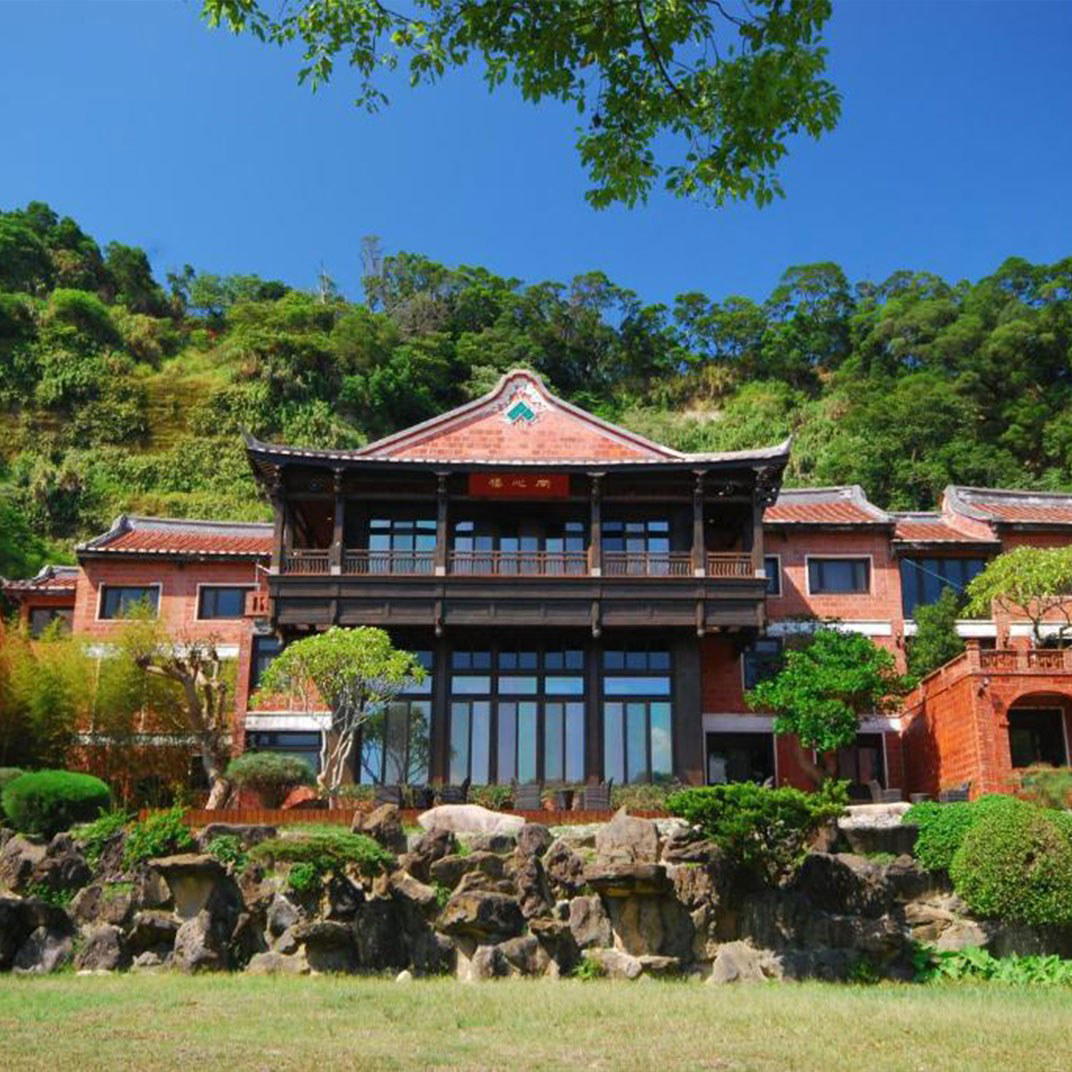
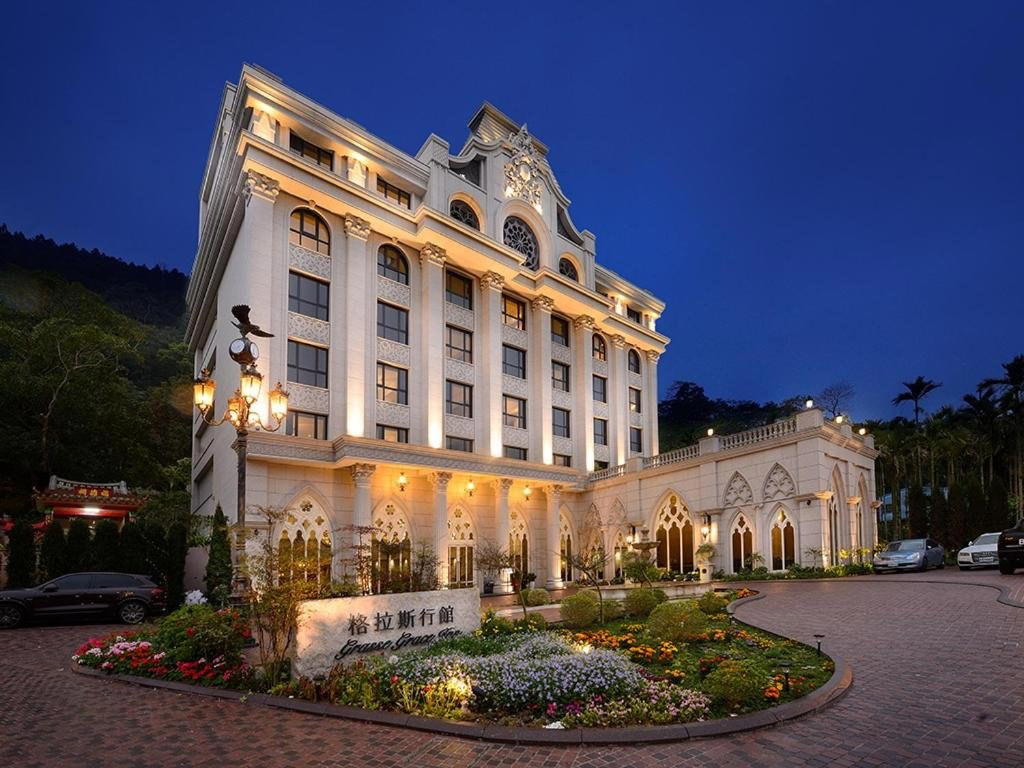
Cozy and elegant with soft lighting, minimalist decor, and a refined atmosphere ideal for special occasions.