Chang Chang Kitchen
.png)
At 102-3 Guanghua Street in Hsinchu City's North District, Chang Chang Kitchen serves an eight-course set menu rooted in Taiwanese home-style cooking, prepared by a head chef with over 40 years of professional experience. The dining room is decorated with hand-painted murals and abundant greenery, reflecting the owner's background in art and gardening. Light seasoning keeps the focus on ingredients rather than technique for its own sake.
 Discover on Pearl
Pearl is the En Primeur Club membership app — saves, bookings, and concierge access live there. Same editors, same standards.
- Address
- No. 102之3號, Guanghua St, Guanghua Village, North District, Hsinchu City, Taiwan 300
- Phone
- +886 3 531 1926
- Website
- facebook.com
Where Home Cooking Earns Its Seriousness
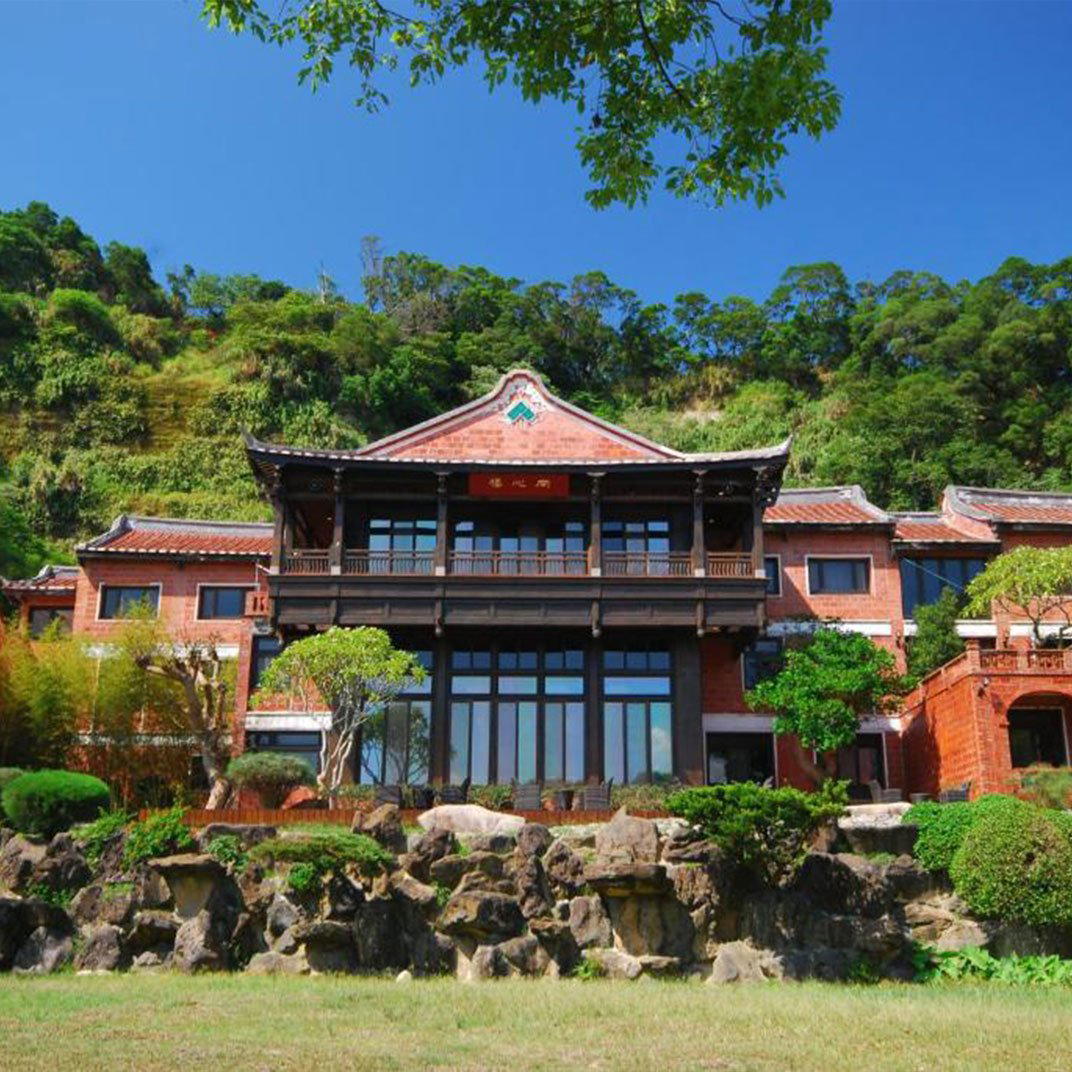
Walk into Chang Chang Kitchen on Guanghua Street and the first thing you register is not a kitchen, but a garden that found its way indoors. Hand-painted murals cover the walls, the owner's own work, and pots of greenery press into every available corner. The atmosphere reads less like a restaurant than a well-loved home. In a city more associated with technology campuses than dining destination rooms, a space like this sets a clear tone.
Hsinchu sits roughly 70 kilometres southwest of Taipei. The city's food culture is layered. Chang Chang Kitchen operates in a different register: a set-menu format anchored in home-style tradition, asking diners to sit down, slow down, and let the meal unfold.
Forty Years in the Kitchen, Eight Courses on the Table
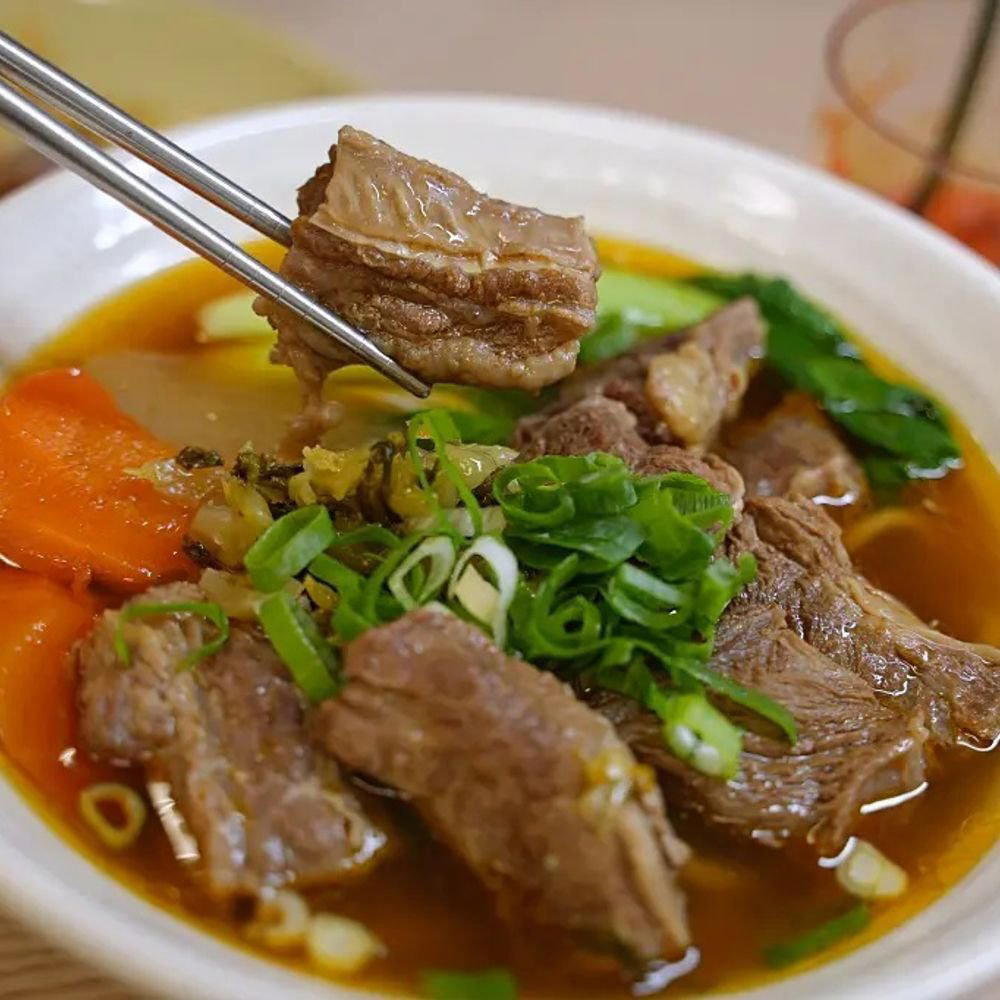
Taiwanese home-style cooking, what locals call jiā cháng cài, is a category often read too quickly. It tends to be dismissed as simple or unremarkable precisely because it does not perform. There is no tableside drama, no architectural plating borrowed from fine-dining conventions, no technique signalling. What there is, at its finest, is clarity: ingredients that taste like themselves, seasoning that stays in the background, and dishes that accumulate meaning over the course of a meal rather than landing in individual moments of impact.
Chang Chang Kitchen's head chef has been cooking professionally for more than 40 years. That credential matters not because longevity is a virtue in itself, but because Taiwanese home cooking at this level demands a kind of calibration that takes decades to develop. The eight-course set menu here is built around light seasoning, a deliberate choice that pushes the quality of the underlying ingredients to the foreground. This is a cooking philosophy common to regional tables across Taiwan. It is harder to execute than it appears: without sauce or spice to cover for weaker sourcing, every component has to earn its place.
The contrast with Taiwan's contemporary fine-dining tier is clear. Restaurants like JL Studio in Taichung and logy in Taipei operate in a mode that is explicitly international in reference and highly technical in execution. Chang Chang Kitchen pulls in exactly the opposite direction. It is not competing with that tier, and it is not trying to. The eight-course format is a structural nod to considered dining, but the content is resolutely domestic in origin and sensibility. That distinction is what gives the restaurant its particular authority.
The Room as a Statement
The design choices at Chang Chang Kitchen are deliberate rather than decorative. The owner's background in art and gardening has produced a space that communicates a specific value system: that beauty in a dining room should feel cultivated and personal rather than procured from a hospitality design firm. The hand-painted murals are not a gimmick; they are evidence of care applied over time, which is also what the food is. The greenery that fills the space reinforces the same message about living things that require attention.
Among Hsinchu's current restaurant set, this kind of character-led interior occupies a distinct position. Cat House and Garden.V each have their own identities, but Chang Chang Kitchen's atmosphere is specifically shaped by the owner's hands-on creative investment. The room feels warm and energetic, with friendly service and an animated atmosphere.
Taiwan's Home-Cooking Tradition in National Context
Chang Chang Kitchen sits within the broader arc of Taiwanese dining. International coverage has often focused on night-market culture or the emerging fine-dining scene, leaving serious home-style cooking underread.
Restaurants like Akame in Wutai Township and GEN in Kaohsiung represent other expressions of place-rooted Taiwanese cooking, each operating from a specific cultural and geographic identity. Chang Chang Kitchen's identity is urban and domestic: it comes from the tradition of cooking that Taiwanese families ate at home across generations, codified by a chef who has spent four decades refining it. That is a different lineage from the indigenous-ingredient-led work happening in southern Taiwan, but it deserves recognition as its own strand of the island's food culture.
Comparisons to celebrated destination restaurants elsewhere help calibrate the register. Where a chef-driven institution like Le Bernardin in New York City or Emeril's in New Orleans builds its identity around a singular chef voice and technical ambition, Chang Chang Kitchen's appeal is collective and traditional. The value is in the accumulated knowledge of a cooking culture, not in individual artistic expression. That framing is not a diminishment; it is simply a different and equally serious claim on the diner's attention. The resort dining experiences found at places like Volando Urai Spring Spa & Resort in Wulai District pursue an atmosphere of withdrawal from everyday life; Chang Chang Kitchen does the opposite, bringing the warmth of the domestic table into a public setting.
Planning a Visit
Chang Chang Kitchen is located at 102-3 Guanghua Street in the North District of Hsinchu City, accessible from the city centre. The set-menu format means timing your visit around a proper sit-down meal rather than a quick stop; the eight courses require the kind of unhurried evening the restaurant's atmosphere invites. Given the combination of a fixed-format menu, an intimate room, and a reputation that keeps diners returning, reservations are strongly advisable. No phone number or website is listed in current records, so advance booking is leading arranged through the restaurant directly in person or via local booking channels.
Continue exploring
More in Hsinchu City
Restaurants in Hsinchu City
Browse all →
Bars in Hsinchu City
Browse all →
At a Glance
- Family