CHILLIESINE 淇里思印度餐廳-新竹店 Indian Restaurant Hsinchu
Our verdict
In a city better known for rice noodles and pork-based street food, CHILLIESINE on Guanxin West Street positions Indian cuisine as a serious alternative to Hsinchu's predominantly local dining scene. The restaurant sits in the East District, placing it within reach of the city's tech-corridor workforce and a growing cohort of internationally minded diners. For Hsinchu, this is a relatively rare category to find done with any depth.

Pearl is the En Primeur Club membership app — saves, bookings, and concierge access live there. Same editors, same standards.
- Address
- No. 100號, Guanxin W St, East District, Hsinchu City, Taiwan 300
- Phone
- +88636663111
- Hours
- Mon–Thu 11 AM–2:30 PM, 5–9 PMFri 11 AM–2:30 PM, 5–9:30 PMSat–Sun 11 AM–3 PM, 5–9:30 PM
- Website
- chilliesine.com.tw
- Directions
- Get directions
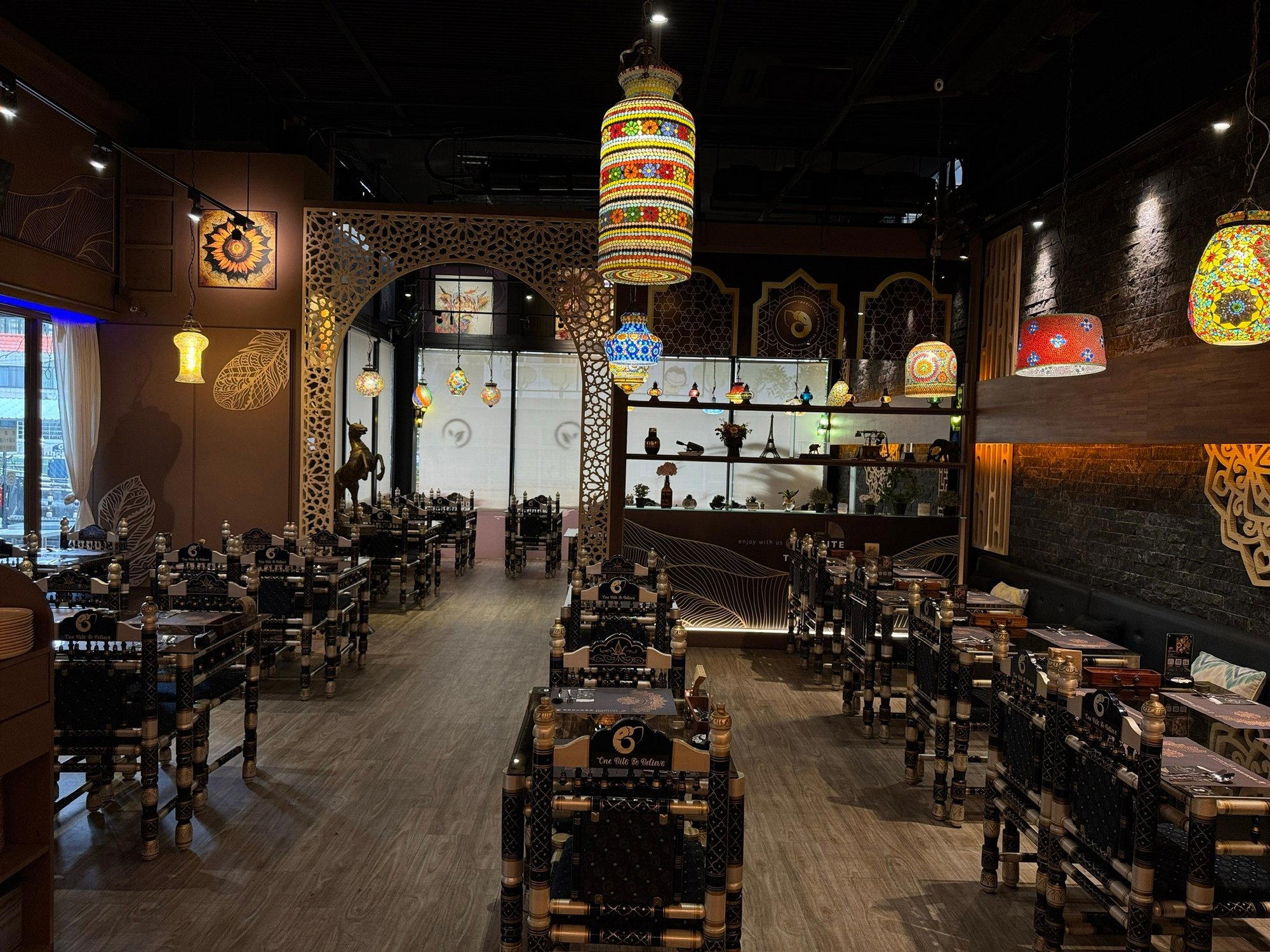
Indian Cuisine in a City That Rarely Does It
Hsinchu's dining identity is built on a narrow set of traditions: the rice noodle (mǐfěn) shops that line the old city streets, the guabao stalls near Dongmen, the pork-and-scallion combinations that define Taiwanese breakfast culture. Venues like Dongmen Rice Noodle Soup and Hai Kou Guabao anchor that tradition. Against this backdrop, an Indian restaurant operating on Guanxin West Street in the East District is not simply a dining option — it is a category unto itself in this city.
CHILLIESINE addresses a gap that is less visible in Taipei, where a handful of Indian kitchens serve the capital's more diverse population, but becomes significant in a mid-sized industrial city like Hsinchu. The semiconductor parks and science-based industrial zones that ring the city draw engineers and executives from India, Southeast Asia, and across East Asia. That population does not disappear when the workday ends, and the demand it creates for subcontinental cooking has historically gone unmet outside the capital.
What the Neighbourhood Tells You About the Audience
The East District address on Guanxin West Street places CHILLIESINE in one of Hsinchu's more commercially active zones, away from the atmospheric lanes of the old city but closer to the residential clusters and office developments that house the city's professional class. This is meaningful context. Restaurants in this part of Hsinchu tend to succeed or fail based on repeat weekday business rather than weekend destination traffic, which shapes both the menu approach and the price positioning a kitchen must adopt to remain viable.
For comparison, the Hsinchu dining scene's more experimental addresses — venues like Garden.V and Cat House, draw from a different traffic pattern, positioning themselves as occasion restaurants rather than neighbourhood staples. CHILLIESINE's location suggests a different orientation: accessible, repeatable, and built around a clientele that wants a familiar category executed consistently rather than a single destination meal.
Indian Cuisine in Taiwan: The Broader Picture
Across Taiwan, Indian restaurants occupy a small but identifiable niche. In Taipei, a cluster of South Asian kitchens operates near the Zhongshan and Daan areas, and a few have achieved the kind of sustained recognition that generates return business beyond the expat community. Cities like Taichung and Kaohsiung have their own smaller versions of this ecosystem. Hsinchu, despite its substantial migrant worker and professional population tied to the semiconductor industry, has had fewer established options in this category.
There is less competition and a more captive audience, but also less critical context and fewer reference points for local diners who may be encountering subcontinental cooking for the first time. Restaurants in this position function partly as introduction and partly as destination, a different kind of pressure than operating inside a dense, comparatively sophisticated dining scene like Taipei's, where venues such as logy are raising expectations across all categories.
Further afield, Taiwan's more acclaimed addresses, JL Studio in Taichung, GEN in Kaohsiung, Amei in Tainan, operate in a separate tier where critical recognition and award credentials define the conversation. CHILLIESINE sits outside that tier, functioning instead within the everyday dining layer that most people actually use most of the time.
Approaching a Visit
Lunch service at this category of restaurant tends to draw the office crowd, particularly in areas adjacent to commercial and industrial zones; weekday evenings can be busier than the surrounding streetscape suggests. If you are visiting from out of town, whether arriving via the Hsinchu HSR station or driving in from Hsinchu County, it is worth contacting the restaurant directly before assuming walk-in availability, especially on weekends when the residential neighbourhood generates its own traffic.
Hsinchu's broader dining scene rewards some advance planning. The full Hsinchu City restaurants guide maps the city's key dining clusters and can help orient a visit that covers multiple meals, from the local Taiwanese standards near Dongmen through to the more globally inflected options in the East District. For those extending travel across the region, the mountain dining of Akame in Wutai Township and the onsen setting of Volando Urai Spring Spa and Resort in Wulai District offer context for the range of dining experiences accessible from northern Taiwan.
Locally, those looking for variation within Hsinchu itself can anchor a day around the traditional Taiwanese set at Chang Chang Kitchen before moving toward CHILLIESINE for an evening meal. That pairing gives a reasonable cross-section of what the city's non-chain dining currently offers.
What to Expect from the Category
Indian restaurants operating in secondary Taiwanese cities tend toward northern Indian classics as the backbone of their menus: dal, paneer preparations, tandoor-cooked breads and proteins, and rice dishes ranging from biryani to simpler pilaf formats. Heat levels at Taiwan-based Indian restaurants are typically adjusted for local palates unless requested otherwise, which is worth knowing if you are ordering for a mixed table with varied spice tolerance.
For visitors who have eaten at Indian restaurants in cities with larger South Asian populations, London, Singapore, Dubai, the frame of reference needs adjustment. The Taiwan context means a smaller kitchen, a shorter supply chain for some specialty ingredients, and a dining room that skews toward the local professional class rather than a subcontinental diaspora community. That does not diminish the experience; it just repositions expectations toward what this type of restaurant does well in this specific setting.
Planning Onward
Those combining a Hsinchu visit with broader Taiwan travel will find the country's dining range considerable. Chi Yuan in New Taipei, Shen Yen in Yilan, and Abura Yakiniku in Taichung City each represent different facets of what Taiwan's mid-tier and specialist dining can do. The country's food scene operates at a different scale and with different critical infrastructure than, say, New York's (where Le Bernardin anchors one end of the spectrum) or San Francisco's (where Lazy Bear represents a format-driven alternative). Taiwan's strength is density of craft at accessible price points, and Hsinchu, including addresses like CHILLIESINE, participates in that pattern in its own way.
Frequently asked questions
Does CHILLIESINE Indian Restaurant Hsinchu work for a family meal?
Indian restaurants in Taiwan's secondary cities typically structure their menus around shareable dishes — dal, paneer preparations, bread, and rice — which suits group dining across ages. CHILLIESINE's East District location on Guanxin West Street is in a commercially active part of Hsinchu City, making it accessible rather than tucked into a difficult-to-reach lane. Specific seating capacity and private dining options are not formally documented, so contacting the venue directly before a larger family visit is advisable.
What's CHILLIESINE æ·éæå°åº¦é¤å»³-æ°ç«¹åº Indian Restaurant Hsinchu's location?
CHILLIESINE æ·éæå°åº¦é¤å»³-æ°ç«¹åº Indian Restaurant Hsinchu is located at No. 100è, Guanxin W St, East District, Hsinchu City, Taiwan 300, Hsinchu City.
Should I book CHILLIESINE æ·éæå°åº¦é¤å»³-æ°ç«¹åº Indian Restaurant Hsinchu in advance?
Reservations are recommended for CHILLIESINE æ·éæå°åº¦é¤å»³-æ°ç«¹åº Indian Restaurant Hsinchu in Hsinchu City. Confirm current policy via the venue's official channels.
What do critics highlight about CHILLIESINE æ·éæå°åº¦é¤å»³-æ°ç«¹åº Indian Restaurant Hsinchu?
CHILLIESINE æ·éæå°åº¦é¤å»³-æ°ç«¹åº Indian Restaurant Hsinchu is best approached by focusing on the core concept and signature offerings.
The Minimal Set
Comparable venues nearby, for context on price, style, and recognition.
| Venue | Cuisine | Price | Awards | Notes |
|---|---|---|---|---|
| CHILLIESINE 淇里思印度餐廳-新竹店 Indian Restaurant HsinchuThis venue — the venue you are viewing | 道地印度料理 | $10–20 | Not listed | Not listed |
| Duan Chun Zhen | Traditional Taiwanese Beef Noodles with Sichuan Flavors | $10–20 | Not listed | East District, Traditional Taiwanese Beef Noodles with Sichuan Flavors |
| 弄味小廚 客家菜系 | Hakka Home-Style Cuisine | $10–20 | Not listed | East District, Hakka Home-Style Cuisine |
| 原味鴨肉麵 | Taiwanese Raw Fish Noodles | $1–10 | Michelin Bib Gourmand | Hsinchu City, Taiwanese Raw Fish Noodles |
| Yi Hsuan | Taiwanese Home-Style | Not listed | Michelin Plate | Hsinchu City, Taiwanese Home-Style |
| 皿富器食 | Cozy Asian Eatery | $10–20 | Michelin Plate | East District, Modern Taiwanese Fine Dining |
Continue exploring
More in Hsinchu City
Restaurants in Hsinchu City
Browse all →
Bars in Hsinchu City
Browse all →
Details
- Classic
- Group Dining
- Casual Hangout
- A La Carte
- Vegetarian Friendly
Current opening hours
- Monday
- 11 AM–2:30 PM, 5–9 PM
- Tuesday
- 11 AM–2:30 PM, 5–9 PM
- Wednesday
- 11 AM–2:30 PM, 5–9 PM
- Thursday
- 11 AM–2:30 PM, 5–9 PM
- Friday
- 11 AM–2:30 PM, 5–9:30 PM
- Saturday
- 11 AM–3 PM, 5–9:30 PM
- Sunday
- 11 AM–3 PM, 5–9:30 PM
Hours can change for holidays and private events. Last verified .
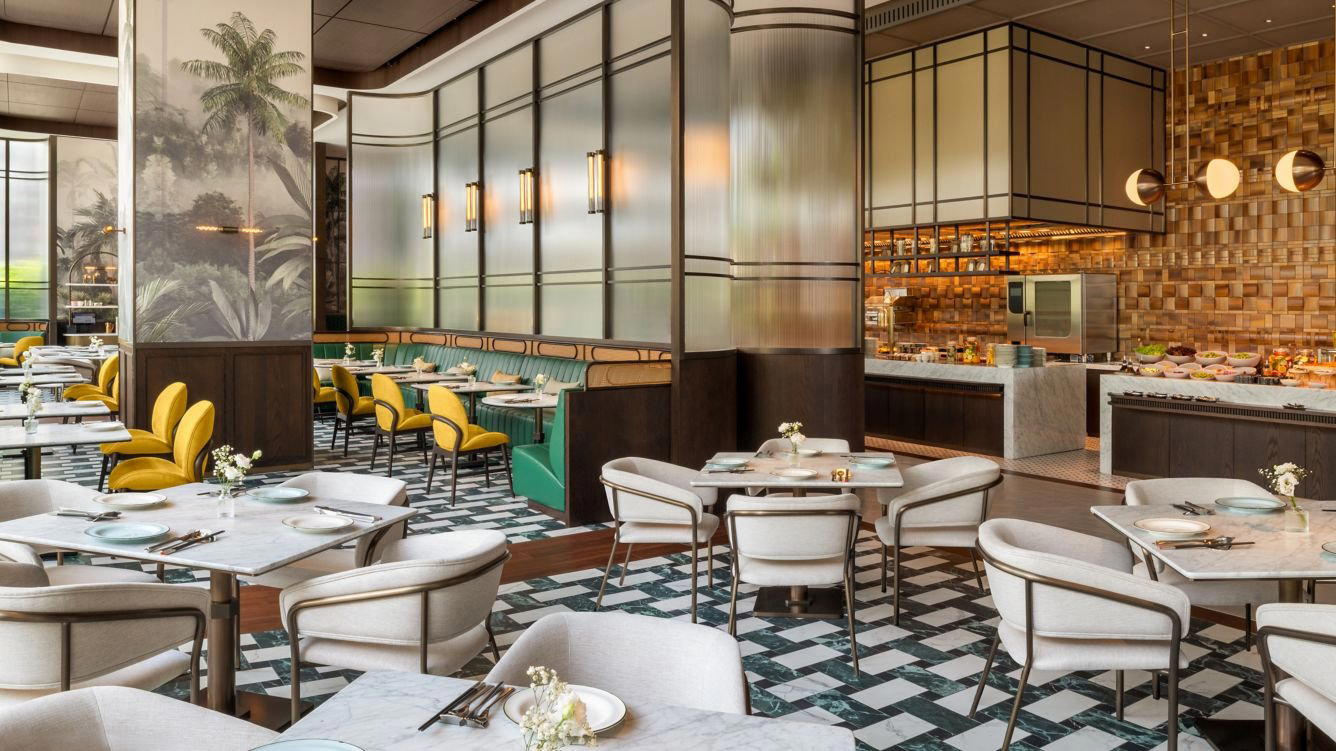
彩色玻璃吊燈與印度風桌椅營造華麗濃厚異國氛圍