TAIVII

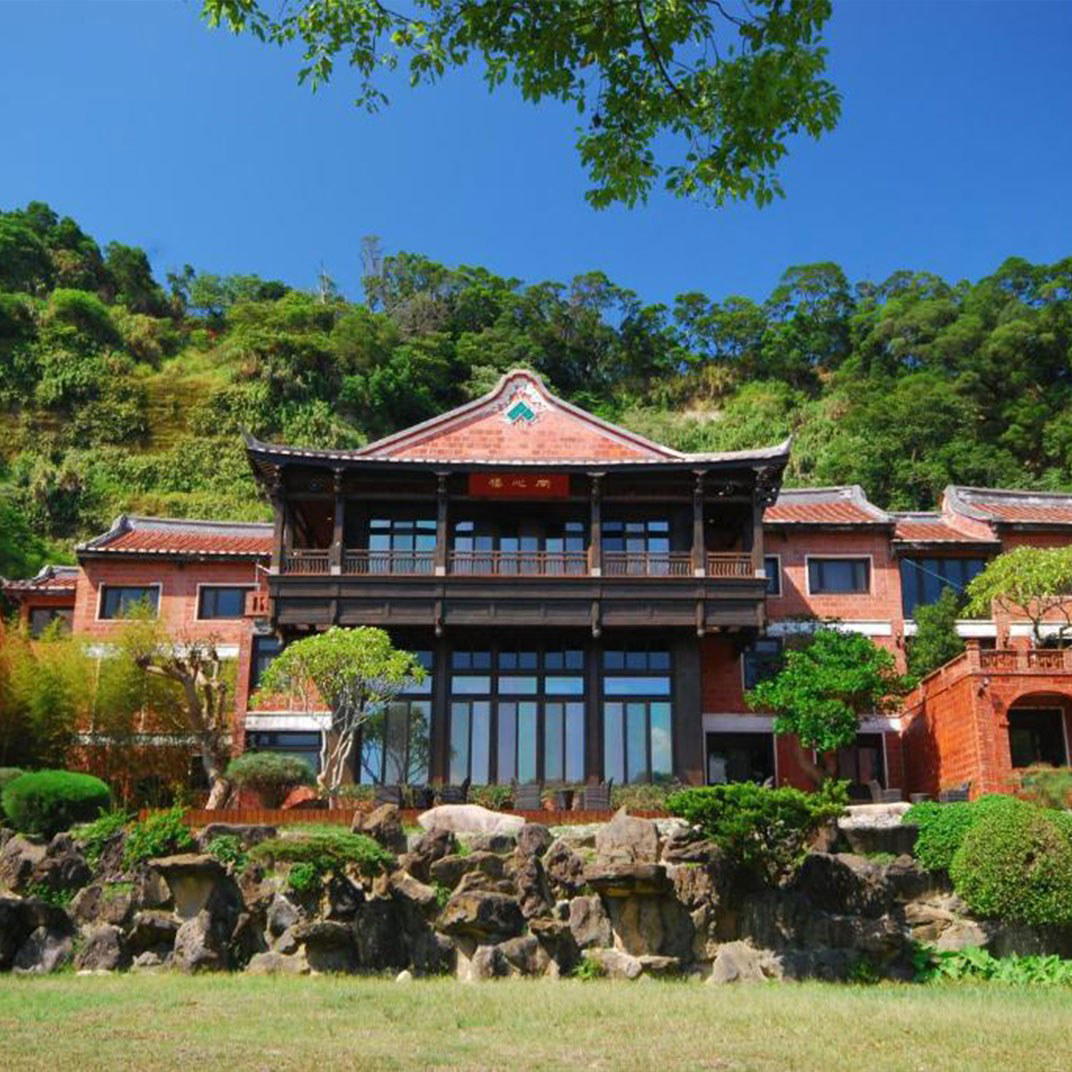
Set inside a painstakingly restored 1920s Japanese-style residence on Dongmen Street, TAIVII reframes Hakkanese cooking as a refined sit-down proposition in a city better known for its street food circuit. Traditional Taiwanese ingredients are composed into measured, modern plates within a heritage building that carries genuine historical weight as the former home of local educator Hsin Chih-ping.
Pearl is the En Primeur Club membership app — saves, bookings, and concierge access live there. Same editors, same standards.
- Address
- The Former Residence of Hsin Chih-ping, 32 Dongmen Street, East District
- Phone
- +886 3 525 0353
- Directions
- Get directions
 Saves & bookings on Pearl
A 1920s Residence as Dining Room
Hsinchu's East District holds a cluster of preserved Japanese-era buildings that most visitors walk past on the way to the old city gate. The Former Residence of Hsin Chih-ping at 32 Dongmen Street is one of the few that has been returned to active use. The timber-framed structure, built in the 1920s when Hsinchu was a prosperous colonial administrative centre, carries the layered materiality of that period: low eaves, screened verandas, and interior proportions that favour calm over spectacle. Arriving here at midday, when light filters through the wooden lattice and the street outside carries the ambient noise of the old quarter, the physical setting does much of the work before the first dish arrives.
TAIVII occupies this building as a modern Hakkanese Taiwanese restaurant, and the choice of location is not merely decorative. The residence belonged to a prominent local educator, which grounds the space in Hsinchu's civic identity rather than in generic heritage aesthetics. Restoration was carried out with evident care, preserving the architectural character while accommodating a full-service dining operation. Compared to the city's more casual eating options along Dongmen Street, including Dongmen Rice Noodle Soup and Hai Kou Guabao, TAIVII operates in a different register entirely: sit-down service, composed plates, and a setting that asks for a slower pace.
Hakkanese Cooking in a Modern Frame
Taiwan's culinary identity is frequently reduced to a shortlist of street dishes, but the island's Hakka minority has maintained a distinct food tradition shaped by preservation techniques, frugality, and fermentation. Hsinchu and its surrounding county hold one of Taiwan's largest Hakka populations, which makes the city a more meaningful address for this cooking than, say, Taipei, where Hakka restaurants operate largely as regional curiosities. TAIVII works from this local inheritance and reinterprets it through a modern Taiwanese lens: quality-driven sourcing, refined plating, and a compositional sensibility that owes something to the broader wave of contemporary Taiwanese cooking that venues like JL Studio in Taichung and logy in Taipei have developed at higher price points and with greater international recognition.
Where those restaurants position themselves at the apex of Taiwan's fine-dining tier, TAIVII operates closer to the accessible end of upscale dining, with a focus on nuanced flavours drawn from traditional Hakkanese ingredients rather than on technical showmanship. The cooking is described as modern Hakkanese Taiwanese, with Hakka flavour signatures, earthier, more savoury, built on preserved and slow-cooked elements, present but not insistently rustic. The result sits in a middle register that Hsinchu's dining scene does not have in abundance: too composed for a family canteen, too grounded for the kind of abstract modernism found at GEN in Kaohsiung.
Lunch and Dinner: Two Different Propositions
The lunch-versus-dinner divide at TAIVII is worth thinking through before booking. In Hsinchu, as in most Taiwanese cities outside Taipei, the evening restaurant scene is more compressed than visitors expect. The bulk of serious eating happens at lunch or in the early evening, and venues that aim at a refined experience often find their most relaxed service during the midday window. At TAIVII, the setting reinforces this pattern: the historical building reads differently in natural daylight, when the wooden architecture and garden elements are most visible, compared to evening, when the atmosphere shifts toward something more intimate but loses some of the spatial legibility that makes the heritage context readable.
From a practical standpoint, a lunch visit allows you to read the building, the neighbourhood, and the food simultaneously. The East District at midday is active without being congested. You can walk the old city gate precinct before or after the meal, and the surrounding streets hold several other independently operated restaurants worth noting. Cat House, Chang Chang Kitchen, and Garden.V all operate in the same general district and offer contrast without requiring you to move far. A dinner booking at TAIVII suits a different visit: quieter, more focused on the food itself, with the building's warmth replacing the daytime architectural clarity.
Neither timing is wrong, but the editorial recommendation leans toward lunch for a first visit, particularly for travellers who want to absorb the heritage context alongside the meal rather than in spite of the darkness outside.
Where TAIVII Sits in Taiwan's Broader Dining Conversation
Taiwan's upscale dining tier has consolidated around Taipei, with a handful of venues in Taichung and Kaohsiung commanding national and international attention. Hsinchu, despite being a prosperous science and technology city with a sophisticated resident population, has historically punched below its weight in this category. TAIVII represents the kind of local proposition that fills that gap: a venue anchored in place-specific culinary heritage, housed in a building with genuine historical credentials, and operating at a price and format that makes sense for the city's dining culture without attempting to replicate the tasting-menu ambitions of Taipei's most decorated addresses.
The comparison to venues like Zhu Xin Ju in Tainan and Akame in Wutai Township is instructive: both operate outside Taipei and both draw their authority from deep local specificity rather than from proximity to the capital's culinary infrastructure. TAIVII follows a similar logic, using Hakkanese heritage and a Hsinchu-specific building as its foundation. For international visitors accustomed to heritage-building restaurants at the level of Le Bernardin in New York City or operationally complex venues like Emeril's in New Orleans, the scale here is more intimate and the ambitions more locally calibrated, but the underlying logic of place-as-identity is comparable. The cooking speaks for the city it is in, which is a harder thing to achieve than it sounds.
Planning Your Visit
TAIVII is located at the Former Residence of Hsin Chih-ping, 32 Dongmen Street, East District, Hsinchu City. The address places it within walking distance of the East Gate, one of Hsinchu's most intact heritage landmarks, making it a natural anchor point for a day spent in the old city quarter. Given that this is a sit-down upscale venue in a restored historical building with limited seating capacity typical of such properties, advance enquiry about availability is advisable, particularly for weekend lunch service when demand from local residents tends to run higher. Arriving with flexibility is the practical approach.
Just the Basics
Comparable venues nearby, for context on price, style, and recognition.
| Venue | Cuisine | Price | Notes |
|---|---|---|---|
| TAIVIIThis venue — the venue you are viewing | Not listed | $$$ | Not listed |
| Yummy | East District, Taiwanese Contemporary | $$ | Not listed |
| 廟口鴨香飯 | East District, Taiwanese Stinky Tofu | $$ | Not listed |
| Jun | Hsinchu City, Modern Japanese | $$$ | Not listed |
| 常嚐料理廚房 | Hsinchu City, Chinese Restaurant | Not listed | Not listed |
| Garden.V | Not listed | $$ | East District, Authentic Jiangzhe (Shanghai-style) Chinese |
Recognition history
Dated appearances from independent guides and award organizations, with the underlying list record or original source where available.
Michelin Plate
Michelin
Continue exploring
More in Hsinchu City
Restaurants in Hsinchu City
Browse all →
Bars in Hsinchu City
Browse all →
At a Glance
- Cozy
- Warm
- Elegant
- Modern
- Special Occasion
- Historic Building
- Local Sourcing
Current opening hours
- Monday
- Closed
- Tuesday
- 11:30 AM–3 PM, 6–11 PM
- Wednesday
- 11:30 AM–3 PM, 6–11 PM
- Thursday
- 11:30 AM–3 PM, 6–11 PM
- Friday
- 11:30 AM–3 PM, 6–11 PM
- Saturday
- 11:30 AM–3 PM, 6–11 PM
- Sunday
- 11:30 AM–3 PM, 6–11 PM
Hours can change for holidays and private events. Last verified .
Cosy and warm vibe in a historical building with Japanese-style architecture.