Our verdict
Baba Gump Shrimp Tokyo occupies the ground floor of LaQua in Bunkyo City, bringing the American chain's shrimp-focused format to a Tokyo shopping and spa complex. The setting places casual American comfort food inside one of the city's leisure destinations, making it a recognizable reference point for visitors already familiar with the brand from the United States or other Asian locations.

Pearl is the En Primeur Club membership app, where members save venues, book tables and use the concierge.
The menu
What to order
- Shrimper's Net Catch
- Forrest's Seafood Feast
- Coconut Shrimp
American Chain Dining in Tokyo: Where LaQua Fits the Picture
Tokyo's restaurant scene operates across a unusually wide spectrum. At one end sit counters like Harutaka and rooms like RyuGin, where sourcing decisions are made fish-by-fish and season-by-season. At the other end sits a category of international chain restaurants that serve a different function entirely: familiarity, accessibility, and a format that requires no research before you walk in. Baba Gump Shrimp Tokyo, located on the ground floor of the LaQua shopping and leisure complex in Bunkyo City's Kasuga district, belongs to that second category. Understanding what it is, and what it is not, is the only useful starting point.
The LaQua complex opened in 2003 as part of the Tokyo Dome City development, a mixed-use zone built around the stadium that draws large visitor numbers year-round. The ground-floor retail and dining strip targets a broad demographic: families, tourists, groups looking for a meal between activities. Baba Gump Shrimp, the American chain that takes its name from the 1994 film Forrest Gump, has operated locations across the United States, Southeast Asia, and Japan for several decades. The Tokyo branch at LaQua puts it in a leisure-anchored dining context that makes direct commercial sense for the format.
The Sourcing Logic Behind Shrimp-Focused Chain Dining
The editorial angle that matters most for a shrimp-focused American chain operating in Japan is the gap between what that format promises and what Tokyo's broader ingredient culture delivers. Japan's seafood procurement standards are among the most demanding in the world. The Tsukiji outer market and its successor wholesale operations at Toyosu set benchmarks for freshness and traceability that inform even casual dining in many parts of the city. That context makes the sourcing conversation at any imported chain concept worth raising.
American casual chains in the shrimp category typically source from large-scale aquaculture operations, predominantly in Southeast Asia and Central America, with supply chains that prioritize consistency and volume over provenance specificity. This is not a criticism unique to any single brand; it is the structural reality of operating a multi-location chain format at accessible price points. The contrast with Tokyo's native seafood culture is simply stark. Restaurants like L'Effervescence and Sézanne have built their reputations partly on the quality and traceability of Japanese produce; even mid-market Japanese restaurants frequently name the fishing port or prefecture behind their seafood. A chain format operating to standardized global supply specifications sits in a different conversation altogether.
That distinction is not a reason to dismiss the venue outright. It is a reason to be clear about what you are choosing when you sit down here. For visitors who want a known quantity in an unfamiliar city, the familiarity of a recognized format has genuine value. The decision is an honest one, provided it is made with full information.
Bunkyo City and the LaQua Dining Context
Bunkyo City is not Tokyo's primary dining destination. The ward is renowned for the Tokyo Dome, the surrounding amusement and spa facilities, Koishikawa Korakuen Garden, and a cluster of university campuses. Its restaurant offer skews toward casual, high-turnover formats that serve the leisure complex's visitor base rather than destination dining. The LaQua strip in particular is designed for convenience: meals before or after a spa visit, stadium events, or family outings.
For visitors specifically at LaQua for its spa facilities or a Tokyo Dome event, the ground-floor dining options including Baba Gump Shrimp serve a practical function. For visitors traveling specifically for food, the Bunkyo City address is not the starting point. Tokyo's most discussed dining at the premium and mid-premium level concentrates in Ginza, Minami-Aoyama, Shinjuku, and Shibuya. Travelers planning a serious eating itinerary should consult our full Tokyo restaurants guide before building a schedule around any single Bunkyo address.
How This Format Compares Across Japan's Chain-Accessible Cities
International casual chains with Japanese outposts tend to cluster in high-footfall leisure or shopping developments. The same logic applies in Osaka, where a different caliber of restaurant culture operates alongside mall-anchored chains; venues like HAJIME in Osaka represent the city's serious dining tier, which exists independently of its shopping-center casual offer. Kyoto has a similar bifurcation, with Gion Sasaki anchoring the traditional high end while tourist-district formats serve a different audience entirely.
Japan's regional restaurant culture, from akordu in Nara to Goh in Fukuoka, demonstrates how seriously ingredient sourcing is taken outside of chain formats. The contrast is instructive: Japan has built one of the world's most sophisticated food cultures precisely because its serious restaurants, at almost every price point, treat sourcing as a primary discipline rather than a logistics problem to be solved at scale.
Planning a Visit: What to Know Before You Go
The venue is located at 1 Chome-1-1 Kasuga, Bunkyo City, on the first floor of LaQua, the shopping complex connected to Tokyo Dome City. Access is direct from Korakuen Station on the Tokyo Metro Marunouchi and Namboku lines, or from Suidobashi Station on the JR Chuo-Sobu Line. The location is walkable from both exits with no navigational complexity.
| Venue | Cuisine | Price Tier | Booking Required |
|---|---|---|---|
| Baba Gump Shrimp Tokyo | American Casual / Shrimp Chain | Not confirmed | Walk-in likely |
| Harutaka | Sushi | ¥¥¥¥ | Advance required |
| L'Effervescence | French | ¥¥¥¥ | Advance required |
| Crony | Innovative, French | ¥¥¥¥ | Advance required |
| RyuGin | Kaiseki, Japanese | ¥¥¥¥ | Advance required |
For serious food research in Tokyo or across Japan's regions, including venues in Nanao, Sapporo, Takashima, Nishikawa Machi, Sakai, and Toyohashi, or for international reference points like Le Bernardin in New York City and Atomix, the EP Club guide covers each in editorial depth.
Frequently Asked Questions
Budget and Context
Comparable venues nearby, for context on price, style, and recognition.
| Venue | Cuisine | Price | Awards | Notes |
|---|---|---|---|---|
| ババ・ガンプ・シュリンプ 東京店This venue (the venue you are viewing) | American Seafood - Shrimp Specialists | $30–50 | Not listed | Not listed |
| THE GRABBER hamburger pub | UK-style gourmet burger pub | $20–30 | Tabelog 100 #40 | Chiyoda, UK-style gourmet burger pub |
| Brothers Nihonbashi takashimaya ten | Gourmet Hamburger Restaurant | $20–30 | Tabelog 100 #66 | Chūō, Gourmet Hamburger Restaurant |
| BROZERS' Take Out Ningyouchou ten | Gourmet Burgers | $10–20 | Tabelog 100 #91 | Chūō, Gourmet Burgers |
| McLean -old burger stand- | Classic American-style burger stand | $20–30 | Tabelog 100 #82 | Taitō, Classic American-style burger stand |
| CHATTY CHATTY | Gourmet American-style Burger Shop | $20–30 | Tabelog 100 #90 | Shinjuku, Gourmet American-style Burger Shop |
Continue exploring
More in Tokyo
Restaurants in Tokyo
All restaurants in Tokyo →
Bars in Tokyo
All bars in Tokyo →
Details
- Lively
- Trendy
- Energetic
- Group Dining
- Casual Hangout
- Family
- Celebration
- Standalone
- Sake Program
- A La Carte
Current opening hours
- Monday
- 11 AM–10:30 PM
- Tuesday
- 11 AM–10:30 PM
- Wednesday
- 11 AM–10:30 PM
- Thursday
- 11 AM–10:30 PM
- Friday
- 11 AM–10:30 PM
- Saturday
- 11 AM–10:30 PM
- Sunday
- 11 AM–10:30 PM
Hours can change for holidays and private events. Hours as of .
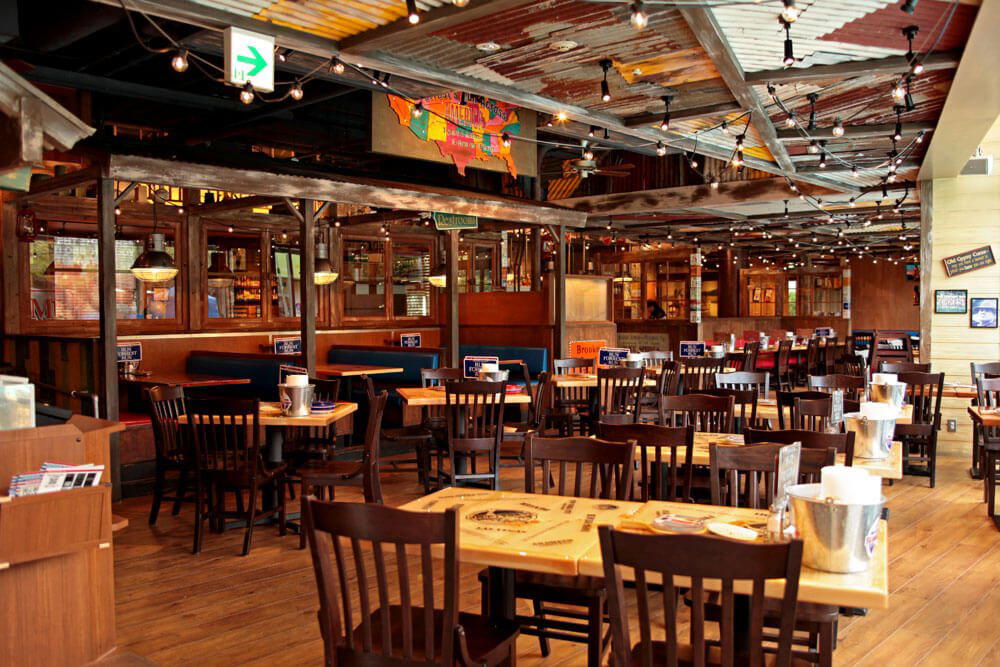
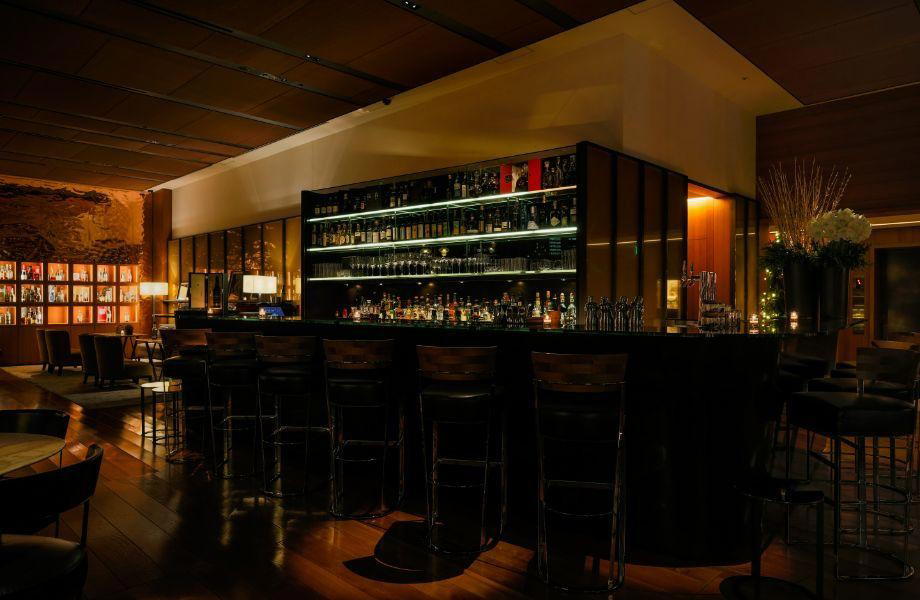
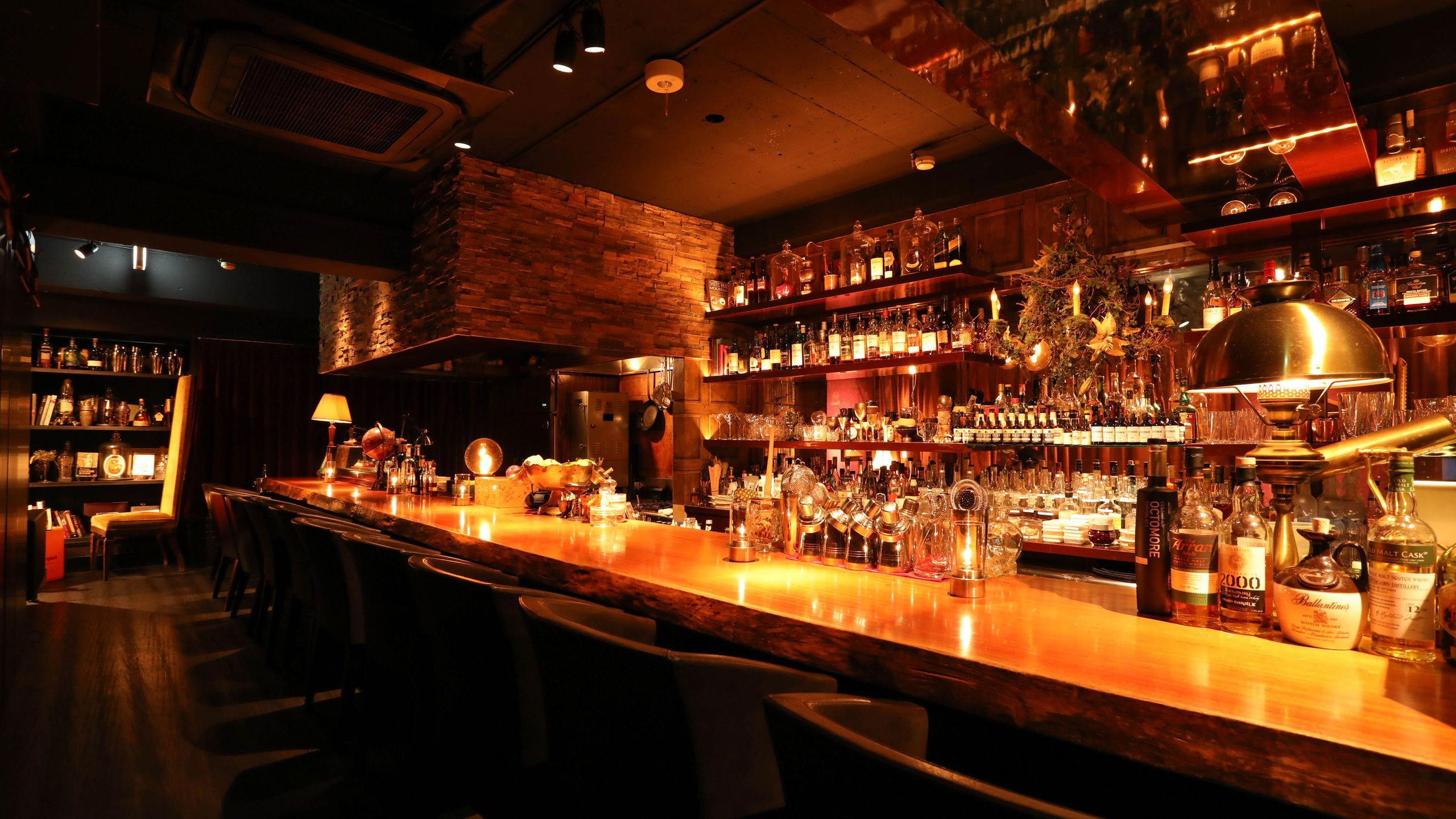
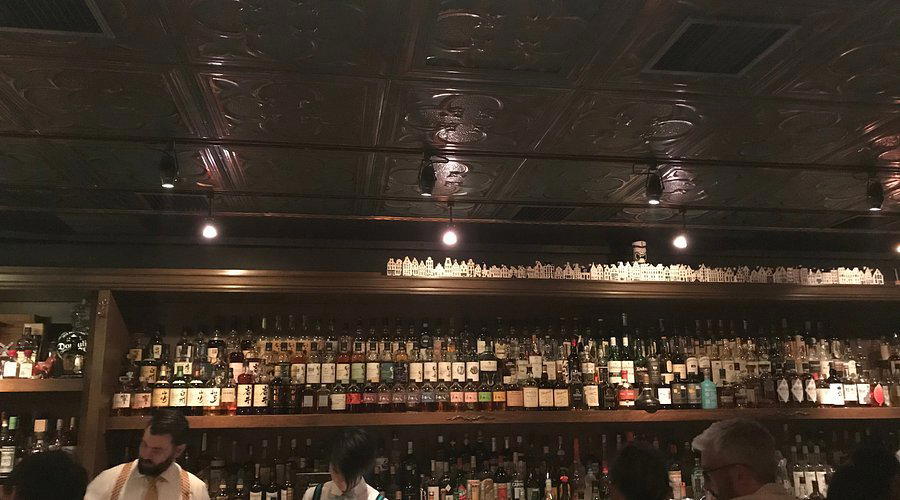
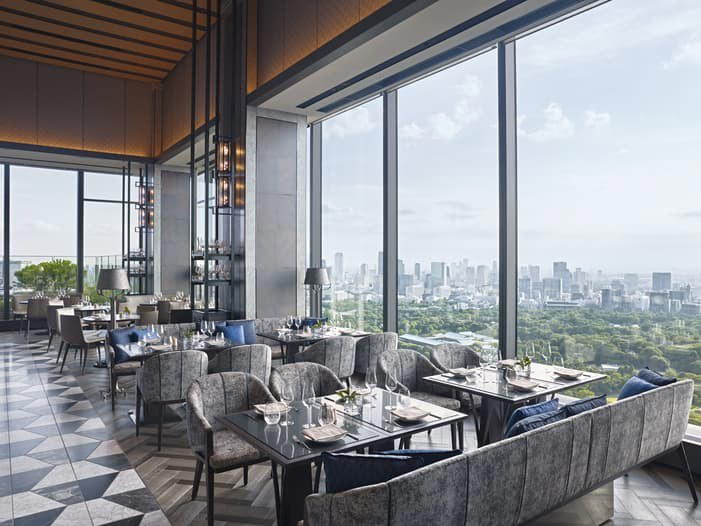
Wood-based interior with lively, fun movie-themed decorations creating an energetic and casual dining vibe reminiscent of a theme park restaurant.