Bullys Burger sits in Frankfurt's Bockenheim district at Am Weingarten 12, operating within a city where the burger format has evolved from fast-food fallback to a serious casual dining category. For visitors moving between the financial district and the Main riverfront, it offers a neighbourhood-rooted alternative to the chain-dominated options closer to the centre.
 Discover on Pearl
Pearl is the En Primeur Club membership app — saves, bookings, and concierge access live there. Same editors, same standards.
- Address
- Am Weingarten 12, 60487 Frankfurt am Main, Germany
- Phone
- +496971432667
- Website
- bullys-burger-ffm.de
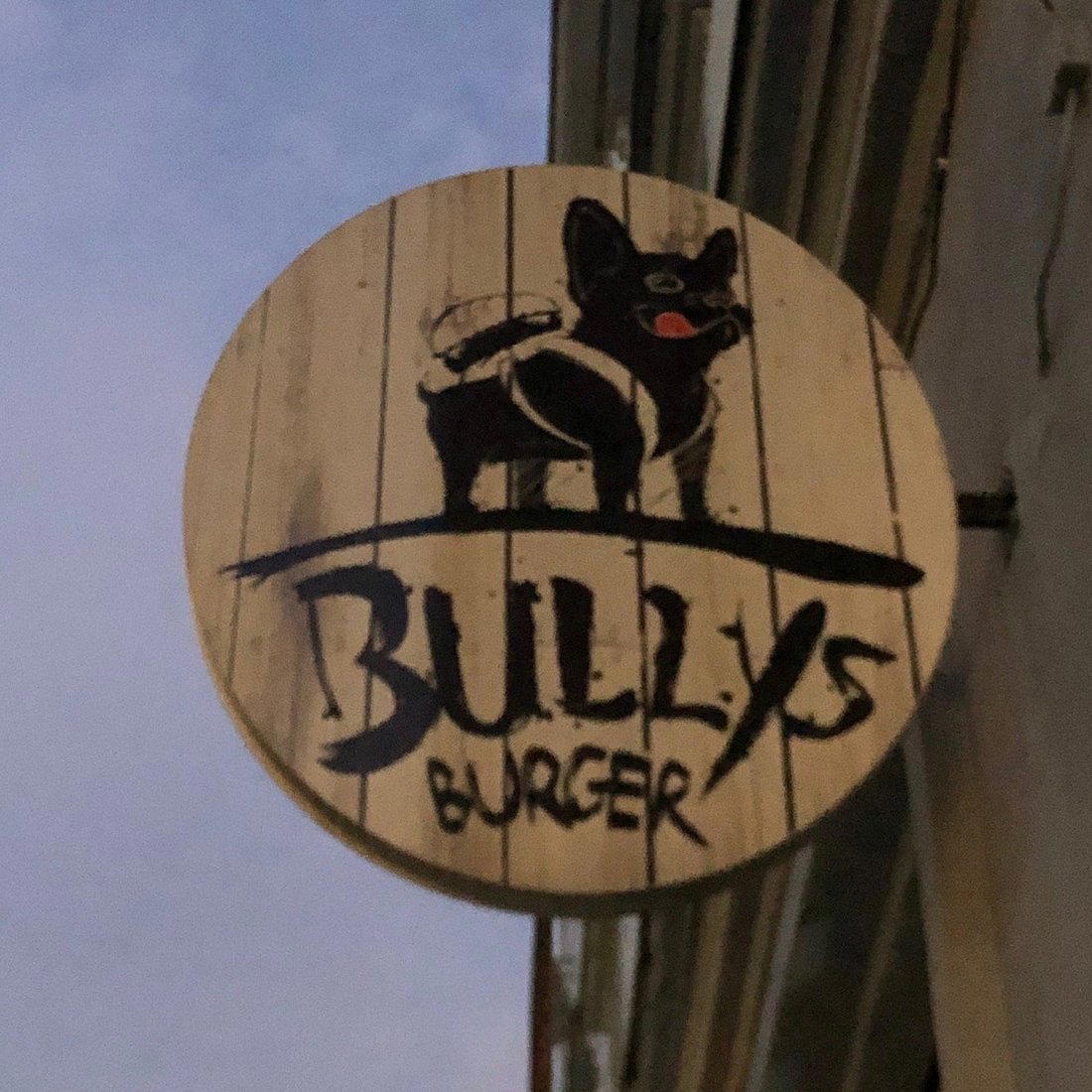
Where Frankfurt's Casual Dining Scene Takes a Neighbourhood Turn
Bullys Burger is a casual American burger restaurant in Frankfurt am Main, located at Am Weingarten 12 in the Bockenheim district. Frankfurt has a well-documented split in its restaurant culture. On one side sit the high-end tasting-menu houses that make Germany's broader fine dining reputation, operations like Schwarzwaldstube in Baiersbronn, Aqua in Wolfsburg, and Vendôme in Bergisch Gladbach draw comparisons that define the national conversation. On the other side sits the city's expanding casual tier, where neighbourhood spots in Bockenheim, Nordend, and Sachsenhausen handle the daily rhythms of a working financial capital. Bullys Burger occupies the latter world, based at Am Weingarten 12, 60487 Frankfurt am Main, in the Bockenheim district, a neighbourhood that has long functioned as the city's less-polished, more student-oriented counterweight to the corporate gloss of the Bankenviertel.
Bockenheim operates differently from central Frankfurt. The streets around Am Weingarten carry a density of independent operators that the city centre, with its international chains and tourist-facing economy, largely lacks. That context matters when reading any burger-focused venue in this part of the city: the format competes not against steakhouses or formal restaurants, but against a local eating culture built on Apfelwein taverns, Turkish snack bars, and Italian trattorias that have embedded themselves over decades.
The Burger Format in a City of Schnitzel and Cider
Germany's relationship with the burger as a serious food category took time to develop. For most of the late twentieth century, the format was imported fast-food territory, dominated by the same international operators found in any European capital. The shift came gradually through the 2010s, when independent operators began treating the burger as a craft product: sourcing beef regionally, managing grinding and fat ratios deliberately, and designing build sequences that reflected a kitchen's actual capability rather than a franchise manual.
Frankfurt followed that national arc, though its casual dining growth has been somewhat quieter than Berlin's or Hamburg's. Cities like Hamburg, home to Restaurant Haerlin at one end of the spectrum, developed more visible independent food cultures earlier. Frankfurt's version is more dispersed across its neighbourhoods, making individual operators harder to track from outside the city but no less embedded in the fabric of local eating.
The burger's appeal in this context is legibility. Unlike a tasting-menu format, where something like CODA Dessert Dining in Berlin inverts the conventional meal structure entirely, the burger offers a format most diners read instinctively. The sequence is compressed: a single course that nonetheless carries decisions about temperature, fat, acid, and texture that a kitchen makes deliberately or accidentally, and that a diner experiences all at once rather than across a progression of plates.
Reading a Burger Counter as a Progression
The tasting-progression framing that works for multi-course restaurants applies differently to a burger operation, but it applies. Where a meal at JAN in Munich or ES:SENZ in Grassau builds narrative arc across eight or twelve courses, a burger counter compresses that arc into a single moment of construction and consumption. The bun-to-patty ratio, the placement of sauce, the temperature differential between a hot patty and cold dressed toppings: these are sequencing decisions made in the kitchen before the plate reaches the table.
Serious burger operations treat this compression as a discipline. The questions that define quality at this format level are consistent across cities: Is the beef ground to order or pre-ground? What fat percentage is the house blend? Is the bun baked in-house or sourced? Is the cheese applied to melt on the hot patty or added cold? Each answer reflects a set of deliberate choices, and the cumulative effect of those choices determines whether a burger counter earns loyalty from a neighbourhood or simply fills a gap.
For Bullys Burger, the specific answers to those questions are not stated here. What is clear is the address context: Am Weingarten 12 puts the operation inside a Bockenheim eating culture that is accustomed to independent operators who earn their standing through consistency rather than marketing. That is a more demanding test than operating in a tourist corridor.
Frankfurt's Neighbourhood Eating and Where This Fits
Bockenheim's dining scene overlaps in interesting ways with operations across the city. Venues like Babam, ALEJANDRO'S, Allgaiers Restaurant, Ariston, and atm by Deli&Grape; each represent different points on the city's casual-to-formal spectrum, and collectively they map a dining culture that rewards specificity over scale. Bullys Burger sits in the casual tier of that map, in a district where lunch trade from the nearby university and evening trade from local residents define the operating rhythm more than corporate expense accounts or tourist flows.
For visitors to Frankfurt who are spending time west of the city centre, the Am Weingarten address is a direct fifteen-minute walk or short tram ride from the Hauptbahnhof. The location is also convenient for anyone spending time in Bockenheim for other reasons: the district carries a density of bookshops, independent cafés, and food market activity that makes it worth an afternoon regardless of where you eat. For a broader orientation to eating across the city, the EP Club full Frankfurt restaurants guide maps the competitive landscape across neighbourhoods and price tiers.
Planning Your Visit
Am Weingarten 12 is a publicly accessible address in a walkable neighbourhood, and the surrounding area, with its mix of student-oriented and local-resident trade, suggests the kind of operation that handles walk-in traffic as its primary model rather than advance reservations. Schanz in Piesport, Waldhotel Sonnora in Dreis, Victor's Fine Dining by christian bau in Perl, and internationally, Le Bernardin in New York City and Lazy Bear in San Francisco,
The Minimal Set
Comparable venues nearby, for context on price, style, and recognition.
| Venue | Cuisine | Price | Notes |
|---|---|---|---|
| Bullys BurgerThis venue — the venue you are viewing | Messegelande, American Burgers | $$ | |
| Bozz Burger | Roemerberg, American Burgers | $$ | |
| China Haus | Messegelande, Authentic Sichuan Chinese | $$ | |
| Shalom Makkabi | $$ | Palmengarten, Kosher Israeli-Mediterranean Grill | |
| STADTSALAT | Goethehaus, Healthy Salads & Bowls | $$ | |
| Bei Frau Nanna | $$ | Sachsenhausen, Mediterranean with Vegan Options |
Continue exploring
More in Frankfurt
Restaurants in Frankfurt
Browse all →
Bars in Frankfurt
Browse all →
Hotels in Frankfurt
Browse all →
At a Glance
- Cozy
- Trendy
- Casual Hangout
- Local Sourcing
- Organic
Cozy with modern cute decor, small dark space per some reviews.