Babam occupies a quietly noted address on Münchener Strasse in Frankfurt's Bahnhofsviertel, a district that has become one of the city's most discussed dining corridors. Confirmation of hours, booking requirements, and current menu format is best obtained directly before visiting.
 Discover on Pearl
Pearl is the En Primeur Club membership app — saves, bookings, and concierge access live there. Same editors, same standards.
- Address
- Münchener Str. 11, 60329 Frankfurt am Main, Germany
- Phone
- +496924004455
- Website
- babam.de
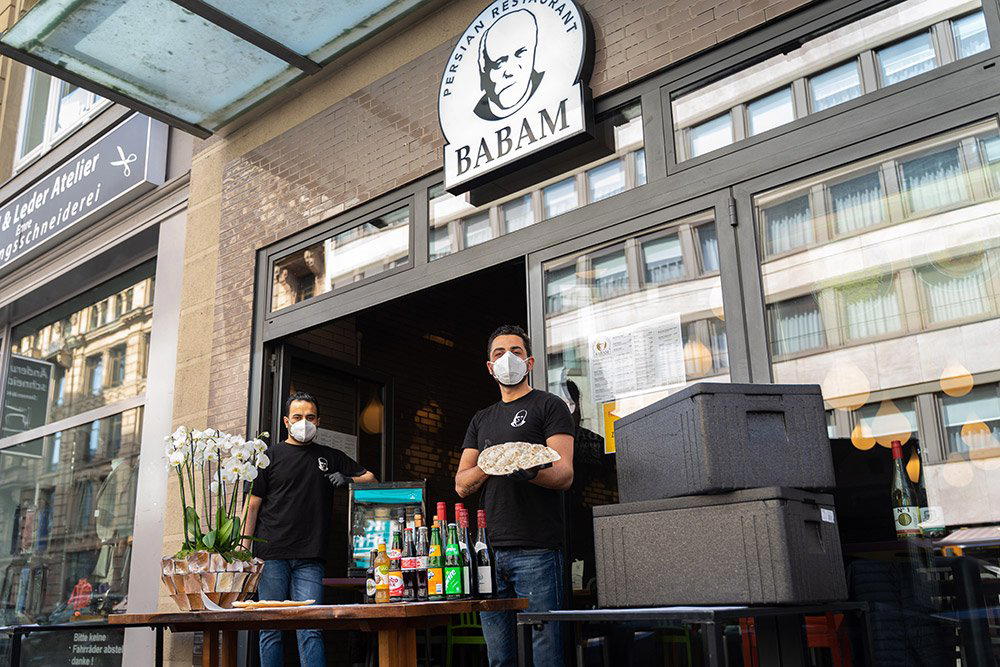
A Street That Earns Its Attention
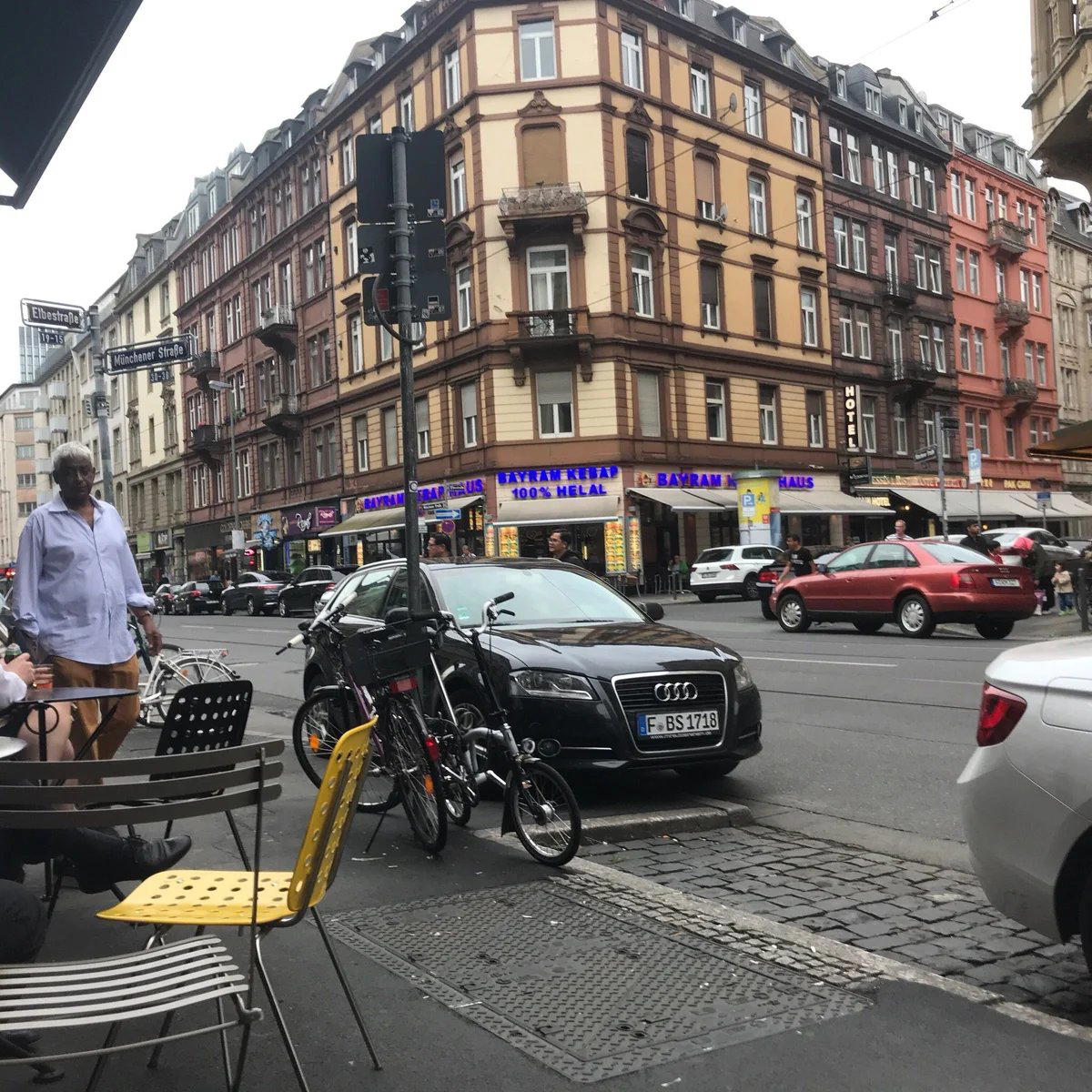
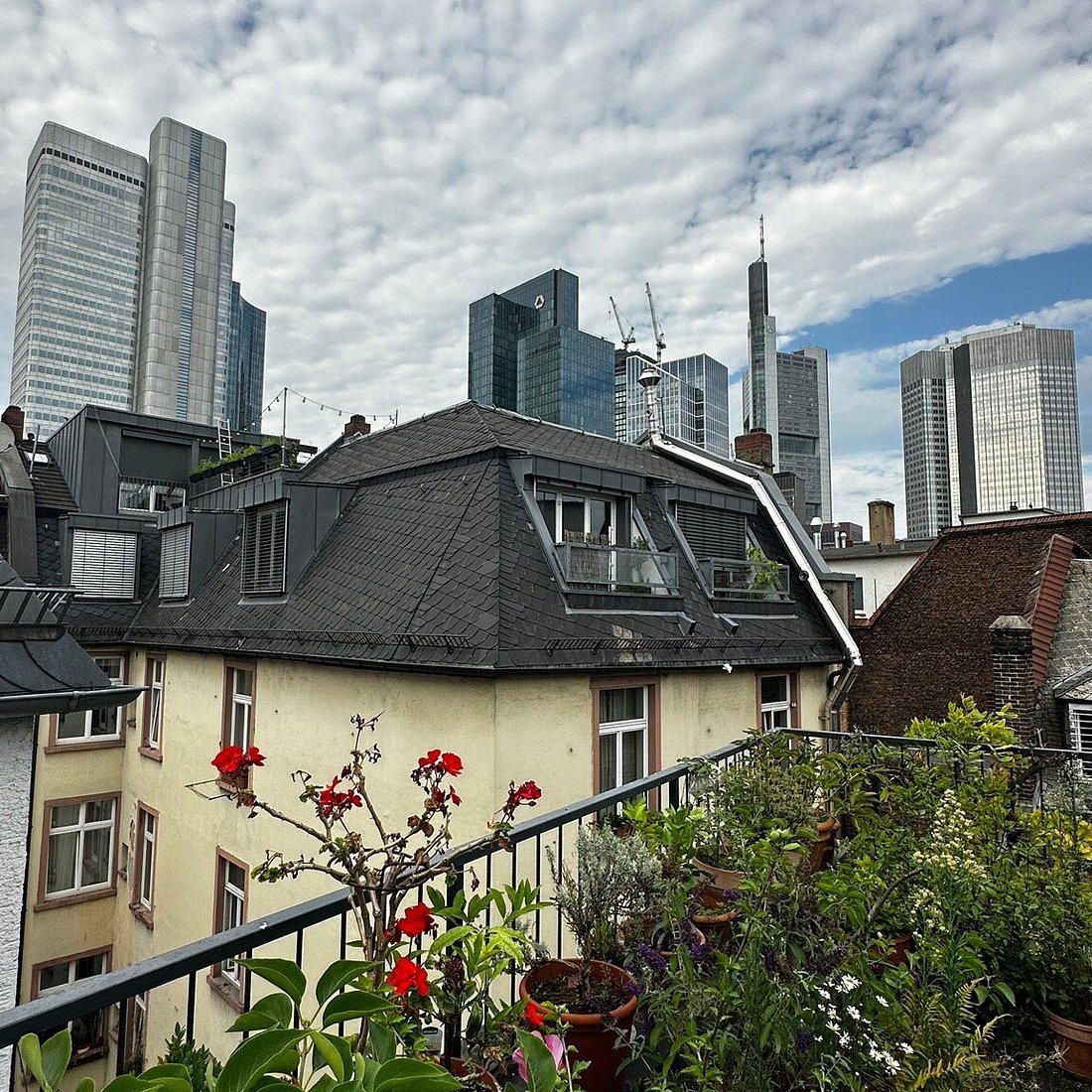
Münchener Strasse sits on the southwestern edge of Frankfurt's Bahnhofsviertel, the neighbourhood that has absorbed more of the city's restaurant energy over the past decade than almost any other. What was once defined primarily by its proximity to the Hauptbahnhof has reorganised itself into a genuinely plural dining corridor, where Turkish snack counters, Japanese izakayas, and serious wine-forward restaurants occupy the same block. Babam is a traditional Persian restaurant at Münchener Str. 11 in Frankfurt am Main, and it operates within this context rather than apart from it.
For diners planning a milestone dinner or a considered celebratory meal in Frankfurt, the Bahnhofsviertel rewards attention precisely because it offers that mix of neighbourhood familiarity and genuine culinary seriousness. The street-level energy here is different from the polished remove of the Sachsenhausen restaurant strip or the corporate formality that still characterises parts of the Innenstadt. Occasion dining in this part of Frankfurt tends to feel earned rather than staged.
The Occasion Dining Question in Frankfurt
Germany's serious dining scene has become considerably more diverse in its formats for special-occasion meals. The traditional route through the country's Michelin-starred tier, venues like Schwarzwaldstube in Baiersbronn, Aqua in Wolfsburg, or Vendôme in Bergisch Gladbach, still represents the highest end of that spectrum, with the full apparatus of multiple courses, formal service, and significant advance planning. But Frankfurt's own dining culture has long accommodated a parallel tier: places where the occasion is marked by the company and the food rather than by ceremony.
Within Frankfurt specifically, the contrast is useful. Allgaiers Restaurant and Ariston represent more classically structured dining propositions in the city, while venues like atm by Deli&Grape have carved space for wine-led, less formal celebration. Bader's fish deli sits in a different register entirely. Babam's positioning within this spread places it close to its neighbourhood and below the radar of the international recognition circuit.
The comparison also extends nationally: Germany's broader three-star tier, which includes Victor's Fine Dining by Christian Bau in Perl, ES:SENZ in Grassau, and Schanz in Piesport, offers the clearest signal of what the country's fine dining infrastructure looks like at maximum formality.
What the Address Signals
A restaurant positioned at Münchener Str. 11 in the Bahnhofsviertel is making a statement about audience, whether consciously or not. This is not a location that attracts passing trade from convention hotel guests or tourists following a guidebook list. The neighbourhood's demographic has shifted considerably, with younger Frankfurt residents, food-industry workers, and a cosmopolitan local professional class increasingly driving footfall on this stretch. Restaurants that survive and hold attention here tend to do so through quality and word of mouth rather than visibility campaigns.
That pattern mirrors what has happened in analogous urban food corridors elsewhere in Germany. CODA Dessert Dining in Berlin built its reputation in Neukölln on a similar principle: a format that required the diner to seek it out rather than stumble across it. The geography of serious eating in German cities has increasingly rewarded that kind of deliberate navigation.
Planning a Visit
Babam is walk-in friendly, and its regular opening hours are Monday to Friday from 11:30 AM to 10 PM, and Saturday and Sunday from 12 PM to 10 PM. In a neighbourhood like the Bahnhofsviertel, both models coexist: some of the most respected small restaurants here do not take reservations and fill on the night, while others operate a quiet booking system through a posted number or social media channel.
For occasion dining specifically, that uncertainty matters. If you are marking an anniversary, a professional milestone, or a birthday dinner in Frankfurt, confirming operational details in advance is not optional. The Bahnhofsviertel rewards spontaneity for weeknight exploration but requires planning for any meal where the experience needs to be guaranteed rather than gambled on. Comparable venues in other German cities, like Restaurant Haerlin in Hamburg, typically require booking weeks or months in advance for weekend slots. The gap between that tier and a neighbourhood restaurant like Babam reflects two entirely different philosophies of what a special meal should feel like, and both are legitimate.
Context Beyond Frankfurt
Germany's dining culture has produced some interesting counter-models to the traditional occasion-restaurant format. JAN in Munich and Waldhotel Sonnora in Dreis represent the country's deeply embedded tradition of destination dining, where the occasion is built into the pilgrimage itself. The international comparison extends further: Le Bernardin in New York City and Lazy Bear in San Francisco both demonstrate how occasion dining can be structured around a defined format and consistent identity rather than relying solely on formality as a signal of seriousness.
What Babam represents, at least in terms of its address and its low-profile operational model, is the other end of that spectrum: a restaurant that asks its neighbourhood to find it, and that builds its reputation accordingly. With a Google rating of 4.6 from 1,861 reviews, Babam has already earned a strong local following for a meal worth marking an occasion around. What the location and context do confirm is that the Bahnhofsviertel is serious territory for eating, and Babam has a clear local presence on Münchener Strasse.
Price and Recognition
Comparable venues nearby, for context on price, style, and recognition.
| Venue | Cuisine | Price | Awards | Notes |
|---|---|---|---|---|
| BabamThis venue — the venue you are viewing | Roemerberg, Traditional Persian | $$ | , | |
| Zarathustra | Palmengarten, Persian | $$ | , | |
| Kish Restaurant | Messegelande, Persian & Iranian Cuisine | $$ | , | |
| Kuli Alma | Palmengarten, Vegan Israeli Levantine | $$ | , | |
| Hummus Küch' | $$ | , | Sachsenhausen, Vegan Israeli Hummus Kitchen | |
| Heppy Green West | $$ | , | Goethehaus, Modern Vegetarian Street Food |
Continue exploring
More in Frankfurt
Restaurants in Frankfurt
Browse all →
Bars in Frankfurt
Browse all →
Hotels in Frankfurt
Browse all →

At a Glance
- Cozy
- Casual
- Casual Hangout
- Standalone
Cozy and informal with simply furnished dining area and friendly, fast service.