
Allgaiers Restaurant occupies a residential address on Feuerbachstraße in Frankfurt's Westend district, a neighbourhood where serious cooking tends to operate at a remove from the main dining corridors. The restaurant sits within Frankfurt's broader fine-dining tier, where European technique applied to regional German ingredients defines the competitive conversation. Plan ahead, as the Westend's better tables book consistently in advance.
Pearl is the En Primeur Club membership app — saves, bookings, and concierge access live there. Same editors, same standards.
- Address
- Feuerbachstraße 5, 60325 Frankfurt am Main, Germany
- Phone
- +496998956611
- Website
- allgaiers.eu
- Directions
- Get directions
 Saves & bookings on Pearl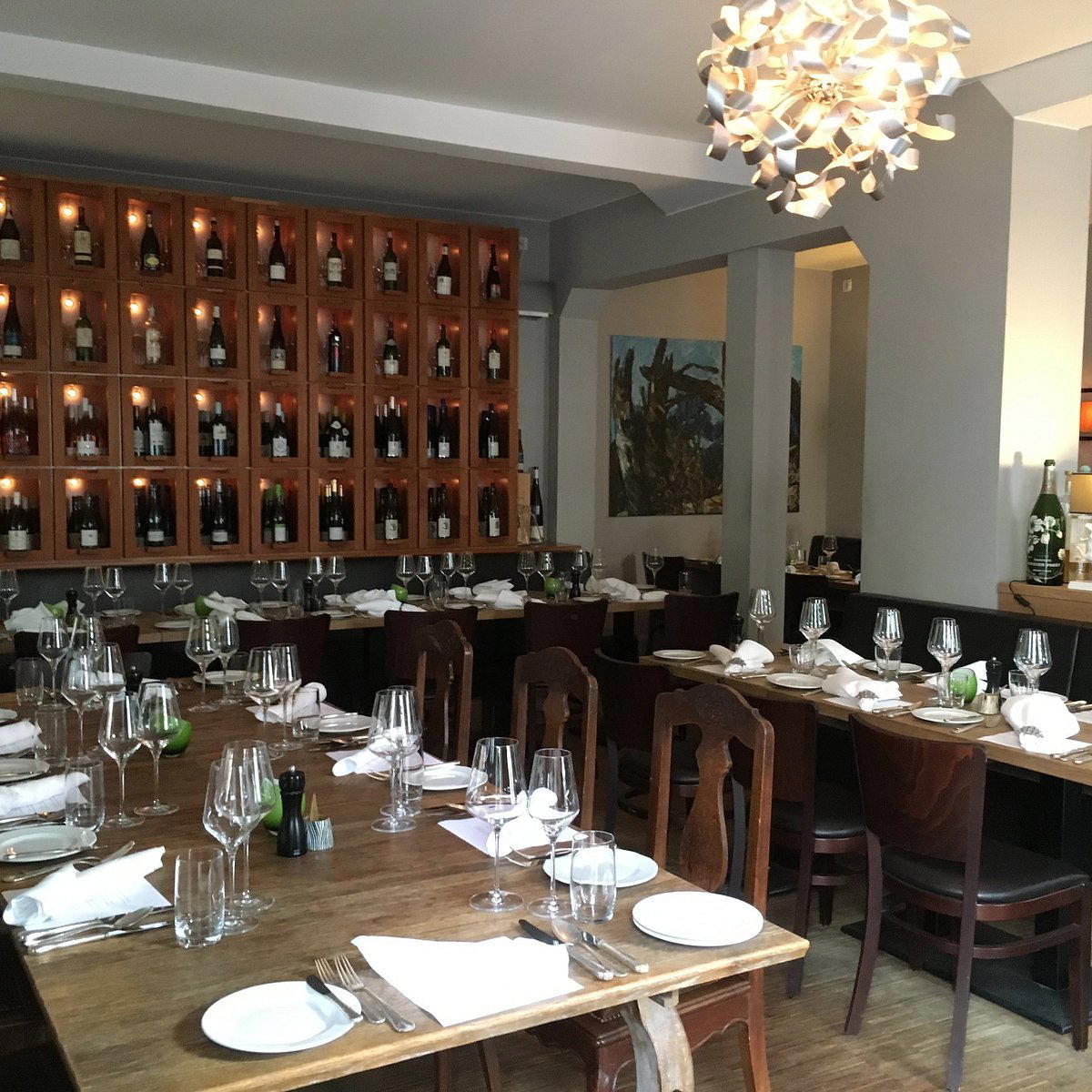
Frankfurt's Westend and the Question of Technique
Frankfurt's fine-dining geography has long concentrated around Sachsenhausen and the banking district, but the Westend has developed its own quieter cluster of serious restaurants operating away from the corporate-expense circuit. The neighbourhood's address book skews residential, which tends to filter the clientele toward regulars and destination diners rather than passing trade. Allgaiers Restaurant is a French-inspired German restaurant on Feuerbachstraße in Frankfurt am Main.
Germany's restaurant scene has been undergoing a sustained recalibration over the past decade, with a generation of kitchens applying classical European and in some cases Asian technique to ingredients sourced from the country's own agricultural regions. The conversation at places like Schwarzwaldstube in Baiersbronn and Aqua in Wolfsburg is no longer about whether German kitchens can compete at the European level, they demonstrably can, but about how specifically German ingredients and seasonality shape dishes built on French or Nordic structural frameworks. That intersection of imported method and local product is where Frankfurt's more considered restaurants now compete.
The Editorial Case for Local-Global Cooking in a Finance City
Frankfurt's position as Germany's financial centre has historically generated a reliable appetite for internationally familiar fine dining: French-leaning tasting menus, Japanese-influenced minimalism, and the kind of cosmopolitan cooking that plays well across nationalities. That demand hasn't disappeared, but it has created space for a counter-movement: restaurants that use the same level of technical investment but direct it toward specifically regional German product, Hessian vegetables, Taunus lamb, Rhenish river fish, German-grown grains. The approach is less a marketing position than a practical one; sourcing shorter supply chains tends to mean better seasonal timing and more direct relationships with producers.
Elsewhere in Germany, this tension between global technique and local material is resolved in different ways. JAN in Munich works within a Bavarian product context; Vendôme in Bergisch Gladbach has historically drawn on Rhineland producers within a French classical frame; Schanz in Piesport integrates Mosel wine-country produce into a high-precision format. In each case the structural technique is European but the ingredient sourcing is explicitly local, which determines both the seasonal rhythm of the menu and the broader culinary identity of the restaurant. Frankfurt's serious kitchens are working through the same question, and Allgaiers operates within that conversation.
What to Expect at the Table
Comparable addresses in the neighbourhood operate at that register, and the Westend clientele is accustomed to it.
The category of cooking that the local-global framework describes tends to generate menus that shift substantially across the year, because the logic of the approach depends on seasonal availability. Autumn in Hesse brings game, wild mushrooms, and root vegetables; spring introduces asparagus from the Rhine-Main plain, which holds genuine regional significance in German cooking; summer opens up stone fruit, courgette flowers, and green herbs. A kitchen working seriously with those cycles will look materially different in October than it does in April, which is worth factoring into when you choose to visit.
Restaurants operating at this level in Frankfurt tend to benchmark themselves against peers elsewhere in Germany rather than within the city alone.
The Frankfurt Fine-Dining comparable set
Frankfurt's restaurant scene is more layered than its reputation as a transit city suggests. Beyond Allgaiers, the Westend and adjacent neighbourhoods contain a range of serious cooking at varying price points. ALEJANDRO'S and Ariston represent different positions in the city's contemporary dining conversation, while atm by Deli&Grape and Babam operate in adjacent registers. For a different kind of product focus, Bader's fish deli brings a specialist approach to Rhine-Main seafood sourcing.
Internationally, the local-global technique model has strong precedents. Le Bernardin in New York City built its identity on French technique applied to the leading available North American seafood; Lazy Bear in San Francisco works American ingredient traditions through a fine-dining structural lens. The German version of that conversation is newer and less codified, which makes it more interesting to follow in real time. ES:SENZ in Grassau and CODA Dessert Dining in Berlin show how far the format can extend when it's pushed structurally.
Planning Your Visit
Nearby-ish Comparables
Comparable venues nearby, for context on price, style, and recognition.
| Venue | Cuisine | Price | Notes |
|---|---|---|---|
| Allgaiers RestaurantThis venue — the venue you are viewing | French-inspired German | $$$ | Not listed |
| Mutter Ernst | Traditional German Hausmannskost | $$ | Roemerberg |
| Gref-Völsings Braterei | Traditional German Sausage House | $$ | Im Teller |
| Freitagsküche | German Contemporary with Cultural Twist | $$ | Goethehaus |
| Vini… da Sabatini | Authentic Italian Fine Dining | $$$ | Palmengarten |
| Ristorante Fontana di Trevi | Authentic Italian Fine Dining | $$$ | Palmengarten |
Recognition history
Dated appearances from independent guides and award organizations, with the underlying list record or original source where available.
Falstaff Restaurant - Listed
Falstaff
Continue exploring
More in Frankfurt
Restaurants in Frankfurt
Browse all →
Bars in Frankfurt
Browse all →

Hotels in Frankfurt
Browse all →

At a Glance
- Cozy
- Elegant
- Intimate
- Date Night
- Business Dinner
- Special Occasion
- Open Kitchen
- Extensive Wine List
Current opening hours
- Monday
- Closed
- Tuesday
- 5:30–10 PM
- Wednesday
- 5:30–10 PM
- Thursday
- 5:30–10 PM
- Friday
- 5:30–10 PM
- Saturday
- 5:30–10 PM
- Sunday
- Closed
Hours can change for holidays and private events. Last verified .
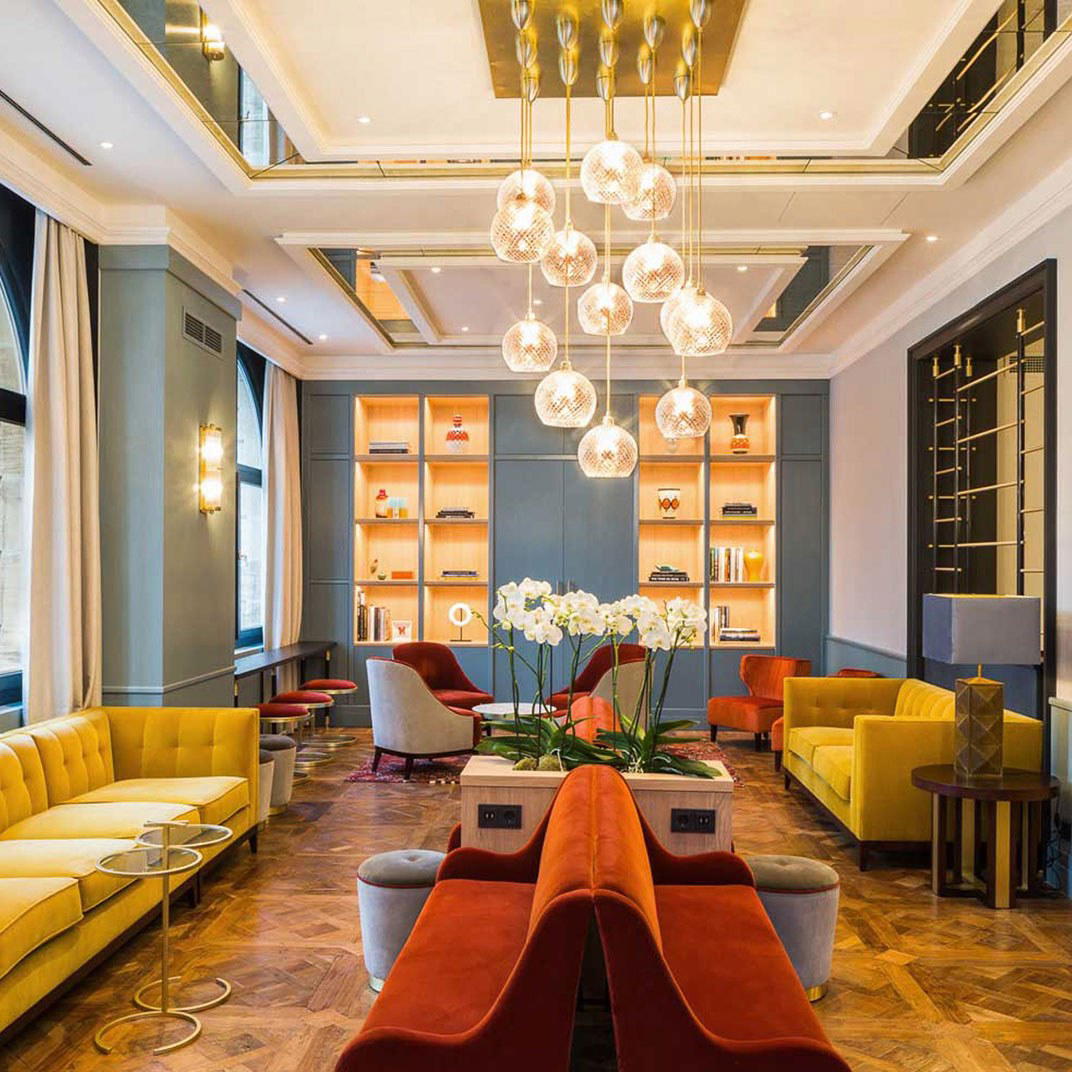
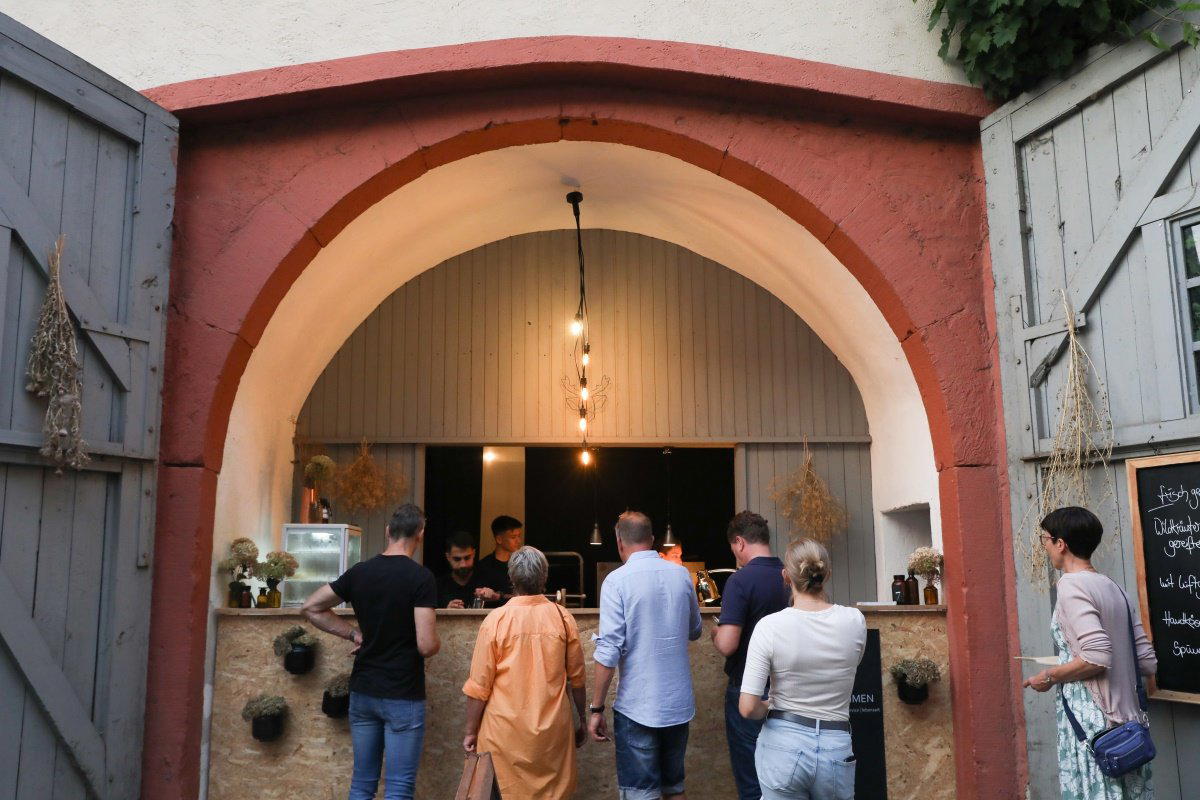
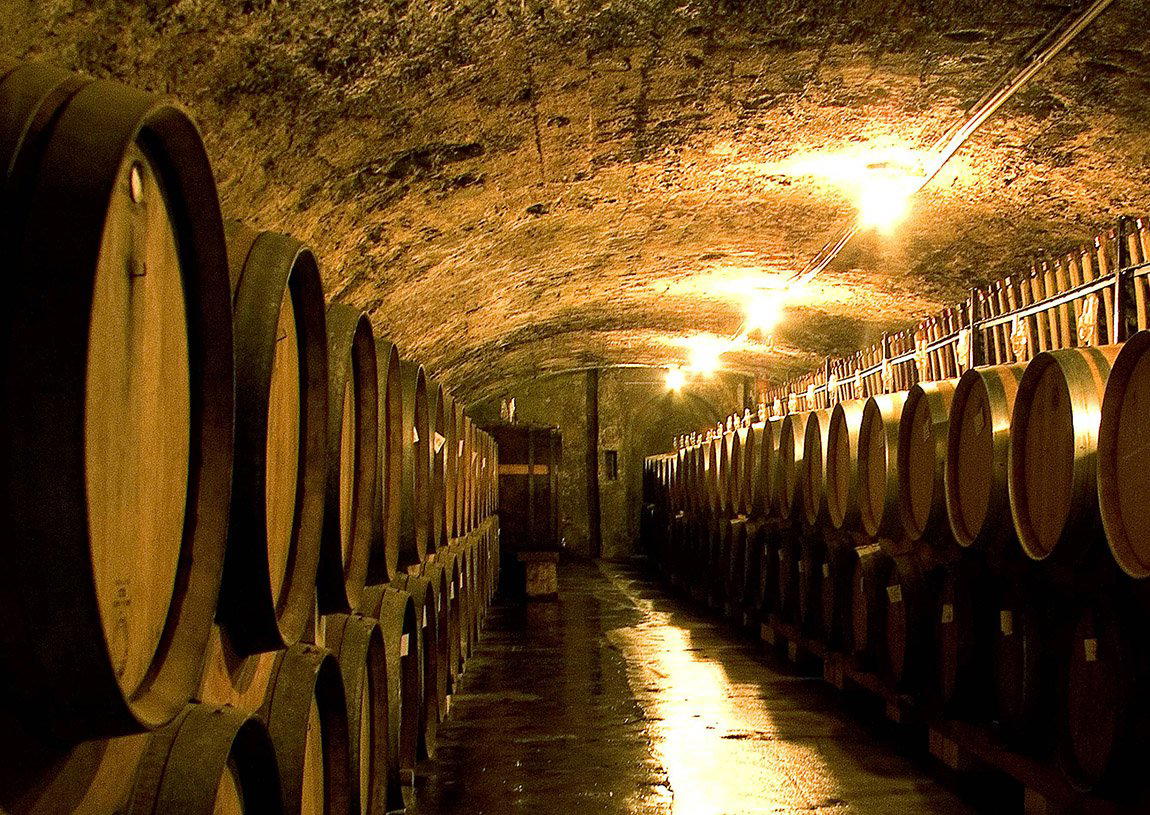
Cozy and inviting atmosphere with warm lighting, praised for its relaxing and elegant feel