Weingut Weedenborn

Falstaff Winery - 4 Stars
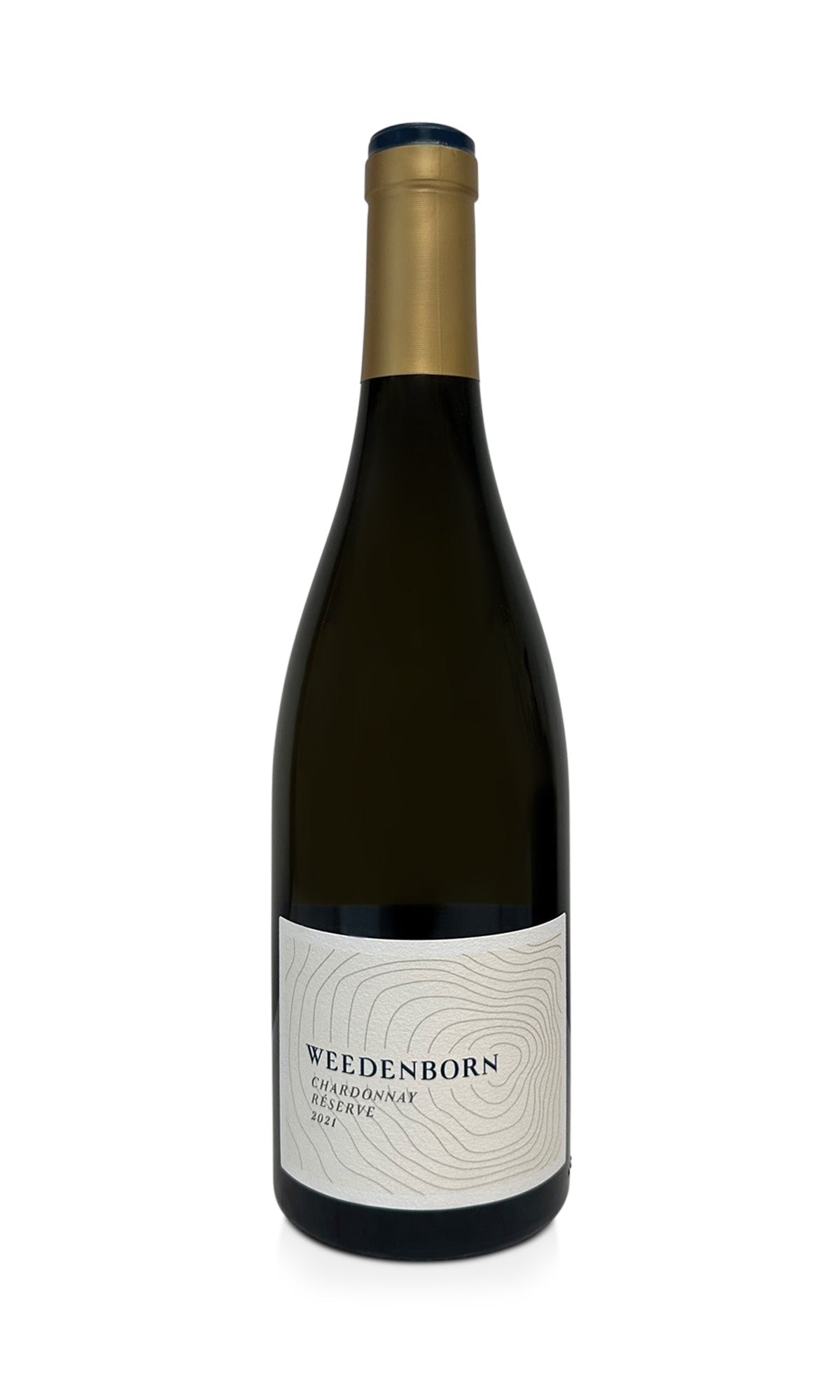
Weingut Weedenborn is a Rheinhessen estate in the village of Monzernheim. The property sits within one of Germany's most dynamically evolving wine regions, where a new generation of producers has redrawn the quality map across limestone, loess, and red-slate soils. For serious wine visitors, it represents a direct encounter with that transformation at the estate level.
Rheinhessen Beyond the Label
For most of the twentieth century, Rheinhessen meant volume. The region's name appeared on the labels of mass-market Liebfraumilch, and serious German wine consumers looked elsewhere, to the Mosel's slate terraces, the Pfalz's grand cru vineyards, or the Rheingau's historic estates. What has happened in Rheinhessen since the early 2000s is one of the more compelling reversals in European wine. A cohort of producers working across the region's varied soils, from heavy loess in the flatlands to the red-slate and limestone sites of the Wonnegau in the south, began making wines that attracted international attention and shifted critical assumptions about what this appellation could produce.
Monzernheim and the Geology Beneath It
Monzernheim sits in the Wonnegau, a sub-region of Rheinhessen that has attracted disproportionate critical interest relative to its size. The geology here differs from the loess-dominated north: limestone outcrops and weathered sedimentary soils give the wines a structural tension that flatter, richer soils rarely produce. Across Europe, limestone-based terroirs, from Burgundy's Côte de Nuits to the limestone plateaux of Priorat, are associated with wines that carry higher acidity and mineral precision alongside fruit expression. In the Wonnegau, that same geological logic applies, and it is central to understanding why estates in this part of Rheinhessen have attracted attention from buyers and critics who look first at site before label.
The address at Am Römer 4 places Weedenborn within the village itself, a working agricultural community rather than a tourist destination. Visiting requires intent: Monzernheim is not on any major wine trail circuit, and that relative inaccessibility is, for many serious wine visitors, precisely the point. Estates in villages like this rarely operate with the polished infrastructure of larger destination wineries. The encounter with the wine tends to be direct, with little staged around it. For context on the broader regional picture, our full Monzernheim restaurants and producer guide covers what the village and its immediate surroundings offer.
Two stars at Prestige level indicates consistent output across multiple vintages at a standard that separates the estate from the large body of competent regional producers. It does not guarantee a particular style, but it does indicate that the wines have passed repeated critical assessment at a high threshold.
Among Rheinhessen neighbours, the estate sits in similar company to producers like Weingut Battenfeld-Spanier in Hohen-Sülzen, another Wonnegau-adjacent estate that has built its reputation on soil-driven precision. The Pfalz estates immediately to the south offer useful comparison points as well: Weingut A. Christmann in Neustadt an der Weinstraße and Weingut Bassermann-Jordan in Deidesheim represent the style of estate where vineyard classification and geological identity drive the programme. Weingut Dr. Bürklin-Wolf in Wachenheim adds another Pfalz reference point for visitors building a regional itinerary that crosses the administrative border between Rheinhessen and its southern neighbour.
Terroir Expression as the Central Argument
German wine, at its highest level, has always been a terroir argument rather than a winemaking-technique argument. The VDP classification system, which underpins much of the country's premium wine identity, is built around vineyard sites and their capacity to produce wines that cannot be replicated elsewhere. Grosses Gewächs (GG) wines, the dry top tier, are effectively site-specific expressions, and the critical discourse around them mirrors the language used for grand cru Burgundy. In the Wonnegau, where Weedenborn operates, the argument for terroir specificity is grounded in the same geological variation that makes single-vineyard wines from the Mosel or the Rheingau legible as distinct from each other even within a single appellation.
Weingut Fritz Haag in Brauneberg and Weingut Grans-Fassian in Leiwen both produce wines shaped by blue Devonian slate, a material so different from Rheinhessen limestone that tasting across regions illustrates the terroir argument more clearly than any description can. Weingut Heymann-Löwenstein in Winningen and Weingut Clemens Busch in Pünderich extend that Mosel reference further, both working extreme slope sites where the slate influence is intensified by gradient and sun exposure. For visitors building a German wine itinerary around geological contrast, pairing a Wonnegau estate like Weedenborn with a Mosel slate producer provides the clearest possible illustration of what soil composition actually contributes to a wine's structure.
Beyond the Mosel, the Rheingau offers a different set of comparisons. Kloster Eberbach in Eltville is among the region's historic reference points, and Weingut Georg Breuer in Rüdesheim am Rhein and Weingut Allendorf in Oestrich-Winkel represent the style of well-established Rheingau estate working with quartzite and loam-over-slate soils. The contrast with a limestone-based Rheinhessen producer illuminates how the same grape variety, Riesling above all, shifts register according to what it grows in.
Planning a Visit
Frequently asked questions
Is Weingut Weedenborn more formal or casual?
Estate wineries in Monzernheim and the broader Wonnegau sub-region tend toward the traditional German Weingut model: serious in purpose without the formality of a restaurant or hotel. Visiting during open cellar events or by appointment is the standard approach for this tier of Rheinhessen estate.
What wines is Weingut Weedenborn known for?
The Wonnegau's limestone and loess soils are historically associated with Riesling and Silvaner at the serious end of the regional spectrum. The estate's address in Monzernheim places it at the heart of this geologically distinct pocket.
What's the address for Weingut Weedenborn?
Weingut Weedenborn is located at Am Römer 4, 55234 Monzernheim, Monzernheim.
What is Weingut Weedenborn known for?
Weedenborn is known as a quality-focused estate in Monzernheim's Wonnegau, a sub-region of Rheinhessen that has drawn critical attention well beyond its geographical footprint. That credential separates it from the volume-oriented producers that defined Rheinhessen's reputation for much of the twentieth century.
How far ahead should I plan for Weingut Weedenborn?
Contacting the estate directly well in advance, particularly for harvest-season visits or allocation inquiries, is the practical approach for this tier of Rheinhessen producer. No booking policy details are currently published.
A Quick Peer Check
Comparable venues nearby, for context on price, style, and recognition.
| Venue | Cuisine | Price | Awards | Notes |
|---|---|---|---|---|
| Weingut WeedenbornThis venue (the venue you are viewing) | Sauvignon Blanc, Chardonnay | Not listed | Falstaff Winery - 4 Stars | Not listed |
| Cristom Vineyards | Pinot Noir, Chardonnay | Not listed | Falstaff Winery - Listed | Eola-Amity Hills |
| Gut Hermannsberg | Riesling, Weissburgunder | Not listed | Falstaff Winery - 4 Stars | Niederhausen |
| Weingut Kühling-Gillot | Riesling, Spätburgunder | Not listed | Falstaff Winery - 5 Stars | Bodenheim |
| Weingut Battenfeld-Spanier | Riesling, Spätburgunder | $50–100 | Falstaff Winery - 5 Stars | Wonnegau |
| Weingut Dr. Bürklin-Wolf | Riesling, Pinot Noir | $30–50 | Falstaff Winery - 5 Stars | Wachenheim an der Weinstraße |
Recognition history
Dated appearances from independent guides and award organizations, with the underlying list record or original source where available.
Falstaff Winery - 4 Stars
Falstaff
Enquire about visiting Weingut Weedenborn or buying its wine
Visits to Weingut Weedenborn are usually kept for the estate's regular buyers and the wine trade. Tell us when you would like to go and a little about how you buy, and we put the request to the estate and reply to you by email. For buying, we source directly from the producer or from a licensed seller we know and vouch for, and tell you the route before you pay.
Continue exploring
More in Monzernheim
Wineries in Monzernheim
All wineries in Monzernheim →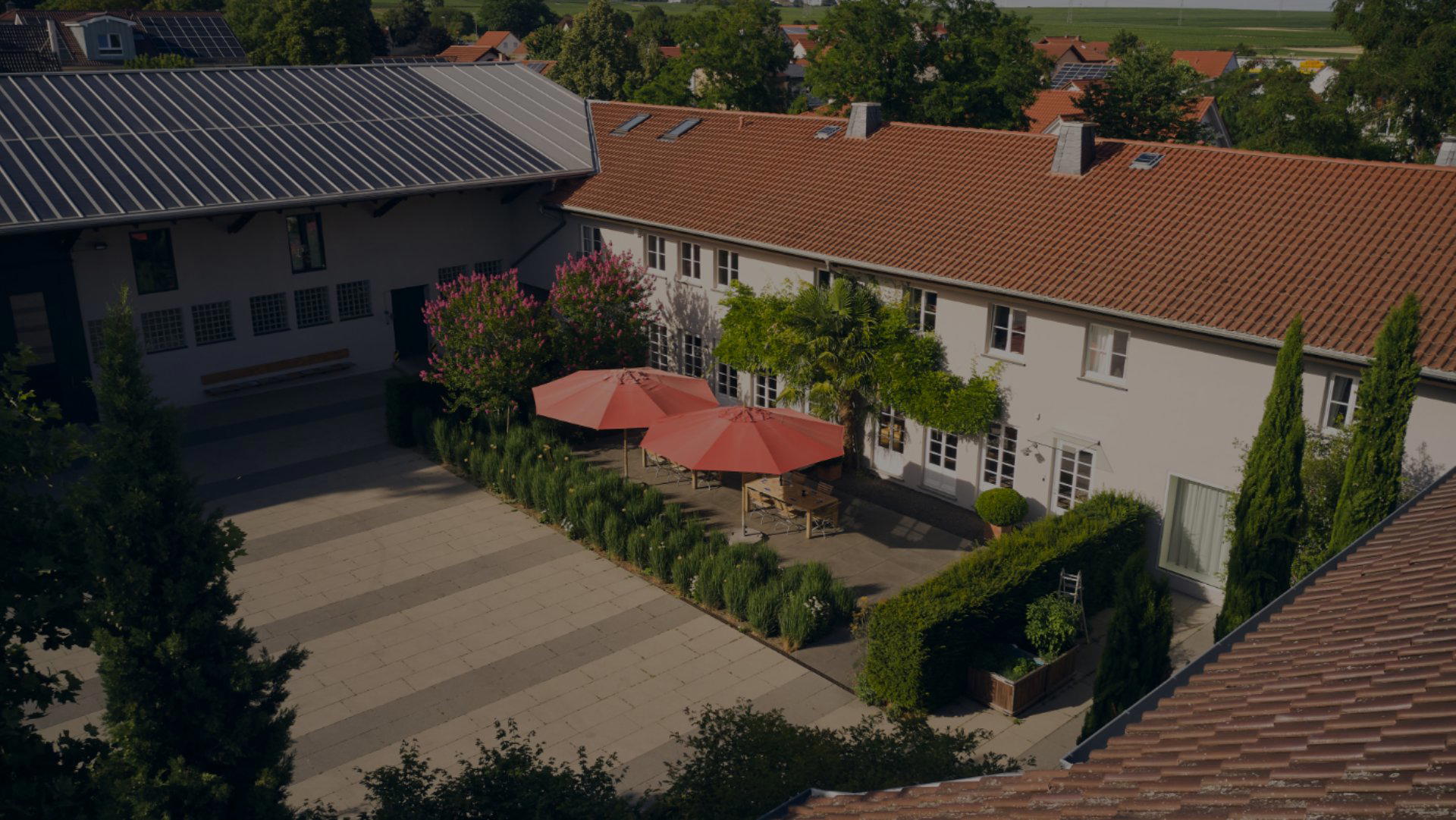
Bars in Monzernheim
Browse all →
Details
- Elegant
- Scenic
- Sophisticated
- Classic
- Wine Education
- Romantic Getaway
- Special Occasion
- Vineyard Tour
- Estate Grounds
- Terrace
- Panoramic View
- Sustainable
- Vineyard
- Mountain
- Sauvignon Blanc
- Chardonnay
- Riesling
- Weissburgunder
- Pinot Noir
- Grauburgunder
- Still White
- Sparkling
- Cellar Tour
- Courtyard Tasting
- English
- German
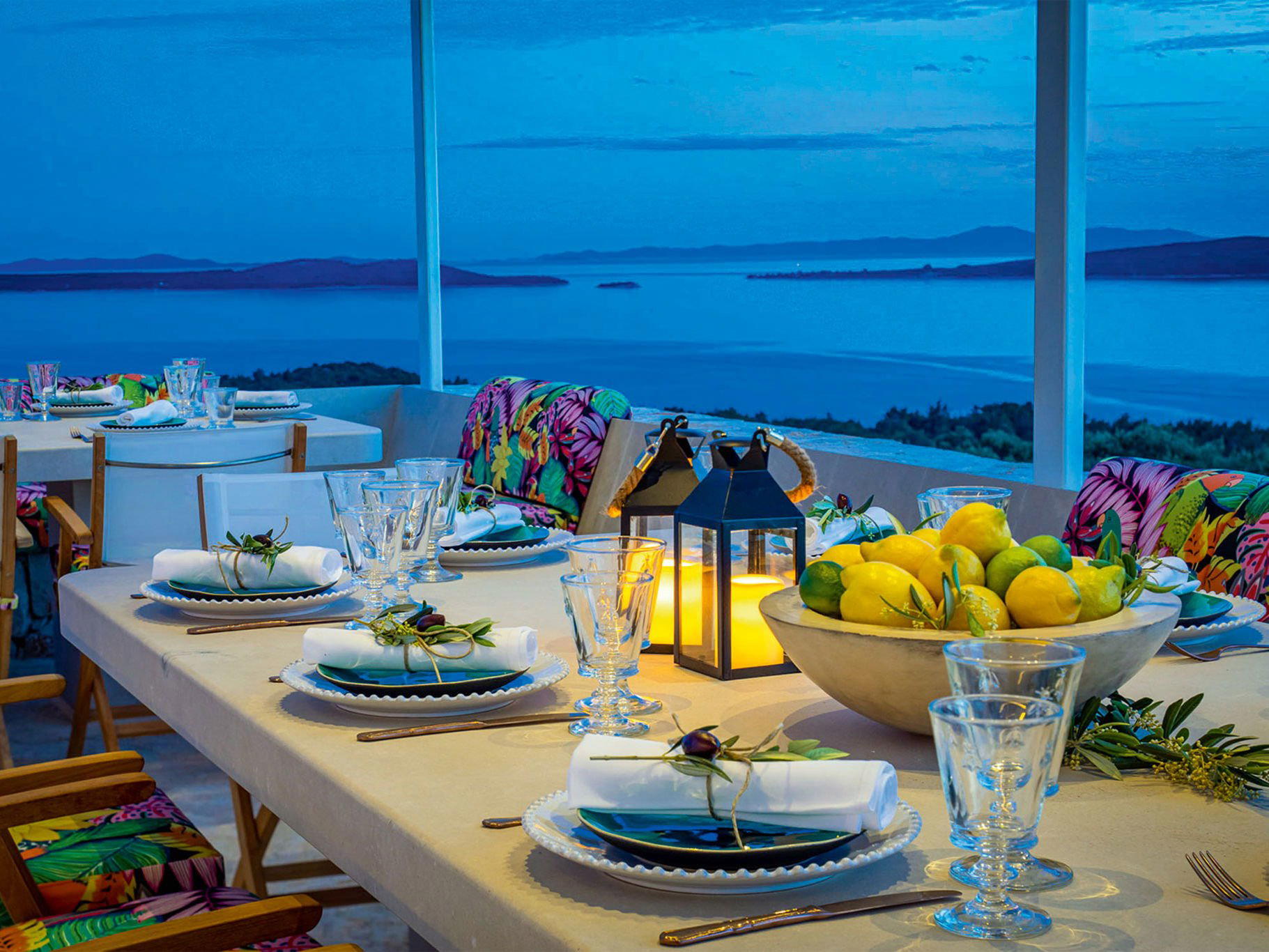
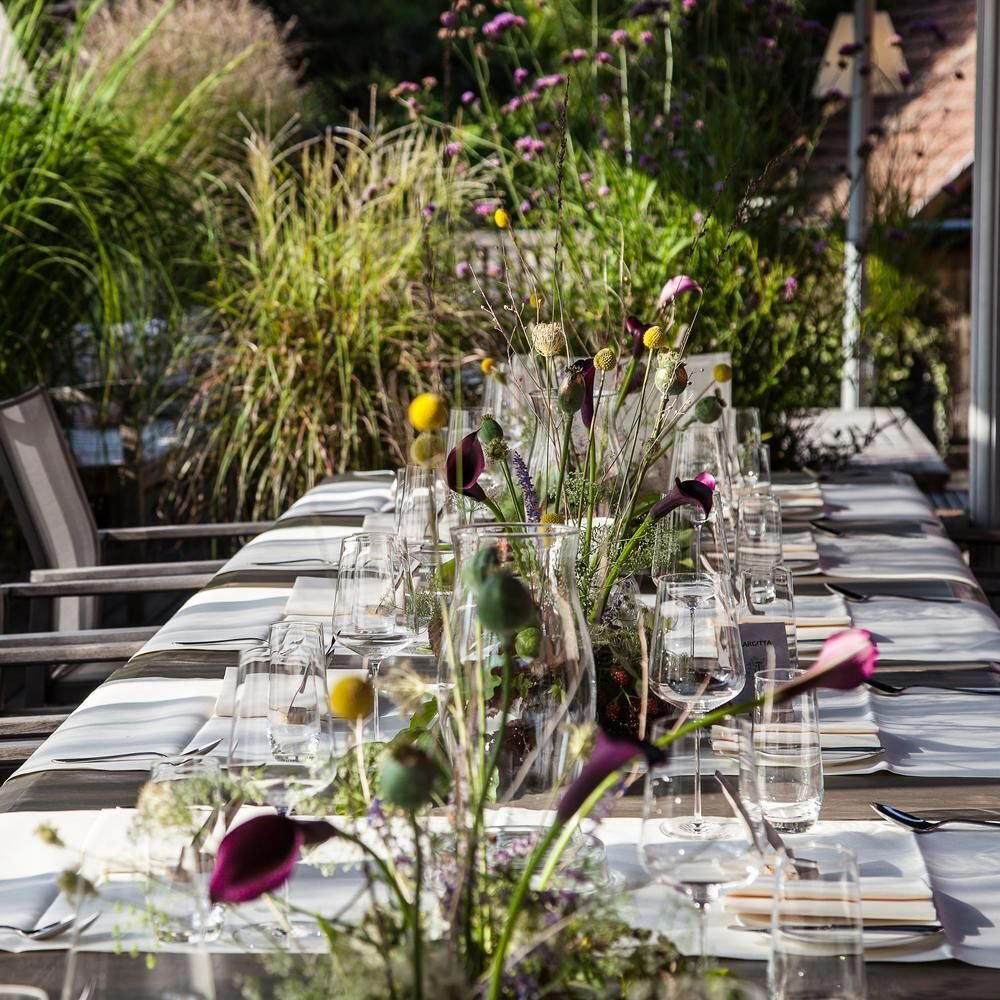
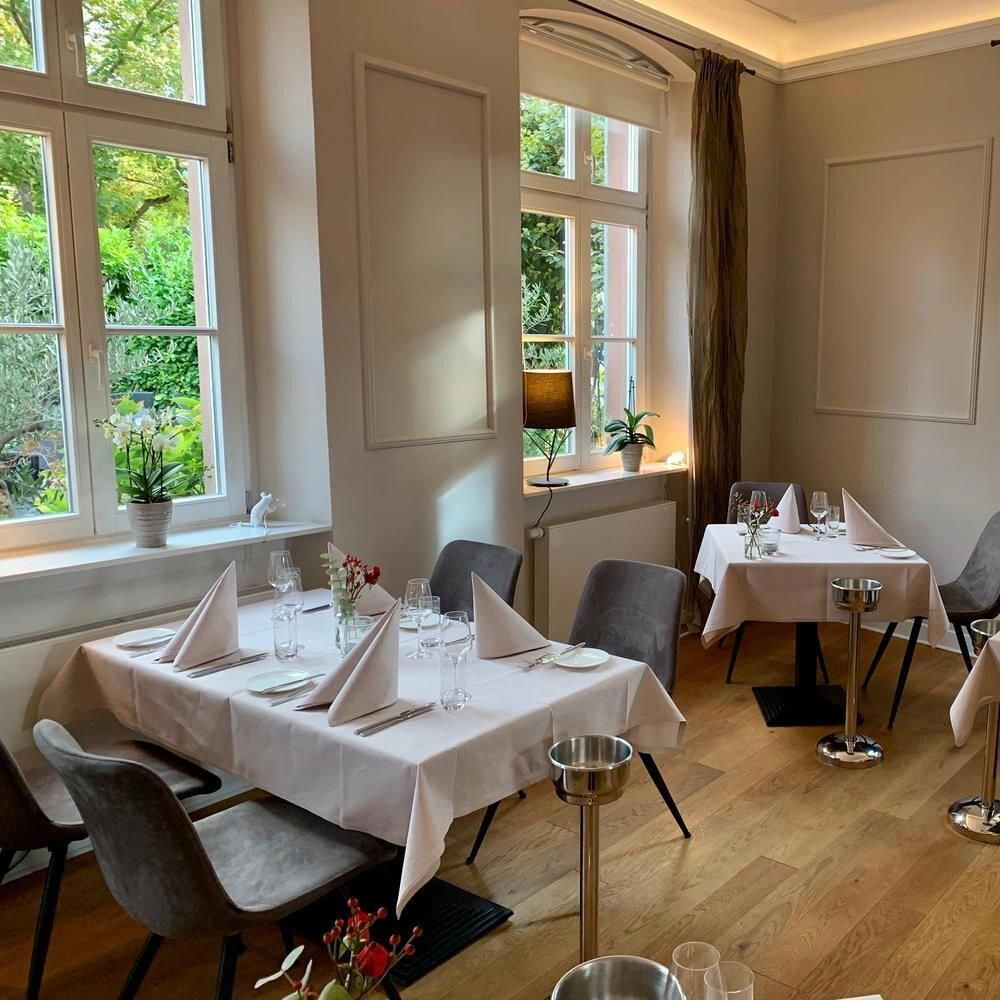
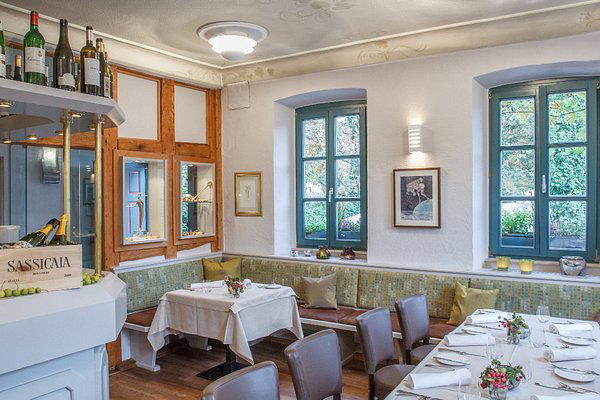
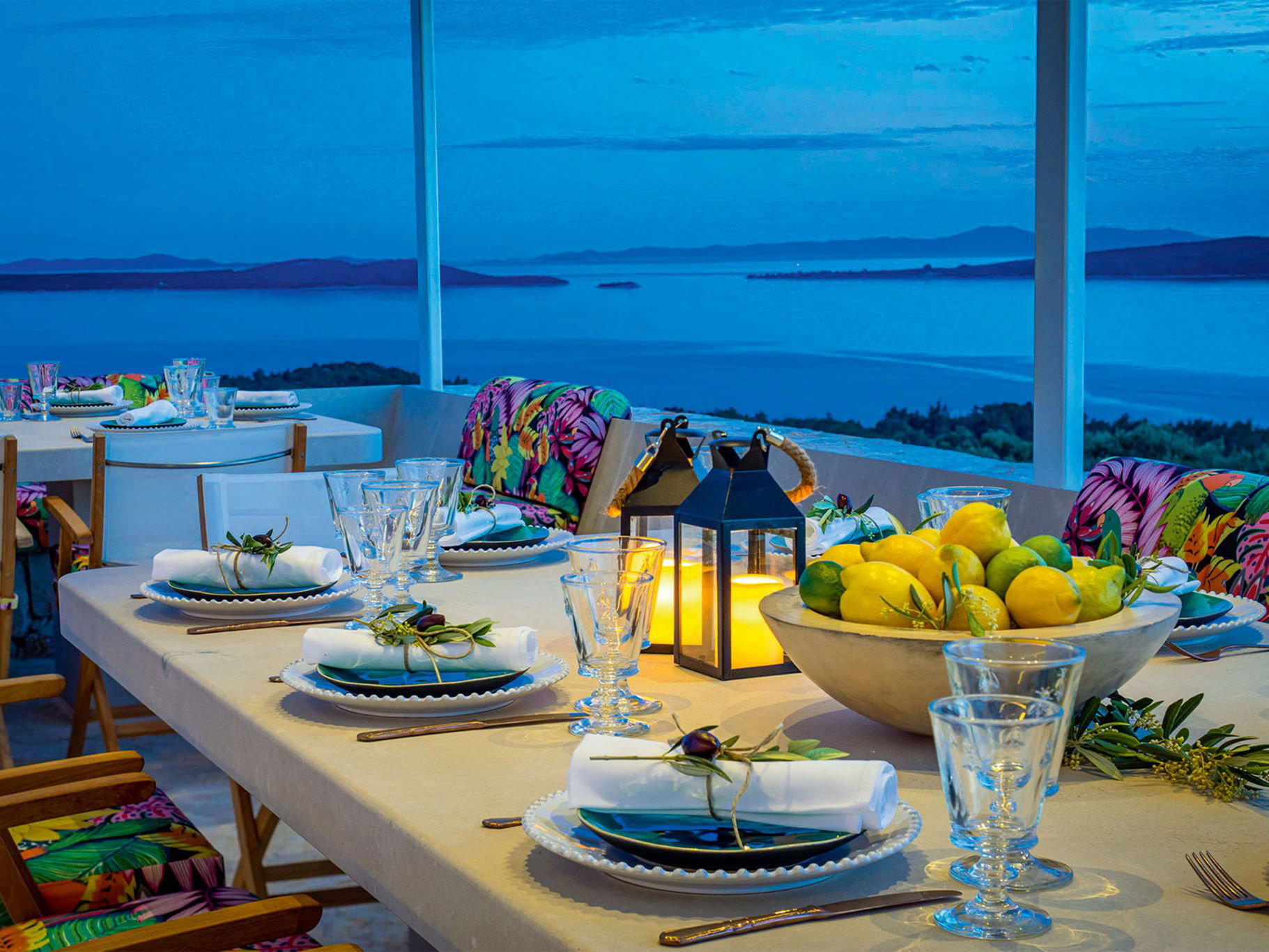
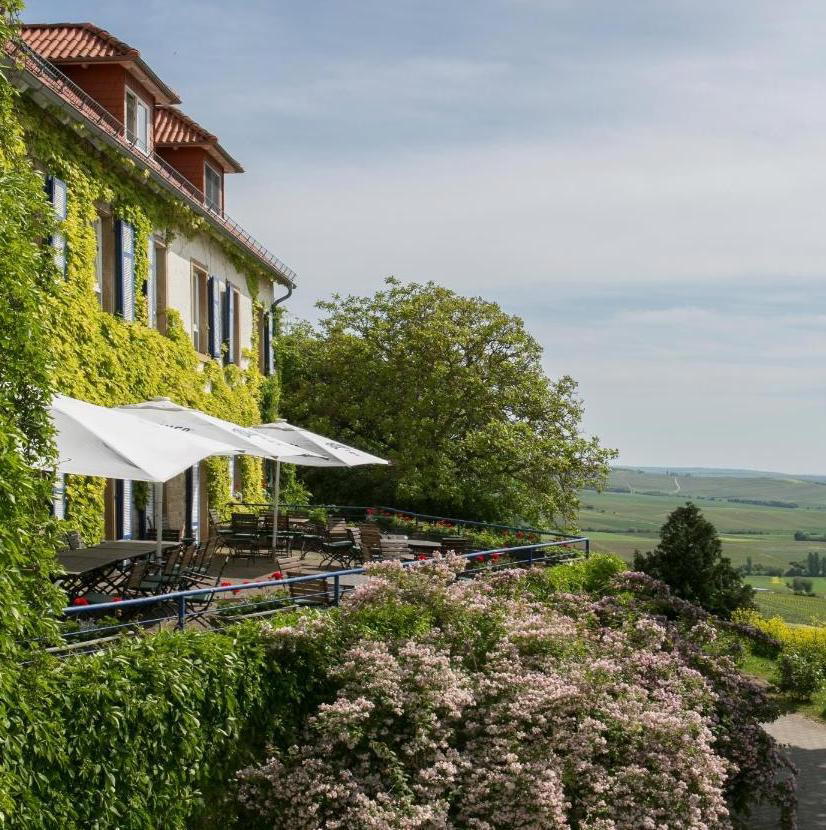
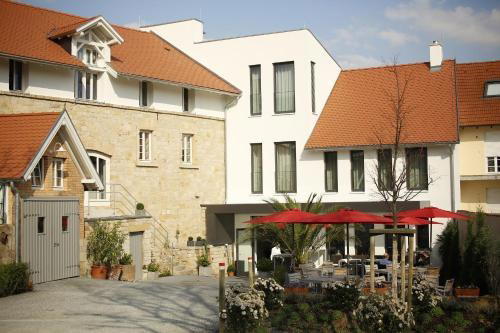
Refined courtyard setting with picturesque vineyard views overlooking the Morstein and Kirchspiel vineyards; elegant and sophisticated atmosphere emphasizing precision and purity.