China Haus serves authentic Sichuan Chinese at Schloßstraße 52 in Frankfurt, with Huí Guō Ròu, Málà Xiāngguō, and Lammtopf anchoring the menu.
Pearl is the En Primeur Club membership app — saves, bookings, and concierge access live there. Same editors, same standards.
- Address
- Schloßstraße 52, 60486 Frankfurt am Main, Germany
- Phone
- +496979278004
- Directions
- Get directions
 Saves & bookings on Pearl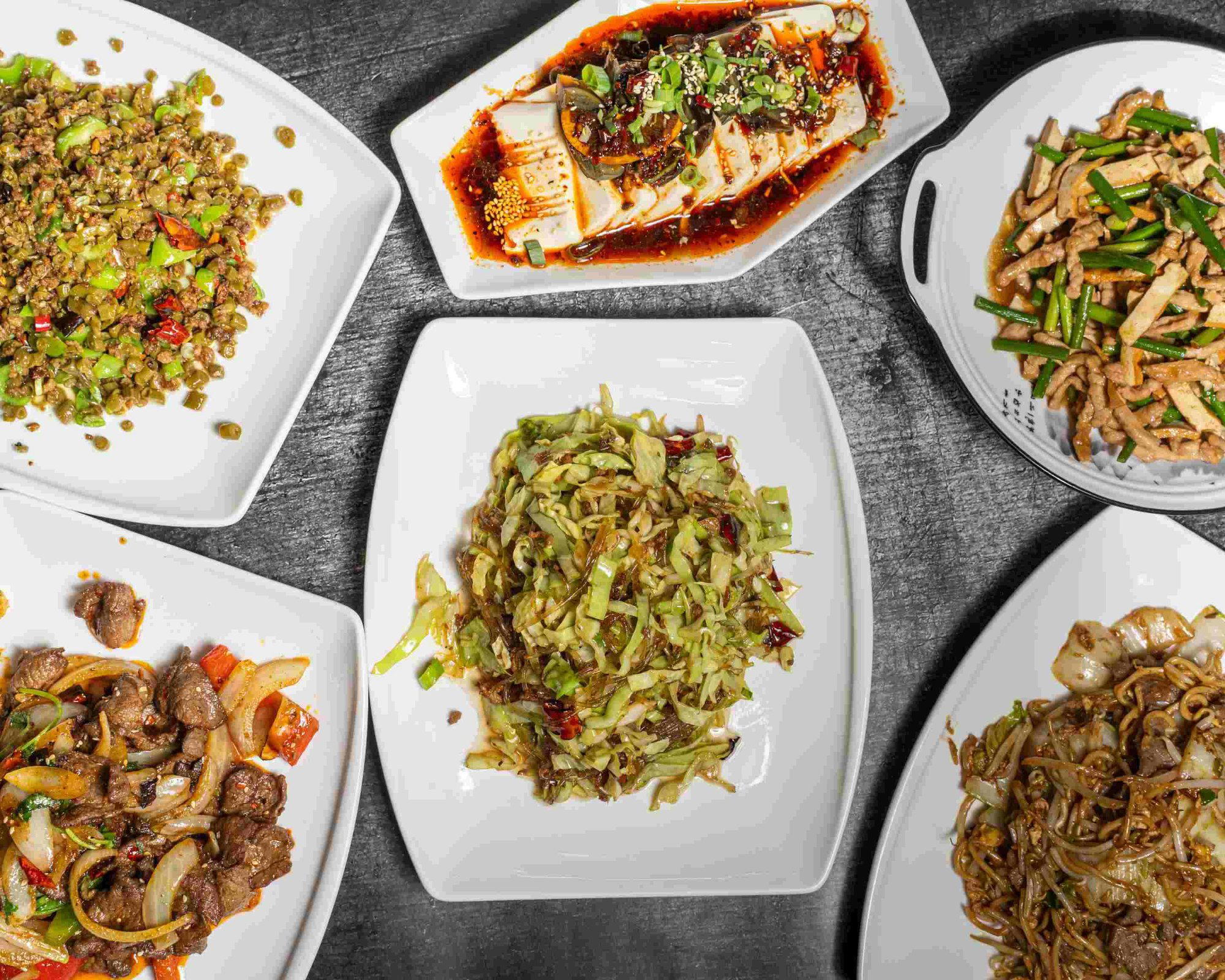
Frankfurt's Chinese Table: Reading the Room at Schloßstraße
China Haus is an Authentic Sichuan Chinese restaurant at Schloßstraße 52 in Frankfurt am Main, Germany. Schloßstraße 52 sits in Frankfurt's Bockenheim quarter, a residential district west of the university campus that has historically attracted a mix of students, long-term locals, and the kind of independent restaurants that don't need a Sachsenhausen address to fill their seats. In a city whose dining conversation is frequently dominated by its banking-district expense accounts and a clutch of highly decorated fine-dining rooms, the Chinese restaurant occupying this address operates in a different register entirely, one governed less by ceremony than by neighbourhood familiarity. China Haus is the kind of address that earns its foothold through consistency rather than spectacle, which places it in a category of Frankfurt dining that the city's international visitors often overlook in favour of more legible options closer to the Altstadt.
How the Hours Shape the Experience
The lunch-versus-dinner divide is among the more reliable lenses through which to read a Chinese restaurant outside China, and it applies with particular clarity in a city like Frankfurt, where lunchtime near the university quarter draws a practical, time-conscious crowd rather than a leisure-driven one. Midday service at venues in this category tends toward faster-moving dishes, noodle soups, rice plates, dim sum where the format is offered, with a pace that suits the 45-minute window of someone with an afternoon seminar or a client call. The mood is conversational rather than ceremonial, and the room reads accordingly.
Evening service resets the dynamic. As Frankfurt's professional class migrates westward from the banking district after 7pm, neighbourhood restaurants like China Haus shift into a slower gear. Tables turn less urgently, groups arrive rather than solo diners, and the order of dishes tends to follow the shared-plate logic that Chinese cuisine is built around. This is the hour when the gap between a restaurant that understands its cuisine's architecture and one that merely executes dishes becomes visible. Ordering a sequence of shared plates across a full table will tell you more about a Chinese kitchen's range than any single dish ordered at lunch.
For value, the arithmetic generally favours midday.
Frankfurt's Chinese Dining in Context
Germany's Chinese restaurant category has undergone a visible stratification over the past decade. At one end, a generation of Cantonese and Sichuan specialists has pushed into serious culinary territory, with dim sum programs and regional Chinese cooking that bear comparison with what London and Paris have developed in their respective Chinatown-adjacent fine-dining corridors. At the other end, the neighbourhood Chinese restaurant, an institution in every mid-sized German city, continues to serve a function that is social and practical in equal measure.
Frankfurt, as a city of 750,000 with a substantial international population drawn by finance and logistics, sits at an interesting point in that spectrum. The city's Chinese dining scene is not as consolidated around a single district as Hamburg's or Düsseldorf's, where Chinese communities have historically clustered more visibly. Instead, Frankfurt's Chinese restaurants distribute across neighbourhoods, each serving a local clientele rather than a destination-dining audience. Bockenheim's version of this pattern skews younger and more international, given the proximity of Goethe University.
For context, Frankfurt's most formally recognised dining rooms operate in a completely different tier of ambition.
Where China Haus Sits Among Frankfurt's Mid-Range Tables
The Bockenheim restaurant sits alongside a broader layer of Frankfurt neighbourhood dining that includes venues like Babam and ALEJANDRO'S in the mid-range, independent bracket, places where the currency is regularity and local trust rather than tasting menu architecture. It occupies a different register than more formally positioned rooms such as Allgaiers Restaurant or Ariston, and sits apart from the wine-led casual format of atm by Deli&Grape.
That positioning is not a limitation, it is a function. The neighbourhood Chinese restaurant serves a specific urban need: reliable, familiar, shared-table eating without the advance planning that a room like Restaurant Haerlin in Hamburg or CODA Dessert Dining in Berlin demands. Frankfurt has enough of these destination rooms to make the contrast legible. What it needs equally are the quieter, consistent addresses in residential quarters, and Bockenheim has historically provided them.
Budget and Context
Comparable venues nearby, for context on price, style, and recognition.
| Venue | Cuisine | Price | Notes |
|---|---|---|---|
| China HausThis venue — the venue you are viewing | Messegelande, Authentic Sichuan Chinese | $$ | Not listed |
| Lijianger | Not listed | $$ | Roemerberg, Authentic Guilin and Sichuan Chinese |
| Papanova | Not listed | $$ | Palmengarten, Authentic Italian Pizza and Pasta |
| Pasta Davini | Roemerberg, Authentic Italian Pasta | $$ | Not listed |
| Höfchen | Roemerberg, Authentic Sichuan Chinese | $$ | Not listed |
| Im Herzen Afrikas | Roemerberg, Eritrean African | $$ | Not listed |
Continue exploring
More in Frankfurt
Restaurants in Frankfurt
Browse all →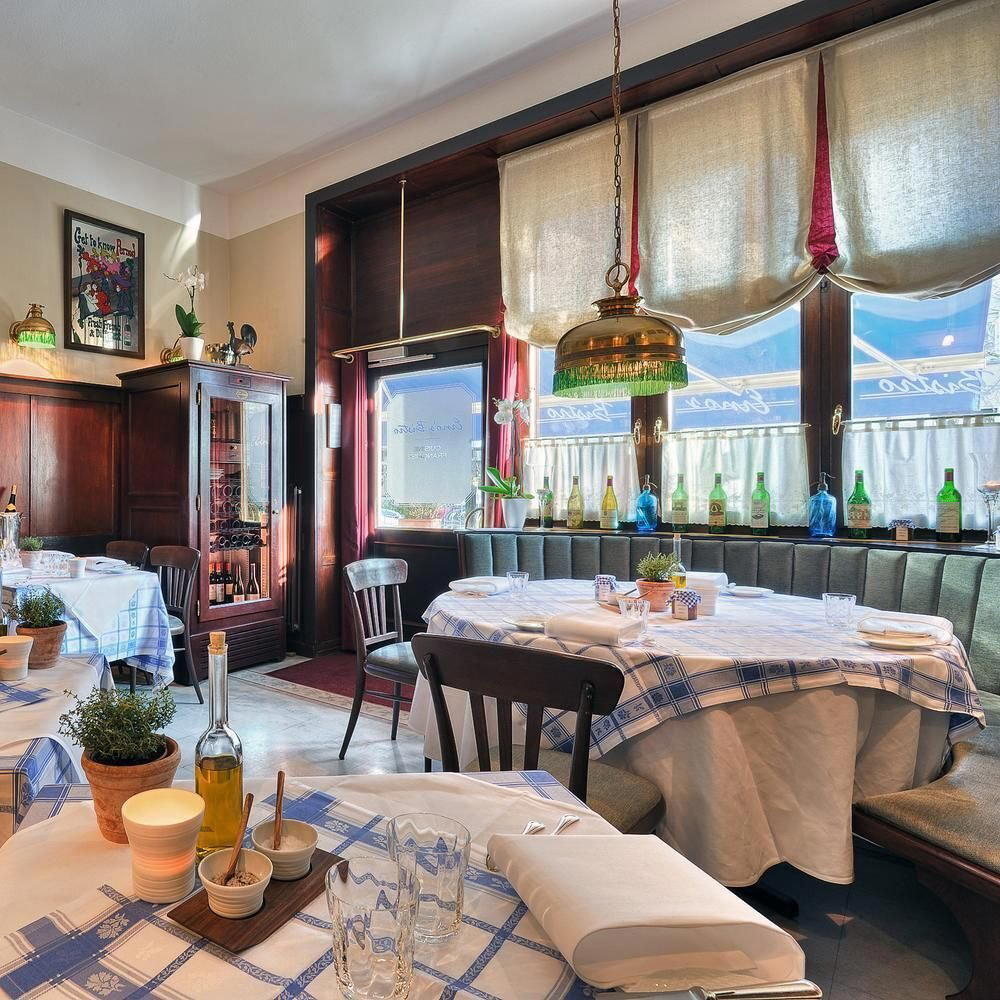
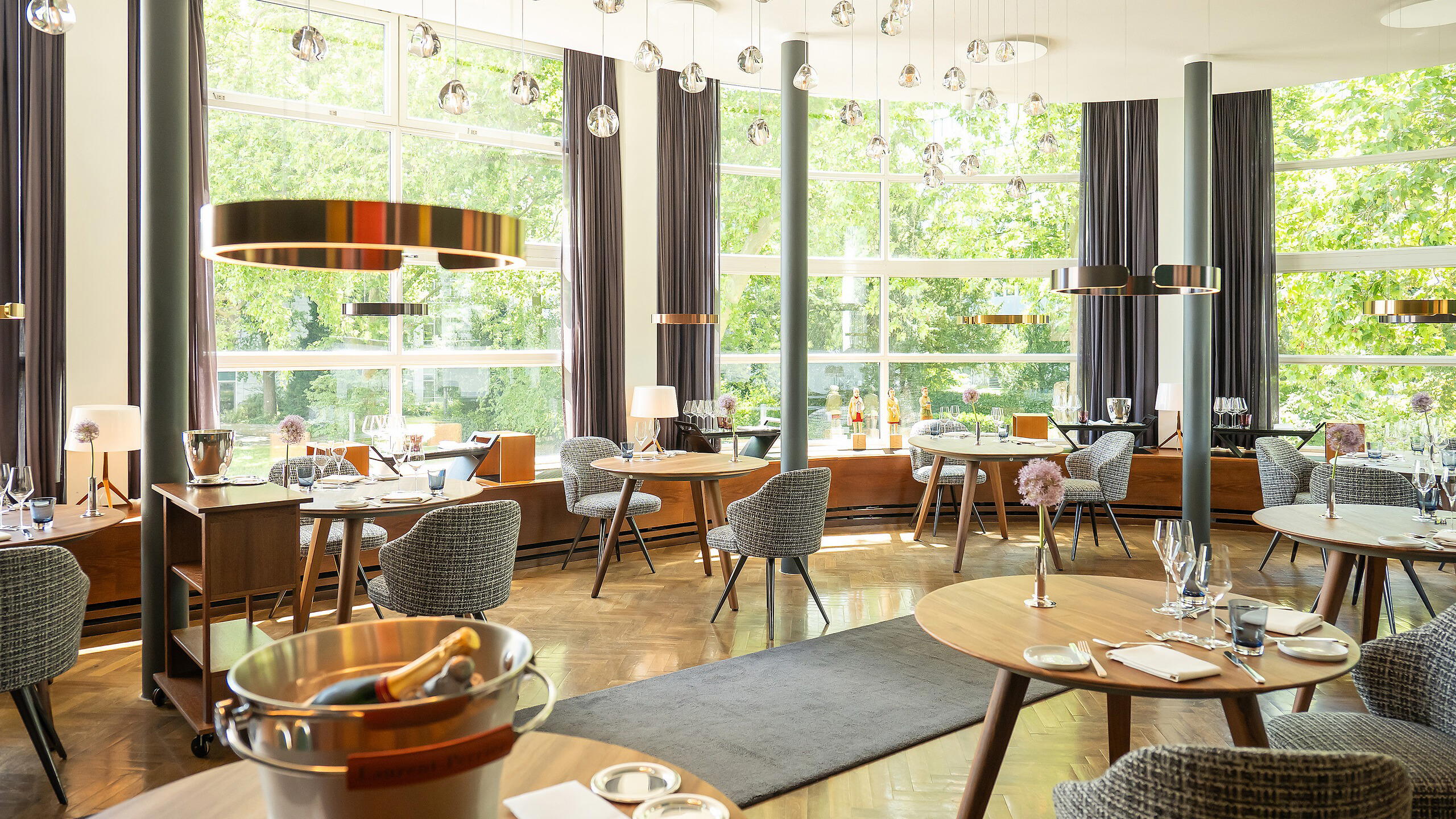
Bars in Frankfurt
Browse all →

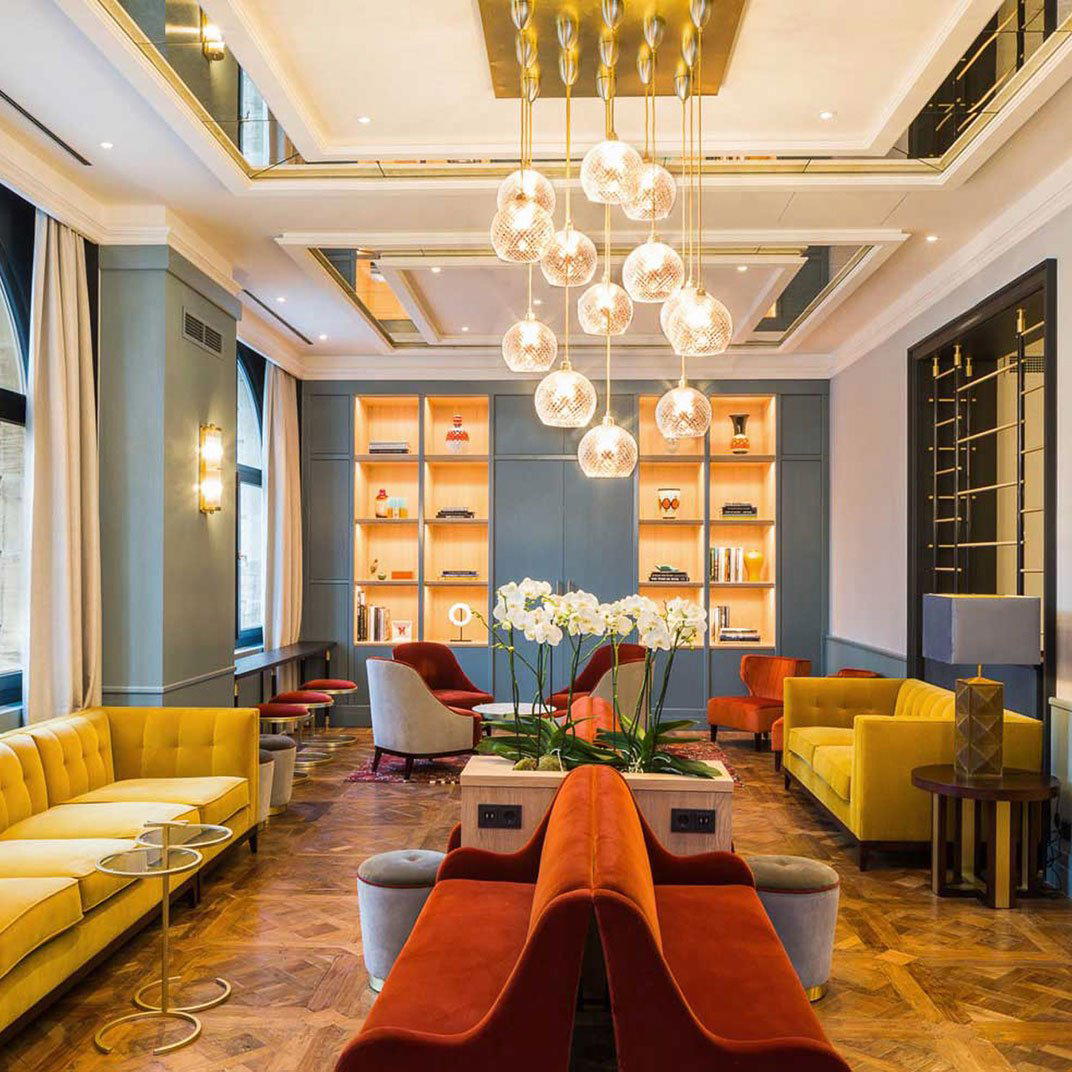
Hotels in Frankfurt
Browse all →

At a Glance
- Cozy
- Modern
- Casual Hangout
Current opening hours
- Monday
- 11 AM–3 PM, 5–10 PM
- Tuesday
- 11 AM–3 PM, 5–10 PM
- Wednesday
- 11 AM–3 PM, 5–10 PM
- Thursday
- 11 AM–3 PM, 5–10 PM
- Friday
- 9 AM–3 PM, 5–10 PM
- Saturday
- 11 AM–10 PM
- Sunday
- 11 AM–10 PM
Hours can change for holidays and private events. Last verified .
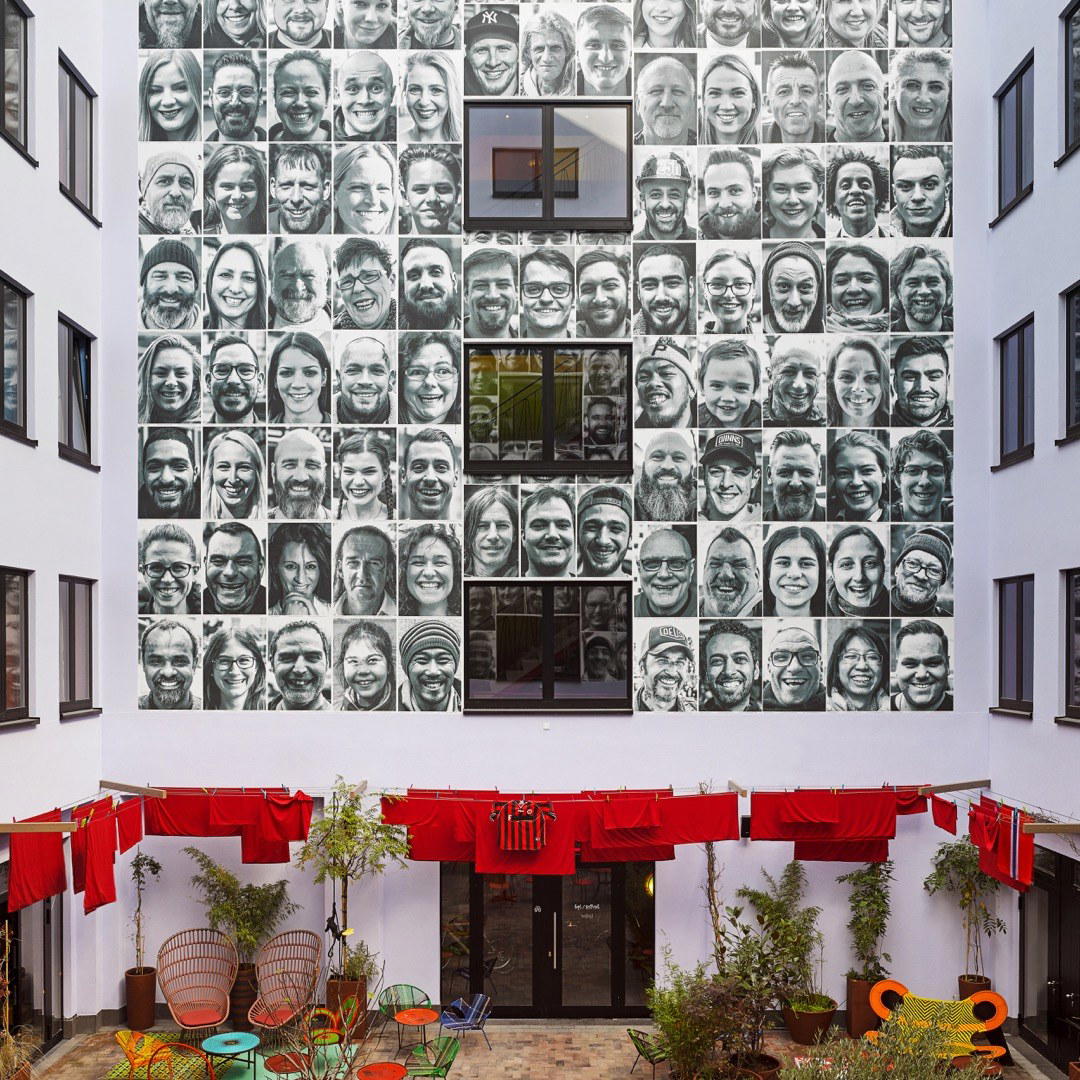
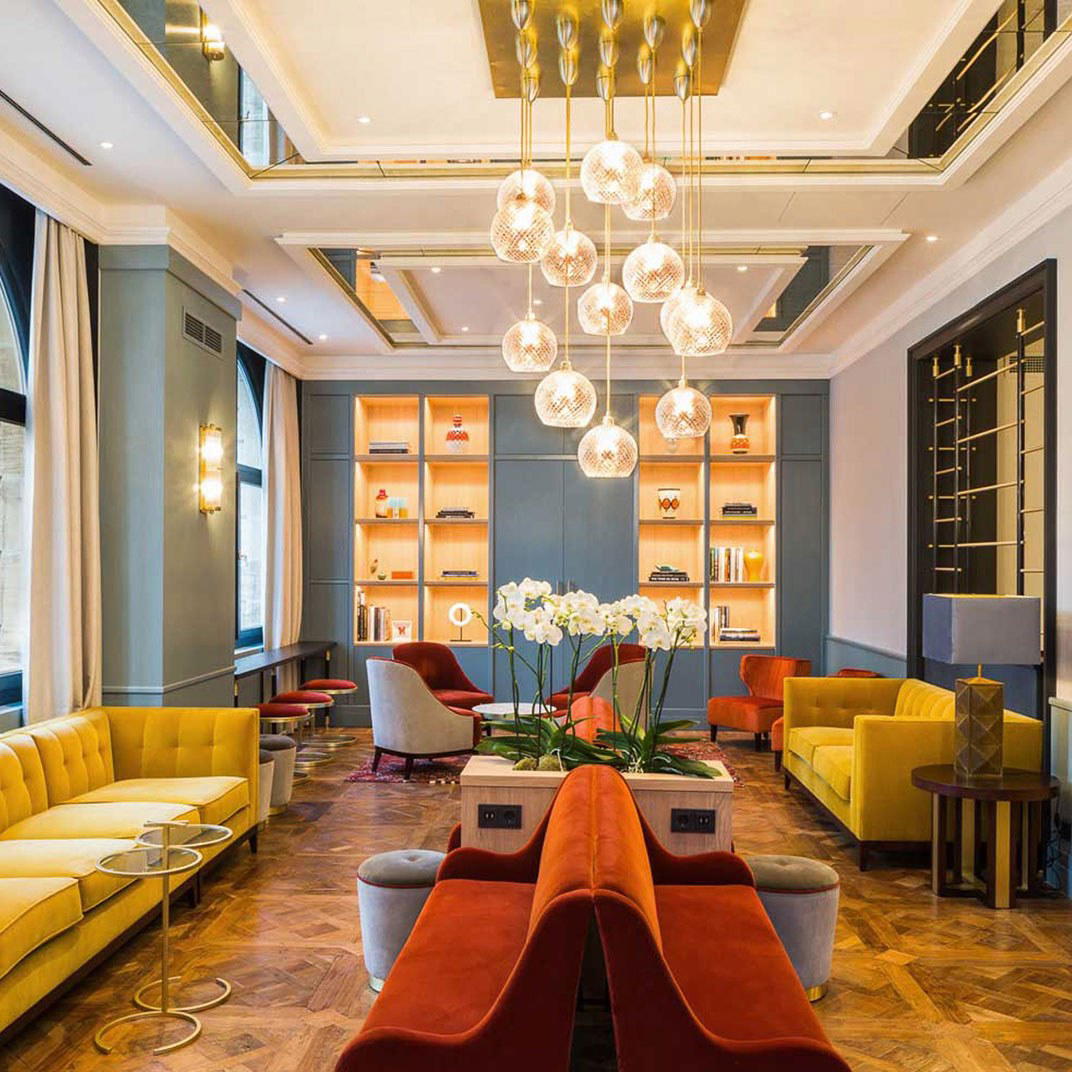
Modern decor and clean environment, comfortable but can get noisy when busy.