Google: 4.5 · 673 reviews
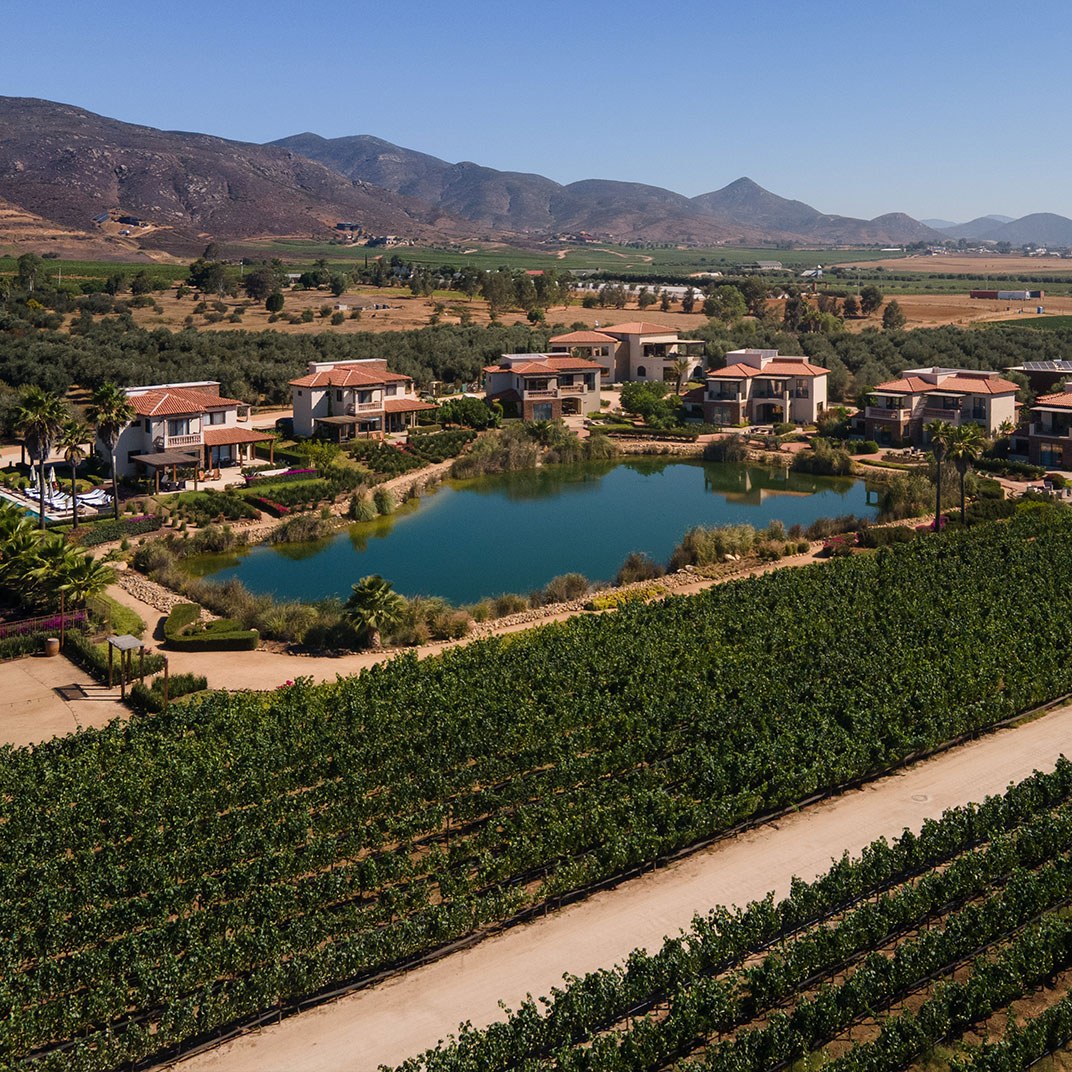
Set among working vineyards in Baja California's Valle de Guadalupe, Bruma Wine Garden occupies the agricultural heart of Mexico's most consequential wine region. The experience here is rooted in the land itself: grapes, olives, and produce grown on-site shape what reaches the table. For visitors tracing Mexico's farm-driven dining movement, it belongs on the same circuit as Animalón and Lunario.
 Discover on Pearl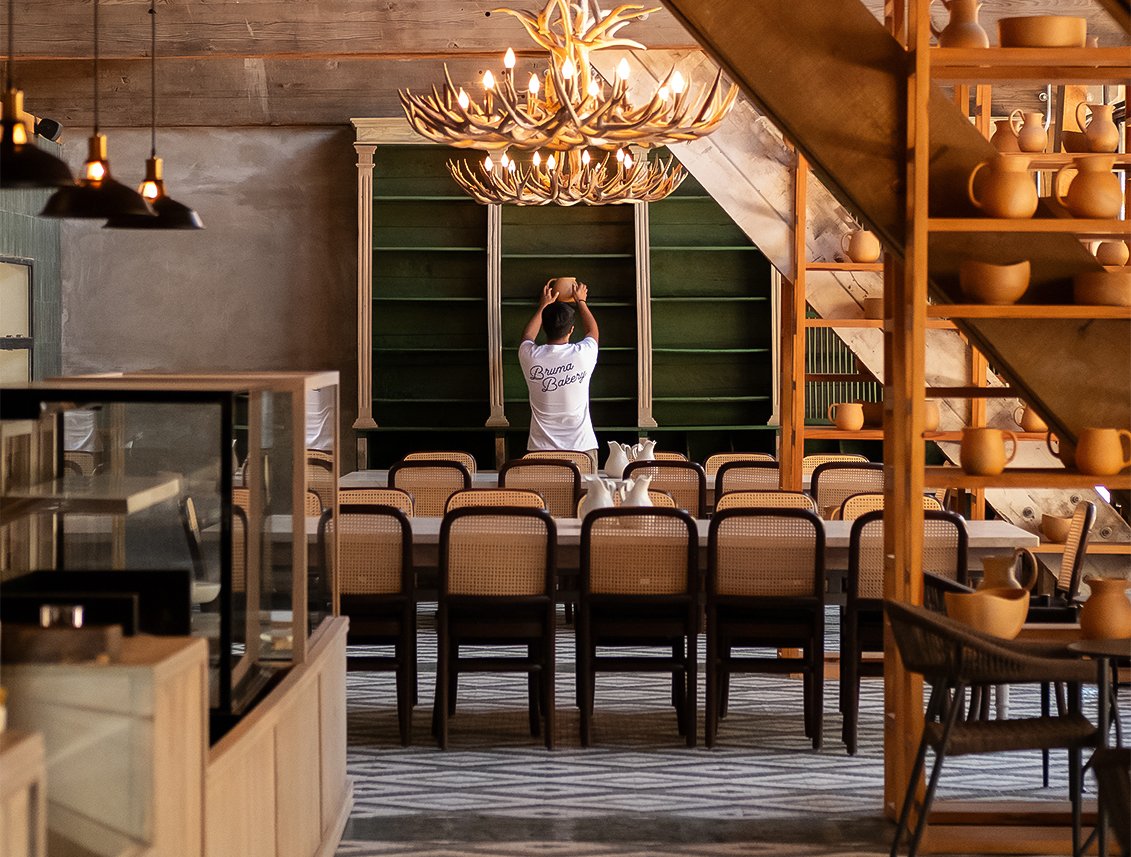
Where the Vineyard Is the Kitchen
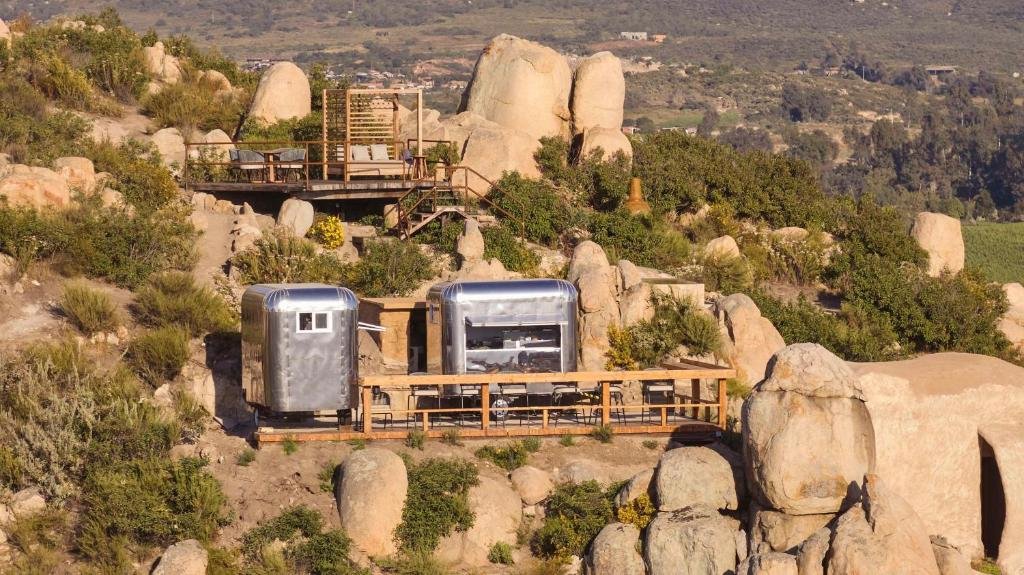
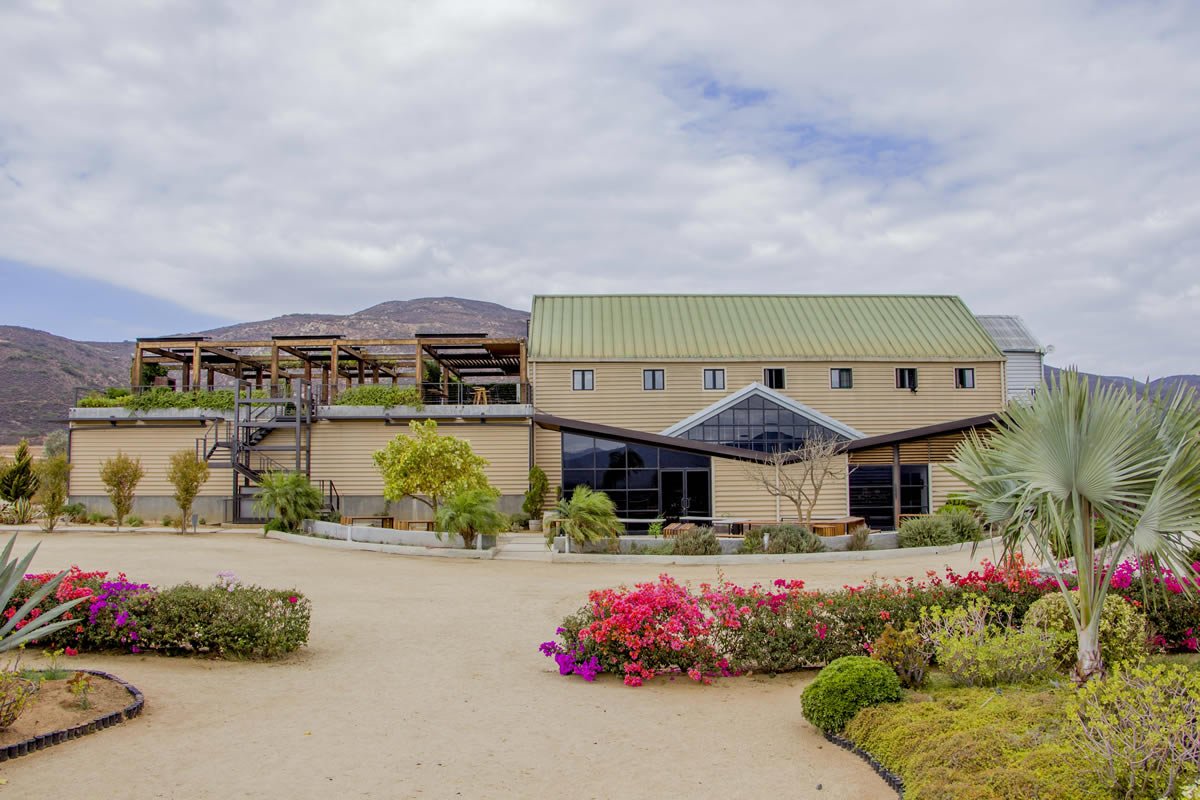
Approaching Bruma, the sequence is almost deliberately unhurried. Baja California's Valle de Guadalupe unfolds in pale dust and dry-farmed rows, the kind of terrain that makes the connection between soil and glass feel less like a marketing claim and more like a geological fact. The wine garden sits within working agricultural land, and that setting is not incidental. It is the premise. The distinction between farm, cellar, and dining table collapses here in ways that few venues in Mexico attempt at this scale.
Valle de Guadalupe has spent the last two decades building a culinary identity around that premise. What began as a wine-tourism corridor in Baja California has produced one of the most concentrated clusters of farm-anchored restaurants in Latin America. Bruma is among the properties that have pushed that model the furthest, treating the vineyard not as a backdrop for hospitality but as its primary ingredient source. That orientation places it in a specific and increasingly serious tier of the region's dining scene.
The Source as the Argument
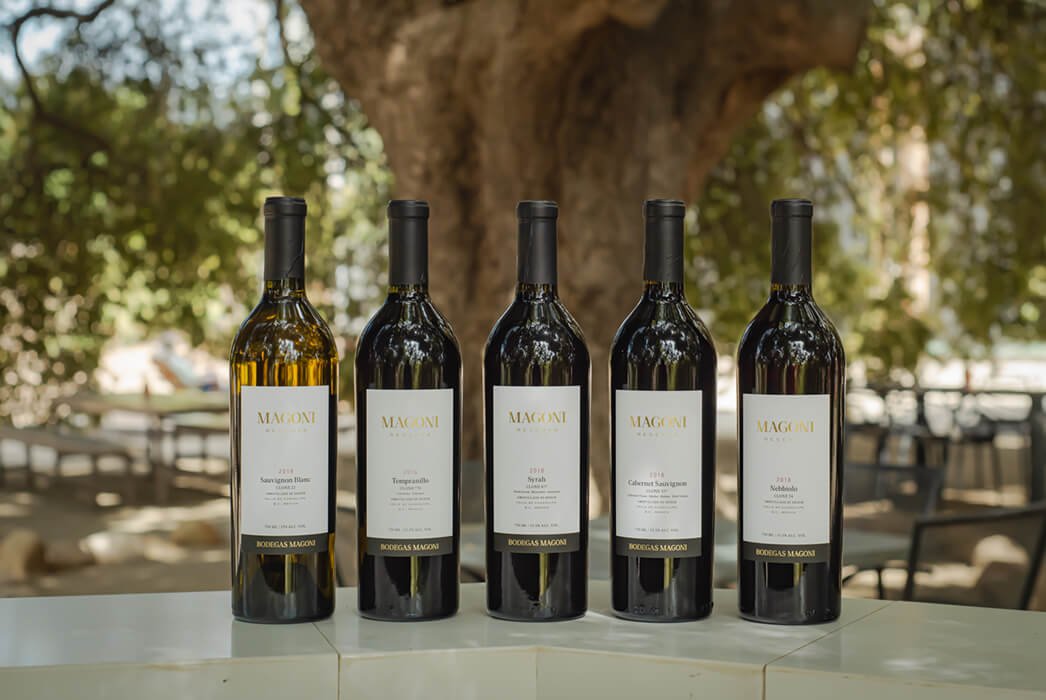
In a region where the phrase "farm to table" risks becoming shorthand for ambience rather than practice, the credibility question is always about proximity and specificity. How close is the farm? How much of what appears on the plate was grown within sight of where you are sitting? At Bruma, the vineyard's own production sets the terms. Grapes cultivated on-site feed both the winemaking program and the kitchen's creative context, and the broader agricultural operation extends to olives and produce that shape the menu's direction across seasons.
This sourcing model connects directly to a wider pattern visible across Baja California's premium dining tier. Properties like Animalón in Valle de Guadalupe and Lunario in El Porvenir operate from the same philosophical position: the ingredient geography of the peninsula is distinct enough that it warrants protection and promotion rather than supplementation from outside supply chains. Baja's coastal climate, its dry summers, and the specific minerality of its soils produce wines and produce with a character that chefs working in this region have spent years learning to translate into dishes. Bruma's wine garden format is, in that context, less a style choice and more a statement of regional commitment.
Compare this to Mexico City's high-end circuit, where Pujol sources with equal rigour but necessarily across a broader geography, drawing on producers from Oaxaca, Puebla, and the Gulf coast. The logistical reach required at that scale is its own kind of sophistication. In Valle de Guadalupe, the argument is the opposite: compression, not breadth. The smaller the radius, the more legible the connection between soil and plate.
Vineyard Dining as a Category
Winery restaurants occupy a distinct competitive set within Mexico's dining scene, one that operates somewhat separately from the urban tasting-menu circuit. The format rewards patience: the leading of them expect visitors to arrive with time, not just appetite. Lunches extend into the afternoon. Wine service follows the logic of the cellar rather than the clock. The setting does work that a city dining room cannot, and the trade-off is that the experience is inseparable from its location. You cannot replicate a Bruma meal in Guadalajara any more than you can replicate an Alcalde tasting menu in a vineyard. The geography is load-bearing.
Across Mexico's broader fine-dining geography, the farm-anchored winery model is gaining formal recognition. Venues like KOLI Cocina de Origen in Monterrey and Levadura de Olla in Oaxaca work from similar sourcing principles within their own regional contexts. What distinguishes the Baja version is the wine program's integration. In Oaxaca, the drinks conversation is mezcal; in Baja, it is the estate bottle on the table, grown from the same land as the vegetables on the plate. That coherence is the format's specific advantage.
The international comparisons are useful for calibration. Coastal California's wine-country dining scene, centred on Napa and Sonoma, established the template for this format decades ago. Baja's version is younger, less codified, and operating at lower price points than counterparts like The French Laundry's broader ecosystem. That gap is closing. Valle de Guadalupe's top-tier properties now draw visitors who would previously have routed through Northern California. The cuisine here is Mexican in its ingredient palette and technique, not a transplant of European or Californian vine-and-dine conventions, which matters both for authenticity and for the quality of the regional story being told.
Situating Bruma in the Valle
Valle de Guadalupe sits approximately 30 kilometres east of Ensenada, accessible via the Ruta del Vino. The route has become its own institution, anchoring a weekend circuit that draws visitors from Tijuana, San Diego, and further afield. Olivea Farm to Table in Ensenada sits at one end of this corridor; Bruma and its near neighbours form the valley's interior tier. Planning a visit typically means building around meal times rather than around a tasting itinerary, since the better properties in the valley are destinations that consume the better part of a day.
For those building a wider Baja circuit, the peninsula offers a range of reference points: HA' in Playa del Carmen and Le Chique in Puerto Morelos occupy the Yucatán Peninsula's premium tier and share the ingredient-origin emphasis, though the culinary vocabulary is entirely different. For readers interested in tracing Mexico's farm-driven dining movement across regions, our full Guadalupe restaurants guide maps the valley's landscape with the granularity that a single-day visit deserves. Further afield, Arca in Tulum and Huniik in Merida operate in the same spirit of regional ingredient fidelity, providing useful comparison points for how Mexico's various terroirs translate to the table.
Planning a Visit
Bruma is located at the address 22760 Guadalupe, Baja California, Mexico, within the valley's working agricultural zone. Visitors should confirm current operating details, including hours and reservation requirements, directly with the property before travelling, as wine-country venues in this region frequently adjust access formats and service schedules seasonally. The valley rewards visits during the harvest window from August through October, when activity on the estate is highest and the connection between vineyard work and table is most immediate. Weekends draw the largest visitor numbers across the Ruta del Vino; midweek visits allow more time and space at properties that operate on limited capacity. For the broader Mexican fine-dining context that Bruma sits within, venues like Pangea in San Pedro Garza Garcia and Casa Barroca in Puebla offer different regional reference points for understanding how Mexico's serious restaurant tier now operates outside the capital.
Comparison Snapshot
These are the closest comparables we have in our database for quick context.
| Venue | Cuisine | Price | Awards | Notes |
|---|---|---|---|---|
| Bruma Wine Garden | This venue | |||
| Pujol | Mexican | $$$$ | Michelin 2 Star | Mexican, $$$$ |
| Quintonil | Modern Mexican, Contemporary | $$$$ | Michelin 2 Star | Modern Mexican, Contemporary, $$$$ |
| Rosetta | Italian, Creative | $$ | Michelin 1 Star | Italian, Creative, $$ |
| Pangea | Modern Mexican, Contemporary | $$$ | Michelin 1 Star | Modern Mexican, Contemporary, $$$ |
| Le Chique | Mexican, Contemporary | $$$$ | Michelin 1 Star | Mexican, Contemporary, $$$$ |
Continue exploring
More in Guadalupe
Restaurants in Guadalupe
Browse all →
Bars in Guadalupe
Browse all →

Hotels in Guadalupe
Browse all →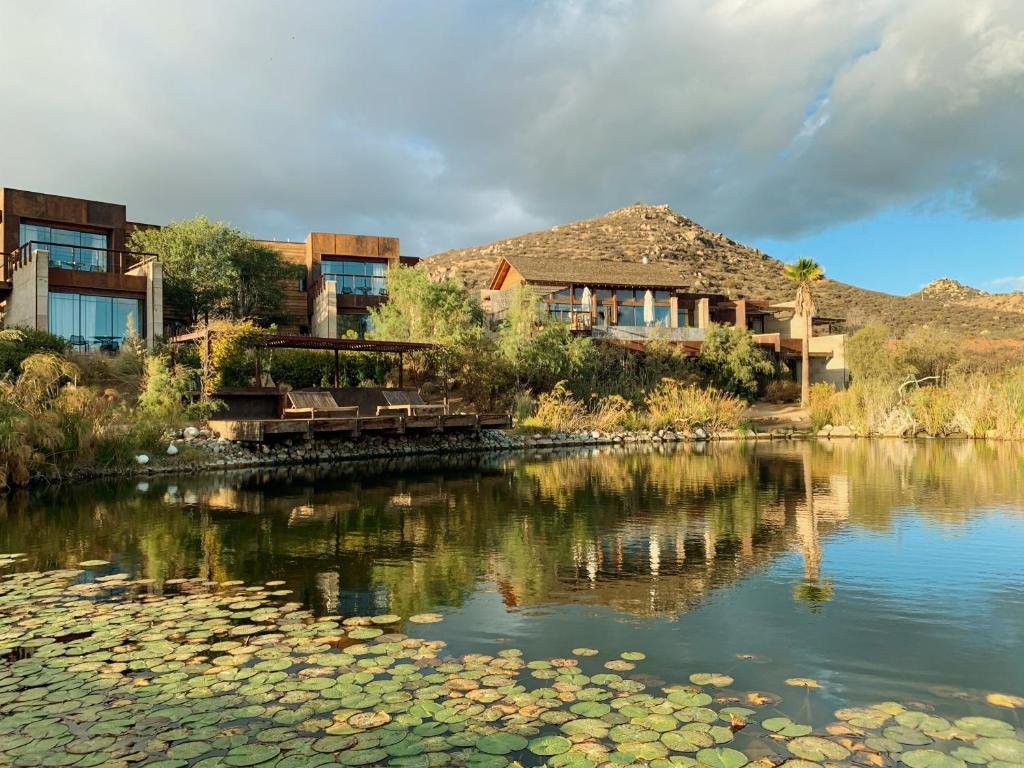
At a Glance
- Rustic
- Cozy
- Scenic
- Relaxed
- Brunch
- Casual Hangout
- Group Dining
- Garden
- Terrace
- Open Kitchen
- Extensive Wine List
- Local Sourcing
- Farm To Table
- Vineyard
- Garden
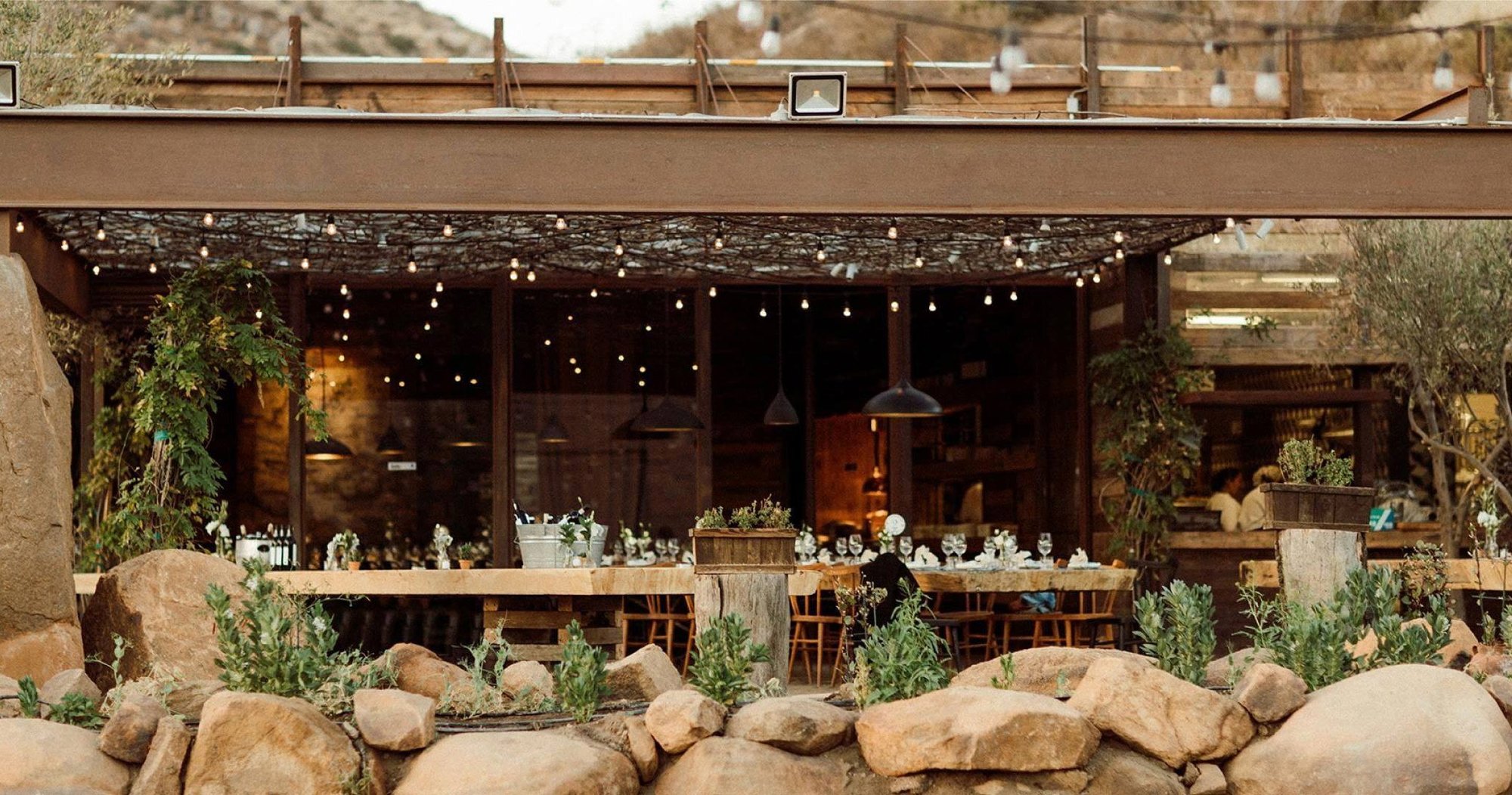
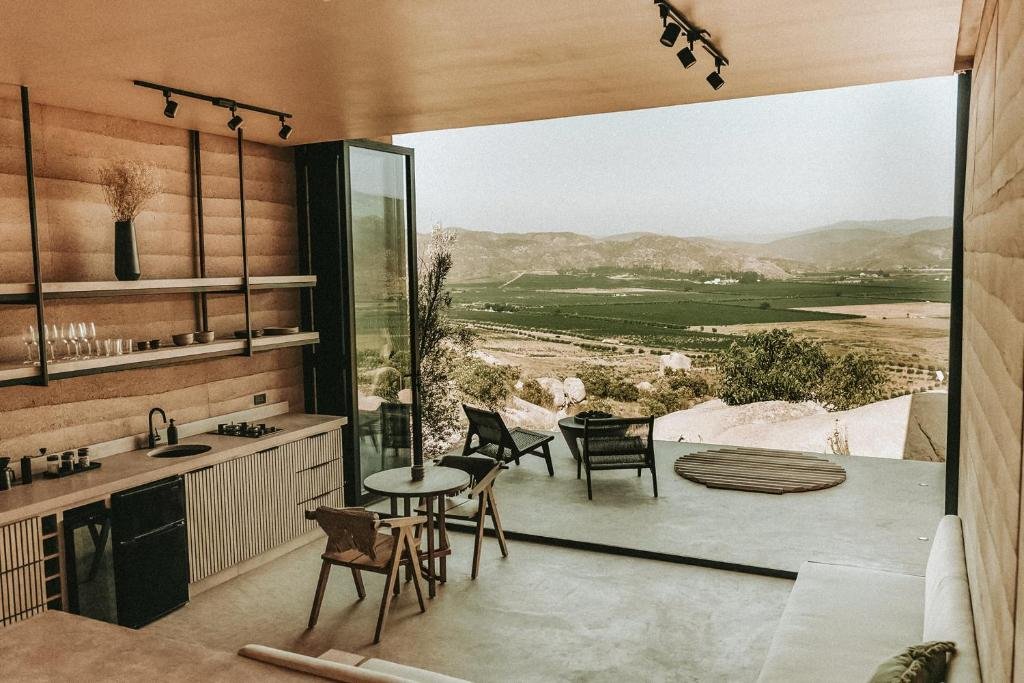
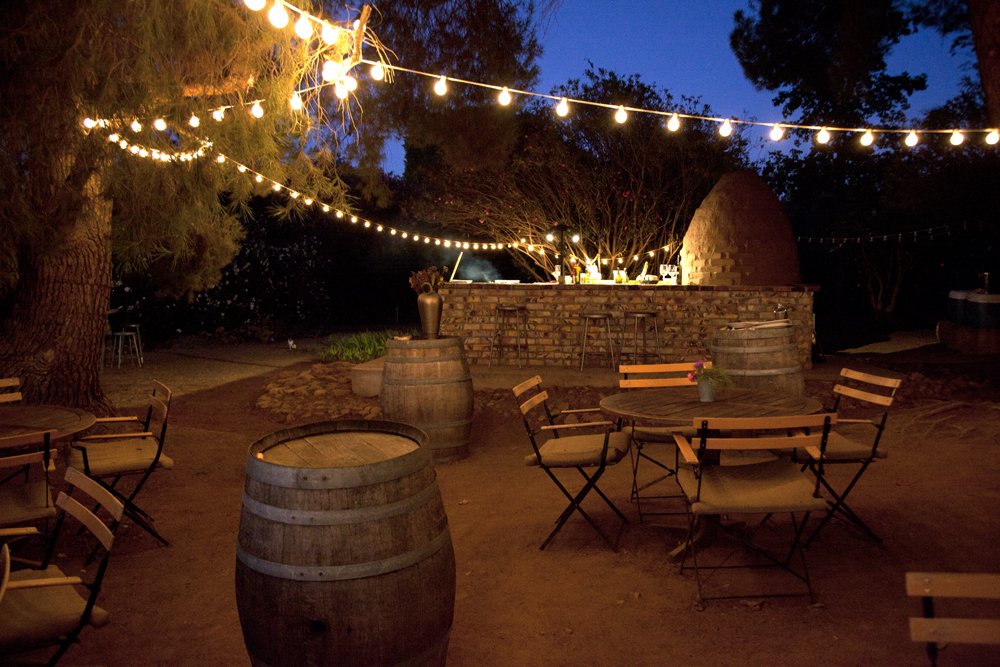
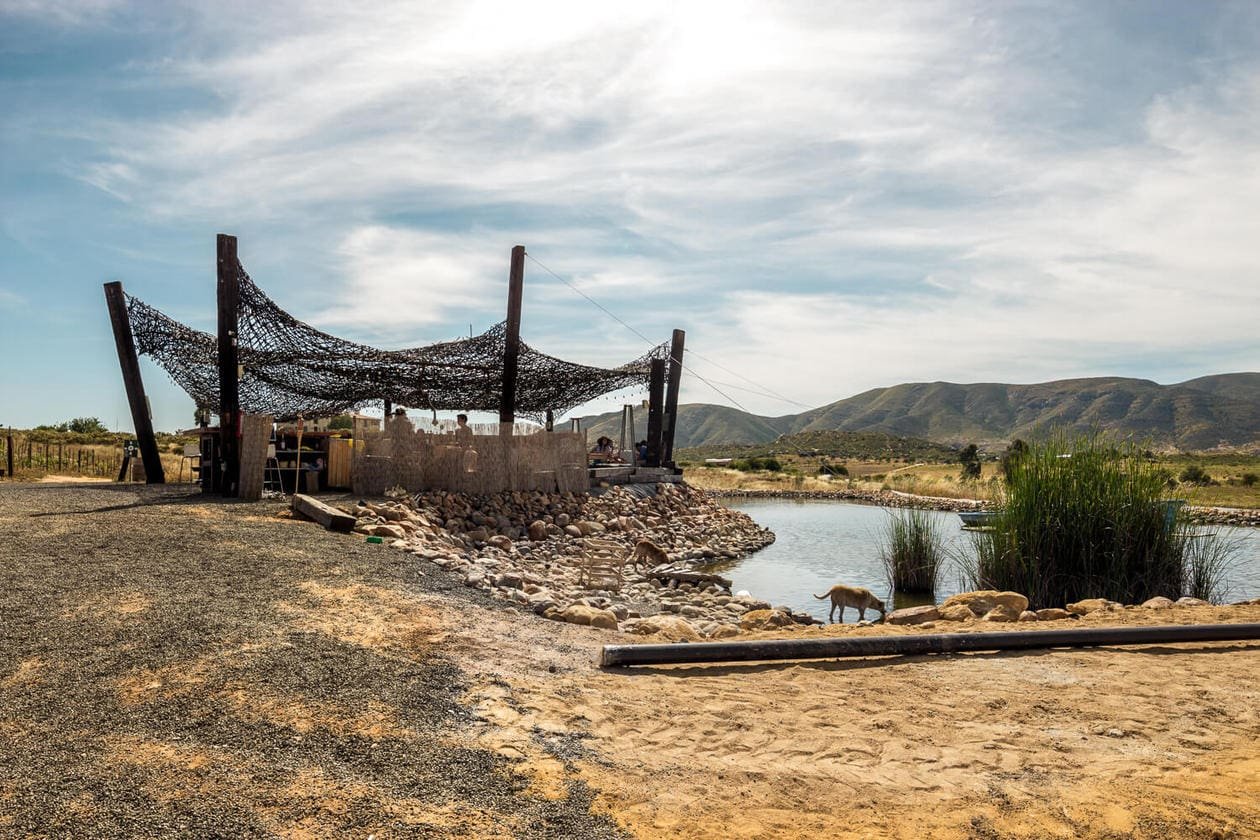
Breezy, design-forward outdoor terrace under tree cover with a relaxed, soulful atmosphere blending comfort and craft.