Fauna





Fauna sits within Bruma Wine Resort in Valle de Guadalupe, where chefs David Castro Hussong and Maribel Aldaco Silva run a daily-changing menu built entirely around seasonal, local ingredients. Recognised by La Liste among the world's top restaurants in 2026, it occupies the upper tier of Baja's serious dining scene, where architecture, terroir, and experimental cooking meet at one of Mexico's most compelling tables.
Pearl is the En Primeur Club membership app — saves, bookings, and concierge access live there. Same editors, same standards.
- Address
- México 3 km #73, 22760 Francisco Zarco, B.C., Mexico
- Phone
- +52 646 291 4997
- Website
- brumawineresort.com
- Directions
- Get directions
 Saves & bookings on Pearl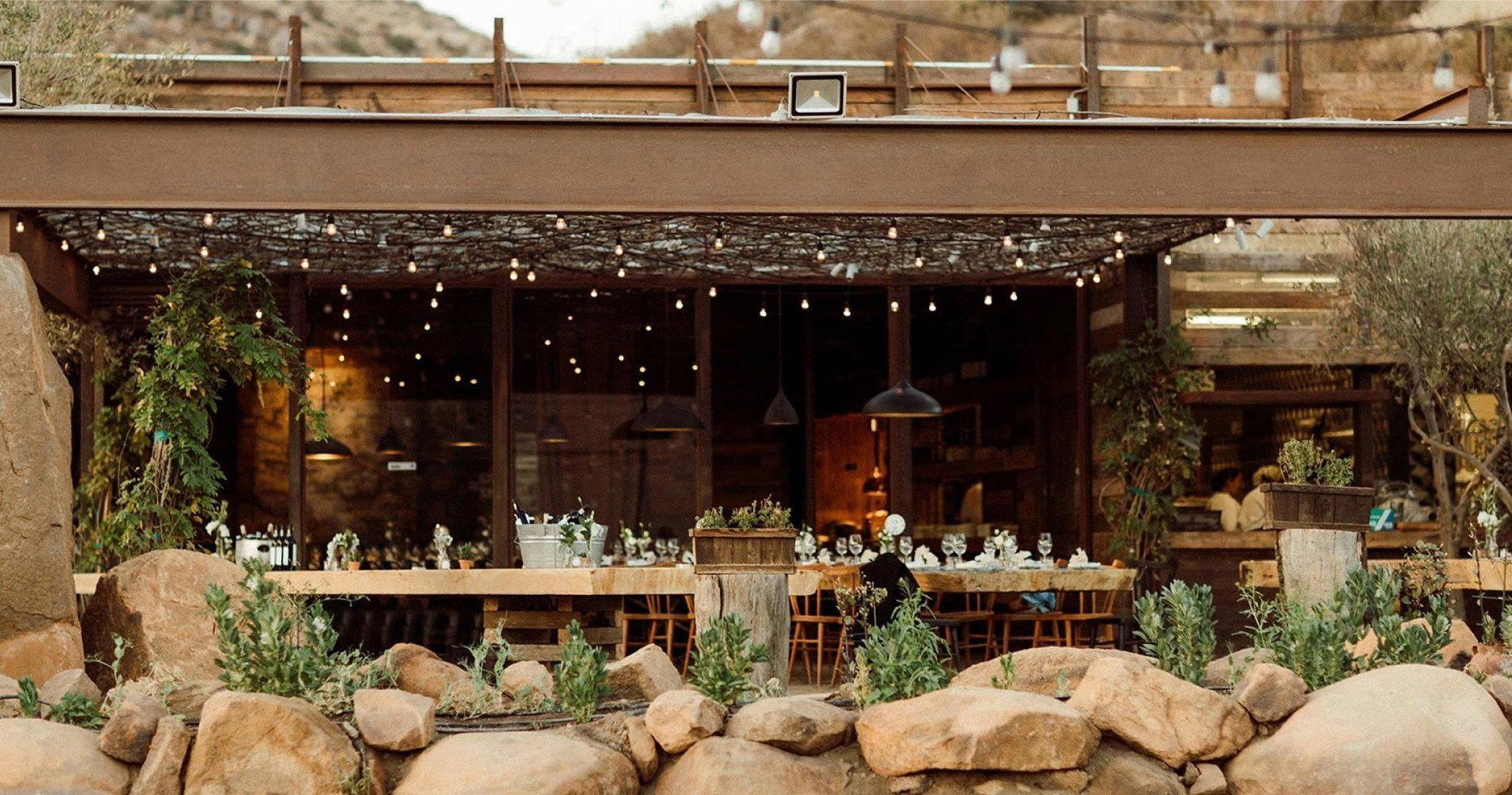
Where the Valley Becomes the Menu
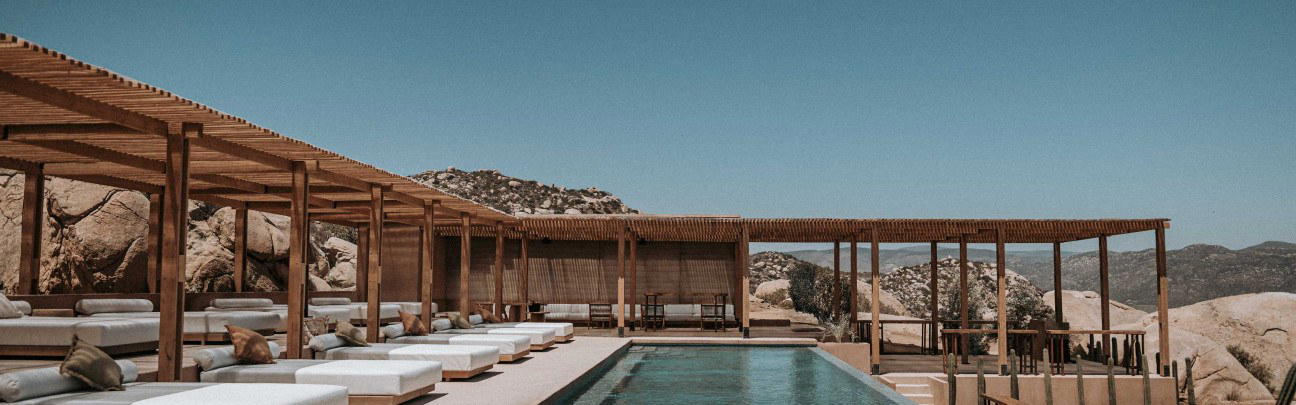
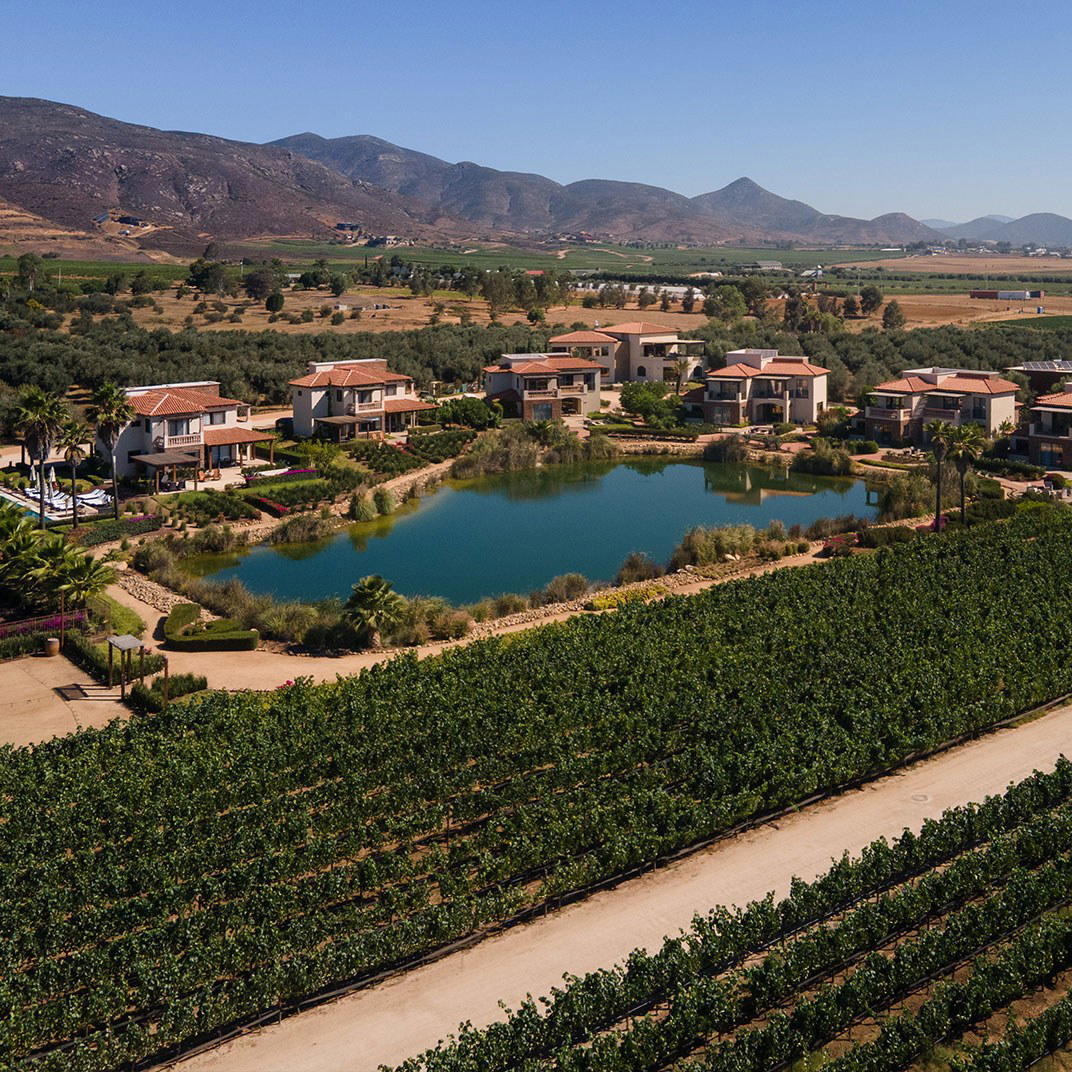
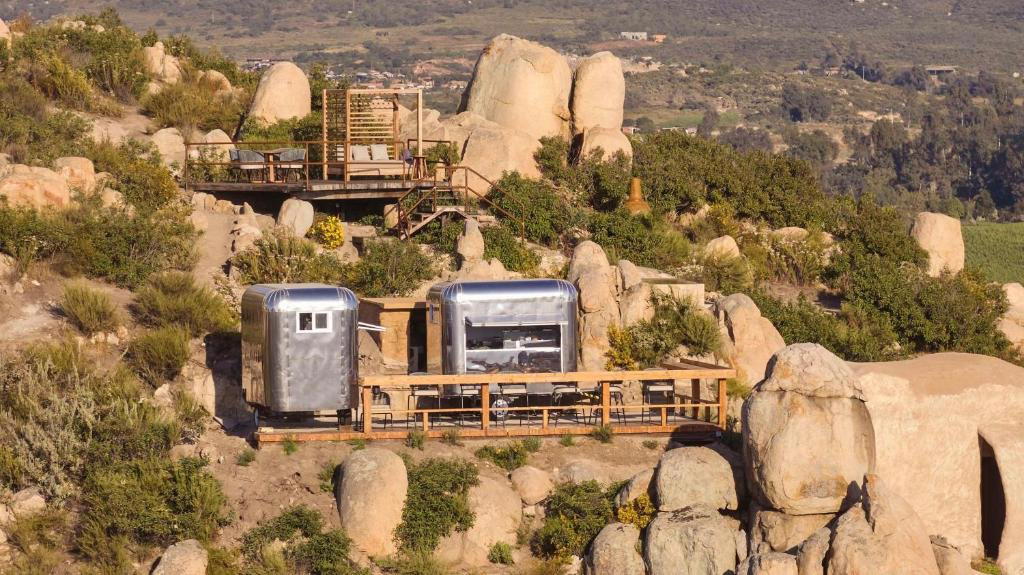
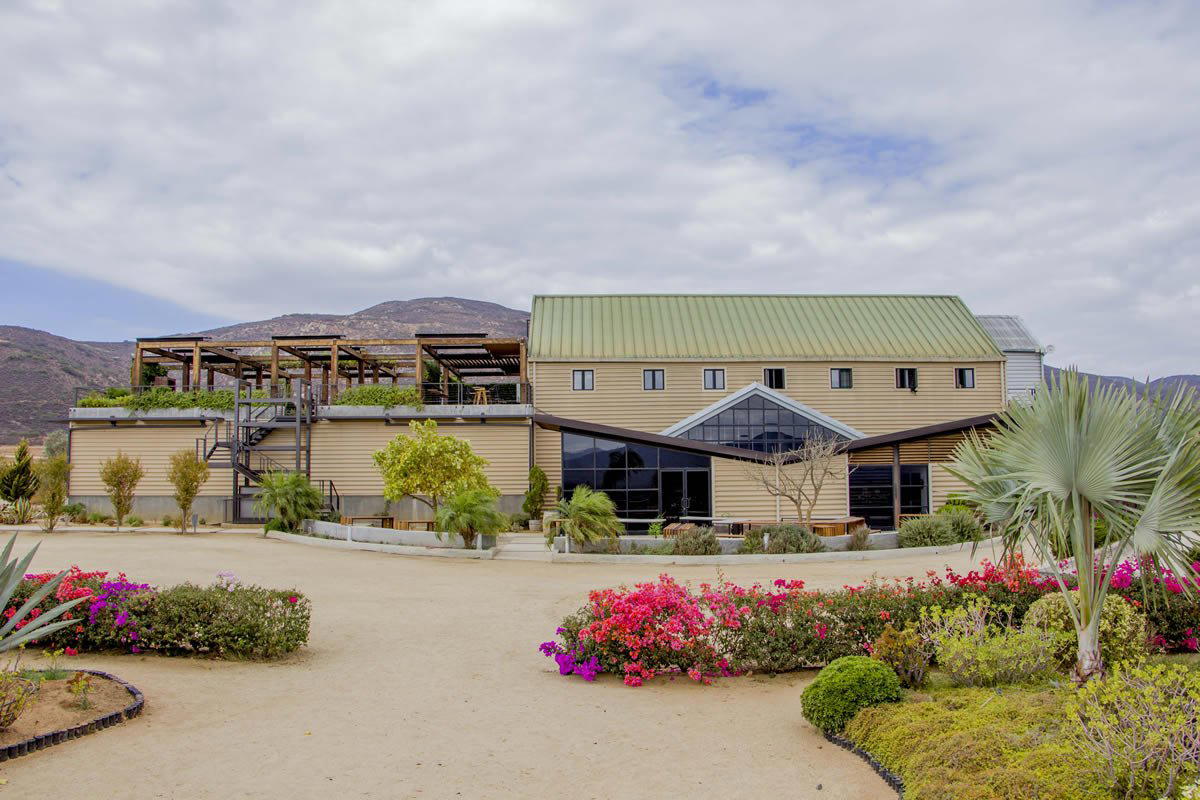
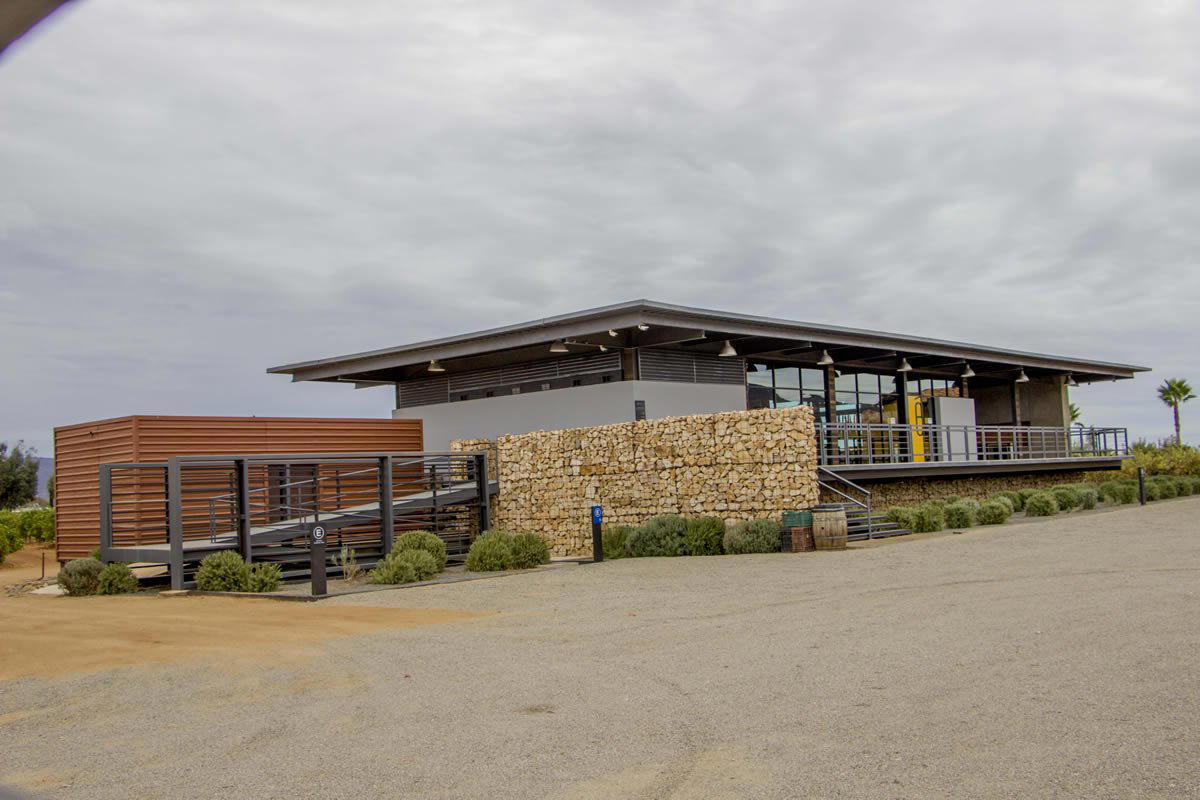
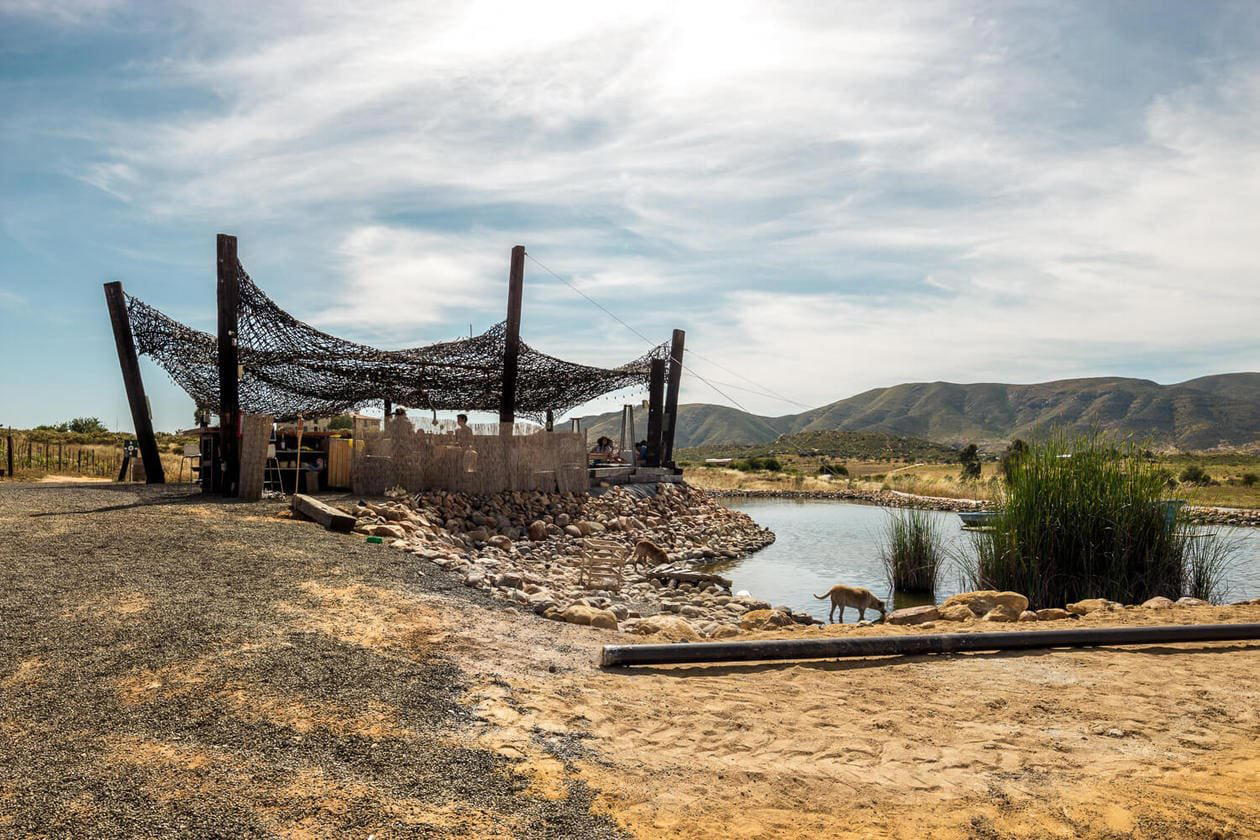
Arrive at Bruma Wine Resort in the late morning and the Valle de Guadalupe does something to your sense of time. Fauna is a contemporary Mexican restaurant in Francisco Zarco, Valle de Guadalupe, by chef David Castro Hussong, and it was ranked No. 17 on the World's 50 Best Restaurants list. The dust from the unpaved access road, the low scrub and granite boulders, the vineyards rolling toward the coastal range, all of it primes you for a different register of eating. Fauna operates inside this environment not as a building that happens to be near wine country, but as an architecture and culinary program that treats the valley itself as raw material. The structure is celebrated as much as what comes out of the kitchen, and the two are designed to feel continuous: open, site-specific, and subject to the same seasonal pressures that govern the surrounding farms and wineyards.
This matters for the visit in a practical sense. Fauna is not a restaurant you drop into on a whim. It sits at México 3 km #73 in Francisco Zarco, within the Bruma estate, and the experience is shaped before you arrive by the landscape you cross to get there. The Valle de Guadalupe is roughly 90 minutes south of Tijuana and an hour east of Ensenada, accessible by car through a route that passes working wineries and roadside fish stands in equal measure. That context, Baja wine country in its full, unhurried sprawl, is not background. It is part of what you are eating when you sit at Fauna.
A Menu That Resets Daily
Mexico's most talked-about restaurant kitchens have spent the past decade splitting into two recognisable camps: the technique-forward urban tasting menus you find at places like Pujol in Mexico City or Le Chique in Puerto Morelos, and a smaller, harder-to-categorise group that makes geography the dominant creative force. Fauna belongs firmly to the second camp. Chefs David Castro Hussong and Maribel Aldaco Silva run a menu that changes daily, anchored to what is available locally and seasonally in the valley and along the Baja coastline. There is no fixed carte to study in advance, no signature dish to seek out, and no version of the menu that repeats from week to week in any predictable way.
That format places real creative pressure on the kitchen. Daily menus built from local sourcing require relationships with producers that most urban restaurants simply do not have, and they demand a level of improvisation that tasting-menu kitchens with fixed supply chains can avoid. It also means that what a guest eats at Fauna in early summer will be meaningfully different from what arrives in late autumn, when Baja's growing season shifts and different coastal ingredients come into reach. This is the structure that experimental, place-driven restaurants like Lunario in El Porvenir or Levadura de Olla in Oaxaca have made their operating logic, and it is among the more demanding commitments a kitchen can make.
For a restaurant in a semi-rural wine valley, that positioning is worth noting plainly: it is not regional recognition dressed up as something larger. It is a score in a global field.
The Valle de Guadalupe Scene Around It
The dining ecosystem Fauna inhabits is now one of Mexico's most concentrated zones of serious cooking, even if it remains far less trafficked than Los Cabos or the Yucatán Peninsula for international visitors. The valley runs roughly 30 kilometres through the coastal mountains of Baja California, and it contains a scatter of wine estates, open-air restaurants, and small-production producers that have accumulated quietly since the mid-2000s.
Animalón and Conchas de Piedra both hold Michelin recognition in the valley, operating at the four- and three-dollar-sign tiers respectively, and they represent the same broad commitment to local ingredients and estate settings. Deckman's En El Mogor and Damiana fill out the mid-register alongside Kous Kous, which brings a North African lens to valley produce. What connects them is a shared premise: that Baja California's Pacific-facing agriculture, its coastline, and its wine production together constitute a genuine terroir worth cooking from, not simply a backdrop for tourism.
The Bruma estate gives it a different scale of infrastructure than the valley's standalone tables, and the combination of wine resort setting with a daily-changing high-end menu creates a particular kind of destination logic: you come to Bruma in part to eat at Fauna, and you eat at Fauna in part because you are already in the valley.
Fauna in the Broader Mexican Fine Dining Conversation
The range of serious cooking now distributed across Mexico, from the Korea-influenced precision of Atomix-adjacent contemporaries to the northern Mexico focus of KOLI Cocina de Origen in Monterrey or the cenote-adjacent theatrics of HA' in Playa del Carmen, reflects how thoroughly the country's restaurant culture has decentralised. Ten years ago, the conversation about Mexico's serious kitchens began and ended in Mexico City. That is no longer true, and Fauna is one of the clearest examples of why. A 75-point La Liste score from a wine valley two hours from the US border changes what the geography of Mexican fine dining looks like on a global map.
The comparison that matters most, though, is probably not with urban Mexico but with the world's other wine-country restaurant destinations. Napa, Burgundy, the Barossa, and Mendoza all have restaurant ecosystems built around estate settings and producer relationships. Fauna sits in that international conversation, a kitchen doing genuinely experimental, daily-resetting work from within a wine resort, at a level that holds up against peers in those regions.
Given the daily-changing format, the estate setting, and its La Liste recognition, demand runs well ahead of available covers. The restaurant is located at México 3 km #73, Francisco Zarco, a car is the only practical option for reaching Bruma, and
Reputation Context
Comparable venues nearby, for context on price, style, and recognition.
| Venue | Cuisine | Price | Awards | Notes |
|---|---|---|---|---|
| FaunaThis venue — the venue you are viewing | Contemporary Mexican Farm-to-Table | $$$$ | World's 50 Best #17 | Not listed |
| Villa Torél | Contemporary Mexican with Baja Mediterranean influences | $$$$ | Bib Gourmand | Villa de Juárez |
| Animalón | Contemporary Mexican Fine Dining | $$$$ | Michelin 1 Star | Valle de Guadalupe |
| Conchas de Piedra | Baja Seafood & Sparkling Wines | $$$ | Michelin 1 Star | Valle de Guadalupe |
| Damiana | Contemporary Mexican Tasting Menu | $$$$ | Michelin 1 Star | Valle de Guadalupe |
| Deckman's En El Mogor | Baja Farm-to-Table Slow Food | $$$$ | Michelin Plate | San Antonio de Las Minas |
Recognition history
Dated appearances from independent guides and award organizations, with the underlying list record or original source where available.
La Liste Top Restaurants
La Liste
Michelin Bib Gourmand
Michelin
Opinionated About Dining Casual in North America Recommended
Opinionated About Dining
The Best Chef Two Knives
The Best Chef
World's 50 Best Latin America's Best Restaurants #17
World's 50 Best
Continue exploring
More in Valle de Guadalupe
Restaurants in Valle de Guadalupe
Browse all →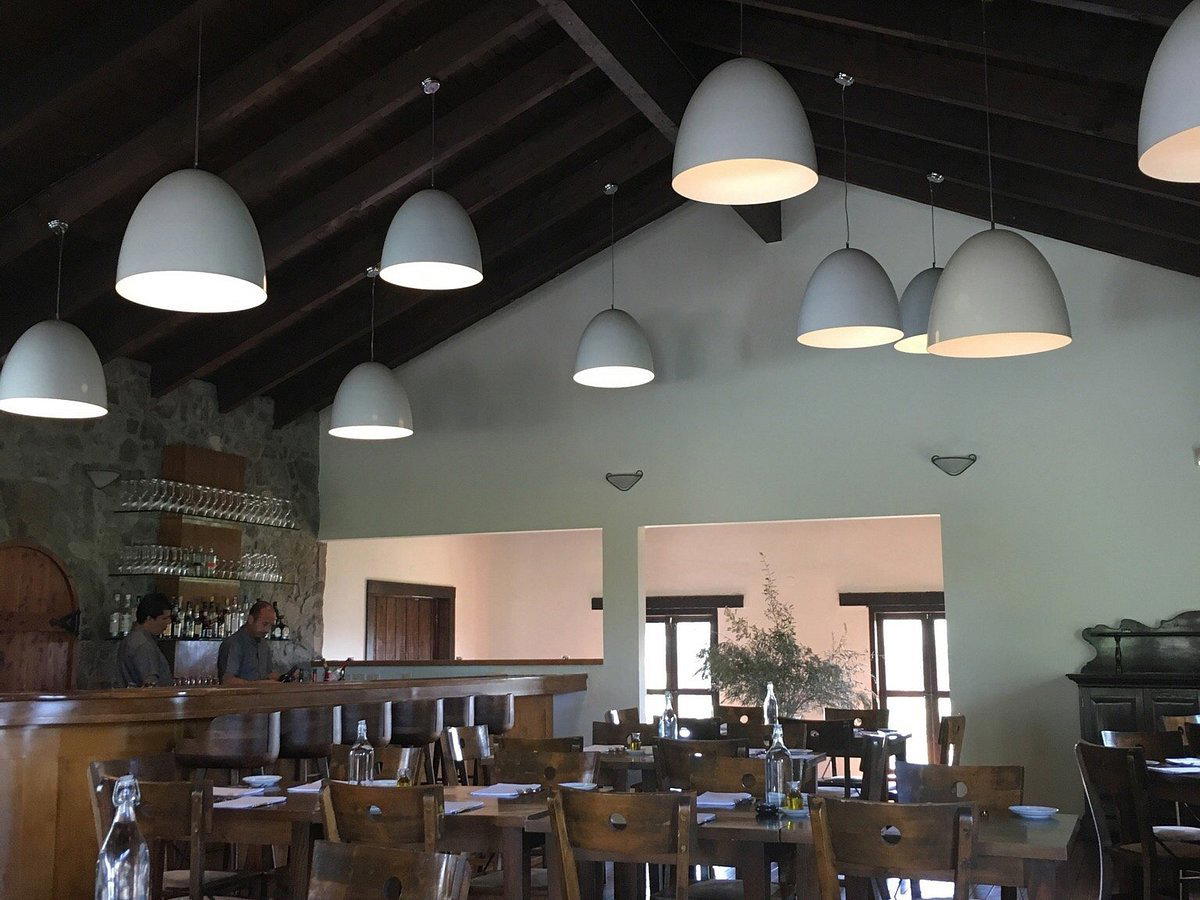
Bars in Valle de Guadalupe
Browse all →
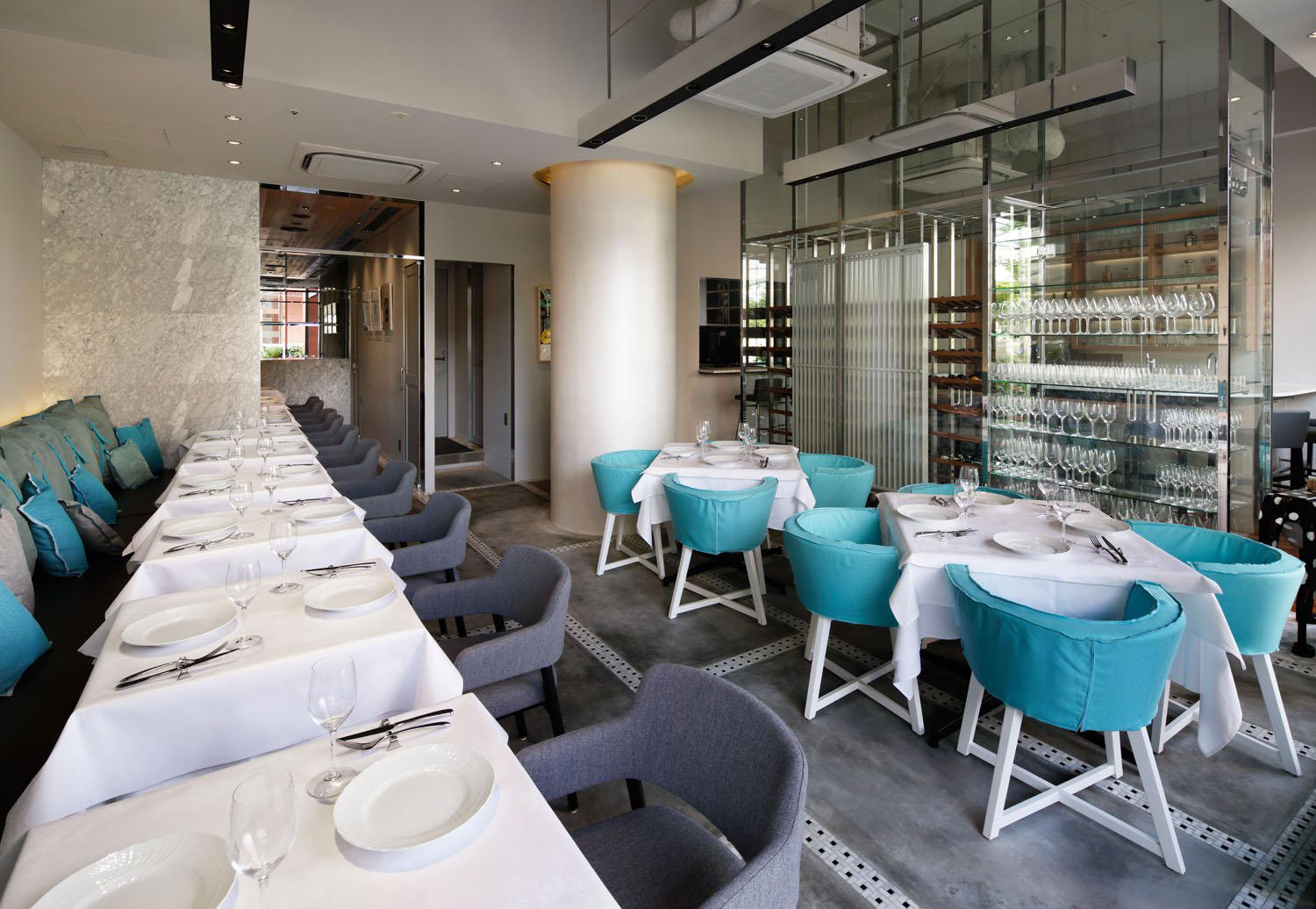
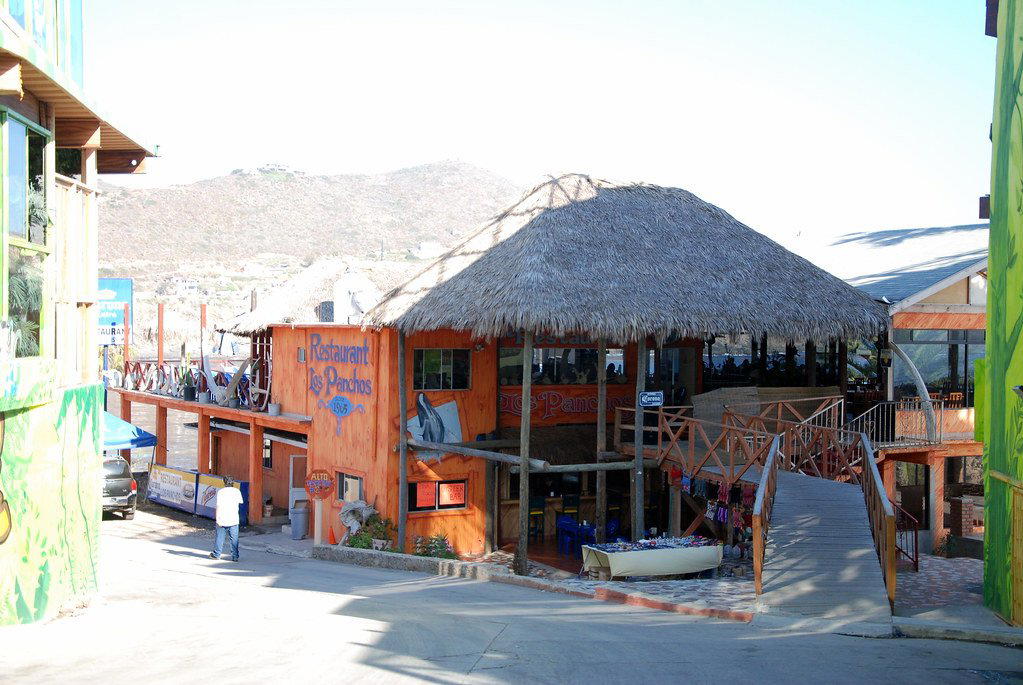
Hotels in Valle de Guadalupe
Browse all →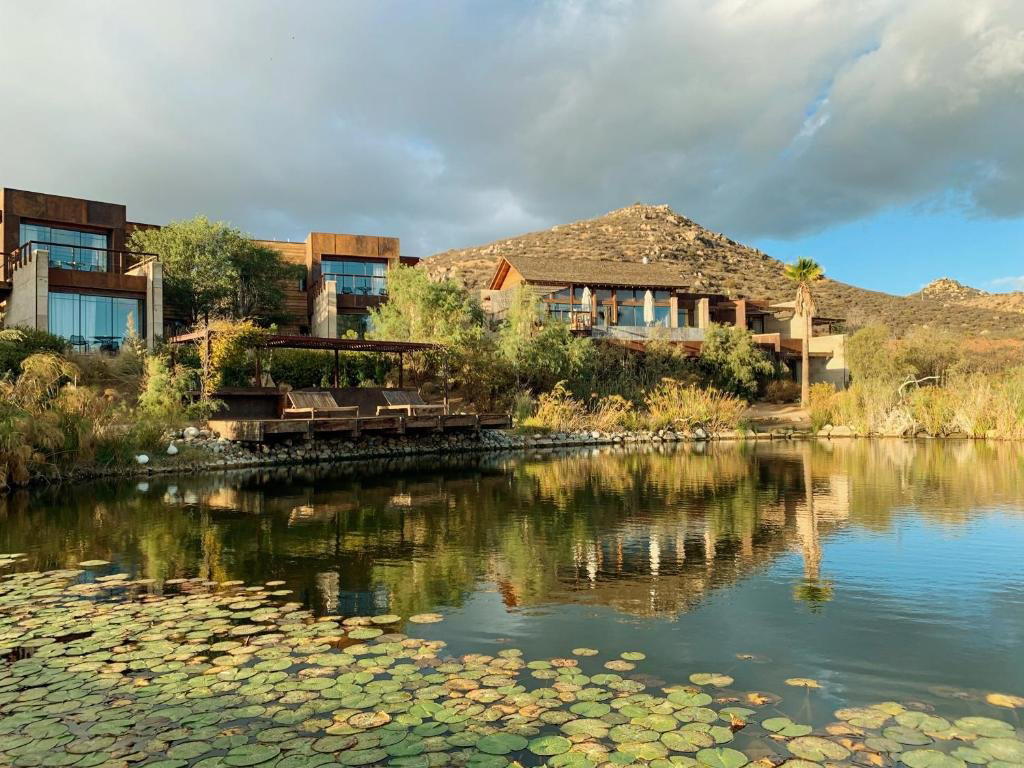
At a Glance
- Romantic
- Scenic
- Elegant
- Intimate
- Sophisticated
- Date Night
- Special Occasion
- Celebration
- Group Dining
- Open Kitchen
- Garden
- Wine Cellar
- Panoramic View
- Private Dining
- Extensive Wine List
- Sommelier Led
- Farm To Table
- Organic
- Local Sourcing
- Garden
- Vineyard
Current opening hours
- Monday
- 1–8 PM
- Tuesday
- 1–8 PM
- Wednesday
- 1–8 PM
- Thursday
- 1–8 PM
- Friday
- 1–9 PM
- Saturday
- 1–9 PM
- Sunday
- 1–8 PM
Hours can change for holidays and private events. Last verified .
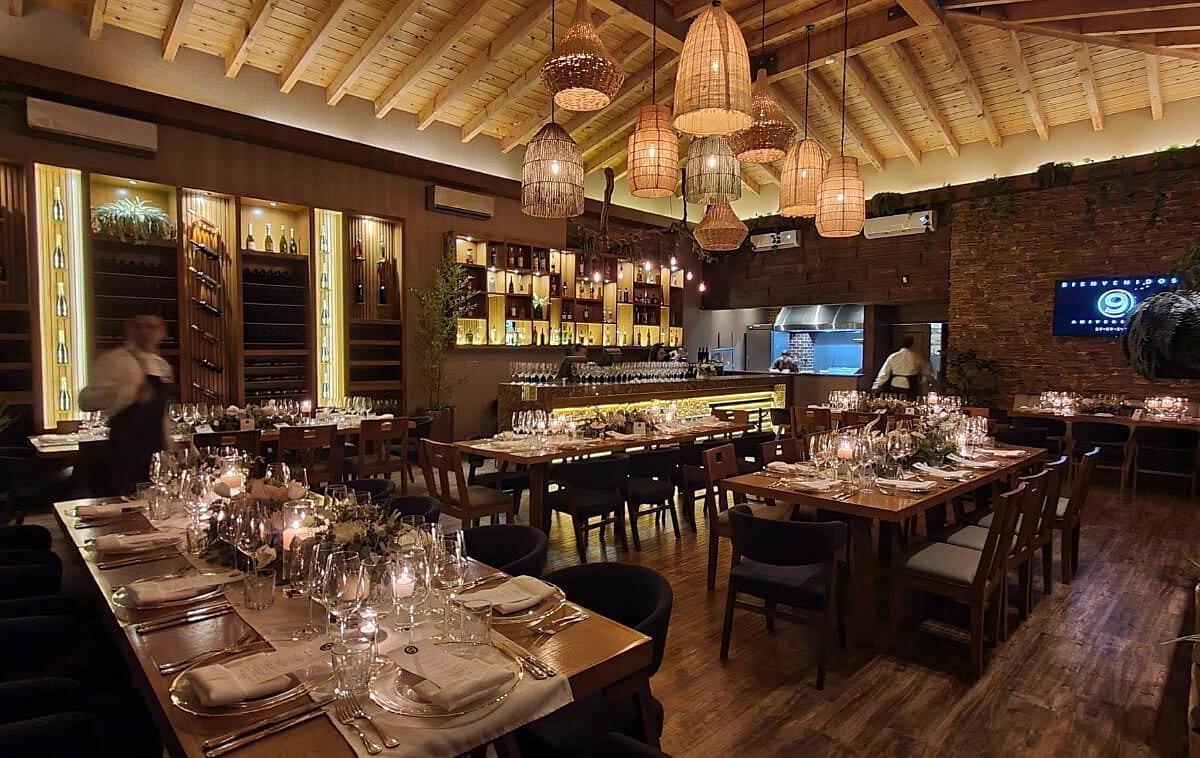
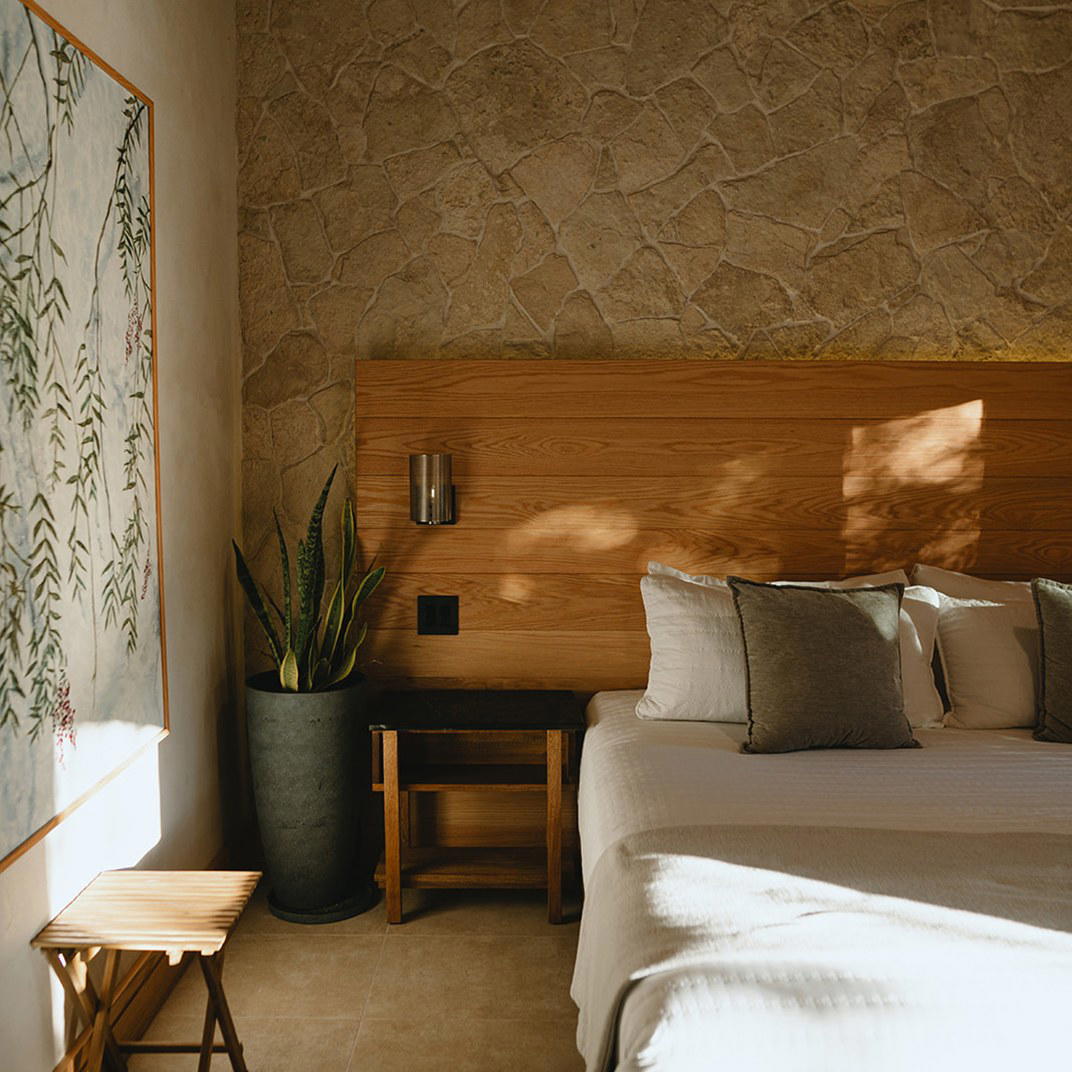
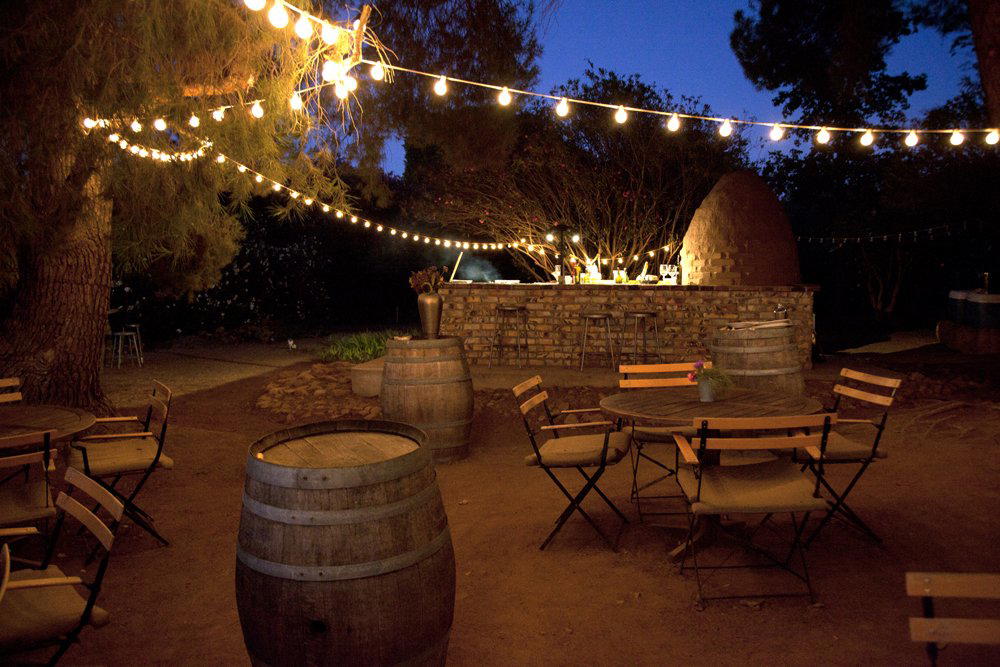
Warm, intimate timber-clad dining room with floor-to-ceiling windows opening to gardens; soft natural light framed by rolling hills; mix of communal and individual tables creating a convivial yet refined atmosphere.