Damiana

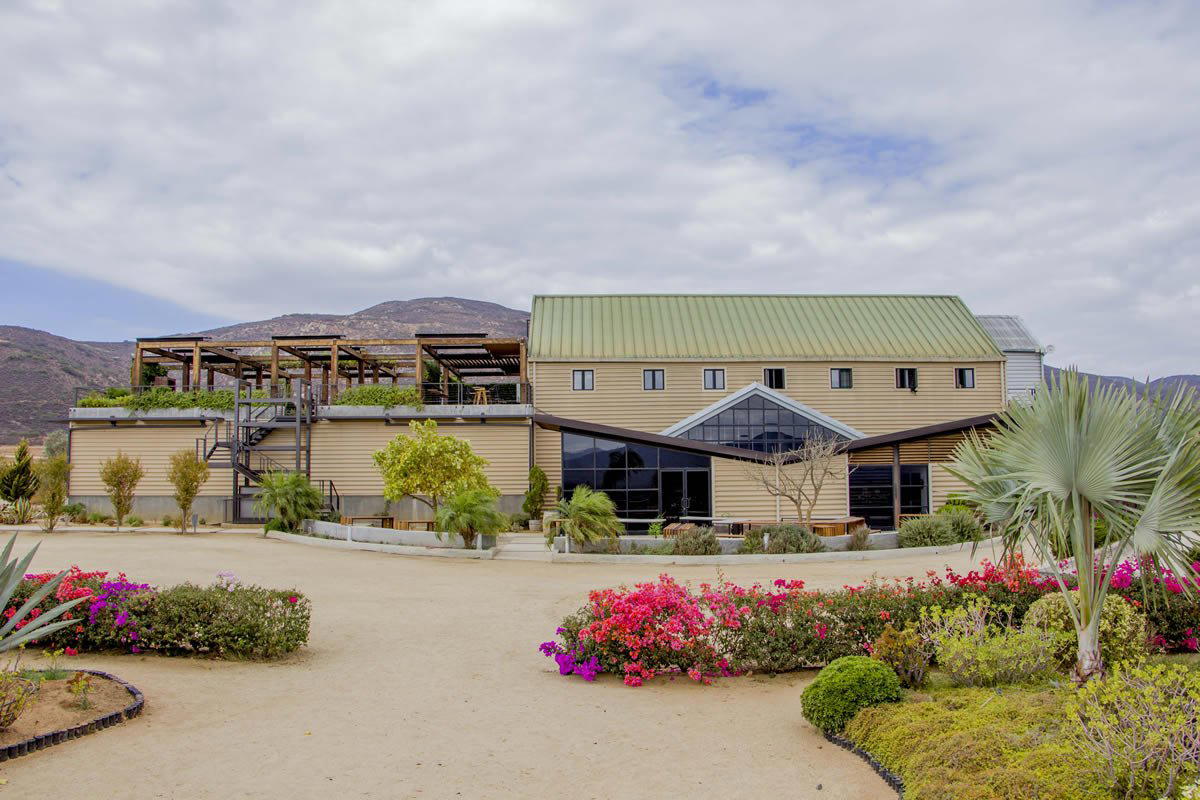
Damiana holds two consecutive Michelin stars (2024 and 2025) and sits inside the Viñedos de la Reina estate in Valle de Guadalupe, Baja California's wine country. Chef Esteban Lluis works within a Mexican culinary framework that draws on the complexity of mole tradition alongside the valley's produce and surrounding Pacific coastline. At the $$$$ price tier, it occupies the same conversation as Animalón and a small handful of starred addresses across Mexico.
Pearl is the En Primeur Club membership app — saves, bookings, and concierge access live there. Same editors, same standards.
- Address
- Viñedos de la Reina, México 3 Supermanzana KM. 71 KM 71, 22034 Francisco Zarco, B.C., Mexico
- Phone
- +52 646 345 6950
- Website
- damianarestaurant.com
- Directions
- Get directions
 Saves & bookings on Pearl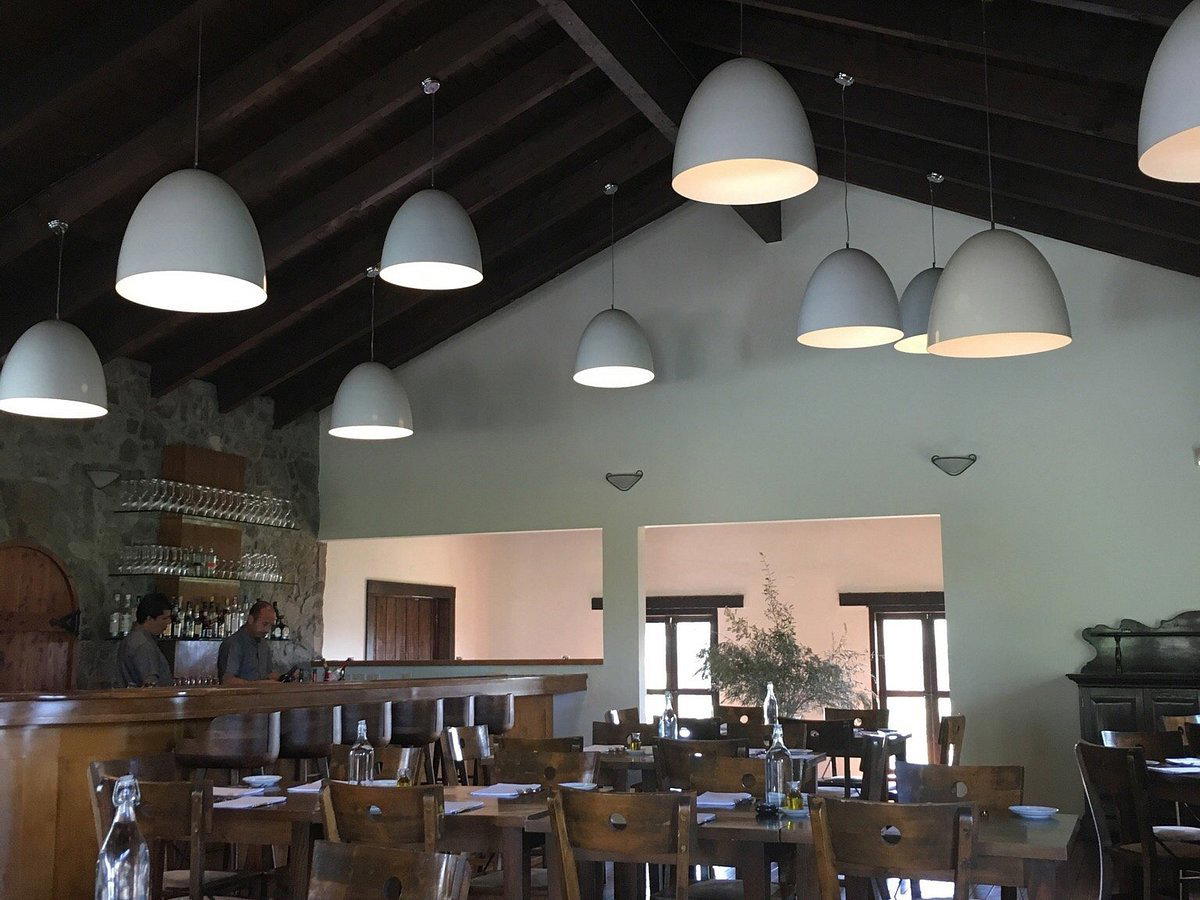
Where the Valley Meets the Plate
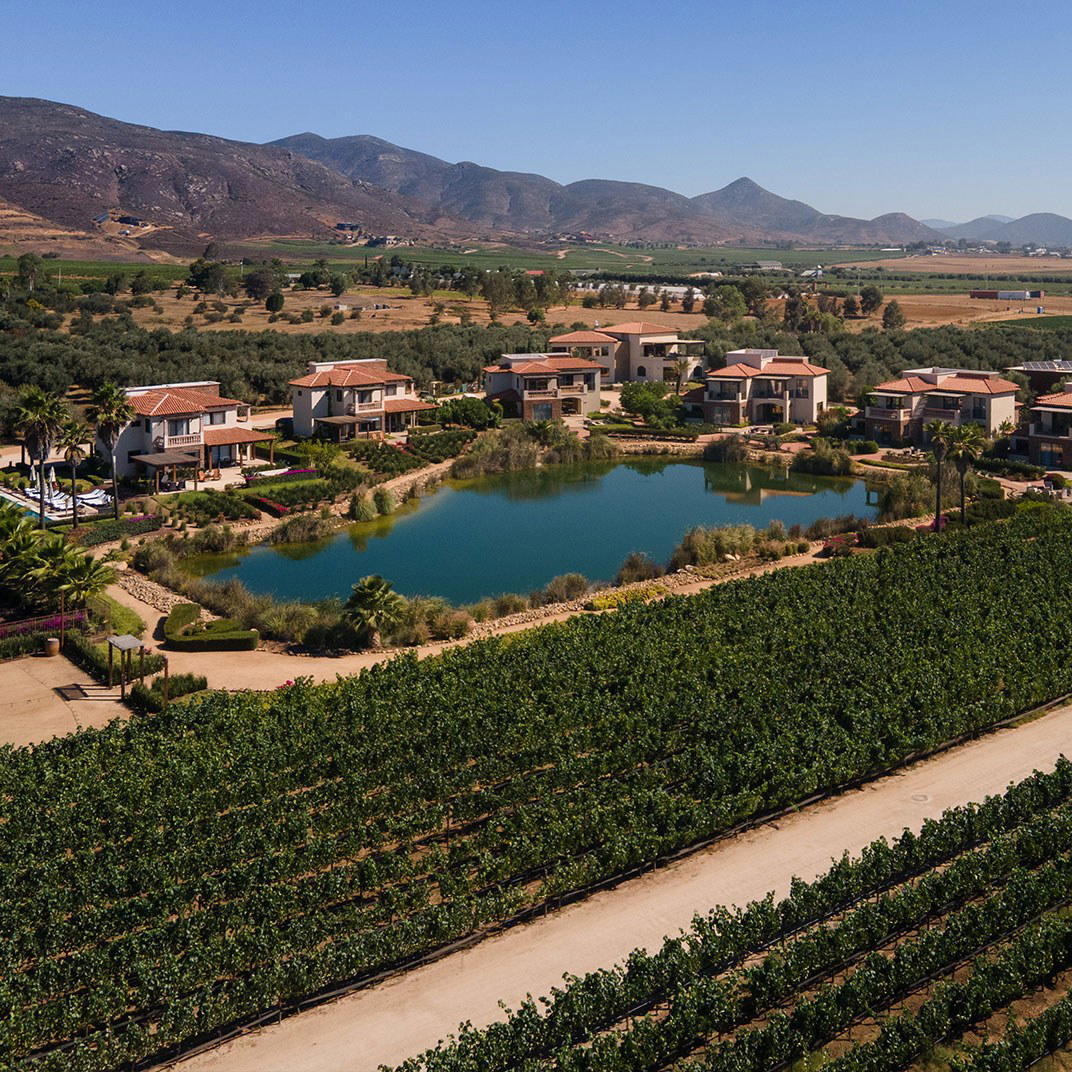
The drive into Viñedos de la Reina along the KM 71 stretch of the Ensenada highway sets expectations before you arrive. Valle de Guadalupe's dining scene has spent two decades building a reputation on the idea that a remote wine-country road in Baja California could hold a table worth travelling for. Damiana, positioned inside the estate grounds, is one of the clearest arguments that the valley has moved past novelty and into a tier of cooking that competes with Mexico's better-recognised dining cities. Chef Esteban Lluis earned a Michelin star in both 2024 and 2025, making consecutive recognition the signal rather than a one-year anomaly.
The Mole Framework: Technique at the Centre
Mexican haute cuisine's most demanding test is not the sourcing of premium ingredients or the construction of a tasting menu format. It is the handling of mole. Few preparations in any culinary tradition require the same intersection of regional knowledge, patience, and structural precision. A serious mole can draw on thirty or more ingredients, dried chillies at different stages of toasting, nuts and seeds in calibrated proportions, chocolate at varying levels of bitterness, and spices that must be introduced in sequence rather than all at once. The result should carry depth without opacity, heat without aggression, and a finish that extends rather than ends.
At the level Damiana operates, mole and its close relatives, pipián, manchamanteles, chichilo, function as evidence of a kitchen's technical ambition. The approach taken at starred Mexican restaurants in Valle de Guadalupe and beyond increasingly treats these preparations not as heritage items frozen in time, but as living structures that can absorb the specific character of local ingredients. The valley's produce, the Pacific seafood accessible from Ensenada and the coast, and the surrounding Baja landscape all contribute material that can inform a mole's base without abandoning its structural logic. This is the same conversation happening at Levadura de Olla Restaurante in Oaxaca, where the tradition is anchored to a specific regional canon, and at Pujol in Mexico City, where the preparation has become a study in controlled aging and layering over years.
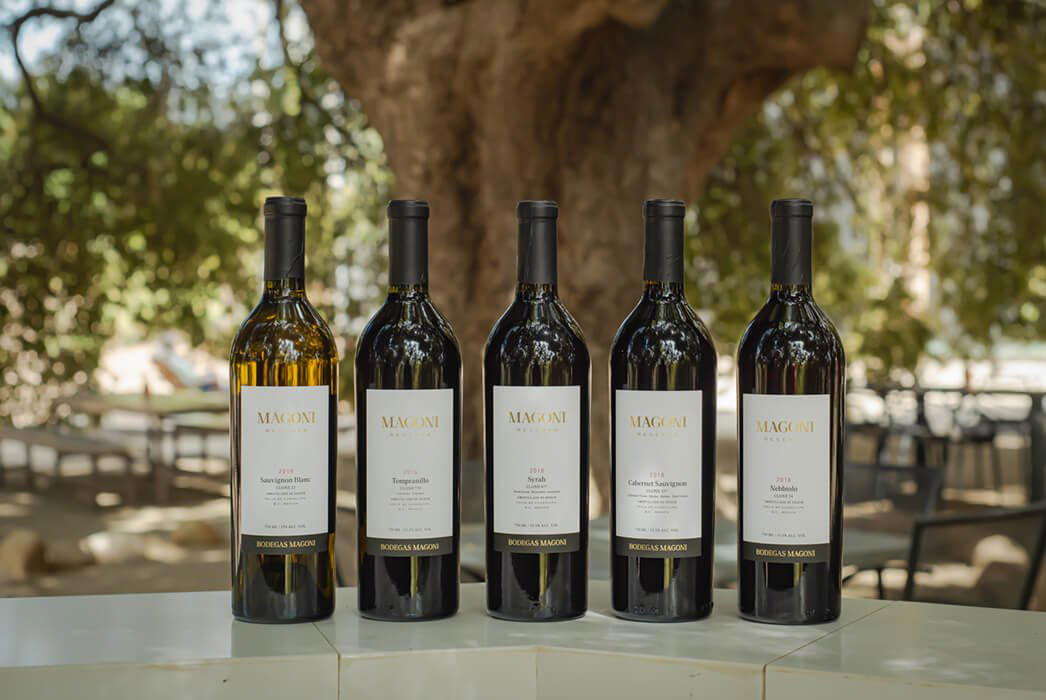
Damiana's positioning in wine country adds a dimension that most mole-serious kitchens in Mexico do not have: direct adjacency to producers whose wines are built for the same structured, savoury profile that a well-constructed mole can achieve at the table. The pairing potential is less about sweetness matching sweetness and more about tannin structure, acidity, and the mineral pull that Baja Nebbiolo or Tempranillo-based blends can bring against a dark chilli base.
Valle de Guadalupe's Starred Tier
The Michelin Guide's arrival in Baja California confirmed what the regional food press had argued for years: the valley had produced a cohort of kitchens operating at a level that international criticism would recognise. Damiana sits inside that cohort at the $$$$ price point, alongside Animalón, which also holds a star and applies a similar premium positioning to an open-air fire-forward format. The two addresses define the valley's upper dining tier differently: where Animalón's identity draws heavily on the theatrical element of live fire and a sprawling vineyard setting, Damiana's framework reads as more kitchen-led, with mole tradition and Mexican culinary structure doing more of the organising work.
Deckman's En El Mogor offers another point of comparison: a long-established open-air format that helped define the valley's identity before the Michelin era, using sustainable sourcing and fire technique to similar high-end effect. For readers building a full valley itinerary, the contrast between these three addresses tracks the range of what premium dining in the region can look like. The valley also has options at every tier, from Taqueria La Principal at the everyday end to Conchas de Piedra, which holds its own Michelin star within a seafood-focused format at $$$.
Damiana's two consecutive stars place it in a narrower national peer group as well. Mexico's Michelin-starred restaurants are concentrated in Mexico City, with outposts in Oaxaca, Playa del Carmen, Puerto Morelos, and Monterrey. Addresses like HA' in Playa del Carmen, KOLI Cocina de Origen in Monterrey, and Le Chique in Puerto Morelos represent the same broad movement toward technically serious Mexican cooking outside the capital. Damiana's location in a wine region adds a specific context none of those peers share: the surrounding estate provides both setting and a natural wine pairing programme drawn from producers within the same valley. For reference, the mole tradition is also drawing international interest beyond Mexico's borders, with Alma Fonda Fina in Denver and Cariño in Chicago working within a Mexican fine-dining framework that owes a conceptual debt to the kind of technique-led approach Damiana represents at its source.
A linked stay at one of the valley's estate properties, such as Villa Torél, positions a dinner at Damiana as part of a wider wine-country programme rather than a standalone trip.
Planning the Visit
Damiana sits at the $$$$ price tier, which in the context of Valle de Guadalupe puts it at the summit of the valley's range. Expect a per-person spend consistent with a starred tasting menu format, inclusive of a wine pairing drawn from local producers. The valley's peak season runs from late spring through early autumn, when the vineyards are active and the outdoor dining culture of the region reaches its highest volume of visitors. Arriving in the quieter months of November through February tends to mean shorter booking windows and a different atmospheric temperature, both literally and in terms of the scene's energy. The address at KM 71, Francisco Zarco, is accessible by car from Ensenada (roughly 30 kilometres north) or from Tijuana (approximately 100 kilometres south), making a driver or hired car the practical approach for any evening visit that includes wine. Booking in advance is standard practice for any address at this tier during the valley's active season. Damiana is open Wednesday through Sunday from 2 to 8 PM, and reservations are essential.
Cuisine and Awards Snapshot
Comparable venues nearby, for context on price, style, and recognition.
| Venue | Cuisine | Price | Awards | Notes |
|---|---|---|---|---|
| DamianaThis venue — the venue you are viewing | Contemporary Mexican Tasting Menu | $$$$ | Michelin 1 Star | Not listed |
| Animalón | Contemporary Mexican Fine Dining | $$$$ | Michelin 1 Star | Valle de Guadalupe |
| Conchas de Piedra | Baja Seafood & Sparkling Wines | $$$ | Michelin 1 Star | Valle de Guadalupe |
| Deckman's En El Mogor | Baja Farm-to-Table Slow Food | $$$$ | Michelin Plate | San Antonio de Las Minas |
| Primitivo | Contemporary Mexican Grill | $$$$ | Michelin Plate | Valle de Guadalupe |
| Fireside Mountain Top Restaurant | Baja Comfort Food | $$$ | Not listed | Francisco Zarco |
Recognition history
Dated appearances from independent guides and award organizations, with the underlying list record or original source where available.
Michelin 1 Star
Michelin
Michelin 1 Star
Michelin
Michelin 1 Star
Michelin
Continue exploring
More in Valle de Guadalupe
Restaurants in Valle de Guadalupe
Browse all →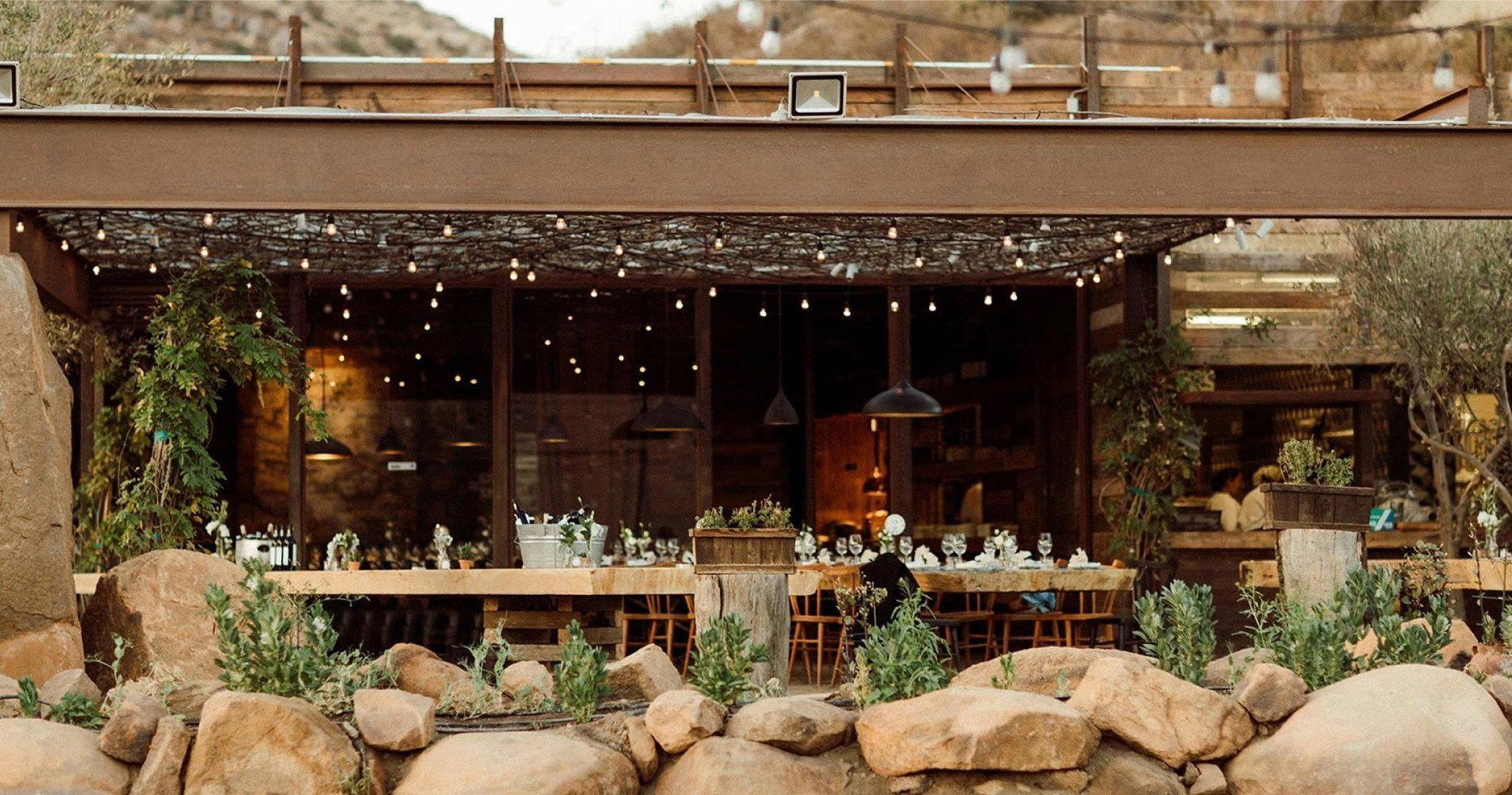
Bars in Valle de Guadalupe
Browse all →
Hotels in Valle de Guadalupe
Browse all →
At a Glance
- Elegant
- Rustic
- Scenic
- Intimate
- Sophisticated
- Date Night
- Special Occasion
- Garden
- Terrace
- Open Kitchen
- Extensive Wine List
- Sommelier Led
- Farm To Table
- Local Sourcing
- Vineyard
- Garden
Current opening hours
- Monday
- Closed
- Tuesday
- Closed
- Wednesday
- 2–8 PM
- Thursday
- 2–8 PM
- Friday
- 2–8 PM
- Saturday
- 2–8 PM
- Sunday
- 2–8 PM
Hours can change for holidays and private events. Last verified .
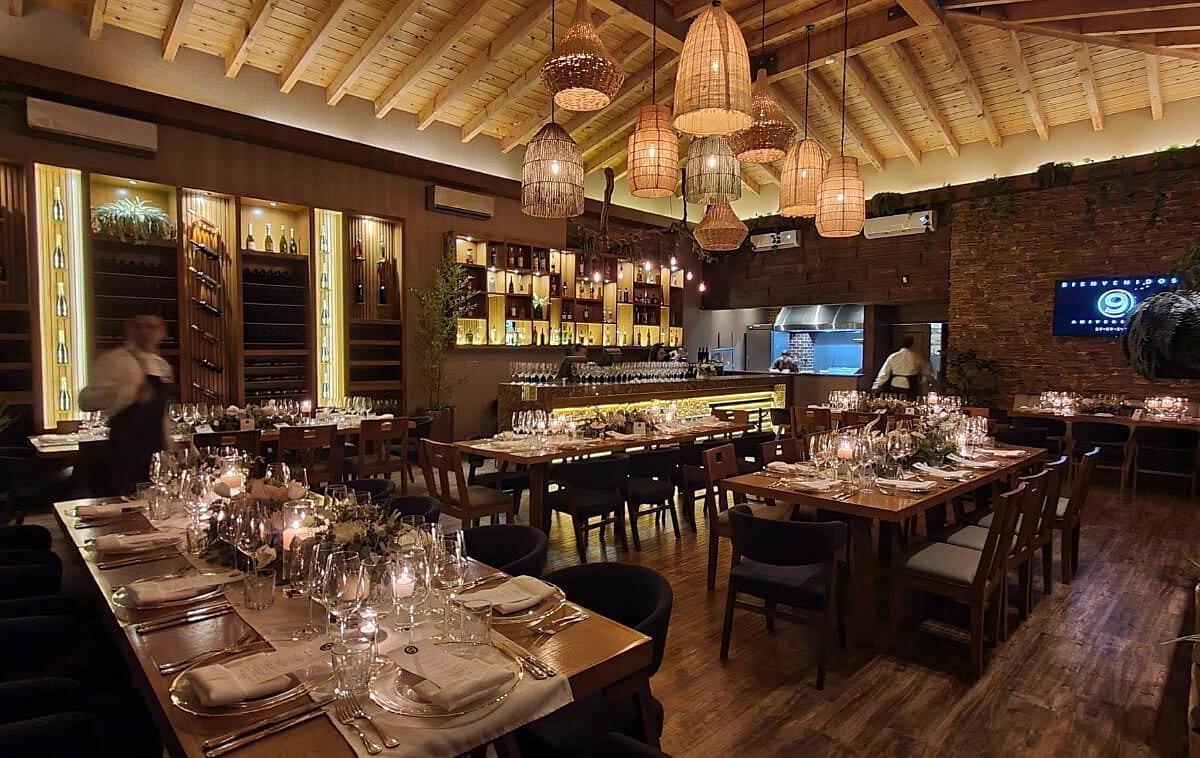
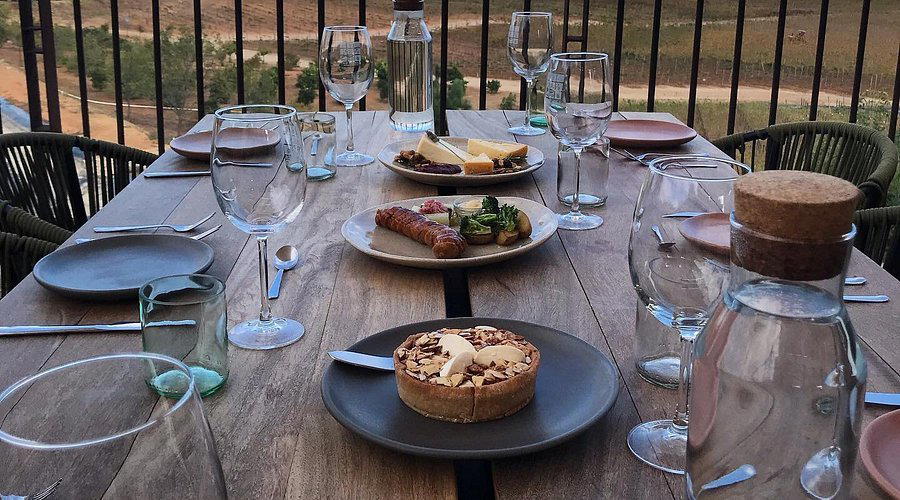
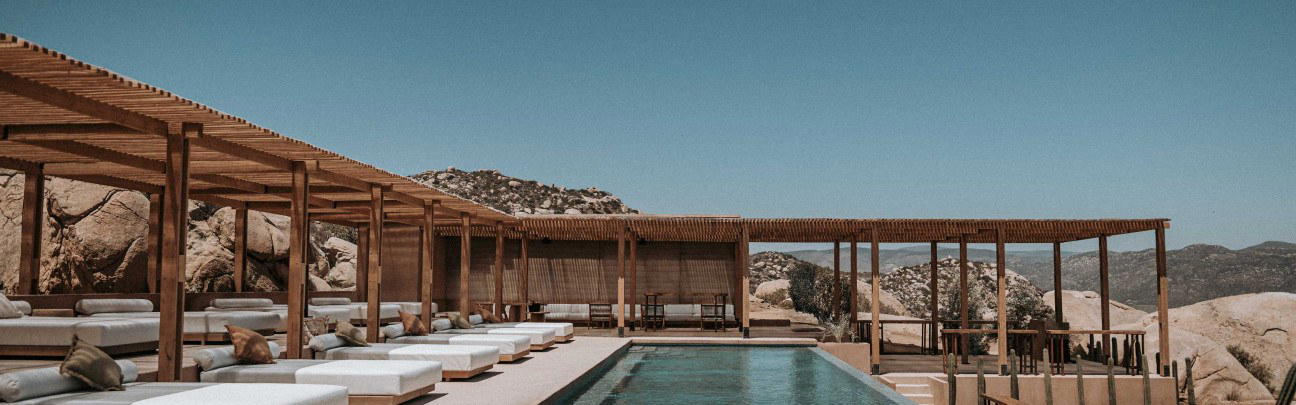
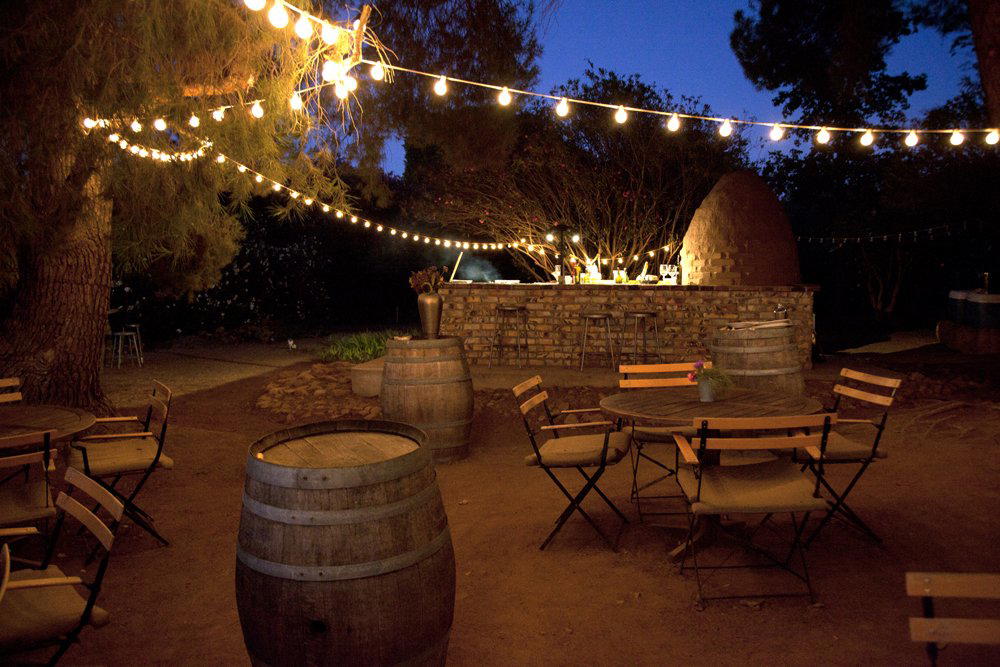
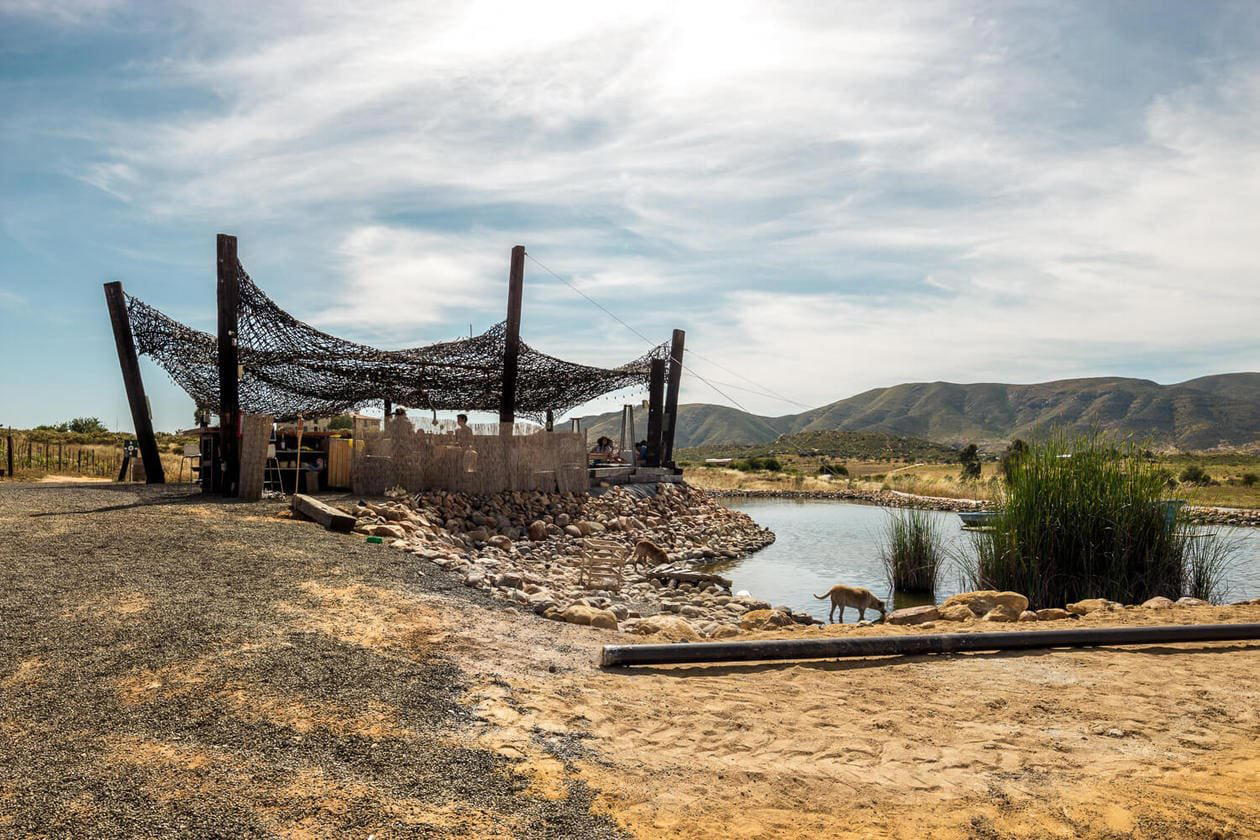
Shaded outdoor patio under tree canopies with an organic, natural atmosphere enhanced by artisanal ceramics and attentive service.