Our verdict
Brisgavi occupies a specific address in Berlin's southwestern Zehlendorf district, at Breisgauer Strasse 3, placing it well outside the central dining corridor where most of the city's recognised restaurants compete. The area's quieter residential character sets a different register from Mitte or Kreuzberg, and the address itself signals a neighbourhood-rooted operation rather than a destination-hotel or tourist-facing format.

Pearl is the En Primeur Club membership app, where members save venues, book tables and use the concierge.

The menu
What to order
- Rinderfilet vom Grill
- Brisgavi Frühstück
Southwest Berlin and the Restaurants That Sit Outside the Spotlight
Berlin's dining conversation tends to concentrate inside a tight geographic band: Mitte, Kreuzberg, Prenzlauer Berg, and the cluster of recognised fine-dining rooms that have accumulated awards and column inches over the past two decades. Venues like Nobelhart & Schmutzig in Kreuzberg, Rutz near Friedrichstrasse, and FACIL in Tiergarten define the shorthand version of Berlin's serious restaurant scene. That concentration is real and worth taking seriously. But it also means that anything operating in the outer districts, the residential southwest, the lake-edged boroughs that feel more like a small city than a capital, rarely surfaces in the standard editorial account of the city.
Brisgavi sits at Breisgauer Strasse 3 in Zehlendorf, one of Berlin's southernmost districts, where the urban grain loosens into detached houses, tree-lined streets, and a pace that bears almost no resemblance to Mitte at the weekend. That geography is not incidental. Restaurants that choose or land in these districts are typically serving a different primary audience: local residents who eat out regularly rather than visitors making a once-a-trip decision. The implications for format, atmosphere, and even design sensibility tend to follow from that base.
The Physical Register of a Neighbourhood Room
Neighbourhood restaurants across European cities have developed a recognisable spatial grammar in recent years. The large, loud dining rooms that defined 2000s dining, high ceilings, hard surfaces, tables packed to maximum capacity, have given way, in many cases, to smaller, more considered interiors. The shift is partly economic, partly a response to a dining culture that now places more weight on the texture of an evening than on the theatre of scale.
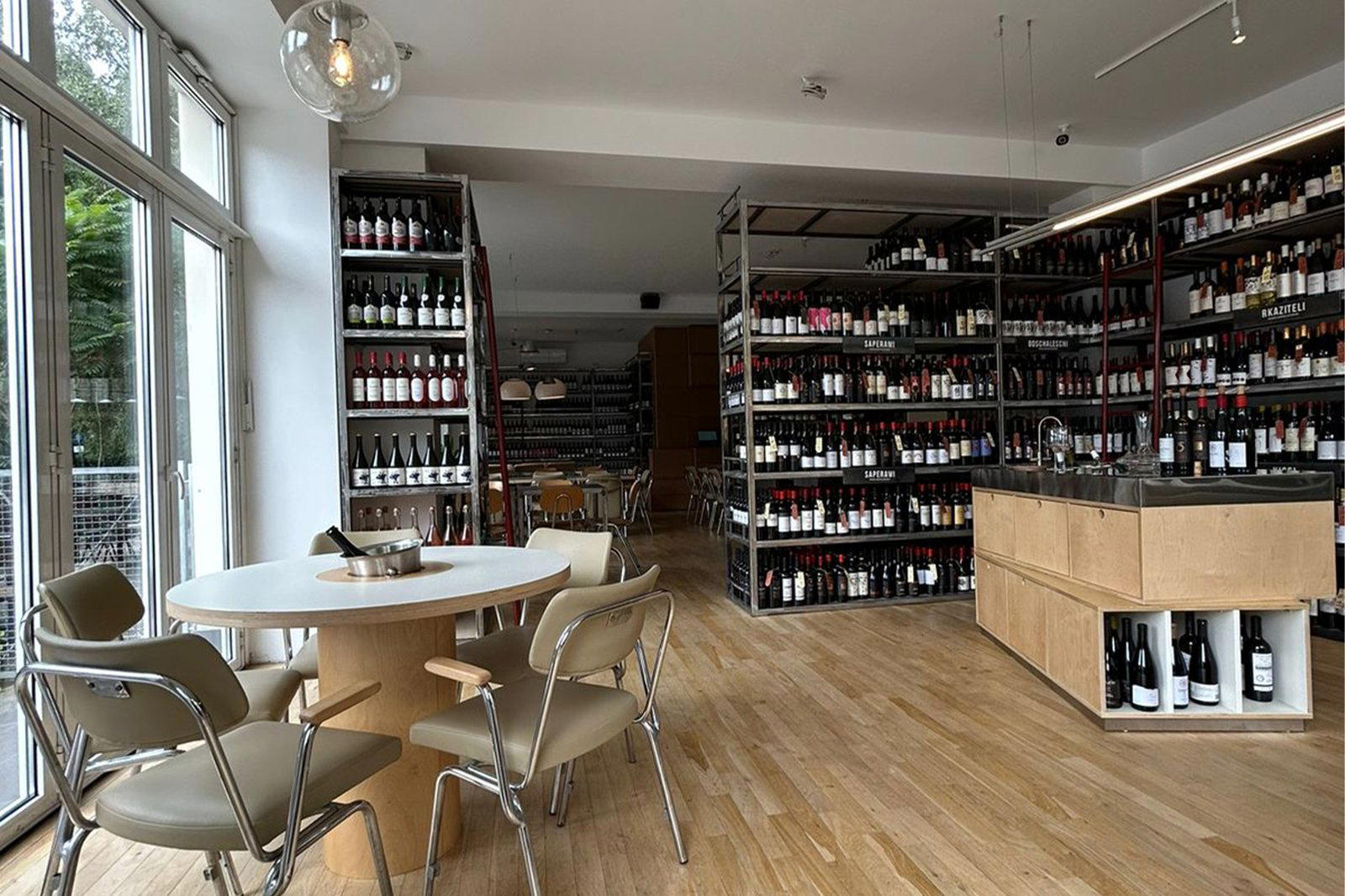
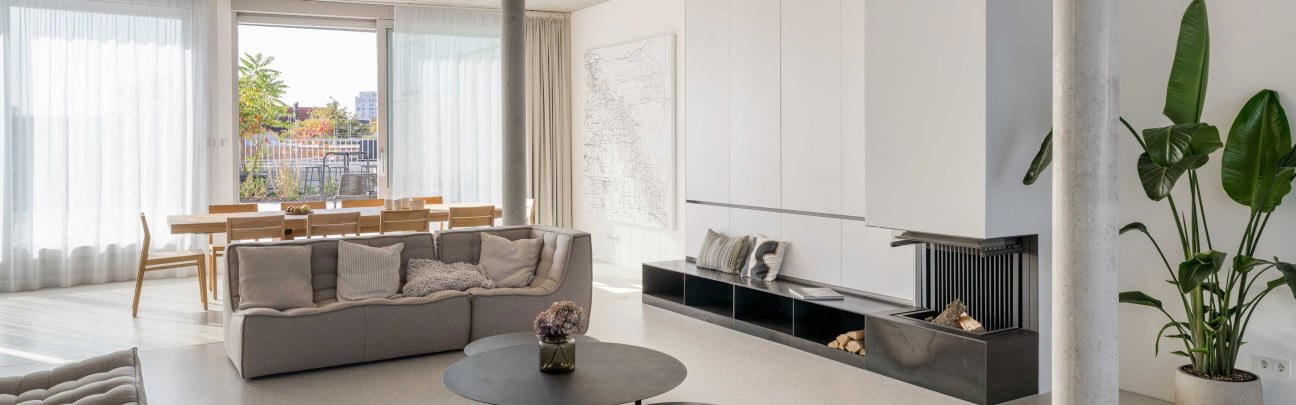
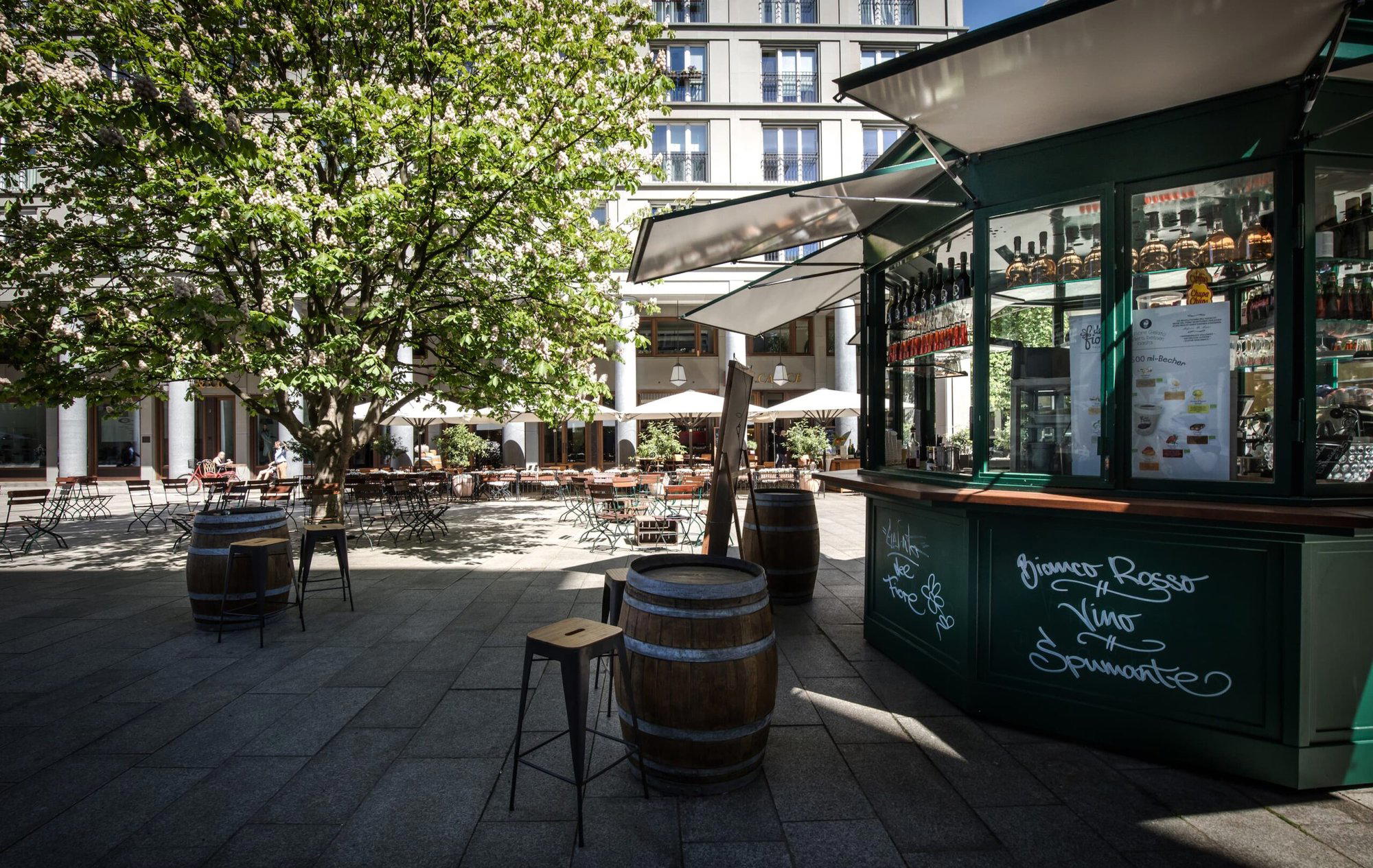
In Berlin specifically, this tendency has produced a range of spaces that prioritise intimacy and material honesty over spectacle. You see it at the more design-conscious end of the city's output, from the restrained interiors that accompany creative tasting menus to the stripped-back neighbourhood rooms that serve a largely local clientele without any pressure to perform for the wider restaurant press. Brisgavi's Zehlendorf address positions it firmly in the latter category. The setting is residential rather than commercial-strip, which typically produces a specific kind of room: proportioned for a neighbourhood footfall rather than destination volume, with the spatial logic of a dining room that expects regulars as much as first-timers.
That distinction matters for how a space is designed and experienced. Rooms built for regulars tend toward comfort over statement, furniture choices that hold up across many evenings, lighting calibrated for conversation rather than photography, a layout that assumes the table will be occupied by people who already know each other or who come back often enough that they feel ownership over their usual spot. Berlin's southwest, with its affluent, long-term residential character, is a reasonable place to expect exactly that kind of room.
Where Brisgavi Sits in the Berlin Picture
That tier comes with a specific set of expectations: advance booking, tasting-menu formats, precise service cadences, and a certain self-consciousness about the dining experience as a composed event.
Neighbourhood restaurants in quieter districts typically operate in a different register, not necessarily lower quality, but different in intent and format. The comparison set is less the Michelin-starred room and more the dependable local that earns a loyal following without the machinery of awards and press cycles. Germany's broader fine-dining geography, which runs through celebrated rooms like Schwarzwaldstube in Baiersbronn, Aqua in Wolfsburg, and Vendôme in Bergisch Gladbach, represents a different scale of ambition and investment. Brisgavi, based on its location and address alone, reads more as a contribution to its immediate neighbourhood than to that national fine-dining narrative.
That is not a diminishment. Some of the most consistently satisfying restaurants in any European city are the ones that have no interest in the awards cycle and no pressure to perform beyond the expectations of the people who live nearby. Restaurant Haerlin in Hamburg and JAN in Munich demonstrate what ambition looks like when it is institutionally supported; Brisgavi's southwest Berlin address suggests something more self-contained.
For visitors to Berlin who have already covered the recognised rooms or who are staying in the city long enough to want to eat as residents rather than tourists, Zehlendorf and its surrounding districts offer a genuinely different experience of the city. The neighbourhood's character, quieter, greener, more suburban in the European sense, produces a kind of restaurant culture that is underrepresented in travel writing about Berlin. Our full Berlin restaurants guide maps the wider picture, from the award-decorated rooms of the centre to the less-covered outer districts.
German dining more broadly has a strong tradition of the Gaststätte and the neighbourhood restaurant that serves a regional or broadly European menu to a local clientele, with a wine list calibrated for weekly drinking rather than special-occasion spending. That tradition coexists with the internationally recognised fine-dining tier represented by rooms like Waldhotel Sonnora in Dreis, Victor's Fine Dining by Christian Bau in Perl, and ES:SENZ in Grassau. Brisgavi's address puts it at a remove from that tier, which is precisely where most Berliners eat most of the time.
Know Before You Go
- Address: Breisgauer Str. 3, 14129 Berlin, Germany
- District: Zehlendorf, southwestern Berlin
- Phone: Not publicly listed
- Website: Not publicly listed
- Hours: Confirm directly before visiting
- Price range:
Frequently asked questions
What part of town is Brisgavi in?
Brisgavi is located at Breisgauer Str. 3, 14129 Berlin, Germany, Berlin.
Is Brisgavi worth the trip from central Berlin to Zehlendorf?
Brisgavi sits at Breisgauer Str. 3 in Berlin's 14129 postal district, roughly in the southwest quadrant of the city, well outside the Mitte-to-Kreuzberg corridor where most critical attention pools. For diners already based in or passing through Zehlendorf, it offers a neighbourhood room without the room-noise and reservation pressure of the central tier. Cuisine type and awards data are not confirmed, so the case for a dedicated cross-city journey rests on local knowledge rather than documented credentials.
What should I order at Brisgavi?
The restaurant sits at Breisgauer Str. 3 in Zehlendorf, a neighbourhood where kitchens tend toward approachable, mid-market cooking rather than the tasting-menu format of Berlin's central restaurant belt.
Do they take walk-ins at Brisgavi?
Restaurants in Zehlendorf's residential stretch generally run smaller covers than those in Mitte or Kreuzberg, which can cut both ways: less competition for a table on a quiet Tuesday, but a fully committed room on weekends. Contacting the restaurant at Breisgauer Str. 3 directly before arrival is the safest approach.
Comparison Snapshot
Comparable venues nearby, for context on price, style, and recognition.
| Venue | Cuisine | Price | Notes |
|---|---|---|---|
| BrisgaviThis venue (the venue you are viewing) | Modern German Bistro | $30–50 | Not listed |
| Tiroler Stuben Berlin | Traditional Austrian Tyrolean | $20–30 | Pichelsberg |
| Schnitzelei Mitte | Modern German Schnitzel | $20–30 | Mitte |
| Lokal | Modern German | $30–50 | Mitte |
| Schüsseldienst | Modern German Bowls | $10–20 | Schoneberg |
| Lebenswelten im Humboldt Forum | Sustainable German Bistro with Vegetarian Focus | $20–30 | Mitte |
Continue exploring
More in Berlin
Restaurants in Berlin
All restaurants in Berlin →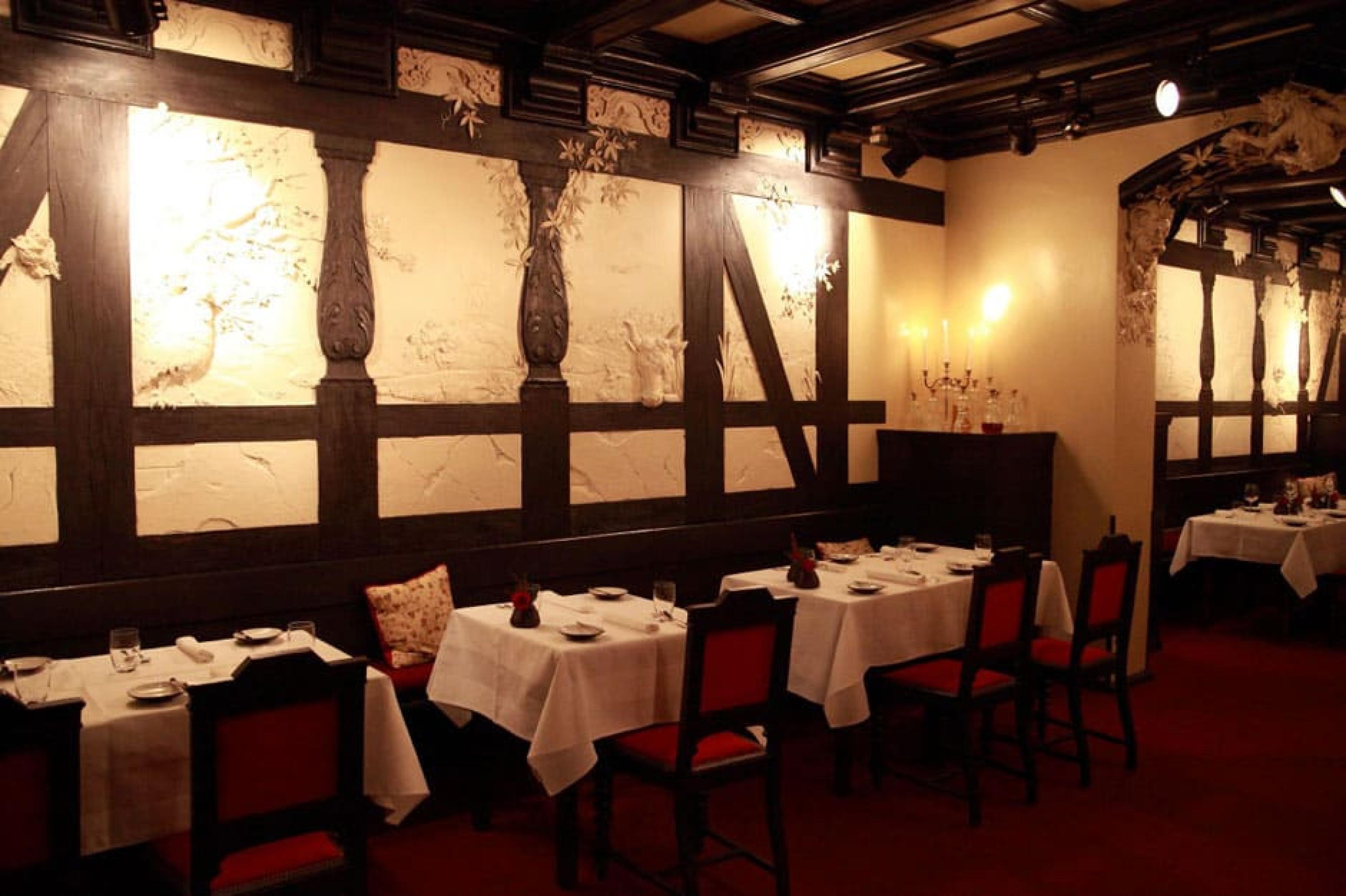
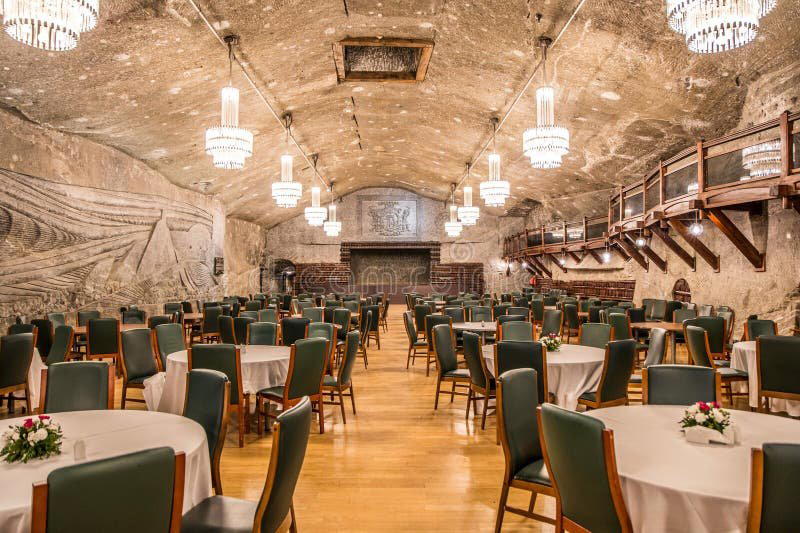
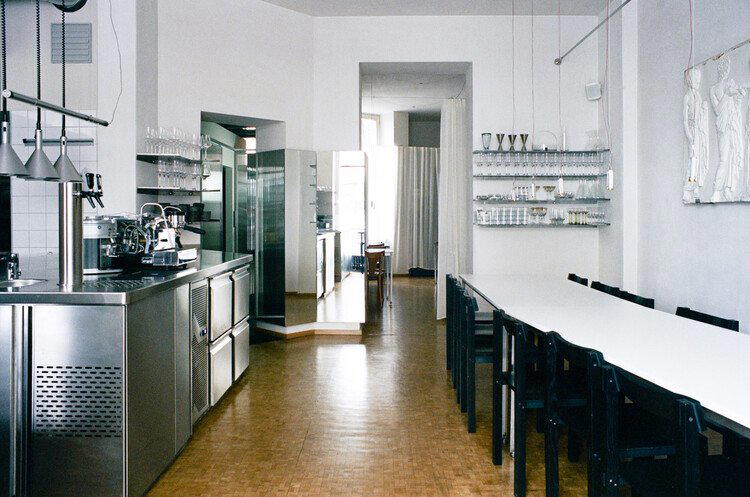
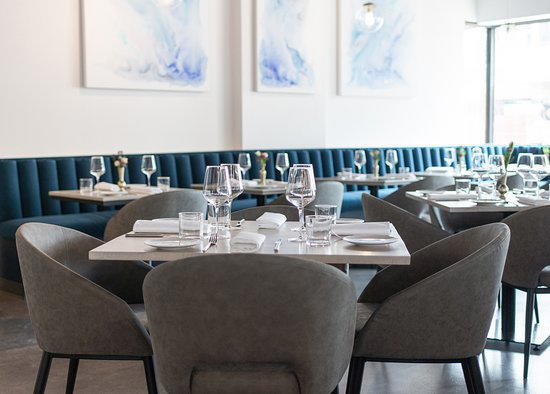
Bars in Berlin
All bars in Berlin →

Details
- Cozy
- Elegant
- Modern
- Date Night
- Business Dinner
- Wine Cellar
- Extensive Wine List
- Waterfront
- Street Scene
- A La Carte
- Small Plates
- Wine
Current opening hours
- Monday
- 5–11 PM
- Tuesday
- 5–11 PM
- Wednesday
- 5–11 PM
- Thursday
- 5–11 PM
- Friday
- 5–11 PM
- Saturday
- Closed
- Sunday
- Closed
Hours can change for holidays and private events. Hours as of .
Gut eingerichtet mit geschmackvoller Präsentation und schöner Atmosphäre.